I am wondering what kind of support there is for it out there amongst ecologists. If you are one, please complete the following short survey by clicking here.
I’m actually in the process of writing a paper on all this for a special issue of Journal of Plant Ecology (that is nearly already overdue!), but here are a few facts for you in the interim:
Australian eucalypt forests are globally unique, with one of the longest evolutionary histories among the world’s forests
Australia has about 147 million ha of native forest remaining, and about 2 million ha of plantations Read the rest of this entry »
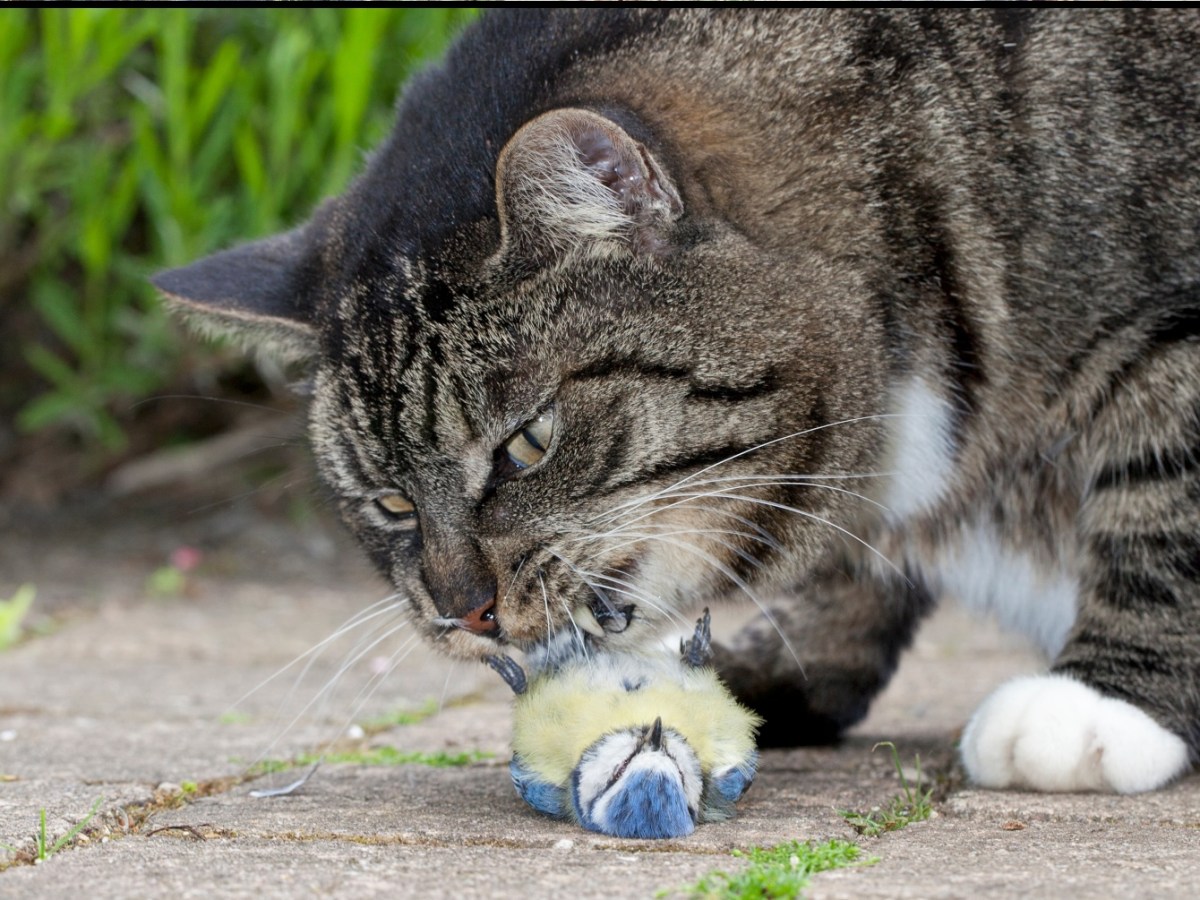
Those of us living with cats share our homes with an ancestral predator, one adapted for hunting and the frequent, exclusive consumption of meat. These instincts become fully activated outside the domestic environment, where cats pose a global threat to wildlife. Pets are family. We celebrate their arrival with the same joy as a grand…
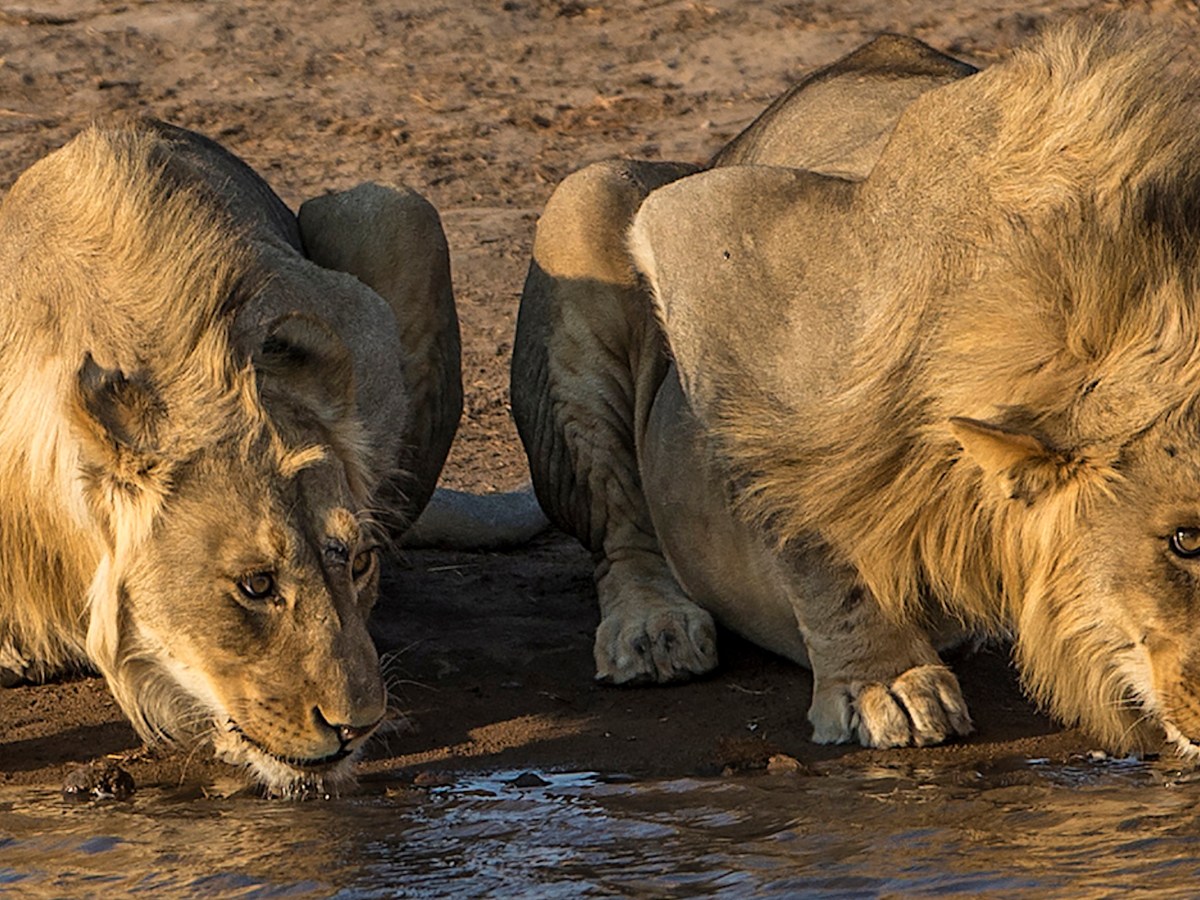
Many animals avoid contact with people. In protected areas of the African savanna, mammals flee more intensely upon hearing human conversations than when they hear lions or sounds associated with hunting. This fear of humans affects how species use and move in their habitat. Throughout our lives, we interact with hundreds of wildlife species without…
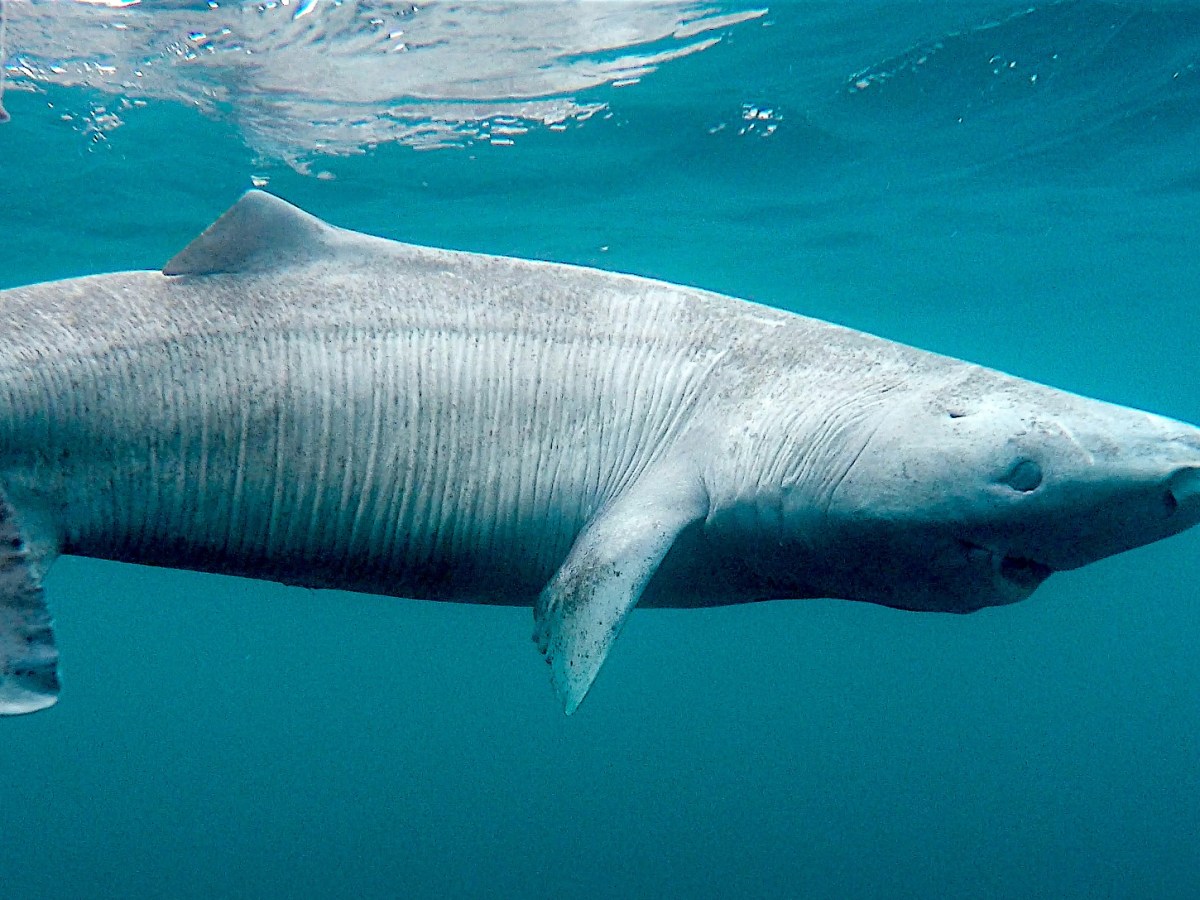
Deep-sea sharks include some of the longest-lived vertebrates known. The record holder is the Greenland shark, with a recently estimated maximum age of nearly 400 years. Their slow life cycle makes them vulnerable to fisheries. Humans rarely live longer than 100 years. But many other animals and plants can live for several centuries or even millennia, particularly…
 Today on The Conversation, it was reported that 60 % of 145 economists surveyed support Australia’s new Carbon Tax scheme.



 ConservationBytes.com