‘Classics’ is a category of posts highlighting research that has made a real difference to biodiversity conservation. All posts in this category will be permanently displayed on the Classics page of ConservationBytes.com
—
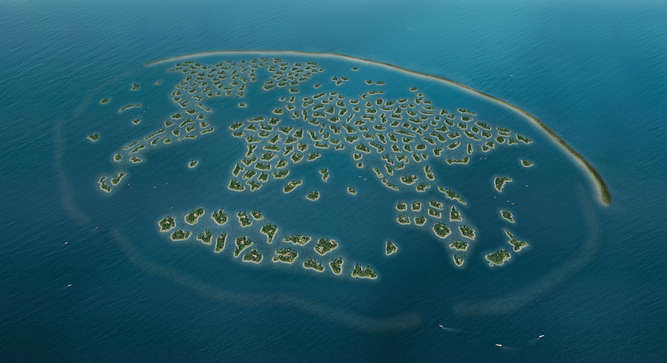 MacArthur, R.H. & Wilson, E.O. (1967). The Theory of Island Biogeography. Princeton University Press, Princeton, NJ
Although this classic book was written before the discipline of conservation biology really kicked off, it has to be one of the more influential in terms of reserve design and the estimation of extinction rates. The original theory was proposed as a determinant of total species richness on islands as a function of island size. Put (almost too) simply the bigger the island, the more species it contains. This ultimately lead to the branch of biogeography/conservation biology that applied ‘species-area’ relationships to habitat fragments to extrapolate total species number and more importantly (in the context of the extinction crisis), estimate rates of species loss. The species-area literature is a hot-bed of critique and polemic, yet no one can deny that this seminal book really kicked off the idea that reduced and fragmented areas are bad for biodiversity. We wouldn’t have nature reserves today if it wasn’t for this simple, yet brilliant piece of work.





 ConservationBytes.com
[…] tends to increase. This of course originates from MacArthur & Wilson’s classic book, The Theory of Island Biography (1967), and while simple in basic concept, it has since developed into a multi-headed Hydra of […]
LikeLike
[…] species (and individuals) there will be (see MacArthur & Wilson’s Classic contribution: The Theory of Island Biogeography), but it took us decades (yes, embarrassingly – decades) to work out that fragmentation is […]
LikeLike
[…] also developed an island biogeographic model of the extinction process, which revealed a rather amazing result. It was […]
LikeLike
[…] I’ve been slightly amazed that after more than 50 years since MacArthur & Wilson’s famous book, our discipline is still obsessed with […]
LikeLike
[…] I’ve been slightly amazed that after more than 50 years since MacArthur & Wilson’s famous book, our discipline is still obsessed with […]
LikeLike
[…] how are we going to improve on our highly imprecise estimates? One way is to look at the species-area relationship (SAR), which to estimate extinction requires one to extrapolate back to the origin in taxon- and […]
LikeLike