I’m winding down here for the year (although there might be a few more posts before the New Year), so here’s the latest batch of 6 biodiversity cartoons (see full stock of previous ‘Cartoon guide to biodiversity loss’ compendia here).
—
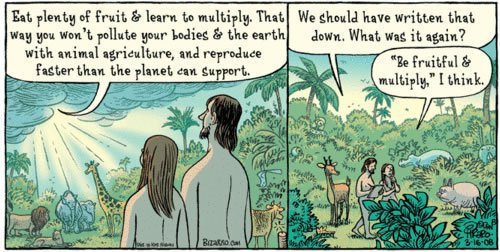
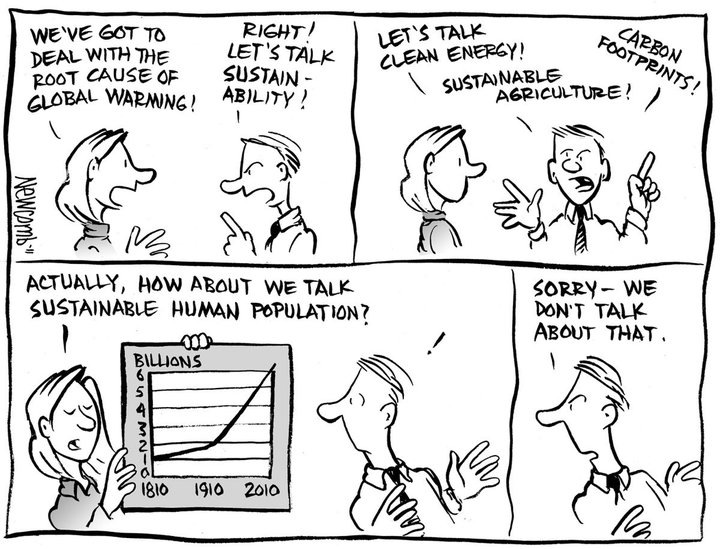
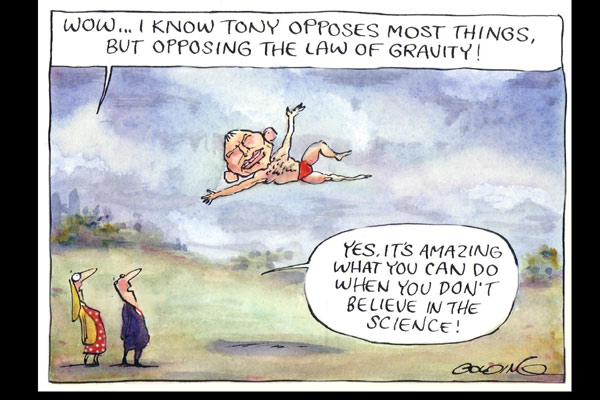
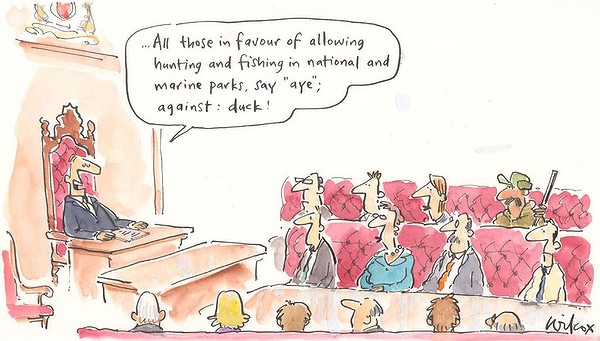
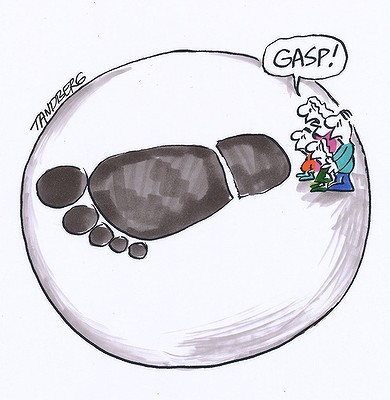

I’m winding down here for the year (although there might be a few more posts before the New Year), so here’s the latest batch of 6 biodiversity cartoons (see full stock of previous ‘Cartoon guide to biodiversity loss’ compendia here).
—


Those of us living with cats share our homes with an ancestral predator, one adapted for hunting and the frequent, exclusive consumption of meat. These instincts become fully activated outside the domestic environment, where cats pose a global threat to wildlife. Pets are family. We celebrate their arrival with the same joy as a grand…

Many animals avoid contact with people. In protected areas of the African savanna, mammals flee more intensely upon hearing human conversations than when they hear lions or sounds associated with hunting. This fear of humans affects how species use and move in their habitat. Throughout our lives, we interact with hundreds of wildlife species without…
Deep-sea sharks include some of the longest-lived vertebrates known. The record holder is the Greenland shark, with a recently estimated maximum age of nearly 400 years. Their slow life cycle makes them vulnerable to fisheries. Humans rarely live longer than 100 years. But many other animals and plants can live for several centuries or even millennia, particularly…





 ConservationBytes.com
Brilliant!
LikeLike