ConservationBytes.com

Conservation research … with bite
  • Home
  • About
    • Policy
  • Top 20
  • Cartoons
  • Classics
    • Pollination
  • Potential
  • Toothless
  • Australiana
    • Dingoes
  • CJA Bradshaw
    • Publications
    • Media appearances
    • Public speaking
    • Curriculum Vitae
  • Tips

Extinction cascades

3 06 2020

A recent online interview I did on the role of extinction cascades in mass extinctions:

Share:

  • Share on Bluesky (Opens in new window) Bluesky
  • Share on Mastodon (Opens in new window) Mastodon
  • Share on LinkedIn (Opens in new window) LinkedIn
  • Share on Reddit (Opens in new window) Reddit
  • Share on Facebook (Opens in new window) Facebook
  • Share on Pinterest (Opens in new window) Pinterest
  • Share on Tumblr (Opens in new window) Tumblr
  • Share on Telegram (Opens in new window) Telegram
  • Share on WhatsApp (Opens in new window) WhatsApp
  • Email a link to a friend (Opens in new window) Email
  • Print (Opens in new window) Print
Like Loading...

Related

« Cartoon guide to biodiversity loss LXI Successful movers responding to climate change »


Actions

  • rss Comments RSS
  • trackback Trackback

Information

  • Date : Wed, 3 Jun 2020
  • Tags: co-extinctions, extinction, extinction cascades, Giovanni Strona, tardigrades, trophic cascades
  • Categories : anthropocene, conservation, conservation ecology, extinction, synergies, trophic cascades

One response

5 06 2020
Kevin Hester's avatar Kevin Hester (16:11:17) :

It was an absolute pleasure and an honour to spend an hour with professor Bradshaw.
I have posted the interview to my website with relevant corroborating links embedded;

Professor Corey Bradshaw explains the unfolding “Extinction Cascades” on Nature Bats Last.

LikeLike

Reply

Leave a comment Cancel reply


The science of ... saving life

CJAB

CJAB

I am the Matthew Flinders Professor of Global Ecology at Flinders University.

View Full Profile →

Get Conservation Bytes by Email
Enter your email address to receive new posts on conservation, biodiversity, and environmental science directly in your inbox. No need to visit the website regularly, and you can unsubscribe at any time.

Stats

  • 3,540,147 views
  • GitHub
  • Google
  • Bluesky
  • Mastodon
  • Facebook
  • LinkedIn
  • Instagram
  • SoundCloud

Top Posts

  • Conservation research rarely equals conservation
    Conservation research rarely equals conservation
  • Software tools for conservation biologists
    Software tools for conservation biologists
  • Killing (feral) cats quickly (and efficiently)
    Killing (feral) cats quickly (and efficiently)
  • Conservation quotes: Attenborough to Irwin
    Conservation quotes: Attenborough to Irwin
  • How to write a scientific paper
    How to write a scientific paper
  • Ecology: the most important science of our times
    Ecology: the most important science of our times
  • Does the pope wear a funny hat?
    Does the pope wear a funny hat?
  • Lomborg: a detailed citation analysis
    Lomborg: a detailed citation analysis
  • We're sorry, but 50/500 is still too few
    We're sorry, but 50/500 is still too few
  • Psychological toll of being a sustainability scientist
    Psychological toll of being a sustainability scientist
Jun 2020
M T W T F S S
1234567
891011121314
15161718192021
22232425262728
2930  
« May   Jul »

RECENT POSTS

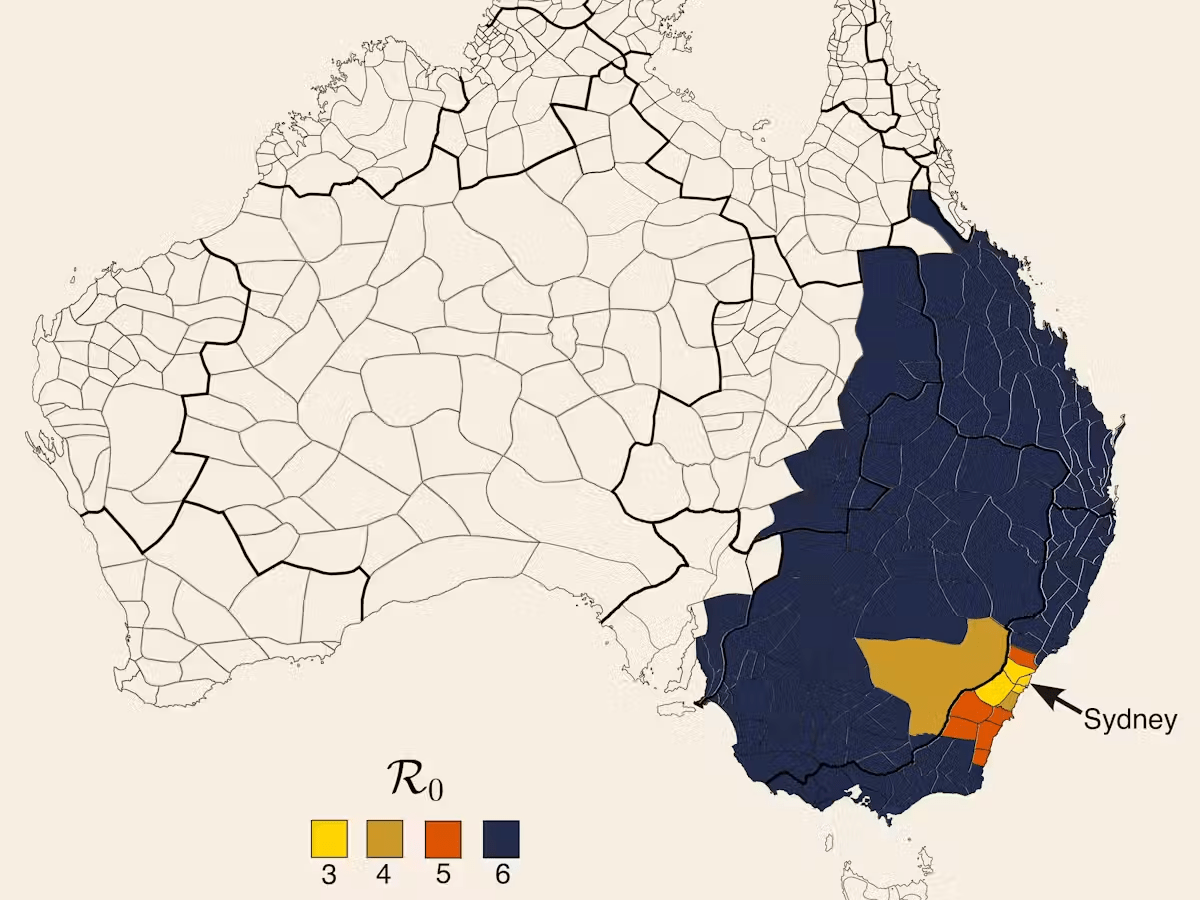
Sydney’s 1789 smallpox epidemic came from the First Fleet and killed up to 220,000 Indigenous Australians

Sydney’s 1789 smallpox epidemic came from the First Fleet and killed up to 220,000 Indigenous Australians

Hulton Archive / Getty Images We warn readers that the content of this study is confronting and may be distressing. In April 1789, the first smallpox epidemic among Aboriginal people in the Sydney region began, just 16 months after Europeans arrived on the First Fleet. Little is known of the true scale of the epidemic,…

CJAB's avatar by CJAB Sat, 11 Jul 2026Sat, 11 Jul 2026
World’s largest successful island-wide eradication of invasive pigs

World’s largest successful island-wide eradication of invasive pigs

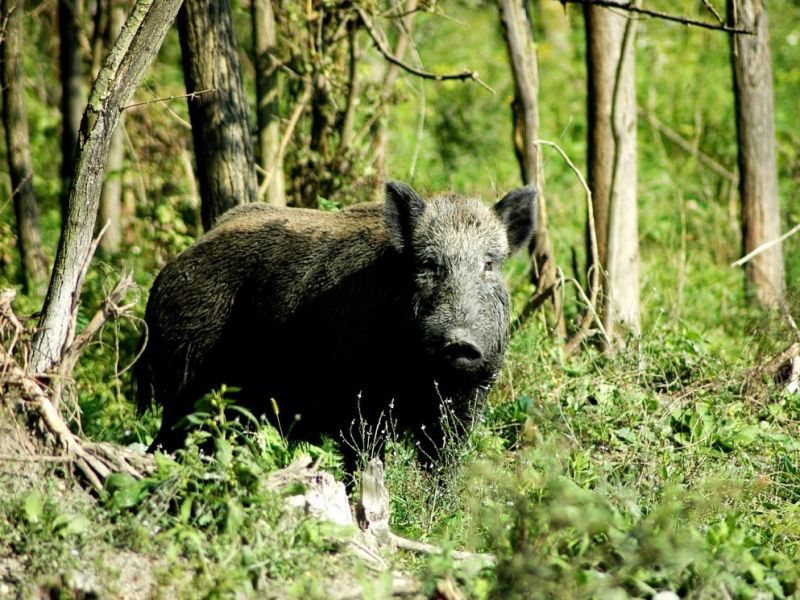
Just over two years ago I reported the ‘likely’ eradication of feral pigs from Australia’s third-largest (4,405 km2) island — Kangaroo Island. I indicated ‘likely’ because the program still required the proof-of-eradication phase to be completed before an official declaration could be made. Yesterday I had the immense honour to take part in the official…

CJAB's avatar by CJAB Thu, 11 Jun 2026
Citing Indigenous Knowledges (correctly & respectfully) in scientific research

Citing Indigenous Knowledges (correctly & respectfully) in scientific research

Have you ever done any research that relied to any degree on Indigenous Knowledges? How did you cite those Knowledges, if at all? It’s probably time we rethink how we engage with Indigenous Knowledge systems. In a new article published in BioScience, we — a large group of Indigenous and non-Indigenous scholars in Australia —…

CJAB's avatar by CJAB Thu, 30 Apr 2026

Links

    Log in


    Create a website or blog at WordPress.com
    • Comment
    • Reblog
    • Subscribe Subscribed
      • ConservationBytes.com
      • Join 2,773 other subscribers.
      • Already have a WordPress.com account? Log in now.
      • ConservationBytes.com
      • Subscribe Subscribed
      • Sign up
      • Log in
      • Copy shortlink
      • Report this content
      • View post in Reader
      • Manage subscriptions
      • Collapse this bar
    %d