ConservationBytes.com

Conservation research … with bite
  • Home
  • About
    • Policy
  • Top 20
  • Cartoons
  • Classics
    • Pollination
  • Potential
  • Toothless
  • Australiana
    • Dingoes
  • CJA Bradshaw
    • Publications
    • Media appearances
    • Public speaking
    • Curriculum Vitae
  • Tips

Ecosystem services – the non-human perspective

29 04 2011

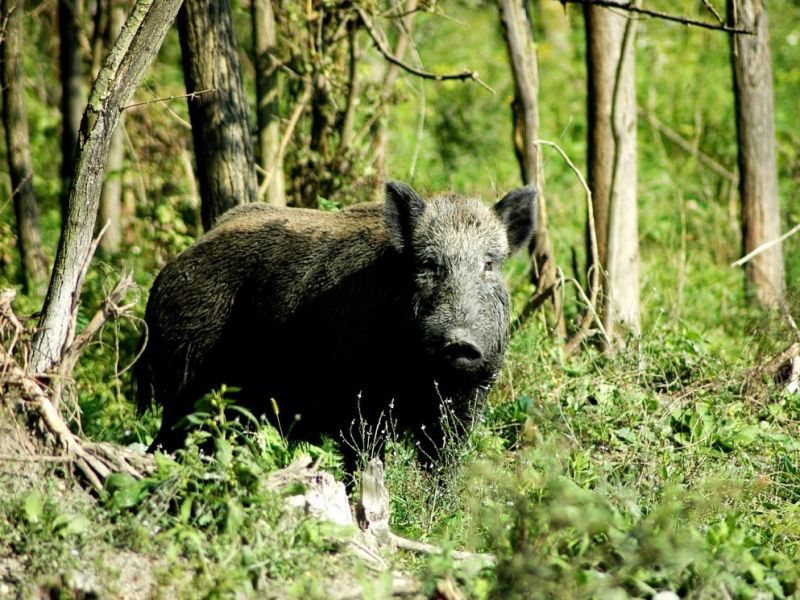
A picture is worth a large, generally unquantifiable number of words (in all languages):
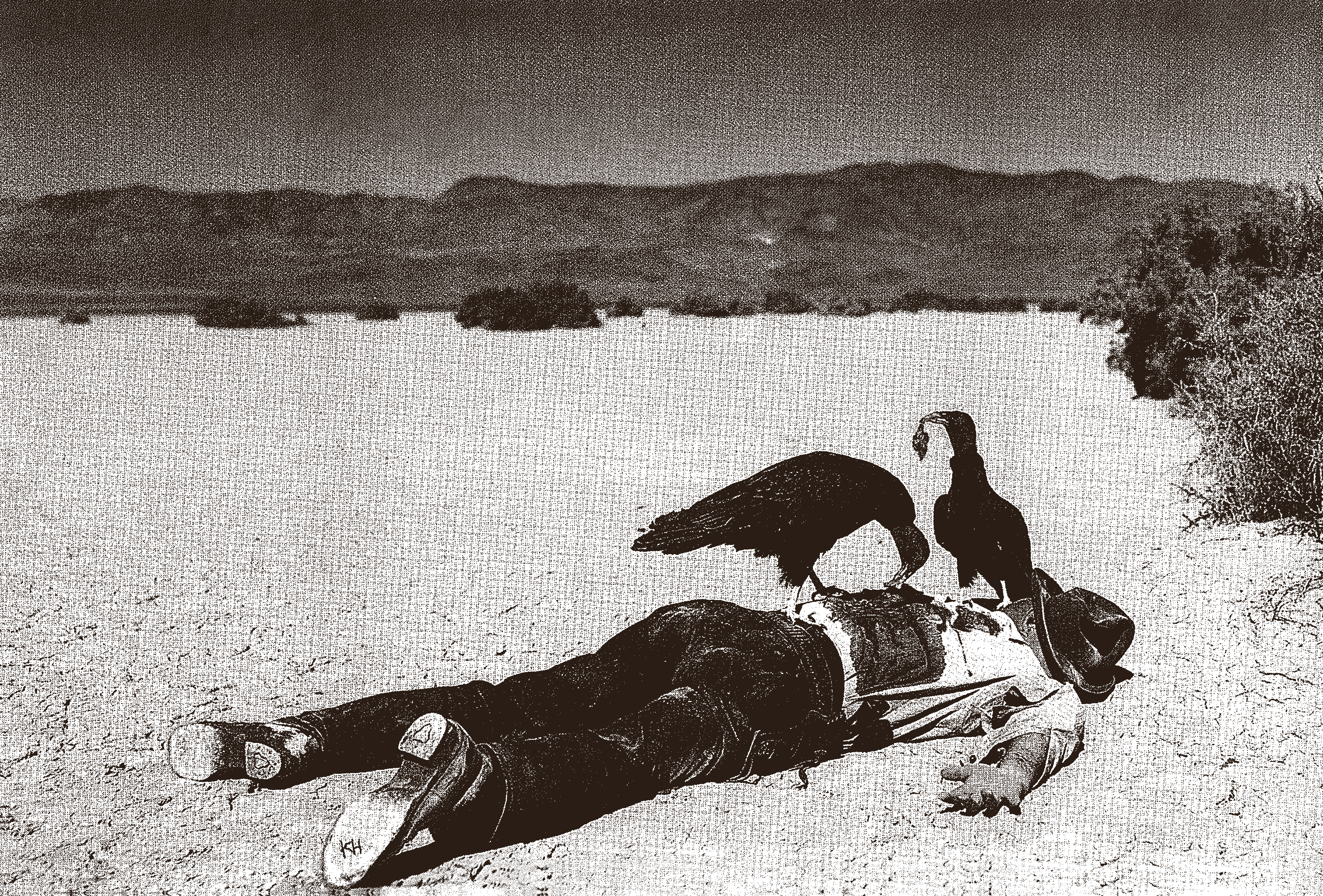
Who says I’m a misanthropist?

Enjoy your weekend.

CJA Bradshaw

-34.917731 138.603034

Share:

  • Share on Bluesky (Opens in new window) Bluesky
  • Share on Mastodon (Opens in new window) Mastodon
  • Share on LinkedIn (Opens in new window) LinkedIn
  • Share on Reddit (Opens in new window) Reddit
  • Share on Facebook (Opens in new window) Facebook
  • Share on Pinterest (Opens in new window) Pinterest
  • Share on Tumblr (Opens in new window) Tumblr
  • Share on Telegram (Opens in new window) Telegram
  • Share on WhatsApp (Opens in new window) WhatsApp
  • Email a link to a friend (Opens in new window) Email
  • Print (Opens in new window) Print
Like Loading...

Related

« Classics: Effective population size ratio Silence of the birds »


Actions

  • rss Comments RSS
  • trackback Trackback

Information

  • Date : Fri, 29 Apr 2011
  • Tags: ecosystem services
  • Categories : ecosystem services

Leave a comment Cancel reply


The science of ... saving life

CJAB

CJAB

I am the Matthew Flinders Professor of Global Ecology at Flinders University.

View Full Profile →

Follow ConservationBytes.com on WordPress.com

Stats

  • 3,515,866 views
  • GitHub
  • Google
  • Bluesky
  • Mastodon
  • Facebook
  • LinkedIn
  • Instagram
  • SoundCloud

Top Posts

  • World's largest successful island-wide eradication of invasive pigs
    World's largest successful island-wide eradication of invasive pigs
  • Killing (feral) cats quickly (and efficiently)
    Killing (feral) cats quickly (and efficiently)
  • Conservation research rarely equals conservation
    Conservation research rarely equals conservation
  • We're sorry, but 50/500 is still too few
    We're sorry, but 50/500 is still too few
  • Conservation quotes: Attenborough to Irwin
    Conservation quotes: Attenborough to Irwin
  • How to write a scientific paper
    How to write a scientific paper
  • Software tools for conservation biologists
    Software tools for conservation biologists
  • 5000 piggies, 500 piggies, 100 piggies, ... and there there was none
    5000 piggies, 500 piggies, 100 piggies, ... and there there was none
  • Scientists should blog
    Scientists should blog
  • Citing Indigenous Knowledges (correctly & respectfully) in scientific research
    Citing Indigenous Knowledges (correctly & respectfully) in scientific research
Apr 2011
M T W T F S S
 123
45678910
11121314151617
18192021222324
252627282930  
« Mar   May »

RECENT POSTS

World’s largest successful island-wide eradication of invasive pigs

World’s largest successful island-wide eradication of invasive pigs

Just over two years ago I reported the ‘likely’ eradication of feral pigs from Australia’s third-largest (4,405 km2) island — Kangaroo Island. I indicated ‘likely’ because the program still required the proof-of-eradication phase to be completed before an official declaration could be made. Yesterday I had the immense honour to take part in the official…

CJAB's avatar by CJAB Thu, 11 Jun 2026
Citing Indigenous Knowledges (correctly & respectfully) in scientific research

Citing Indigenous Knowledges (correctly & respectfully) in scientific research

Have you ever done any research that relied to any degree on Indigenous Knowledges? How did you cite those Knowledges, if at all? It’s probably time we rethink how we engage with Indigenous Knowledge systems. In a new article published in BioScience, we — a large group of Indigenous and non-Indigenous scholars in Australia —…

CJAB's avatar by CJAB Thu, 30 Apr 2026
Global human population pushing Earth past breaking point

Global human population pushing Earth past breaking point

A recent paper, co-authored with the late Paul Ehrlich, reveals that the global human population has surpassed Earth’s sustainable capacity. It highlights the dire implications for food security, climate stability, and wellbeing. The study underscores that immediate changes in consumption and population management are crucial for a sustainable future.

CJAB's avatar by CJAB Thu, 23 Apr 2026Thu, 23 Apr 2026

Links

    Log in


    Create a website or blog at WordPress.com
    • Comment
    • Reblog
    • Subscribe Subscribed
      • ConservationBytes.com
      • Join 2,770 other subscribers.
      • Already have a WordPress.com account? Log in now.
      • ConservationBytes.com
      • Subscribe Subscribed
      • Sign up
      • Log in
      • Copy shortlink
      • Report this content
      • View post in Reader
      • Manage subscriptions
      • Collapse this bar

    Loading Comments...

      %d