The first set of six biodiversity cartoons for 2019 to usher in the New Year. See full stock of previous ‘Cartoon guide to biodiversity loss’ compendia here.
—

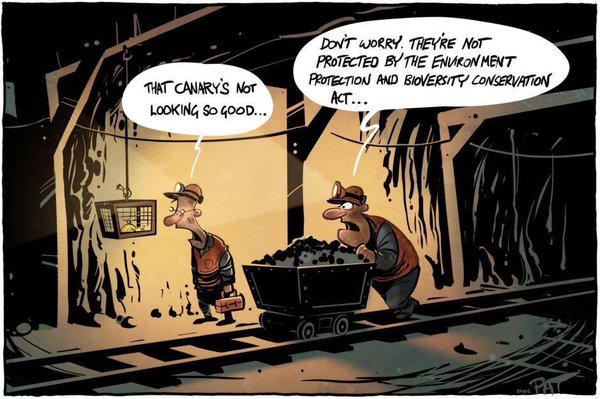
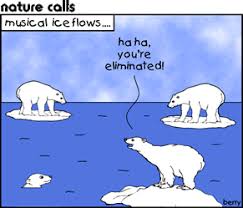
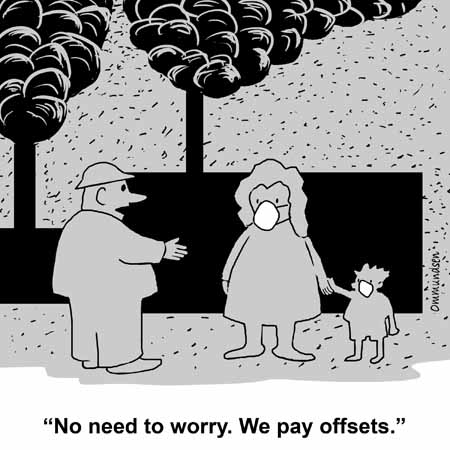
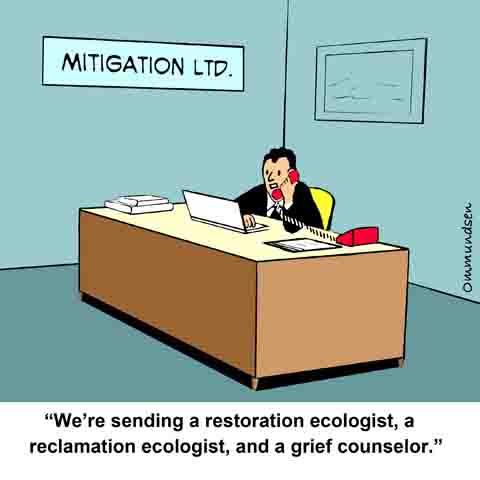

The first set of six biodiversity cartoons for 2019 to usher in the New Year. See full stock of previous ‘Cartoon guide to biodiversity loss’ compendia here.
—


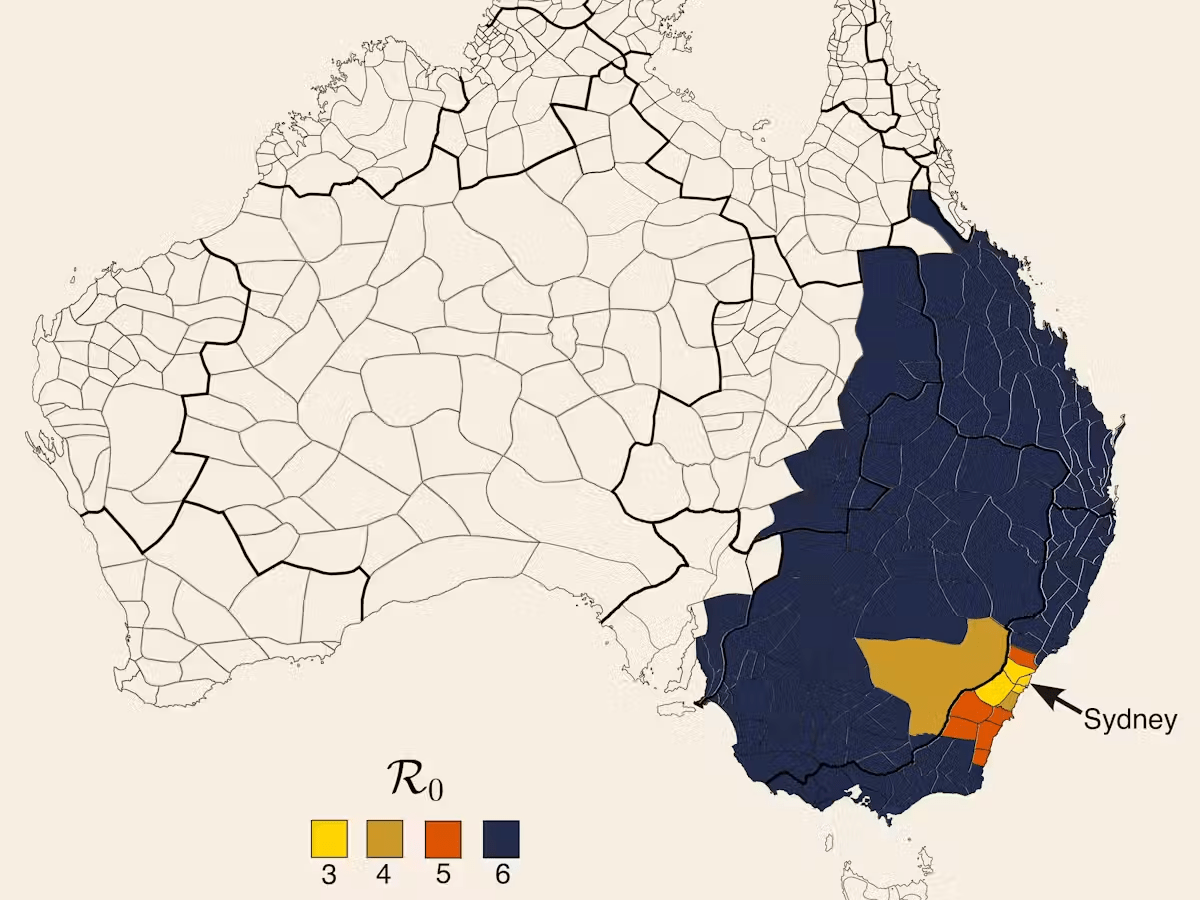
Hulton Archive / Getty Images We warn readers that the content of this study is confronting and may be distressing. In April 1789, the first smallpox epidemic among Aboriginal people in the Sydney region began, just 16 months after Europeans arrived on the First Fleet. Little is known of the true scale of the epidemic,…

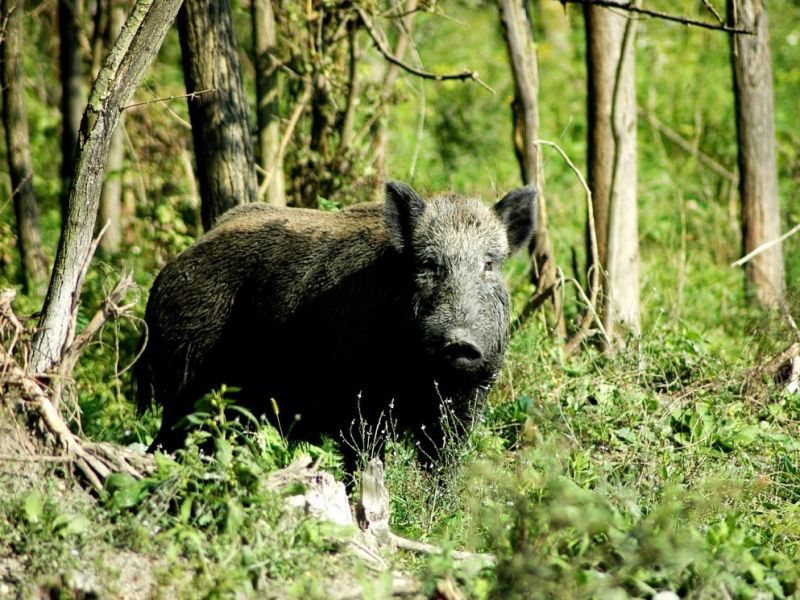
Just over two years ago I reported the ‘likely’ eradication of feral pigs from Australia’s third-largest (4,405 km2) island — Kangaroo Island. I indicated ‘likely’ because the program still required the proof-of-eradication phase to be completed before an official declaration could be made. Yesterday I had the immense honour to take part in the official…
Have you ever done any research that relied to any degree on Indigenous Knowledges? How did you cite those Knowledges, if at all? It’s probably time we rethink how we engage with Indigenous Knowledge systems. In a new article published in BioScience, we — a large group of Indigenous and non-Indigenous scholars in Australia —…




It’s hard putting a ‘like’ on a bleak series such as this, that they strike a chord with so many shows with what disdain we have all learned to treat the State\banks and Academia – ER and similar movements seem the only way forward.
LikeLike
[…] [Reblogged from ConservationBytes.com] […]
LikeLike