Here are 8 more biodiversity cartoons (with a human population focus, given recent events) for your conservation-humour fix (see full stock of previous ‘Cartoon guide to biodiversity loss’ compendia here).
—
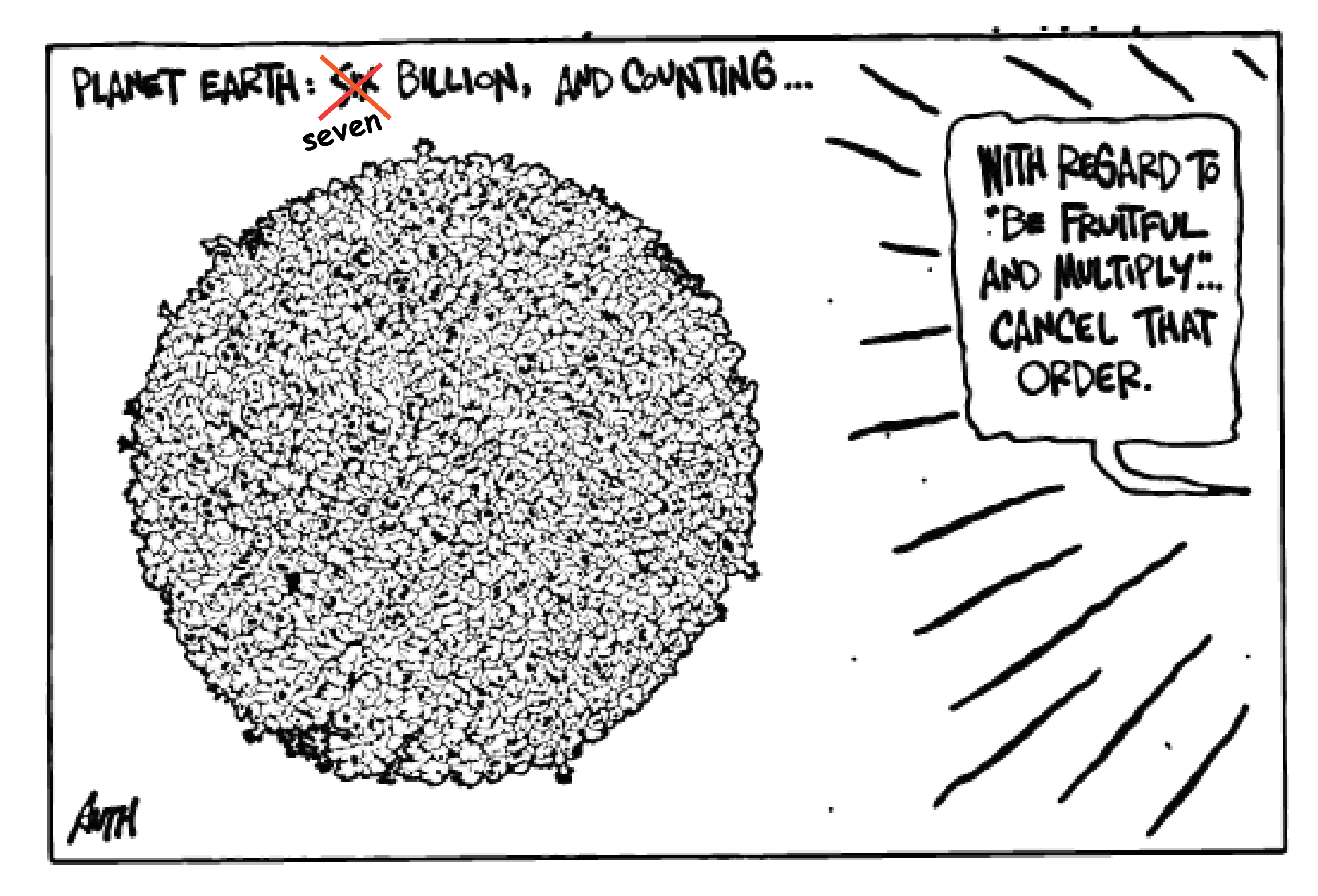
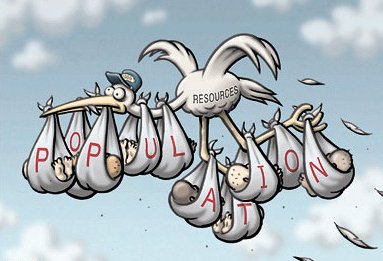


Here are 8 more biodiversity cartoons (with a human population focus, given recent events) for your conservation-humour fix (see full stock of previous ‘Cartoon guide to biodiversity loss’ compendia here).
—


Using animals as sport symbols reflects the integration of biodiversity into cultural identity and the transmission of collective values. This raises the possibility that the economic muscle of the sport industry could translate its symbolic capital into tangible commitments to biodiversity conservation. Those who have had the privilege of travelling in remote areas might have…

Under the sea where there is little or no light, the foraging, communication, and orientation of whales and many other marine animals depend on sound. But increasing human activity has transformed the soundscape of seas and oceans. This change affects the behaviour of species and presents challenges in managing a problem of global scale. Many…
Those of us living with cats share our homes with an ancestral predator, one adapted for hunting and the frequent, exclusive consumption of meat. These instincts become fully activated outside the domestic environment, where cats pose a global threat to wildlife. Pets are family. We celebrate their arrival with the same joy as a grand…



 ConservationBytes.com
While it is true that population is increasing, it is also true that 80% resources are being used by 20% of the existing population, Accd to UNESCO reports consumption activities are driven by Northern customers (US,Canada and like) while less than 15% is consumed by others.
LikeLike
There is a lot about population here. Everyone seems to be talking about how no-one is talking about it (and hasn’t this been the case for many years in conservation circles?). I agree that it is an issue, but several cogent commentators would say that while we are talking about why no-one is talking about population, what we are not talking about is why no-one is talking about consumption. It may get alluded to, but it is never seriously addressed, and it plays just as large a role in our global footprint, whilst also having many implications for social justice and humanitarian issues. I would suggest that anyone who wants to comment on the population problem starts by reading something like this by George Monbiot – http://www.monbiot.com/2009/09/29/the-population-myth/ – just to keep their position in perspective.
LikeLike