Wildfires transform forests into mosaics of vegetation. What, where, and which plants thrive depends on when and how severely a fire affects different areas of a forest. Such heterogeneity in the landscape is essential for animal species that benefit from fire like woodpeckers.
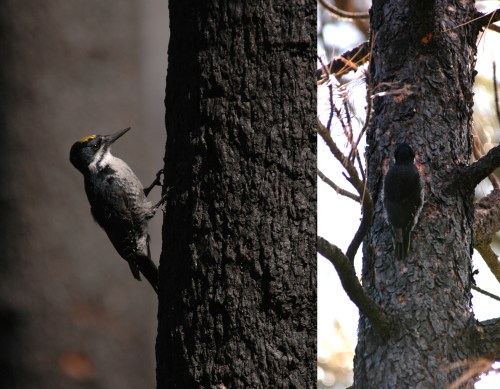
The black-backed woodpecker (Picoides arcticus) lives in the coniferous forests of North America’s boreal-Mediterranean region. Thanks to a powerful and sharp bill, this bird can excavate nests inside the trunks of (mainly dead) trees, and those cavities will be re-used later by many species of birds, mammals, and invertebrates in fire-prone landscapes (22). The images show a male with the characteristic black plumage of his back that serves as camouflage against the dark bark of a dead tree three years after a wildfire in Montana (USA). Being omnivores, the diet of this bird largely relies on the larvae of woodboring coleoptera like jewell and longhorn beetles. These insects are abundant post-fire, the champion being the fire beetle (Melanophila spp.). The thorax of fire beetles is equipped with infrared-light receptors that can detect a wildfire from tens of kilometres away (23). These fascinating little beasts are the first to arrive at a burned forest and, of course, woodpeckers follow soon after. The preference of the blackbacked woodpecker for burned forests and their cryptic feathers and pyrophilic diet reflect a long evolutionary history in response to fires. Courtesy of Richard Hutto.
Anyone raised in rural areas will have vivid recollections of wildfires: the thick, ashy smell, the overcast sky on a sunny day, and the purring of aerial firefighters dropping water from their hanging tanks. The reality is that wildfires are natural events that shape biodiversity and ecosystem function (1) — to the extent that fire is intimately linked to the appearance and evolution of terrestrial plants (2). Since the Palaeolithic, our own species has used fire at will, to cook, hunt, melt metals, open cropland or paths, or tell stories in front of a hearth (3).
Where there are regular wildfires (fire-prone ecosystems), different areas of the landscape burn in different seasons and years under different weather patterns. Therefore, each region has a unique fire biography in terms of how frequently, how much, and how long ago wildfires occurred. All those factors interact will one another and with topography.
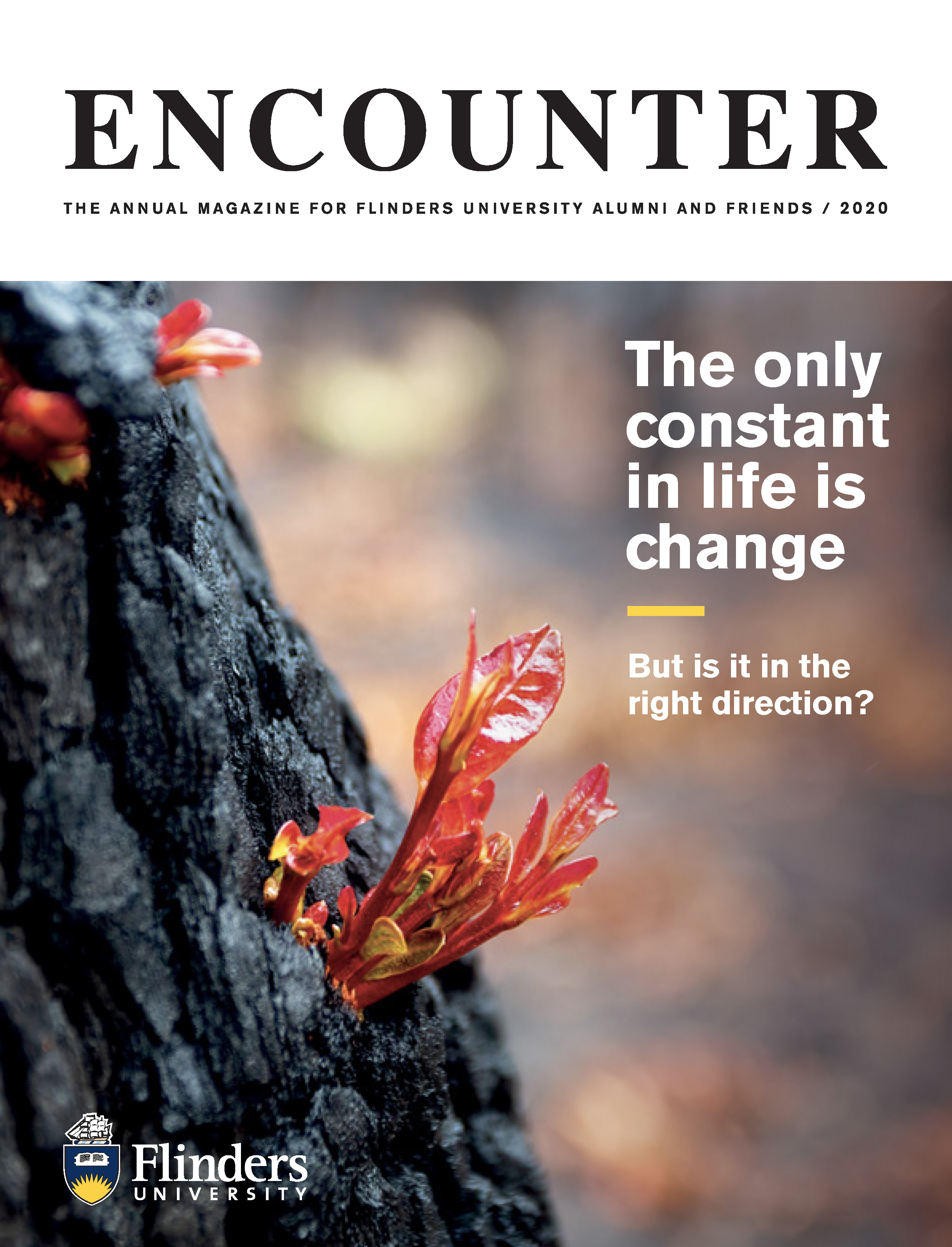
I just wrote a piece for the Flinders University alumnus magazine — Encounter — and I thought I’d share it here.
As an ecologist concerned with how life changes and adapts to the vagaries of climate and pervasive biological shuffling, ‘constant change’ is more than just a mantra — it is, in fact, the mathematical foundation of our entire discipline.
But if change is inevitable, how can we ensure it is in the right direction?
Take climate change for example. Since the Earth first formed it has experienced abrupt climate shifts many times, both to the detriment of most species in existence at any given time, and to the advantage of those species evolving from the ashes.
For more than 3.5 billion years, species have evolved and gone extinct, such that more than 99% of all species that have ever existed are now confined, permanently, to the vaults of the past.
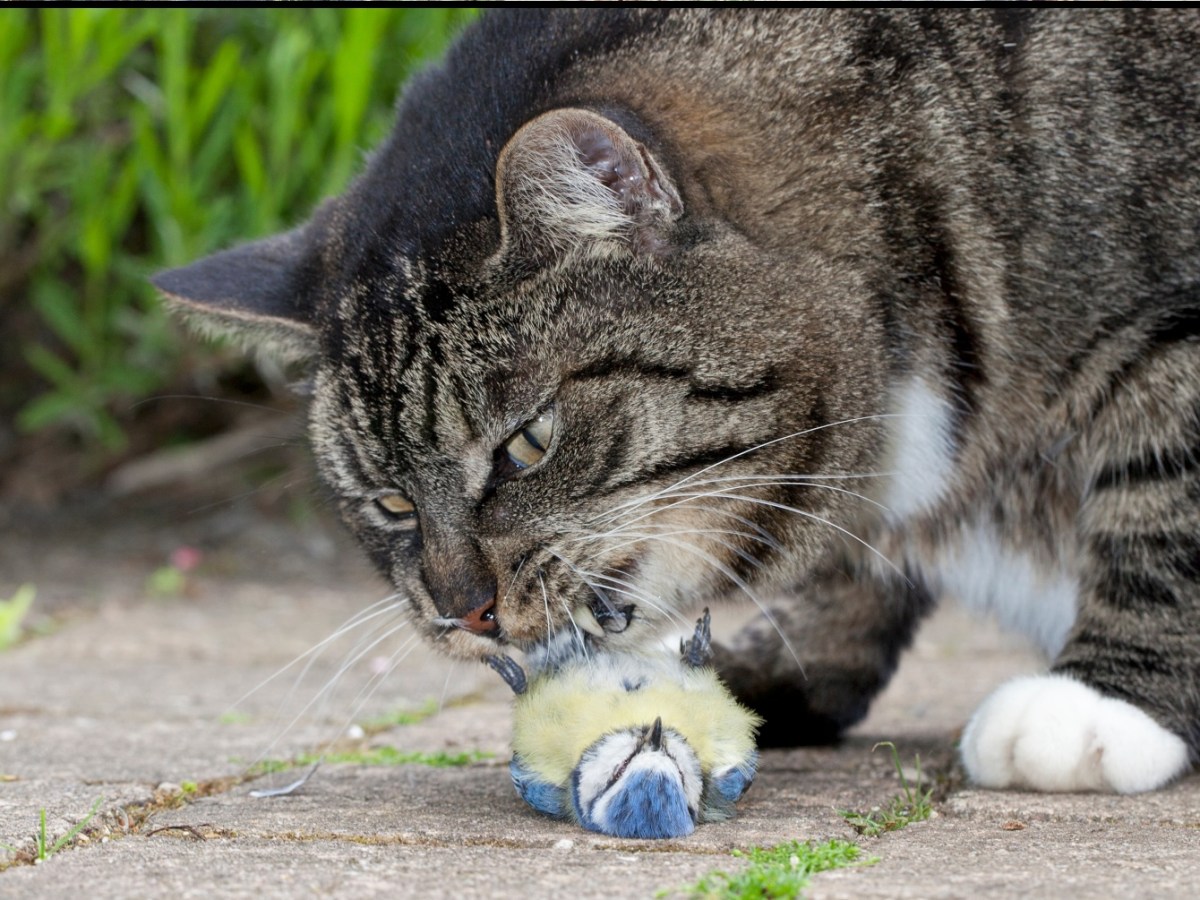
Those of us living with cats share our homes with an ancestral predator, one adapted for hunting and the frequent, exclusive consumption of meat. These instincts become fully activated outside the domestic environment, where cats pose a global threat to wildlife. Pets are family. We celebrate their arrival with the same joy as a grand…
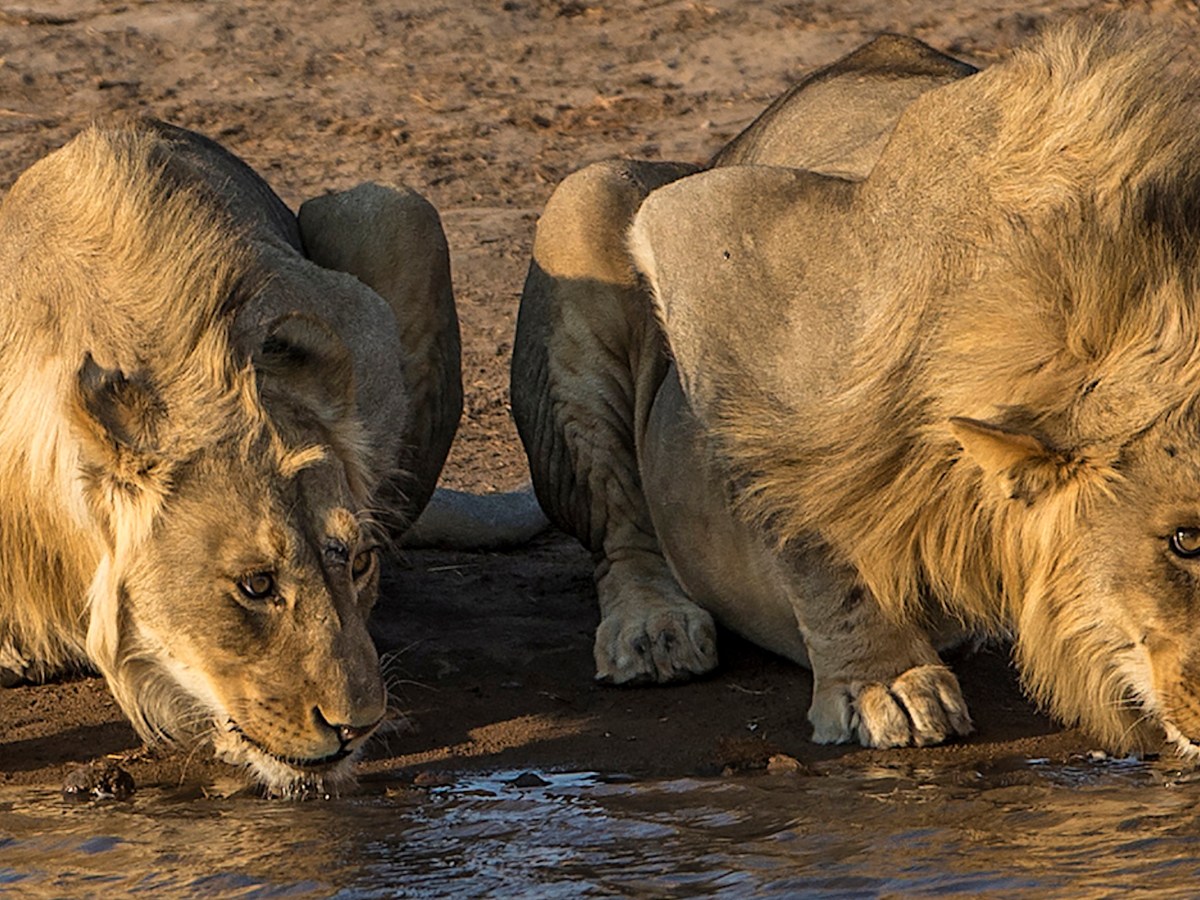
Many animals avoid contact with people. In protected areas of the African savanna, mammals flee more intensely upon hearing human conversations than when they hear lions or sounds associated with hunting. This fear of humans affects how species use and move in their habitat. Throughout our lives, we interact with hundreds of wildlife species without…
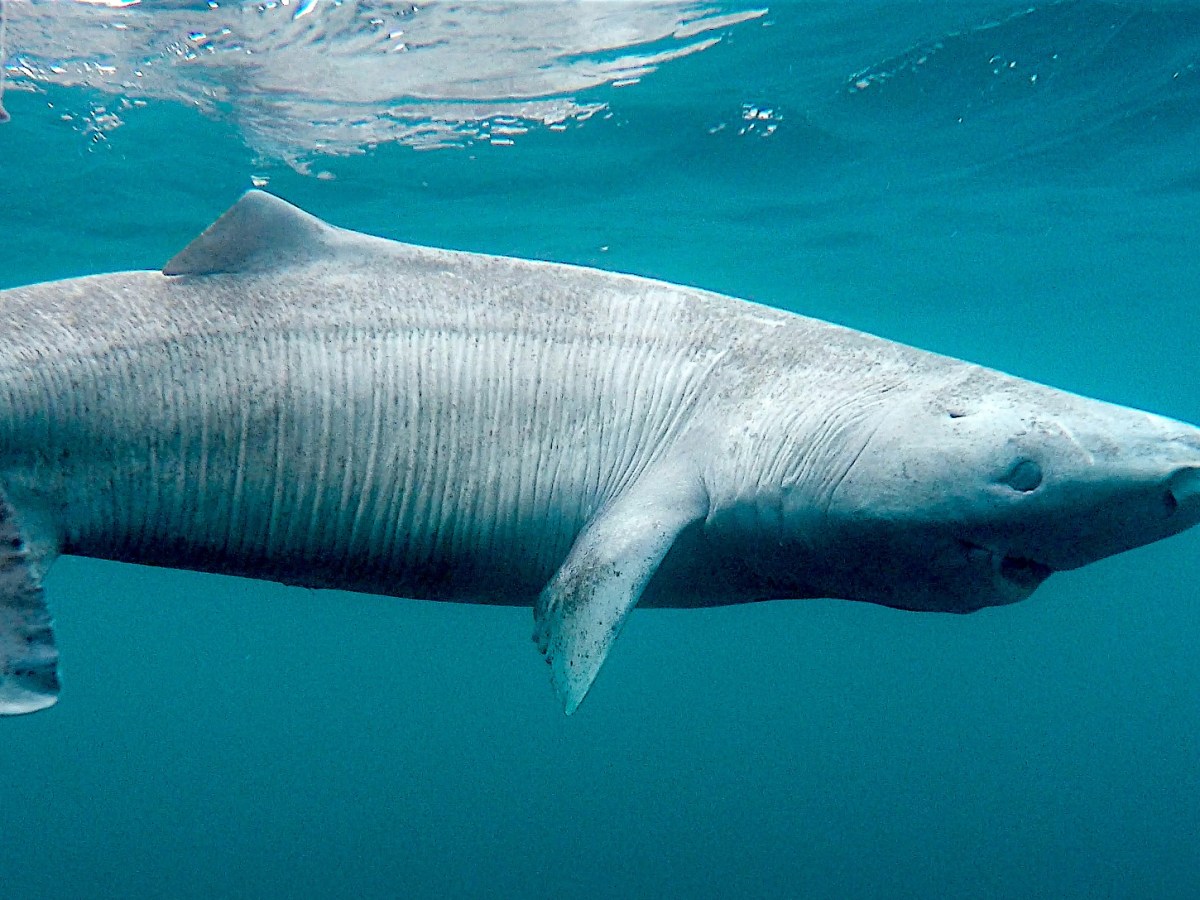
Deep-sea sharks include some of the longest-lived vertebrates known. The record holder is the Greenland shark, with a recently estimated maximum age of nearly 400 years. Their slow life cycle makes them vulnerable to fisheries. Humans rarely live longer than 100 years. But many other animals and plants can live for several centuries or even millennia, particularly…



 ConservationBytes.com