Indigenous fire management began more than 11,000 years ago: new research

12 03 2024

Wildfire burns between 3.94 million and 5.19 million square kilometres of land every year worldwide. If that area were a single country, it would be the seventh largest in the world.

In Australia, most fire occurs in the vast tropical savannas of the country’s north. In new research published in Nature Geoscience, we show Indigenous management of fire in these regions began at least 11,000 years ago – and possibly as long as 40,000 years ago.

Fire and humans

In most parts of the planet, fire has always affected the carbon cycle, the distribution of plants, how ecosystems function, and biodiversity patterns more generally.

But climate change and other effects of human activity are making wildfires more common and more severe in many regions, often with catastrophic results. In Australia, fires have caused major economic, environmental and personal losses, most recently in the south of the country.

One likely reason for the increase of catastrophic fires in Australia is the end of Indigenous fire management after Europeans arrived. This change has caused a decline in biodiversity and the buildup of burnable material, or “fuel load”.

Read the rest of this entry »


A convenient truth: global push for carbon-based conservation

19 05 2014

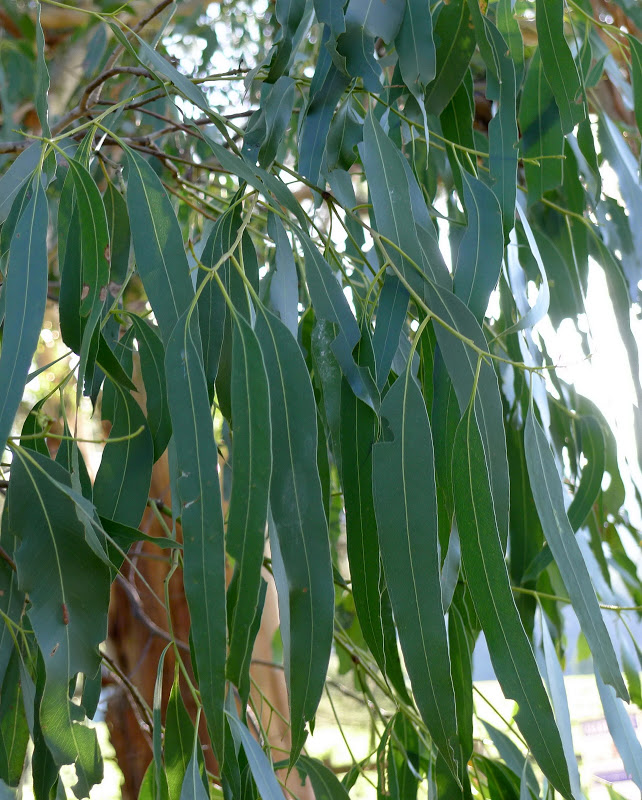
Eucalyptus viminalis (Manna Gum) - leaf, adultI’ve just written an article for the Australian River Restoration Centre‘s RipRap magazine, and they have given me permission to reproduce it here.

The brave, new green world of the carbon economy hasn’t exactly taken off as desired. Perhaps it’s because it wasn’t really planned from the outset, or maybe it is still too abstract for most people to accept, digest and incorporate into their daily lives. An emergent property of society’s generally slow awakening to the challenge of climate disruption, is that it will be a long time before we accept its full suite of incarnations.

The infant carbon economy is, however, well and truly alive and kicking, so it is important to try and plan for its growing influence on our decision making. Bumps in the road aside, the carbon economy has mostly been a blessing (actual and potential) for biodiversity conservation projects the world over.

In principle, the aim of the carbon economy is rather straight-forward: charge people a certain amount for each unit of carbon dioxide equivalents they release, and then use that money to develop approaches that further increase carbon sequestration or limit emissions. It’s a ‘build-it-and-they-will-come’ framework, where increasing financial impetus to restrict emissions is enhanced by society’s evolution towards better approaches and technology.

The operational side of the carbon economy is unfortunately much more muddled, with vested interests and political gaming weakening its implementation. Nonetheless, we persevere. Read the rest of this entry »