Conservation Letters – a scientific journal with a difference?

5 07 2008

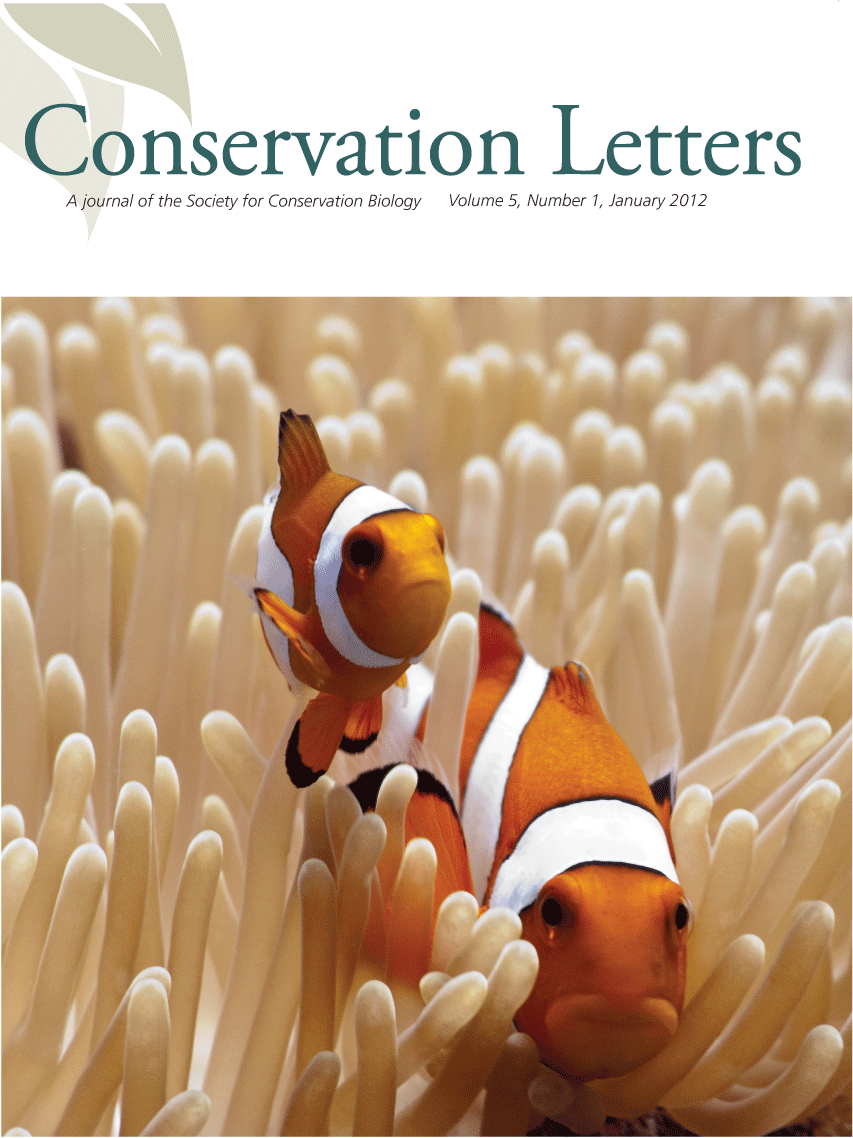
ConLetters-Jan12I’d like to introduce the latest scientific conservation journal – Conservation Letters (Wiley-Blackwell). If you are a publishing conservation scientist then you will have undoubtedly heard about this already. I must admit my biased opinion up front – I have the role of Senior Editor for the journal under the auspices of the venerable Editors-in-Chief, Professor Richard Cowling, Professor Hugh Possingham, Professor Bill Sutherland and Dr. Michael Mascia.

We’ve been doing conservation science now for well over 50 years, and there has been some fantastic, hard-hitting, brilliant research done. However, extinction rates continue to soar, habitat loss and fragmentation abound, bushmeat hunting and other forms of direct over-exploitation show no signs of slowing and invasive species are penetrating into the most ‘pristine’ habitats. To top it all off, climate change is exacerbating each and every one of these extinction drivers.

So what have we been doing wrong?

Clearly the best research is going unheeded – this is not to say that some progress has not been made, and I hope to highlight the best examples of the hardest-hitting research on this site – it simply means that we are losing the battle. Enter Conservation Letters – a journal designed to make conservation research more available to policy makers and managers to make true strides forward in biodiversity conservation. I’m not suggesting for a moment that other well-known, respected and established conservation journals have not done their job; without the research those journals publish we’d certainly be much worse off. However, we have recognised that our research isn’t affecting as many people as it should.

With Conservation Letters now well into its first year, I hope that we start to see some changes here, and I hope that the discipline will have a much greater net effect on slowing (and perhaps) reversing the extinction trends we observe today. Climate change is making this much more challenging, as well as the ever-increasing human population. Can we make better progress? – I certainly hope so.

CJA Bradshaw

Add to FacebookAdd to NewsvineAdd to DiggAdd to Del.icio.usAdd to StumbleuponAdd to RedditAdd to BlinklistAdd to Ma.gnoliaAdd to TechnoratiAdd to Furl


Feral predators – ‘super’ cats, foxes and dingoes

3 07 2008

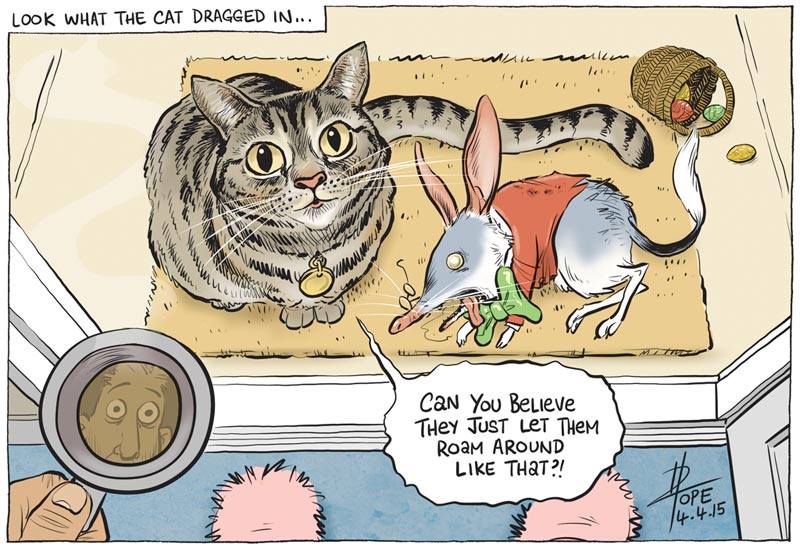
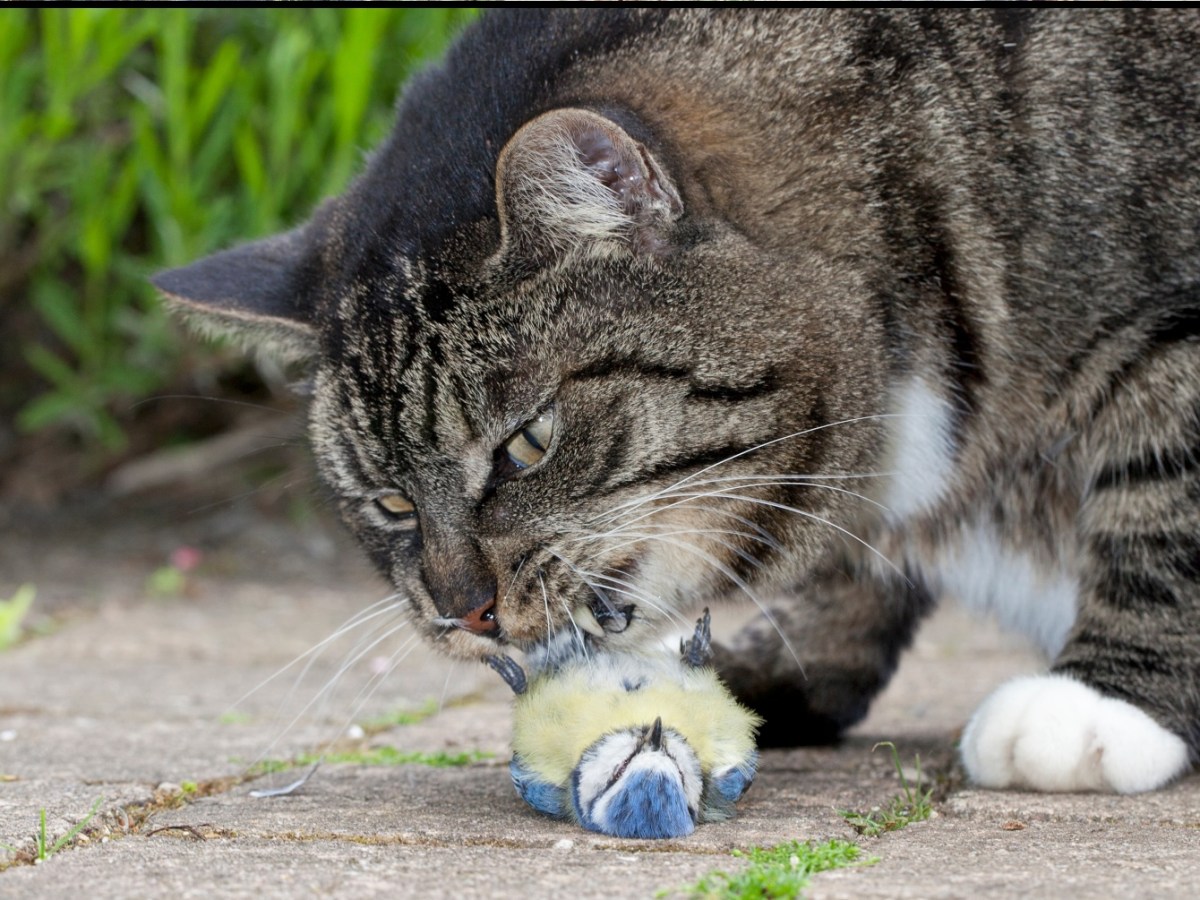
cat and bilbyHere’s one to get us going. A recent news item on ABC News discusses the prospect of importing so-called ‘super cats’ (‘savannah cats’ = domestic cat x African serval) into Australia. Although most of the items and people commenting on the subject deplore the very notion, I cannot believe that there was the legal capacity to import these things in the first place! Or indeed, that the company attempting to commit the heinous conservation crime has the right even to exist in this country. You’d think we’d learn after swamp buffalo, cane toads, foxes and a host of other alien nasties have caused Australian fauna to experience some of the higher rates of extinction known in the modern context. Indeed, it is my opinion that all cats (domestic and otherwise) should be declared illegal in Australia and destroyed. This is where it gets interesting though. One for the ‘papers to watch’ categories is by a mate and colleague of mine, Professor Chris Johnson of James Cook University in Townsville. He and his colleagues last year published a paper in Proc. R. Soc. B. called ‘Rarity of a top predator triggers continent-wide collapse of mammal prey: dingoes and marsupials in Australia‘.

dingo-21Here, they showed how dingoes (themselves ‘alien species’, but from some time ago) actually appear to suppress the populations of more recent alien predator arrivals (e.g., cats and foxes). The upshot is that more dingoes = fewer cats/foxes = more native fauna. Brilliant! I hope we can say in a few years how the careful management of dingoes and promotion of their conservation has benefitted an array of threatened marsupials in Australia. Well done Chris and colleagues.

CJA Bradshaw