World’s largest successful island-wide eradication of invasive pigs

11 06 2026

Just over two years ago I reported the ‘likely’ eradication of feral pigs from Australia’s third-largest (4,405 km2) island — Kangaroo Island. I indicated ‘likely’ because the program still required the proof-of-eradication phase to be completed before an official declaration could be made.

Yesterday I had the immense honour to take part in the official declaration ceremony held on Kangaroo Island near Karatta in the island’s southwest.
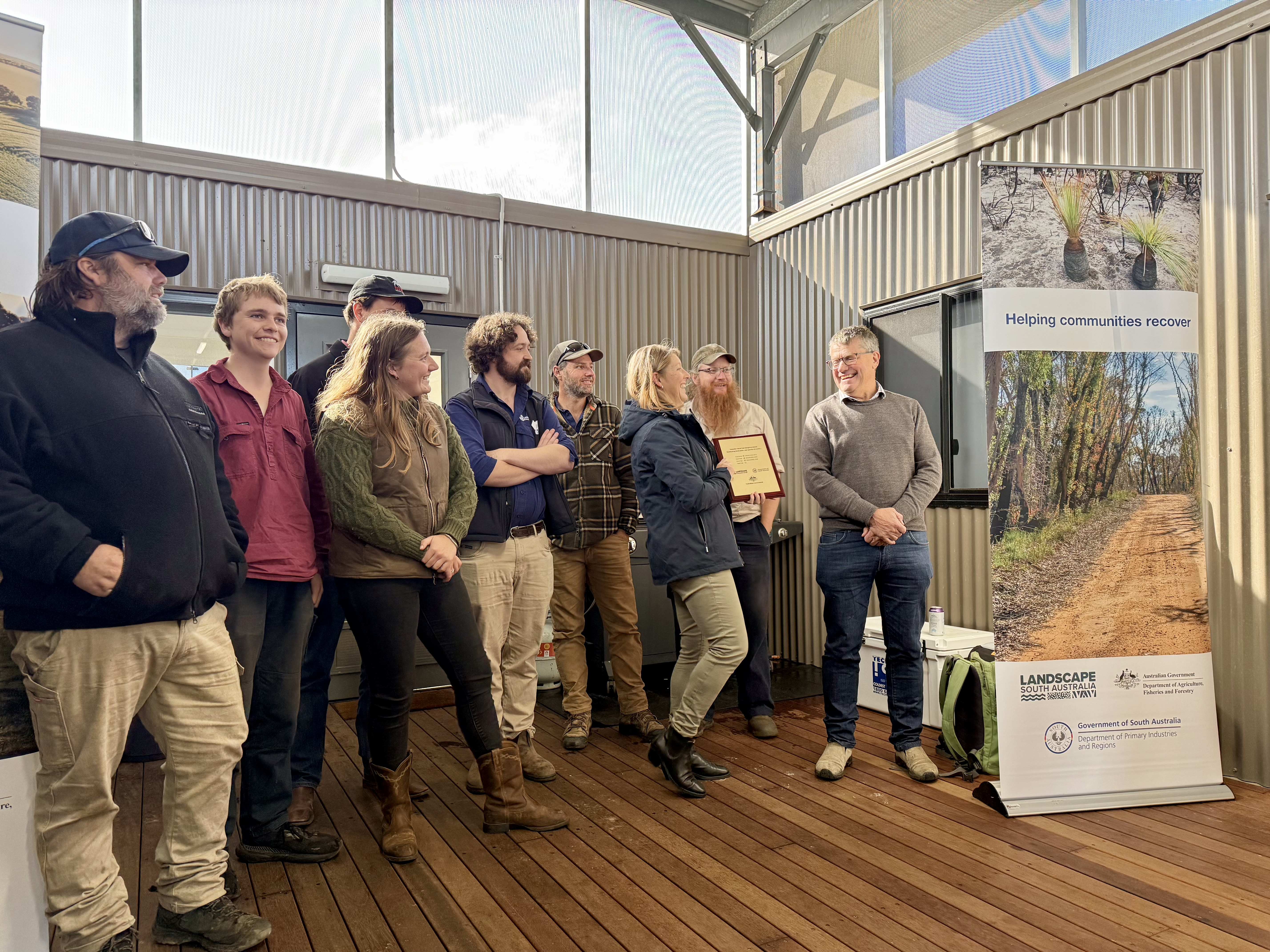
Executive Director (Biosecurity) of the Department of Primary Industries and Regions South Australia (PIRSA), Georgie Cornish, presenting the official declaration plaque to the Chair of the Kangaroo Island Landcape Board, Andrew Heinrich. Some of the main people responsible for the successful program’s implementation are also in the photo, including Senior Biosecurity Officer, Dr Myall Tarran (centre).

I can’t begin to emphasise enough how monumental this outcome is for biodiversity conservation, not just for South Australia, or even Australia, but globally.

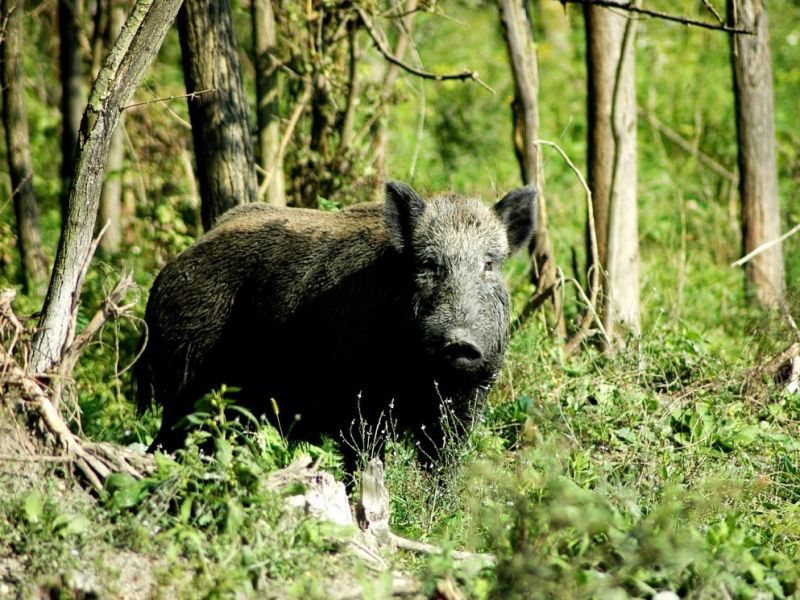
This is without a doubt the largest island eradication of pigs anywhere in the world. Considering that most eradication (or even density-reduction) programs fail, the success is even more outstanding.

Feral pigs are identified as a ‘Key Threatening Process‘ under the Australian Environment Protection and Biodiversity Conservation Act 1999. They are also the fifth-costliest single species in the country, with only cats, rabbits, fire ants, and ragweed engendering higher costs.

I am also taking some personal pride in the outcome because I had a small part to play. One dreary Sunday morning back in 2022, the head of PIRSA’s Invasive Species Unit Dr Brad Page rang me with an urgent request. “Corey”, he said without much preamble, “I need a model to tell me how much it would cost to get rid of pigs on Kangaroo Island, and I need it by this afternoon”.

Read the rest of this entry »


Saving species does not harm poor

17 08 2008

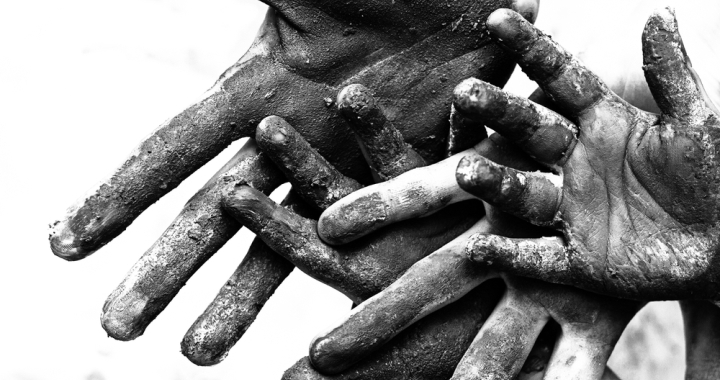
Poor-Amongst-YouHere’s a great one for the Potential list:

A paper just published online in the journal Oryx by Kent Redford and colleagues entitled What is the role for conservation organizations in poverty alleviation in the world’s wild places? challenges one argument used by anti-conservation humanists to avoid preserving intact habitats.

When rainforests and other high conservation-value habitats are set aside for protection, humanists will often complain that it destroys the livelihoods of the people living there because the listing prevents them from farming, hunting or otherwise providing themselves with income. Not so say Redford and colleagues – they found that most of the world’s poor (measured by proxy using infant mortality rates) were predominately associated with high-density urban areas and not with more intact wild areas.

Critics of the finding argue that this should not take the onus away from richer nations or governments to bolster the economic prosperity of these people, and I agree. However, this is a major finding that in some ways validates what we are beginning to understand about habitat intactness and ecosystem services. Destroy the ecosystems around you and you generally have lower water quality, higher incidence of catastrophic events, poor agricultural returns, greater disease prevalence, etc. that will drive people into poverty, rather than drop them further down the economic scale.

If this conclusion stands up to analytical scrutiny and supporting evidence from other analyses, I dearly hope that it is noticed and embraced by governments worldwide struggling to find the balance between economic development, poverty alleviation and conservation of biodiversity to maintain ecosystem services.

CJA Bradshaw

Add to FacebookAdd to NewsvineAdd to DiggAdd to Del.icio.usAdd to StumbleuponAdd to RedditAdd to BlinklistAdd to Ma.gnoliaAdd to TechnoratiAdd to Furl