I’m in the field at the moment, so here are the latest six cartoons to pass the time (see full stock of previous ‘Cartoon guide to biodiversity loss’ compendia here). Enjoy.
—
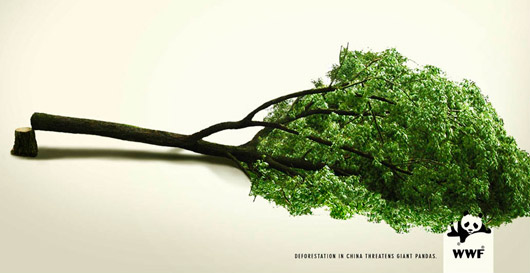
I’m in the field at the moment, so here are the latest six cartoons to pass the time (see full stock of previous ‘Cartoon guide to biodiversity loss’ compendia here). Enjoy.
—
 Another workshop; another productive week.
As many readers will know, I’ve spent the last week in the mountains north of Madrid working on a series of conservation ecology papers with host Miguel Araújo (of the Integrative Biology and Global Change Group at the Spanish National Museum of Natural Sciences), my lab colleagues, Barry Brook, Damien Fordham and Salvador Herrando-Pérez, and Miguel’s post-doc, Regan Early.
Let me tell you, staying in the craggy granite Sierra de Guadarrama mountains at a well-known health spa eating explosively flavourful Spanish food and drinking an immodest selection of the region’s delicious wines, is particularly conducive to scientific productivity (yes, I AM a jammy tart). Although unlikely to be followed by many (even if they have the means), I highly recommend the experience for those suffering from writer’s block.
But this post isn’t about the scenery, food, wine, hydrothermal treatment or even the content of the workshop at all (I just prefaced it as such to gloat); it’s about a particularly sore point for me and hundreds of thousands of other scientists the world over – our slavery to the scientific publishing industry.
And ‘slavery’ is definitely the most appropriate term here, for how else would you describe a business where the product is produced by others for free1 (scientific results), is assessed for quality by others for free (reviewing), is commissioned, overviewed and selected by yet others for free (editing), and then sold back to the very same scientists and the rest of the world’s consumers at exorbitant prices.
This isn’t just a whinge about a specialised and economically irrelevant sector of the economy, we’re talking about an industry worth hundreds of billions of dollars annually. In fact, Elsevier (agreed by many to be the leader in the greed-pack – see how some scientists are staging their protest; also here) made US$1.1 billion in 2010! Read the rest of this entry »
The last post of 2011, I thought I’d focus on the lighter side (that is to say, my brain is muddled by the lovely break from academia, so I don’t really feel like investing too much cerebral energy). Here, therefore, are the latest six cartoons… (see full stock of previous ‘Cartoon guide to biodiversity loss’ compendia here). May fewer species go extinct in 2012 than 2011…
—

 Barry Brook over at BraveNewClimate.com beat me to the punch regarding our latest paper, so I better get off my arse and write my take on things.
This post is about a paper we’ve just had accepted and has come out online in Biological Conservation called Strange bedfellows? Techno-fixes to solve the big conservation issues in southern Asia – and it’s likely to piss off a few people, and hopefully motivate others.
We wrote the paper for a special issue of essays dedicated to the memory of our mate and colleague, Navjot Sodhi, who died earlier this year. The issue hasn’t been released yet, but we have managed to get our paper out well before.
Like Navjot, the paper is controversial. Also like Navjot, we hope it challenges a few minds and pushes a few boundaries. We, as conservation biologists, must accept the fact that we have largely failed – biodiversity is still being lost at an alarming rate despite decades and decades of good science, sound evidence-based policy recommendations and even some rescues of species on the ‘brink’. Huge consumption rates, a population of 7 billion humans and counting, carbon emissions exceeding all worst-case scenarios, and greater disparity of wealth distribution have all contributed to this poor performance.
So what else can we do? Read the rest of this entry »
The latest six cartoons… (see full stock of previous ‘Cartoon guide to biodiversity loss’ compendia here).
—
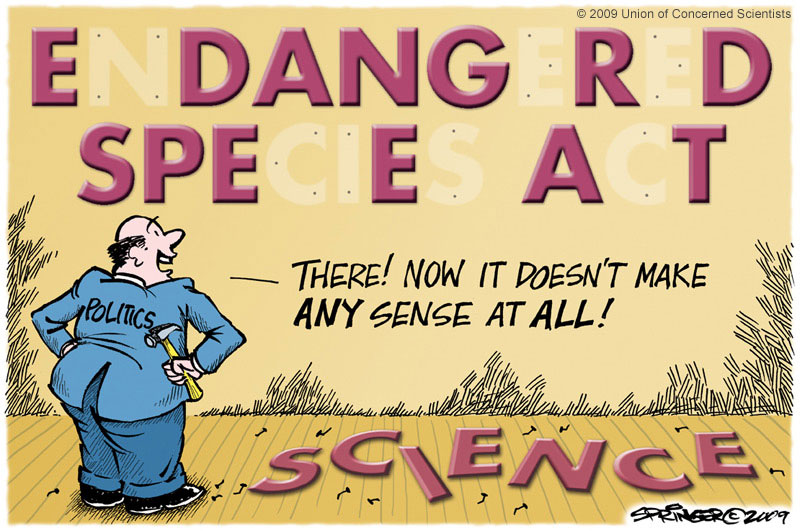
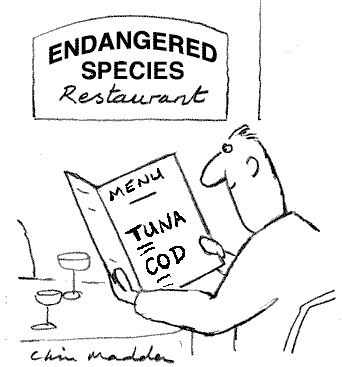
© C. Madden
My friend and colleague at the Centre National de Recherche Scientfique (CNRS), Laboratoire d’Ecologie Systématique & Evolution based at the Université Paris-Sud in France, Dr. Franck ‘Allee Effect‘ Courchamp, has asked me to help him out finding a suitable candidate for what sounds like a very cool job. If you’re in the market for a very interesting and highly relevant conservation post-doctoral fellowship, please read on.
And even if you’re not looking for a position, but are interested in the anthropogenic Allee effect, then by all means, please read on as well.
—
This two-year fellowship is part of a grant focused on demonstrating the novel rarity paradox, either in new wildlife trade markets (i.e., exotic pets, traditional medicine, et cetera) or in newly exploited species (e.g., tibetan antilope, seahorses, et cetera). Read the rest of this entry »
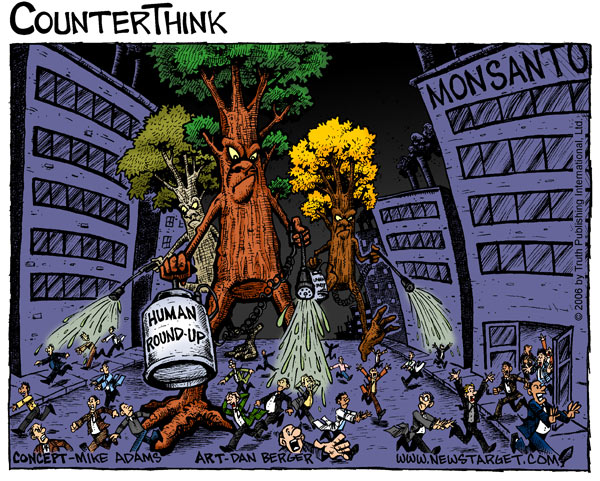
The latest six cartoons… (see full stock of previous ‘Cartoon guide to biodiversity loss’ compendia here).
—
Rob Dietz over at the Centre for the Advancement of the Steady State Economy (CASSE) just e-mailed me and suggested I reproduce a recent post of theirs on ConservationBytes.com. Rob has produced a cracker – very funny, but ‘reality’ usually is. Many thanks, Rob, for a fine piece of writing.
—
 Few people have read the dense volumes published by the economist Milton Mountebank, but his work has affected you, me and every single person on the planet. Dr. Mountebank has revolutionized economic thought, and now he has been recognized for his singular efforts. Yesterday at a gala reception in Stockholm, Sweden, the chairman of Sveriges Riksbank, Peter Norborg, presented Dr. Mountebank with the Nobel Prize in Economics for his lifetime of work on infinite planet theory.
In his presentation of the award, Mr. Norborg stated, “Dr. Mountebank has demonstrated imagination and inventiveness beyond what the rational mind can comprehend.” Indeed, it is because of his theories that we all do what we do economically. Nations strive for continuous GDP growth and endless expansion of consumption thanks to infinite planet theory. Mr. Norborg went on to say, “All of our banks, including Sveriges Riksbank, owe him a huge debt. We finance economic expansion. Our actions and decisions would be morally suspect if we lived on a finite planet.”
In a light-hearted moment during the presentation, Mr. Norborg asserted that Dr. Mountebank had provided an even greater service to humanity by reducing stress on individuals. “Best of all,” he said, “is that we can extract, consume and digest resources guilt-free. Planetary constraints have been conquered. They have gone the way of the dodo, the Roman Empire and the world’s major fisheries.” Read the rest of this entry »


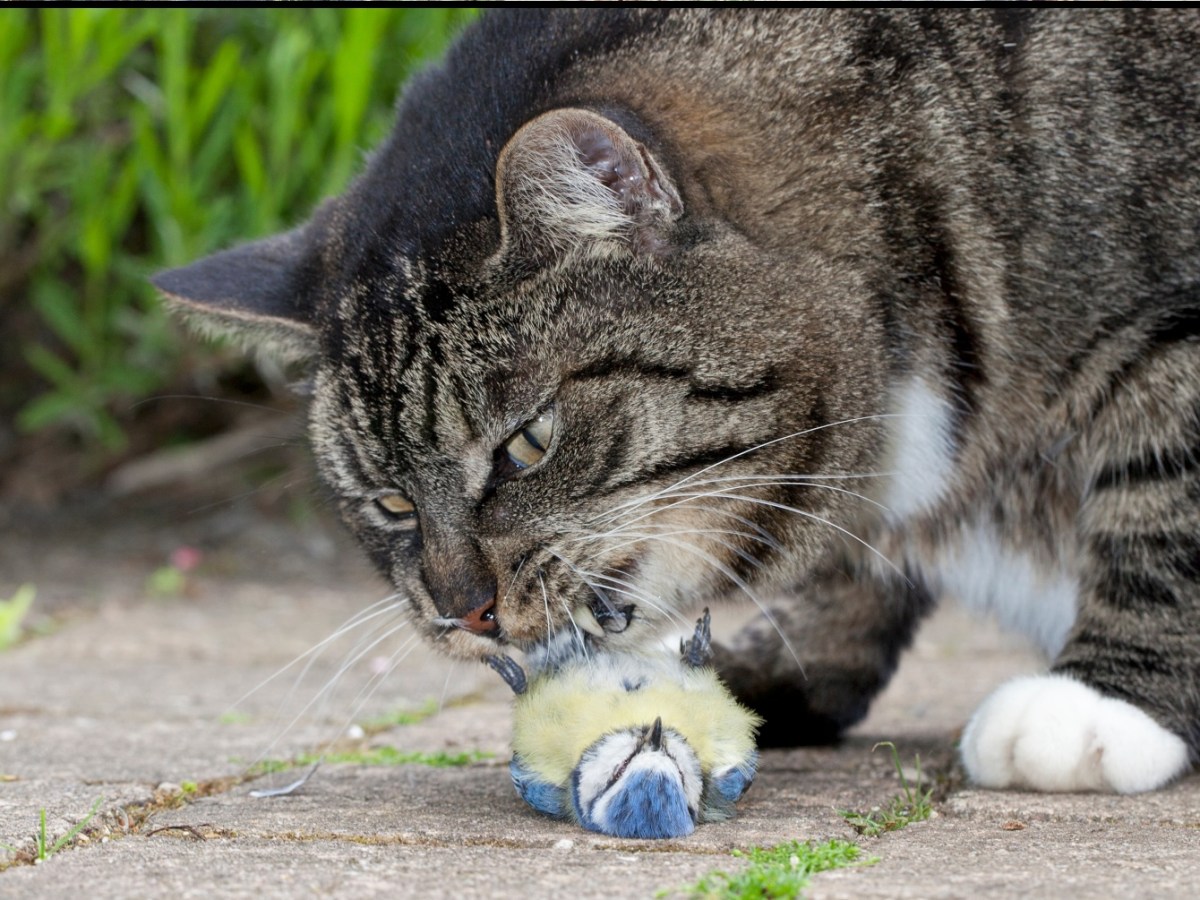
Those of us living with cats share our homes with an ancestral predator, one adapted for hunting and the frequent, exclusive consumption of meat. These instincts become fully activated outside the domestic environment, where cats pose a global threat to wildlife. Pets are family. We celebrate their arrival with the same joy as a grand…

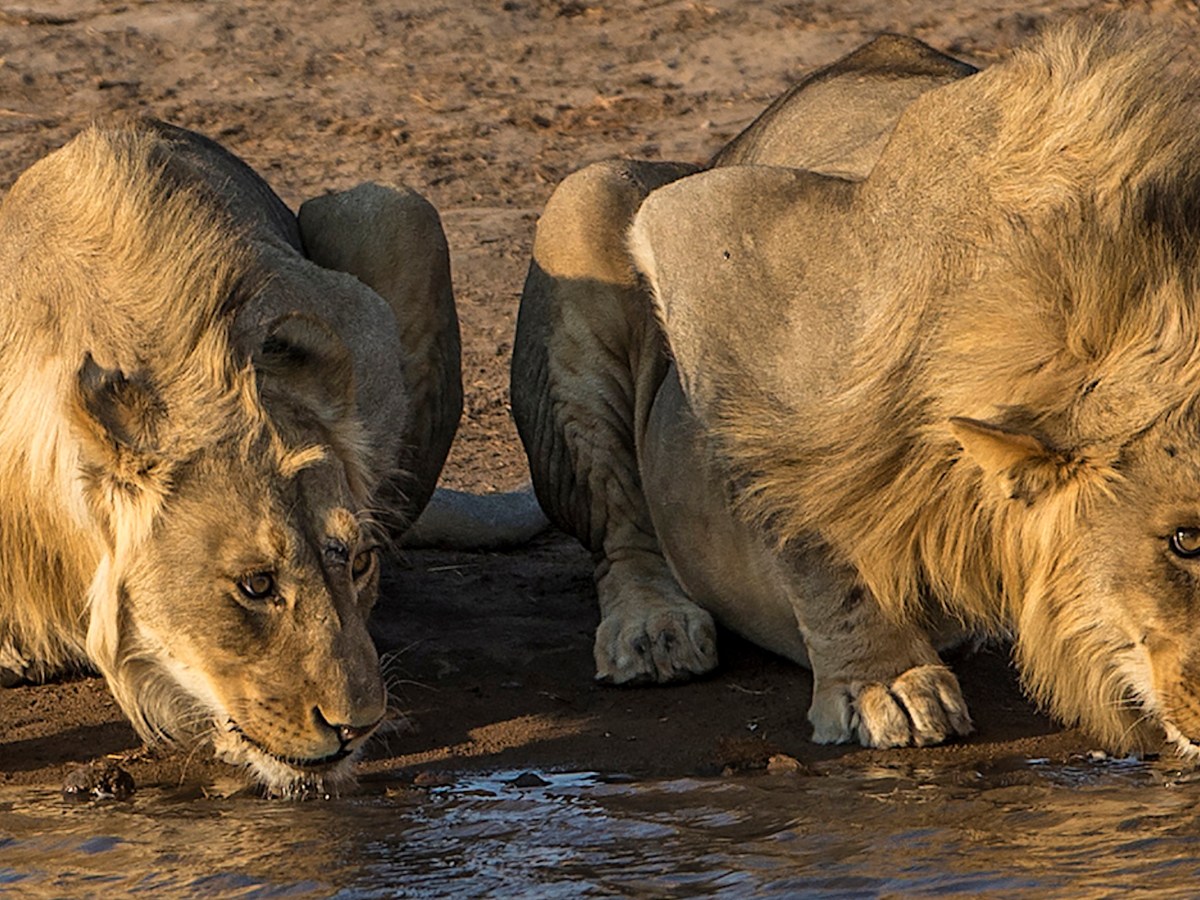
Many animals avoid contact with people. In protected areas of the African savanna, mammals flee more intensely upon hearing human conversations than when they hear lions or sounds associated with hunting. This fear of humans affects how species use and move in their habitat. Throughout our lives, we interact with hundreds of wildlife species without…
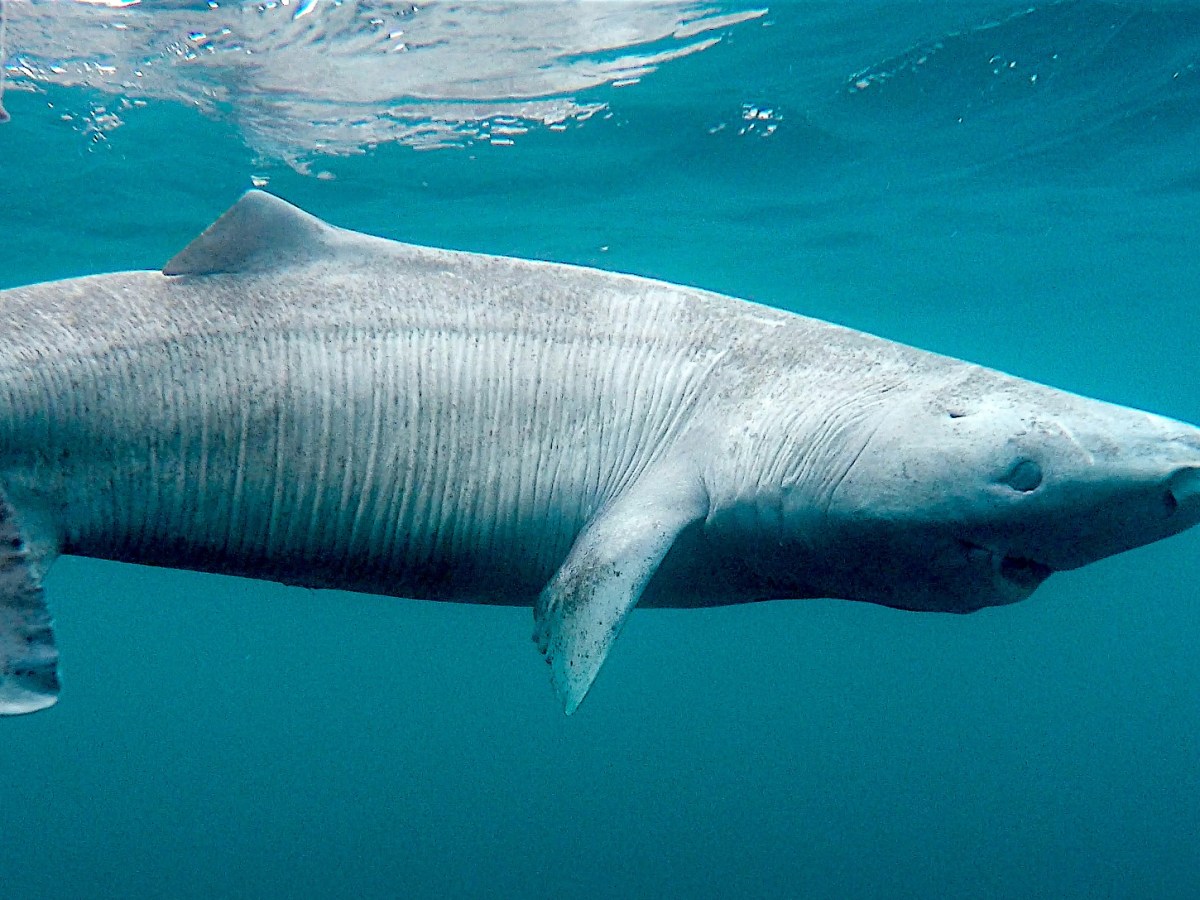
Deep-sea sharks include some of the longest-lived vertebrates known. The record holder is the Greenland shark, with a recently estimated maximum age of nearly 400 years. Their slow life cycle makes them vulnerable to fisheries. Humans rarely live longer than 100 years. But many other animals and plants can live for several centuries or even millennia, particularly…

 ConservationBytes.com