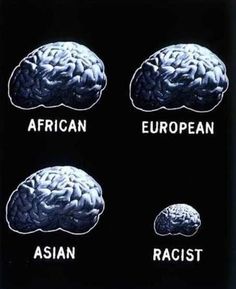
 With all the nasty nationalism and xenophobia gurgling nauseatingly to the surface of our political discourse1 these days, it is probably worth some reflection regarding the role of multiculturalism in science. I’m therefore going to take a stab, despite being in most respects a ‘golden child’ in terms of privilege and opportunity (I am, after all, a middle-aged Caucasian male living in a wealthy country). My cards are on the table.
I know few overtly racist scientists, although I suspect that they do exist. In fact, most scientists are of a more liberal persuasion generally and tend to pride themselves on their objectivity in all aspects of being human, including the sociological ones. In other words, we tend to think of ourselves as dispassionate pluralists who only judge the empirical capabilities of our colleagues, with their races, genders, sexual persuasions and other physical attributes irrelevant to our assessment. We generally love to travel and interact with our peers from all nations and walks of life, and we regularly decorate our offices and with cultural paraphernalia different to our own.
But are we as unbiased and dispassionate as we think we are? Do we take that professed pluralism and cultural promiscuity with us to the lab each day? Perhaps we could, and should, do better. Read the rest of this entry »
 Last year I wrote what has become a highly viewed post here at ConservationBytes.com about the
  We scientists can unfortunately be real bastards to each other, and no other interaction brings out that tendency more than peer review. Of course no one, no matter how experienced, likes to have a manuscript rejected. People hate to be on the receiving end of any criticism, and scientists are certainly no different. Many reviews can be harsh and unfair; many reviewers ‘miss the point’ or are just plain nasty.






 ConservationBytes.com