My mate Dr Brad Page — Principal Biosecurity Officer (Pest Animals) at Biosecurity SA — asked me to post the following jobs he’s advertising for pest-animal control. Now, I’m near-completely opposed to ‘wild dog’ (i.e., dingo) control in Australia, but I’ve agreed to post the third position as well, despite my ecological misgivings. Brad has a different perspective.
—
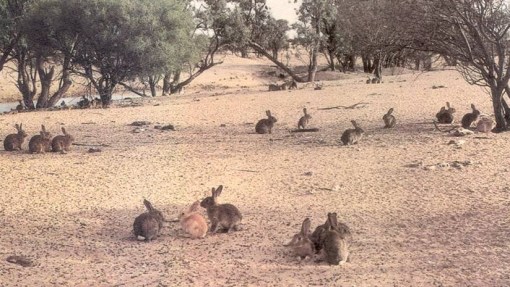
We have exciting opportunities for three new pest animal control coordinators, who will be working to support and reinvigorate control of deer, rabbits, and ‘wild dogs’.
All three coordinators will be part of our Biosecurity SA Division within PIRSA. These new positions will report to our Principal Biosecurity Officer, Pest Animals.
Deer and Rabbit Control Coordinators (two positions)
The Deer Control Coordinator and the Rabbit Control Coordinator will provide tailored professional support to natural resource management (NRM) staff and community groups doing control programs. These coordinators will aim to increase the impact of deer and rabbit control programs to support primary producers and biodiversity managers. The position will connect and empower existing community and industry groups, maximising impacts of their efforts to control feral deer and rabbits in agricultural landscapes. Read the rest of this entry »
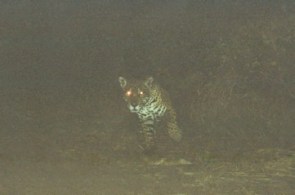
The jaguar came towards me on the dirt road, calmly but attentively in the dusky light, her nearly full grown cub behind her. Nervous and with only a torch as defence, I held the light high above my head as she approached, trying to look taller. But she was merely curious; and, after 20 minutes, they left. I walked home in the thickening darkness, amazed at having come so close to South America’s top predator. We later named this mother jaguar ‘Kaayana’, because she lives inside Kaa-Iya National Park in the Bolivian Chaco. My fascination with jaguars has only grown since then, but the chances of encountering this incredible animal in the wild have shrunk even since that night.
A few years after that encounter, I’m back to study jaguars in the same forest, only now at the scale of the whole South American Gran Chaco. Jaguars are the third largest cats in the world and the top predators across Latin America. This means that they are essential for keeping ecosystems healthy. However, they are disappearing rapidly in parts of their range.
Understanding how and where the jaguar’s main threats — habitat destruction and hunting — affect them is fundamental to set appropriate strategies to save them. These threats are not only damaging on their own, but they sometimes act simultaneously in an area, potentially having impacts that are larger than their simple sum. For instance, a new road doesn’t only promote deforestation, it also increases hunters’ ability to get into previously inaccessible forests. Similarly, when the forest is cut for cattle ranching, ranchers often kill jaguars for fears of stock loss.
Kaayana was seen years later by Daniel Alarcón, who took much better photos of her and her new cubs
However, the interactions between these threats are still not fully understood. In our new study, just published in the journal Diversity and Distributions, we developed a new framework to quantify how and where habitat destruction and hunting risk acted together over three decades, at the expense of highly suitable jaguar habitat in the Gran Chaco. We also analyzed how well the different Chaco countries — Bolivia, Paraguay and Argentina — and their protected areas maintained key jaguar habitat. Read the rest of this entry »
So, a few of us have just submitted a letter contesting the Western Australia Government’s recent decision to delist dingoes as ‘fauna’ (I know — what the hell else could they be?). The letter was organised brilliantly by Dr Kylie Cairns (University of New South Wales), and she and the rest of the signatories have agreed to reproduce the letter in full here on ConservationBytes.com. If you feel so compelled, please voice your distaste of this decision officially by contacting the Minister (details below).
Honourable Stephen Dawson MLC
Minister for Environment; Disability Services
Address: 12th Floor, Dumas House
2 Havelock Street, WEST PERTH WA 6005
(minister.dawson@dpc.wa.gov.au)
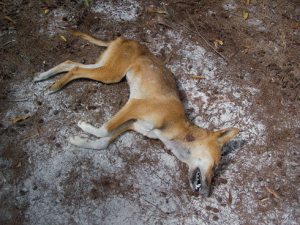
The undersigned welcome the opportunity to comment on and recommend alteration of the proposed section (9)(2) order of the Biodiversity Conservation Act 2016 (BC Act) that changes the listing of the dingo from “fauna” to “non-fauna” in Western Australia. Removing the “fauna” status from dingoes has serious consequences for the management and conservation of this species and other native biota it benefits. Currently, dingoes are classed as A7, or fauna that requires a management policy. The proposed section (9)(2) order will move dingoes (as “non-fauna”) to the A5 class, meaning that dingoes must be (lethally) controlled and there will be no obligation for the Department of Biodiversity, Conservation and Attractions to have an appropriate management policy (or approval).
As prominent researchers in top predator ecology, biology, cultural value and genetics, we emphasise the importance of dingoes within Australian, and particularly Western Australia’s ecosystems. Dingoes are indisputably native based on the legislative definition of “any animal present in Australia prior to 1400 AD” from the BC Act. Dingoes have been present in Australia for at least 5000 years. On the Australian mainland they are now the sole non-human land-based top predator. Their importance to the ecological health and resilience of Australian ecosystems cannot be overstated. Read the rest of this entry »
A little over a week ago, shark ecologist, Charlie Huveneers, and I attempted to write an article in The Conversation about a report we co-wrote regarding the effectiveness of personal shark-deterrent devices (see below for more on the report itself). It’s a great little story, with both immediate policy implications for human safety and great, big potential improvements to shark conservation in general (i.e., if sharks kill fewer people, then perhaps governments would be less inclined to invokes stupid laws to kill sharks). Indeed, sharks aren’t doing very well around the world, mainly because of over-harvest and persecution from unfounded fear.
Anyway, all was going swimmingly until our editor at The Conversation suddenly decided that they wouldn’t publish the piece based on the following funding disclaimer that we had submitted with the article:
This project was funded by the New South Wales Department of Primary Industries Shark Management Strategy Competitive Annual Grants Program, the Government of South Australia, Ocean Guardian Pty Ltd, and the Neiser Foundation. We openly and transparently declare that Ocean Guardian contributed financially to the study, but that Ocean Guardian was not involved in the study design or implementation, nor did they have access to the data post-collection. Nor did Ocean Guardian provide input into data analysis, interpretation, writing of the report, or the conclusions drawn. The study design followed a protocol developed for a previous study, which was not funded by Ocean Guardian. In summary, Ocean Guardian had no opportunity to influence any aspect of the study or its conclusions, apart from providing some financial support to realise the field project (e.g., boat hire, equipment purchase, etc.) in the same manner as the other funding agencies. The South Australian cage-diving industry provided logistical support during the testing of the deterrents.
The long and short of The Conversation‘s negative decision was that one of the companies contributed financially to project. However, as we stated above, they had absolutely no influence in the subsequent experimental design, data collection, analysis, interpretation or report writing.
While normally I’m a big fan of The Conversation, I really think they dropped the ball with this one. Their decision was illogical and unsupported for five main reasons:
There were many funding partners involved, and the Ocean Freedom contribution was in no way the major or even majority share of funding.
Other companies with devices tested could have contributed, but only Ocean Freedom offered.
As stated in our disclosure, there was no opportunity for manipulating experimental design, data ownership, or post-collection analysis or writing that could have influenced the results, by any funders or contributors.
The disclosure is open, honest, comprehensive and in every way truthful.
So, I’m more than just a little disappointed — and my opinion of the organisation has dropped considerably. That, with the constant barrage of donation requests they send makes me think twice about their journalistic integrity. I challenge others to think carefully before giving them any money.
Regardless, let’s move on to the article itself (which I can publish freely here without the Draconian oversight of The Conversation):
—
Many things might explain why the number of shark bites appear to be increasing. However, the infrequent occurrence of such events makes it nearly impossible to determine why. Recently, an atypically high rate of shark bites occurred in Western Australia in 2010-2011 and on the north coast of New South Wales in 2015-2016. These highly publicised events — often sensationalised in both traditional and social media — have pressured governments to implement new measures to reduce the risk of shark bites.
The rising pressure to do something to reduce shark bites has prompted the recent development or commercial release of many new personal shark deterrents. Yet, most of these devices lack any rigorous scientific assessment of their effectiveness, meaning that some manufacturers have made unfounded claims about how much their devices dissuade sharks from attacking humans.
However, if a particular type of commercially available shark deterrent happens to be less effective (or completely ineffective) as advertised, it can give users a false sense of security, potentially encouraging some to put themselves at greater risk than is necessary. For example, some surfers and spearfishers probably ignore other mitigation measures, such as beach closures, because they ‘feel safe’ when wearing these products.
Today’s post rounds off this mini-series with something I only alluded to in my last: interacting with tame elephants.
I have always been in two minds about the role of animals in captivity, with my opinion that most zoos edge toward the negative because most people who attend them appear to view the animals as a freak-show rather than appreciate their beauty or be fascinated by their behaviour and ecology; add the near-impossible-to-avoid psychological distress to which most captive animals succumb, many zoos in particular are probably better off not existing at all.
That being the case, I won’t simply write off all captive situations as ‘negative’, because if done well, they can have a wonderful educational role to play. Read the rest of this entry »
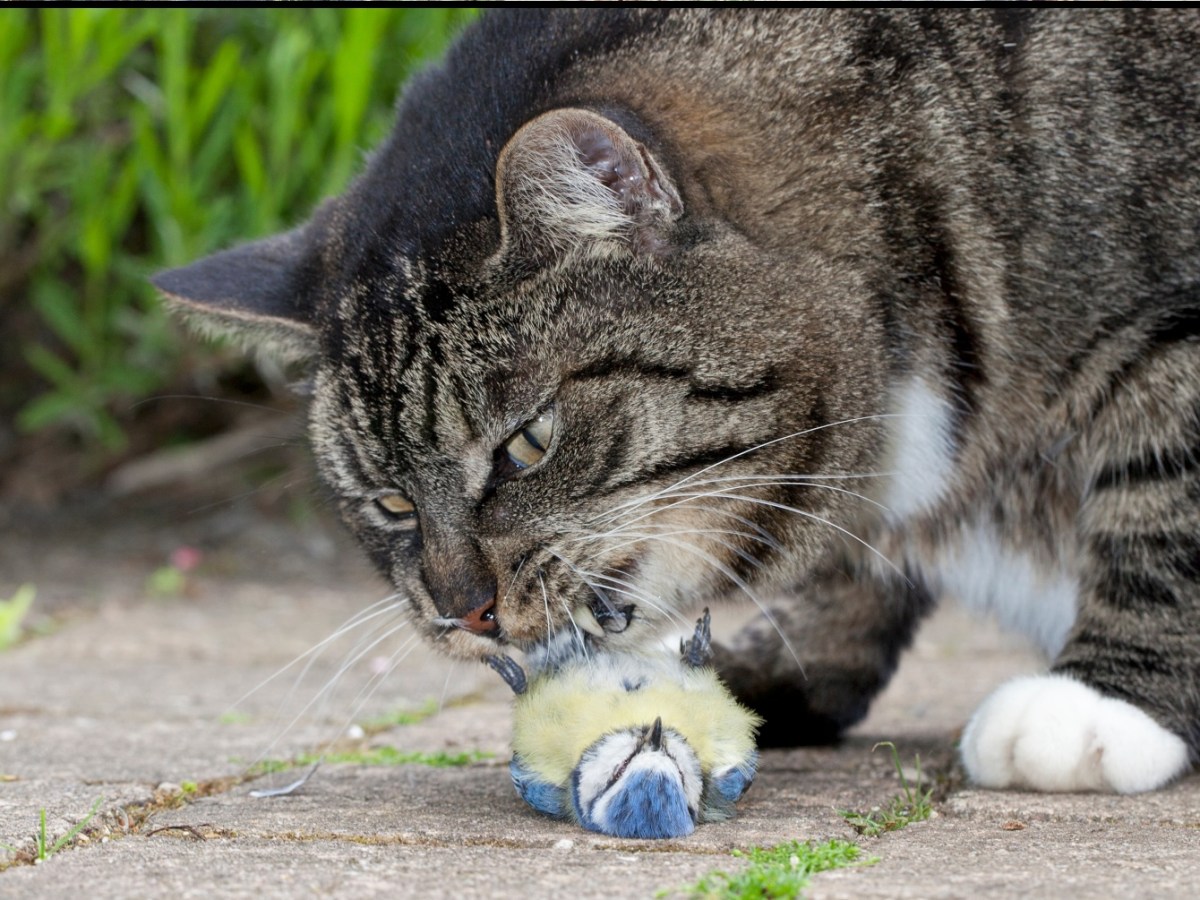
Those of us living with cats share our homes with an ancestral predator, one adapted for hunting and the frequent, exclusive consumption of meat. These instincts become fully activated outside the domestic environment, where cats pose a global threat to wildlife. Pets are family. We celebrate their arrival with the same joy as a grand…
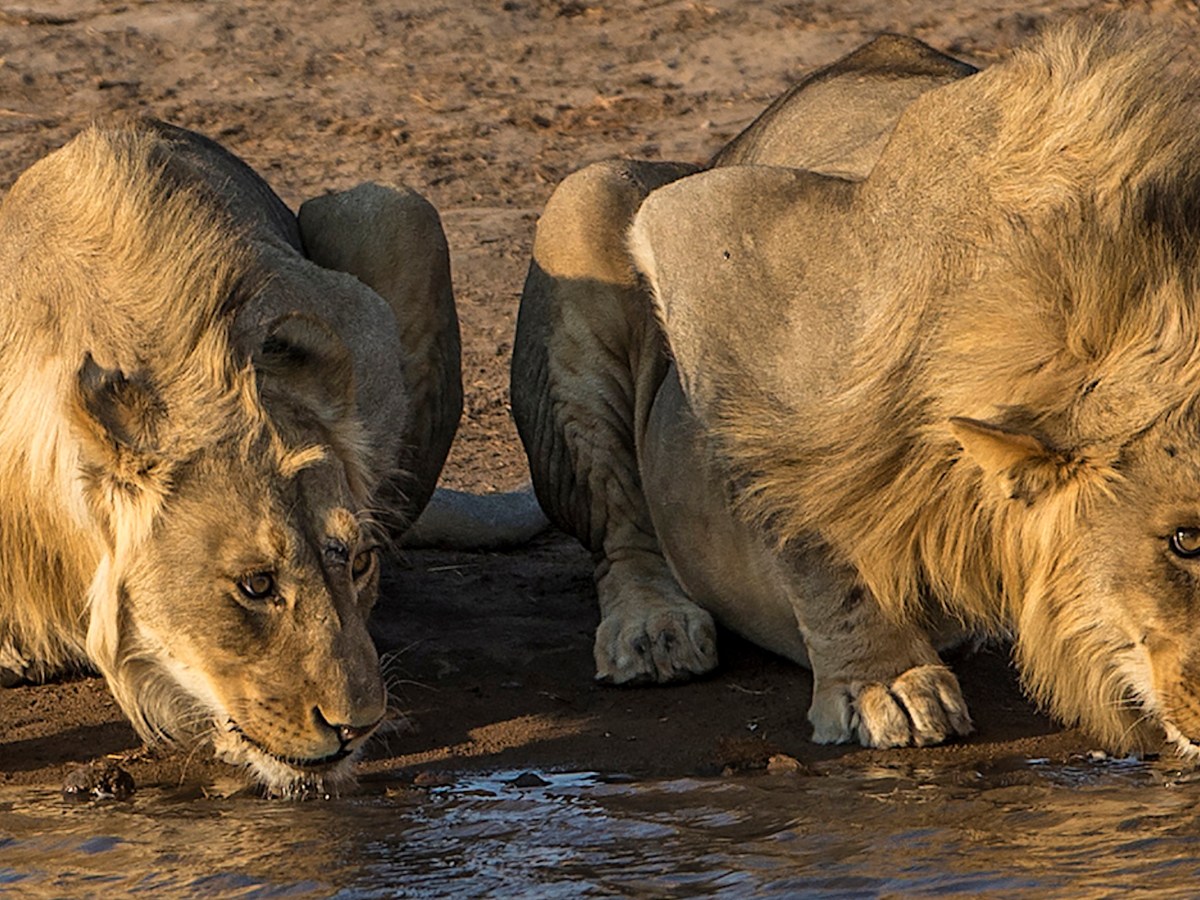
Many animals avoid contact with people. In protected areas of the African savanna, mammals flee more intensely upon hearing human conversations than when they hear lions or sounds associated with hunting. This fear of humans affects how species use and move in their habitat. Throughout our lives, we interact with hundreds of wildlife species without…
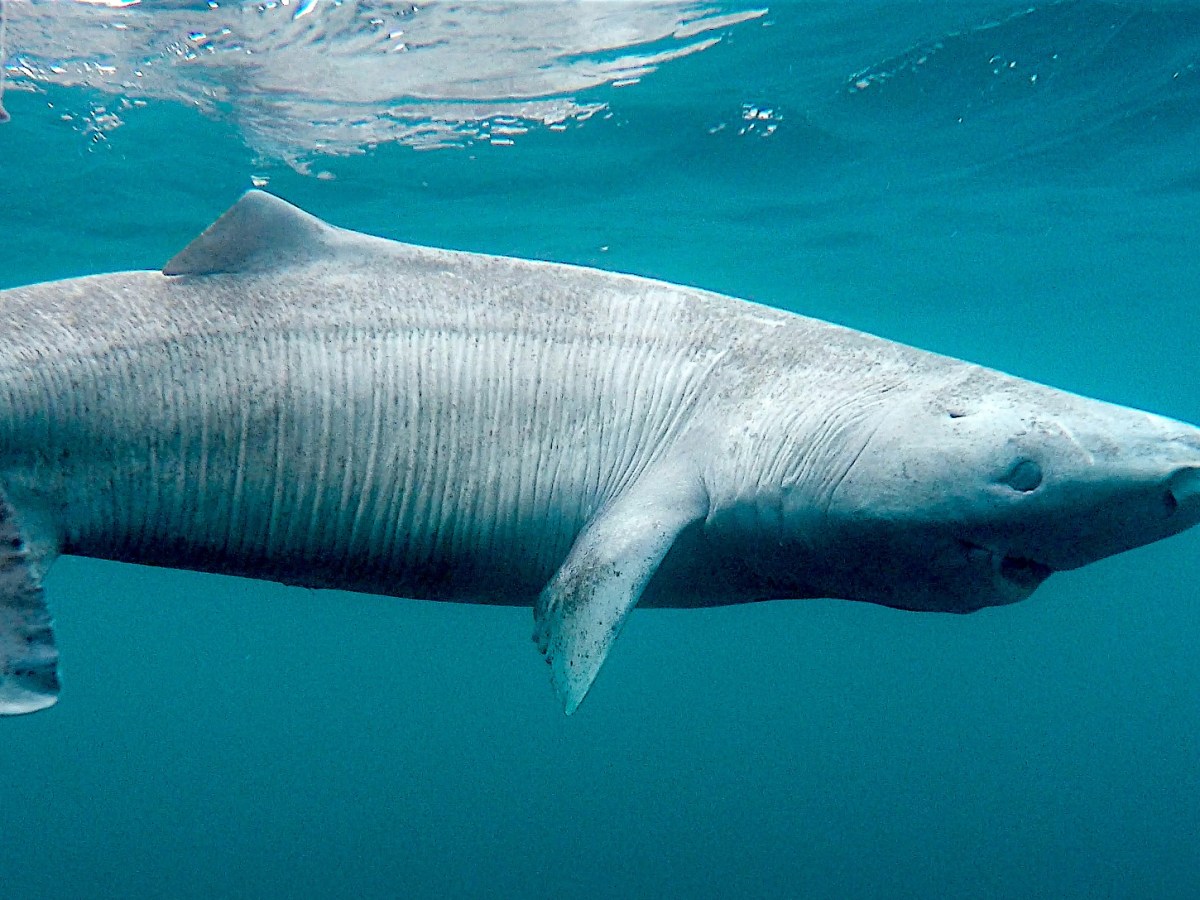
Deep-sea sharks include some of the longest-lived vertebrates known. The record holder is the Greenland shark, with a recently estimated maximum age of nearly 400 years. Their slow life cycle makes them vulnerable to fisheries. Humans rarely live longer than 100 years. But many other animals and plants can live for several centuries or even millennia, particularly…


 So, a few of us have just submitted a letter contesting the Western Australia Government’s recent decision to delist dingoes as ‘fauna’ (I know — what the hell else could they be?). The letter was organised brilliantly by Dr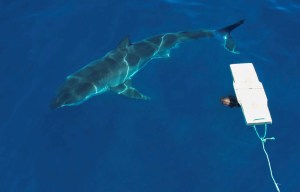



 ConservationBytes.com