Biodiversity SNAFU in Australia’s Jewel

16 06 2010

I’ve covered this sad state of affairs and one of Australia’s more notable biodiversity embarrassments over the last year (see Shocking continued loss of Australian mammals and Can we solve Australia’s mammal extinction crisis?), and now the most empirical demonstration of this is now published.

The biodiversity guru of Australia’s tropical north, John Woinarksi, has just published the definitive demonstration of the magnitude of mammal declines in Kakadu National Park (Australia’s largest national park, World Heritage Area, emblem of ‘co-management’ and supposed biodiversity and cultural jewel in Australia’s conservation crown). According to Woinarski and colleagues, most of those qualifiers are rubbish.

The paper published in Wildlife Research is entitled Monitoring indicates rapid and severe decline of native small mammals in Kakadu National Park, northern Australia and it concludes:

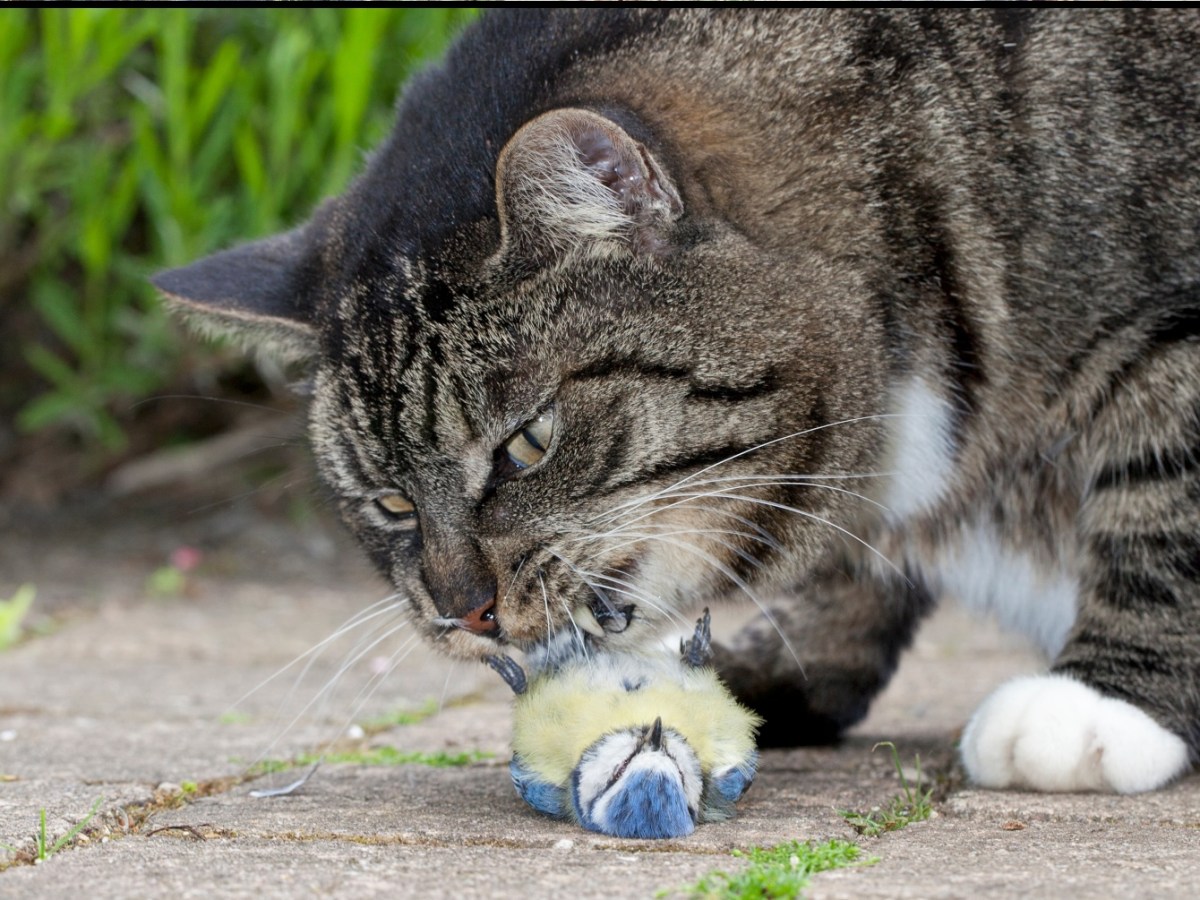
The native mammal fauna of Kakadu National Park is in rapid and severe decline. The cause(s) of this decline are not entirely clear, and may vary among species. The most plausible causes are too frequent fire, predation by feral cats and invasion by cane toads (affecting particularly one native mammal species).

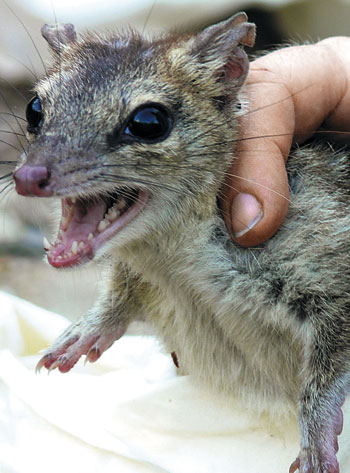
I’ve done quite a bit of work in Kakadu myself, and the one thing that hits you every time you travel through it is the lack of visible wildlife. Sure, you’ll see horses, pigs and buffalo, as well as cane toads and cats, but getting a glimpse of anything native, from Conilurus to Varanus, and you’d consider yourself extremely lucky.

We’ve written a lot about the feral animal problem in Kakadu and even developed software tools to assist in density-reduction programmes. It doesn’t appear that anyone is listening.

Another gob-smacking vista you’ll get when travelling through Kakadu any time from April to December is that it’s either been burnt, actively burning or targeted for burning. They burn the shit out of the place every year. No wonder the native mammals are having such a hard time.

Combine all this with the dysfunctional management arrangement, and you cease to have a National Park. Kakadu is now a lifeless shell that does precious little for conservation of biodiversity (and 3 of the 5 criteria it had to satisfy to become a World Heritage Area are specifically related to natural resource ‘values’). I say, delist Kakadu now and let’s stop fooling ourselves.

Ok, back from the rant. Woinarski and others superimposed a mammal monitoring programme over top a fire-regime experiment for vegetation. Although they couldn’t sample every plot every season, they staggered the sampling to cover the area as best they could over the 13 years of monitoring (1996-2009). What they observed was staggering. Read the rest of this entry »



Where in the world to invest in plant conservation

31 05 2010

© CBD

It’s been a good few weeks with many of our papers coming out online early – for example, I highlighted one last week on ecosystem function breakdown from global warming.

Although this has been out for a few weeks, our new paper lead by PhD candidate Xingli Giam (formerly of National University of Singapore, recently completed Australian Endeavour Scholar, now at Princeton University and all-round up-and-coming research star), and with contributions from Hugh “Vascular” Tan and Navjot Sodhi of National University of Singapore and me, is entitled Future habitat loss and the conservation of plant biodiversity (just published online in Biological Conservation).

This one is a bit of a complicated one, so let me walk you through it.

Plants not only represent a huge component of global biodiversity (~320 000 species), they represent the ‘habitats’ in which animals live and provide the major source of nutrients to food webs. They also provide most of our food and other materials essential for human existence. Basically we’d be screwed without them.

Because so many of the world’s biomes are severely threatened now because of massive habitat loss, degradation, over-exploitation, invasive species, extinction synergies and climate change, we need to maximise our efficiency in protecting what’s left. While global prioritisation schemes have a fruitful scientific history since Myers & colleagues’ classic paper (see Biodiversity Hotspots), there are a number of problems that plague the concept and its implementation. Read the rest of this entry »


The spillover effect

18 04 2010

© everlessaday

The so-called ‘spillover effect’ is a long-standing debate in conservation ecology. The idea is relatively simple – put in a marine reserve (or, no-take zone, park, whatever you wish to call it as long as it restricts blanket over-fishing) and the area around the reserve eventually profits from the nearby over-production of fish (and other taxa). The idea is very attractive because even if you’re thick enough not to understand the absolute necessity of marine reserves in our age of mass, global over-exploitation, at least you might have enough grey matter to appreciate the value of more fish ‘spilling over’ into your favourite fishing area. More proposed marine reserves have been sold to the more Luddite ‘stakeholder’ this way than I care to count.

However, as attractive an idea it was, early on in the marine reserve literature (i.e., the early Devonian 1990s), there was limited (Rowley 1994; Willis et al. 2003) or only circumstantial evidence (Russ & Alcala 1996; Roberts et al. 2005) for the effect. Indeed, many have suggested that the spillover benefit, if present, depends entirely on the size of the reserve and whether adjacent areas are managed at all (Allison et al. 1996; McClanahan & Mangi 2000). Others have even suggested that marine reserves can displace fishing effort into smaller areas and change local community structure enough to facilitate invasion by exotic species (Kellner & Hastings 2009).

It is happier time now that we have more than ample evidence that marine reserves do in fact result in species spillover (e.g.,Roberts et al. 2001; Russ et al. 2004; Abesamis & Russ 2005). So it is not with any great claims of novelty that I highlight Garry Russ & Angel Alcala’s latest paper, Enhanced biodiversity beyond marine reserve boundaries: the cup spilleth-over; rather, it’s how they quantify the long-term evidence, the mechanisms for how spillover occurs and how the community changes that they deserve a mention. Read the rest of this entry »


Covet thy neighbour’s paddock

2 03 2010

Apologies to Matt Lucas

An interesting, frightening and and at the same time, potentially hopeful, paper has just appeared in the latest issue of Proceedings of the Royal Society B.

Co-authored by a previously highlighted Conservation Scholar Georgina Mace, the paper by Boakes and colleagues entitled Extreme contagion in global habitat clearance is probably one of the strongest bits of evidence to save intact habitat complexes.

Yes, yes – save things so you don’t destroy biodiversity. What’s new about that? Well, Boakes and colleagues’ paper shows at a global scale that over the last 300+ years, the chance of a patch of forest or grassland being converted to agriculture depends strongly on whether its neighbouring patch has already been cleared. In other words, once you start to hack away at natural habitats, people have a tendency to assume that it’s perfectly acceptable to do the same on their own patch.

The authors reprojected the History Database of the Global Environment to ~ a 50 x 50 grid and examined habitat conversion from 1700 to the present (in 50-year increments). Using some rather simple contagion statistics, they came up with the startling result that conversion probability is strongly dependent on whether an adjacent cell has already been converted.

What I found particularly frightening was the result that:

“A quarter of the world’s forest and half its grassland has been converted to agriculture since 1700.”

and from a personal perspective, the highest grassland conversion rates have happened in Australasia (the highest forest conversion rates have been in the Indo-Malay and Nearctic realms).

What are the implications for conservation? In my opinion, this relatively simple analysis and result confirms even more strongly that saving intact, large tracts of forest and grassland is essential for long-term biodiversity conservation. Cutting up the forest into smaller bits not only compromises biodiversity via fragmentation, it ends up speeding the entire process of full-scale ecosystem degradation.

‘Get ’em protected while they’re still unaffected’.

CJA Bradshaw

ResearchBlogging.orgBoakes, E., Mace, G., McGowan, P., & Fuller, R. (2009). Extreme contagion in global habitat clearance Proceedings of the Royal Society B: Biological Sciences, 277 (1684), 1081-1085 DOI: 10.1098/rspb.2009.1771

Add to FacebookAdd to DiggAdd to Del.icio.usAdd to StumbleuponAdd to RedditAdd to BlinklistAdd to TwitterAdd to TechnoratiAdd to Yahoo BuzzAdd to Newsvine


February Issue of Conservation Letters

13 02 2010

Diver at Great Barrier Reef, Australia

Hard to believe we’re already at Volume 3 – introducing the latest issue of Conservation Letters (Volume 3, Issue 1, February 2010). For full access, click here.

Note too we’ve jumped from 5 to 6 papers per issue. Congratulations to all our authors. Keep those submissions coming!

CJA Bradshaw

Add to FacebookAdd to DiggAdd to Del.icio.usAdd to StumbleuponAdd to RedditAdd to BlinklistAdd to TwitterAdd to TechnoratiAdd to Yahoo BuzzAdd to Newsvine


Protecting Australian wilderness

1 10 2009

Today I highlight a new paper just out online in Diversity and Distributions by James Watson and colleagues: Wilderness and future conservation priorities in Australia. It’s certainly one for the Potential list.

KNP

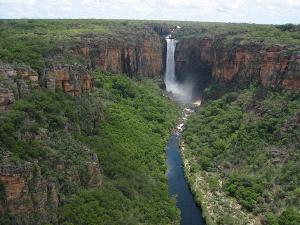
Jim Jim Falls, Kakadu National Park

Australia has a pretty bad biodiversity conservation track record – we have some of the worst mammal extinction trends in the world, and we’ve lost at least 50 % of our forested area since European colonisation. Despite our relatively large system of parks and reserves, things aren’t going to well (even in the parks!).

Our rapidly expanding influence means that we have to start protecting larger and larger areas if we want to have any chance of slowing the modern extinction crisis. This means we have to go beyond dedicated biodiversity reserves and sequester more ‘wilderness’ (defined as “…large areas that have experienced minimal habitat loss“). Watson and colleagues therefore used Australia as a good example to determine the extent to which the national protected area network captures ‘wilderness’, and how Australia’s planned expansion of the reserve system will include ‘wilderness’ in the future.

Although there wasn’t much planning involved initially, Australia (like many other countries) started to take biodiversity conservation seriously in the mid-1990s, such that now we have about 11 % of our 7.7 million km2 land area within a National Reserve System. Planning didn’t feature heavily in the early years, but it has been embraced now by nearly all planning bodies within government.

© Wiley-Blackwell

© Wiley-Blackwell

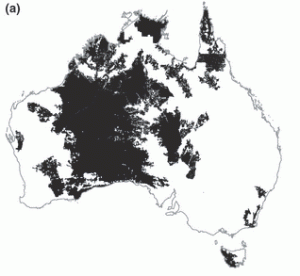
Using estimates of the total wilderness area in Australia (Fig. a), Watson and colleagues determined how much was included in the Reserve System (Fig. b), and how this value changed between 2000 and 2006.

Of the 2.93 million km2 of wilderness (38 % of land area, mostly in northern and western Australia), only 14 % was protected in 2000. This value increased marginally to 19 % by 2006 as the size of the Reserve System itself increased by 37 % (i.e., from 652597 to 895326 km2).

Bottom line – our growth in reserve area didn’t really capture the necessary wilderness; instead, gains were made in areas largely modified by humans. Even where wilderness has been captured, it’s predominately in ‘multiple use’ regions (incorporating mining, forestry and grazing, for example).

This isn’t a bad thing really – by focussing on areas of high biodiversity value that are under relatively high threat embraces the biodiversity hotspot approach to conservation and emphasises restoration. This is, of course, needed. But not incorporating a wider component of the habitats within wilderness could bias conservation toward range-restricted species.

© Wiley-Blackwell

© Wiley-Blackwell

Watson and colleagues therefore make a number of recommendations:

  1. We should strive to quantify and map spatially the  important ecological and evolutionary processes that drive the distribution and abundance of biodiversity so they can be explicitly incorporated into reserve area prioritisations.
  2. We should focus on predicting the magnitude and distribution of future threats and incorporate them into the spatial prioritisation framework.
  3. We should incorporate realistic constraints (e.g., financial costs) into prioritisation.
  4. We need to map and analyse a range of social and economic factors that define opportunities for conservation in conjunction with information on conservation values, threats and costs.

The bottom line is that we need to find a better balance between planning that protects threatened species and ecosystems in already highly fragmented (threatened) landscapes, and planning that protects large areas of wilderness that still contains most of its conservation values (wilderness). We’re getting there, but slowly, and hopefully in time to save our remaining threatened species from extinction.

CJA Bradshaw

Add to FacebookAdd to NewsvineAdd to DiggAdd to Del.icio.usAdd to StumbleuponAdd to RedditAdd to BlinklistAdd to Ma.gnoliaAdd to TechnoratiAdd to Furl

ResearchBlogging.org

Watson, J., Fuller, R., Watson, A., Mackey, B., Wilson, K., Grantham, H., Turner, M., Klein, C., Carwardine, J., Joseph, L., & Possingham, H. (2009). Wilderness and future conservation priorities in Australia Diversity and Distributions DOI: 10.1111/j.1472-4642.2009.00601.x


Fragmen borealis: degradation of the world’s last great forest

12 08 2009
© energyportal.eu

© energyportal.eu

I have the dubious pleasure today of introducing a recently published paper of ours that was at the same time both intellectually stimulating and demoralising to write. I will make no apologies for becoming emotionally involved in the scientific issues about which my colleagues and I write (as long as I can maintain with absolute sincerity that the data used and conclusions drawn are as objectively presented as I am capable), and this paper probably epitomises that stance more than most I’ve written during my career.

The topic is especially important to me because of its subtle, yet potentially disastrous consequences for biodiversity and climate change. It’s also a personal issue because it’s happening in a place I used to (many, many years ago) call home.

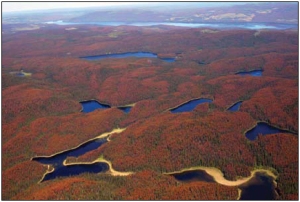
Despite comprising about a third of the world’s entire forested area and harbouring some of the lowest human densities anywhere, the great boreal forest that stretches across Alaska, Canada, Scandinavia and a huge chunk of Russia is under severe threat.

Surprised that we’re not talking about tropical deforestation for once? Surprised that so-called ‘developed’ nations are pilfering the last great carbon sink and biodiversity haven left on the planet? If you have read any of the posts on this blog, you probably shouldn’t be.

The paper today appeared online in Trends in Ecology and Evolution and is entitled Urgent preservation of boreal carbon stocks and biodiversity (by CJA Bradshaw, IG Warkentin & NS Sodhi). It’s essentially a review of the status of the boreal forest from a biodiversity perspective, and includes a detailed assessment of the degree of its fragmentation, species threat, climate- and human-influenced disturbance regime, and its carbon sequestration/emission status. I’ll summarise some of the main findings below:

borealfire

© NASA

  • Russia contains ~53 % of the boreal forest, followed by Canada (25 %), USA (18 %, mostly in Alaska), Sweden (2 %) and Finland and Norway (~1 % each); there are small areas of boreal forest in northern China and Mongolia.
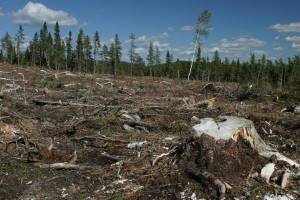
  • Fire is the main driver of change in the boreal forest. Although clearing for logging and mining abounds, it pales in comparison to the massive driver that is fire.
  • There is evidence that climate change is increasing the frequency and possibly extent of fires in the boreal zone. That said, most fires are started by humans, and this is particularly the case in the largest expanse in Russia (in Russia alone, 7.5 and 14.5 million hectares burnt in 2002 and 2003, respectively).
  • While few countries report an overall change in boreal forest extent, the degree of fragmentation and ‘quality’ is declining – only about 40 % of the total forested area is considered ‘intact’ (defined here as areas ≥ 500 km2, internally undivided by things such as roads, and with linear dimensions ≥ 10 km).
  • Russian boreal forest is the most degraded and least ‘intact’, and has suffered the greatest decline in the last few decades compared to other boreal countries.
  • Boreal countries have only < 10 % of their forests protected from wood exploitation, except Sweden where it’s about 20 %.
  • There are over 20000 species described in the boreal forest – a number much less than that estimated for tropical forests even of much smaller size.
  • 94 % of the 348 IUCN Red Listed boreal species are considered to be threatened with extinction, but other estimates from local assessments compiled together in 2000 (the United Nations’ Temperate and Boreal Forest Resources Assessment) place the percentages of threatened species up to 46 % for some taxa in some countries (e.g., mosses in Sweden). The latter assessment placed the Fennoscandian countries as having the highest proportions of at-risk taxa (ferns, mosses, lichens, vascular plants, butterflies, birds, mammals and ‘other vertebrates’), with Sweden having the highest proportion in almost all categories.
  • Boreal forest ecosystems contain about 30 % of the terrestrial carbon stored on Earth (~ 550 Gigatonnes).
  • © BC Ministry For Range/L. Maclaughlan

    Warmer temperatures have predisposed coniferous forest in western Canada to a severe outbreak of mountain pine beetle (Dendroctonus ponderosae) extending over > 13 M ha. © BC Ministry For Range/L. Maclaughlan

  • Mass insect outbreaks killing millions of trees across the entire boreal region are on the rise.
  • Although considered in the past as a global carbon sink, recent disturbances (e.g., increasing fire and insect outbreak) and refinements of measurement mean that much of the area is probably a carbon source (at least, temporarily).
  • A single insect outbreak in western Canada earlier this decade thought to be the direct result of a warming planet contributed more carbon to the atmosphere than all of that country’s transport industry and fire-caused release combined.
  • Current timber harvest management is inadequately prepared to emulate natural fire regimes and account for shifting fire patterns with climate change.
  • No amount of timber management can offset the damage done by increasing fire – we must manage fire better to have any chance of saving the boreal forest as a carbon sink and biodiversity haven.

Those include the main take-home messages. I invite you to read the paper in full and contact us (the authors) if you have any questions.

CJA Bradshaw

Full reference: Bradshaw, CJA, IG Warkentin, NS Sodhi. 2009. Urgent preservation of boreal carbon stocks and biodiversity. Trends in Ecology and Evolution DOI: 10.1016/j.tree.2009.03.019

Add to FacebookAdd to NewsvineAdd to DiggAdd to Del.icio.usAdd to StumbleuponAdd to RedditAdd to BlinklistAdd to Ma.gnoliaAdd to TechnoratiAdd to Furl


Few people, many threats – Australia’s biodiversity shame

31 07 2009

bridled_nailtail_400I bang on a bit about human over-population and how it drives biodiversity extinctions. Yet, it isn’t always hordes of hungry humans descending on the hapless species of this planet  – Australia is a big place, but has few people (just over 20 million), yet it has one of the higher extinction rates in the world. Yes, most of the country is covered in some fairly hard-core desert and most people live in or near the areas containing the most species, but we have an appalling extinction record all the same.

A paper that came out recently in Conservation Biology and was covered a little in the media last week gives some telling figures for the Oceania region, and more importantly, explains that we have more than enough information now to implement sound, evidence-based policy to right the wrongs of the past and the present. Using IUCN Red List data, Michael Kingsford and colleagues (paper entitled Major conservation policy issues for biodiversity in Oceania), showed that of the 370 assessed species in Australia, 80 % of the threatened ones are listed because of habitat loss, 40 % from invasive species and 30 % from pollution. As we know well, it’s mainly habitat loss we have to control if we want to change things around for the better (see previous relevant posts here, here & here).

Kingsford and colleagues proceed to give a good set of policy recommendations for each of the drivers identified:

Habitat loss and degradation

  • Implement legislation, education, and community outreach to stop or reduce land clearing, mining, and unsustainable logging through education, incentives, and compensation for landowners that will encourage private conservation
  • Establish new protected areas for habitats that are absent or poorly represented
  • In threatened ecosystems (e.g., wetlands), establish large-scale restoration projects with local communities that incorporate conservation and connectivity
  • Establish transparent and evidence-based state of environment reporting on biodiversity and manage threats within and outside protected areas.
  • Protect free-flowing river systems (largely unregulated by dams, levees, and diversions) within the framework of the entire river basin and increase environmental flows on regulated rivers

Invasive species

  • Avoid deliberate introduction of exotic species, unless suitable analyses of benefits outweigh risk-weighted costs
  • Implement control of invasive species by assessing effectiveness of control programs and determining invasion potential
  • Establish regulations and enforcement for exchange or treatment of ocean ballast and regularly implement antifouling procedures

Climate change

  • Reduce global greenhouse gas emissions
  • Identify, assess, and protect important climate refugia
  • Ameliorate the impacts of climate change through strategic management of other threatening processes
  • Develop strategic plans for priority translocations and implement when needed

Overexploitation

  • Implement restrictions on harvest of overexploited species to maintain sustainability
  • Implement an ecosystem-based approach for fisheries, based on scientific data, that includes zoning the ocean; banning destructive fishing; adopting precautionary fishing principles that include size limits, quotas, and regulation with sufficient resources based on scientific assessments of stocks and; reducing bycatch through regulation and education
  • Implement international mechanisms to increase sustainability of fisheries by supporting international treaties for fisheries protection in the high seas; avoiding perverse subsidies and improve labelling of sustainable fisheries; and licensing exports of aquarium fish
  • Control unsustainable illegal logging and wildlife harvesting through local incentives and cessation of international trade

Pollution

  • Decrease pollution through incentives and education; reduce and improve treatment of domestic, industrial, and agriculture waste; and rehabilitate polluted areas
  • Strengthen government regulations to stop generation of toxic material from mining efforts that affects freshwater and marine environments
  • Establish legislation and regulations and financial bonds (international) to reinforce polluter-pays principles
  • Establish regulations, education programs, clean ups, labelling, and use of biodegradable packaging to reduce discarded fishing gear and plastics

Disease

  • Establish early-detection programs for pathological diseases and biosecurity controls to reduce translocation
  • Identify causes, risk-assessment methods, and preventative methods for diseases
  • Establish remote communities of organisms (captive) not exposed to disease in severe outbreaks

Implementation

  • Establish regional population policies based on ecologically sustainable human population levels and consumption
  • Ensure that all developments affecting the environment are adequately analysed for impacts over the long term
  • Promote economic and societal benefits from conservation through education
  • Determine biodiversity status and trends with indicators that diagnose and manage declines
  • Invest in taxonomic understanding and provision of resources (scientific and conservation) to increase capacity for conservation
  • Increase the capacity of government conservation agencies
  • Focus efforts of nongovernmental organisations on small island states on building indigenous capacity for conservation
  • Base conservation on risk assessment and decision support
  • Establish the effectiveness of conservation instruments (national and international) and their implementation

A very good set of recommendations that I hope we can continue to develop within our governments.

CJA Bradshaw

Add to FacebookAdd to NewsvineAdd to DiggAdd to Del.icio.usAdd to StumbleuponAdd to RedditAdd to BlinklistAdd to Ma.gnoliaAdd to TechnoratiAdd to Furl


June Issue of Conservation Letters

6 06 2009

Quick off the mark this month is the new issue of Conservation Letters. There are some exciting new papers (listed below). I encourage readers to have a look:

Policy Perspectives

Letters

CJA Bradshaw


Protein mining the world’s oceans

31 03 2009

Last month David Agnew and colleagues published a paper in PLoS One examining the global extent of illegal, unreported and unregulated (IUU) fishing (Estimating the worldwide extent of illegal fishing), estimating its value from US$10-23.5 billion and representing between 11 and 26 million tonnes of fish annually. The value is roughly the same as that lost from illegal logging each year. Wow.

Of perhaps most interest is that Agnew and colleagues found evidence for a negative relationship between IUU fishing as a proportion of total catch and an international (World Bank) governance quality index. This suggests that improving governance and eradicating corruption may be the best way to curtail the extent of the illegal harvest.

We have just published a paper online in Fish and Fisheries about the extent and impact of IUU fishing in northern Australia. Entitled Protein mining the world’s oceans: Australasia as an example of illegal expansion-and-displacement fishing, the paper by Iain Field and colleagues advocates a multi-lateral response to a problem that has grown out of control in recent decades.

IUU fishing is devastating delicate ecosystems and fish breeding grounds in waters to Australia’s north, and can no longer be managed effectively by individual nations. The problem now requires an urgent regional solution if food security into the future is to be maintained.

The paper is the first big-picture account of the problem from Australia’s perspective. Although there had been a decline in IUU fishing in Australian waters over the past two years, possibly linked to large Australian government expenditure on enforcement and rising fuel prices, the forces driving illegal fishing have not gone away and are likely to resurface in our waters.

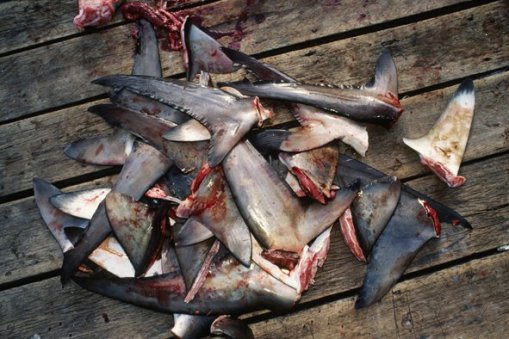
We expect that the small-scale illegal fishers will be back to prey on other species such as snapper, trochus and trepang as soon as it is economically viable for them to do so. To date, these IUU fishers have focused mostly on high-value sharks mainly for the fin trade, to the extent that the abundance of some shark species has dropped precipitously. IUU fishing, which has devastated fish resources and their associated ecosystems throughout Southeast Asian waters, is driven by deep economic and societal forces. For example, the Asian economic crisis in the late 1990s drove a large number of people out of cities and into illegal fishing.

It is not enough to maintain just a national response as the problem crosses national maritime zones, and it poses one of the biggest threats known to marine ecosystems throughout the region. These IUU fishers are mining protein, and there is no suggestion of sustainability or factoring in fish breeding or ecosystem protection into the equation. They just come into a fishing area and strip-mine it, leaving it bare.

Illegal fishing in Australian waters started increasing steeply about 10 years ago, largely because of over-exploitation of waters farther north, peaking in 2005-06 then falling away just as steeply. There are three factors behind the recent downturn: Australian government enforcement measures estimated to have cost at least AU$240 million since 2006; the high price of fuel for the fishing boats; and, most importantly, the fact that the high-value species may have been fished out and are now economically and ecologically extinct.

The $240 million has funded surveillance, apprehension, transportation, processing and accommodation of the several thousand illegal foreign fishermen detained each year since 2006. These activities have been successful, but it is doubtful whether they can hold back the IUU tide indefinitely – the benefits to the illegal fishers of their activities far outweigh the penalties if caught.

With increasing human populations in the region, the pressure to fish illegally is likely to increase. Regional responses are required to deter and monitor the illegal over-exploitation of fisheries resources, which is critical to secure ecosystem stability as climate change and other destructive human activities threaten food security.

CJA Bradshaw (with IC Field, MG Meekan and RC Buckworth)

Add to FacebookAdd to NewsvineAdd to DiggAdd to Del.icio.usAdd to StumbleuponAdd to RedditAdd to BlinklistAdd to Ma.gnoliaAdd to TechnoratiAdd to Furl


South Australian marine park boundaries released

29 01 2009

As an addendum to my last post (Marine Conservation in South Australia), I thought it worth mentioning that the South Australian government has released its plans for coastal marine parks. I have yet to look through these in detail, but public comment is welcomed until 27/03/2009. We’ll see what the fallout is.

Release approved by Allan Holmes, Chief Executive of the Department of Environment and Heritage (SA):

The outer boundaries of South Australia’s network of 19 new marine parks were proclaimed today. This exciting development will help protect our unique and diverse marine environment for future generations to use and enjoy, and will also position South Australia as a national leader in marine conservation.

The boundaries will be available for public comment until 27 March 2009. To support the public consultation, 57 public information sessions will be held across South Australia. To find out more about South Australia’s new marine parks network, visit here or ring 1800 006 120.

CJA Bradshaw


Marine conservation in South Australia

26 01 2009

© U.R. Zimmer

© U.R. Zimmer

Just before the holidays last year I participated in the Conservation Council of South Australia‘s (CCSA) Coast & Marine in a Changing Climate Summit 2008. It was an interesting, mature and intelligent summit with some good recommendation surfacing. Although I certainly didn’t agree with all the recommendations (view the entire report here), I must say up front that I have been very impressed with the CCSA’s approach in their ‘Blueprint’ summit series to address South Australia’s environmental problems.

Many environmental groups, especially regional ones, are seen by many as raving environists1 with little notion for balance or intelligent debate. CCSA is definitely not one of those. They are very careful to engage with scientists, public servants, industry leaders and politicians to hone their recommendations into something realistic and useful. Indeed, I am now certain the only way to convince people of the necessity of dealing with the world’s environmental mess is to make intelligent, scientifically defensible arguments about how environmental degradation worsens our quality of life (yes, this is the principal aim of ConservationBytes.com). So, good on the CCSA for a rationale approach.

Enough about the CCSA for now – let’s move onto some of their marine-related recommendations. I won’t reprint the entire summary document here, but a few things are worthy of repetition:

Significantly increase the amount of resources available for marine species research and taxonomy, especially for non-commercial species.

Despite my obvious conflict of interest, I couldn’t agree more. One of the principal problems with our ability to plan for inevitable environmental change to lessen the negative outcomes for biodiversity, industry and people in general is that we have for too long neglected marine research in Australia. Given that most Australians live near the coast and almost all of us rely on the oceans in some way, it is insane that marine research in this country is funded almost as an afterthought. How can we possibly know what we’re doing to our life-support system if we don’t even know how it works?

Take climate change for example. The majority of climate change predictions are merely single-species predictions based on physiological tolerances. Most almost completely ignore species interactions. Any given species must compete with, eat and be eaten by others, so it’s insane not to combine community relationships into predictive models.

A strict monitoring regime should be implemented in all ports and harbours to continuously monitor [sic] for introduced marine pests in order to inform better management, in conjunction with the species outlined in the Monitoring section of the National System for the Prevention and Management of Marine Pest Incursions.

Many people, and scientists in particular, have traditionally turned their noses up at so-called ‘monitoring’. However, as a few Australian colleagues of mine recently observed, the marine realm has a huge, gaping hole in monitoring data necessary to determine the future of Australia’s marine environment. Take it from me, a scientist who regularly uses time-series data to infer long-term patterns (see Publications), it’s essential that we have more long-term data on species distributions, reproductive output, survival, etc. to make inference about the future.

Recreational fishing should be licensed, with the license fees being directed towards increased research of non-commercial species and education of recreational fishers.

I really like this one. It seems South Australia is the only state in the country that doesn’t have mandatory recreational fishing licences. Absolute madness. Given the capacity of recreational fishing to outstrip commercial harvests for some species (e.g., King George whiting Sillaginodes punctatus), we need vastly better monitoring via licences to determine local impacts. Not to mention the necessary generation of money to support monitoring and research, which to the average recreational fisher, would not be such a hefty price to pay. The political drive to keep the status quo is woefully outdated and counter-productive. See one of my previous posts on the potential impacts of recreational fishing.

There is a need for a co-ordinated, state/Adelaide-wide stormwater strategy. Currently the Stormwater Management Authority examines individual projects but does not manage a bigger picture with a co-ordinated approach.

A colleague of mine recently published an article showing how South Australian waters, being more oligotrophic on average than other areas of the country, are particularly susceptible to nutrient overloading. The main losers are seagrasses and macroalgae (kelp) forests – the Adelaide metropolitan coast has lost up to 70 % of its kelp forests since major urbanisation began last century.

There are many more recommendations that you can peruse at your leisure, and many of them will be updated this year once the CCSA incorporates all the received comments. I thank them for the opportunity to take part in their worthy aims.

CJA Bradshaw

1My colleague, Barry Brook, invented this excellent term to describe those people who blindly support anything ‘green’ without really thinking of the consequences. It’s also a great way to differentiate serious ‘environmentalists’ and conservation biologists from raving ‘greenies’.

Add to FacebookAdd to NewsvineAdd to DiggAdd to Del.icio.usAdd to StumbleuponAdd to RedditAdd to BlinklistAdd to Ma.gnoliaAdd to TechnoratiAdd to Furl


Addressing biodiversity decline at home

30 11 2008

© CJA Bradshaw

© CJA Bradshaw

I was recently invited to sit on a panel organised by the Conservation Council of South Australia (CCSA) to discuss issues of marine and coastal conservation under a rapidly changing climate. The results of that will be released soon (I’ll blog about that later), but in the interim, I want to highlight to readers of ConservationBytes.com how the CCSA is setting up the challenge to local governments to implement positive steps forward for the conservation of biodiversity in South Australia. I’m reproducing the executive summary of their Summit Report on Biodiversity in a Changing Climate (download full report here). It’s a good example of how we can all (industry, government, academia) work together to promote our own well-being.

…South Australia’s biodiversity is declining at an alarming rate. It has been suggested by scientists that it will take many millions of years for biodiversity to recover from the impacts of humans over the last 200 years. In South Australia the key threat to biodiversity is land clearance; clearance of remnant native vegetation and subsequent fragmentation of habitat for native fauna species. Other key threats to biodiversity in South Australia include:

  • Habitat fragmentation from development
  • Competition from introduced flora
  • Predation by introduced animals
  • Direct competition for food, shelter and resources from introduced fauna
  • Introduced diseases
  • Collection of firewood from remnant vegetation
  • Altered fire regimes
  • Inappropriate grazing/overgrazing
  • Inappropriate management activities
  • Water extraction/pollution
  • Climate change – including increasing oceanic temperatures and acidification

Much of South Australia’s economy is based on the use of biological resources and the need to maintain ecosystem services. This includes activities such as tourism and recreation, nature conservation, pastoralism, agriculture, horticulture, and forestry which all benefit from healthy ecosystems.

Our primary production systems require biodiversity for pest control/management, soil conservation, enhanced productivity and stabilisation, pollination, salinity amelioration, and water purification.

To address and reverse current biodiversity trends our society must recognise, understand and value biodiversity. Land managers, indigenous communities, local industries, government and the broader community may value biodiversity in different ways, however conservation and effective management of biodiversity is essential to ensure the continuation of these values for future generations. Biodiversity values may include:

  • Production value for the provision of food, medicines, clothing and building materials consumed by society
  • Ecosystem services for the maintenance of ecosystem services (natural storing and cycling of nutrients, stabilising soil formation, protection of water resources and breakdown of pollution), and maintenance of biodiversity
  • Socio-economic value for recreation, research, education and monitoring, and cultural values
  • Future value to maintain the capacity to identify future direct or indirect utilitarian value

The South Australian government has recognised the significance of biodiversity through integrated approaches such as the National Strategy for the Conservation of Australia’s Biological Diversity, a joint initiative of the Commonwealth and State and Territory governments. This strategy supports other intergovernmental agreements, such as the National Strategy for Ecologically Sustainable Development, the National Greenhouse Strategy, the National Forest Policy Statement, the Decade of Landcare Plan, the Wetlands Policy of the Commonwealth Government of Australia, the Inter-Governmental Agreement on the Environment, the Natural Heritage Trust Partnership Agreements and the National Framework for the Management and Monitoring of Australia’s Native Vegetation.

The South Australian government has also implemented its own biodiversity focused strategies including No Species Loss, NatureLinks, Tackling Climate Change, and the State Strategic Plan. Regional biodiversity plans are being facilitated to assist in the management and rehabilitation of natural habitats throughout regions of the state.

However, despite the government’s recognition of biodiversity as a serious issue, South Australia’s biodiversity continues to decline at an alarming rate. Actions for conservation, management and awareness raising must be backed by political will and be targeted and supported financially.

Investing in biodiversity is essential to maintaining ecosystems services and in turn to provide dividends to human health and wellbeing. Policies and regulations must ensure all stakeholders are accountable for their environmental footprint and role in implementing change for the future protection of our state’s biodiversity. The aim of this report is to provide policy recommendations to increase the effectiveness of biodiversity conservation in South Australia’s changing climate…

to view the Report’s recommendations, read on… Read the rest of this entry »


Failing on ocean protection

24 11 2008

A new paper from Conservation Letters by Mark Spalding and colleagues entitled Toward representative protection of the world’s coasts and oceans-progress, gaps, and opportunities reminds us just how crap we are at protecting ocean habitats. I sincerely hope this one is a Potential given that the only direction one can move from absolute bottom is up. Richard Black at the BBC reports on the paper’s main findings:

toilet-ocean_squareLess than 1% of the world’s oceans have been given protected status, according to a major survey.

Governments have committed to a target of protecting 10% by 2012, which the authors of the new report say there is no chance of meeting.

Protecting ecologically important areas can help fish stocks to regenerate, and benefit the tourism industry.

The survey was led by The Nature Conservancy (TNC) and is published in the journal Conservation Letters.

“For those of us working in the issue full-time it’s not a surprise, we’ve known all along that marine protection is lagging behind what’s happening on land, but it’s nice to have it pinned down,” said TNC’s Mark Spalding.

“It’s depressing that we’ve still got so far to go, but there are points of hope,” he told BBC News.

Coastal concentration

Four years ago, signatories to the UN’s biodiversity convention – which includes almost every country – pledged to protect at least 10% of the oceans in a way that makes sense ecologically.

Protecting them does not mean banning activities such as fishing or shipping completely, but making sure they are carried out sustainably.

All of the areas currently protected fall into countries’ Exclusive Economic Zones, and the majority are along coasts, the study finds.

Even so, only about 4% of coastal waters are protected.

Countries diverge widely in how much protection they have mandated.

Whereas New Zealand has almost 70% of its coastline under some form of protection, countries around the Mediterranean have set aside less than 2%.

In the developing world, Dr Spalding cites Guinea-Bissau as a country that has had invested in protection, particularly in the Bijagos Archipelago, which is home to a community of hippos dwelling along its mangrove coast, as well as more conventional marine species.

Palau, Indonesia, Micronesia and several Caribbean states are also making significant progress, he said.

About 12% of the Earth’s land surface has been put under protection.

Download the Spalding paper free of charge here.


Classics: Fragmentation

3 10 2008
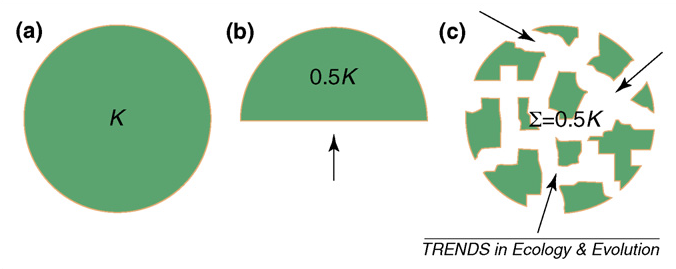
Figure 2 from Brook et al. (2008): Synergies among threatening processes relative to habitat loss and fragmentation. a) A large population within unmodified, contiguous habitat occupies all available niches so that long-term abundance fluctuates near full carrying capacity (K). b) When habitat is reduced (e.g. 50 % area loss), total abundance declines accordingly. c) However, this simple habitat-abundance relationship is complicated by the spatial configuration of habitat loss. In this example, all remaining fragmented subpopulations might fall below their minimum viable population (MVP) sizes even though total abundance is the same proportion of K as in panel B. As such, limited connectivity between subpopulations implies much greater extinction risk than that predicted for the same habitat loss in less fragmented landscapes. Further synergies (positive feedbacks among threatening processes; black arrows) might accompany high fragmentation, such as enhanced penetration of predators, invasive species or wildfire, micro-habitat edge effects, and reduced resistance to drought with climate change.

Figure 2 from Brook et al. (2008): Synergies among threatening processes relative to habitat loss and fragmentation. a) A large population within unmodified, contiguous habitat occupies all available niches so that long-term abundance fluctuates near full carrying capacity (K). b) When habitat is reduced (e.g., 50 % area loss), total abundance declines accordingly. c) However, this simple habitat-abundance relationship is complicated by the spatial configuration of habitat loss. In this example, all remaining fragmented subpopulations might fall below their minimum viable population (MVP) sizes even though total abundance is the same proportion of K as in panel B. As such, limited connectivity between subpopulations implies much greater extinction risk than that predicted for the same habitat loss in less fragmented landscapes. Further synergies (positive feedbacks among threatening processes; black arrows) might accompany high fragmentation, such as enhanced penetration of predators, invasive species or wildfire, micro-habitat edge effects, and reduced resistance to drought with climate change.

This is, perhaps, one of the most important concepts that the field of conservation biology has identified as a major driver of extinction. It may appear on the surface a rather simple notion that the more ‘habitat’ you remove, the fewer species (and individuals) there will be (see MacArthur & Wilson’s Classic contribution: The Theory of Island Biogeography), but it took us decades (yes, embarrassingly – decades) to work out that fragmentation is bad (very, very bad).

Habitat fragmentation occurs when a large expanse of a particular, broadly defined habitat ‘type’ is reduced to smaller patches that are isolated by surrounding, but different habitats. The surrounding habitat is typically defined a ‘matrix’, and in the case of forest fragmentation, generally means ‘degraded’ habitat (fewer native species, urban/rural/agricultural development, etc.).

Fragmentation is bad for many reasons: it (1) reduces patch area, (2) increases isolation among populations associated with fragments, and (3) creates ‘edges’ where unmodified habitat abuts matrix habitat. Each of these has dire implications for species, for we now know that (1) the smaller an area, the fewer individuals and species in can contain, (2) the more isolated a population, the less chance immigrants will ‘rescue’ it from catastrophes, and (3) edges allow the invasion of alien species, make the microclimate intolerable, increase access to bad humans and lead to cascading ecological events (e.g., fire penetration). Make no mistake, the more fragmented an environment, the worse will be the extinction rates of species therein.

What’s particularly sad about all this is that fragmentation was actually seen as a potentially GOOD thing by conservation biologists for many long years. The so-called SLOSS (Single Large or Several Small) debate pervaded the early days of conservation literature. The debate was basically the argument that several small reserves would provide more types of habitat juxtapositions and more different species complexes, making overall diversity (species richness) higher, than one large reserve. It was an interesting, if not deluded, intellectual debate because both sides presented some rather clever theoretical and empirical arguments. Part of the attraction of the ‘Several Small’ idea was that it was generally easier to find series of small habitat fragments to preserve than one giant no-go area.

However, we now know that the ‘Several Small’ idea is completely inferior because of the myriad synergistic effects of fragmentation. It actually took Bruce Wilcox and Dennis Murphy until 1985 to bring this to everyone’s attention in their classic paper The effects of fragmentation on extinction to show how silly the SLOSS debate really was. It wasn’t, however, until the mid- to late 1990s that people finally started to accept the idea that fragmentation really was one of the biggest conservation evils. Subsequent work (that I’ll showcase soon on ConservationBytes.com) finally put the nail in the SLOSS debate coffin, and indeed, we haven’t heard a whisper of it for over a decade.

For more general information, I invite you to read the third chapter in our book Tropical Conservation Biology entitled Broken homes: tropical biotas in fragmented landscapes, and our recent paper in Trends in Ecology and Evolution entitled Synergies among extinction drivers under global change.
CJA Bradshaw

Add to FacebookAdd to NewsvineAdd to DiggAdd to Del.icio.usAdd to StumbleuponAdd to RedditAdd to BlinklistAdd to Ma.gnoliaAdd to TechnoratiAdd to Furl


Threatened species depend on protected areas

4 09 2008

One for the Potential list:

3932397_origA great new paper has just come out in Global Change Biology by Sarah Jackson and Kevin Gaston: Land use change and the dependence of national priority species on protected areas. In what is simultaneously frightening and ecouraging is the observation that of nearly 400 Biodiversity Action Plan (BAP) species considered either to be globally threatened or rapidly declining in the UK (i.e., > 50 % decline over 25 years), 55 % were largely restricted to statuatory protected areas in the UK. These areas cover about 11.5 % of Britain’s land surface.

What’s amazing about this is that without these reserves, these (hundreds) of species would already be extinct (or very close to it) – if this isn’t one of the strongest arguments for reserves, I don’t know what is. Not only are reserves essential for maintaining populations of threatened species, their spatial connectivity is also highly influential on persistence probability (future posts on fragmentation coming).

Much of the planet has now been modified to the point where any sort of species preservation will necessarily require large, expansive, contiguous networks of protected areas. Jackson & Gaston conclude:

Britain has undergone particularly extensive land transformation, reducing many originally much more widespread vegetation/habitat types to scattered fragments, few of which can be considered strictly natural (Rackham, 1986). A proportion of these fragments receive statutory protection and intensive management, increasing the likelihood that species of conservation concern are restricted to such areas. This circumstance is not unique to Britain, being found in many heavily developed regions including much of northwestern Europe, although it is not so extreme in many others. Britain may, thus, represent a possible future scenario for such regions. Under such circumstances, it is not unlikely that many species if they are not already restricted to protected areas will become so (e.g. species confined to tropical forest habitats following deforestation).

 Keeping things off limits from the burgeoning human population is therefore one of the major ways we can stem the tide of extinctions.

CJA Bradshaw

Add to FacebookAdd to NewsvineAdd to DiggAdd to Del.icio.usAdd to StumbleuponAdd to RedditAdd to BlinklistAdd to Ma.gnoliaAdd to TechnoratiAdd to Furl