Marine conservation in South Australia

26 01 2009

© U.R. Zimmer

© U.R. Zimmer

Just before the holidays last year I participated in the Conservation Council of South Australia‘s (CCSA) Coast & Marine in a Changing Climate Summit 2008. It was an interesting, mature and intelligent summit with some good recommendation surfacing. Although I certainly didn’t agree with all the recommendations (view the entire report here), I must say up front that I have been very impressed with the CCSA’s approach in their ‘Blueprint’ summit series to address South Australia’s environmental problems.

Many environmental groups, especially regional ones, are seen by many as raving environists1 with little notion for balance or intelligent debate. CCSA is definitely not one of those. They are very careful to engage with scientists, public servants, industry leaders and politicians to hone their recommendations into something realistic and useful. Indeed, I am now certain the only way to convince people of the necessity of dealing with the world’s environmental mess is to make intelligent, scientifically defensible arguments about how environmental degradation worsens our quality of life (yes, this is the principal aim of ConservationBytes.com). So, good on the CCSA for a rationale approach.

Enough about the CCSA for now – let’s move onto some of their marine-related recommendations. I won’t reprint the entire summary document here, but a few things are worthy of repetition:

Significantly increase the amount of resources available for marine species research and taxonomy, especially for non-commercial species.

Despite my obvious conflict of interest, I couldn’t agree more. One of the principal problems with our ability to plan for inevitable environmental change to lessen the negative outcomes for biodiversity, industry and people in general is that we have for too long neglected marine research in Australia. Given that most Australians live near the coast and almost all of us rely on the oceans in some way, it is insane that marine research in this country is funded almost as an afterthought. How can we possibly know what we’re doing to our life-support system if we don’t even know how it works?

Take climate change for example. The majority of climate change predictions are merely single-species predictions based on physiological tolerances. Most almost completely ignore species interactions. Any given species must compete with, eat and be eaten by others, so it’s insane not to combine community relationships into predictive models.

A strict monitoring regime should be implemented in all ports and harbours to continuously monitor [sic] for introduced marine pests in order to inform better management, in conjunction with the species outlined in the Monitoring section of the National System for the Prevention and Management of Marine Pest Incursions.

Many people, and scientists in particular, have traditionally turned their noses up at so-called ‘monitoring’. However, as a few Australian colleagues of mine recently observed, the marine realm has a huge, gaping hole in monitoring data necessary to determine the future of Australia’s marine environment. Take it from me, a scientist who regularly uses time-series data to infer long-term patterns (see Publications), it’s essential that we have more long-term data on species distributions, reproductive output, survival, etc. to make inference about the future.

Recreational fishing should be licensed, with the license fees being directed towards increased research of non-commercial species and education of recreational fishers.

I really like this one. It seems South Australia is the only state in the country that doesn’t have mandatory recreational fishing licences. Absolute madness. Given the capacity of recreational fishing to outstrip commercial harvests for some species (e.g., King George whiting Sillaginodes punctatus), we need vastly better monitoring via licences to determine local impacts. Not to mention the necessary generation of money to support monitoring and research, which to the average recreational fisher, would not be such a hefty price to pay. The political drive to keep the status quo is woefully outdated and counter-productive. See one of my previous posts on the potential impacts of recreational fishing.

There is a need for a co-ordinated, state/Adelaide-wide stormwater strategy. Currently the Stormwater Management Authority examines individual projects but does not manage a bigger picture with a co-ordinated approach.

A colleague of mine recently published an article showing how South Australian waters, being more oligotrophic on average than other areas of the country, are particularly susceptible to nutrient overloading. The main losers are seagrasses and macroalgae (kelp) forests – the Adelaide metropolitan coast has lost up to 70 % of its kelp forests since major urbanisation began last century.

There are many more recommendations that you can peruse at your leisure, and many of them will be updated this year once the CCSA incorporates all the received comments. I thank them for the opportunity to take part in their worthy aims.

CJA Bradshaw

1My colleague, Barry Brook, invented this excellent term to describe those people who blindly support anything ‘green’ without really thinking of the consequences. It’s also a great way to differentiate serious ‘environmentalists’ and conservation biologists from raving ‘greenies’.

Add to FacebookAdd to NewsvineAdd to DiggAdd to Del.icio.usAdd to StumbleuponAdd to RedditAdd to BlinklistAdd to Ma.gnoliaAdd to TechnoratiAdd to Furl


How many frogs do we eat?

20 01 2009

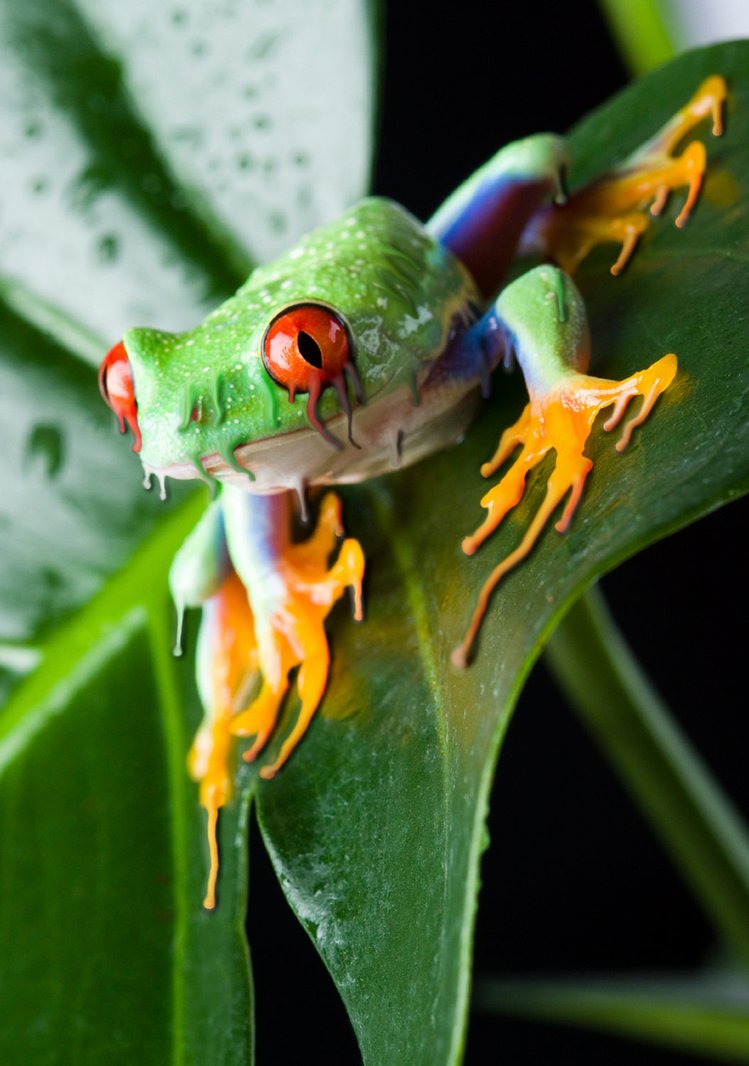
IMG_20130209_141200A paper that my colleagues and I wrote soon to appear in Conservation Biology describes the massive worldwide trade in frog parts for human consumption. I bet you had no idea…

This report from New Scientst:

Are frogs being eaten to extinction? We’re used to hearing about how disease, climate change, and habitat degradation are endangering amphibians, but conservationists are warning that frogs could be going the same way as the cod. Gastronomic demand, they report, is depleting regional populations to the point of no return.

David Bickford of the National University of Singapore and colleagues have called for more regulation and monitoring in the global frog meat market in order to avoid species being “eaten to extinction”.

Statistics on imports and exports of frog legs are sparse as few countries keep track of the amount of meat harvested and consumed domestically.

According to UN figures, global trade has increased in the past 20 years. France – not surprisingly – and the US are the two largest importers; with France importing between 2500 and 4000 tonnes of frog meat each year since 1995.

But although frog legs are often thought of in the West as a quintessentially French dish, they are also very popular in Asia.

Bickford estimates that between 180 million to over a billion frogs are harvested each year. “That is based on both sound data and an estimate of local consumption for just Indonesia and China,” he says. “The actual number I suspect is quite a bit larger and my 180 million bare minimum is almost laughably conservative.”
Local depletion

Even top French chefs may be unaware of where their frogs are coming from. Bruno Stril, teaching chef at the Cordon Bleu school in Paris, France, is unsure where his suppliers source their frog legs. “I would like for them to come from France,” he says. But he expects that most of the meat comes from other countries.

Stril is on the right track. Indonesia is the world’s largest exporter of frog meat, exporting more than 5000 tonnes of frog meat each year, mostly to France, Belgium and Luxemburg.

Bickford and colleagues say European kitchens initially found their own supplies in the surrounding countryside, but the fact that they are now importing from Asia suggests local populations were over-harvested. This, they say, could be a sign that frog populations, like many fish populations, will be harvested to near extinction.

“Overexploitation in the seas has caused a chain reaction of fisheries collapses around the world,” the researchers write. “This experience should motivate better management of other exploited wild populations.”
Anonymous legs

James Collins, of the World Conservation Union, says the Californian red-legged frog offers some evidence for the theory. This species was first harvested for food in the 19th-century California gold rush and eventually the population began to crash.

However, Collins cautions that “at the moment we have no data indicating that commercial exploitation has led to the extinction of any amphibian species.” He says the Bickford team’s evidence is worrisome, but inconclusive.

Most harvested frogs are skinned, butchered and frozen before being shipped overseas. This makes it difficult to know exactly what species are being killed. Indonesia is thought to mostly export crab-eating frogs, giant Jana frogs, and American bullfrogs. How much meat is consumed within Indonesia’s borders is also something of a mystery. Some studies suggest it could be between two and seven times what is exported.

“There are a hell of a lot of frogs being eaten,” says Bickford. “Much more than most people have a clue about.”

Original article soon to appear: Warkentin, IG, D Bickford, NS Sodhi, CJA Bradshaw. 2009. Eating frogs into extinction. Conservation Biology DOI: 10.1111/j.1523-1739.2008.01165.x

Add to FacebookAdd to NewsvineAdd to DiggAdd to Del.icio.usAdd to StumbleuponAdd to RedditAdd to BlinklistAdd to Ma.gnoliaAdd to TechnoratiAdd to Furl


Just give them a lift

16 01 2009

TvyamNb-BivtNwcoxtkc5xGBuGkIMh_nj4UJHQKupCdpgnnqXqJ70oP0iCjWicCL0ROBPry44AuNOne of the main problems in a rapidly changing world, whether that change arises from habitat loss, invasive species or climate change, is that often the pace of change is simply too fast for many species to keep up. History (both ‘deep-time’ and contemporary evidence) tells us this fact very clearly in the record of extinctions – species that have ‘slow’ life histories (i.e., those that mature late in their lives, produce few young and breed infrequently) are the most susceptible to extinction. More often than not, these tend to be the big organisms because the pace of life scales to body size nonlinearly (the so-called allometry of vital rates). The problem extends to evolution – when the pace of change happens faster than mutation and subsequent natural selection, you are unable to ‘evolve’ to the new environmental state fast enough. The end result – extinction.

So, can we help? Well, it’s fairly difficult to alter reproductive rates unless you do some assisted breeding programme (which generally don’t do much for the conservation status of a species) and you can’t really alter age at maturity or growth rates. You can stop or reverse habitat destruction, and you can translocate species in some circumstances.

So, in the case of climate change, if local conditions become too unbearable for a species (temperature, salinity, precipitation, etc.), just give them a lift to another spot where the new conditions suit! Sounds simple, but it could be rather difficult.

A relatively new Policy Forum piece in Science outlines how ‘assisted colonisation‘ could work for some species. The issues are many – most translocations fail for one reason or another (too few individuals moved, unforeseen predators or competitors, lack of appropriate habitat, etc.), but as we’ve seen the world over in the case of successful alien species, invasions can be remarkably successful (at least from the perspective of the invading species).

The key then is to think very carefully about which species to move and which to leave alone. Of course, generalist, highly adaptable and dispersed species probably don’t need the help, but restricted-range species or habitat specialists could really benefit from such action. You also run the risk of creating more problems than you solve (e.g., new invasive pests, disease introduction). However, a select group of species might just need this very assistance to persist given how much we’ve already change the biosphere, and how much more it will change due to shifting climate in the near future.

It’s controversial, but it could work in many circumstances. That’s why I’m adding this paper (Hoegh-Guldberg et al. – Assisted colonization and rapid climate change) to the Potential list.

CJA Bradshaw

Add to FacebookAdd to NewsvineAdd to DiggAdd to Del.icio.usAdd to StumbleuponAdd to RedditAdd to BlinklistAdd to Ma.gnoliaAdd to TechnoratiAdd to Furl


Measuring the amphibian meltdown

9 01 2009

melting_frog_by_zarinstar.pngA paper my colleagues and I published earlier last year in the open-access journal PLoS One describes one of the largest databases of amphibian threat risk ever compiled. Our main aims were to determine which factors drive amphibians toward extinction – this being especially topical considering that amphibians epitomise the modern biodiversity crisis: major population declines, disease outbreaks, deformities and recent confirmed extinctions dominate the biodiversity news. 32 % of all amphibians worldwide are threatened with extinction, 43 % of described species are declining, and about 160 species have already gone extinct in the last few decades.

In our paper (Sodhi and colleagues) entitled Measuring the meltdown: drivers of global amphibian extinction and decline, we found that the range size occupied by a species was overwhelmingly the principal driver of threat risk. This means that although other factors are involved, the number one (by far and away) thing threatening amphibians is habitat loss – everything else is minor by comparison.

Of course, we shouldn’t ignore other issues – increasing climate seasonality (temperature and precipitation) also contributed to higher threat risk. This is exactly the sort of thing that is predicted to increase with climate change (more variable weather patterns). In many cases, it’s the variability that’s worse than the mean trend when it comes to biodiversity.

So what should we do? Our results suggest that areas containing high numbers of restricted-range amphibians should have conservation priority. Although captive breeding might help to buffer some declining populations in the short term, such interventions cannot substitute for habitat protection and restoration. The synergies between ecological/life history traits and environmental conditions demonstrate how management must address each of the major drivers of decline together for any success – there is no magic bullet to prevent extinctions. We also recommend that substantial increases in international research on the long-term monitoring of amphibian populations is required to mitigate effectively the current meltdown of amphibian biodiversity.

CJA Bradshaw

Add to FacebookAdd to NewsvineAdd to DiggAdd to Del.icio.usAdd to StumbleuponAdd to RedditAdd to BlinklistAdd to Ma.gnoliaAdd to TechnoratiAdd to Furl


Man bites shark

7 01 2009

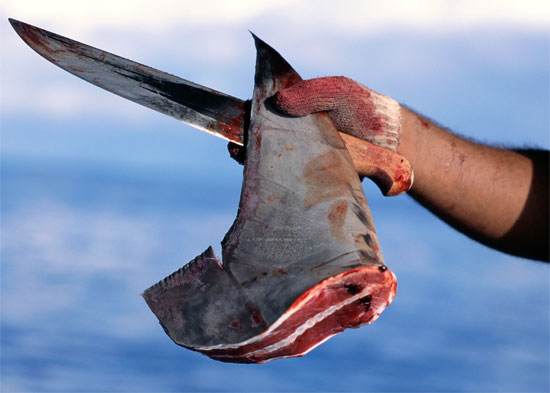
cut-shark-finYesterday I had a comment piece of the same title posted on the ABC‘s Unleashed site. I have permission to reproduce it here on ConservationBytes.com.

The silly season is upon us again, and I don’t mean the commercial frenzy, the bizarre fascination with a white-bearded man or a Middle-Eastern baby, the over-indulgence at the barbie or hangovers persisting several days into the New Year. I mean it’s the time of year when beach-goers, surfers, and municipal and state policy makers go a bit ga-ga over sharks.

There are few more polite pleasures than heading down to the beach during the holidays for a surf, quick dip or just a laze under the brolly. Some would argue it’s an inalienable Australian right and that anything getting in our way should be condemned to no less than severe retribution. Well, in the case of sharks, that’s exactly what’s happened.

Apart from a good number of adrenalin-addicted surfers and mad marine scientists, most people are scared shitless by the prospect of even seeing a shark near the beach, let alone being bitten or eaten by one. I won’t bore you with some ill-advised, pseudo-psycho-analytical rant about how it’s all the fault of some dodgy 1970s film featuring a hypertrophied American shark; the simple fact is that putative prey don’t relish the thought of becoming a predator’s dinner.

So, Australia is famous for its nearly 100-year-old pioneering attempt to protect marine bathers from shark attack by setting an elaborate array of shark nets around the country’s more frequented beaches. Great, you say? Well, it’s actually not that nice.

Between December 1990 and April 2005, nearly 3500 sharks and rays were caught in NSW beach nets alone, of which 72 per cent were found dead. Shark spearing was a favourite past-time in the 1960s and 1970s, with at least one high-profile species, the grey nurse shark, gaining the dubious classification of Critically Endangered as a result. Over-fishing of reef sharks has absolutely hammered two formerly common species in the Great Barrier Reef, the whitetip and grey reef sharks (See the Ongoing Collapse of Coral-Reef Shark Populations report). And illegal Indonesian fishing in northern Australia is slowly depleting many shark species in a wave of protein mining that has now penetrated the Australian Exclusive Economic Zone.

Despite the gloomy outlook for sharks, I’m happy to say today that we are a little more aware of their plight and are making baby steps toward addressing the problems. Australia has generally fared better in shark conservation than most other parts of the world, even though we still have a lot of educating to do at home. Over 50 per cent of all chondrichthyans (i.e., sharks, rays and chimaeras) are threatened worldwide, with some of the largest and most wide-ranging species being hardest hit, including white sharks. The most common threat is over-fishing, but this is largely seen by the lay person as of little import simply because of the persistent attitude that “the only good shark is a dead shark”.

The attitude is, however, based on a complete furphy. I’m sure many readers would have seen some statistics like the following before, but let’s go through the motions just to be clear. Dying from or even being injured by a shark is utterly negligible. Based on the International Shark Attack File data for Australia, there were 110 confirmed (unprovoked) shark attacks in Australian waters between 1990 and 2007, of which 19 were fatal. Using Australian Bureau of Statistics human population data over the same period, this equates to an average of 0.032 attacks and 0.006 fatalities per 100,000 people, with no apparent trend over the last two decades.

Now let’s contrast. I won’t patronise you with strange comparative statistics like the probability of being killed by a (provoked) vending machine or by being hit by a bus, they are both substantially greater, but I will relate these figures to water-based activities. Drowning statistics for Australia (1992-1997) show that there were around 1.44 deaths per 100,000 people per year, or approximately 0.95 if just marine-related drownings are considered. These values are 240 (158 for marine-only) times higher than those arising from shark attack.

It’s just plainly, and mathematically, ridiculous to be worried about being eaten by a shark when swimming in Australia, whether or not there’s a beach net in place. The effort made, money spent and anxiety arising from the illogical fear that a shark will consider your sunburnt flesh a tasty alternative to its fishier sustenance is not only regrettable, it’s an outright crime against marine biodiversity. Of course, if you see a big shark lurking around your favourite beach, I wouldn’t recommend swimming over and giving it a friendly pat on the dorsal fin, but I wouldn’t recommend screaming that the marine equivalent of the apocalypse has just arrived either.

You may not be fussed either way, but consider this – the massive reduction in sharks worldwide is having a cascading effect on many of the ocean’s complex marine ecosystems. Being largely carnivorous, sharks are the ecological equivalent of community planners. Without them, herbivorous or coral-eating fish can quickly get out of control and literally destroy the food web. A great example comes from the Gulf of Mexico where the serial depletion of 14 species of large sharks has caused an explosion of the smaller cownose ray that formerly was kept in check by its bigger and hungrier cousins. The result: commercially harvested scallops in the region have now collapsed because of the hordes of shellfish-eating rays.

The day you fail to find sharks cruising your favourite beach is the day you should really start to worry.

CJA Bradshaw

Add to FacebookAdd to NewsvineAdd to DiggAdd to Del.icio.usAdd to StumbleuponAdd to RedditAdd to BlinklistAdd to Ma.gnoliaAdd to TechnoratiAdd to Furl


Back on deck

5 01 2009

Sorry for the holiday silence, but I needed a little break too. Thanks for the continued viewing, and I promise to have some new posts soon.

CJA Bradshaw


Classics: the Allee effect

22 12 2008

220px-Vortex_in_draining_bottle_of_waterAs humanity plunders its only home and continues destroying the very life that sustains our ‘success’, certain concepts in ecology, evolution and conservation biology are being examined in greater detail in an attempt to apply them to restoring at least some elements of our ravaged biodiversity.

One of these concepts has been largely overlooked in the last 30 years, but is making a conceptual comeback as the processes of extinction become better quantified. The so-called Allee effect can be broadly defined as a “…positive relationship between any component of individual fitness and either numbers or density of conspecifics” (Stephens et al. 1999, Oikos 87:185-190) and is attributed to Warder Clyde Allee, an American ecologist from the early half of the 20th century, although he himself did not coin the term. Odum referred to it as “Allee’s principle”, and over time, the concept morphed into what we now generally call ‘Allee effects’.

Nonetheless, I’m using Allee’s original 1931 book Animal Aggregations: A Study in General Sociology (University of Chicago Press) as the Classics citation here. In his book, Allee discussed the evidence for the effects of crowding on demographic and life history traits of populations, which he subsequently redefined as “inverse density dependence” (Allee 1941, American Naturalist 75:473-487).

What does all this have to do with conservation biology? Well, broadly speaking, when populations become small, many different processes may operate to make an individual’s average ‘fitness’ (measured in many ways, such as survival probability, reproductive rate, growth rate, et cetera) decline. The many and varied types of Allee effects can work together to drive populations even faster toward extinction than expected by chance alone because of self-reinforcing feedbacks (see also previous post on the small population paradigm). Thus, ignorance of potential Allee effects can bias everything from minimum viable population size estimates, restoration attempts and predictions of extinction risk.

A recent paper in the journal Trends in Ecology and Evolution by Berec and colleagues entitled Multiple Allee effects and population management gives a more specific breakdown of Allee effects in a series of definitions I reproduce here for your convenience:

Allee threshold: critical population size or density below which the per capita population growth rate becomes negative.

Anthropogenic Allee effect: mechanism relying on human activity, by which exploitation rates increase with decreasing population size or density: values associated with rarity of the exploited species exceed the costs of exploitation at small population sizes or low densities (see related post).

Component Allee effect: positive relationship between any measurable component of individual fitness and population size or density.

Demographic Allee effect: positive relationship between total individual fitness, usually quantified by the per capita population growth rate, and population size or density.

Dormant Allee effect: component Allee effect that either does not result in a demographic Allee effect or results in a weak Allee effect and which, if interacting with a strong Allee effect, causes the overall Allee threshold to be higher than the Allee threshold of the strong Allee effect alone.

Double dormancy: two component Allee effects, neither of which singly result in a demographic Allee effect, or result only in a weak Allee effect, which jointly produce an Allee threshold (i.e. the double Allee effect becomes strong).

Genetic Allee effect: genetic-level mechanism resulting in a positive relationship between any measurable fitness component and population size or density.

Human-induced Allee effect: any component Allee effect induced by a human activity.

Multiple Allee effects: any situation in which two or more component Allee effects work simultaneously in the same population.

Nonadditive Allee effects: multiple Allee effects that give rise to a demographic Allee effect with an Allee threshold greater or smaller than the algebraic sum of Allee thresholds owing to single Allee effects.

Predation-driven Allee effect: a general term for any component Allee effect in survival caused by one or multiple predators whereby the per capita predation-driven mortality rate of prey increases as prey numbers or density decline.

Strong Allee effect: demographic Allee effect with an Allee threshold.

Subadditive Allee effects: multiple Allee effects that give rise to a demographic Allee effect with an Allee threshold smaller than the algebraic sum of Allee thresholds owing to single Allee effects.

Superadditive Allee effects: multiple Allee effects that give rise to a demographic Allee effect with an Allee threshold greater than the algebraic sum of Allee thresholds owing to single Allee effects.

Weak Allee effect: demographic Allee effect without an Allee threshold.

For even more detail, I suggest you obtain the 2008 book by Courchamp and colleagues entitled Allee Effects in Ecology and Conservation (Oxford University Press).

CJA Bradshaw

Add to FacebookAdd to NewsvineAdd to DiggAdd to Del.icio.usAdd to StumbleuponAdd to RedditAdd to BlinklistAdd to Ma.gnoliaAdd to TechnoratiAdd to Furl

(Many thanks to Salvador Herrando-Pérez for his insight on terminology)


Foiling the frog-killing fungus

15 12 2008

© F. Brem

© F. Brem

Something I picked up the other day that is an interesting application of ecology and engineering – extreme interventions like this may become more and more necessary, especially for particularly vulnerable taxa like amphibians. This one from New Scientist:

A fungal disease is decimating amphibian populations around the world, and so far the only way to save a species at risk is to remove individuals from the wild. Is it time to try taking out the disease as well?

So far the majority of amphibian conservation efforts have focused on identifying species at high risk of extinction, and establishing captive breeding programmes in biosecure units where they will be protected from Batrachochytrium dendrobatidis Bd, the chytrid fungus that is responsible for the devastating scourge.

“The immediate response has been the right one: to get species that are at risk into captivity,” says Trent Garner of the Institute of Zoology in London. However, he adds, “we’re potentially missing out on some very important species” because, inevitably, some are prioritised over others.

Now an alternative strategy is emerging, which many had previously thought impossible: to reduce the amount of Bd in the wild, and perhaps even to enable amphibians to survive alongside it.

In lab experiments, Garner and colleagues have shown that it is possible to cure tadpoles infected with Bd by bathing them in the antifungal drug itraconazole for 5 minutes a day for seven days. “Even using extremely low doses, we showed that you can eliminate Bd from tadpoles,” says Garner, who presented his results at a meeting on amphibian decline at the Zoological Society of London last week.


That looks rare – I’ll kill that one

12 12 2008

Here’s an interesting (and disturbing) one from Conservation Letters by Gault and colleagues entitled Consumers’ taste for rarity drives sturgeons to extinction.

I like caviar, I have to admit. I enjoy the salty fishy-ness and the contrast it makes with the appropriate selection of wine (bubbly or otherwise). I guess a lot of other people like it too, to the extent that worldwide sturgeon population’s have been  hammered (all 27 species are listed in CITES Appendix I or II, and 15 species are still heavily exploited). Indeed, in the Caspian Sea from where 90 % of caviar comes, sturgeon populations have declined by 90 % since the late 1980s. Admittedly, I haven’t had sturgeon caviar very often, and I doubt I’ll ever eat it again.

Using a set of simple ‘preference’ experiments on epicurean (French) human subjects, Gault and colleagues found that when told that a particular type of caviar was rarer than the others (when in reality, they two choices were identical), these refined gourmets generally tended to claim that the rarer one tasted better.

This means that humans have a tendency to place exaggerated value on harvested species when they think they’re rare (in most instances, rarity is itself the result of over-exploitation by humans). This so-called ‘anthropogenic Allee effect‘ (see Courchamp et al. 2006) basically means that at least for the wildlife-based luxury market, there’s little chance that calls for reduced harvest will be heard because people continually adjust their willingness to pay more. This turns into a spiralling extinction vortex for the species concerned.

What to do? Ban all trade of caviar? This might do it, but with the reluctance to reduce highly profitable industries like this (see previous post on tuna over-exploitation here), there’s a strong incentive even for the harvesters to drive themselves out of a job. Consumer education (and a good dose of guilt) might help too, but I have my doubts.

CJA Bradshaw

© S. Crownover courtesy of Caviar Emptor

© S. Crownover courtesy of Caviar Emptor

Add to FacebookAdd to NewsvineAdd to DiggAdd to Del.icio.usAdd to StumbleuponAdd to RedditAdd to BlinklistAdd to Ma.gnoliaAdd to TechnoratiAdd to Furl


Our new Environment Institute: tackling environmental crises

9 12 2008

© T. Hampel

© T. Hampel

It’s official, the University of Adelaide has put in some major investment to get its environmental research specialists together to turns things into high gear. I’m privileged to be a part of the Institute, and I hopefully will be blogging about many of the exciting, topical and revolutionary research coming out this new ‘think tank’ (also, a ‘do tank’) over the coming years.

This report from AdelaideNow:

THE University of Adelaide will bring together experts in water management, climate change, economics, marine research, energy technology and ancient DNA to tackle Australia’s most pressing environmental challenges.

The new Environment Institute will be headed by water policy expert Mike Young who said Australia faced diabolical policy problems in relation to climate change and water resources.

“While climate change is the issue of greatest national importance, it is arguable that water is the issue of most interest to South Australia,” Professor Young said.

“The River Murray, our greatest ecological icon, is under terminal stress and we need to find alternative water sources.

“We should expect the adverse effects of climate change to first be expressed in water.”

Professor Young said research was needed to help reduce Australia’s carbon footprint, to restore and improve native habitats and restructure agricultural systems.

“Many of these issues have been dealt with in isolation in the past but this is no longer an option,” he said.

“All are linked and must be dealt with in a holistic and co-ordinated way.”

Also involved in the institute will be the university’s climate change expert Barry Brook and conservationist David Paton.

University vice-chancellor James McWha said all of the institute’s researchers had an outstanding track record and were internationally recognised in their fields.

“Collectively, they have been growing their research at a phenomenal rate over the past five years and they will play a critical role in building the state’s reputation as a global leader in environmental research,” Professor McWha said.


Some biodiversity with your coffee, Sir?

7 12 2008

Bird on coffee cherriesI really like my coffee. I’m sure there are a few billion humans who claim likewise, but I think I could safely categorise myself as a coffee snob. I cannot even contemplate placing powdery crystals into a cup of hot water and calling it ‘coffee’, let alone imbibing the toxic concoction. I spend way too much money on very slow-roasted, dark, oily beans that have to be ground to the exact espresso consistency to use in my Bialetti cafettiera, and I’ll search high and low for the best coffee produced in any city in which I live or to where I travel (N.B. Still haven’t found what I call a ‘great’ coffee in the CBD of Adelaide – suggestions welcome). I really, really like good coffee.

What the hell does all this meandering preamble have to do with biodiversity conservation? I’m happy you asked. With environmentally conscious consumers now demanding some sort of ‘green’ certification for many products (e.g., no palm oil, carbon-neutral, fair trade, etc.), coffee has also been targeted as a good product to certify for harvest and production of lower environmental impact than has been done traditionally. Well, how do you measure ‘green-ness’ in a product? For coffee, there are some good ways.

A recent paper (and candidate for the Potential list) by Aaron Gove and colleagues published in Conservation Letters entitled Ethiopian coffee cultivation – implications for bird conservation and environmental certification demonstrates how the cultivation of this NATIVE Ethiopian plant (Coffea arabica) can enhance or restore the biological value of lowland agricultural areas. This species of ‘highland coffee’ is harvested from forests (where it evolved and now grows naturally) and from more intensive farmland. Interestingly, this species needs some shade to grow, so trees must generally be planted in the agricultural areas to allow this. Result? Gove and colleagues found that birds who otherwise wouldn’t be seen dead in the agricultural areas were attracted there by the maintenance and proliferation of the shade trees, thus reducing regional extinction risk for fragmented populations dependent on forest remnants. The flip side was that coffee cultivation in forest remnants reduced bird diversity because of the obvious trade-off between some native trees and intensive agricultural crops.

So, the next time you’re thinking of buying certified coffee, think of this – the cultivation of INDIGENOUS (did I say that loudly enough?) coffee species requiring shade promotes the proliferation of native forest trees to reduce the extinction risk of threatened birds. The number of boxes to tick on my coffee-snobbery list has just grown by two.

CJA Bradshaw

Add to FacebookAdd to NewsvineAdd to DiggAdd to Del.icio.usAdd to StumbleuponAdd to RedditAdd to BlinklistAdd to Ma.gnoliaAdd to TechnoratiAdd to Furl


Addressing biodiversity decline at home

30 11 2008

© CJA Bradshaw

© CJA Bradshaw

I was recently invited to sit on a panel organised by the Conservation Council of South Australia (CCSA) to discuss issues of marine and coastal conservation under a rapidly changing climate. The results of that will be released soon (I’ll blog about that later), but in the interim, I want to highlight to readers of ConservationBytes.com how the CCSA is setting up the challenge to local governments to implement positive steps forward for the conservation of biodiversity in South Australia. I’m reproducing the executive summary of their Summit Report on Biodiversity in a Changing Climate (download full report here). It’s a good example of how we can all (industry, government, academia) work together to promote our own well-being.

…South Australia’s biodiversity is declining at an alarming rate. It has been suggested by scientists that it will take many millions of years for biodiversity to recover from the impacts of humans over the last 200 years. In South Australia the key threat to biodiversity is land clearance; clearance of remnant native vegetation and subsequent fragmentation of habitat for native fauna species. Other key threats to biodiversity in South Australia include:

  • Habitat fragmentation from development
  • Competition from introduced flora
  • Predation by introduced animals
  • Direct competition for food, shelter and resources from introduced fauna
  • Introduced diseases
  • Collection of firewood from remnant vegetation
  • Altered fire regimes
  • Inappropriate grazing/overgrazing
  • Inappropriate management activities
  • Water extraction/pollution
  • Climate change – including increasing oceanic temperatures and acidification

Much of South Australia’s economy is based on the use of biological resources and the need to maintain ecosystem services. This includes activities such as tourism and recreation, nature conservation, pastoralism, agriculture, horticulture, and forestry which all benefit from healthy ecosystems.

Our primary production systems require biodiversity for pest control/management, soil conservation, enhanced productivity and stabilisation, pollination, salinity amelioration, and water purification.

To address and reverse current biodiversity trends our society must recognise, understand and value biodiversity. Land managers, indigenous communities, local industries, government and the broader community may value biodiversity in different ways, however conservation and effective management of biodiversity is essential to ensure the continuation of these values for future generations. Biodiversity values may include:

  • Production value for the provision of food, medicines, clothing and building materials consumed by society
  • Ecosystem services for the maintenance of ecosystem services (natural storing and cycling of nutrients, stabilising soil formation, protection of water resources and breakdown of pollution), and maintenance of biodiversity
  • Socio-economic value for recreation, research, education and monitoring, and cultural values
  • Future value to maintain the capacity to identify future direct or indirect utilitarian value

The South Australian government has recognised the significance of biodiversity through integrated approaches such as the National Strategy for the Conservation of Australia’s Biological Diversity, a joint initiative of the Commonwealth and State and Territory governments. This strategy supports other intergovernmental agreements, such as the National Strategy for Ecologically Sustainable Development, the National Greenhouse Strategy, the National Forest Policy Statement, the Decade of Landcare Plan, the Wetlands Policy of the Commonwealth Government of Australia, the Inter-Governmental Agreement on the Environment, the Natural Heritage Trust Partnership Agreements and the National Framework for the Management and Monitoring of Australia’s Native Vegetation.

The South Australian government has also implemented its own biodiversity focused strategies including No Species Loss, NatureLinks, Tackling Climate Change, and the State Strategic Plan. Regional biodiversity plans are being facilitated to assist in the management and rehabilitation of natural habitats throughout regions of the state.

However, despite the government’s recognition of biodiversity as a serious issue, South Australia’s biodiversity continues to decline at an alarming rate. Actions for conservation, management and awareness raising must be backed by political will and be targeted and supported financially.

Investing in biodiversity is essential to maintaining ecosystems services and in turn to provide dividends to human health and wellbeing. Policies and regulations must ensure all stakeholders are accountable for their environmental footprint and role in implementing change for the future protection of our state’s biodiversity. The aim of this report is to provide policy recommendations to increase the effectiveness of biodiversity conservation in South Australia’s changing climate…

to view the Report’s recommendations, read on… Read the rest of this entry »


Failing on ocean protection

24 11 2008

A new paper from Conservation Letters by Mark Spalding and colleagues entitled Toward representative protection of the world’s coasts and oceans-progress, gaps, and opportunities reminds us just how crap we are at protecting ocean habitats. I sincerely hope this one is a Potential given that the only direction one can move from absolute bottom is up. Richard Black at the BBC reports on the paper’s main findings:

toilet-ocean_squareLess than 1% of the world’s oceans have been given protected status, according to a major survey.

Governments have committed to a target of protecting 10% by 2012, which the authors of the new report say there is no chance of meeting.

Protecting ecologically important areas can help fish stocks to regenerate, and benefit the tourism industry.

The survey was led by The Nature Conservancy (TNC) and is published in the journal Conservation Letters.

“For those of us working in the issue full-time it’s not a surprise, we’ve known all along that marine protection is lagging behind what’s happening on land, but it’s nice to have it pinned down,” said TNC’s Mark Spalding.

“It’s depressing that we’ve still got so far to go, but there are points of hope,” he told BBC News.

Coastal concentration

Four years ago, signatories to the UN’s biodiversity convention – which includes almost every country – pledged to protect at least 10% of the oceans in a way that makes sense ecologically.

Protecting them does not mean banning activities such as fishing or shipping completely, but making sure they are carried out sustainably.

All of the areas currently protected fall into countries’ Exclusive Economic Zones, and the majority are along coasts, the study finds.

Even so, only about 4% of coastal waters are protected.

Countries diverge widely in how much protection they have mandated.

Whereas New Zealand has almost 70% of its coastline under some form of protection, countries around the Mediterranean have set aside less than 2%.

In the developing world, Dr Spalding cites Guinea-Bissau as a country that has had invested in protection, particularly in the Bijagos Archipelago, which is home to a community of hippos dwelling along its mangrove coast, as well as more conventional marine species.

Palau, Indonesia, Micronesia and several Caribbean states are also making significant progress, he said.

About 12% of the Earth’s land surface has been put under protection.

Download the Spalding paper free of charge here.


Throw another roo on the barbie

21 11 2008

Following a previous post on ConservationBytes.com extolling the environmental virtues of eating more kangaroo and less beef (Beef is Bad; Skippy is Better), here’s an article from the Melbourne Age by David Sutherland (reproduced below):

LAST week only one of my five local butchers could sell me kangaroo. And that was frozen, not fresh. One said he occasionally got it in if people requested it. Another directed me to a butcher several suburbs away. Another said he didn’t sell roo because they moved too fast and he couldn’t catch them.

The only roo meat I could buy fresh within five kilometres of home was at a Coles supermarket. Supplied by South Australian game meat wholesaler Macro Meats, it was packed like any other supermarket meat. The difference was the spiel written on the back of the container.

It detailed the health and environmental advantages of eating kangaroo meat, including the fact that kangaroos produce lower levels of greenhouse gases than cattle and sheep.

In Professor Ross Garnaut’s final report on tackling climate change, he said that the carbon benefits of eating kangaroo meat could be one of Australia’s great contributions to the global problem.

But it would seem that producers believe consumers are reluctant to eat kangaroo and need to be convinced otherwise. Could it be the “skippy syndrome” – a dread of munching on a national emblem? Or a lasting stigma from the days when roo was considered dirty and only fit for pet food? Regardless, there’s no doubt kangaroo as a food continues to battle an image problem in some quarters.

Interesting then that, according to recent government figures, roo meat is experiencing steady growth. A national report, Consumer Attitudes to Kangaroo Meat Products by the Rural Industries Research and Development Corporation, released in February, found that 58.5% of respondents had tried kangaroo meat and that men were more likely to consume it than women. Sales of roo meat through Coles have increased by 9% over the past financial year.

It’s largely home cooks who are driving the boom.

Paula Mauriks runs Auscroc, a game meat wholesaler based in Melbourne. When she started the business 10 years ago, kangaroo made up a tiny proportion of her business. But five years later it started to take off, and in the past 18 months Mauriks says sales have tripled, mainly due to roo’s popularity in home kitchens.

“We used to sell more to restaurants, but now wholesale has taken over as the biggest market,” she says. “New butchers, chicken shops and other specialist meat retailers are coming to us all the time looking to source kangaroo meat.”

Mauriks believes people’s increased willingness to try new foods has contributed to improved sales for kangaroo meat products.

“Most people know by now that kangaroo is low in fat and high in iron, and quite a few of those are willing to see if they like the taste,” she says. “Then it becomes a matter of educating people how best to cook it so they enjoy it and come back for more.”

Kangaroo Cookin’ (Wakefield Press), a cookbook comprised solely of recipes using kangaroo meat, was the first kangaroo cookbook. From soups and pastas to char grills, stir-fries and one-pot dishes, the 88 recipes in this deliberately down-to-earth book illustrate the versatility of this often-underrated meat.

Gary Hunt and his wife Janine have been selling kangaroo meat from the Chicken Pantry at Queen Victoria Market for almost 12 years. Their pepper-marinated kangaroo has always been the strongest seller in their roo range, but in the past couple of years other products and cuts have started to take off.

“We’ve noticed lots of people buying kangaroo who are advised by their doctors to lower their fat intake or increase their levels of iron,” says Hunt. “Many more women are buying it these days.”

Mornington Peninsula butcher Greg Goss, from Greg’s Family Gourmet Butchers, has been selling meat for more than 40 years and has noticed the recent interest in kangaroo meat.

“Two years ago we did well to sell 5 kilos in a month,” he says. “Now we’re probably selling 100 kilos in that same time.”

Goss sees sales of roo meat increase in spring, summer and autumn, and spike as fine weekends loom, which he puts down to the lure of outdoor cooking.

“Kangaroo comes up beautifully on the barbie,” he says, “seared on the outside and pink on the inside.”

Here’s hoping some of my local butchers read the market too, and order in some fresh for this weekend.


More greenwashing from the Malaysian oil palm industry

17 11 2008

© ?

© ?

A recent article from Mongabay.com. What the good doctor Basiron appears to gloss over rather well is that his own country’s very economic future, well-being of its citizenry and long-term sustainability absolutely depends on maintaining large tracts of intact primary forest. The value of its forests far outweighs the short-term ‘development’ gains from palm oil. The backflips, greenwashing and overt profiteering will only be a blip in Malaysia’s economic development, so keep on with the propaganda while you can, Basiron. Why don’t you call a spade a spade – it’s greed, not so-called ‘development’ that’s raping your own country.

Dr. Yusof Basiron, the controversial CEO of the Malaysian Palm Oil Council (MPOC), blogs about the sustainability of palm oil.

Scientists should compare the biodiversity oil palm plantations to other industrial monocultures, not the rainforests they replace, said Dr. Yusof Basiron, CEO of the Malaysian Palm Oil Council (MPOC), in a post on his blog.

“I would also like to encourage environmental scientists not to compare the biodiversity of an agricultural crop such as the oil palm with that of rain forests,” he wrote. “The findings would not win you a Nobel price [sic].”

“If a comparison is to be made, the biodiversity of the oil palm, an agricultural crop, should be compared with that for soyabean or rapeseed, corn or sugarcane or other agricultural crops,” he continued. “Biodiversity that exists in the oil palm plantations is a bonus for all to benefit, while we enjoy the supply of oil for our food need, in addition to palm oil – an agricultural commodity – helping to promote economic growth not only in the developing countries but also in all other countries involved in using the product.”

Oil palm plantations and logged over forest in Malaysian Borneo. While much of the forest land converted for oil palm plantations in Malaysia has been logged or otherwise been zoned for logging, expansion at the expense of natural and protected forest does occur in the country. Reserve borders are sometimes redrawn to facilitate logging and conversion to plantations.
Basiron’s comments are noteworthy because until now he has maintained that oil palm plantations are “planted forests” rather than an industrial crop. Oil palm plantations are indeed biologically impoverished relative to even heavily logged forests – a study published earlier this year showed that oil palm plantations retain less than one-sixth the biodiversity of old growth forests and less than a quarter of that in secondary forests. However when compared with soy or rapeseed farms, which support almost no wildlife, oil palm plantations look a little less like biological deserts. Small measures – like maintaining and restoring forest cover along waterways, conserving peatlands and high value conservation areas, and reducing the use of fertilizers and pesticides – can help augment the biodiversity of existing plantations.

Basiron also noted that oil palm is the highest yielding conventional oilseed on the market – far outstripping the production per unit of area for rapeseed and soy. While its high yield makes oil palm exceedingly profitable – especially during the recent boom in palm oil prices, which recently ended, coinciding with falling oil prices – it also theoretically means that less land needs to be converted to produce the same amount of oil had the land been cultivated with other crops. The problem, say environmentalists, stems from the practice of clearing natural forest for oil palm plantations, which reduces biodiversity, hurts ecosystem functioning, and results in greenhouse gas emissions. While Basiron and the MPOC have flatly denied that natural forest has been cleared for the establishment of oil palm plantations, ground and satellite evidence proves the claims quite false. Nevertheless there are opportunities to covert degraded and abandoned agricultural lands for oil palm, mostly in Indonesia, rather than Malaysia where most land is already under cultivation or forested. While returns would be lower without the “logging subsidy” generated by selling the timber harvested from forest land prior to planting with oil palm, such plantations would face less criticism from the environmental community.

A third point made by Basiron is that Malaysia is a sovereign nation that has same rights to develop its economy as industrialized nations have had. The same concept has been put forth by Brazil over deforestation of the Amazon and China with regards to its rising greenhouse gas emissions.

Basiron writes,

“It is also unethical, immoral and somewhat patronizing for NGOs of the developed countries in Europe to ask developing countries such as Malaysia to stop developing its land. Asking Malaysia to stop developing its land will lead to conflicts and misunderstanding because some states in Malaysia have not yet had the opportunity to develop their agricultural land as they were until a few decades ago under oppressive colonial rule.”

“Sarawak [a state on the island of Borneo] which achieved independence from the British later than Peninsular Malaysia had only developed 8% of its land for agriculture compared to the UK which has over 70% of its land under agriculture. But there are still opportunities in Sarawak and other parts of Malaysia to develop degraded logged over land for planting rubber and oil palm to increase the country’s sources of foreign exchange while not involving the deforestation of the pristine permanent forests.”

While Basiron’s comments will likely be dismissed or ignored by many environmental groups, his points are not the sort that typically provoke outcry from the green lobby. MPOC lands in the most trouble with the environmental community when it attempts to deliberately mislead the marketplace on the environmental performance of palm oil, an approach the group has used repeatedly in recent years with advertising campaigns, “greenwashing” and “astroturfing” techniques, and other propaganda. Of course MPOC is not alone in using these tactics – it follows the model employed widely by industries ranging from U.S. ethanol producers to big oil. The problem for MPOC – and other industries – is that misleading campaigns are only providing more fodder for its enemies. But MPOC is hedging itself. The palm oil marketing group is also employing a second strategy that may pay better dividends in the long run – an effort to improve the environmental performance of palm oil. While the initiative – known as the Roundtable on Sustainable Palm Oil (RSPO) – has stumbled a bit coming out of the blocks, it appears there may be a market for certified palm oil, which would offer producers a premium for mitigating the environmental and social impacts of producing the vegetable oil. The first RSPO-certified palm oil is expected the reach Europe today. Unilever, one of the world’s largest consumers of palm oil, has already pledged to buy only certified palm oil by 2015.

See also previous posts on oil palm at ConservationBytes.com:

Unexpected benefits of falling palm oil prices

Oil palm plantatations destroying tropical biodiversity

Another nail in Borneo’s biodiversity coffin


Who gives a rodent’s bum about conservation?

14 11 2008

I thought this might be an interesting thing to ponder for a Friday – where in the world do people appear most interested in issues to do with biodiversity conservation science?

Impossible Difficult question to answer, but the map of ConservationBytes.com viewers since August might reveal some interesting trends:

© ClustrMaps
© ClustrMaps

The above map shows our viewers’ locations since 19 August 2008 (to 19 November). The salient features are:

  1. Most viewers are from Europe (especially UK) and the USA. Not really a surprise here given the availability of internet, the number of people and average education level.
  2. Australia comes out next as a centre of activity – again, no surprise here given I’m from Australia and I feature many Australian issues.
  3. Almost nothing from China – the most populous country. I originally thought that the Chinese weren’t interested, but I have since discovered that the Great Firewall of China blocks all WordPress blogs (see blogs and posts on this issue). While there are ways around this, it isn’t easy for this vast body of internet surfers to see what I write. My recent trip there highlighted to me how much this country needs to pay attention to the issues raised in ConservationBytes.com (extensive pollution, huge human population and associated demand, GHG emissions, massive livestock industry, demand for oil palm, etc., etc., etc.).
  4. India was a bit of a surprise. Sure, second-highest human population, so a lot of potentially interested people. It also suggests that increasing internet access and a growing middle class are driving greater awareness and concern in conservation issues.
  5. Very little from Africa and South America. Internet access issues, education, awareness?
  6. Canadians – don’t care? They should.
  7. Russia & the Middle East – not sure why nothing much from these areas.

Of course, my little survey based on web hits from one tiny blog isn’t necessarily the most representative tool to gauge these issues, but it does allow me to pose some interesting hypotheses.

CJA Bradshaw

Add to FacebookAdd to NewsvineAdd to DiggAdd to Del.icio.usAdd to StumbleuponAdd to RedditAdd to BlinklistAdd to Ma.gnoliaAdd to TechnoratiAdd to Furl


Save the biggest (and closest) ones

12 11 2008

© somapsychedelica

© somapsychedelica

A paper we recently wrote and published in Biological Conservation entitled Using biogeographical patterns of endemic land snails to improve conservation planning for limestone karsts lead by my colleague Reuben Clements of WWF has recently been highlighted at Mongabay.com. Our main result was that following the basic tenets of the theory of island biogeography, the largest, least-isolated limestone karsts in South East Asia (biologically rich limestone outcrops formed millions of years ago by the deposition of calcareous marine organisms) have the greatest proportion of endemic land snails (a surrogate taxon for uniqueness among other species). I’ll let Rhett at Mongabay.com do the rest (see original post):

Researchers have devised a scientific methodology for prioritizing conservation of limestone karsts, biologically-rich outcroppings found in Southeast Asia and other parts of the world. The findings are significant because karsts – formed millions of years ago by sea life – are increasingly threatened by mining and other development.

Using data from 43 karsts across Peninsular Malaysia and Sabah, authors led by Reuben Clements of WWF-Malaysia reported that larger karsts support greater numbers of endemic snails – a proxy for biological uniqueness among other species – making them a priority for protection.

“Larger areas tend to have greater habitat diversity, which enables them so support a higher number of unique species.” said Clements, species conservation manager for WWF-Malaysia.

With a variety of habitats including sinkholes, caves, cliffs, and underground rivers, and separated from other outcroppings by lowland areas, karsts support high levels of endemism among insects, snails, fish, plants, bats and other small mammals. Animals that inhabit karsts provide humans with important services including pest control, pollination, and a sustainable source of income (swiftlet nests used for bird nest soup, a Chinese delicacy, are found in karst caves). But karsts are increasingly under threat, especially from mining for cement and marble. An earlier study by Clements showed that limestone quarrying is increasing in Southeast Asia by 5.7 percent a year – the highest rate in the world – to fuel the region’s construction boom. The biodiversity of karsts – especially among animals that move to surrounding areas to feed – is also at risk from destruction of adjacent ecosystems, often by loggers or for agriculture.

Clements says the new study, which is published in the November issue of the journal Biological Conservation, will help set conservation priorities for karsts.

“The protection of karsts has been mainly ad hoc and they are usually spared from quarrying by virtue of being situated within state and national parks, or if they possess some form of aesthetic or cultural value,” he said. “Taking Peninsular Malaysia for example, our results suggest that we should set aside larger karsts on both sides of the Titiwangsa mountain range for protection if we want to maximize the conservation of endemic species. Protecting karsts on one side of the mountain chain is not enough.”

“With our findings, we hope that governments would reconsider issuing mining concessions for larger karsts as they tend to be more biologically important,” Clements said.


Unexpected benefits of falling palm oil prices

10 11 2008

© Google Earth

© Google Earth

This one from Mongabay.com and the Jakarta Post. It would almost be humorous, if it weren’t so pathetic. After years of so-called ‘greenwashing’ tactics to downplay the environmental degradation caused by expanding oil palm plantations (see also related post here), falling world palm oil prices may just be the thing needed to curb the greed. As a side note, I recently visited China and now realise where a good proportion of the oil palm is going – while the food was fantastic, the amount of oil used in almost everything is a bit over the top. For a ‘developing’ nation, there sure were quite a few fatties on the street. Convincing China to eat less oil will also reduce demand for oil palm and save SE Asia’s dwindling biodiversity.

The agricultural ministers for both countries [Indonesia and Malaysia] agreed to initiate a 300,000-hectare replanting program that will replace aging trees with seedlings of higher-yielding varieties. The seedlings will begin to bear oil palm fruit “fresh fruit bunches” for harvest in three to four years’ time.

“Demand is projected to slow down in every sector next year as a result of global recession. We’re preventing a possible oversupply of palm oil that may occur next year by replanting trees,” Achmad Mangga Barani, the director general for plantations for Indonesia’s Agriculture Ministry, was quoted as saying. “This hopefully will help boost the palm oil price to a normal level — at around US$700 to $800 per metric ton.”

Palm oil prices in Malaysia have fallen from more than $1200 per ton earlier this year to a three-year low of around $376 per ton on Oct. 28. Palm oil prices have lately moved in step with the price crude oil, which has also rapidly retreated from recent record high nominal prices.

The decline in palm oil prices is expected to slow expansion of oil palm plantations in Indonesia and Malaysia, a development that will please environmentalists who blame the palm oil industry for large-scale destruction of rainforests across Southeast Asia.

The new plan calls for replanting of 50,000 hectares in Indonesia and 250,000 in Malaysia. Indonesia, which has significantly lower palm oil yields than Malaysia due to marginal oil palm varieties and fewer industrial producers, will aim to replant 125,000 ha by 2011.


Water neutrality and its biodiversity benefits

5 11 2008

blog-water-balance-200x200The world’s freshwater ecosystems are in trouble. We’ve extracted, poisoned, polluted, damned and diverted a large proportion of the finite (and rather small!) amount of freshwater on the planet. Now, most people might immediately see the problem here from a selfish perspective – no clean, abundant water source = human disease, suffering and death. Definitely something to avoid, and a problem that all Australians are facing (i.e., it’s not just restricted to developing nations). Just look at the Murray-Darling problem.

In addition to affecting our own personal well-being, freshwater ecosystems are thought to support over 10000 fish species worldwide, and the majority of amphibians and aquatic reptiles. Current estimates suggest that about 1/3 of all vertebrate biodiversity (in this case, number of species) is confined to freshwater. As an example, the Mekong River system alone is thought to support up to 1700 different species of fish.

So, what are some of the ways forward? The concept of ‘water neutrality’ is essentially the wet version of carbon neutrality. It basically means that water usage can be offset by interventions to improve freshwater habitats and supply.

A great new paper by Nel and colleagues published online in Conservation Letters entitled Water neutrality: a first quantitative framework for investing in water in South Africa (definitely one for the Potential list) gives us a good model for how water neutrality should work. Using a South African example, they describe a scheme where investors are required to (1) review their water use, (2) implement a reduction strategy and (3) replenish water to hydrological systems through the investment in catchment services equivalent to their water use. It’s in this last act that the ‘neutrality’ can be achieved for the betterment of biodiversity – in the South African example, participants replenish their water use through investment in clearing of water-intensive invasive alien plants that choke freshwater systems and otherwise use much of the available water. And we all know how destructive invasive species can be (see previous post on this subject).

Not only does the scheme produce more water, it restores fragile freshwater ecosystems and does so within the economic framework that allows schemes like carbon trading to operate. We desperately need something like this in Australia. Imagine, more water for everyone AND healthy river systems (again, think Murray-Darling) – all paid for by previously water-intensive, but now ‘water-neutral’ firms. Imagine seeing labels on Australian produce that say ‘This is a Water Neutral product that supports freshwater ecosystem health’.

CJA Bradshaw

Add to FacebookAdd to NewsvineAdd to DiggAdd to Del.icio.usAdd to StumbleuponAdd to RedditAdd to BlinklistAdd to Ma.gnoliaAdd to TechnoratiAdd to Furl


International Conspiracy to Catch All Tunas

2 11 2008

tuna-660x433Otherwise known as the International Commission for the Conservation of Atlantic Tunas (ICCAT) based in Madrid, ICCAT is charged with “the conservation of tunas and tuna-like species in the Atlantic Ocean and its adjacent seas”. However, according to a paper entitled Impending collapse of bluefin tuna in the northeast Atlantic and Mediterranean to forthcoming in Conservation Letters (read post about the journal here) by Brian MacKenzie of the Technical University of Denmark, they don’t seem to be doing their job very well.

In perhaps the best example of the plundering of the seas for overt profit instead of food provision per se, the north-east Atlantic and Mediterranean population of bluefin tuna (Thunnus thynnus) has been overfished and will continue to decline to near extinction if the harvest isn’t stopped immediately and for several years to come.

Chronically obese probability.

The demand (and money) associated with tuna harvest appears to negate all scientific evidence that the population is in serious trouble – because of us. The Economist recently featured the paper’s results and therein quoted the opinion of independent ICCAT reviewers who described the situation as “an international disgrace” (read full article here).

I want to list MacKenzie et al.’s paper forthcoming in Conservation Letters as a ‘Potential‘ here at ConservationBytes.com, but I doubt it will change the tuna’s situation that much, and it may only ruffle a few European (and Japanese) feathers (scales?). Who knows? Perhaps the paper will result in a massive down-scaling of the harvest and some serious commitment to REAL tuna conservation.

CJA Bradshaw

Add to FacebookAdd to NewsvineAdd to DiggAdd to Del.icio.usAdd to StumbleuponAdd to RedditAdd to BlinklistAdd to Ma.gnoliaAdd to TechnoratiAdd to Furl