Biodiversity SNAFU in Australia’s Jewel

16 06 2010

I’ve covered this sad state of affairs and one of Australia’s more notable biodiversity embarrassments over the last year (see Shocking continued loss of Australian mammals and Can we solve Australia’s mammal extinction crisis?), and now the most empirical demonstration of this is now published.

The biodiversity guru of Australia’s tropical north, John Woinarksi, has just published the definitive demonstration of the magnitude of mammal declines in Kakadu National Park (Australia’s largest national park, World Heritage Area, emblem of ‘co-management’ and supposed biodiversity and cultural jewel in Australia’s conservation crown). According to Woinarski and colleagues, most of those qualifiers are rubbish.

The paper published in Wildlife Research is entitled Monitoring indicates rapid and severe decline of native small mammals in Kakadu National Park, northern Australia and it concludes:

The native mammal fauna of Kakadu National Park is in rapid and severe decline. The cause(s) of this decline are not entirely clear, and may vary among species. The most plausible causes are too frequent fire, predation by feral cats and invasion by cane toads (affecting particularly one native mammal species).

I’ve done quite a bit of work in Kakadu myself, and the one thing that hits you every time you travel through it is the lack of visible wildlife. Sure, you’ll see horses, pigs and buffalo, as well as cane toads and cats, but getting a glimpse of anything native, from Conilurus to Varanus, and you’d consider yourself extremely lucky.

We’ve written a lot about the feral animal problem in Kakadu and even developed software tools to assist in density-reduction programmes. It doesn’t appear that anyone is listening.

Another gob-smacking vista you’ll get when travelling through Kakadu any time from April to December is that it’s either been burnt, actively burning or targeted for burning. They burn the shit out of the place every year. No wonder the native mammals are having such a hard time.

Combine all this with the dysfunctional management arrangement, and you cease to have a National Park. Kakadu is now a lifeless shell that does precious little for conservation of biodiversity (and 3 of the 5 criteria it had to satisfy to become a World Heritage Area are specifically related to natural resource ‘values’). I say, delist Kakadu now and let’s stop fooling ourselves.

Ok, back from the rant. Woinarski and others superimposed a mammal monitoring programme over top a fire-regime experiment for vegetation. Although they couldn’t sample every plot every season, they staggered the sampling to cover the area as best they could over the 13 years of monitoring (1996-2009). What they observed was staggering. Read the rest of this entry »




How many species are there?

4 06 2010

© japanprobe.com

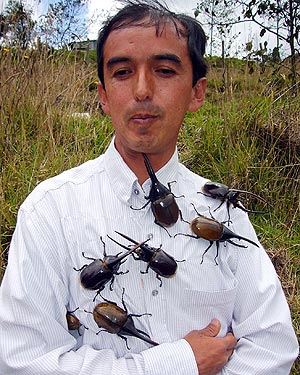
An interesting research note just came out in the American Naturalist by Hamilton and colleagues entitled Quantifying uncertainty in estimation of tropical arthropod species richness. I retweeted a Science Daily twitter feed on this that had a terribly misleading opening line: “New calculations reveal that the number of species on Earth is likely to be in the order of several million rather than tens of millions“. This is, of course, absolute rubbish because the authors only looked at estimating tropical arthropod richness, not all species on Earth. The number of protists alone is probably > 4 million species, and there are an estimated > 1.5 fungi.

That whinge about crap reporting aside, this is what Hamilton and colleagues concluded:

  • using stochastic models, they predict medians of 3.7 million and 2.5 million tropical arthropod species globally
  • estimates of 30 million species or greater are predicted to have < 0.00001 probability
  • uncertainty in the proportion of canopy arthropod species that are beetles is the most influential parameter
  • in spite of 250 years of taxonomy and around 855000 species of arthropods already described, approximately 70 % await description

Interesting, but I didn’t give it much notice until New Scientist contacted me to get an assessment (their article will appear shortly). This is what I had to say: Read the rest of this entry »


The planet is our bottle

22 05 2010

Professor Chris Thomas, conservation ecologist extraordinaire, tells it like it is. This might be a little basic for many ConservationBytes.com readers, but it’s the kind of pitch that might convince even the stupidest of yobs. I reproduce the Guardian article here in full.

Why do we care about nature, and can we actually quantify what the benefits are? This is what the UN’s The Economics of Ecosystems and Biodiversity (Teeb) project is all about, and the answer is remarkable. The natural world – biodiversity – provides us with food, materials and energy. We eat animals and plants; insects pollinate many of the foods we consume; microbes in the soil provide the nutrients the plants to grow; vegetation and soil biodiversity reduce flooding and release clean drinking water; vegetation soaks up a substantial proportion of the climate warming carbon dioxide gasses that we emit. The list goes on and on. Urban and rural citizens alike rely on these natural products and benefits.

The real cost of damaging nature, it turns out, is at least 10 times greater than the cost of maintaining the ecosystem as it is so that we can reap the associated benefits. To take an example close to the University of York where I work, the costs of flood defence construction and flood-related insurance claims in the Vale of York hugely outweigh the agricultural benefits of drainage ditches and overgrazing in the River Ouse catchment. Rather than treating nature as a pleasant luxury, Teeb argues that we should integrate the real costs and benefits within our decision-making. It should not be the preserve solely of environment and conservation ministries, but it should be at the core of the activities of finance departments. Teeb argues that we should get rid of subsidies that are environmentally damaging and reward beneficial activities that maintain natural ecosystems. This might be by including the costs of damage within the purchase price of products to encourage us to buy the least damaging items, and potentially by paying land owners and countries directly to maintain natural ecosystems. Farmers in the Ouse catchment have recently received payments for blocking their drainage ditches; and the perverse subsidies that rewarded farmers by the animal – resulting in over-grazing, trampling and erosion – have been removed. It can be done. Achieving this at a global scale is far more difficult. Read the rest of this entry »


A world of hurt – the video

19 05 2010

In case you couldn’t be there in person, here’s the podcast of last week’s talk I gave at the University of Adelaide’s Research Tuesdays seminar series – A world of hurt. The true global death count of environmental degradation.

View video here. See also the ‘Between the Buttons’ preamble AudioBoo here.

CJA Bradshaw

Add to FacebookAdd to DiggAdd to Del.icio.usAdd to StumbleuponAdd to RedditAdd to BlinklistAdd to TwitterAdd to TechnoratiAdd to Yahoo BuzzAdd to Newsvine


Ecosystem functions breaking down from climate change

17 05 2010

I’m particularly proud to present to ConservationBytes.com readers a new paper we’ve just had published online in Journal of Animal Ecology: Mechanisms driving change: altered species interactions and ecosystem function through global warming (Lochran Traill, Matt Lim, Navjot Sodhi and me).

It wasn’t easy to write a review discussing climate change effects on biodiversity, mainly because so many have been written already and we needed to examine the issue from a fresh perspective. The evidence for single species’ responses to rapidly shifting climates around the world is overwhelming (see for a few thousand examples, see the following: Stenseth et al. 2002; Parmesan et al. 2003, 2006; Roessig et al. 2004; Thomas et al. 2004; Poloczanska et al. 2007; Skelly et al. 2004; Dunn et al. 2009). It’s rather remarkable how many things are moving in response, with reduction in range size being more common than expansion.

However, predicting extinction risk from climate change is far more problematic because traditionally there have been too few data on species interactions to make heads or tails of a particular species’ eventual response (e.g., see comment on Chris Thomas’ famous paper regarding this matter). As systems heat up, some species will change in abundance, thereby affecting the abundance of others (think predators and prey, pollinators and their host plants, etc.) – this whole complicated process combined with single-species’ responses makes predicting what a future ecosystem might look like nearly impossible. Add in all the other ecosystem damage we’ve done from forest clearance, invasive species and over-harvesting, it’s a right mess.

It is for this reason we focussed on reviewing the links between species rather than on the species’ responses per se. We looked specifically at ecosystem function, that is, “the processes that facilitate energy transfer along food webs, and the major processes that allow the cycling of carbon, oxygen and nitrogen. ‘Function’ also includes ecosystem services.” Read the rest of this entry »


A world of hurt

11 05 2010

Just a quick link to an AudioBoo sound bite preamble about my University of Adelaide‘s Research Tuesdays talk tonight on the human health implications of environmental degradation. Follows on nicely from last week’s ‘environmental reprobates‘ post. Full podcast of talk to come shortly.

Many thanks to Allan and Ian of ‘Between the Buttons‘.

CJA Bradshaw


New April Issue of Conservation Letters out now

22 04 2010

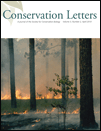
Low intensity fire in a longleaf pine-wiregrass system

Another great line up of papers has just come out in the April Issue of Conservation Letters:

CJA Bradshaw

Add to FacebookAdd to DiggAdd to Del.icio.usAdd to StumbleuponAdd to RedditAdd to BlinklistAdd to TwitterAdd to TechnoratiAdd to Yahoo BuzzAdd to Newsvine


Don’t miss Bill

25 03 2010

Yes, yes, I know I’ve posted only a little under two weeks ago that the venerable William (Bill) Laurance is coming to Adelaide, and anyone even remotely interested in biodiversity conservation would be a fool to miss his talks, and ra, ra, ra…

Well, you would be.

However, I don’t want anyone to miss this opportunity simply because of non-recognition. So I thought it prudent to remind people just how special this visit is, and what a researcher extraordinaire Bill really is. For those not necessarily following the trends in tropical conservation biology (probably not many in Adelaide, at least), you might not necessarily recognise his name.

So, I thought I’d give a little broadsheet of his achievements, Read the rest of this entry »


Bill Laurance coming to Adelaide

13 03 2010

We’ve got a real treat for biodiversity buffs scheduled for the end of March. Eminent (Distinguished, Famous, Respected… the list goes on) Professor William (Bill) Laurance is briefly leaving his tropical world and coming south to the temperate climes of Adelaide to regale us with his fascinating biodiversity research career.

Bill is a leading conservation biologist who has worked internationally on many high-profile threats to tropical forests—in the Amazon, Central America, Africa, and Australasia. A highly prolific scientist, to date he has published five books and over 300 scientific articles. Bill has recently commenced a position as Distinguished Research Professor at James Cook University and is involved with the Smithsonian Tropical Research Institute in Panama. He also happens to be the bloke that blew the lid open on the devastating effects of tropical fragmentation in the Amazon with some of the best long-term experiments ever done in conservation biology.

I’m personally very pleased for several reasons: (1) Although I have never met Bill in person yet, I’ve recently co-authored two papers with him (Wash and spin cycle threats to tropical biodiversity and Improving the performance of the Roundtable on Sustainable Palm Oil for nature conservation) and I’m keen to meet the man behind the pen; (2) we have had many email discussions (some of them rather heated!), so I’m keen to flesh some of these out over a nice glass of South Australian Shiraz; (3) he’s been a keen supporter of my work for years, and has given me many opportunities to get my research noticed; and (4) it’s high time to met one of ConservationBytes.com Conservation Scholars.

Bill has recently shifted shop from Panama (Smithsonian Tropical Research Institute) to Australia’s own James Cook University, and so we at the Environment Institute thought we should take advantage of his geographical disorientation and bring him down south for a while. But he’s going to have to sing for his supper, so he’s kindly agreed to give three talks in 3 days from 29-31 March 2010.

His first talk (on Monday 29 March) will be an in-house Environment Institute seminar, but the second two will be public events that I urge anyone remotely interested in biodiversity conservation research to attend. In fact, his Tuesday 30 March presentation (18.00-20.00 Napier G03, University of Adelaide) is even more generic than that, and word on the street is it is highly entertaining and extremely well attended wherever Bill’s is gracious enough to give it:

Amplify Your Voice: Keys to Having a Prolific Scientific Career (and Bill would know).

This will include (1) How to be more prolific: strategies for writing and publishing scientific papers and (2) Further ways to maximise your scientific impact – interacting with the popular media and how to promote yourself. Each topic will run for 50 minutes and will include 10 minutes for audience questions. A tea and coffee break will be held between sessions. Book here.

His second public talk on Wednesday 31 March (18.00-19.30 Napier 102, University of Adelaide) will be:

Diagnosis Critical | The lungs of our Planet

Here he will be discussing how the forests of our world are in crisis. Our drive for continued economic growth has had devastating consequences for the world’s ecosystems that provide critical human services. Our forests are a haven for countless plant and animal species that form the basis of ecological services, these services are the biological mechanisms that make the world our home. Book here.

So, if you have a couple of free nights at the end of the month and are in Adelaide, I strongly recommend you come out and see Bill do his thing.

CJA Bradshaw

Add to FacebookAdd to DiggAdd to Del.icio.usAdd to StumbleuponAdd to RedditAdd to BlinklistAdd to TwitterAdd to TechnoratiAdd to Yahoo BuzzAdd to Newsvine


Global pollinator declines

11 03 2010

Mention anything about ecosystem services – those ecological functions arising from the interactions between species that provide some benefit (source of food/clean water, health, etc.) to humanity1 – and one of the most cited examples is pollination.

It’s really a no-brainer, hence its popularity as an example. Pollinators (mainly insects, but birds, bats and other assorted species too) don’t exist to pollinate plants; rather, their principal source of food acquisition happens to spread around the gametes of the plants they regularly visit. Evolution has favoured the dependence of species in such ways because the mutualism benefits all involved, and in some cases, this dependence has become obligate. So when the habitats that pollinators need to survive are reduced or destroyed, inevitably their population sizes decline and the plants on which they feed lose their main sources of gene-spreading.

So what? Well, about 80 % of all wild plant species require insect pollinators for fruit and seed set, and about 75 % of all human crops require pollination by insects (mostly bees). So it’s pretty frightening to consider that although our global population is at 6.8 billion and growing rapidly, our main food pollinators (bees) are declining globally (see also previous post on bee declines). Indeed, domestic honey bee stocks have declined in the USA by 59 % since 1947 and in Europe by 25 % since 1985. Scared yet?

Another thing people don’t tend to get is that a bee cannot live on rapeseed alone. Most pollinators require intact forests to complete many of their other life history requirements (breeding, shelter, etc.) and merely forage occasionally in crop lands. Cut down all the adjacent bush, and your crops will suffer accordingly.

These, and other titbits to keep you awake at night and worry about what your grandchildren might eat are highlighted in a recent review in Trends in Ecology and Evolution by Potts and colleagues entitled Global pollinator declines: trends, impacts and drivers.

What’s driving all this loss? Several things, but it’s mainly due to ‘land-use change’ (a bullshit word people use generally to mean habitat loss, fragmentation and degradation). However, invasive species competition, pathogens and parasites, and climate change (and the synergies amongst all of these) are all contributing.

It always amazes me when people ask me why biodiversity is important. Despite the overwhelming knowledge we’ve accumulated about how functioning ecosystems make the planet liveable, despite it just being plainly stupid to think that humans are somehow removed from normal biological processes, and even with such in-your-face examples of global pollinator declines and the real, extremely worrying implication for food supplies, many people just don’t seem to get it. Every tree you cut down, every molecule of carbon dioxide you release, every drop of water you waste will punish you and your family directly for generations to come. How much more self-evident can you get?

Humanity seems to have a very poorly developed sense of self-preservation.

CJA Bradshaw

1It’s amazingly arrogant and anthropocentric to think of anything in ecosystems as ‘providing benefits to humanity’. After all, we’re just another species in a complex array of species within ecosystems – we just happen to be one of the numerically dominant ones, excel at ecosystem ‘engineering’ and as far as we know, are the only (semi-) sentient of the biologicals. Although the concept of ecosystem services is, I think, an essential abstraction to place emphasis on the importance of biodiversity conservation to the biodiversity ignorant, it does rub me a little the wrong way. It’s almost ascribing some sort of illogical religious perspective that the Earth was placed in its current form for our eventual benefit. We might be a fairly new species in geological time scales, but don’t think of ecosystems as mere provisions for our well-being.

ResearchBlogging.orgPotts, S., Biesmeijer, J., Kremen, C., Neumann, P., Schweiger, O., & Kunin, W. (2010). Global pollinator declines: trends, impacts and drivers Trends in Ecology & Evolution DOI: 10.1016/j.tree.2010.01.007

Add to FacebookAdd to DiggAdd to Del.icio.usAdd to StumbleuponAdd to RedditAdd to BlinklistAdd to TwitterAdd to TechnoratiAdd to Yahoo BuzzAdd to Newsvine


Covet thy neighbour’s paddock

2 03 2010

Apologies to Matt Lucas

An interesting, frightening and and at the same time, potentially hopeful, paper has just appeared in the latest issue of Proceedings of the Royal Society B.

Co-authored by a previously highlighted Conservation Scholar Georgina Mace, the paper by Boakes and colleagues entitled Extreme contagion in global habitat clearance is probably one of the strongest bits of evidence to save intact habitat complexes.

Yes, yes – save things so you don’t destroy biodiversity. What’s new about that? Well, Boakes and colleagues’ paper shows at a global scale that over the last 300+ years, the chance of a patch of forest or grassland being converted to agriculture depends strongly on whether its neighbouring patch has already been cleared. In other words, once you start to hack away at natural habitats, people have a tendency to assume that it’s perfectly acceptable to do the same on their own patch.

The authors reprojected the History Database of the Global Environment to ~ a 50 x 50 grid and examined habitat conversion from 1700 to the present (in 50-year increments). Using some rather simple contagion statistics, they came up with the startling result that conversion probability is strongly dependent on whether an adjacent cell has already been converted.

What I found particularly frightening was the result that:

“A quarter of the world’s forest and half its grassland has been converted to agriculture since 1700.”

and from a personal perspective, the highest grassland conversion rates have happened in Australasia (the highest forest conversion rates have been in the Indo-Malay and Nearctic realms).

What are the implications for conservation? In my opinion, this relatively simple analysis and result confirms even more strongly that saving intact, large tracts of forest and grassland is essential for long-term biodiversity conservation. Cutting up the forest into smaller bits not only compromises biodiversity via fragmentation, it ends up speeding the entire process of full-scale ecosystem degradation.

‘Get ’em protected while they’re still unaffected’.

CJA Bradshaw

ResearchBlogging.orgBoakes, E., Mace, G., McGowan, P., & Fuller, R. (2009). Extreme contagion in global habitat clearance Proceedings of the Royal Society B: Biological Sciences, 277 (1684), 1081-1085 DOI: 10.1098/rspb.2009.1771

Add to FacebookAdd to DiggAdd to Del.icio.usAdd to StumbleuponAdd to RedditAdd to BlinklistAdd to TwitterAdd to TechnoratiAdd to Yahoo BuzzAdd to Newsvine


Vodcast on killing for conservation

24 02 2010

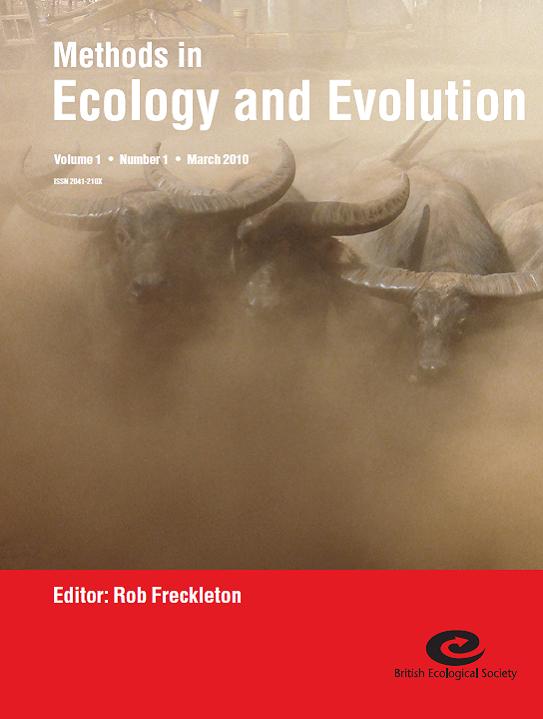
The inaugural issue of Methods in Ecology and Evolution came out today (see first issue editorial) and I am very pleased not only that our paper (Spatially explicit spreadsheet modelling for optimizing the efficiency of reducing invasive animal density) made it into the the paper line-up (see previous ConservationBytes.com post on the paper here), we also managed to score the journal’s cover image (buffalo image shown right: Asian swamp buffalo Bubalus bubalis introduced to Australia in the early 19th Century now populate much of the tropical north and cause severe environmental disturbances to savanna and wetland ecosystems. Despite a broad-scale cull of hundreds of thousands of free-ranging buffalo occurring in the 1980s and 1990s to eradicate brucellosis and tuberculosis, the population is recovering and continuing to threaten protected areas such as Kakadu National Park. A small wild harvest of several thousand buffalo occurs each year in Arnhem Land where mustering is aided by helicopters and on-ground vehicles. The buffalo pictured are housed in temporary holding pens and then shipped for live export. Photo credit: Jesse Northfield).

I also had the opportunity to chat with Journal Coordinator, Graziella Iossa, via Skype about the paper, and they have put up a YouTube vodcast of the interview itself. You can also check it out here.

Summary: Corey Bradshaw answers what is the main idea behind his work with co-authors, “Spatially explicit spreadsheet modelling for optimising the efficiency of reducing invasive animal density”. Further, he explains how their model advances methodology in ecology and evolution and finally shows how it could be applied by wildlife manager and practitioners with basic knowledge of computer models. Their Excel-spreadsheet ‘Spatio-Temporal Animal Reduction’ (S.T.A.R.) model is designed specifically to optimise the culling strategies for feral pigs, buffalo and horses in Kakadu National Park (northern Australia), but Corey explains how their aim was to make it easy enough for anyone to use and modify it so that it could be applied to any invasive species anywhere.

Congratulations to Editor-in-Chief Rob Freckleton, Graziella and the Associate Editors for a great first issue. Other titles include:

Keep them coming!

CJA Bradshaw

Add to FacebookAdd to DiggAdd to Del.icio.usAdd to StumbleuponAdd to RedditAdd to BlinklistAdd to TwitterAdd to TechnoratiAdd to Yahoo BuzzAdd to Newsvine


Every extra human means fewer animals

8 02 2010

© The Sun

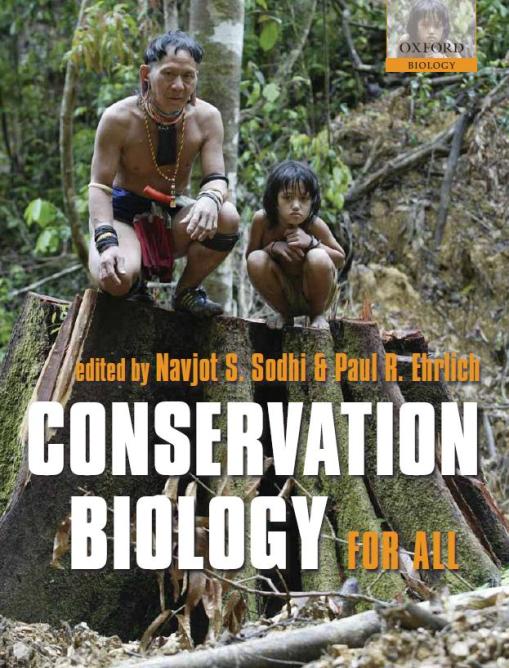
As promised some time ago when I blogged about the imminent release of the book Conservation Biology for All (edited by Navjot Sodhi and Paul Ehrlich), I am now posting a few titbits from the book.

Today’s post is a blurb from Paul Ehrlich on the human population problem for conservation of biodiversity.

The size of the human population is approaching 7 billion people, and its most fundamental connection with conservation is simple: people compete with other animals., which unlike green plants cannot make their own food. At present Homo sapiens uses, coopts, or destroys close to half of all the food available to the rest of the animal kingdom. That means that, in essence, every human being added to the population means fewer individuals can be supported in the remaining fauna.

But human population growth does much more than simply cause a proportional decline in animal biodiversity – since as you know, we degrade nature in many ways besides competing with animals for food. Each additional person will have a disproportionate negative impact on biodiversity in general. The first farmers started farming the richest soils they could find and utilised the richest and most accessible resources first (Ehrlich & Ehrlich 2005). Now much of the soil that people first farmed has been eroded away or paved over, and agriculturalists increasingly are forced to turn to marginal land to grow more food.

Equally, deeper and poorer ore deposits must be mined and smelted today, water and petroleum must come from lower quality resources, deeper wells, or (for oil) from deep beneath the ocean and must be transported over longer distances, all at ever-greater environmental cost [my addition – this is exactly why we need to embrace the cheap, safe and carbon-free energy provided by nuclear energy].

The tasks of conservation biologists are made more difficult by human population growth, as is readily seen in the I=PAT equation (Holdren & Ehrlich 1974; Ehrlich & Ehrlich 1981). Impact (I) on biodiversity is not only a result of population size (P), but of that size multiplied by affluence (A) measured as per capita consumption, and that product multiplied by another factor (T), which summarises the technologies  and socio-political-economic arrangements to service that consumption. More people surrounding a rainforest reserve in a poor nation often means more individuals invading the reserve to gather firewood or bush meat. More poeple in a rich country may mean more off-road vehicles (ORVs) assulting the biota – especially if the ORV manufacturers are politically powerful and can succesfully fight bans on their use. As poor countries’ populations grow and segments of them become more affluent, demand rises for meat and automobiles, with domesticated animals competing with or devouring native biota, cars causing all sorts of assults on biodiversity, and both adding to climate disruption. Globally, as a growing population demands greater quantities of plastics, industrial chemicals, pesticides, fertilisers, cosmetics, and medicines, the toxification of the planet escalates, bringing frightening problems for organisms ranging from polar bears to frogs (to say nothing of people!).

In sum, population growth (along with escalating consumption and the use of environmentally malign technologies) is a major driver of the ongoing destruction of populations, species, and communities that is a salient feature of the Anthropocene. Humanity , as the dominant animal (Ehrlich & Ehrlich 2008), simply out competes other animals for the planet’s productivity, and often both plants and animals for its freshwater. While dealing with more limited problems, it therefore behoves every conservation biologist to put part of her time into restraining those drivers, including working to humanely lower [sic] birth rates until population growth stops and begins a slow decline twoard a sustainable size (Daily et al. 1994).

Incidentally, Paul Ehrlich is travelling to Adelaide this year (November 2010) for some high-profile talks and meetings. Stay tuned for coverage of the events.

CJA Bradshaw

Add to FacebookAdd to DiggAdd to Del.icio.usAdd to StumbleuponAdd to RedditAdd to BlinklistAdd to TwitterAdd to TechnoratiAdd to Yahoo BuzzAdd to Newsvine


Parochial conservation

30 01 2010
© cagiecartoons.com

A little bit of conservation wisdom for you this weekend.

In last week’s issue of Nature, well-known conservation planner and all-round smart bloke, Reed Noss (who just happens to be an editor for Conservation Letters and Conservation Biology), provided some words of extreme wisdom. Not pulling any punches in his Correspondence piece entitled Local priorities can be too parochial for biodiversity, Noss essentially says ‘don’t leave the important biodiversity decisions to the locals’.

He argues rather strongly in his response to Smith and colleagues’ opinion piece (Let the locals lead) that local administrators just can’t be trusted to make good conservation decisions given their focus on local economic development and other political imperatives. He basically says that the big planning decisions should be made at grander scales that over-ride local concerns because, well, the big fish in their little ponds can’t be trusted (nor do they have the training) to do what’s best for regional biodiversity conservation.

I couldn’t agree more – he states:

“Academic researchers, conservation non-governmental organizations and other ‘foreign’ interests tend to be better informed, less subject to local political influence and more experienced in conservation planning than local agencies.”

Of course, being part of the first group, I’m probably a little biased, but I dare say that we’ve got a lot better handle on the science beyond saving biodiversity, as well as a better understanding of why that’s important, than your average regional representative, village council, chief, Lord Mayor or state member. Sure, ‘engage your stakeholders’ (I have images of shooting missiles at people holding star pickets with this gem of business jargon wankery, but there you go), but please base the decision on science first. I think Smith and colleagues have some good points, but I am more in favour of a broad-scale benevolent dictatorship in conservation planning than fine-scale democracy. Granted, the best formula is likely to be very context-specific, and of course, you need some people with local implementation power to make it happen.

Dear Honourable Minister, you may sign on the dotted line to make policy real, but please, please listen to us before you do. Your very life and those of your children depend on it.

CJA Bradshaw

ResearchBlogging.orgNoss, R. (2010). Local priorities can be too parochial for biodiversity Nature, 463 (7280), 424-424 DOI: 10.1038/463424a

Smith, R., Veríssimo, D., Leader-Williams, N., Cowling, R., & Knight, A. (2009). Let the locals lead Nature, 462 (7271), 280-281 DOI: 10.1038/462280a

Add to FacebookAdd to DiggAdd to Del.icio.usAdd to StumbleuponAdd to RedditAdd to BlinklistAdd to TwitterAdd to TechnoratiAdd to Yahoo BuzzAdd to Newsvine


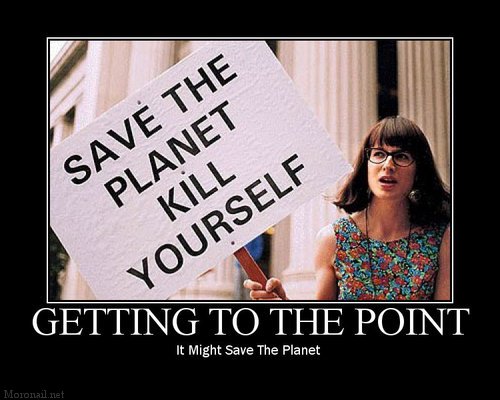
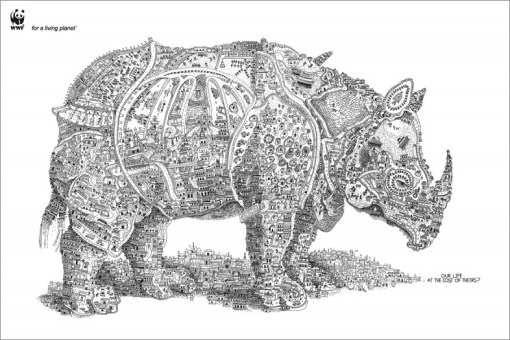
Cartoon guide to biodiversity loss VI

26 01 2010

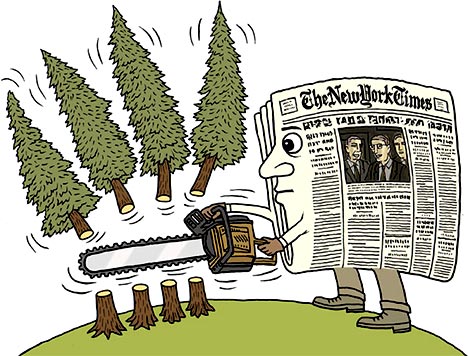
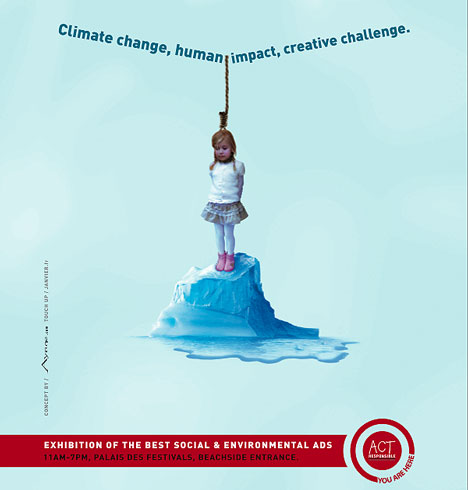
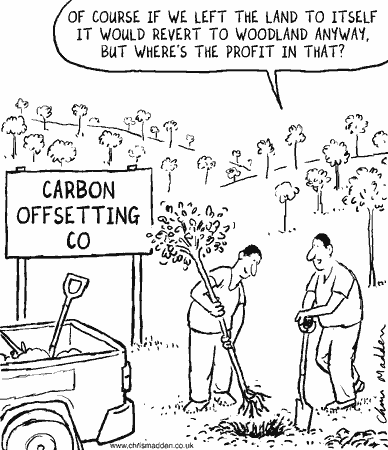
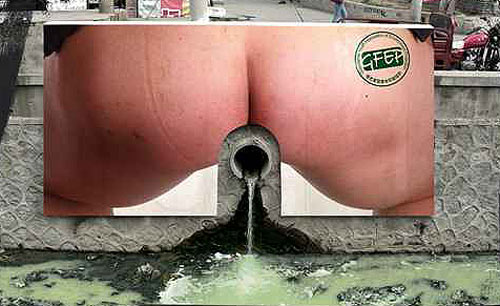
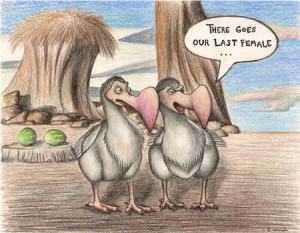
The continuing saga of laughing at our own lunacy (see previous cartoon entries here).

© WWF

© C. Madden

CJA Bradshaw

Add to FacebookAdd to DiggAdd to Del.icio.usAdd to StumbleuponAdd to RedditAdd to BlinklistAdd to TwitterAdd to TechnoratiAdd to Yahoo BuzzAdd to Newsvine


The biodiversity extinction numbers game

4 01 2010

© Ferahgo the Assassin

Not an easy task, measuring extinction. For the most part, we must use techniques to estimate extinction rates because, well, it’s just bloody difficult to observe when (and where) the last few individuals in a population finally kark it. Even Fagan & Holmes’ exhaustive search of extinction time series only came up with 12 populations – not really a lot to go on. It’s also nearly impossible to observe species going extinct if they haven’t even been identified yet (and yes, probably still the majority of the world’s species – mainly small, microscopic or subsurface species – have yet to be identified).

So conservation biologists do other things to get a handle on the rates, relying mainly on the species-area relationship (SAR), projecting from threatened species lists, modelling co-extinctions (if a ‘host’ species goes extinct, then its obligate symbiont must also) or projecting declining species distributions from climate envelope models.

But of course, these are all estimates and difficult to validate. Enter a nice little review article recently published online in Biodiversity and Conservation by Nigel Stork entitled Re-assessing current extinction rates which looks at the state of the art and how the predictions mesh with the empirical data. Suffice it to say, there is a mismatch.

Stork writes that the ‘average’ estimate of losing about 100 species per day has hardly any empirical support (not surprising); only about 1200 extinctions have been recorded in the last 400 years. So why is this the case?

As mentioned above, it’s difficult to observe true extinction because of the sampling issue (the rarer the individuals, the more difficult it is to find them). He does cite some other problems too – the ‘living dead‘ concept where species linger on for decades, perhaps longer, even though their essential habitat has been destroyed, forest regrowth buffering some species that would have otherwise been predicted to go extinct under SAR models, and differing extinction proneness among species (I’ve blogged on this before).

Of course, we could just all be just a pack of doomsday wankers vainly predicting the end of the world ;-)

Well, I think not – if anything, Stork concludes that it’s all probably worse than we currently predict because of extinction synergies (see previous post about this concept) and the mounting impact of rapid global climate change. If anything, the “100 species/day” estimate could look like a utopian ideal in a few hundred years. I do disagree with Stork on one issue though – he claims that deforestation isn’t probably as bad as we make it out. I’d say the opposite (see here, here & here) – we know so little of how tropical forests in particular function that I dare say we’ve only just started measuring the tip of the iceberg.

CJA Bradshaw

Add to FacebookAdd to NewsvineAdd to DiggAdd to Del.icio.usAdd to StumbleuponAdd to RedditAdd to BlinklistAdd to Ma.gnoliaAdd to TechnoratiAdd to Furl

This post was chosen as an Editor's Selection for ResearchBlogging.org

ResearchBlogging.orgStork, N. (2009). Re-assessing current extinction rates Biodiversity and Conservation DOI: 10.1007/s10531-009-9761-9


Conservation Biology for All

26 12 2009

A new book that I’m proud to have had a hand in writing is just about to come out with Oxford University Press called Conservation Biology for All. Edited by the venerable Conservation Scholars, Professors Navjot Sodhi (National University of Singapore) and Paul Ehrlich (Stanford University), it’s a powerhouse of some of the world’s leaders in conservation science and application.

The book strives to “…provide cutting-edge but basic conservation science to a global readership”. In short, it’s written to bring the forefront of conservation science to the general public, with OUP promising to make it freely available online within about a year from its release in early 2010 (or so the rumour goes). The main idea here is that those in most need of such a book – the conservationists in developing nations – can access the wealth of information therein without having to sacrifice the village cow to buy it.

I won’t go into any great detail about the book’s contents (mainly because I have yet to receive my own copy and read most of the chapters!), but I have perused early versions of Kevin Gaston‘s excellent chapter on biodiversity, and Tom Brook‘s overview of conservation planning and prioritisation. Our chapter (Chapter 16 by Barry Brook and me), is an overview of statistical and modelling philosophy and application with emphasis on conservation mathematics. It’s by no means a complete treatment, but it’s something we want to develop further down the track. I do hope many people find it useful.

I’ve reproduced the chapter title line-up below, with links to each of the authors websites.

  1. Conservation Biology: Past and Present (C. Meine)
  2. Biodiversity (K. Gaston)
  3. Ecosystem Functions and Services (C. Sekercioglu)
  4. Habitat Destruction: Death of a Thousand Cuts (W. Laurance)
  5. Habitat Fragmentation and Landscape Change (A. Bennett & D. Saunders)
  6. Overharvesting (C. Peres)
  7. Invasive Species (D. Simberloff)
  8. Climate Change (T. Lovejoy)
  9. Fire and Biodiversity (D. Bowman & B. Murphy)
  10. Extinctions and the Practice of Preventing Them (S. Pimm & C. Jenkins)
  11. Conservation Planning and Priorities (T. Brooks)
  12. Endangered Species Management: The US Experience (D. Wilcove)
  13. Conservation in Human-Modified Landscapes (L.P. Koh & T. Gardner)
  14. The Roles of People in Conservation (A. Claus, K. Chan & T. Satterfield)
  15. From Conservation Theory to Practice: Crossing the Divide (M. Rao & J. Ginsberg)
  16. The Conservation Biologist’s Toolbox – Principles for the Design and Analysis of Conservation Studies (C. Bradshaw & B. Brook)

As you can see, it’s a pretty impressive collection of conservation stars and hard-hitting topics. Can’t wait to get my own copy! I will probably blog individual chapters down the track, so stay tuned.

CJA Bradshaw

Add to FacebookAdd to NewsvineAdd to DiggAdd to Del.icio.usAdd to StumbleuponAdd to RedditAdd to BlinklistAdd to Ma.gnoliaAdd to TechnoratiAdd to Furl


Carbon = biodiversity

21 12 2009

I’ve decided to blog this a little earlier than I would usually simply because the COP15 is still fresh in everyone’s minds and the paper is now online as an ‘Accepted Article’, so it is fully citable.

The paper published in Conservation Letters by Strassburg and colleagues is entitled Global congruence of carbon storage and biodiversity in terrestrial ecosystems is noteworthy because it provides a very useful answer to a very basic question. If one were to protect natural habitats based on their carbon storage potential, would one also be protecting the most biodiversity (and of course, vice versa)?

Turns out, one would.

Using a global dataset of ~ 20,000 species of mammal, bird and amphibian, they compared three indices of biodiversity distribution (species richness, species threat & range-size rarity) to a new global above- and below-ground carbon biomass dataset. It turns out that at least for species richness, the correlations were fairly strong (0.8-ish, with some due to spatial autocorrelation); for threat and rarity indices, the correlations were rather weaker (~0.3-ish).

So what does this all mean for policy? Biodiversity hotspots – those areas around the globe with the highest biodiversity and greatest threats – have some of the greatest potential to store carbon as well as guard against massive extinctions if we prioritise them for conservation. Places such as the Amazon, Borneo Sumatra and New Guinea definitely fall within this category.

However, not all biodiversity hotspots are created equal; areas such as Brazil’s Cerrado or the savannas of the Rift Valley in East Africa have relatively lower carbon storage, and so carbon-trading schemes wouldn’t necessarily do much for biodiversity in these areas.

The overall upshot is that we should continue to pursue carbon-trading schemes such as REDD (Reduced Emissions from Deforestation and forest Degradation) because they will benefit biodiversity (contrary to what certain ‘green’ organisations say about it), but we can’t sit back and hope that REDD will solve all of biodiversity’s problems world wide.

CJAB

Add to FacebookAdd to NewsvineAdd to DiggAdd to Del.icio.usAdd to StumbleuponAdd to RedditAdd to BlinklistAdd to Ma.gnoliaAdd to TechnoratiAdd to Furl

ResearchBlogging.orgStrassburg, B., Kelly, A., Balmford, A., Davies, R., Gibbs, H., Lovett, A., Miles, L., Orme, C., Price, J., Turner, R., & Rodrigues, A. (2009). Global congruence of carbon storage and biodiversity in terrestrial ecosystems Conservation Letters DOI: 10.1111/j.1755-263X.2009.00092.x


Scoping the future threats and solutions to biodiversity conservation

4 12 2009

Way back in 1989, Jared Diamond defined the ‘evil quartet’ of habitat destruction, over-exploitation, introduced species and extinction cascades as the principal drivers of modern extinctions. I think we could easily update this to the ‘evil quintet’ that includes climate change, and I would even go so far as to add extinction synergies as a the sixth member of the ‘evil sextet’.

But the future could hold quite a few more latent threats to biodiversity, and a corresponding number of potential solutions to its degradation. That’s why Bill Sutherland of Cambridge University recently got together with some other well-known scientists and technology leaders to do a ‘horizon scanning’ exercise to define what these threats and solutions might be in the immediate future. It’s an interesting, eclectic and somewhat enigmatic list, so I thought I’d summarise it here. The paper is entitled A horizon scan of global conservation issues for 2010 and was recently published online in Trends in Ecology and Evolution.

In no particular order or relative rank, Sutherland and colleagues list the following 15 ‘issues’ that I’ve broadly divided into ‘Emerging Threats’ and ‘Potential Solutions’:

Emerging Threats

  1. Microplastic pollution – The massive increase in plastics found in the world’s waterways and oceans really doesn’t have much focus right now in conservation research, but it should. We really don’t know how much we’re potentially threatening species with this source of pollution.
  2. Nanosilver in wastewater – The ubiquity of antimicrobial silver oxide or ions in products these days needs careful consideration for what the waste might be doing to our microbial communities that keep ecosystems alive and functioning.
  3. Stratospheric aerosols – A simultaneous solution and threat. Creating what would in effect be an artificial global cooling by injecting particles like sulphate aerosols into the stratosphere might work to cool the planet down somewhat. However, it would not reduce carbon dioxide, ocean acidification or other greenhouse gas-related changes. This strikes me as a potential for serious mucking up of the global climate and only a band-aid solution to the real problem.
  4. Deoxygenation of the oceans – Very scary. Ironically today I was listening to a talk by Martin Kennedy on the deep-time past of ocean hypoxia and he suggests we’re well on our way to a situation where our shelf waters could essentially become too anoxic for marine life to persist. It’s happened before, and rapid climate change makes the prospect plausible within less than a century. And you thought acidification was scary.
  5. Changes in denitrifying bacteria – Just like we’re changing the carbon cycle, we’re buggering up the nitrogen cycle as well. Changing our water bodies to nitrogen sources rather than sinks could fundamentally change marine ecosystems for the worse.
  6. High-latitude volcanism – One of these horrible positive feedback ideas. Reducing high-latitude ice cover exposes all these slumbering volcanoes that once ‘released’, start increasing atmospheric gas concentrations and contributing to faster ice melt and sea level rise.
  7. Trans-Arctic dispersal and colonisation – Warming polar seas and less ice mean fewer barriers to species movements. Expect Arctic ecosystems to be a hotbed of invasion, regime shifts and community reshuffling as a result.
  8. Invasive Indo-Pacific lionfish – Not one I would have focussed on, but interesting. These spiny, venomous fish like to eat a lot of other species, and so represent a potentially important invasive species in the marine realm.
  9. REDD and non-forested ecosystems – Heralded as a great potential coup for forest preservation and climate change mitigation, focussing on maintaining forests for their carbon sequestration value might divert pressure toward non-forested habitats and ironically, threaten a whole new sphere of species.
  10. International land acquisition – Global financial crises and dwindling food supplies mean that governments are acquiring more and more huge tracts of land for agricultural development. While this might solve some immediate issues, it could potentially threaten a lot more undeveloped land in the long run, putting even more pressure on habitats.

Potential Solutions

  1. Synthetic meat – Ever thought about eating a sausage grown in a vat rather than cut from a dead pig? It could become the norm and a way of reducing the huge pressure on terrestrial and aquatic systems for the production of livestock and fish for human protein provision.
  2. Artificial life – Both a risk and a potential solution. While I’ve commented before on the pointlessness of cloning technology for conservation, the ability to create genomes and reinvigorate species on the brink is an exciting prospect. It’s also frightening as hell because we don’t know how all these custom-made genomes might react and transform naturally evolved ones.
  3. Biochar – Burn organic material (e.g., plant matter) in the absence of oxygen, you get biochar. This essentially sequesters a lot of carbon that can then be put underground. The upshot is that agricultural yields can also increase. Would there be a trade-off though between land available for biochar sequestration and natural habitats?
  4. Mobile-sensing technology – Not so much a solution per se, but the rapid acceleration of remote technology will make our ability to measure and predict the subtleties of ecosystem and climate change much more precise. A lot more work and application required here.
  5. Assisted colonisationI’ve blogged about this before. With such rapid shifts in climate, we might be obliged to move species around so that they can keep up with rapidly changing conditions. Many pros and cons here, not least of which is exacerbating the invasive species problems around the globe.

Certainly some interesting ideas here and worth a thought or two. I wonder if the discipline of ‘conservation biology’ might even exist in 50-100 years – we might all end up being climate or agricultural engineers with a focus on biodiversity-friendly technology. Who knows?

CJA Bradshaw

Add to FacebookAdd to NewsvineAdd to DiggAdd to Del.icio.usAdd to StumbleuponAdd to RedditAdd to BlinklistAdd to Ma.gnoliaAdd to TechnoratiAdd to Furl

ResearchBlogging.orgSutherland, W., Clout, M., Côté, I., Daszak, P., Depledge, M., Fellman, L., Fleishman, E., Garthwaite, R., Gibbons, D., & De Lurio, J. (2009). A horizon scan of global conservation issues for 2010 Trends in Ecology & Evolution DOI: 10.1016/j.tree.2009.10.003


How to restore a tropical rain forest

6 11 2009

thiakiHere’s a little story for you about how a casual chat over a glass of wine (or many) can lead to great scientific endeavours.

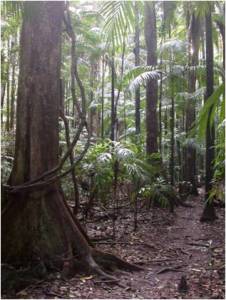
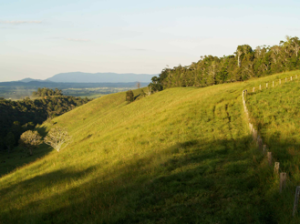
A few years ago I was sitting in the living room of my good friends Noel Preece and Penny van Oosterzee in Darwin chatting about life, the universe, and everything. They rather casually mentioned that they would be selling their environmental consulting company and their house and moving to the Queensland rain forest. Ok – sounded like a pretty hippy thing to do when you’re thinking about ‘retiring’ (only from the normal grindstone, at least). But it wasn’t about the easy life away from it all (ok, partially, perhaps) – they wanted to do something with their reasonably large (181 ha), partially deforested (51-ha paddock) property investment. By ‘something’, I mean science.

So they asked me – how would we go about getting money to investigate the best way to reforest a tropical rain forest? I had no idea. As it turns out, no one really knows how to restore rain forests properly. Sure, planting trees happens a lot, but the random, willy-nilly, unquantified ways in which it is done means that no one can tell you what the biggest biodiversity bang for your buck is, or even if it can compete on the carbon sequestration front.

Why carbon sequestration? Well, in case you’ve had your head up your bum for the last decade, one of the major carbon mitigating schemes going is the offset idea – for every tonne of carbon you emit as a consumer, you (or more commonly, someone else you pay) plant a certain number of trees (because trees need carbon to grow and so suck it out of the atmosphere). Nice idea, but if you deforest native ecosystems just to bash up quick-growing monoculture plantations of (usually) exotic species with little benefit to native biota, biodiversity continues to spiral down the extinction vortex. So, there has to be a happy medium, and there has to be a way to measure it.

So I said to Penny and Noel “Why don’t we bash together a proposal and get some experts in the field involved and submit it to the Australian Research Council (ARC) for funding?” They thought that was a smashing idea, and so we did.

Fast forward a few years and … success! The Thiaki Project was born (‘Thiaki’ is the name of the Creek flowing through the property north of Atherton – seems to be of Greek origin). We were extremely lucky to find a new recruit to the University of Queensland, Dr. Margie Mayfield (who worked previously with Paul Ehrlich), who was not only an expert in the area of tropical reforestation for biodiversity, she also had the time and energy to lead the project. We garnered several other academic and industry partners and came up with a pretty sexy experiment that is just now getting underway thanks to good old Mr. ARC.

The project is fairly ambitious, even though the experiments per se are fairly straight forward. We’re using a randomised block design where we are testing 3 tree diversity treatments (monoculture, 1 species each from 6 families, and 5 species each from those same 6 families) and two planting densities (high and low). The major objective is to see what combination of planting density and native tree species provides the most habitat for the most species. We’re starting small, looking mainly at various insects as they start to use the newly planted blocks, but might expand the assessments (before planting and after) to reptiles, amphibians and possibly birds later on.

But we’re not stopping there – we were fortunate enough to get get a clever soil scientist, Dr. David Chittleborough of the University of Adelaide, involved so we could map the change in soil carbon during the experiment. Our major challenge is to find the right combination of tree species and planting techniques that restore native biodiversity the most effectively, all the while maximising carbon sequestration from the growing forest. And of course, we’re trying to do this as most cost-effectively as we can – measuring the relative costs will give landowners contemplating reforestation the scale of expenditures expected.

I’m pretty proud of what Margie, Noel, Penny and the rest of the team have accomplished so far, and what’s planned. Certainly the really exciting results are years away yet, but stay tuned – Thiaki could become the model for tropical reforestation worldwide. Follow the Thiaki Project website for regular updates.

I’d also love to recreate the Thiaki Project in southern Australia because as it turns out, no one knows how to maximise biodiversity and carbon sequestration for the lowest cost in temperate reforestation projects either. All we need is a few hundred hectares of deforested land (shouldn’t be hard to find), about $1 million to start, and a bit of time. Any takers?

CJA Bradshaw

Add to FacebookAdd to NewsvineAdd to DiggAdd to Del.icio.usAdd to StumbleuponAdd to RedditAdd to BlinklistAdd to Ma.gnoliaAdd to TechnoratiAdd to Furl

carbon offset

© C. Madden