Deforesting and reforesting Australia

13 07 2011

A couple of weeks ago we (Andy Lowe and I) did a small interview on ABC television about the current status of Australia forests, followed by a discussion regarding our recently funded Australian Research Council Linkage Project Developing best-practice approaches for restoring forest ecosystems that are resilient to climate change. Just in case you didn’t see it, I’ve managed to upload a copy of the piece to Youtube.com and reproduce it here:

I’m actually in the process of writing a paper on all this for a special issue of Journal of Plant Ecology (that is nearly already overdue!), but here are a few facts for you in the interim:

  • Australian eucalypt forests are globally unique, with one of the longest evolutionary histories among the world’s forests
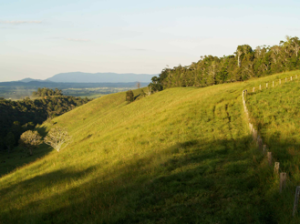
  • Australia has about 147 million ha of native forest remaining, and about 2 million ha of plantations Read the rest of this entry »


World Environment Day and Australian forest regeneration

5 06 2011

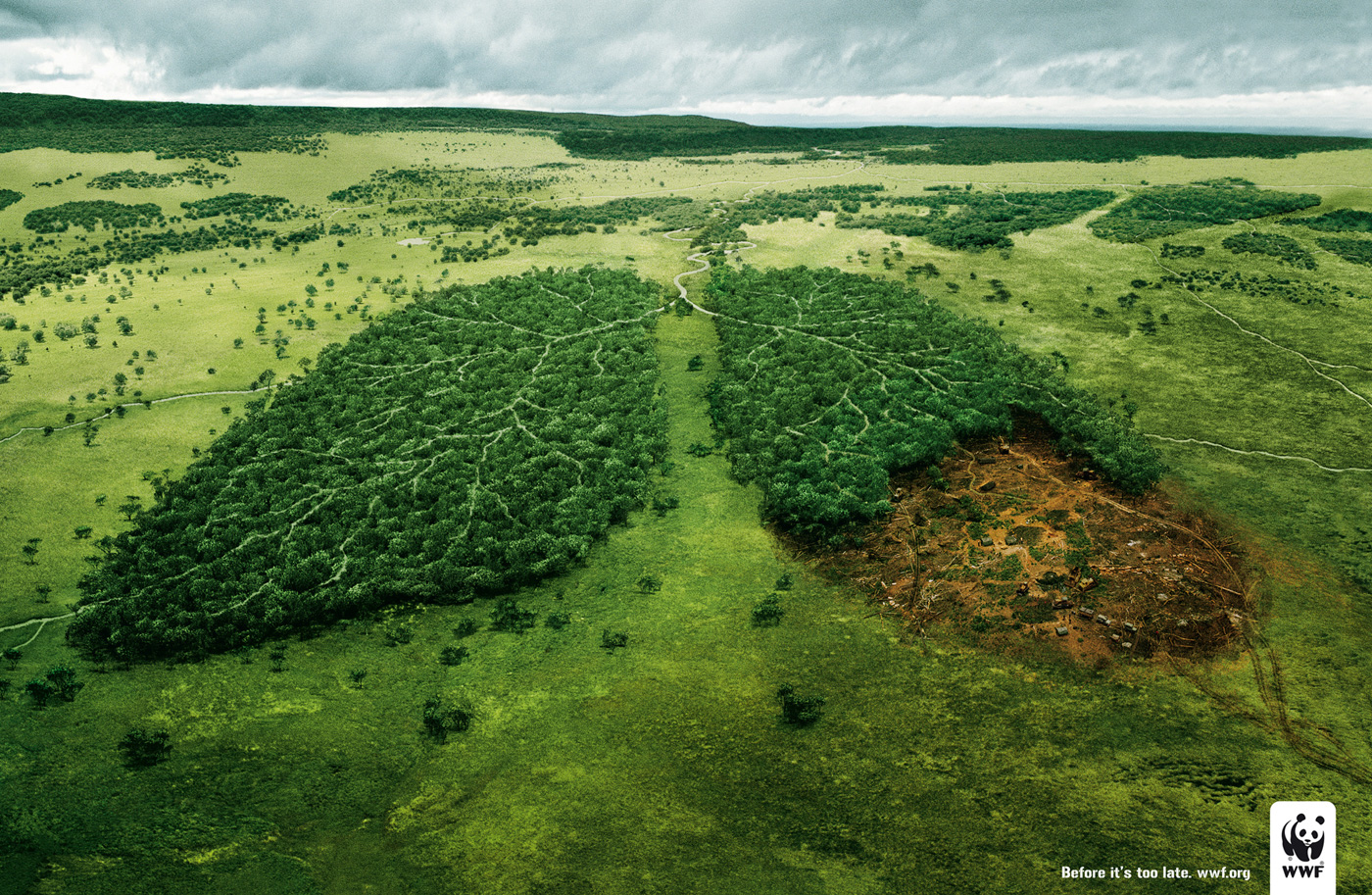
© WWF

As I retweeted ABC Environment‘s sentiment for a Happy Environment Day, I added that we have little to be happy about.

However, I am happy about one thing – we’ve recently received a large ARC Linkage Grant to look at best-practice forest regeneration techniques. The Environment Institute just put out a post on it, so I’ll let Adriana’s words do the talking.

Sunday, 5 June is World Environment Day, this year’s theme is ‘Forests: Nature At Your Service’. Read on to find out how researchers at The Environment Institute are looking at ways of restoring our forests.

World Environment Day (WED) is an annual event that is aimed at being the biggest and most widely celebrated global day for positive environmental action. World Environment Day celebrations began in 1972 and has grown to become the one of the main vehicles through which the UN stimulates worldwide awareness of the environment and encourages political attention and action. Read the rest of this entry »


Biodiversity begins at home

20 01 2011

A few months ago I was involved in a panel discussion entitled ‘Biodiversity begins at home’ held at the Royal Institution of Australia in Adelaide and sponsored by the Don Dunstan Foundation.

The main thrust of the evening was to have both academic (me & Andy Lowe) and on-the-ground, local conservationists (Sarah Lance, Craig Gillespie and Matt Turner) talk about what people can do to stem the tide of biodiversity loss. The video is now available, so I thought I’d reproduce it here. We talked about a lot of issues (from global to local scale), so if you have a spare hour, you might get something out of this. I did, but it certainly wasn’t long enough to discuss such big issues.

Warning – this was supposed to be more of a discussion and less of a talkfest; unfortunately, many of the panel members seemed to forget this and instead dominated the session. We really needed 4 hours to do this properly (but then, who would have watched the video?).

Read the rest of this entry »


More rain forest regeneration opportunities

5 10 2010

Last November I wrote about an exciting conservation research endeavour (see ‘How to restore a tropical rain forest‘)  in which I am involved called the Thiaki Rain Forest Regeneration Project taking place as we speak in the hinterland of north Queensland’s Atherton Tableland. I personally have done next to nothing on the project yet (UQ’s Margie Mayfield is leading the charge), so I can’t really update you on all the nitty-gritty of our progress. Regardless, I can say that some of the planting tests have been done, the species have been chosen and are growing happily in the nursery reading for planting in January 2011, and the baseline biodiversity assessments are well under way.

Well, prior to our Supercharge Your Science extravaganza in Cairns and Townsville a few weeks ago, I visited Penny & Noel at Thiaki for a catch up, a discussion of what’s been happening and what’s about to happen. It was a great weekend (the family came along too) with good food, wine, ticks and leeches (biodiversity in action), and I’m getting more and more excited about what this project will deliver over the coming years.

In the meantime, a couple of ‘opportunities’ have arisen; in other words – we need some good PhD students to tackle some outstanding issues with the project. Read the rest of this entry »


100 actions to slow biodiversity loss

19 08 2010

I received an email a few days ago from Guillaume Chapron of the Swedish University of Agricultural Sciences (Sveriges lantbruksuniversitet) asking me to promote his ‘Biodiversity 100‘ campaign on ConservationBytes.com. I think it’s an interesting initiative, and so I’ll gladly spread the word.

Teaming up with George Monbiot of The Guardian, the Biodiversity 100 campaign seeks to encourage scientists and others to compile a list of 100 tasks that G20 governments should undertake to prove their commitment to tackling the biodiversity crisis.

Dr. Chapron writes: Read the rest of this entry »


Breaking the waves – conservation conundrum of bioshields

9 12 2009

Today’s post covers a neat little review just published online in Conservation Letters by Feagin and colleagues entitled Shelter from the storm? Use and misuse of coastal vegetation bioshields for managing natural disasters. I’m covering this for three reasons: (1) it’s a great summary and wake-up call for those contemplating changing coastal ecosystems in the name of disaster management, (2) I have a professional interest in the ecosystem integrity-disaster interface and (3) I had the pleasure of editing this article.

I’ve blogged about quite a few papers on ecosystem services (including some of my own) because I think making the link between ecosystem integrity and human health, wealth and well-being are some of the best ways to convince Joe Bloggs that saving species he’ll never probably see are in his and his family’s best (and selfish) interests. Convincing the poverty-stricken, the greedy and the downright stupid of biodiversity’s inherent value will never, ever work (at least, it hasn’t worked yet).

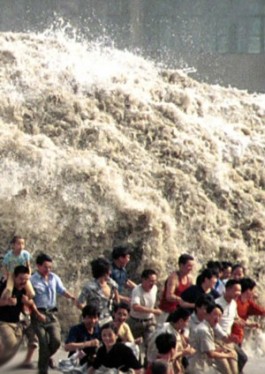
Today’s feature paper discusses an increasingly relevant policy conundrum in conservation – altering coastal ecosystems such that planted/restored/conserved vegetation minimises the negative impacts of extreme weather events (e.g., tsunamis, cyclones, typhoons and hurricanes): the so-called ‘bioshield’ effect. The idea is attractive – coastal vegetation acts to buffer human development and other land features from intense wave action, so maintain/restore it at all costs.

The problem is, as Feagin and colleagues point out in their poignant review, ‘bioshields’ don’t really seem to have much effect in attenuating the big waves resulting from the extreme events, the very reason they were planted in the first place. Don’t misunderstand them – keeping ecosystems like mangroves and other coastal communities intact has enormous benefits in terms of biodiversity conservation, minimised coastal erosion and human livelihoods. However, with massive coastal development in many parts of the world, the knee-jerk reaction has been to plant up coasts with any sort of tree/shrub going without heeding these species’ real effects. Indeed, many countries have active policies now to plant invasive species along coastal margins, which not only displace native species, they can displace humans and likely play little part in any wave attenuation.

This sleeping giant of a conservation issue needs some serious re-thinking, argue the authors, especially in light of predicted increases in extreme storm events resulting from climate change. I hope policy makers listen to that plea. I highly recommend the read.

CJA Bradshaw

Add to FacebookAdd to NewsvineAdd to DiggAdd to Del.icio.usAdd to StumbleuponAdd to RedditAdd to BlinklistAdd to Ma.gnoliaAdd to TechnoratiAdd to Furl

ResearchBlogging.orgFeagin, R., Mukherjee, N., Shanker, K., Baird, A., Cinner, J., Kerr, A., Koedam, N., Sridhar, A., Arthur, R., Jayatissa, L., Lo Seen, D., Menon, M., Rodriguez, S., Shamsuddoha, M., & Dahdouh-Guebas, F. (2009). Shelter from the storm? Use and misuse of coastal vegetation bioshields for managing natural disasters Conservation Letters DOI: 10.1111/j.1755-263X.2009.00087.x


How to restore a tropical rain forest

6 11 2009

thiakiHere’s a little story for you about how a casual chat over a glass of wine (or many) can lead to great scientific endeavours.

A few years ago I was sitting in the living room of my good friends Noel Preece and Penny van Oosterzee in Darwin chatting about life, the universe, and everything. They rather casually mentioned that they would be selling their environmental consulting company and their house and moving to the Queensland rain forest. Ok – sounded like a pretty hippy thing to do when you’re thinking about ‘retiring’ (only from the normal grindstone, at least). But it wasn’t about the easy life away from it all (ok, partially, perhaps) – they wanted to do something with their reasonably large (181 ha), partially deforested (51-ha paddock) property investment. By ‘something’, I mean science.

So they asked me – how would we go about getting money to investigate the best way to reforest a tropical rain forest? I had no idea. As it turns out, no one really knows how to restore rain forests properly. Sure, planting trees happens a lot, but the random, willy-nilly, unquantified ways in which it is done means that no one can tell you what the biggest biodiversity bang for your buck is, or even if it can compete on the carbon sequestration front.

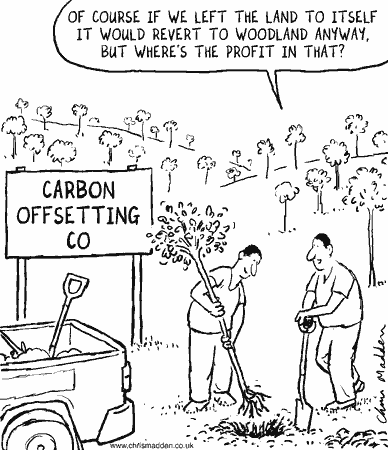
Why carbon sequestration? Well, in case you’ve had your head up your bum for the last decade, one of the major carbon mitigating schemes going is the offset idea – for every tonne of carbon you emit as a consumer, you (or more commonly, someone else you pay) plant a certain number of trees (because trees need carbon to grow and so suck it out of the atmosphere). Nice idea, but if you deforest native ecosystems just to bash up quick-growing monoculture plantations of (usually) exotic species with little benefit to native biota, biodiversity continues to spiral down the extinction vortex. So, there has to be a happy medium, and there has to be a way to measure it.

So I said to Penny and Noel “Why don’t we bash together a proposal and get some experts in the field involved and submit it to the Australian Research Council (ARC) for funding?” They thought that was a smashing idea, and so we did.

Fast forward a few years and … success! The Thiaki Project was born (‘Thiaki’ is the name of the Creek flowing through the property north of Atherton – seems to be of Greek origin). We were extremely lucky to find a new recruit to the University of Queensland, Dr. Margie Mayfield (who worked previously with Paul Ehrlich), who was not only an expert in the area of tropical reforestation for biodiversity, she also had the time and energy to lead the project. We garnered several other academic and industry partners and came up with a pretty sexy experiment that is just now getting underway thanks to good old Mr. ARC.

The project is fairly ambitious, even though the experiments per se are fairly straight forward. We’re using a randomised block design where we are testing 3 tree diversity treatments (monoculture, 1 species each from 6 families, and 5 species each from those same 6 families) and two planting densities (high and low). The major objective is to see what combination of planting density and native tree species provides the most habitat for the most species. We’re starting small, looking mainly at various insects as they start to use the newly planted blocks, but might expand the assessments (before planting and after) to reptiles, amphibians and possibly birds later on.

But we’re not stopping there – we were fortunate enough to get get a clever soil scientist, Dr. David Chittleborough of the University of Adelaide, involved so we could map the change in soil carbon during the experiment. Our major challenge is to find the right combination of tree species and planting techniques that restore native biodiversity the most effectively, all the while maximising carbon sequestration from the growing forest. And of course, we’re trying to do this as most cost-effectively as we can – measuring the relative costs will give landowners contemplating reforestation the scale of expenditures expected.

I’m pretty proud of what Margie, Noel, Penny and the rest of the team have accomplished so far, and what’s planned. Certainly the really exciting results are years away yet, but stay tuned – Thiaki could become the model for tropical reforestation worldwide. Follow the Thiaki Project website for regular updates.

I’d also love to recreate the Thiaki Project in southern Australia because as it turns out, no one knows how to maximise biodiversity and carbon sequestration for the lowest cost in temperate reforestation projects either. All we need is a few hundred hectares of deforested land (shouldn’t be hard to find), about $1 million to start, and a bit of time. Any takers?

CJA Bradshaw

Add to FacebookAdd to NewsvineAdd to DiggAdd to Del.icio.usAdd to StumbleuponAdd to RedditAdd to BlinklistAdd to Ma.gnoliaAdd to TechnoratiAdd to Furl

carbon offset

© C. Madden


What is a species?

18 09 2009

In a bid to save some time given looming grant application deadlines and overdue paper revisions, I’ve opted to reproduce a nice little discussion about how we define ‘species’ in a biodiversity sense. This is a great little synopsis of the species concept by Professor Colin Groves of the Australian National University that aired on ABC Radio National‘s Ockham’s Razor show hosted by Robyn Williams. This is an important discussion because it really dictates how we measure biodiversity, and more importantly, how we should seek to restore it when ‘degraded’. The full transcript can be viewed here, and you can listen here. Below I reproduce the relevant bits of the essay.
butterfliesSpecies, in the words of the great evolutionary biologist George Gaylord Simpson, are lineages evolving separately from others, each with its own unitary evolutionary role and tendencies. They are the units of biodiversity. Everybody uses the term, with greater or lesser degrees of precision, but even biologists, I regret to say, often use it without actually defining what they mean.

It was the great zoologist Ernst Mayr who in 1940 offered the best known definition: ‘A species is a group of actually or potentially interbreeding natural populations which is reproductively isolated from other such groups’. He called this the Biological Species Concept.

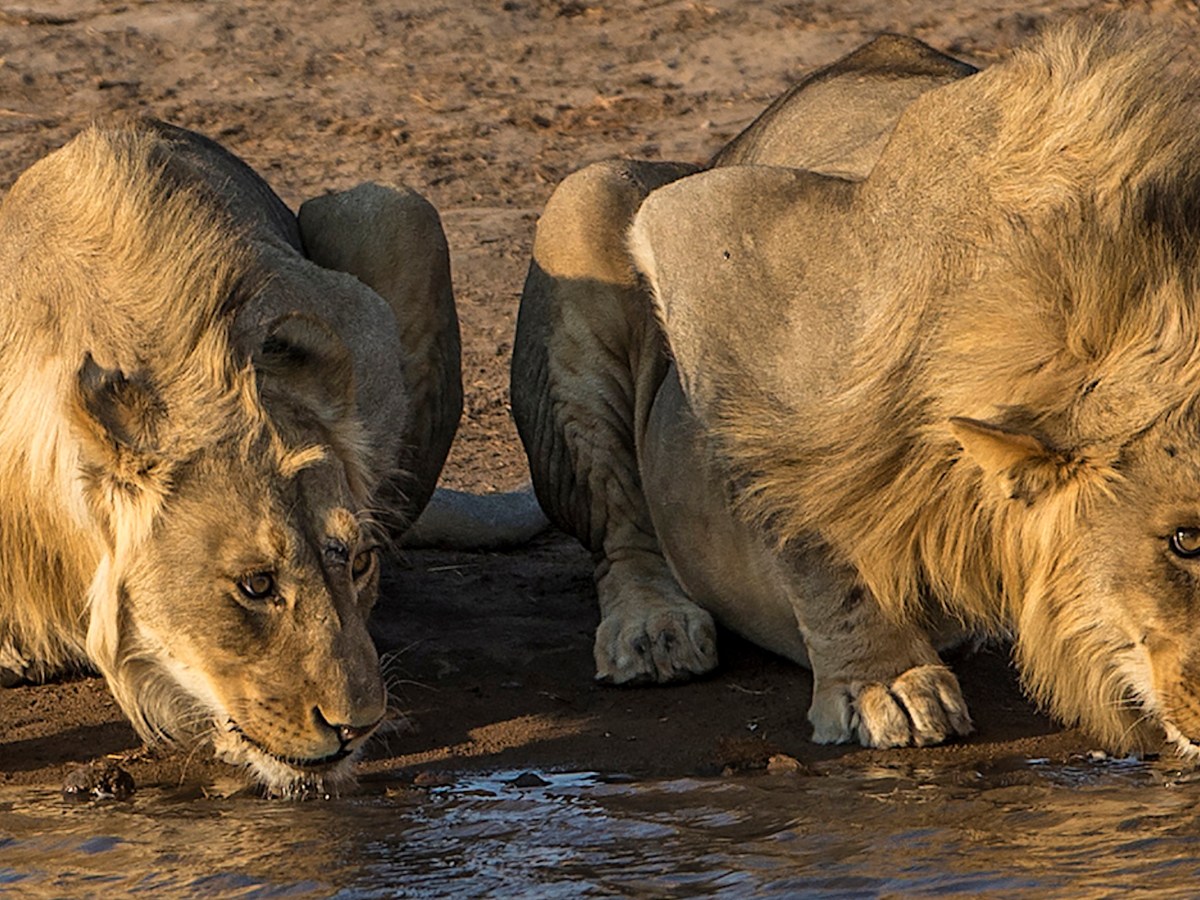
This definition of species, still widely accepted, has frequently been misinterpreted as meaning that ‘different species cannot interbreed’. It does not say this. In the first place, it refers to species as ‘natural populations’. It is referring to what happens in a state of nature, not what happens in zoos or in domestic animals. For example, lions and leopards, which although closely related are usually recognised as different species, live in the same habitats in Africa and India and, as far as I know, no authenticated hybrids are known from the wild. But in zoos, hybrids have been bred successfully.

Then there is the question of what exactly ‘reproductive isolation’ consists of. Mayr said that the mechanisms of reproductive isolation may be either pre-mating (where members of different species do not normally regard each other as potential mates) or post-mating (where they do mate, but the hybrids do not survive, or are sterile). In the case of lions and leopards, evidently the reproductive isolating mechanisms are pre-mating, because normally they do not regard each other as potential mates, but these can break down if a male of one species and a female of the other are caged together, a case of making the best of a bad job, if you like. Their post-mating reproductive isolation, however, is incomplete: male lion-leopard hybrids are thought to be sterile, but the females are fertile.

So far so good. According to the Biological Species Concept, different species are defined by not usually forming hybrids with each other, for whatever reason, under natural conditions. But it is not so simple.

Consider leopards, again. They live not only in Africa and India, but also on the island of Sri Lanka, and throughout Southeast Asia, including the island of Java. The leopards of Sri Lanka and Java obviously do not interbreed with those of the mainland, because they are separated by water barriers. According to Ernst Mayr’s definition, species are ‘actually or potentially interbreeding natural populations’, and presumably island leopards are to be regarded as ‘potentially interbreeding’ with mainland ones. But how do we know? How could we possibly know?
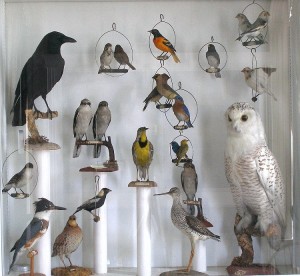
birds

© J. Dougherty

The closest relative of the lion and the leopard is the jaguar, which lives in South and Central America, and likewise doesn’t have the chance to interbreed with leopards (or with lions, for that matter), so again, the ‘potentially interbreeding’ criterion breaks down. I would ask, and it is legitimate to ask, why is the jaguar classified as a species separate from the African and mainland-Asian leopard, whereas the Sri Lankan and Javanese leopards are not?

In my opinion, ‘potentially interbreeding’, is, really, a phantom concept. The Biological Species Concept offers no guidance at all for deciding whether populations living in different areas are distinct species or not. As one example from my own experience, mammal specialists have had heated discussions over whether the American bison and the European bison are or are not different species, a particularly pointless exercise if one accepts the Biological Species Concept. It was as early as the 1960s that a few taxonomists began to worry about this, because they were starting to realise that there were quite a lot of cases where they really needed to know. Gilbert’s potoroo, from the south-west of Western Australia, is it, or is it not, a different species from the Long-nosed potoroo, from south-eastern Australia? This may sound like a piece of pedantry, but it is in fact not a trivial decision, because Gilbert’s potoroo is critically endangered, and if it is not really a distinct species then it is less of a worry.

It was a group working in the American Museum of Natural History, known as the New York Group and already getting a reputation for asking awkward questions, that was pushing most strongly for a resolution, and in 1983, one of them, the ornithologist Joel Cracraft, proposed to replace the Biological Species Concept altogether and define a species ‘The smallest cluster of individual organisms within which there is a parental pattern of ancestry and descent, and that is diagnosably distinct from other such clusters by a unique combination of fixed character states’. What this means is that a species is a population or group of populations (this is the ‘parental pattern of ancestry and descent’ bit) which can be distinguished 100% from any other (this is the ‘diagnosably distinct’ bit). This concept of species is called the Phylogenetic Species Concept.

Many biologists, myself included, I’m afraid, started off by disliking the Phylogenetic Species Concept, and hoped it would die a natural death. But it did not; in fact it spread because many biologists, including taxonomists, and at long last I too, realised that it provides an objective criterion, diagnosability, for all cases, which the old Biological Species Concept does not. It tells us, for example, that Sri Lankan and Javanese leopards are not distinct species, because they cannot be 100% distinguished from the leopards of the mainland, whereas the jaguar is a distinct species because it is 100% distinct from its relatives.

© P. Mays

© P. Mays

Much taxonomy today depends on molecular genetics, DNA sequencing. At present, many molecular geneticists tend to distinguish species rather subjectively, if they differ ‘enough’, though what is meant by ‘enough difference’ varies from one study to another. The Phylogenetic Species Concept is of course excellently suited to DNA sequencing, and many species have been recognised by having consistent differences in DNA sequences (the diagnosability criterion).

The molecular revolution has also taught us something important about species, that they do in fact interbreed under natural conditions, to a much greater extent than we had thought. We know this, because there is a form of DNA, mitochondrial DNA, that is inherited not from both parents, but from the mother alone; it is passed solely down the female line (with apparently few exceptions). And we now know quite a number of cases where a population of one species has the mitochondrial DNA of a different, related species.

Here is a nice example. The common deer species of the eastern United States is the white-tailed deer. In the west, it is replaced by the mule deer, and in the middle they live side-by-side in the same habitats. On a large ranch in West Texas, there are herds of both species, and they have the same mitochondrial DNA! There has been some dispute in the past over whose mitochondrial DNA it actually is, but it now appears that it is that of the mule deer. We imagine that, at some time in the past, some white-tailed bucks, unable to find does of their own species, ‘made the best of a bad job’ and drove off some mule deer bucks and mated with mule deer does. Hybrids were born, and in the next generation more white-tail bucks came over and mated with them. The hybrids are now three-quarters white-tail, and one-quarter mule deer, but of course they still had the mitochondrial DNA of their mule deer grandmothers. In a few more generations, they would come to totally resemble white-tailed deer, the only legacy of their original maternal heritage being their mitochondrial DNA.



Few people, many threats – Australia’s biodiversity shame

31 07 2009

bridled_nailtail_400I bang on a bit about human over-population and how it drives biodiversity extinctions. Yet, it isn’t always hordes of hungry humans descending on the hapless species of this planet  – Australia is a big place, but has few people (just over 20 million), yet it has one of the higher extinction rates in the world. Yes, most of the country is covered in some fairly hard-core desert and most people live in or near the areas containing the most species, but we have an appalling extinction record all the same.

A paper that came out recently in Conservation Biology and was covered a little in the media last week gives some telling figures for the Oceania region, and more importantly, explains that we have more than enough information now to implement sound, evidence-based policy to right the wrongs of the past and the present. Using IUCN Red List data, Michael Kingsford and colleagues (paper entitled Major conservation policy issues for biodiversity in Oceania), showed that of the 370 assessed species in Australia, 80 % of the threatened ones are listed because of habitat loss, 40 % from invasive species and 30 % from pollution. As we know well, it’s mainly habitat loss we have to control if we want to change things around for the better (see previous relevant posts here, here & here).

Kingsford and colleagues proceed to give a good set of policy recommendations for each of the drivers identified:

Habitat loss and degradation

  • Implement legislation, education, and community outreach to stop or reduce land clearing, mining, and unsustainable logging through education, incentives, and compensation for landowners that will encourage private conservation
  • Establish new protected areas for habitats that are absent or poorly represented
  • In threatened ecosystems (e.g., wetlands), establish large-scale restoration projects with local communities that incorporate conservation and connectivity
  • Establish transparent and evidence-based state of environment reporting on biodiversity and manage threats within and outside protected areas.
  • Protect free-flowing river systems (largely unregulated by dams, levees, and diversions) within the framework of the entire river basin and increase environmental flows on regulated rivers

Invasive species

  • Avoid deliberate introduction of exotic species, unless suitable analyses of benefits outweigh risk-weighted costs
  • Implement control of invasive species by assessing effectiveness of control programs and determining invasion potential
  • Establish regulations and enforcement for exchange or treatment of ocean ballast and regularly implement antifouling procedures

Climate change

  • Reduce global greenhouse gas emissions
  • Identify, assess, and protect important climate refugia
  • Ameliorate the impacts of climate change through strategic management of other threatening processes
  • Develop strategic plans for priority translocations and implement when needed

Overexploitation

  • Implement restrictions on harvest of overexploited species to maintain sustainability
  • Implement an ecosystem-based approach for fisheries, based on scientific data, that includes zoning the ocean; banning destructive fishing; adopting precautionary fishing principles that include size limits, quotas, and regulation with sufficient resources based on scientific assessments of stocks and; reducing bycatch through regulation and education
  • Implement international mechanisms to increase sustainability of fisheries by supporting international treaties for fisheries protection in the high seas; avoiding perverse subsidies and improve labelling of sustainable fisheries; and licensing exports of aquarium fish
  • Control unsustainable illegal logging and wildlife harvesting through local incentives and cessation of international trade

Pollution

  • Decrease pollution through incentives and education; reduce and improve treatment of domestic, industrial, and agriculture waste; and rehabilitate polluted areas
  • Strengthen government regulations to stop generation of toxic material from mining efforts that affects freshwater and marine environments
  • Establish legislation and regulations and financial bonds (international) to reinforce polluter-pays principles
  • Establish regulations, education programs, clean ups, labelling, and use of biodegradable packaging to reduce discarded fishing gear and plastics

Disease

  • Establish early-detection programs for pathological diseases and biosecurity controls to reduce translocation
  • Identify causes, risk-assessment methods, and preventative methods for diseases
  • Establish remote communities of organisms (captive) not exposed to disease in severe outbreaks

Implementation

  • Establish regional population policies based on ecologically sustainable human population levels and consumption
  • Ensure that all developments affecting the environment are adequately analysed for impacts over the long term
  • Promote economic and societal benefits from conservation through education
  • Determine biodiversity status and trends with indicators that diagnose and manage declines
  • Invest in taxonomic understanding and provision of resources (scientific and conservation) to increase capacity for conservation
  • Increase the capacity of government conservation agencies
  • Focus efforts of nongovernmental organisations on small island states on building indigenous capacity for conservation
  • Base conservation on risk assessment and decision support
  • Establish the effectiveness of conservation instruments (national and international) and their implementation

A very good set of recommendations that I hope we can continue to develop within our governments.

CJA Bradshaw

Add to FacebookAdd to NewsvineAdd to DiggAdd to Del.icio.usAdd to StumbleuponAdd to RedditAdd to BlinklistAdd to Ma.gnoliaAdd to TechnoratiAdd to Furl


Ray of conservation light for Borneo

25 07 2009

This was the most interesting 20 minutes I’ve spent in the last wee while.

Up until just now, I had never heard of Willie Smits or what he’s been doing in Indonesia. I’ve been fairly hard on Indonesia in some of my papers and blog posts because of the ecological tragedy taking place there. I’ve focussed on the immense rate and extent of deforestation, the oil palm explosion, peatland destruction and air pollution arising from runaway fires there – I have thus far ignored any real positives because I didn’t really believe there were any.

Then I saw Smits’ TED talk. Two words – very impressed. I usually enjoy and even barrack for TED talks, and this is no exception.

This man and his organisation have really been applying a great deal of the research mentioned on ConservationBytes.com, as well as collecting data proving beyond a shadow of a doubt that if you integrate people’s needs with those of biodiversity, you can restore not only entire ecosystems, you can make humans benefit immensely in the process. A chronic pessimist, I can scarcely believe it.

He talks about a whole-system approach where agriculture, full rain forest restoration, climate control, carbon sequestration, monitoring and local governance all work together to turn once bare, fire-prone, species-poor deforested grasslands into teaming jungles that support happy, healthy, wealthy and well-governed human communities. Please watch this.

Vodpod videos no longer available.

CJA Bradshaw

Add to FacebookAdd to NewsvineAdd to DiggAdd to Del.icio.usAdd to StumbleuponAdd to RedditAdd to BlinklistAdd to Ma.gnoliaAdd to TechnoratiAdd to Furl


Hot inbreeding

22 07 2009
inbreeding

© R. Ballen

Sounds really disgusting a little rude, doesn’t it? Well, if you think losing species because of successive bottlenecks from harvesting, habitat loss and genetic deterioration is rude, then the title of this post is appropriate.

I’m highlighting today a paper recently published in Conservation Biology by Kristensen and colleagues entitled Linking inbreeding effects in captive populations with fitness in the wild: release of replicated Drosophila melanogaster lines under different temperatures.

The debate has been around for years – do inbred populations have lower fitness (e.g., reproductive success, survival, dispersal, etc.) than their ‘outbred’ counterparts? Is one of the reasons small populations (below their minimum viable population size) have a high risk of extinction because genetic deterioration erodes fitness?

While there are many species that seem to defy this assumption, the increasing prevalence of Allee effects, and the demonstration that threatened species have lower genetic diversity than non-threatened species, all seem to support the idea. Kristensen & colleagues’ paper uses that cornerstone of genetic guinea pigs, the Drosophila fruit fly, not only to demonstrate inbreeding depression in the lab, but also the subsequent fate of inbred individuals released into the wild.

What they found was quite amazing. Released inbred flies only did poorly (i.e., weren’t caught as frequently meaning that they probably were less successful in finding food and perished) relative to outbred flies when the temperature was warm (daytime). Cold (i.e., night) releases failed to show any difference between inbred and outbred flies.

Basically this means that the environment interacts strongly with the genetic code that signals for particularly performances. When the going is tough (and if you’re an ectothermic fly, extreme heat can be the killer), then genetically compromised individuals do badly. Another reasons to be worried about runaway global climate warming.

Another important point was that the indices of performance didn’t translate universally to the field conditions, so lab-only results might very well give us some incorrect predictions of animal performance when populations reach small sizes and become inbred.

CJA Bradshaw


Fishing for conservation

3 04 2009

Here’s a guest post from one of my newest PhD students, Jarod Lyon of the Arthur Rylah Institute in Victoria. He’s introducing some of his ongoing work and how he incorporates anglers into conservation research.

As most conservationists know, snags (fallen trees and branches in rivers) are the riverine equivalent of marine reefs, providing critical habitat for many plants and animals, from microscopic bacteria, fungi and algae through to large native fish. They are the places where the greatest numbers and diversity of organisms occur in lowland sections of rivers. Their presence has an important influence on the overall health of these rivers.

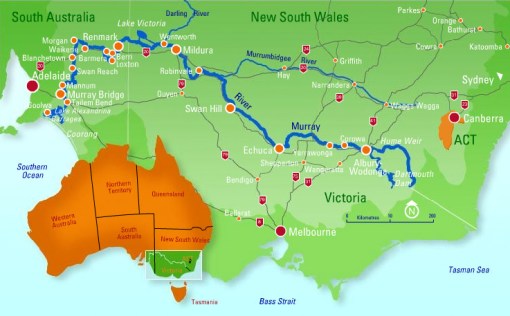
Murray River, Australia
Figure 1

Ins southern Australia, Murray cod, trout cod and golden perch are three iconic fish species that occur in the Murray River (Figure 1). Recent investigations into the ecology of these species have demonstrated a strong dependence on the presence of snags – a relationship well-known to recreational anglers who target both Murray cod and golden perch. Unfortunately, the abundance of these species has declined over the past 100 years and they are now considered threatened. Excessive removal of snags has been identified as a primary cause for this decline. For example, in the Lake Hume to Lake Mulwala reach of the Murray River, over 25000 snags were removed in the 1970s and 1980s to improve the passage of water between Lake Hume and the large irrigation channels at Yarrawonga.

Figure 2
Figure 2

The largest resnagging project ever undertaken in Australia is now in full swing. It aims to reverse the legacy of clearing snags that has occurred along the Murray reaches since European settlement. The resnagging is occurring in the Hume-Mulwala reach of the Murray using trees that were cleared for the Hume Highway extension between Albury and Tarcutta, and will create substantially more physical habitat for native fish in this reach of the river. By creating this habitat, the size of the native fish population in this reach is expected to increase thereby improving the conservation status of the native species present, and improving the quality of the recreational fishery for native species (particularly Murray cod and golden perch). It is the largest project of its kind ever undertaken in Australia, and is a great step towards recovering fish populations. The project is funded under the Murray Darling Basin Commission‘s Living Murray Program, and is being undertaken by a variety of state and national organisations, in particular NSW Department of Primary Industries and Victorian Department of Sustainability and Environment (DSE).

To ensure that the resnagging is having a beneficial effect on the numbers of native fish in the reach, a comprehensive monitoring and evaluation program is being implemented by scientists from the DSE’s Arthur Rylah Institute. This program is determining whether an increase in the size of the native fish populations is the result of:

  • Increased recruitment in the reach
  • Increased survival of adults in the reach
  • Increased immigration of adults and juveniles form Lake Mulwala and the Ovens River
  • Decreased emigration form the reach

To measure these changes, the fish populations between Hume Dam and Lake Mulwala are being surveyed once a year to determine the population size and level of recruitment. For the purpose of comparison, surveying between Yarrawonga and Tocumwal, in the lower Ovens River, and in Lake Mulwala, is also being undertaken.

Figure 2
Figure 3

Some of the fish caught (Figure 2) will be tagged with an external tag, internal tag or radio transmitter (Figures 3 & 4). All tags have a unique number that identifies the individual. The recapture of these individuals, both by researchers and by anglers, allows survival and movement patterns to be measured.

The external tags are plastic polymer tags and are easily visible, protruding from the dorsal fin area. These tags are used to allow information from anglers to be directly used in the monitoring. A phone number is printed on each tag and when anglers call this number to report that they have caught a tagged fish, this provides valuable information on the not only fish survival and growth, but also the performance of the recreational fishery. These tags have a lifespan of 2-5 years. Anglers who call in tag information are also eligible for a reward (usually a stubby holder or lure) and get sent a certificate which gives details of the history of the fish which they have captured and reported.

The internal tags are implanted into the area to the front of the pectoral fin, are not visible, and unlike the external tags, are permanent. The tags are passive integrated transponder (PIT) tags (Figure 4), similar to those used in the pet and livestock industry. The tags are important as they allow a long-term record of fish survival, growth and movement to be measured. Fishways across the Murray Darling Basin are increasingly being installed with readers that can detect these tags. This can give researchers valuable information on long-range movements. For example, one fish (a 20-kg Murray cod) that was tagged in the Murray river near Corowa, was picked up on a PIT tag reader at the bottom of the Torrumbarry Weir fishway – a fair feat when you consider that this fish has had to get through both Mulwala and Torrumbarry Weirs, as well as travel a distance of over 200 river km downstream!

Figure 3
Figure 4

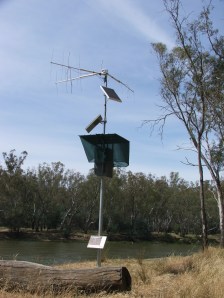
Radio transmitters are surgically inserted into the body cavity of the fish (Figure 3). These tags emit a radio signal that can be tracked continuously (Figure 5), and allow a rapid assessment of the movements (i.e., emigration and immigration rates) of a population to be determined. The tags are also detected by an array of 18 logging stations located along the river between Lake Hume and Barmah (Figure 1). Approximately 1000 radio tags will be implanted over the life of the project – making it possibly the largest radio-tagging program in the country.

If you catch a tagged fish, please record the type of fish, its number, its length (and its weight if possible) and the location of its capture and report this information on the phone number printed on the tag. These angler records improve the quality of the data collected and reporting of angler captures is encouraged through the rewards program.

As well as the general tag return program, a more targeted “Research Angler Program” is being undertaken. The angler program commenced operations in July 2007. The project was developed to assist with the scientific monitoring and communication requirements of the native fish habitat restoration project.

This section of the monitoring recognises that local anglers can contribute information about the state of native fish in the River Murray by recording their fishing effort and the amount of fish captured. Such information, in addition to greatly increasing the community awareness of the monitoring program, also adds another ‘string to the monitoring bow’ in that it will form a long-term dataset of fish captures, which can eventually be linked to the resnagging effort. The information gathered will be entered into a database and analysed to help assess changes in fish population size in relation to the habitat rehabilitation project.

Figure 5

Figure 5

Instream woody habitat is a vital component to the lifecycle of Murray Cod and the endangered trout cod. The resnagging of the River Murray – Hume Dam to Yarrawonga, will conserve and enhance native fish communities. Continual monitoring and interactions with the local angling fraternity is a crucial part of the success of this project.

The anglers have logbooks and have been trained in removing the otoliths, which are the earbones, from fish that they are taking for the table. We can then use the otoliths to determine the age and growth of the fish in response to the resnagging work.

Since December 2007 the fishers with the resnagging Angler Monitoring Program have captured over 65 Murray Cod, with over 95% of these fish released. Anglers have caught and released other native species such as golden perch and the endangered trout cod.

Add to FacebookAdd to NewsvineAdd to DiggAdd to Del.icio.usAdd to StumbleuponAdd to RedditAdd to BlinklistAdd to Ma.gnoliaAdd to TechnoratiAdd to Furl


Woodland Recovery Initiative

12 03 2009

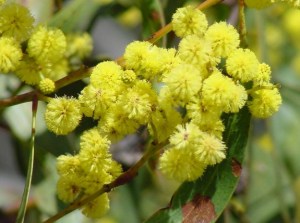
golden wattle (Acacia pycnantha)I’m recommending you view a video presentation (can be accessed by clicking the link below) by A/Prof. David Paton which demonstrates the urgency of reforesting the region around Adelaide. Glenthorne is a 208-ha property 17 km south of the Adelaide’s central business district owned and operated by the University of Adelaide. A major revegetation project called the Woodland Recovery Initative is being organised to achieve the following:

  • reclaim approximately 100 ha of farmland and reconstruct a suitable habitat that encourages the return of native species
  • establish a world-class research centre
  • employ scientists, technicians, teachers and managers to deliver research, educational, community engagement, monitoring and on-ground works
  • develop educational programs that involve local schools in the environmental works, so that young South Australians are engaged in the project and see it as important to the future of their community

In my view, this is a really exciting opportunity to test experimentally the best ways to restore woodlands to maximise biodiversity retention. Once revegetated, the Glenthorne property will link existing reserves to maximise forested area (and as we know, increasing habitat area is one of most effective ways to prevent extinction). The next step is to apply the knowledge gained from the long-term experimentation at Glenthorne to revegetate the regions surrounding Adelaide that have suffered 200 years of heavy deforestation.

I strongly encourage local support of this initiative – it’s not only biodiversity that will benefit – ecosystem services on which the human residents of the greater Adelaide region depend (including extremely important things such as water retention and carbon sequestration) will also be efficiently enhanced by evidence-based ecological restoration of the region. We could certainly use better natural water retention and more carbon sequestration in addition to the re-establishment of many extirpated native species!

VIEW VIDEO BY CLICKING HERE

CJA Bradshaw


Toilet Torrens II: The Plot Sickens

14 02 2009
© CJA Bradshaw

© CJA Bradshaw

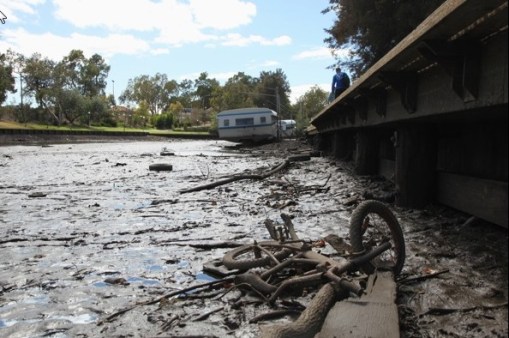
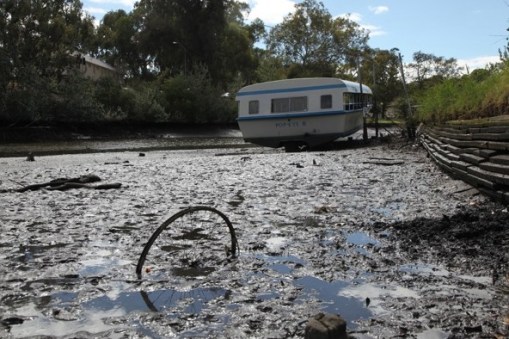
A few days into the Torrens ‘River’ disaster, and we see very little in the way of a truly dedicated, organised clean-up. With some token efforts to clean up the more obvious rubbish in the lake section itself (i.e., cars, fridges, etc.), there is nothing suggesting the true problems are going to be addressed. Indeed, the authorities are desperately trying to ‘find’ water to cover the problem up rather than deal with it.

Instead of a catchment-wide mass clean-up, the removal of the water-sucking invasive plants that line the river’s edge (see photos below), the implementation of a water neutrality scheme, and the removal of hundreds of untreated drainage pipes, they are willing to spend over $1 million to pipe in water from elsewhere.

I can’t believe it.

This is the best opportunity Adelaide has ever had to rectify the problem and clean the mess up once and for all; instead, the investment is going toward a cosmetic cover-up that will effectively fix nothing. Toothless. Some images I took today while cycling along the Torrens path follow:

© CJA Bradshaw

© CJA Bradshaw

© CJA Bradshaw

© CJA Bradshaw

© CJA Bradshaw

© CJA Bradshaw

CJA Bradshaw

Add to FacebookAdd to NewsvineAdd to DiggAdd to Del.icio.usAdd to StumbleuponAdd to RedditAdd to BlinklistAdd to Ma.gnoliaAdd to TechnoratiAdd to Furl


Adelaide’s shame – the ‘River’ (toilet) Torrens

12 02 2009

I’ve put this post off for too long as it is, but after today’s ridiculous dereliction of dutymalfunction‘, I can no longer hold my tongue (as it were).

I’ve been living in Adelaide for about a year now, and it’s been slowly dawning on me just how badly managed, for decades, the Torrens River has been. I cycle or run to work along the Torrens cycle path and see and smell the amazing neglect that has accumulated over the years.

The river literally stinks of rot and filth. What am I saying? The Torrens is about as much a river as a trickle in public urinal. Actually, most urinals are a hell of a lot cleaner.

It’s not just the rubbish, the unregulated and ubiquitous pipes of untreated run-off entering every 100 m or so, the almost complete lack of flows during the summer, the terribly regulated flows during the infrequent winter rains, the toxic build-up of blue-green algae, or the choking invasive alien plants lining its entire course, it’s the unbelievable neglect, cover-up and blind ignorance that has lead to one of the most polluted, unnatural and degraded streams in Australia.

And it’s in the middle of Adelaide.

This is how some would rather you think of the Torrens:

But scratch just a little under the surface and you find this:

and this:

Yes, today’s mishap exposed decades of bad management to the press and the public in general; the authorities can’t wait for a little rain to cover up the ’embarrassment’, but they’ll have to wait a long time. This isn’t “embarrasing“, it’s shameful, disgusting, neglectful, irresponsible and naïve.

Of course, a few people have some partially right approaches to address the problem – indeed, Tourism Minister Jane Lomax-Smith suggests we take advantage of the low water levels and clean up the mess. I couldn’t agree more. However, apart from a few derelict cars pulled out, I’ve not seen a single attempt to get out there and do the job properly. We need to remove every last scrap of rubbish from the Adelaide Hills to Henley beach – this means the trolleys, oil drums, bicycles, wheelie bins and other assorted crap (I think I even saw a fridge today). I’m willing to help.

We need a major overhaul, clean-up and rethink about this so-called ‘river’.

The ‘drought’ that Australia seems convinced will some day end will not go away – climate change will ensure that, along with the persistence of some very bad urban water policies. We need to get used to the idea that we’ll have less and less water, not suddenly more when the ‘drought’ ends. Sorry, the drought won’t end.

So, what can we do? There are some very obvious improvements that can be made:

1. Undeniably, a massive, catchment-wide, get-your-hands-dirty clean-up is required to remove the astounding array of rubbish.

2. Yes, we have reduced flows and will continue to have in this state for a long time to come. So, we need to minimise waste. A paper I recently covered in ConservationBytes.com detailed how a water neutrality programme would benefit water supply AND biodiversity. The idea is relatively simple – the water allocated to industry, residents, etc. is taxed according to total use. The monies received are then invested in removing all those invasive reeds, rushes, palms, bamboo, etc. that line the water course (all of these are water-hungry pests that have no business being there in the first place). In one fell swoop you have an employment program, an incentive to use less water, a ‘water-neutrality’ scheme that makes water-intensive products (e.g., fruits and vegetables) more attractive to environmentally conscious consumers, removal of alien species that consume too much water and prevent native species from proliferating, and importantly, a functioning ecosystem that provides water more regularly.

3. Get rid or divert all those untreated storm pipes from all and sundry lining the Torrens along its path. I’ve seen campground drainages with all sorts of filth flow into the river, car park drainages and inappropriate garden waste ooze into the river right along its course.

4. Let’s get rid of the horses grazing on the denuded banks of the river near Henley Beach. What the hell is livestock doing grazing in the middle of a city?

5. Remove golf courses lining the river.

6. Debunk the myth that bore water used to keep artificially lush gardens in the wealthier neighbourhoods lining the Torrens is somehow not subject to the same problems as rainfall-sourced water. 72 % of the Torrens’ water use is residential. We waste far too much of the underground water on these ridiculous gardens in our desert city – I’m sorry, the prominent display of ‘Bore Water in Use’ in so many gardens around Adelaide is contemptuous and ignorant.

Can we mend the Torrens? Yes, yes we can. A lot of rivers is much worse shape have been brought back to life over the years (see examples here, here and here), so we can do it too. It just takes a little political will, some intelligent policy, a bit of money and public commitment.

CJA Bradshaw

P.S. I recommend you avoid swimming anywhere near Henley Beach for the next few weeks.

Add to FacebookAdd to NewsvineAdd to DiggAdd to Del.icio.usAdd to StumbleuponAdd to RedditAdd to BlinklistAdd to Ma.gnoliaAdd to TechnoratiAdd to Furl


Just give them a lift

16 01 2009

TvyamNb-BivtNwcoxtkc5xGBuGkIMh_nj4UJHQKupCdpgnnqXqJ70oP0iCjWicCL0ROBPry44AuNOne of the main problems in a rapidly changing world, whether that change arises from habitat loss, invasive species or climate change, is that often the pace of change is simply too fast for many species to keep up. History (both ‘deep-time’ and contemporary evidence) tells us this fact very clearly in the record of extinctions – species that have ‘slow’ life histories (i.e., those that mature late in their lives, produce few young and breed infrequently) are the most susceptible to extinction. More often than not, these tend to be the big organisms because the pace of life scales to body size nonlinearly (the so-called allometry of vital rates). The problem extends to evolution – when the pace of change happens faster than mutation and subsequent natural selection, you are unable to ‘evolve’ to the new environmental state fast enough. The end result – extinction.

So, can we help? Well, it’s fairly difficult to alter reproductive rates unless you do some assisted breeding programme (which generally don’t do much for the conservation status of a species) and you can’t really alter age at maturity or growth rates. You can stop or reverse habitat destruction, and you can translocate species in some circumstances.

So, in the case of climate change, if local conditions become too unbearable for a species (temperature, salinity, precipitation, etc.), just give them a lift to another spot where the new conditions suit! Sounds simple, but it could be rather difficult.

A relatively new Policy Forum piece in Science outlines how ‘assisted colonisation‘ could work for some species. The issues are many – most translocations fail for one reason or another (too few individuals moved, unforeseen predators or competitors, lack of appropriate habitat, etc.), but as we’ve seen the world over in the case of successful alien species, invasions can be remarkably successful (at least from the perspective of the invading species).

The key then is to think very carefully about which species to move and which to leave alone. Of course, generalist, highly adaptable and dispersed species probably don’t need the help, but restricted-range species or habitat specialists could really benefit from such action. You also run the risk of creating more problems than you solve (e.g., new invasive pests, disease introduction). However, a select group of species might just need this very assistance to persist given how much we’ve already change the biosphere, and how much more it will change due to shifting climate in the near future.

It’s controversial, but it could work in many circumstances. That’s why I’m adding this paper (Hoegh-Guldberg et al. – Assisted colonization and rapid climate change) to the Potential list.

CJA Bradshaw

Add to FacebookAdd to NewsvineAdd to DiggAdd to Del.icio.usAdd to StumbleuponAdd to RedditAdd to BlinklistAdd to Ma.gnoliaAdd to TechnoratiAdd to Furl


Foiling the frog-killing fungus

15 12 2008

© F. Brem

© F. Brem

Something I picked up the other day that is an interesting application of ecology and engineering – extreme interventions like this may become more and more necessary, especially for particularly vulnerable taxa like amphibians. This one from New Scientist:

A fungal disease is decimating amphibian populations around the world, and so far the only way to save a species at risk is to remove individuals from the wild. Is it time to try taking out the disease as well?

So far the majority of amphibian conservation efforts have focused on identifying species at high risk of extinction, and establishing captive breeding programmes in biosecure units where they will be protected from Batrachochytrium dendrobatidis Bd, the chytrid fungus that is responsible for the devastating scourge.

“The immediate response has been the right one: to get species that are at risk into captivity,” says Trent Garner of the Institute of Zoology in London. However, he adds, “we’re potentially missing out on some very important species” because, inevitably, some are prioritised over others.

Now an alternative strategy is emerging, which many had previously thought impossible: to reduce the amount of Bd in the wild, and perhaps even to enable amphibians to survive alongside it.

In lab experiments, Garner and colleagues have shown that it is possible to cure tadpoles infected with Bd by bathing them in the antifungal drug itraconazole for 5 minutes a day for seven days. “Even using extremely low doses, we showed that you can eliminate Bd from tadpoles,” says Garner, who presented his results at a meeting on amphibian decline at the Zoological Society of London last week.


Some biodiversity with your coffee, Sir?

7 12 2008

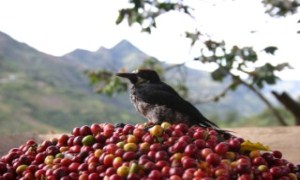
Bird on coffee cherriesI really like my coffee. I’m sure there are a few billion humans who claim likewise, but I think I could safely categorise myself as a coffee snob. I cannot even contemplate placing powdery crystals into a cup of hot water and calling it ‘coffee’, let alone imbibing the toxic concoction. I spend way too much money on very slow-roasted, dark, oily beans that have to be ground to the exact espresso consistency to use in my Bialetti cafettiera, and I’ll search high and low for the best coffee produced in any city in which I live or to where I travel (N.B. Still haven’t found what I call a ‘great’ coffee in the CBD of Adelaide – suggestions welcome). I really, really like good coffee.

What the hell does all this meandering preamble have to do with biodiversity conservation? I’m happy you asked. With environmentally conscious consumers now demanding some sort of ‘green’ certification for many products (e.g., no palm oil, carbon-neutral, fair trade, etc.), coffee has also been targeted as a good product to certify for harvest and production of lower environmental impact than has been done traditionally. Well, how do you measure ‘green-ness’ in a product? For coffee, there are some good ways.

A recent paper (and candidate for the Potential list) by Aaron Gove and colleagues published in Conservation Letters entitled Ethiopian coffee cultivation – implications for bird conservation and environmental certification demonstrates how the cultivation of this NATIVE Ethiopian plant (Coffea arabica) can enhance or restore the biological value of lowland agricultural areas. This species of ‘highland coffee’ is harvested from forests (where it evolved and now grows naturally) and from more intensive farmland. Interestingly, this species needs some shade to grow, so trees must generally be planted in the agricultural areas to allow this. Result? Gove and colleagues found that birds who otherwise wouldn’t be seen dead in the agricultural areas were attracted there by the maintenance and proliferation of the shade trees, thus reducing regional extinction risk for fragmented populations dependent on forest remnants. The flip side was that coffee cultivation in forest remnants reduced bird diversity because of the obvious trade-off between some native trees and intensive agricultural crops.

So, the next time you’re thinking of buying certified coffee, think of this – the cultivation of INDIGENOUS (did I say that loudly enough?) coffee species requiring shade promotes the proliferation of native forest trees to reduce the extinction risk of threatened birds. The number of boxes to tick on my coffee-snobbery list has just grown by two.

CJA Bradshaw

Add to FacebookAdd to NewsvineAdd to DiggAdd to Del.icio.usAdd to StumbleuponAdd to RedditAdd to BlinklistAdd to Ma.gnoliaAdd to TechnoratiAdd to Furl


Addressing biodiversity decline at home

30 11 2008

© CJA Bradshaw

© CJA Bradshaw

I was recently invited to sit on a panel organised by the Conservation Council of South Australia (CCSA) to discuss issues of marine and coastal conservation under a rapidly changing climate. The results of that will be released soon (I’ll blog about that later), but in the interim, I want to highlight to readers of ConservationBytes.com how the CCSA is setting up the challenge to local governments to implement positive steps forward for the conservation of biodiversity in South Australia. I’m reproducing the executive summary of their Summit Report on Biodiversity in a Changing Climate (download full report here). It’s a good example of how we can all (industry, government, academia) work together to promote our own well-being.

…South Australia’s biodiversity is declining at an alarming rate. It has been suggested by scientists that it will take many millions of years for biodiversity to recover from the impacts of humans over the last 200 years. In South Australia the key threat to biodiversity is land clearance; clearance of remnant native vegetation and subsequent fragmentation of habitat for native fauna species. Other key threats to biodiversity in South Australia include:

  • Habitat fragmentation from development
  • Competition from introduced flora
  • Predation by introduced animals
  • Direct competition for food, shelter and resources from introduced fauna
  • Introduced diseases
  • Collection of firewood from remnant vegetation
  • Altered fire regimes
  • Inappropriate grazing/overgrazing
  • Inappropriate management activities
  • Water extraction/pollution
  • Climate change – including increasing oceanic temperatures and acidification

Much of South Australia’s economy is based on the use of biological resources and the need to maintain ecosystem services. This includes activities such as tourism and recreation, nature conservation, pastoralism, agriculture, horticulture, and forestry which all benefit from healthy ecosystems.

Our primary production systems require biodiversity for pest control/management, soil conservation, enhanced productivity and stabilisation, pollination, salinity amelioration, and water purification.

To address and reverse current biodiversity trends our society must recognise, understand and value biodiversity. Land managers, indigenous communities, local industries, government and the broader community may value biodiversity in different ways, however conservation and effective management of biodiversity is essential to ensure the continuation of these values for future generations. Biodiversity values may include:

  • Production value for the provision of food, medicines, clothing and building materials consumed by society
  • Ecosystem services for the maintenance of ecosystem services (natural storing and cycling of nutrients, stabilising soil formation, protection of water resources and breakdown of pollution), and maintenance of biodiversity
  • Socio-economic value for recreation, research, education and monitoring, and cultural values
  • Future value to maintain the capacity to identify future direct or indirect utilitarian value

The South Australian government has recognised the significance of biodiversity through integrated approaches such as the National Strategy for the Conservation of Australia’s Biological Diversity, a joint initiative of the Commonwealth and State and Territory governments. This strategy supports other intergovernmental agreements, such as the National Strategy for Ecologically Sustainable Development, the National Greenhouse Strategy, the National Forest Policy Statement, the Decade of Landcare Plan, the Wetlands Policy of the Commonwealth Government of Australia, the Inter-Governmental Agreement on the Environment, the Natural Heritage Trust Partnership Agreements and the National Framework for the Management and Monitoring of Australia’s Native Vegetation.

The South Australian government has also implemented its own biodiversity focused strategies including No Species Loss, NatureLinks, Tackling Climate Change, and the State Strategic Plan. Regional biodiversity plans are being facilitated to assist in the management and rehabilitation of natural habitats throughout regions of the state.

However, despite the government’s recognition of biodiversity as a serious issue, South Australia’s biodiversity continues to decline at an alarming rate. Actions for conservation, management and awareness raising must be backed by political will and be targeted and supported financially.

Investing in biodiversity is essential to maintaining ecosystems services and in turn to provide dividends to human health and wellbeing. Policies and regulations must ensure all stakeholders are accountable for their environmental footprint and role in implementing change for the future protection of our state’s biodiversity. The aim of this report is to provide policy recommendations to increase the effectiveness of biodiversity conservation in South Australia’s changing climate…

to view the Report’s recommendations, read on… Read the rest of this entry »


Water neutrality and its biodiversity benefits

5 11 2008

blog-water-balance-200x200The world’s freshwater ecosystems are in trouble. We’ve extracted, poisoned, polluted, damned and diverted a large proportion of the finite (and rather small!) amount of freshwater on the planet. Now, most people might immediately see the problem here from a selfish perspective – no clean, abundant water source = human disease, suffering and death. Definitely something to avoid, and a problem that all Australians are facing (i.e., it’s not just restricted to developing nations). Just look at the Murray-Darling problem.

In addition to affecting our own personal well-being, freshwater ecosystems are thought to support over 10000 fish species worldwide, and the majority of amphibians and aquatic reptiles. Current estimates suggest that about 1/3 of all vertebrate biodiversity (in this case, number of species) is confined to freshwater. As an example, the Mekong River system alone is thought to support up to 1700 different species of fish.

So, what are some of the ways forward? The concept of ‘water neutrality’ is essentially the wet version of carbon neutrality. It basically means that water usage can be offset by interventions to improve freshwater habitats and supply.

A great new paper by Nel and colleagues published online in Conservation Letters entitled Water neutrality: a first quantitative framework for investing in water in South Africa (definitely one for the Potential list) gives us a good model for how water neutrality should work. Using a South African example, they describe a scheme where investors are required to (1) review their water use, (2) implement a reduction strategy and (3) replenish water to hydrological systems through the investment in catchment services equivalent to their water use. It’s in this last act that the ‘neutrality’ can be achieved for the betterment of biodiversity – in the South African example, participants replenish their water use through investment in clearing of water-intensive invasive alien plants that choke freshwater systems and otherwise use much of the available water. And we all know how destructive invasive species can be (see previous post on this subject).
Not only does the scheme produce more water, it restores fragile freshwater ecosystems and does so within the economic framework that allows schemes like carbon trading to operate. We desperately need something like this in Australia. Imagine, more water for everyone AND healthy river systems (again, think Murray-Darling) – all paid for by previously water-intensive, but now ‘water-neutral’ firms. Imagine seeing labels on Australian produce that say ‘This is a Water Neutral product that supports freshwater ecosystem health’.

CJA Bradshaw

Add to FacebookAdd to NewsvineAdd to DiggAdd to Del.icio.usAdd to StumbleuponAdd to RedditAdd to BlinklistAdd to Ma.gnoliaAdd to TechnoratiAdd to Furl