Sink to source – the loss of biodiversity’s greatest ecosystem service

29 02 2012

I’ve mentioned this idea before, but it’s nice when some real data support a prediction (no matter how gloomy that prediction might have been). It’s what drives scientists toward discovery (or at least, it’s what I find particularly appealing about my job).

Several years ago, my colleagues (Navjot Sodhi† and Ian Warkentin) and I wrote a major review in TREE about the fate of the world’s ‘second’ lung of the planet, the great boreal forests of Russia, Canada & Scandinavia. We discussed how fragmentation was increasing at an alarming rate, and that although most species there are still relatively intact, we stand to lose a lot of its biodiversity if we don’t halt the fragmenting processes soon. We wrote more on the subject in a paper to appear imminently in Biological Conservation.

Another component though that we raised in the TREE paper was the boreal forests were very much in danger of turning into a net carbon producer. You see, the ‘lung’ analogy is very pertinent because on average, the growth of the massive expanse of the vegetation in the forest generally takes up much more atmospheric carbon that it exudes through decay and burning (for as we all know, plants take up carbon dioxide to produce sugars during photosynthesis, and produce oxygen as a ‘waste’ product). However, as we fragment, cut down and burn the forest, it can end up producing more than it takes up (i.e., turning from a ‘sink’ to a ‘source’). We highlighted several studies indicating how insect outbreaks and human-exacerbated fire intensities and frequencies could conceivably do this.

Now Zhihai Ma and colleagues have just compiled a paper in PNAS indicating that the danger is well on the way to becoming reality in Canada. The paper entitled Regional drought-induced reduction in the biomass carbon sink of Canada’s boreal forests reports the results from 96 long-term permanent sampling plots spread right across southern Canada – from British Columbia in the far west, to Newfoundland in the far east. Read the rest of this entry »

Marine forests dropping off the edge

21 11 2011

This is probably a little late in terms of breaking news, but it’s good fodder for a blog post nonetheless.

I’ve done several posts now on the value (and threats) of marine macroalgae (seaweeds) – the last one hinted that a major paper was imminent regarding the fate of one of the world’s most important centres of macroalgae diversity in response to our rapidly changing climate: southern Australia.

Well, that paper has now come out in the eminent journal Current Biology headed by that crazy Aussie-Viking phycologist, Dr. Thomas Wernberg (byline here: Thomas was just awarded an Australian Research Council Future Fellowship and deserves many congratulations – not least for which the audacity to wear yellow budgie smugglers in public).

Entitled simply “Seaweed communities in retreat from ocean warming“, the short paper belies a hell of a lot of work examining over 60 years of herbarium records indicating MASSIVE shifts in the macroalgae community southwards on both the east and west coasts of Australia (see some media spots here). What do I mean by ‘massive’? Well, about 300 species on average (52 examined in most detail) shifted about 200 km south on the east coast (where warming has been most pronounced), and about 50 km south on the west coast. Read the rest of this entry »



Follow the TREND

24 10 2011

A little clichéd, I know, but that’s what it says on the T-shirt.

It’s been an interesting week. Not only did I return to some much-needed field work (even if it was diving in the muck of Adelaide’s Outer Harbour with 40-cm visability), but it was also the week when the TREND project became ‘official’ with the launching of its website and its public début at the Earth Station festival in Belair National Park over the weekend.

I can see the thought bubbles already – what the hell is ‘TREND‘ (apart from the obvious)?

Admittedly a somewhat contrived acronym, TREND stands for TRends in ENvironmental monitoring and Decision making – a multi-million dollar project financed mainly by the state government of South Australia and the Terrestrial Ecosystem Research Network (TERN – I know, another bloody acronym that is weirdly similar to TREND; oh how we Aussies love our acronyms and initialisms!). Here’s the official summary:

“TREND provides a system of data collection across native ecosystems, primary production regions and marine environments. By assessing the impacts of various potential climatic and environmental shifts, TREND will provide an early warning system for changes in South Australia’s diverse environments and a lasting legacy of long-term monitoring, informed policy and proactive response to environmental change. Read the rest of this entry »


Twenty landmark papers in biodiversity conservation

13 10 2011

While I can’t claim that this is the first time one of my peer-reviewed papers has been inspired by ConservationBytes.com, I can claim that this is the first time a peer-reviewed paper is derived from the blog.

After a bit of a sordid history of review (isn’t it more and more like that these days?), I have the pleasure of announcing that our paper ‘Twenty landmark papers in biodiversity conservation‘ has now been published as an open-access chapter in the new book ‘Research in Biodiversity – Models and Applications‘ (InTech).

Perhaps not the most conventional of venues (at least, not for me), but it is at the very least ‘out there’ now and freely available.

The paper itself was taken, modified, elaborated and over-hauled from text written in this very blog – the ‘Classics‘ section of ConservationBytes.com. Now, if you’re an avid follower of CB, then the chapter won’t probably represent anything terribly new; however, I encourage you to read it anyway given that it is a vetted overview of possibly some of the most important papers written in conservation biology.

If you are new to the field, an active student or merely need a ‘refresher’ regarding the big leaps forward in this discipline, then this chapter is for you.

The paper’s outline is as follows: Read the rest of this entry »



Little left to lose: deforestation history of Australia

6 10 2011

© donkeycart http://ow.ly/6OSeX

I don’t usually do this, but I’m going to blog about a paper I’ve just had accepted in the Journal of Plant Ecology that isn’t yet out online. The reason for the early post is that the paper itself won’t appear until 2012 in a special issue of the journal, and I think the information needs to get out there.

First, a little history – In May this year I blogged about a workshop that I attended at Sun Yat-Sen University in Guangzhou, China at the behest of Fangliang He. The workshop (International Symposium for Biodiversity and Theoretical Ecology) was attended by big-wig overseas ecologists and local talent, and was not only informative, but a lot of fun (apart from the slight headache on the way home from a little too much báijiǔ the night before). More importantly, we  lǎo wài (老外) were paired with various students to assist with publications in progress, and I’m happy to say that for me, two of those have already produced fruit (one paper in review, another about to be submitted).

But the real reason for this post was the special issue of papers written by the invitees – I haven’t published in the journal before, and understand that it is a Chinese journal that has gone mainstream internationally now. I’m only happy to contribute to lifting its profile.

Given that I’m not a plant ecologist per se (although I’ve dabbled), I decided to write a review-like paper that I’ve been meaning to put together for some time now examining the state of Australia’s forests and the history of her deforestation and forest degradation. The reason I thought this was needed is that there is no single peer-reviewed resource one can turn to for a concise synopsis of the history of our country’s forest destruction. The stats are out there, but they’re buried in books, government reports and local-scale scientific papers. My hope is that my paper will be used as a general reference point for people wishing to get up to speed with Australia’s deforestation history.

The paper is entitled Little left to lose: deforestation and forest degradation in Australia since European colonisation, and it describes the general trends in forest loss and degradation Australia-wide, followed by state- and territory-level assessments. I’ve also included sections on plantations, biodiversity loss from deforestation and fragmentation, the feedback loop between climate change and deforestation, the history of forest protection legislation, and finally, a discussion of the necessary general policy directions needed for the country’s forests.

I’ve given a few titbits of the stats in a previous post, but let me just summarise some of the salient features here: Read the rest of this entry »


Rise of the phycologists

22 09 2011

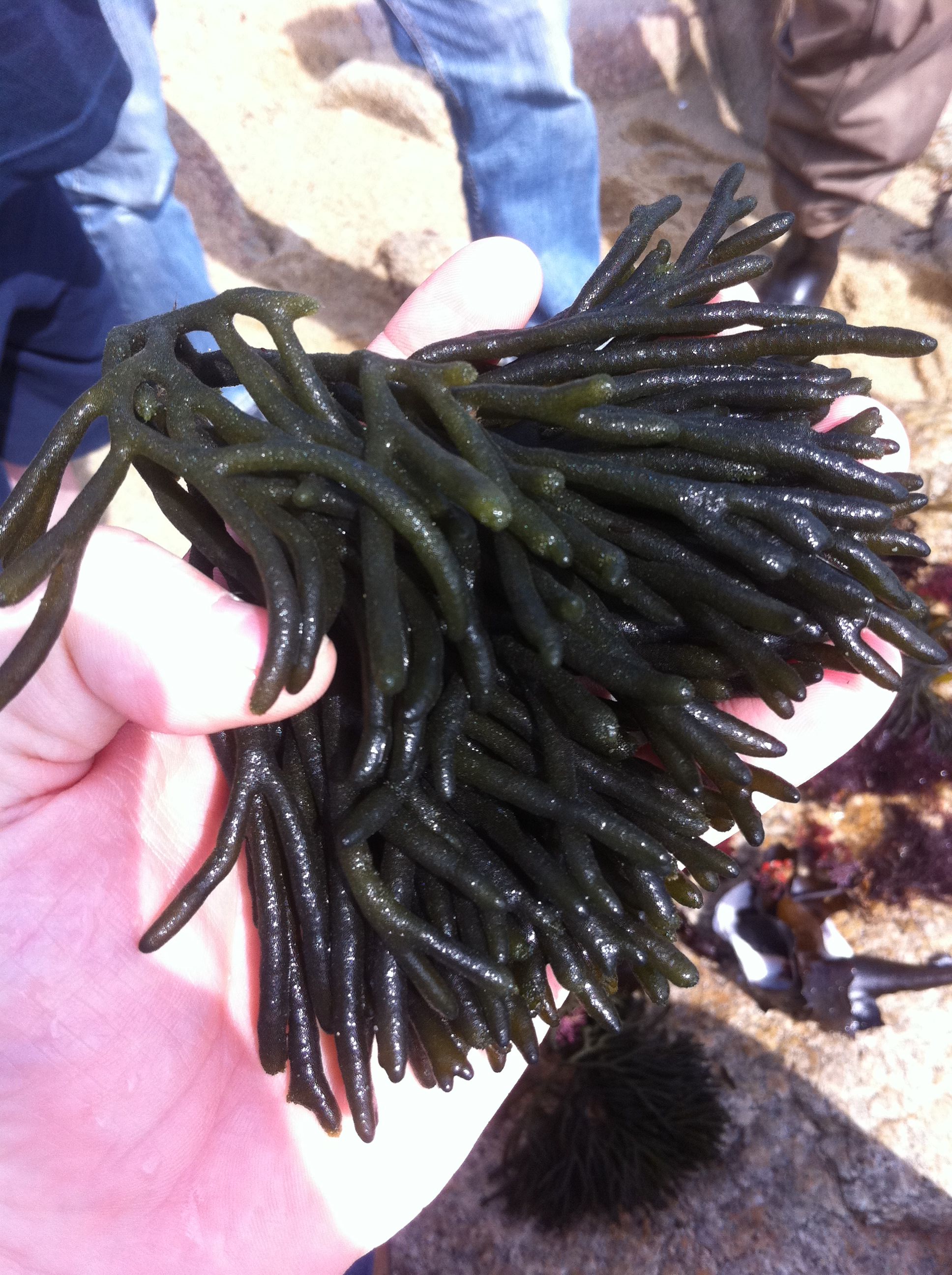
Dead man's fingers (Codium fragile) - © CJA Bradshaw

I’ve had an interesting week. First, it’s been about 6 years since I was last in Japan, and I love coming here; the food is exquisite, the people are fantastic (polite, happy, accommodating), everything works (trains, buses, etc.) and most importantly, it has an almost incredible proportion of its native forests intact.

But it wasn’t for forests that I travelled to Japan (nor the sumo currently showing on the guest-room telly where I’m staying – love the sumo): I was here for a calcareous macroalgae workshop.

What?

First, what are ‘macroalgae’, and why are some ‘calcareous’? And why should anyone in their right mind care?

Good questions. Answers: 1. Seaweeds; 2. Many incorporate calcium carbonate into their structures as added structural support; 3. Read on.

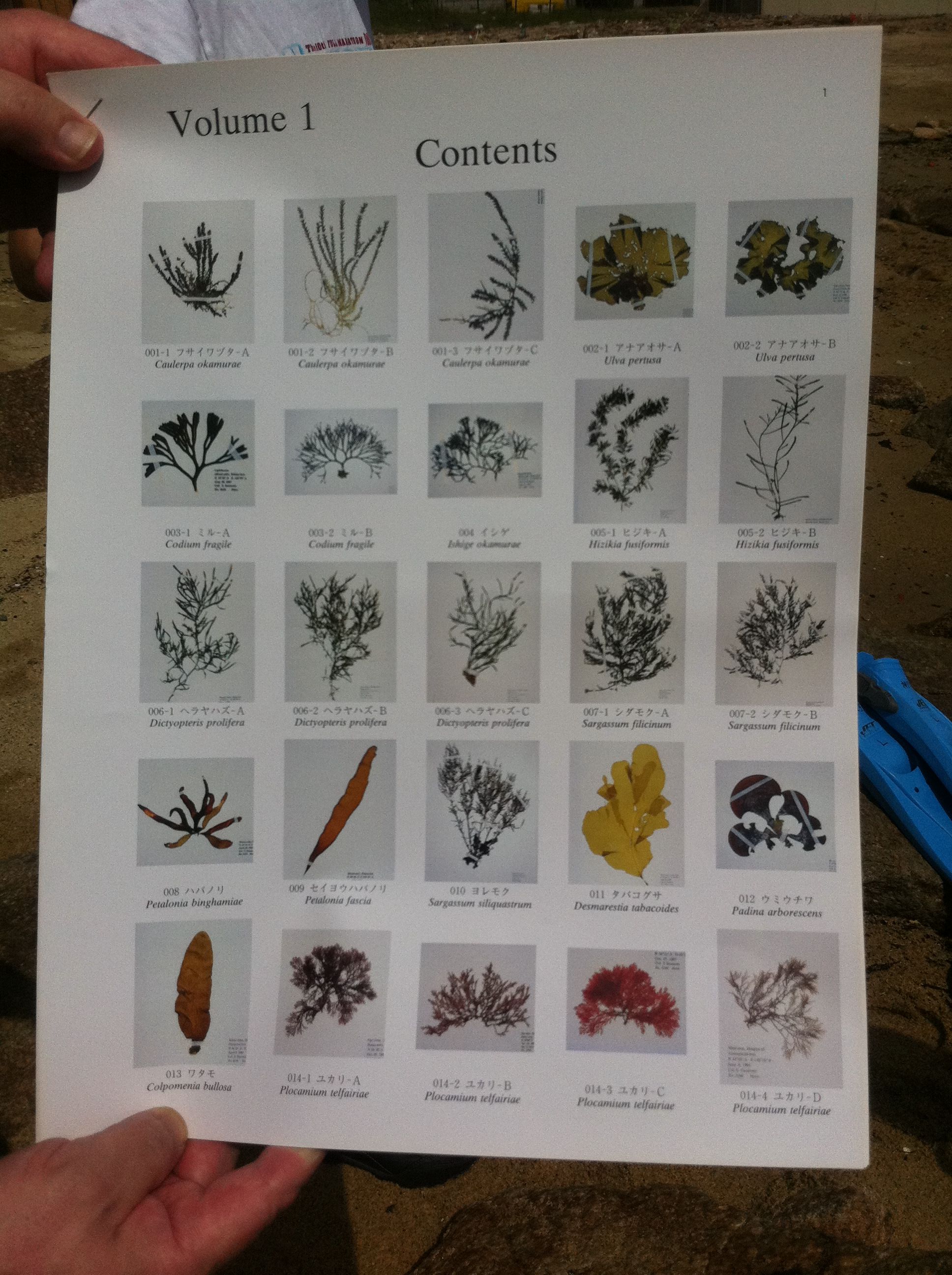
Now, I’m no phycologist (seaweed scientist), but I’m fascinated by this particular taxon. I’ve written a few posts about their vital ecological roles (see here and here), but let me regale you with some other important facts about these amazing species.

Some Japanese macroalgae - © CJA Bradshaw

There are about 12,000 known species of macroalgae described by phycologists, but as I’ve learnt this week, this is obviously a vast underestimate. For most taxa that people are investigating now using molecular techniques, the genetic diversity is so high and so geographically structured that there are obviously a huge number of ‘cryptic’ species within our current taxonomic divisions. This could mean that we’re out by up to a factor of 2 in the number of species in the world.

Another amazing fact – about 50 % of all known seaweed species are found in just two countries – Japan and Australia (hence the workshop between Japanese and Australian phycologists). Southern Australia in particular is an endemism hotspot.

Ok. Cool. So far so good. But so what? Read the rest of this entry »


Pickled niches

2 08 2011

Another fine contribution from Salvador Herrando-Pérez (see previous posts here, here, here and here).

Sometimes evolution fails to shape new species that are able to expand the habitat of their ancestors. This failure does not rein in speciation, but forces it to take place in a habitat that changes little over geological time. Such evolutionary outcomes are important to predict the distribution of groups of phylogenetically related species.

Those who have ever written a novel, a biography, or even a court application, will know that a termite-eaten photo or an old hand-written letter can help rebuild moments of our lives with surgical precision. Likewise, museums of natural sciences store historical biodiversity data of great value for modern research and conservation1.

A notable example is the study of chameleons from Madagascar by Chris Raxworthy and colleagues2. By collating 621 records of 11 species of the tongue-throwing reptiles, these authors subsequently concentrated survey efforts on particular regions where they discovered the impressive figure of seven new species to science, which has continued to expand3 (see figure below). The trick was to characterise the habitat at historical and modern chameleon records on the basis of satellite data describing climate, hydrology, topography, soil and vegetation, then extrapolate over the entire island to predict what land features were most likely to harbour other populations and species. This application of species distribution models4 supports the idea that the phenotypic, morphological and ecological shifts brought about by speciation can take place at slower rates than changes in the habitats where species evolve – the so-called ‘niche conservatism’ (a young concept with already contrasting definitions, e.g.,5-7).

Read the rest of this entry »


Australian ecologists support carbon tax

18 07 2011

© Herald Sun

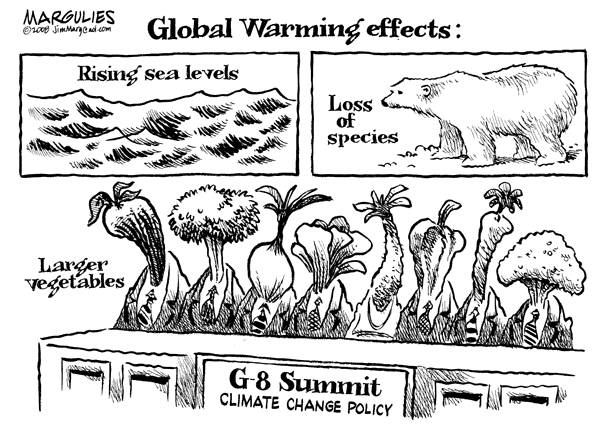
Last week I came across a report that 60 % of economists support the newly proposed Australian carbon tax initiative, and that most believed the Coalition’s plan was inferior and would likely be more costly.

I thought that it would be good to survey ecologists on this very same issue because we are the people dealing with the fall-out of climate change to natural systems, and we are the group communicating it and its consequences to the greater public. Climate change effects on the Australian biota are already being witnessed, and if we don’t take the lead in this over-populated world of myopic, self-interested growth addicts, it’s our children who will suffer most.

Usually, ecologists and economists tend to disagree on major policies because of the general view that development is incompatible with functioning ecosystems; however in this case, it’s telling that the two seem to agree. If economists and ecologists together support something, it’s probably a good idea to give it a go. Read the rest of this entry »



World Environment Day and Australian forest regeneration

5 06 2011

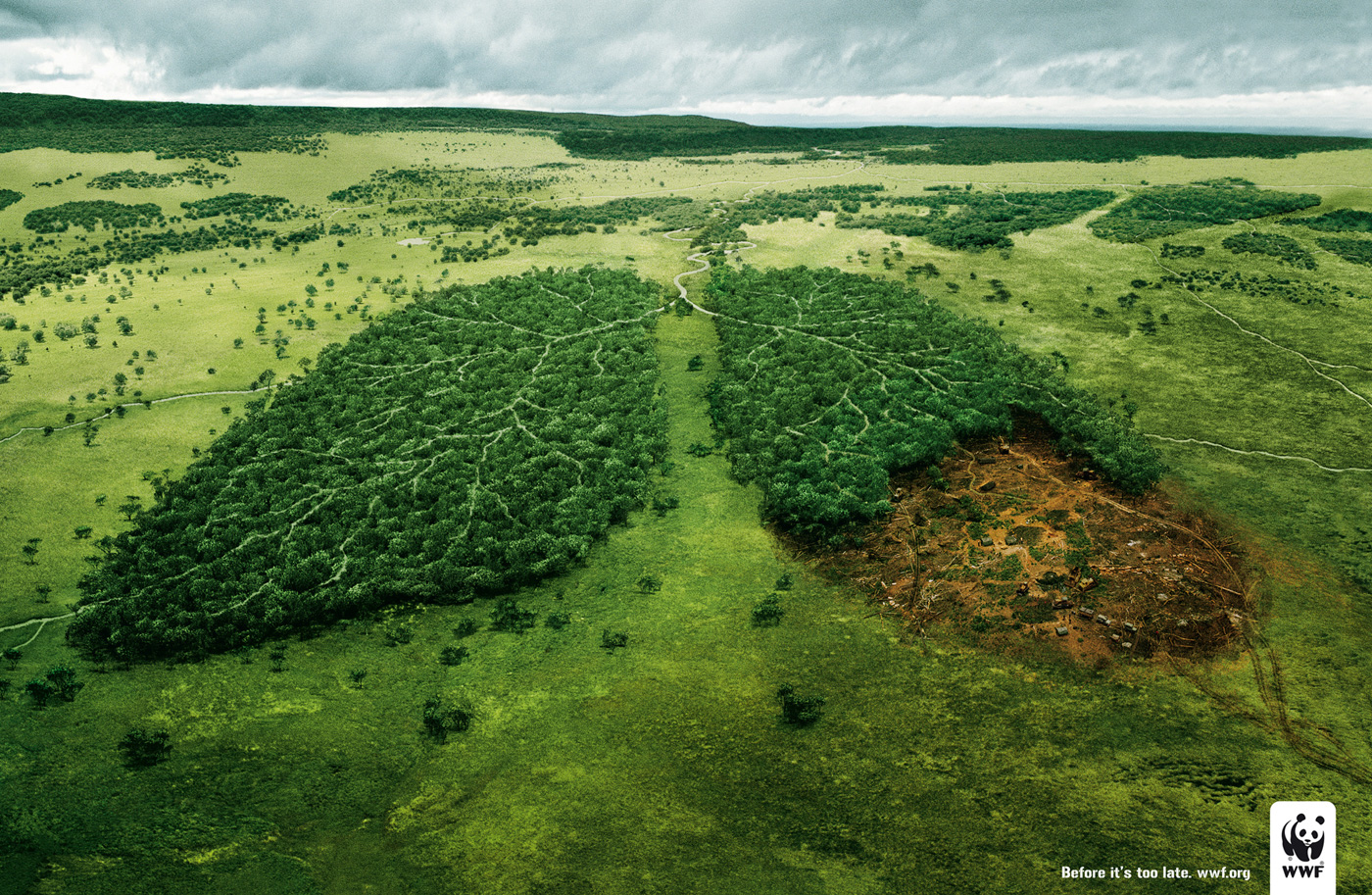
© WWF

As I retweeted ABC Environment‘s sentiment for a Happy Environment Day, I added that we have little to be happy about.

However, I am happy about one thing – we’ve recently received a large ARC Linkage Grant to look at best-practice forest regeneration techniques. The Environment Institute just put out a post on it, so I’ll let Adriana’s words do the talking.

Sunday, 5 June is World Environment Day, this year’s theme is ‘Forests: Nature At Your Service’. Read on to find out how researchers at The Environment Institute are looking at ways of restoring our forests.

World Environment Day (WED) is an annual event that is aimed at being the biggest and most widely celebrated global day for positive environmental action. World Environment Day celebrations began in 1972 and has grown to become the one of the main vehicles through which the UN stimulates worldwide awareness of the environment and encourages political attention and action. Read the rest of this entry »


The evil sextet

18 05 2011

This post doubles as a Conservation Classic and a new take on an old concept. It’s new in the sense that it updates what we believe is an advance on a major milestone in conservation biology, even though some of the add-on concepts themselves have been around for a while.

First, the classic.

The ‘evil quartet’, or ‘four horsemen of the ecological apocalypse’, was probably the first treatment of extinction dynamics as a biological discipline in its own right. Jarod Diamond (1984) took a sweeping historical and contemporary view of extinction, then simplified the problem to four principal mechanisms:

  1. overhunting (or overexploitation),
  2. introduced species,
  3. habitat destruction and
  4. chains of linked extinctions (trophic cascades, or co-extinctions).

Far from a mere review or list of unrelated mechanisms, Diamond’s evil quartet crystallized conservation biologists’ thinking about key mechanisms and, more importantly, directed attention towards those factors likely to drive extinctions in the future. The unique combination of prehistorical through to modern examples gave conservation biologists a holistic view of extinction dynamics and helped spawn many of the papers described hereafter. Read the rest of this entry »


Tropical forests cooking their biodiversity

5 05 2011

Another ‘hot’ essay by Bill Laurance recently published online by Yale Environment 360 (a publication of the Yale University School of Forestry & Environmental Studies). Bill asked me to relay it on ConservationBytes.com, so here it is in full:

Much attention has been paid to how global warming is affecting the world’s polar regions and glaciers. But a leading authority on tropical forests [that would be Bill] warns that rising temperatures could have an equally profound impact on rainforests and are already taking a toll on some tropical species.

On Jan. 12, 2002, in the Australian state of New South Wales, biologist Justin Welbergen was observing a colony of flying foxes for his Ph.D. research. The temperatures that day on Australia’s subtropical, eastern coast reached record highs, soaring to 42.9 ° C (109 ° F) at the weather station closest to Welbergen’s study site — nearly 8 ° C higher than the average summer maximum temperature.

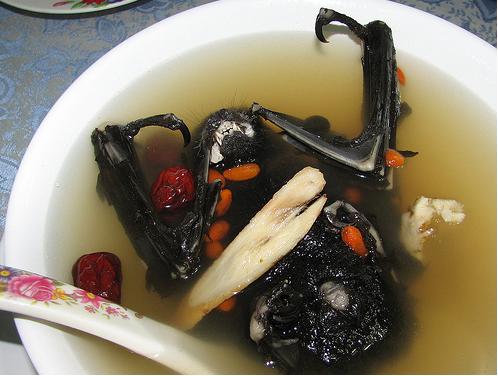
The flying foxes, or giant fruit bats, normally just doze in the treetops through the day, but on this afternoon they were fanning themselves, panting frantically, jostling for shady spots, and licking their wrists in a desperate effort to cool down. Suddenly, when the thermometer hit 42 ° C, the bats began falling from the trees. Most quickly died. Welbergen and his colleagues counted 1,453 flying foxes that died from the heat in one colony alone. The scorching heat that day killed at least 2,200 additional flying foxes in eight other colonies along a 250-kilometre stretch of coastline. All the deaths occurred in colonies where temperatures soared above 41.7 ° C. Read the rest of this entry »


Resolving the Environmentalist’s Paradox

7 04 2011

Here’s an extremely thought-provoking guest post by Megan Evans, Research Assistant at the University of Queensland in Kerrie Wilson‘s lab. Megan did her Honours degree with Hugh Possingham and Kerrie, and has already published heaps from that and other work. I met Megan first in 2009 and have been extremely impressed with her insights, broad range of interests and knowledge, and her finely honed grasp of social media in science. Smarter than your average PhD student, without a doubt (and she has even done one yet). Take it away, Megan.

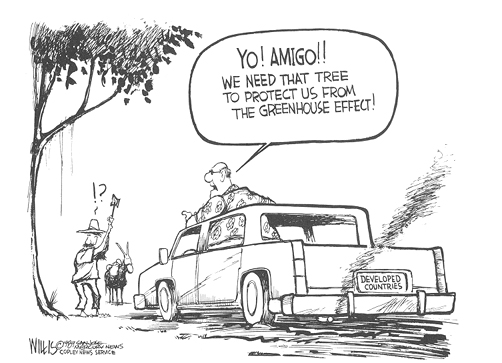
© T. Toles

Resolving the ‘Environmentalist’s Paradox’, and the role of ecologists in advancing economic thinking

Aldo Leopold famously described the curse of an ecological education as “to be the doctor who sees the marks of death in a community that believes itself well and does not want to be told otherwise”. Ecologists do have a tendency for making dire warnings for the future, but for anyone concerned about the myriad of problems currently facing the Earth – climate change, an ongoing wave of species extinctions and impending peak oil, phosphate, water , (everything?) crises – the continued ignorance or ridicule of such warnings can be a frustrating experience. Environmental degradation and ecological overshoot isn’t just about losing cute plants and animals, given the widespread acceptance that long-term human well-being ultimately rests on the ability for the Earth to supply us with ecosystem services.

In light of this doom and gloom, things were shaken up a bit late last year when an article1 published in Bioscience pointed out that in spite of declines in the majority of ecosystem services considered essential to human well-being by The Millenium Ecosystem Assessment (MA), aggregate human well-being (as measured by the Human Development Index) has risen continuously over the last 50 years. Ciara Raudsepp-Hearne and the co-authors of the study suggested that these conflicting trends presented an ‘environmentalist’s paradox’ of sorts – do we really depend on nature to the extent that ecologists have led everyone to believe? Read the rest of this entry »


Cartoon guide to biodiversity loss X

14 01 2011

The latest batch of six cartoons…

See also full stock of previous ‘Cartoon guide to biodiversity loss’ compendia here.

Read the rest of this entry »


Appalling behaviour of even the most influential journalists

4 11 2010


© J. Dunn


I’ve said it a few times in public and in private – one of the main reasons I, as a busy scientist with probably insufficient time to devote to a lay blog (no different to any busy scientist, mind), got into this whole gig in the first place was to fight back against dodgy reporters and shonky ‘journalists’.

For the most part I have to say that I’ve been represented reasonably well in the media – even if most of it is owned by a few highly questionable moguls who espouse wildly partisan views. There have been a few occasions though where I’ve been the victim of simply crap reporting, terribly investigation and downright dirty tactics done by so-called journalists. I’ve talked about this on a few occasions on ConservationBytes.com (see ‘Crap environmental reporting‘, ‘Science turned bad by the media‘ and ‘Poor media coverage promotes environmental apathy and untruths‘).

In a bit of a coincidental turn of events, Bill Laurance sent me an interesting piece published in Nature on this very subject just while Paul Ehrlich and I (most of you know that Paul is in Adelaide at the moment) were talking about ways in which scientists could turn around public opinion from one of suspicion of science, logic and intellectualism, to one applauding the application of objective techniques to solve the world’s worst problems. Paul half-jokingly said “what if there is no solution?” – but I suspect that one such as he has found that constant writing, outreach and excellent research are the only ways to tear down the walls of ignorance, despite all the stupidity of certain elected officials. Two steps forward, one step back.

Bill suggested ConservationBytes would be a good place to reproduce this excellent article by Simon Lewis of the University of Leeds, and I agree. So here it is: Read the rest of this entry »


September 2010 Issue of Conservation Letters out

13 10 2010

Conservation Lettersfifth issue (September) of Volume 3 is now out. Some good ones here.

CJA Bradshaw


Cartoon guide to biodiversity loss IX

19 09 2010

The latest batch of six cartoons…

See also full stock of previous ‘Cartoon guide to biodiversity loss’ compendia here.

Read the rest of this entry »


The lost world – freshwater biodiversity conservation

6 09 2010

Even the most obtuse, right-wing, head-in-the-sand, consumption-driven, anti-environment yob would at least admit that they’ve heard of forest conservation, the plight of whales (more on that little waste of conservation resources later) and climate change. Whether or not they believe these issues are important (or even occurring) is beside the point – the fact that this particular auto-sodomist I’ve described is aware of the issues is at least testament to growing concern among the general populace.

But so many issues in conservation science go unnoticed even by the most environmentally aware. Today’s post covers just one topic (I’ve covered others, such as mangroves and kelp forests) – freshwater biodiversity.

The issue is brought to light by a paper recently published online in Conservation Letters by Thieme and colleagues entitled Exposure of Africa’s freshwater biodiversity to a changing climate.

Sure, many people are starting to get very worried about freshwater availability for human consumption (and this couldn’t be more of an issue in Australia at the moment) – and I fully agree that we should be worried. However, let’s not forget that so many species other than humans depend on healthy freshwater ecosystems to persist, which feed back in turn to human benefits through freshwater filtering, fisheries production and arable soil accumulation.

Just like for the provision of human uses (irrigation, direct water consumption, etc.), a freshwater system’s flow regime is paramount for maintaining its biodiversity. If you stuff up the flow regime too much, then regardless of the amount of total water available, biodiversity will suffer accordingly.

Glen Canyon Dam

Image by James Marvin Phelps (mandj98) via Flickr

Thieme and colleagues focus specifically on African freshwater systems, but the same problems are being seen worldwide (e.g., Australia’s Murray-Darling system, North America’s Colorado River system). And this is only going to get worse as climate change robs certain areas of historical rainfall. To address the gap in knowledge, the authors used modelled changes in mean annual runoff and discharge to determine fish species affected by 2050.

The discharge/runoff results were: Read the rest of this entry »


100 actions to slow biodiversity loss

19 08 2010

I received an email a few days ago from Guillaume Chapron of the Swedish University of Agricultural Sciences (Sveriges lantbruksuniversitet) asking me to promote his ‘Biodiversity 100‘ campaign on ConservationBytes.com. I think it’s an interesting initiative, and so I’ll gladly spread the word.

Teaming up with George Monbiot of The Guardian, the Biodiversity 100 campaign seeks to encourage scientists and others to compile a list of 100 tasks that G20 governments should undertake to prove their commitment to tackling the biodiversity crisis.

Dr. Chapron writes: Read the rest of this entry »


Linking disease, demography and climate

1 08 2010

Last week I mentioned that a group of us from Australia were travelling to Chicago to work with Bob Lacy, Phil Miller, JP Pollak and Resit Akcakaya to make some pretty exciting developments in next-generation conservation ecology and management software. Also attending were Barry Brook, our postdocs: Damien Fordham, Thomas Prowse and Mike Watts, our colleague (and former postdoc) Clive McMahon, and a student of Phil’s, Michelle Verant. At the closing of the week-long workshop, I thought I’d share my thoughts on how it all went.
In a word, it was ‘productive’. It’s not often that you can spend 1 week locked in a tiny room with 10 other geeks and produce so many good and state-of-the-art models, but we certainly achieved more than we had anticipated.

Let me explain in brief why it’s so exciting. First, I must say that even the semi-quantitative among you should be ready for the appearance of ‘Meta-Model Manager (MMM)’ in the coming months. This clever piece of software was devised by JP, Bob and Phil to make disparate models ‘talk’ to each other during a population projection run. We had dabbled with MMM a little last year, but its value really came to light this week.

We used MMM to combine several different models that individually fail to capture the full behaviour of a population. Most of you will be familiar with the individual-based population viability (PVA) software Vortex that allows relatively easy PVA model building and is particular useful for predicting extinction risk of small populations. What you most likely don’t know exists is what Phil, Bob and JP call Outbreak – an epidemiological modelling software based on the classic susceptible-exposed-infectious-recovered framework. Outbreak is also an individual-based model that can talk directly to Vortex, but only through MMM. Read the rest of this entry »


Cartoon guide to biodiversity loss VIII

1 07 2010

The latest batch of six cartoons…

See also full stock of previous ‘Cartoon guide to biodiversity loss’ compendia here.

Read the rest of this entry »