A world of hurt – the webinar

19 05 2010

Ah – finally. The World of Hurt webinar (many thanks to @fang for showing me how to do this).

CJA Bradshaw


A world of hurt – the video

19 05 2010

In case you couldn’t be there in person, here’s the podcast of last week’s talk I gave at the University of Adelaide’s Research Tuesdays seminar series – A world of hurt. The true global death count of environmental degradation.

View video here. See also the ‘Between the Buttons’ preamble AudioBoo here.

CJA Bradshaw

Add to FacebookAdd to DiggAdd to Del.icio.usAdd to StumbleuponAdd to RedditAdd to BlinklistAdd to TwitterAdd to TechnoratiAdd to Yahoo BuzzAdd to Newsvine


Ecosystem functions breaking down from climate change

17 05 2010

I’m particularly proud to present to ConservationBytes.com readers a new paper we’ve just had published online in Journal of Animal Ecology: Mechanisms driving change: altered species interactions and ecosystem function through global warming (Lochran Traill, Matt Lim, Navjot Sodhi and me).

It wasn’t easy to write a review discussing climate change effects on biodiversity, mainly because so many have been written already and we needed to examine the issue from a fresh perspective. The evidence for single species’ responses to rapidly shifting climates around the world is overwhelming (see for a few thousand examples, see the following: Stenseth et al. 2002; Parmesan et al. 2003, 2006; Roessig et al. 2004; Thomas et al. 2004; Poloczanska et al. 2007; Skelly et al. 2004; Dunn et al. 2009). It’s rather remarkable how many things are moving in response, with reduction in range size being more common than expansion.

However, predicting extinction risk from climate change is far more problematic because traditionally there have been too few data on species interactions to make heads or tails of a particular species’ eventual response (e.g., see comment on Chris Thomas’ famous paper regarding this matter). As systems heat up, some species will change in abundance, thereby affecting the abundance of others (think predators and prey, pollinators and their host plants, etc.) – this whole complicated process combined with single-species’ responses makes predicting what a future ecosystem might look like nearly impossible. Add in all the other ecosystem damage we’ve done from forest clearance, invasive species and over-harvesting, it’s a right mess.

It is for this reason we focussed on reviewing the links between species rather than on the species’ responses per se. We looked specifically at ecosystem function, that is, “the processes that facilitate energy transfer along food webs, and the major processes that allow the cycling of carbon, oxygen and nitrogen. ‘Function’ also includes ecosystem services.” Read the rest of this entry »


PhD scholarships in marine plant ecology and conservation

12 05 2010

Two new APAI (Australian Postgraduate Award – Industry) PhD scholarships are available at the University of Adelaide, both in marine ecology and conservation.

Molecular Systematics and Ecology of Marine Macroalgae

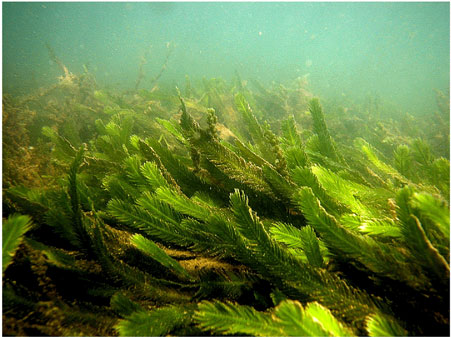
Dr. Frederico Gurgel at the University of Adelaide is seeking 2 PhD students interested in working on several aspects of the marine green macroalgal genus Caulerpa. Honour students are also welcome to apply. APAI PhD scholarships are the best-paid scholarships from the Australian Research Council (fees + AU$26,000 p.a. for 3 yrs). Possible co-advisors: Prof. Corey Bradshaw (University of Adelaide/South Australian Research and Development Institute – SARDI), Dr. Jason Tanner (SARDI), and Dr. Marty Deveney (SARDI). External collaborators: Dr. Peter Grewe (CSIRO Marine), Dr. John Runcie (University of Sydney). Starting date: any time.

Integrative approach to the study of Caulerpa taxifolia in Australia: Ecological, Physiology, Phylogeography and DNA barcoding

The students will perform comparative ecological and physiological assays among Australian native and invasive strains of C. taxifolia (and related species) to study their response (e.g., growth, reproduction, photosynthesis, gene expression) to distinct abiotic factors and global climate change scenarios (e.g., pCO2, pH, temperature, light, salinity, nutrients). Students will perform a multi-marker comparative phylogeographic study among 14 invasive (NSW and SA) and 4 native (QLD, NT, WA) populations to determine the origin of introduced populations in temperate Australia. Students will build a dual-marker DNA barcode database of all species of Caulerpa in Australia as a tool to identify morphologically compromised specimens. Additionally, they will perform a molecular-assisted evolutionary (phylogenetic) study of the genus and develop demographic models to predict the fate of Caulerpa populations under different abiotic scenarios. The students will have the option to choose the components of the project they desire.

Desirable skills: 4WD and manual driving, snorkelling, SCUBA diving certification (open water minimum), molecular biology experience.

For more information please contact Dr. Fred Gurgel (e-mail or telephone: +61 8 8222 9291).

Add to FacebookAdd to DiggAdd to Del.icio.usAdd to StumbleuponAdd to RedditAdd to BlinklistAdd to TwitterAdd to TechnoratiAdd to Yahoo BuzzAdd to Newsvine


A world of hurt

11 05 2010

Just a quick link to an AudioBoo sound bite preamble about my University of Adelaide‘s Research Tuesdays talk tonight on the human health implications of environmental degradation. Follows on nicely from last week’s ‘environmental reprobates‘ post. Full podcast of talk to come shortly.

Many thanks to Allan and Ian of ‘Between the Buttons‘.

CJA Bradshaw


Who are the world’s biggest environmental reprobates?

5 05 2010

Everyone is a at least a little competitive, and when it comes to international relations, there could be no higher incentive for trying to do better than your neighbours than a bit of nationalism (just think of the Olympics).

We rank the world’s countries for pretty much everything, relative wealth, health, governance quality and even happiness. There are also many, many different types of ‘environmental’ indices ranking countries. Some attempt to get at that nebulous concept of ‘sustainability’, some incorporate human health indices, and other are just plain black box (see Böhringer et al. 2007 for a review).

With that in mind, we have just published a robust (i.e., to missing data, choices for thresholds, etc.), readily quantifiable (data available for most countries) and objective (no arbitrary weighting systems) index of a country’s relative environmental impact that focuses ONLY on environment (i.e., not human health or economic indicators) – something no other metric does. We also looked at indices relative to opportunity – that is, looking at how much each country has degraded relative to what it had to start with.

We used the following metrics to create a combined environmental impact rank: natural forest loss, habitat conversion, fisheries and other marine captures, fertiliser use, water pollution, carbon emissions from land-use change and threatened species.

The paper, entitled Evaluating the relative environmental impact of countries was just published in the open-access journal PLoS One with my colleagues Navjot Sodhi of the National University of Singapore (NUS) and Xingli Giam, formerly of NUS but now at Princeton University in the USA.

So who were the worst? Relative to resource availability (i.e,. how much forest area, coastline, water, arable land, species, etc. each country has), the proportional environmental impact ranked (from worst) the following ten countries:

  1. Singapore
  2. Korea
  3. Qatar
  4. Kuwait
  5. Japan
  6. Thailand
  7. Bahrain
  8. Malaysia
  9. Philippines
  10. Netherlands

When considering just the absolute impact (i.e., not controlling for resource availability), the worst ten were:

  1. Brazil
  2. USA
  3. China
  4. Indonesia
  5. Japan
  6. Mexico
  7. India
  8. Russia
  9. Australia
  10. Peru

Interestingly (and quite unexpectedly), the authors’ home countries (Singapore, Australia, USA) were in either the worst ten proportional or absolute ranks. Embarrassing, really (for a full list of all countries, see supporting information). Read the rest of this entry »


Fanciful mathematics and ecological fantasy

3 05 2010

© flickr/themadlolscientist

Bear with me here, dear reader – this one’s a bit of a stretch for conservation relevance at first glance, but it is important. Also, it’s one of my own papers so I have the prerogative :-)

As some of you probably know, I dabble quite a bit in population dynamics theory, which basically means examining the mathematics people use to decipher ecological patterns. Why is this important? Well, most models predicting extinction risk, estimating optimal harvest rates, determining minimum viable population size and metapopulation dynamics for species’ persistence rely on good mathematical abstraction to be realistic. Get the maths wrong, and you could end up overharvesting a species (e.g., 99.99 % of fisheries management), underestimating extinction risk from habitat degradation, and getting your predictions wrong about the effects of invasive species. Expressed as an equation itself, (conservation) ecology = mathematics.

A long-standing family of models known as ‘phenomenological’ models (i.e., because they deal with the phenomenon of population size which is an emergent property of the mechanisms of birth, death and immigration) has been used to estimate everything from maximum sustainable yield targets, temporal abundance patterns, wildlife management interventions, extinction risk to epidemiological patterns. The basic form of the model describes the growth response, or the relationship between the population’s rate of change (growth) and its size. The simplest form (known as the Ricker), assumes a linear decline in population growth rate (r) as the number of individuals increases, which basically means that populations can’t grow indefinitely (i.e., they fluctuate around some carrying capacity if unperturbed). Read the rest of this entry »


Global rates of forest loss – everyone’s a bastard

29 04 2010

© A. Hesse

I’ve written rather a lot about rates of forest loss around the world, including accumulated estimates of tropical forest loss and increasing fragmentation/loss in the boreal forest (see Bradshaw et al. 2009 Front Ecol Evol & Bradshaw et al. 2009 Trends Ecol Evol). For the tropics in particular, we used the index that an area of rain forest about the size of Bangladesh (> 15 million hectares) was disappearing each year, and in Russia alone, annual decline in forest area averaged 1.1 million hectares between 1988 and 1993. Mind boggling, really.

But some of these estimates were a bit old, relied on some imprecise satellite data, and didn’t differentiate forest types well. In addition, many have questioned whether the rates are continuing and which countries are being naughty or nice with respect to forest conservation.

It was great therefore when I came across a new paper in PNAS by Hansen & colleagues entitled Quantification of global gross forest cover loss because it answered many of the latter questions.

Part of the problem in assessing worldwide forest cover loss in the past was the expense of satellite imagery, access problems, data storage and processing issues. Happily, new satellite streams and easing of access has rectified many of these limitations. Hansen & colleagues took advantage of data from the MODIS sensor to create a stratification for forest cover loss. They then used the Landsat ETM+ sensor as the primary data for quantifying gross forest cover loss for the entire planet from 2000 to 2005. They defined ‘forest cover’ as “… 25% or greater canopy closure at the Landsat pixel scale (30-m × 30-m spatial resolution) for trees > 5 m in height”.

For your reading pleasure (and conservation horror), the salient features were: Read the rest of this entry »


Make your conservation PhD relevant

23 04 2010

The other day I was approached by two PhD candidates from James Cook University in the ARC Centre of Excellence for Coral Reef Studies who requested I publish a short article they put together on making conservation PhDs relevant while achieving academic excellence. I’m delighted to say that I found the article very well written and topical, so I am pleased to present it in full here.

© J. Cham

Make your conservation PhD relevant – bridging the research-implementation gap

Duan Biggs & Tom Brewer

ARC Centre of Excellence for Coral Reef Studies, James Cook University, Townsville, Queensland, Australia

A recent paper, in Biotropica’s special issue on bridging the research-implementation gap (Duchelle et al. 2009) included examples of postgraduate students in the University of Florida’s Tropical Conservation and Development Program contributing to knowledge exchange with local stakeholders. The authors argue that this experience, during training, enables postgraduate students to develop their skills to confront the elaborate set of management and policy issues that will be present through their careers. We agree with Duchelle and her co-authors’ arguments, but believe that further discussion is required on finding the balance between the requirements of academic training and knowledge sharing with conservation stakeholders at the PhD level specifically.

Earning a PhD requires a novel theoretical contribution to a specific field of knowledge, and the practical value or contribution of that knowledge is of secondary importance, or irrelevant. Therefore, finding synergies between the requirements of academia and knowledge sharing can be particularly challenging at the PhD level. Yet, we believe that in an applied science like conservation, the quality of research and training will be enhanced through being more explicit about how to synergise a scientific contribution worthy of a PhD degree with related practical skills like knowledge sharing. In support of our argument, we propose the following six questions that PhD candidates, together with their academic supervisors, can consider during research design to enhance their contribution to knowledge exchange whilst meeting the requirements of academic training: Read the rest of this entry »



New April Issue of Conservation Letters out now

22 04 2010

Low intensity fire in a longleaf pine-wiregrass system

Another great line up of papers has just come out in the April Issue of Conservation Letters:

CJA Bradshaw

Add to FacebookAdd to DiggAdd to Del.icio.usAdd to StumbleuponAdd to RedditAdd to BlinklistAdd to TwitterAdd to TechnoratiAdd to Yahoo BuzzAdd to Newsvine


A world of hurt

21 04 2010

Given it’s only a little under 3 weeks away, I thought I’d advertise an upcoming free public lecture I’m giving for the University of Adelaide‘s highly popular Research Tuesdays programme.

The Research Tuesdays team have done a fantastic job of putting together the associated promotional material, so I’m more or less going to reproduce it here.

The topic is about the global-scale evidence for declining human health from environmental degradation – it’s new research that I haven’t yet published, and so it’ll be exciting to start disseminating the amazing results my colleagues and I have found in a public forum.

So join us on 11 May at the University of Adelaide for what I promise will be an interesting (if not frightening) public lecture. Details below. Read the rest of this entry »


The spillover effect

18 04 2010

© everlessaday

The so-called ‘spillover effect’ is a long-standing debate in conservation ecology. The idea is relatively simple – put in a marine reserve (or, no-take zone, park, whatever you wish to call it as long as it restricts blanket over-fishing) and the area around the reserve eventually profits from the nearby over-production of fish (and other taxa). The idea is very attractive because even if you’re thick enough not to understand the absolute necessity of marine reserves in our age of mass, global over-exploitation, at least you might have enough grey matter to appreciate the value of more fish ‘spilling over’ into your favourite fishing area. More proposed marine reserves have been sold to the more Luddite ‘stakeholder’ this way than I care to count.

However, as attractive an idea it was, early on in the marine reserve literature (i.e., the early Devonian 1990s), there was limited (Rowley 1994; Willis et al. 2003) or only circumstantial evidence (Russ & Alcala 1996; Roberts et al. 2005) for the effect. Indeed, many have suggested that the spillover benefit, if present, depends entirely on the size of the reserve and whether adjacent areas are managed at all (Allison et al. 1996; McClanahan & Mangi 2000). Others have even suggested that marine reserves can displace fishing effort into smaller areas and change local community structure enough to facilitate invasion by exotic species (Kellner & Hastings 2009).

It is happier time now that we have more than ample evidence that marine reserves do in fact result in species spillover (e.g.,Roberts et al. 2001; Russ et al. 2004; Abesamis & Russ 2005). So it is not with any great claims of novelty that I highlight Garry Russ & Angel Alcala’s latest paper, Enhanced biodiversity beyond marine reserve boundaries: the cup spilleth-over; rather, it’s how they quantify the long-term evidence, the mechanisms for how spillover occurs and how the community changes that they deserve a mention. Read the rest of this entry »


Conservation jobs at the University of Adelaide

13 04 2010

I’m posting the advertisements for two new conservation jobs in the Global Ecology Group at the University of Adelaide.

This Australian Research Council-funded Discovery Project seeks to determine whether functional forms of spatially explicit population dynamics are generalisable across taxa with similar attributes and range limiting factors. By considering the effects of multiple interacting factors (biotic and abiotic) on the demographic determinants of species’ habitat suitability and geographic distributional limits, the research will provide a foundation on which to develop adaptive conservation strategies in response to the anticipated impacts of global change; examine the complexities and potentially irreducible uncertainties in forecasting and managing biodiversity; and identify limitations associated with different modelling approaches. Read the rest of this entry »


The maggot of the plant world – mangroves

12 04 2010

I don’t know how many of my readers have waded through a mangrove swamp before – if you have, you’ll know it’s no ‘walk in the park’. They are generally mosquito-infested with waist-deep mud, have more creepy-crawlies than you can poke a stick at, and in some places (such as my former stomping ground, the Northern Territory of Australia) are down-right dangerous due to lovelies such as saltwater crocodiles.

But, most people probably don’t know just how important mangroves are. Just like the maggot who can sicken the hardiest of individual, under-appreciated mangroves provide major ecosystem services.

For example, did you know that mangroves:

  1. Protect inland human communities from damage caused by coastal erosion and storms?
  2. Provide critical habitat for a variety of terrestrial, estuarine and marine species? Indeed, it has been estimated that ~80 % of fish catches globally depend directly or indirectly  on mangroves.
  3. Are a source and sink for nutrients and sediments for other inshore marine habitats including seagrass beds and coral reefs?
  4. Protect coasts from floods?
  5. Process nutrient and organic matter?
  6. Control sediment?
  7. Provide at least US$1.6 billion per year in ecosystem services worldwide?
  8. Sequester up to 25.5 million tonnes of carbon per year?
  9. Provide more than 10% of essential organic carbon to the global oceans?
  10. Occupy only 0.12% of the world’s total land area?

Pretty staggering, no?

So, even if you don’t like them, it’s difficult to deny that they’re important.

But, like almost every other habitats worldwide, mangroves are on the big downward slide. In a new paper in PLoS One by Polidoro & colleagues entitled The loss of species: mangrove extinction risk and geographic areas of global concern, the authors not only highlight the above benefits, they quantify just how badly the 70 mangrove species around the world are faring. Read the rest of this entry »


China’s insatiable lust for tropical timber

4 04 2010

If you’ve been following ConservationBytes.com for the past few weeks, you’ll know that William Laurance was in town and gave a fantastic set of talks (download podcasts here). As a parting gift, he put together a brief post on one huge aspect of the tropical deforestation crisis we know face. Thanks, Bill.

© AAAS

I greatly enjoyed my recent visit to the University of Adelaide, and especially want to thank my host, Corey Bradshaw, for showing me a wonderful time there.

Corey asked me to contribute a brief blog for ConservationBytes.com and so I thought I’d highlight a paper in Science last week by my old friend Jianguo “Jack” Liu at Michigan State University. In his paper China’s road to sustainability, Jack describes the battle to improve environmental sustainability in China–a battle that is not progressing very well, all factors considered.

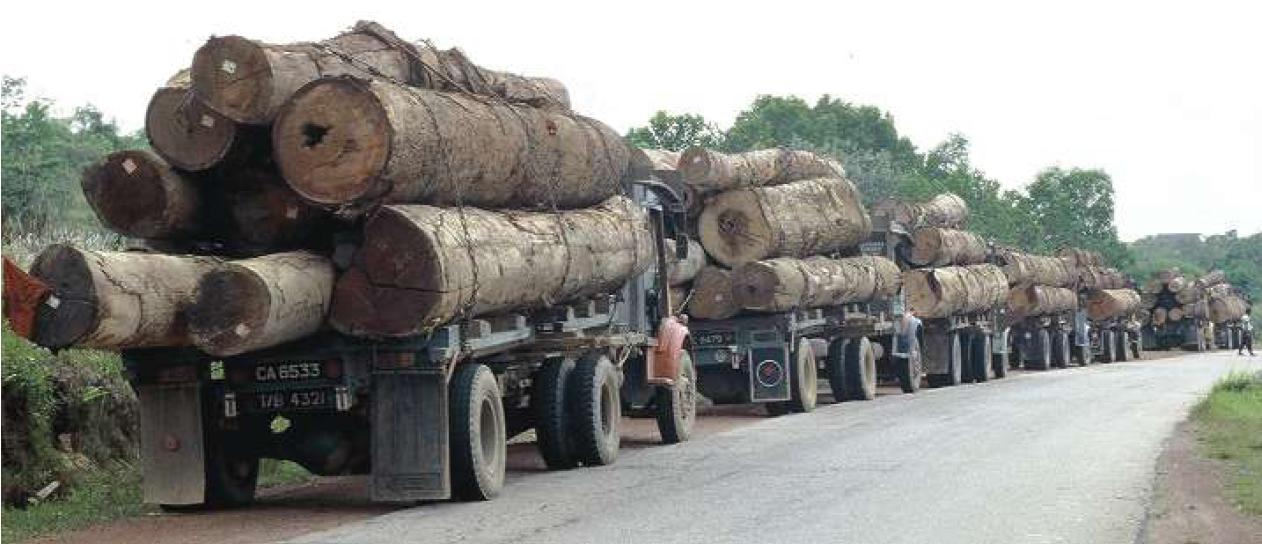
China’s explosive economic growth and environmental deterioration is also affecting other countries, especially those with timber, minerals or other resources that China wants. Today, more than half of the timber shipped anywhere in the world is destined for China–some 45 million m3 per year, an incredible total. Read the rest of this entry »


‘Amplify’ and ‘Lungs’ – William Laurance podcasts

1 04 2010

William Laurance has been here at the University of Adelaide for the past 4 days and has just left. He had a marathon talk-fest while here, and a very full social calendar. I bet he’s happy he’s back home so he can wind down a little.

Just a quick post to provide the links to the podcasts of his two public talks: “Amplify your Voice” and “Lungs of the Planet”, plus a radio interview he did yesterday on ABC.

The first public talk was split into two parts:

  1. How to be more prolific: strategies for writing and publishing scientific papers
  2. Further ways to maximise your scientific impact- interacting with the popular media and how to promote yourself

Part 1 MP3

Part 1 Slideshow

Part 2 MP3

Part 2 Slideshow

The other main talk ‘Lungs of our Planet’ was also in two bits (a more academically orientated one on Monday, and the public lecture on Wednesday):

  1. Emerging Challenges for Environmental Research in the Tropics
  2. Diagnosis critical – the lungs of the planet

Part 1 MP3

Part 1 Slideshow

Part 2 MP3

Part 2 Slideshow

And finally, the radio interview he did on ABC 891 Afternoons with Carole Whitelock (audio file courtesy of ABC 891, Afternoons with Carole Whitelock):

Enjoy!

CJA Bradshaw

Add to FacebookAdd to DiggAdd to Del.icio.usAdd to StumbleuponAdd to RedditAdd to BlinklistAdd to TwitterAdd to TechnoratiAdd to Yahoo BuzzAdd to Newsvine


Inbreeding does matter

29 03 2010

I’ve been busy with Bill Laurance visiting the University of Adelaide over the last few days, and will be so over the next few as well (and Bill has promised us a guest post shortly), but I wanted to get a post in before the week got away on me.

I’ve come across what is probably the most succinct description of why inbreeding depression is an important aspect of extinctions in free-ranging species (see also previous posts here and here) by Mr. Conservation Genetics himself, Professor Richard Frankham.

Way back in the 1980s (oh, so long ago), Russ Lande produced a landmark paper in Science arguing that population demography was a far more important driver of extinctions than reduced genetic diversity per se. He stated:

“…demography may usually be of more immediate importance than population genetics in determining the minimum viable size of wild populations”

We now know, however, that genetics in fact DO matter, and no one could put it better than Dick Frankham in his latest commentary in Heredity.

I paraphrase some of his main points below:

  • Controversy broke out in the 1970 s when it was suggested that inbreeding was deleterious for captive wildlife, but Ralls and Ballou (1983) reported that 41/44 mammal populations had higher juvenile mortality among inbred than outbred individuals.
  • Crnokrak and Roff (1999) established that inbreeding depression occurred in 90 % of the datasets they examined, and was similarly deleterious across major plant and animal taxa.
  • They estimated that inbreeding depression in the wild has approximately seven times greater impact than in captivity.
  • It is unrealistic to omit inbreeding depression from population viability analysis models.
  • Lande’s contention was rejected when Spielman et al. (2004) found that genetic diversity in 170 threatened taxa was lower than in related non-threatened taxa

Lande might have been incorrect, but his contention spawned the entire modern discipline of conservation genetics. Dick sums up all this so much more eloquently than I’ve done here, so I encourage you to read his article.

CJA Bradshaw

ResearchBlogging.orgFrankham, R. (2009). Inbreeding in the wild really does matter Heredity, 104 (2), 124-124 DOI: 10.1038/hdy.2009.155

Lande, R. (1988). Genetics and demography in biological conservation Science, 241 (4872), 1455-1460 DOI: 10.1126/science.3420403

Add to FacebookAdd to DiggAdd to Del.icio.usAdd to StumbleuponAdd to RedditAdd to BlinklistAdd to TwitterAdd to TechnoratiAdd to Yahoo BuzzAdd to Newsvine


Classics: Extinction from Climate Change

22 03 2010

© A. Wong

Amidst the mildly annoying, yet functionally irrelevant sensationalism of climate change politics, conservation biologists are taking the problem seriously and attempting to predict (and prevent) extinctions arising from a rapidly heating planet (see BraveNewClimate.com‘s excellent summary here, as well as his general category of ‘ecological impacts of climate change‘).

This week’s Conservation Classic describes the first high-impact paper to signal just how bad it biodiversity could fare from climate change alone (ignoring, for the moment, synergies with other drivers of extinction).

From about the 1990s onward, conservation biologists had been accumulating a large number of case studies quantifying the extent to which species had shifted in their geographic ranges, phenology and behaviour in response to a rapidly warming planet (Parmesan & Yohe 2003). Read the rest of this entry »


Classics: Mesopredator Release

17 03 2010

© J. Short

Although popularised by Crooks & Soulé (1999), Soulé et al. (1988) first gave us the term that described how entire ecosystems can become unbalanced by a reduction of a higher trophic-level predator exerting so-called ‘top-down’ control on the abundance of species occupying lower trophic levels.

The idea had theoretical support in ecology (Wright et al. 1994; Litvaitis & Villafuerte 1996), but it was not until Soulé and colleagues described how the decline of dominant predators combines with habitat fragmentation to release top-down pressure on smaller predators, thereby increasing predation rates on prey lower down the trophic web.

Crooks & Soulé (1999) described an example where the decline in coyotes (Canis latrans) in combination with urbanisation-driven habitat fragmentation led to an increase in cat (Felis catus) densities and the subsequent decline in scrub-breeding birds. More recent examples attest to the importance of the mesopredator release phenomenon: Myers et al. (2007) described how the decline in large coastal shark species has allowed mesopredator cownose rays (Rhinoptera bonasus) to increase, leading to a reduction in commercially important shellfish densities; and Johnson et al. (2007) showed how dingoes (Canis lupus dingo) in Australia suppress populations of exotic predators such as cats and foxes, leading to more locally abundant populations of native marsupials (see previous post).

Conservation biologists have benefited from this knowledge because we’ve realised that top-order predators affect far more than their immediate prey. These examples really hit home how a fully functional community is required for ecosystem stability, so we should strive to preserve complete complements of communities, not just our favourite species.

CJA Bradshaw

Add to FacebookAdd to DiggAdd to Del.icio.usAdd to StumbleuponAdd to RedditAdd to BlinklistAdd to TwitterAdd to TechnoratiAdd to Yahoo BuzzAdd to Newsvine


Bill Laurance coming to Adelaide

13 03 2010

We’ve got a real treat for biodiversity buffs scheduled for the end of March. Eminent (Distinguished, Famous, Respected… the list goes on) Professor William (Bill) Laurance is briefly leaving his tropical world and coming south to the temperate climes of Adelaide to regale us with his fascinating biodiversity research career.

Bill is a leading conservation biologist who has worked internationally on many high-profile threats to tropical forests—in the Amazon, Central America, Africa, and Australasia. A highly prolific scientist, to date he has published five books and over 300 scientific articles. Bill has recently commenced a position as Distinguished Research Professor at James Cook University and is involved with the Smithsonian Tropical Research Institute in Panama. He also happens to be the bloke that blew the lid open on the devastating effects of tropical fragmentation in the Amazon with some of the best long-term experiments ever done in conservation biology.

I’m personally very pleased for several reasons: (1) Although I have never met Bill in person yet, I’ve recently co-authored two papers with him (Wash and spin cycle threats to tropical biodiversity and Improving the performance of the Roundtable on Sustainable Palm Oil for nature conservation) and I’m keen to meet the man behind the pen; (2) we have had many email discussions (some of them rather heated!), so I’m keen to flesh some of these out over a nice glass of South Australian Shiraz; (3) he’s been a keen supporter of my work for years, and has given me many opportunities to get my research noticed; and (4) it’s high time to met one of ConservationBytes.com Conservation Scholars.

Bill has recently shifted shop from Panama (Smithsonian Tropical Research Institute) to Australia’s own James Cook University, and so we at the Environment Institute thought we should take advantage of his geographical disorientation and bring him down south for a while. But he’s going to have to sing for his supper, so he’s kindly agreed to give three talks in 3 days from 29-31 March 2010.

His first talk (on Monday 29 March) will be an in-house Environment Institute seminar, but the second two will be public events that I urge anyone remotely interested in biodiversity conservation research to attend. In fact, his Tuesday 30 March presentation (18.00-20.00 Napier G03, University of Adelaide) is even more generic than that, and word on the street is it is highly entertaining and extremely well attended wherever Bill’s is gracious enough to give it:

Amplify Your Voice: Keys to Having a Prolific Scientific Career (and Bill would know).

This will include (1) How to be more prolific: strategies for writing and publishing scientific papers and (2) Further ways to maximise your scientific impact – interacting with the popular media and how to promote yourself. Each topic will run for 50 minutes and will include 10 minutes for audience questions. A tea and coffee break will be held between sessions. Book here.

His second public talk on Wednesday 31 March (18.00-19.30 Napier 102, University of Adelaide) will be:

Diagnosis Critical | The lungs of our Planet

Here he will be discussing how the forests of our world are in crisis. Our drive for continued economic growth has had devastating consequences for the world’s ecosystems that provide critical human services. Our forests are a haven for countless plant and animal species that form the basis of ecological services, these services are the biological mechanisms that make the world our home. Book here.

So, if you have a couple of free nights at the end of the month and are in Adelaide, I strongly recommend you come out and see Bill do his thing.

CJA Bradshaw

Add to FacebookAdd to DiggAdd to Del.icio.usAdd to StumbleuponAdd to RedditAdd to BlinklistAdd to TwitterAdd to TechnoratiAdd to Yahoo BuzzAdd to Newsvine