Realising you’re a drunk is only the first step

11 05 2009

© A. Savchenko

© A. Savchenko

I recently did an interview for the Reef Tank blog about my research, ConservationBytes.com and various opinions about marine conservation in general. I’ve been on about ‘awareness’ raising in biodiversity conservation over the last few weeks (e.g., see last post), saying that it’s really only the first step. To use an analogy, alcoholics must first recognise and accept that they are indeed drunks with a problem before than can take the (infamous AA) steps to resolve it. It’s not unlike biodiversity conservation – I think much of the world is aware that our forests are disappearing, species are going extinct, our oceans are becoming polluted and devoid of fish, our air and soils are degraded to the point where they threaten our very lives, and climate change has and will continue to exacerbate all of these problems for the next few centuries at least (and probably for much longer).

We’ve admitted we have a disease, now let’s do something about it.

Read the full interview here.

CJA Bradshaw

Add to FacebookAdd to NewsvineAdd to DiggAdd to Del.icio.usAdd to StumbleuponAdd to RedditAdd to BlinklistAdd to Ma.gnoliaAdd to TechnoratiAdd to Furl


Plight of frogs

27 04 2009

I’m off to a conference shortly, so this will be brief.

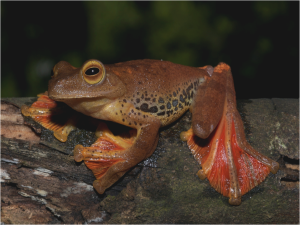
© D. Bickford
© D. Bickford

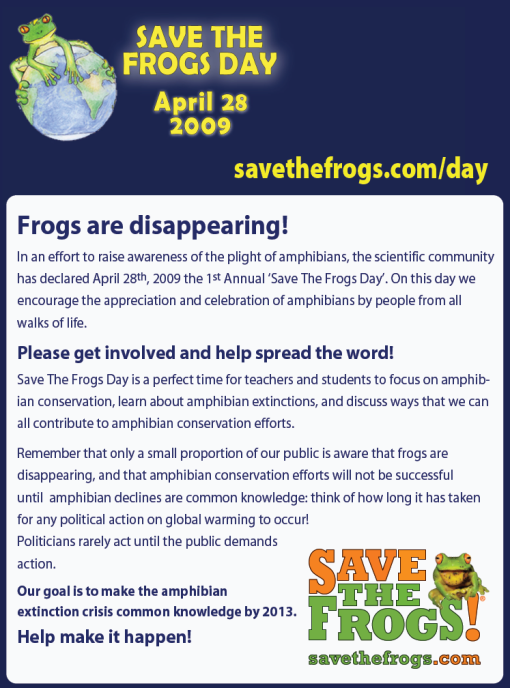
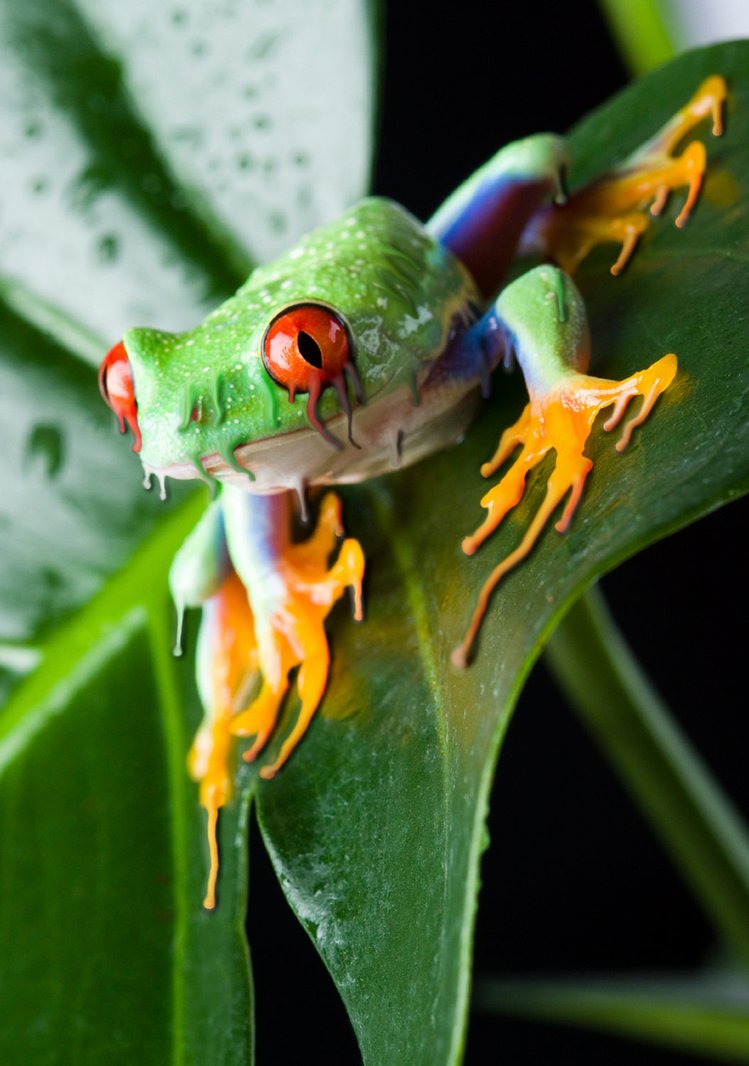
In an effort to raise awareness about the plight of amphibians (see previous posts on ConservationBytes.com regarding drivers of amphibian extinction risk and over-harvesting frogs for human consumption), the mob at SaveTheFrogs.com have initiated ‘Save The Frogs Day’ for tomorrow (28 April 2009).

I encourage people to get involved – there are some particularly good ideas for teachers and students found at the dedicated ‘Save The Frogs Day’ website.

CJA Bradshaw


No end in sight for tropical deforestation

20 04 2009

Just a quick one while I wade through the swamp of overdue deadlines.

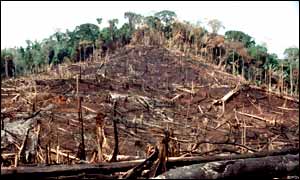
Despite years of conservation biologists telling the world about the woeful state of the world’s forests, the loss of essential ecosystem services and the biodiversity extinction crisis, it seems the message doesn’t really get out. I’m in a state of semi-shock about the following Reuters release on the potential deal to deforest 10 million hectares for agricultural expansion in the Republic of Congo. There isn’t a single mention of the deforestation aspects or what it will mean for the Congolese. Sure, turn your country (the last remaining large tracts of rainforest in Africa) into a paddock, and see how long your ‘food security’ lasts under climate change. From poor to destitute in a matter of decades.

South African farmers have been offered 10 million hectares of farm land to grow maize, soya beans as well as poultry and dairy farming in the Republic of Congo, South Africa’s main farmers union said on Wednesday.

The deal, which covers an area more than twice the size of Switzerland, could be one of the biggest such land agreements on the continent agreed by Congo’s government in an effort to improve food security, Theo de Jager, deputy president of Agriculture South Africa (AgriSA), told Reuters.

South Africa has one of the most developed agriculture sectors on the continent, and is Africa’s top maize producer and No.3 wheat grower.

“They’ve given us 10 million hectares, and that’s quite big when you consider that in South Africa we have about 6 million hectares of land that is arable,” De Jager told Reuters on the sidelines of an agriculture conference in Durban.

De Jager said the agreement — to be finalised in South Africa next month — would operate as a 99-year lease at no cost, with additional tax benefits.

“The offer which we got and we’ve agreed on paper, is a 99-year lease, of which the value would be zero and it’s not allowed to escalate over the 99 years. So it is free use for 99 years,” he said.

The Republic of the Congo’s population of around 4 million people is concentrated in the southwest, leaving the vast areas of tropical jungle in the north virtually uninhabited.

De Jager said some 1,300 South African farmers were keen to farm in the Congo Republic.

“We have two groups of farmers who are interested, one of farmers who want to leave South Africa and relocate entirely to farm over there and another of farmers who want to diversify their farming operations to the Congo,” he said.

“We’ve got guys wanting to get into poultry and dairy farming, as well as maize and soya bean production.”

TAX HOLIDAYS

“It is a tax holiday for the first five years and you’re also exempted from import tax on all your agricultural inputs and equipment,” he said.

“So you can import directly from the source and take all your profits out for the duration of this lease,” he said.

He said there was a government-to-government bilateral agreement on the promotion and protection of investments.

“There are also rules for disengagement, for example if they find oil or minerals on your farm they can move you off, but compensate you for the loss of income and they must give you land to the same value or more in a different area,” he said.

De Jager said food in Congo was expensive because the country lacks an established agriculture sector and most of its foodstuff is imported.

“On their side, (the Congo government) is promising the Congolese that they will be self-sufficient in food production in five years, and the way they want to do it is by importing, according to them, high technology farmers,” De Jager said.

South African farmers had also been invited to farm in Mozambique, Angola, Nigeria, Libya, Kenya, Democratic Republic of Congo, Malawi and Zambia, he said.


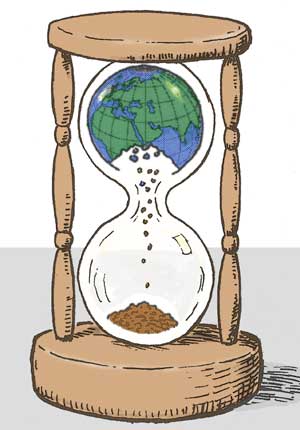
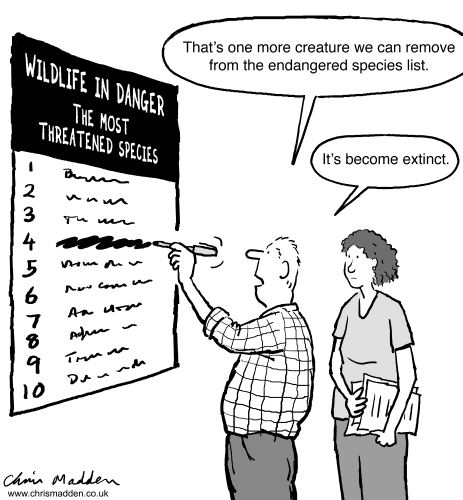
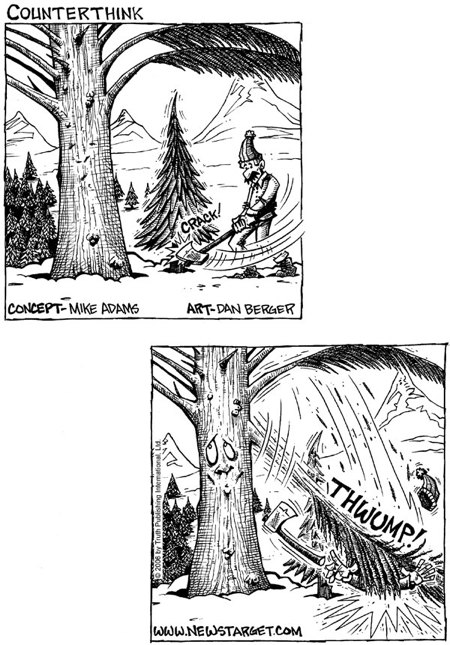
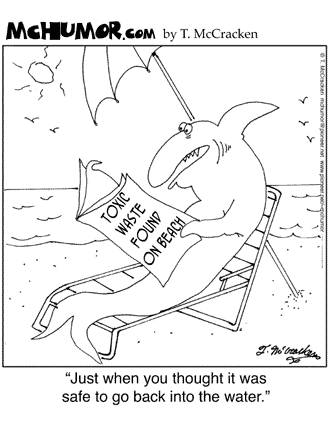
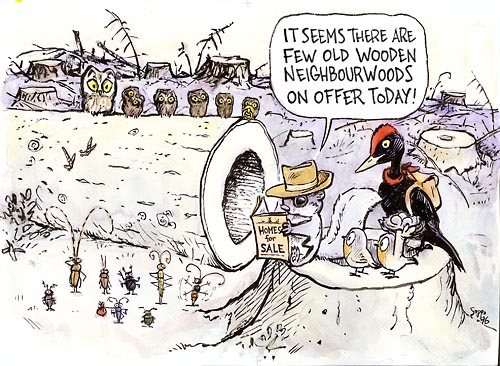
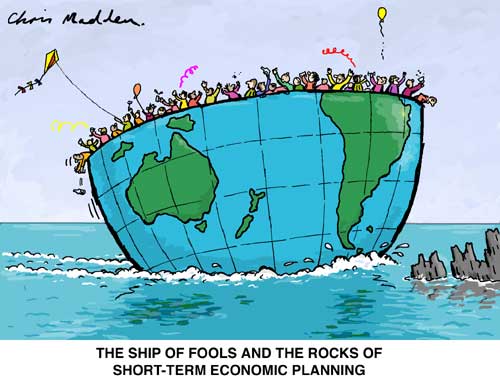
Cartoon guide to biodiversity loss IV

15 04 2009

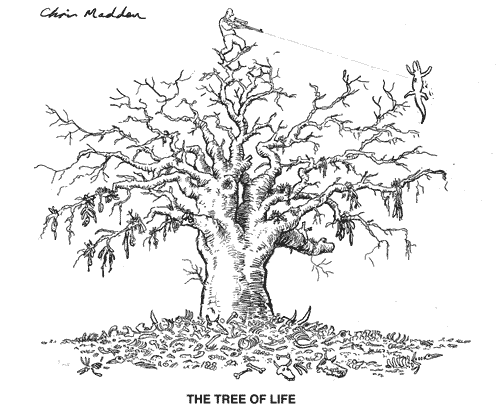
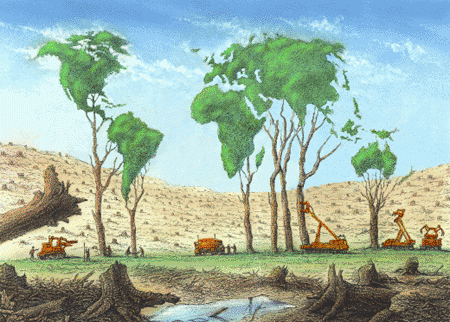
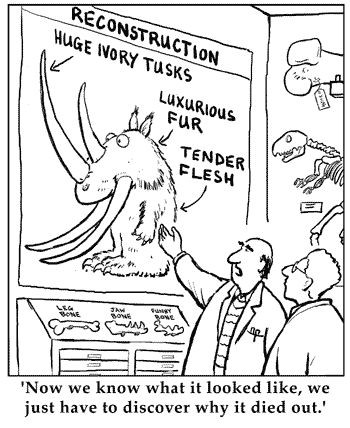
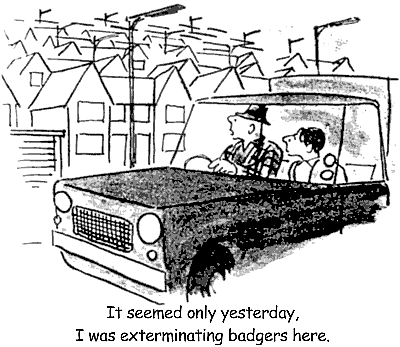
And the most degraded and self-flagellating humour on Earth continues (see also previous instalments here, here and here) …

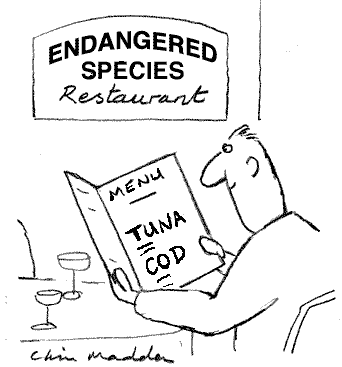
cartoonenvironment_cartoon_7030

hourglass-earth

5765_shark_cartoon

CJA Bradshaw

Add to FacebookAdd to NewsvineAdd to DiggAdd to Del.icio.usAdd to StumbleuponAdd to RedditAdd to BlinklistAdd to Ma.gnoliaAdd to TechnoratiAdd to Furl


Band-aid approach to fix ecological and economic ruin

10 04 2009

An excellent article by Andrew Simms (policy director of the New Economics Foundation) posted by the BBC:

It is like having a Commission on Household Renovation agonise over which expensive designer wallpaper to use for papering over plaster cracks whilst ignoring the fact that the walls themselves are collapsing on subsiding foundations.

While most governments’ eyes are on the banking crisis, a much bigger issue – the environmental crisis – is passing them by, says Andrew Simms. In the Green Room this week, he argues that failure to organise a bailout for ecological debt will have dire consequences for humanity.

“Nature Doesn’t Do Bailouts!” said the banner strung across Bishopsgate in the City of London.

Civilisation’s biggest problem was outlined in five words over the entrance to the small, parallel reality of the peaceful climate camp. Their tents bloomed on the morning of 1 April faster than daisies in spring, and faster than the police could stop them.

Across the city, where the world’s most powerful people met simultaneously at the G20 summit, the same problem was almost completely ignored, meriting only a single, afterthought mention in a long communiqué.

World leaders dropped everything to tackle the financial debt crisis that spilled from collapsing banks.

Gripped by a panic so complete, there was no policy dogma too deeply engrained to be dug out and instantly discarded. We went from triumphant, finance-driven free market capitalism, to bank nationalisation and moving the decimal point on industry bailouts quicker than you can say sub-prime mortgage.

But the ecological debt crisis, which threatens much more than pension funds and car manufacturers, is left to languish.

It is like having a Commission on Household Renovation agonise over which expensive designer wallpaper to use for papering over plaster cracks whilst ignoring the fact that the walls themselves are collapsing on subsiding foundations.

Read the rest of this entry »


Tropical Turmoil II

8 03 2009

In August last year I covered a paper my colleagues (Navjot Sodhi and Barry Brook) and I had in press in Frontiers in Ecology and the Environment entitled Tropical turmoil – a biodiversity tragedy in progress. The paper is now available in the March 2009 issue of the journal (click here to access). We were also fortunate enough to grab the front cover (shown here) and have a dedicated podcast that you can listen to by clicking here about the paper and its findings. I encourage ConservationBytes.com readers to have a listen if they’re interested in learning more about the woeful state of tropical biotas worldwide, and maybe some ways to rectify the problems. The intro to the podcast can be viewed by clicking here.

CJA Bradshaw


Cartoon guide to biodiversity loss III

24 02 2009

Some more (see previous ‘Cartoon Guide’ instalments I and II) comedic reminders of humanity’s environmental short-sightedness.

The Call of The Wild

CJA Bradshaw

Add to FacebookAdd to NewsvineAdd to DiggAdd to Del.icio.usAdd to StumbleuponAdd to RedditAdd to BlinklistAdd to Ma.gnoliaAdd to TechnoratiAdd to Furl


Rare just tastes better

11 02 2009

I had written this a while ago for publication, but my timing was out and no one had room to publish it. So, I’m reproducing it here as an extension to a previous post (That looks rare – I’ll kill that one).

As the international market for luxury goods expands in value, extent and diversity of items (Nueno & Quelch 1998), the world’s burgeoning pool of already threatened species stands to worsen. Economic theory predicts that harvested species should eventually find refuge from over-exploitation because it simply becomes too costly to find the last remaining wild individuals (Koford & Tschoegl 1998). However, the self-reinforcing cycle of human greed (Brook & Sodhi 2006) can make rare species increasingly valuable to a few select consumers such that mounting financial incentives drive species to extinction (Courchamp et al. 2006). The economic and ecological arguments are compelling, but to date there has been little emphasis on how the phenomenon arises in the human thought process, nor how apparently irrational behaviour can persist. Gault and colleagues (2008) have addressed this gap in a paper published recently in Conservation Letters by examining consumer preferences for arguably one of the most stereotypical luxury food items, caviar from the 200-million-year-old sturgeon (Acipenser spp.).

Sturgeon (6 genera) populations worldwide are in trouble, with all but two of the 27 known species threatened with extinction (either Near Threatened, Vulnerable, Endangered or Critically Endangered) according to the International Union for Conservation of Nature and Natural Resources’ (IUCN) Red List of Threatened Species. Despite all 27 species also having strict international trade restrictions imposed by the Convention on International Trade in Endangered Species (CITES) (Gault et al. 2008), intense commercial pressure persists for 15 of these at an estimated global value exceeding US$200 million annually (Pikitch et al. 2005). The very existence of the industry itself and the luxury good it produces are therefore, at least for some regions, unlikely to endure over the next decade (Pala 2007). What drives such irrational behaviour and why can we not seem to prevent such coveted species from spiralling down the extinction vortex?

Gault and colleagues addressed this question specifically in an elegantly simple set of preference experiments targeting the very end-consumers of the caviar production line – French connoisseurs. Some particularly remarkable results were derived from presentations of identical caviar; 86 % of attendees of luxury receptions not only preferred falsely labelled ‘rarer’ Siberian caviar (A. baeri) after blind tasting experiments, they also scored what they believed was caviar from the rarer species as having a higher ‘gustative quality’. These high-brow results were compared to more modest consumers in French supermarkets, with similar conclusions. Not only were unsuspecting gourmands fooled into believing the experimental propaganda, subjects in both cases stated a preference for seemingly rarer caviar even prior to tasting.

The psycho-sociological implications of perceived rarity are disturbing themselves; but Gault and colleagues extended their results with a mathematical game theory model demonstrating how irrational choices drive just such a harvested species to extinction. The economic implications of attempting to curb exploitation as species become rarer when the irrationality of perceived rarity was taken into consideration were telling – there is no payoff in delaying exploitation as more and more consumers are capable of entering the market. In other words, the assumption that consumers apply a positive temporal discount rate to their payoff (Olson & Bailey 1981) is wrong, with the demographic corollary that total depletion of the resource ensues. The authors contend that such artificial value may drive the entire luxury goods market based mainly on the self-consciousness and social status of consumers able to afford these symbols of affluence.

The poor record of species over-exploitation by humans arising from the Tragedy of the Commons (Hardin 1968) is compounded by this new information. This anthropogenic Allee effect (Courchamp et al. 2006) provides a novel example mechanism for how small populations are driven ever-downward because low densities ensure declining fitness. Many species may follow the same general rules, from bluefin tuna, Napoleon wrasse lips and shark fins, to reptile skins and Tibetan antelope woollen shawls. Gault and colleagues warn that as the human population continues to expand and more people enter the luxury-goods market, more wildlife species will succumb to this Allee effect-driven extinction vortex.

The authors suggest that a combination of consumer education and the encouragement of farmed substitute caviar will be more effective than potentially counter-productive trading bans that ultimately encourage illegal trade. However, the preference results suggest that education might not promote positive action given that reluctance of affluent consumers to self-limit. I believe that the way forward instead requires a combination of international trade bans, certification schemes for ‘sustainable’ goods that flood markets to increase supply and reduce price, better controls on point-of-origin labelling, and even state-controlled ‘warning’ systems to alert prospective consumers that they are enhancing the extinction risk of the very products they enjoy. A better architecture for trading schemes and market systems that embrace long-term persistence can surely counteract the irrationality of the human-induced destruction of global ecosystem services. We just need to put our minds and pocketbooks to the task.

CJA Bradshaw

Add to FacebookAdd to NewsvineAdd to DiggAdd to Del.icio.usAdd to StumbleuponAdd to RedditAdd to BlinklistAdd to Ma.gnoliaAdd to TechnoratiAdd to Furl


Cloning for conservation – stupid and wasteful

5 02 2009
© J. F. Jaramillo

© J. F. Jaramillo

I couldn’t have invented a better example of a Toothless conservation concept.

I just saw an article in the Independent (UK) about cloning for conservation that has rehashed the old idea yet again – while there was some interesting thoughts discussed, let’s just be clear just how stupidly inappropriate and wasteful the mere concept of cloning for biodiversity conservation really is.

1. Never mind the incredible inefficiency, the lack of success to date and the welfare issues of bringing something into existence only to suffer a short and likely painful life, the principal reason we should not even consider the technology from a conservation perspective (I have no problem considering it for other uses if developed responsibly) is that you are not addressing the real problem – mainly, the reason for extinction/endangerment in the first place. Even if you could address all the other problems (see below), if you’ve got no place to put these new individuals, the effort and money expended is an utter waste of time and money. Habitat loss is THE principal driver of extinction and endangerment. If we don’t stop and reverse this now, all other avenues are effectively closed. Cloning won’t create new forests or coral reefs, for example.

I may as well stop here, because all other arguments are minor in comparison to (1), but let’s continue just to show how many different layers of stupidity envelop this issue.

2. The loss of genetic diversity leading to inbreeding depression is a major issue that cloning cannot even begin to address. Without sufficient genetic variability, a population is almost certainly more susceptible to disease, reductions in fitness, weather extremes and over-exploitation. A paper published a few years ago by Spielman and colleagues (Most species are not driven to extinction before genetic factors impact them) showed convincingly that genetic diversity is lower in threatened than in comparable non-threatened species, and there is growing evidence on how serious Allee effects are in determining extinction risk. Populations need to number in the 1000s of genetically distinct individuals to have any chance of persisting. To postulate, even for a moment, that cloning can artificially recreate genetic diversity essential for population persistence is stupidly arrogant and irresponsible.

3. The cost. Cloning is an incredibly costly business – upwards of several millions of dollars for a single animal (see example here). Like the costs associated with most captive breeding programmes, this is a ridiculous waste of finite funds (all in the name of fabricated ‘conservation’). Think of what we could do with that money for real conservation and restoration efforts (buying conservation easements, securing rain forest property, habitat restoration, etc.). Even if we get the costs down over time, cloning will ALWAYS be more expensive than the equivalent investment in habitat restoration and protection. It’s wasteful and irresponsible to consider it otherwise.

So, if you ever read another painfully naïve article about the pros and cons of cloning endangered species, remember the above three points. I’m appalled that this continues to be taken seriously!

CJA Bradshaw

Add to FacebookAdd to NewsvineAdd to DiggAdd to Del.icio.usAdd to StumbleuponAdd to RedditAdd to BlinklistAdd to Ma.gnoliaAdd to TechnoratiAdd to Furl


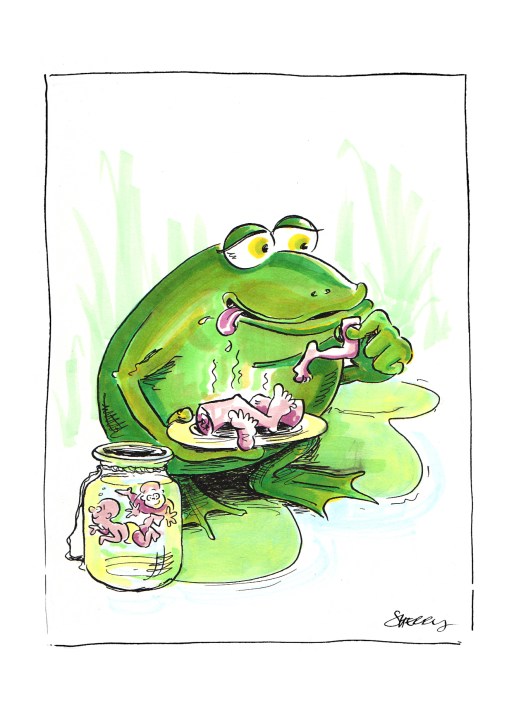
Cartoon guide to biodiversity loss II: frog legs

1 02 2009

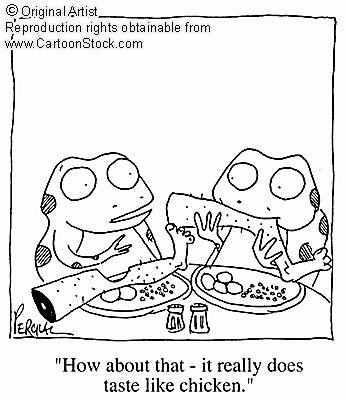
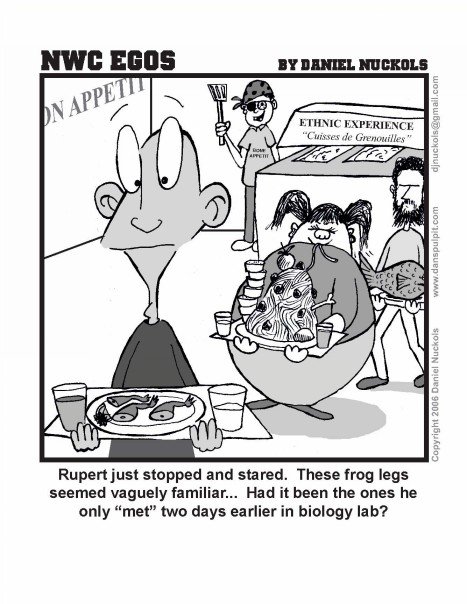
I couldn’t resist this. Given the enormous response to our soon-to-be-published paper in Conservation Biology entitled Eating frogs to extinction by Warkentin, Bickford, Sodhi & Bradshaw (view post How many frogs do we eat?), I just had to put these up. Enjoy this subclass of biodiversity loss cartoons for what they are worth.

CJA Bradshaw

Add to FacebookAdd to NewsvineAdd to DiggAdd to Del.icio.usAdd to StumbleuponAdd to RedditAdd to BlinklistAdd to Ma.gnoliaAdd to TechnoratiAdd to Furl


Cartoon guide to biodiversity loss

30 01 2009

I’m taking Barry Brook‘s great idea on the Cartoon Guide to Global Warming Denial and applying it to biodiversity and habitat loss.

There are a lot of these sorts of things out there (amazing how we laugh at tragedy), so I will probably do subsequent posts as I find good candidates (suggestions welcome).

ucs-cartoonearthbin

CJA Bradshaw

Add to FacebookAdd to NewsvineAdd to DiggAdd to Del.icio.usAdd to StumbleuponAdd to RedditAdd to BlinklistAdd to Ma.gnoliaAdd to TechnoratiAdd to Furl


How many frogs do we eat?

20 01 2009

IMG_20130209_141200A paper that my colleagues and I wrote soon to appear in Conservation Biology describes the massive worldwide trade in frog parts for human consumption. I bet you had no idea…

This report from New Scientst:

Are frogs being eaten to extinction? We’re used to hearing about how disease, climate change, and habitat degradation are endangering amphibians, but conservationists are warning that frogs could be going the same way as the cod. Gastronomic demand, they report, is depleting regional populations to the point of no return.

David Bickford of the National University of Singapore and colleagues have called for more regulation and monitoring in the global frog meat market in order to avoid species being “eaten to extinction”.

Statistics on imports and exports of frog legs are sparse as few countries keep track of the amount of meat harvested and consumed domestically.

According to UN figures, global trade has increased in the past 20 years. France – not surprisingly – and the US are the two largest importers; with France importing between 2500 and 4000 tonnes of frog meat each year since 1995.

But although frog legs are often thought of in the West as a quintessentially French dish, they are also very popular in Asia.

Bickford estimates that between 180 million to over a billion frogs are harvested each year. “That is based on both sound data and an estimate of local consumption for just Indonesia and China,” he says. “The actual number I suspect is quite a bit larger and my 180 million bare minimum is almost laughably conservative.”
Local depletion

Even top French chefs may be unaware of where their frogs are coming from. Bruno Stril, teaching chef at the Cordon Bleu school in Paris, France, is unsure where his suppliers source their frog legs. “I would like for them to come from France,” he says. But he expects that most of the meat comes from other countries.

Stril is on the right track. Indonesia is the world’s largest exporter of frog meat, exporting more than 5000 tonnes of frog meat each year, mostly to France, Belgium and Luxemburg.

Bickford and colleagues say European kitchens initially found their own supplies in the surrounding countryside, but the fact that they are now importing from Asia suggests local populations were over-harvested. This, they say, could be a sign that frog populations, like many fish populations, will be harvested to near extinction.

“Overexploitation in the seas has caused a chain reaction of fisheries collapses around the world,” the researchers write. “This experience should motivate better management of other exploited wild populations.”
Anonymous legs

James Collins, of the World Conservation Union, says the Californian red-legged frog offers some evidence for the theory. This species was first harvested for food in the 19th-century California gold rush and eventually the population began to crash.

However, Collins cautions that “at the moment we have no data indicating that commercial exploitation has led to the extinction of any amphibian species.” He says the Bickford team’s evidence is worrisome, but inconclusive.

Most harvested frogs are skinned, butchered and frozen before being shipped overseas. This makes it difficult to know exactly what species are being killed. Indonesia is thought to mostly export crab-eating frogs, giant Jana frogs, and American bullfrogs. How much meat is consumed within Indonesia’s borders is also something of a mystery. Some studies suggest it could be between two and seven times what is exported.

“There are a hell of a lot of frogs being eaten,” says Bickford. “Much more than most people have a clue about.”

Original article soon to appear: Warkentin, IG, D Bickford, NS Sodhi, CJA Bradshaw. 2009. Eating frogs into extinction. Conservation Biology DOI: 10.1111/j.1523-1739.2008.01165.x

Add to FacebookAdd to NewsvineAdd to DiggAdd to Del.icio.usAdd to StumbleuponAdd to RedditAdd to BlinklistAdd to Ma.gnoliaAdd to TechnoratiAdd to Furl


Measuring the amphibian meltdown

9 01 2009

melting_frog_by_zarinstar.pngA paper my colleagues and I published earlier last year in the open-access journal PLoS One describes one of the largest databases of amphibian threat risk ever compiled. Our main aims were to determine which factors drive amphibians toward extinction – this being especially topical considering that amphibians epitomise the modern biodiversity crisis: major population declines, disease outbreaks, deformities and recent confirmed extinctions dominate the biodiversity news. 32 % of all amphibians worldwide are threatened with extinction, 43 % of described species are declining, and about 160 species have already gone extinct in the last few decades.

In our paper (Sodhi and colleagues) entitled Measuring the meltdown: drivers of global amphibian extinction and decline, we found that the range size occupied by a species was overwhelmingly the principal driver of threat risk. This means that although other factors are involved, the number one (by far and away) thing threatening amphibians is habitat loss – everything else is minor by comparison.

Of course, we shouldn’t ignore other issues – increasing climate seasonality (temperature and precipitation) also contributed to higher threat risk. This is exactly the sort of thing that is predicted to increase with climate change (more variable weather patterns). In many cases, it’s the variability that’s worse than the mean trend when it comes to biodiversity.

So what should we do? Our results suggest that areas containing high numbers of restricted-range amphibians should have conservation priority. Although captive breeding might help to buffer some declining populations in the short term, such interventions cannot substitute for habitat protection and restoration. The synergies between ecological/life history traits and environmental conditions demonstrate how management must address each of the major drivers of decline together for any success – there is no magic bullet to prevent extinctions. We also recommend that substantial increases in international research on the long-term monitoring of amphibian populations is required to mitigate effectively the current meltdown of amphibian biodiversity.

CJA Bradshaw

Add to FacebookAdd to NewsvineAdd to DiggAdd to Del.icio.usAdd to StumbleuponAdd to RedditAdd to BlinklistAdd to Ma.gnoliaAdd to TechnoratiAdd to Furl


Man bites shark

7 01 2009

cut-shark-finYesterday I had a comment piece of the same title posted on the ABC‘s Unleashed site. I have permission to reproduce it here on ConservationBytes.com.

The silly season is upon us again, and I don’t mean the commercial frenzy, the bizarre fascination with a white-bearded man or a Middle-Eastern baby, the over-indulgence at the barbie or hangovers persisting several days into the New Year. I mean it’s the time of year when beach-goers, surfers, and municipal and state policy makers go a bit ga-ga over sharks.

There are few more polite pleasures than heading down to the beach during the holidays for a surf, quick dip or just a laze under the brolly. Some would argue it’s an inalienable Australian right and that anything getting in our way should be condemned to no less than severe retribution. Well, in the case of sharks, that’s exactly what’s happened.

Apart from a good number of adrenalin-addicted surfers and mad marine scientists, most people are scared shitless by the prospect of even seeing a shark near the beach, let alone being bitten or eaten by one. I won’t bore you with some ill-advised, pseudo-psycho-analytical rant about how it’s all the fault of some dodgy 1970s film featuring a hypertrophied American shark; the simple fact is that putative prey don’t relish the thought of becoming a predator’s dinner.

So, Australia is famous for its nearly 100-year-old pioneering attempt to protect marine bathers from shark attack by setting an elaborate array of shark nets around the country’s more frequented beaches. Great, you say? Well, it’s actually not that nice.

Between December 1990 and April 2005, nearly 3500 sharks and rays were caught in NSW beach nets alone, of which 72 per cent were found dead. Shark spearing was a favourite past-time in the 1960s and 1970s, with at least one high-profile species, the grey nurse shark, gaining the dubious classification of Critically Endangered as a result. Over-fishing of reef sharks has absolutely hammered two formerly common species in the Great Barrier Reef, the whitetip and grey reef sharks (See the Ongoing Collapse of Coral-Reef Shark Populations report). And illegal Indonesian fishing in northern Australia is slowly depleting many shark species in a wave of protein mining that has now penetrated the Australian Exclusive Economic Zone.

Despite the gloomy outlook for sharks, I’m happy to say today that we are a little more aware of their plight and are making baby steps toward addressing the problems. Australia has generally fared better in shark conservation than most other parts of the world, even though we still have a lot of educating to do at home. Over 50 per cent of all chondrichthyans (i.e., sharks, rays and chimaeras) are threatened worldwide, with some of the largest and most wide-ranging species being hardest hit, including white sharks. The most common threat is over-fishing, but this is largely seen by the lay person as of little import simply because of the persistent attitude that “the only good shark is a dead shark”.

The attitude is, however, based on a complete furphy. I’m sure many readers would have seen some statistics like the following before, but let’s go through the motions just to be clear. Dying from or even being injured by a shark is utterly negligible. Based on the International Shark Attack File data for Australia, there were 110 confirmed (unprovoked) shark attacks in Australian waters between 1990 and 2007, of which 19 were fatal. Using Australian Bureau of Statistics human population data over the same period, this equates to an average of 0.032 attacks and 0.006 fatalities per 100,000 people, with no apparent trend over the last two decades.

Now let’s contrast. I won’t patronise you with strange comparative statistics like the probability of being killed by a (provoked) vending machine or by being hit by a bus, they are both substantially greater, but I will relate these figures to water-based activities. Drowning statistics for Australia (1992-1997) show that there were around 1.44 deaths per 100,000 people per year, or approximately 0.95 if just marine-related drownings are considered. These values are 240 (158 for marine-only) times higher than those arising from shark attack.

It’s just plainly, and mathematically, ridiculous to be worried about being eaten by a shark when swimming in Australia, whether or not there’s a beach net in place. The effort made, money spent and anxiety arising from the illogical fear that a shark will consider your sunburnt flesh a tasty alternative to its fishier sustenance is not only regrettable, it’s an outright crime against marine biodiversity. Of course, if you see a big shark lurking around your favourite beach, I wouldn’t recommend swimming over and giving it a friendly pat on the dorsal fin, but I wouldn’t recommend screaming that the marine equivalent of the apocalypse has just arrived either.

You may not be fussed either way, but consider this – the massive reduction in sharks worldwide is having a cascading effect on many of the ocean’s complex marine ecosystems. Being largely carnivorous, sharks are the ecological equivalent of community planners. Without them, herbivorous or coral-eating fish can quickly get out of control and literally destroy the food web. A great example comes from the Gulf of Mexico where the serial depletion of 14 species of large sharks has caused an explosion of the smaller cownose ray that formerly was kept in check by its bigger and hungrier cousins. The result: commercially harvested scallops in the region have now collapsed because of the hordes of shellfish-eating rays.

The day you fail to find sharks cruising your favourite beach is the day you should really start to worry.

CJA Bradshaw

Add to FacebookAdd to NewsvineAdd to DiggAdd to Del.icio.usAdd to StumbleuponAdd to RedditAdd to BlinklistAdd to Ma.gnoliaAdd to TechnoratiAdd to Furl


Classics: the Allee effect

22 12 2008

220px-Vortex_in_draining_bottle_of_waterAs humanity plunders its only home and continues destroying the very life that sustains our ‘success’, certain concepts in ecology, evolution and conservation biology are being examined in greater detail in an attempt to apply them to restoring at least some elements of our ravaged biodiversity.

One of these concepts has been largely overlooked in the last 30 years, but is making a conceptual comeback as the processes of extinction become better quantified. The so-called Allee effect can be broadly defined as a “…positive relationship between any component of individual fitness and either numbers or density of conspecifics” (Stephens et al. 1999, Oikos 87:185-190) and is attributed to Warder Clyde Allee, an American ecologist from the early half of the 20th century, although he himself did not coin the term. Odum referred to it as “Allee’s principle”, and over time, the concept morphed into what we now generally call ‘Allee effects’.

Nonetheless, I’m using Allee’s original 1931 book Animal Aggregations: A Study in General Sociology (University of Chicago Press) as the Classics citation here. In his book, Allee discussed the evidence for the effects of crowding on demographic and life history traits of populations, which he subsequently redefined as “inverse density dependence” (Allee 1941, American Naturalist 75:473-487).

What does all this have to do with conservation biology? Well, broadly speaking, when populations become small, many different processes may operate to make an individual’s average ‘fitness’ (measured in many ways, such as survival probability, reproductive rate, growth rate, et cetera) decline. The many and varied types of Allee effects can work together to drive populations even faster toward extinction than expected by chance alone because of self-reinforcing feedbacks (see also previous post on the small population paradigm). Thus, ignorance of potential Allee effects can bias everything from minimum viable population size estimates, restoration attempts and predictions of extinction risk.

A recent paper in the journal Trends in Ecology and Evolution by Berec and colleagues entitled Multiple Allee effects and population management gives a more specific breakdown of Allee effects in a series of definitions I reproduce here for your convenience:

Allee threshold: critical population size or density below which the per capita population growth rate becomes negative.

Anthropogenic Allee effect: mechanism relying on human activity, by which exploitation rates increase with decreasing population size or density: values associated with rarity of the exploited species exceed the costs of exploitation at small population sizes or low densities (see related post).

Component Allee effect: positive relationship between any measurable component of individual fitness and population size or density.

Demographic Allee effect: positive relationship between total individual fitness, usually quantified by the per capita population growth rate, and population size or density.

Dormant Allee effect: component Allee effect that either does not result in a demographic Allee effect or results in a weak Allee effect and which, if interacting with a strong Allee effect, causes the overall Allee threshold to be higher than the Allee threshold of the strong Allee effect alone.

Double dormancy: two component Allee effects, neither of which singly result in a demographic Allee effect, or result only in a weak Allee effect, which jointly produce an Allee threshold (i.e. the double Allee effect becomes strong).

Genetic Allee effect: genetic-level mechanism resulting in a positive relationship between any measurable fitness component and population size or density.

Human-induced Allee effect: any component Allee effect induced by a human activity.

Multiple Allee effects: any situation in which two or more component Allee effects work simultaneously in the same population.

Nonadditive Allee effects: multiple Allee effects that give rise to a demographic Allee effect with an Allee threshold greater or smaller than the algebraic sum of Allee thresholds owing to single Allee effects.

Predation-driven Allee effect: a general term for any component Allee effect in survival caused by one or multiple predators whereby the per capita predation-driven mortality rate of prey increases as prey numbers or density decline.

Strong Allee effect: demographic Allee effect with an Allee threshold.

Subadditive Allee effects: multiple Allee effects that give rise to a demographic Allee effect with an Allee threshold smaller than the algebraic sum of Allee thresholds owing to single Allee effects.

Superadditive Allee effects: multiple Allee effects that give rise to a demographic Allee effect with an Allee threshold greater than the algebraic sum of Allee thresholds owing to single Allee effects.

Weak Allee effect: demographic Allee effect without an Allee threshold.

For even more detail, I suggest you obtain the 2008 book by Courchamp and colleagues entitled Allee Effects in Ecology and Conservation (Oxford University Press).

CJA Bradshaw

Add to FacebookAdd to NewsvineAdd to DiggAdd to Del.icio.usAdd to StumbleuponAdd to RedditAdd to BlinklistAdd to Ma.gnoliaAdd to TechnoratiAdd to Furl

(Many thanks to Salvador Herrando-Pérez for his insight on terminology)


Foiling the frog-killing fungus

15 12 2008

© F. Brem

© F. Brem

Something I picked up the other day that is an interesting application of ecology and engineering – extreme interventions like this may become more and more necessary, especially for particularly vulnerable taxa like amphibians. This one from New Scientist:

A fungal disease is decimating amphibian populations around the world, and so far the only way to save a species at risk is to remove individuals from the wild. Is it time to try taking out the disease as well?

So far the majority of amphibian conservation efforts have focused on identifying species at high risk of extinction, and establishing captive breeding programmes in biosecure units where they will be protected from Batrachochytrium dendrobatidis Bd, the chytrid fungus that is responsible for the devastating scourge.

“The immediate response has been the right one: to get species that are at risk into captivity,” says Trent Garner of the Institute of Zoology in London. However, he adds, “we’re potentially missing out on some very important species” because, inevitably, some are prioritised over others.

Now an alternative strategy is emerging, which many had previously thought impossible: to reduce the amount of Bd in the wild, and perhaps even to enable amphibians to survive alongside it.

In lab experiments, Garner and colleagues have shown that it is possible to cure tadpoles infected with Bd by bathing them in the antifungal drug itraconazole for 5 minutes a day for seven days. “Even using extremely low doses, we showed that you can eliminate Bd from tadpoles,” says Garner, who presented his results at a meeting on amphibian decline at the Zoological Society of London last week.


Addressing biodiversity decline at home

30 11 2008

© CJA Bradshaw

© CJA Bradshaw

I was recently invited to sit on a panel organised by the Conservation Council of South Australia (CCSA) to discuss issues of marine and coastal conservation under a rapidly changing climate. The results of that will be released soon (I’ll blog about that later), but in the interim, I want to highlight to readers of ConservationBytes.com how the CCSA is setting up the challenge to local governments to implement positive steps forward for the conservation of biodiversity in South Australia. I’m reproducing the executive summary of their Summit Report on Biodiversity in a Changing Climate (download full report here). It’s a good example of how we can all (industry, government, academia) work together to promote our own well-being.

…South Australia’s biodiversity is declining at an alarming rate. It has been suggested by scientists that it will take many millions of years for biodiversity to recover from the impacts of humans over the last 200 years. In South Australia the key threat to biodiversity is land clearance; clearance of remnant native vegetation and subsequent fragmentation of habitat for native fauna species. Other key threats to biodiversity in South Australia include:

  • Habitat fragmentation from development
  • Competition from introduced flora
  • Predation by introduced animals
  • Direct competition for food, shelter and resources from introduced fauna
  • Introduced diseases
  • Collection of firewood from remnant vegetation
  • Altered fire regimes
  • Inappropriate grazing/overgrazing
  • Inappropriate management activities
  • Water extraction/pollution
  • Climate change – including increasing oceanic temperatures and acidification

Much of South Australia’s economy is based on the use of biological resources and the need to maintain ecosystem services. This includes activities such as tourism and recreation, nature conservation, pastoralism, agriculture, horticulture, and forestry which all benefit from healthy ecosystems.

Our primary production systems require biodiversity for pest control/management, soil conservation, enhanced productivity and stabilisation, pollination, salinity amelioration, and water purification.

To address and reverse current biodiversity trends our society must recognise, understand and value biodiversity. Land managers, indigenous communities, local industries, government and the broader community may value biodiversity in different ways, however conservation and effective management of biodiversity is essential to ensure the continuation of these values for future generations. Biodiversity values may include:

  • Production value for the provision of food, medicines, clothing and building materials consumed by society
  • Ecosystem services for the maintenance of ecosystem services (natural storing and cycling of nutrients, stabilising soil formation, protection of water resources and breakdown of pollution), and maintenance of biodiversity
  • Socio-economic value for recreation, research, education and monitoring, and cultural values
  • Future value to maintain the capacity to identify future direct or indirect utilitarian value

The South Australian government has recognised the significance of biodiversity through integrated approaches such as the National Strategy for the Conservation of Australia’s Biological Diversity, a joint initiative of the Commonwealth and State and Territory governments. This strategy supports other intergovernmental agreements, such as the National Strategy for Ecologically Sustainable Development, the National Greenhouse Strategy, the National Forest Policy Statement, the Decade of Landcare Plan, the Wetlands Policy of the Commonwealth Government of Australia, the Inter-Governmental Agreement on the Environment, the Natural Heritage Trust Partnership Agreements and the National Framework for the Management and Monitoring of Australia’s Native Vegetation.

The South Australian government has also implemented its own biodiversity focused strategies including No Species Loss, NatureLinks, Tackling Climate Change, and the State Strategic Plan. Regional biodiversity plans are being facilitated to assist in the management and rehabilitation of natural habitats throughout regions of the state.

However, despite the government’s recognition of biodiversity as a serious issue, South Australia’s biodiversity continues to decline at an alarming rate. Actions for conservation, management and awareness raising must be backed by political will and be targeted and supported financially.

Investing in biodiversity is essential to maintaining ecosystems services and in turn to provide dividends to human health and wellbeing. Policies and regulations must ensure all stakeholders are accountable for their environmental footprint and role in implementing change for the future protection of our state’s biodiversity. The aim of this report is to provide policy recommendations to increase the effectiveness of biodiversity conservation in South Australia’s changing climate…

to view the Report’s recommendations, read on… Read the rest of this entry »


International Conspiracy to Catch All Tunas

2 11 2008

tuna-660x433Otherwise known as the International Commission for the Conservation of Atlantic Tunas (ICCAT) based in Madrid, ICCAT is charged with “the conservation of tunas and tuna-like species in the Atlantic Ocean and its adjacent seas”. However, according to a paper entitled Impending collapse of bluefin tuna in the northeast Atlantic and Mediterranean to forthcoming in Conservation Letters (read post about the journal here) by Brian MacKenzie of the Technical University of Denmark, they don’t seem to be doing their job very well.

In perhaps the best example of the plundering of the seas for overt profit instead of food provision per se, the north-east Atlantic and Mediterranean population of bluefin tuna (Thunnus thynnus) has been overfished and will continue to decline to near extinction if the harvest isn’t stopped immediately and for several years to come.

Chronically obese probability.

The demand (and money) associated with tuna harvest appears to negate all scientific evidence that the population is in serious trouble – because of us. The Economist recently featured the paper’s results and therein quoted the opinion of independent ICCAT reviewers who described the situation as “an international disgrace” (read full article here).

I want to list MacKenzie et al.’s paper forthcoming in Conservation Letters as a ‘Potential‘ here at ConservationBytes.com, but I doubt it will change the tuna’s situation that much, and it may only ruffle a few European (and Japanese) feathers (scales?). Who knows? Perhaps the paper will result in a massive down-scaling of the harvest and some serious commitment to REAL tuna conservation.

CJA Bradshaw

Add to FacebookAdd to NewsvineAdd to DiggAdd to Del.icio.usAdd to StumbleuponAdd to RedditAdd to BlinklistAdd to Ma.gnoliaAdd to TechnoratiAdd to Furl


Classics: Invasion Meltdown

26 10 2008

One for the Classics page…

melting_rat_by_xenatalhaoui-d71xr1yDaniel Simberloff is probably best known for his work on the implications of invasive (non-indigenous) species for biodiversity, although he has contributed to a wide range of conservation disciplines.

A seminal paper that he co-wrote with Betsy Von Holle is one I consider to be a conservation Classic: their 1999 paper in the inaugural issue of Biological Invasions entitled Positive interactions of nonindigenous species: Invasional meltdown?

The establishment of non-indigenous species can have severe negative impacts on ecosystems. Introduced species that become invasive (widespread and locally dominant) transform habitats, degrade ecosystem services, reduce biodiversity and are some of the greatest threats to ecosystems today (perhaps nearly as important as habitat loss and over-exploitation).

The so-called ‘invasion meltdown‘ describes the process by which the negative impacts induced on native ecosystems by one invading non-indigenous species are exacerbated by interactions with another exotic species.

Although there isn’t a lot of information on invasion meltdowns, one good example comes from Christmas Island in tropical Australia. The introduced yellow crazy ant (Anoplolepis gracilipes) exploded in numbers when another exotic species, a scale insect, was introduced about the same time that a native scale insect species also had a local outbreak.  Because ants protect scale insects from predators and parasites in return for scale honeydew, the crazy ant suddenly had a much more abundant food source, leading to the huge increase in the ant population. This large ant population devastated the population of native red crab (Gecarcoidea natalis) and resulted in massive increase in forest undergrowth due to reduced herbivory by crabs (see O’Dowd et al. 2003). The great decline in red crabs may also make the island more vulnerable to other plant invasions.

What did Simberloff & Van Holle’s idea and subsequent examples of invasion meltdowns teach us? I believe their paper really hit home the idea that invasive species were not only a threat to biodiversity, but the self-reinforcing mutualisms of invasive species could rival other forms of human-induced biodiversity decline. Indeed, many of the effects of invasive species will be reinforced by global climate change through increasing temperatures, rising sea levels and changing rainfall patterns that increase the potential range and spread of invading species, so the problem is only going to get worse. This is why the U.N. began the Global Invasive Species Programme (GISP), and world-wide, countries are attempting to restrict the flow of invasive species so that their negative effects are lessened. Identifying the extent of the problem has stimulated a lot of people to act accordingly.

CJA Bradshaw

Add to FacebookAdd to NewsvineAdd to DiggAdd to Del.icio.usAdd to StumbleuponAdd to RedditAdd to BlinklistAdd to Ma.gnoliaAdd to TechnoratiAdd to Furl


Moving forward with extinction risk predictions from climate change

15 10 2008

A little belated, but I thought this was worth mentioning for the Potential list…

182kydeee9pyxjpgOne from Keith and colleagues in Biology Letters entitled Predicting extinction risks under climate change: coupling stochastic population models with dynamic bioclimatic habitat models is a nice example of a way forward to predict the extremely complex array of ecological processes and patterns that may arise from rapid climate change.

One of the major problems with predicting how biodiversity might respond to climate change is the typical simplicity of single-species ‘envelope’ models – these models basically use tolerance limits (generally, physiological) or optimum conditions to predict how a species’ distribution might change. Unfortunately, this usually negates the complex dynamics of populations, the dispersal capacity of individuals, and interactions with other species that may all dominate possible responses. In other words, climatic envelope models may be way, way off (and probably vastly optimistic).

Keith and colleagues have brought us a step closer to better predictions of (and hopefully, better responses to) climate change effects on species. They linked a time series of habitat suitability models with spatially explicit stochastic population models to explore factors that influence the viability of plant species populations in South African fynbos, a global biodiversity hotspot. They discovered that complex interactions between life history, disturbance regimes and distribution patterns mediate species extinction risks under climate change.

Well done! Our next challenge is to incorporate multiple species’ interactions into such models (just to make them as mind-bogglingly complex as possible) to give us better approaches for managing our depauperate future.

CJA Bradshaw

Add to FacebookAdd to NewsvineAdd to DiggAdd to Del.icio.usAdd to StumbleuponAdd to RedditAdd to BlinklistAdd to Ma.gnoliaAdd to TechnoratiAdd to Furl