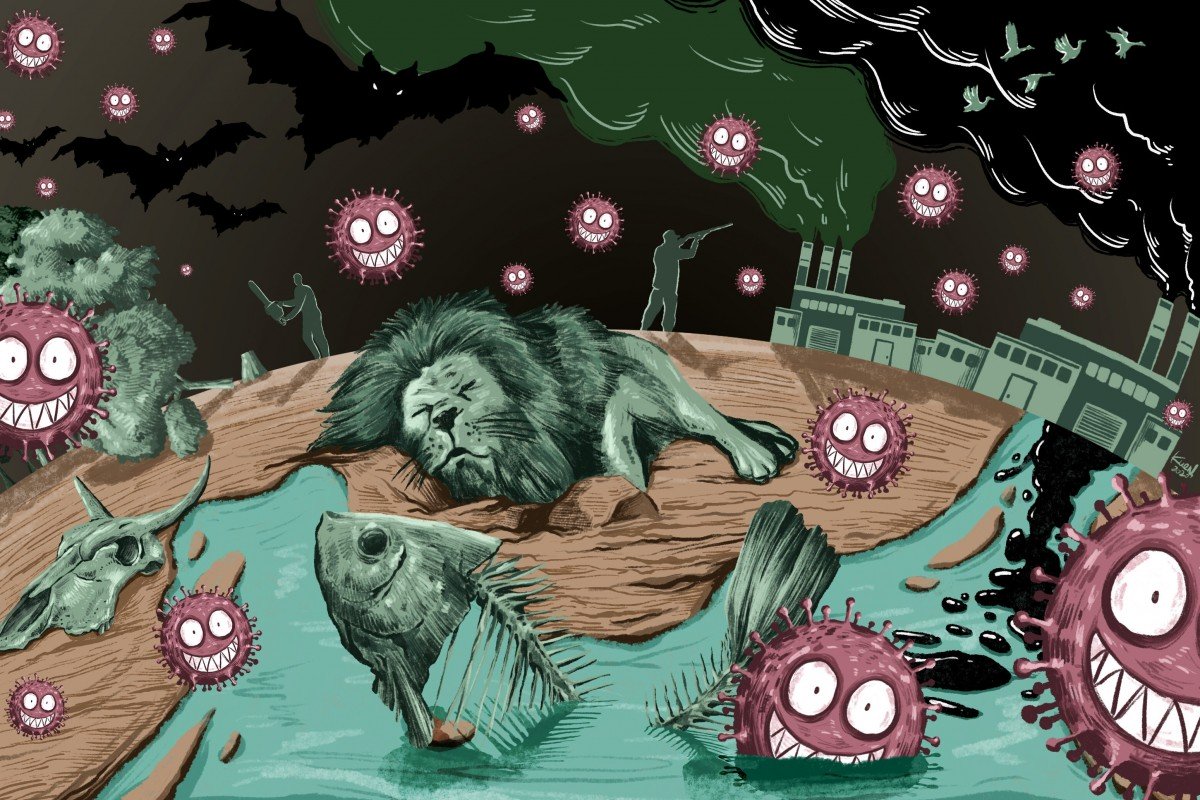
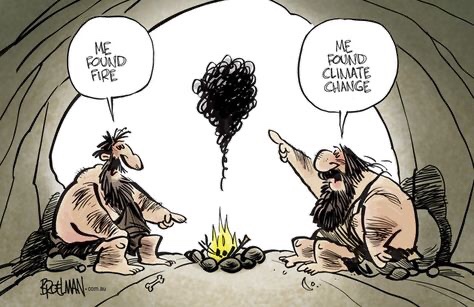
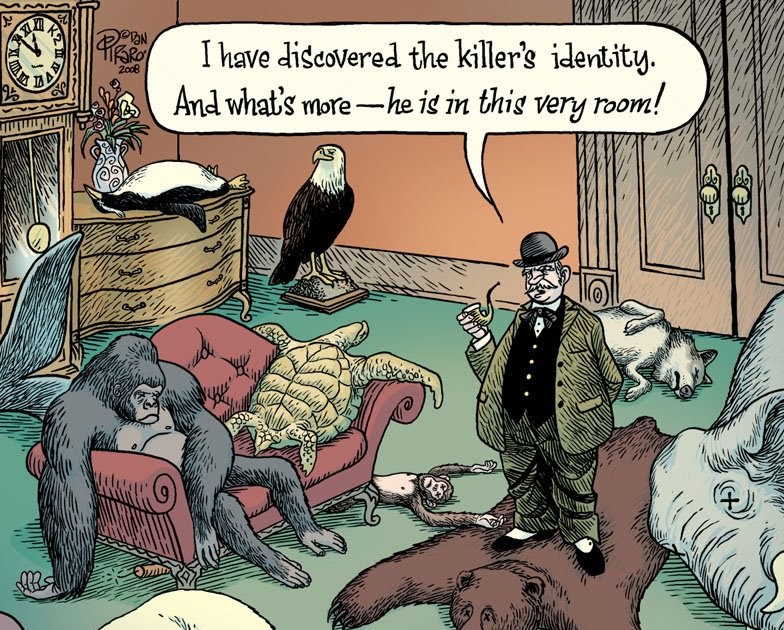
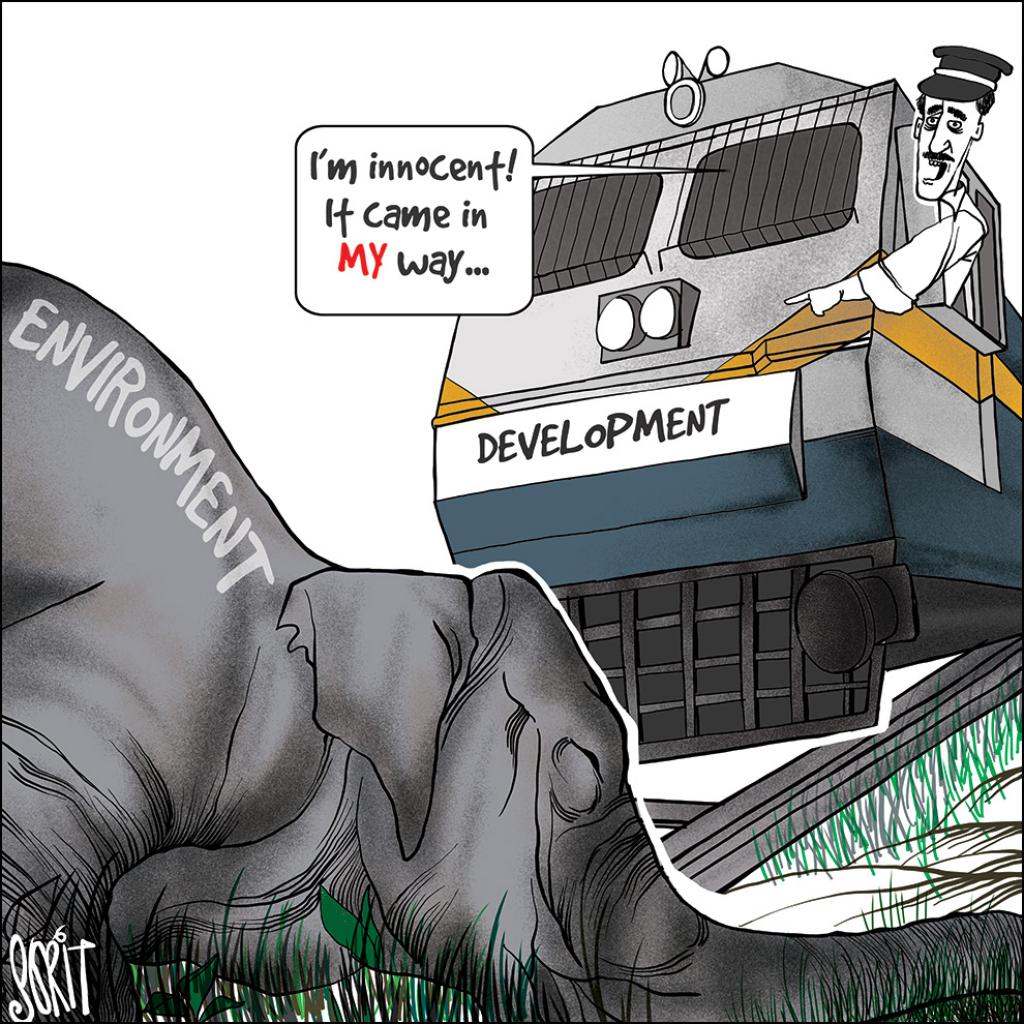
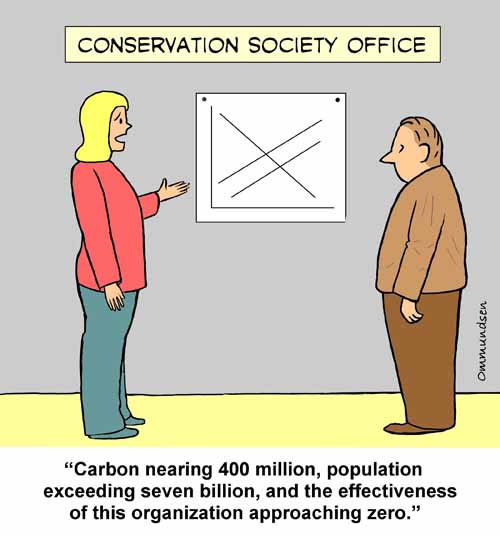
The fourth set of biodiversity cartoons for 2020. See full stock of previous ‘Cartoon guide to biodiversity loss’ compendia here.
—
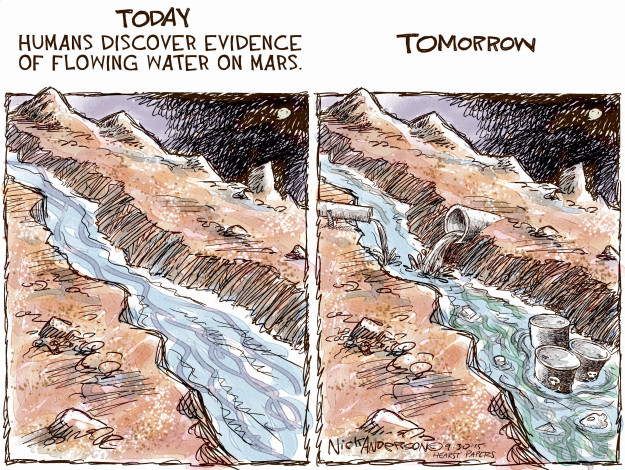
The fourth set of biodiversity cartoons for 2020. See full stock of previous ‘Cartoon guide to biodiversity loss’ compendia here.
—
 Back in March this year before much of the world morphed into the weirdness that now dictates all facets of life, I wrote an update for the Is This How You Feel project led by Joe Duggan.
It was an exercise in emotional expression not necessarily grounded in empiricism. But in that particular piece, I had written the following line:
Few scientists in my field are still seriously considering avoidance of environmental collapse; instead, the dominant discourse is centred on damage control.
But is this correct? Is this how most scientists in conservation feel today? In a way, this post serves both as a rationale for my expectation, and as a question for the wider community.
My rationale for that contention is that it is undeniable that biodiversity is going down the toilet faster than even some of the most pessimistic of us could have predicted. We are without doubt within the sixth mass extinction event every experienced on the Earth for at least the last 600 million years.
Yet, there have never been more conservation biologists and practitioners. There have never been more international treaties and accords that expressly aim to protect biodiversity.
To assert that we have failed is unhelpful fatalism, yet it cannot be ignored that biodiversity’s predicament and those charged with turning around its fate are not exactly replete with successes. Read the rest of this entry »
The third set of biodiversity cartoons for 2020 (plus a video treat). See full stock of previous ‘Cartoon guide to biodiversity loss’ compendia here.
—
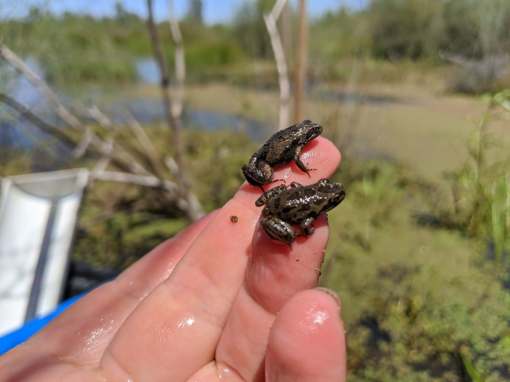
Crinia parinsignifera (top) and Limnodynastes tasmaniensis (bottom). Photo: Kate Mason
The amphibian class is diverse, and ranges from worm-like caecilians to tiny frogs that live their entire lives within bromeliads high in the rainforest canopy. Regardless of form or habit, all share the dubious honour of being cited as the world’s most endangered vertebrate taxon, and 41% of the species assessed are threatened with extinction. Rapidly changing climates will further exacerbate this situation as amphibians are expected to be more strongly affected than other vertebrates like birds or mammals.
This peril stems from a physiological dependence on freshwater.
Amphibians breathe (in part) through their skin, so they maintain moist skin surfaces. This sliminess means that most amphibians quickly dry out in dry conditions. Additionally, most amphibian eggs and larvae are fully aquatic. One of the greatest risks to populations are pools that dry too quickly for larval development, which leads to complete reproductive failure.
This need for freshwater all too often places them in direct competition with humans.
To keep pace with population growth, humans have engineered a landscape where the location, and persistence of water is tightly controlled. In seeking water availability for farming and amenity, we all too often remove essential habitats for amphibians and other freshwater fauna.
To protect amphibians from decline and extinction, land managers may need to apply innovative techniques to support vulnerable species. With amphibians’ strong dependence on freshwater, this support can be delivered by intelligently manipulating where and when freshwater appears in the landscape, with an eye to maintaining habitats for breeding, movement and refuge. A range of innovative approaches have been attempted to date, but they are typically developed in isolation and their existence is known only to a cloistered few. A collation of the approaches and their successes (and failures) has not occurred.
In our latest paper, we used a systematic review to classify water-manipulation techniques and to evaluate the support for these approaches. Read the rest of this entry »
The second set of six biodiversity cartoons for 2020. See full stock of previous ‘Cartoon guide to biodiversity loss’ compendia here.
—
 Around a fortnight ago I wrote a hastily penned post about the precarious state of biodiversity — it turned out to be one of the most-read posts in ConservationBytes‘ history (nearly 22,000 views in less than two weeks).
Now, let’s examine whether this dreadful history is likely to get any better any time soon.
Even if extinction rates decline substantially over the next century, I argue that we are committed to an intensifying biodiversity extinction crisis. The aggregate footprint from the growing human population notwithstanding, we can expect decades, if not centuries, of continued extinctions from lag effects alone (extinction debts arising from previous environmental damage engendering extinctions in the future)1.
Global vegetation cover and production are also likely to decline even in the absence of continued habitat clearing — the potential benefit of higher CO2 concentrations for plant photosynthesis is more than offset by lower availability of water in the soil, heat stress, and the frequency of disturbances such as droughts2. Higher frequencies and intensities of disturbance events like catastrophic bushfire will also exacerbate extinction rates3.
However, perhaps the least-appreciated element of potential extinctions arising from climate change is that they are vastly underestimated when only considering a species’ thermal tolerance4. In fact, climate disruption-driven extinction rates could be up to ten times higher than currently predicted4 when extinction cascades are taken into account5. Read the rest of this entry »
The first set of six biodiversity cartoons for 2020. This special, Australia-is-burning-down-themed set is dedicated to Scott Morrison and his ilk. See full stock of previous ‘Cartoon guide to biodiversity loss’ compendia here.
—

As I’ve done for the last six years, I am publishing a retrospective list of the ‘top’ 20 influential papers of 2019 as assessed by experts in F1000 Prime (in no particular order). See previous years’ lists here: 2018, 2017, 2016, 2015, 2014, and 2013.
The sixth set of six biodiversity cartoons for 2019. See full stock of previous ‘Cartoon guide to biodiversity loss’ compendia here.
—
The fifth set of six biodiversity cartoons for 2019. See full stock of previous ‘Cartoon guide to biodiversity loss’ compendia here.
—
The fourth set of six biodiversity cartoons for 2019. See full stock of previous ‘Cartoon guide to biodiversity loss’ compendia here.
—
The third set of six biodiversity cartoons for 2019. See full stock of previous ‘Cartoon guide to biodiversity loss’ compendia here.
—
The second set of six biodiversity cartoons for 2019. See full stock of previous ‘Cartoon guide to biodiversity loss’ compendia here.
—
The island of Mauritius is known, particularly in conservation circles, for the ill-fated extinction of the dodo, but also for its many conservation success stories. These include the recovery of emblematic birds such as the Mauritius kestrel (Falco punctatus) and the pink pigeon (Nesoenas mayeri) that narrowly avoided extinction several decades ago.

Behind this veil of achievements, however, local political realities are increasingly making the protection and management of Mauritian biodiversity more complex and challenging as new conservation issues emerge.
In the midst of the third government-led mass cull of the Endangered Mauritian flying fox (Pteropus niger) in 2018, a paper published in the Journal for Nature Conservation shed light on the events that led to the government’s choice to do the first two mass culls of the Mauritian flying fox in 2015 and 2016. Documentation of human-wildlife conflict in Mauritius is relatively new, as noted by the authors, but provides a unique case study.
Given that the mass-culling opted for did not increase fruit growers’ profits (in fact, fruit production dropped substantially after the mass-culls) and that the flying fox, a keystone species for the native biodiversity, became more threatened with extinction following the mass culls, it appears that Mauritius provides a rare opportunity to study what precisely should be avoided when trying to resolve such a HWC [Human-wildlife conflict],
Florens & Bader (2019)
Indeed, to mitigate rising conflicts between fruit farmers and the Mauritian flying fox, the Mauritian government opted in 2006 to cull this threatened species (only six individuals were culled at the time). Despite disputes over the population size of the Mauritian flying fox and the extent of damage it caused to commercial fruit growers, as well as scientific arguments against the cull, culling continues to be the preferred approach.
This focus on culling as a solution contributed to a legal amendment in October 2015 that now facilitates the population control of any species of wildlife, irrespective of its origin and its conservation status. The Native Terrestrial Biodiversity and National Parks Bill was passed on 20 October 2015, just two weeks after the government announced its plan to cull 18,000 threatened native bats.
Read the rest of this entry »The first set of six biodiversity cartoons for 2019 to usher in the New Year. See full stock of previous ‘Cartoon guide to biodiversity loss’ compendia here.
—
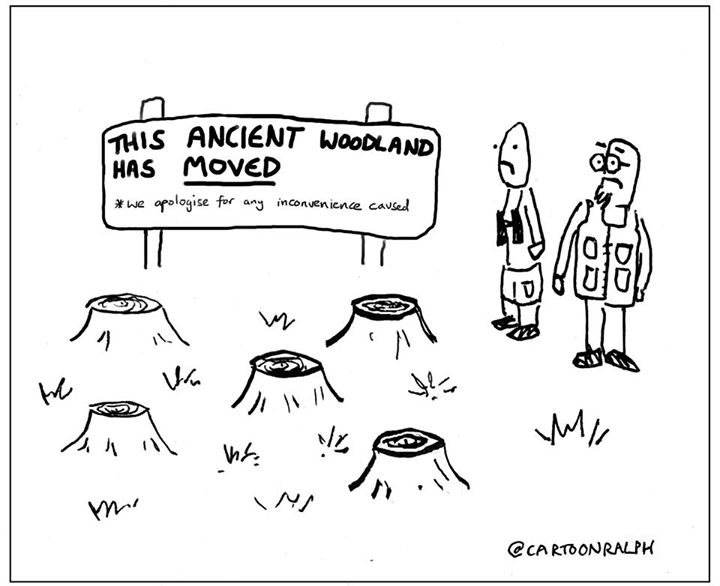 Biodiversity offsets are becoming more popular in Australia and elsewhere as a means to raise money for conservation and restoration while simultaneously promoting economic development (1). However, there are many perverse consequences for biodiversity if they are not set up carefully (1-3).
Biodiversity ‘offsets’ are intended to work in a similar way to carbon offsets1, in that the destruction of a part of an ecosystem (e.g., a native forest or grassland, or a wetland) can be offset by paying to fund the restoration of another, similar ecosystem elsewhere. As such, approval to clear native vegetation usually comes with financial and other conditions.
But there are several problems with biodiversity offsetting, including the inconvenient fact that creating an equivalent ecosystem somewhere takes substantially longer than it does to destroy one somewhere else (e.g., 4). While carbon emitted in one place is essentially the same as that sequestered elsewhere, a forest can take hundreds of years to develop the same biodiversity values and ecological functions it had prior to destruction. Read the rest of this entry »
The six set of six biodiversity cartoons for 2018. See full stock of previous ‘Cartoon guide to biodiversity loss’ compendia here.
—
The fifth set of six biodiversity cartoons for 2018. See full stock of previous ‘Cartoon guide to biodiversity loss’ compendia here.
—
The fourth set of six biodiversity cartoons for 2018. See full stock of previous ‘Cartoon guide to biodiversity loss’ compendia here.
—
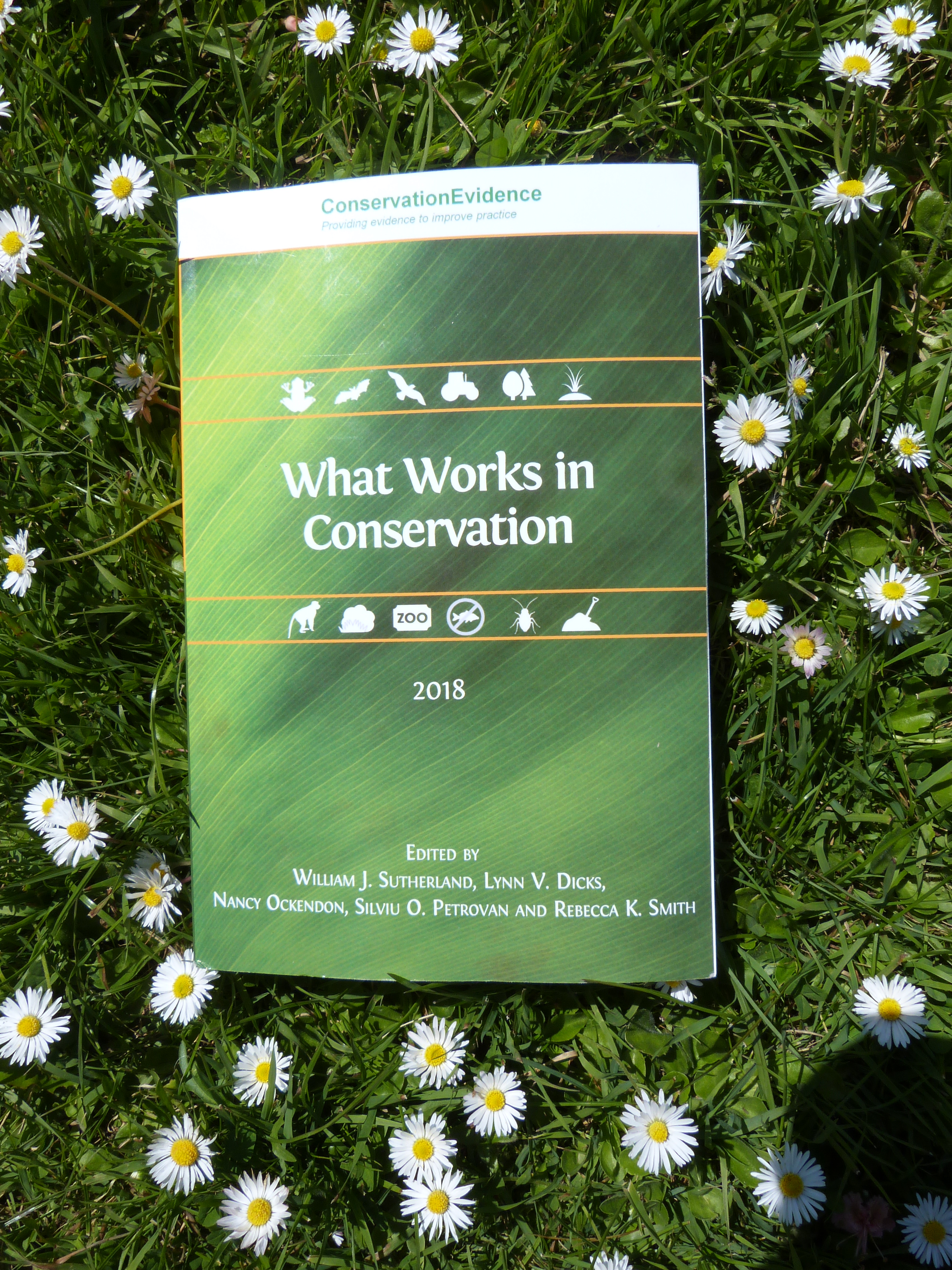
Do you have a copy of this book? If not, why not?
This book is free to download. This book contains the evidence for the effectiveness of over 1200 things you might do for conservation. If you don’t have a copy, go and download yourself a free one here, right now, before you even finish reading this article. Seriously. Go. You’ll laugh, you’ll cry, it’ll change your life.
OK, I may have exaggerated the laughing part. ‘What Works in Conservation 2018’ is a serious and weighty tome, 660 pages of the evidence for 1277 conservation interventions (anything you might do to conserve a species or habitat), assessed by experts and graded into colour-coded categories of effectiveness. This is pretty nerdy stuff, and probably not something you’ll lay down with on the beach or dip into as you enjoy a large glass of scotch (although I don’t know your life, maybe it is).
But that’s not really what it’s meant for. This is intended as a reference book for conservation managers and policymakers, a way to scan through your possible solutions and get a feel for those that are most likely to be effective. Once you have a few ideas in mind, you can follow the links to see the full evidence base for each study at conservationevidence.com, where over 5000 studies have been summarised into digestible paragraphs.
The book takes the form of discrete chapters on taxa, habitats or topics (such as ‘control of freshwater invasives’). Each chapter is split into IUCN threat categories such as ‘Agriculture’ or ‘Energy production and mining’. For each threat there are a series of interventions that could be used to tackle it, and for each of these interventions the evidence has been collated. Experts have then graded the body of the evidence over three rounds of Delphi scoring, looking at the effectiveness, certainty in the evidence (i.e., the quality and quantity of evidence available), and any harms to the target taxa. These scores combine to place each intervention in a category from ‘Beneficial’ to ‘Likely to be ineffective or harmful’. Read the rest of this entry »


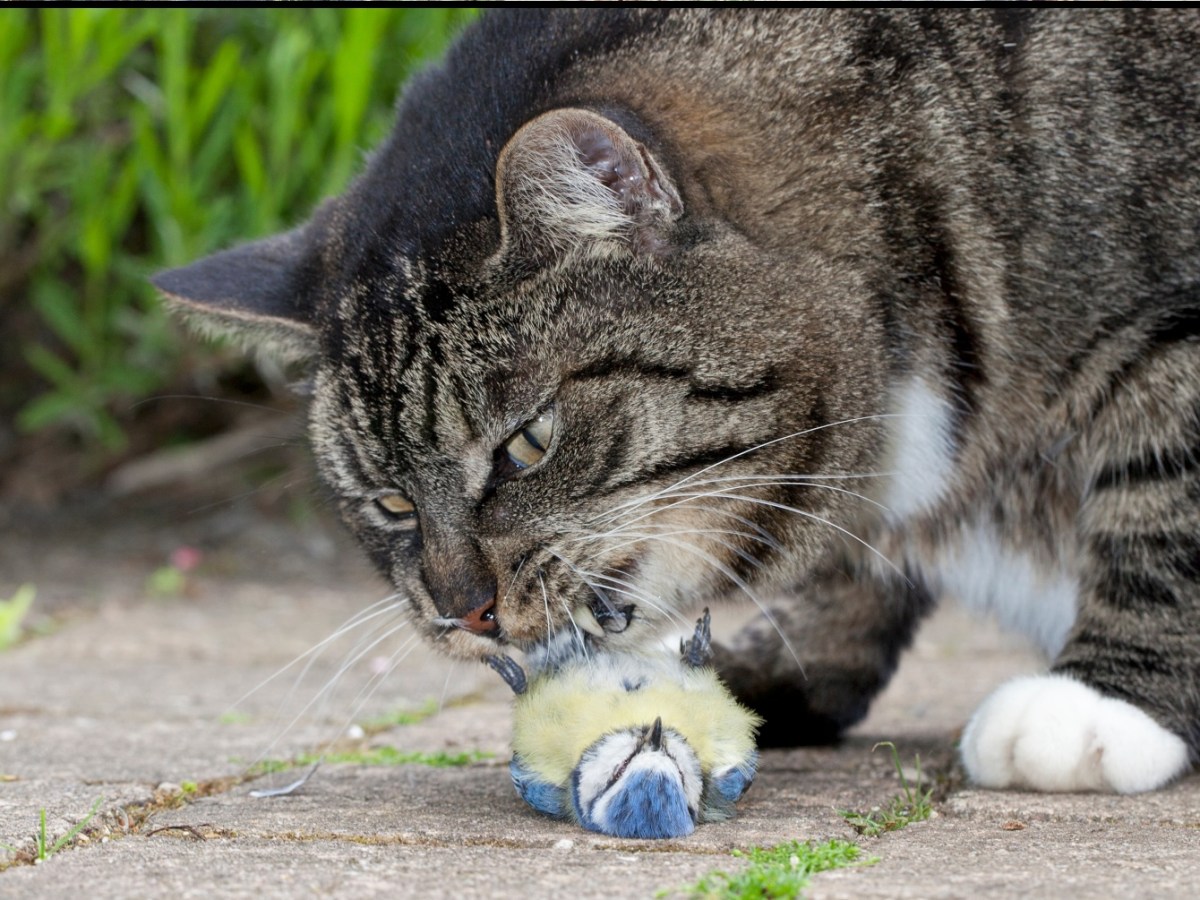
Those of us living with cats share our homes with an ancestral predator, one adapted for hunting and the frequent, exclusive consumption of meat. These instincts become fully activated outside the domestic environment, where cats pose a global threat to wildlife. Pets are family. We celebrate their arrival with the same joy as a grand…

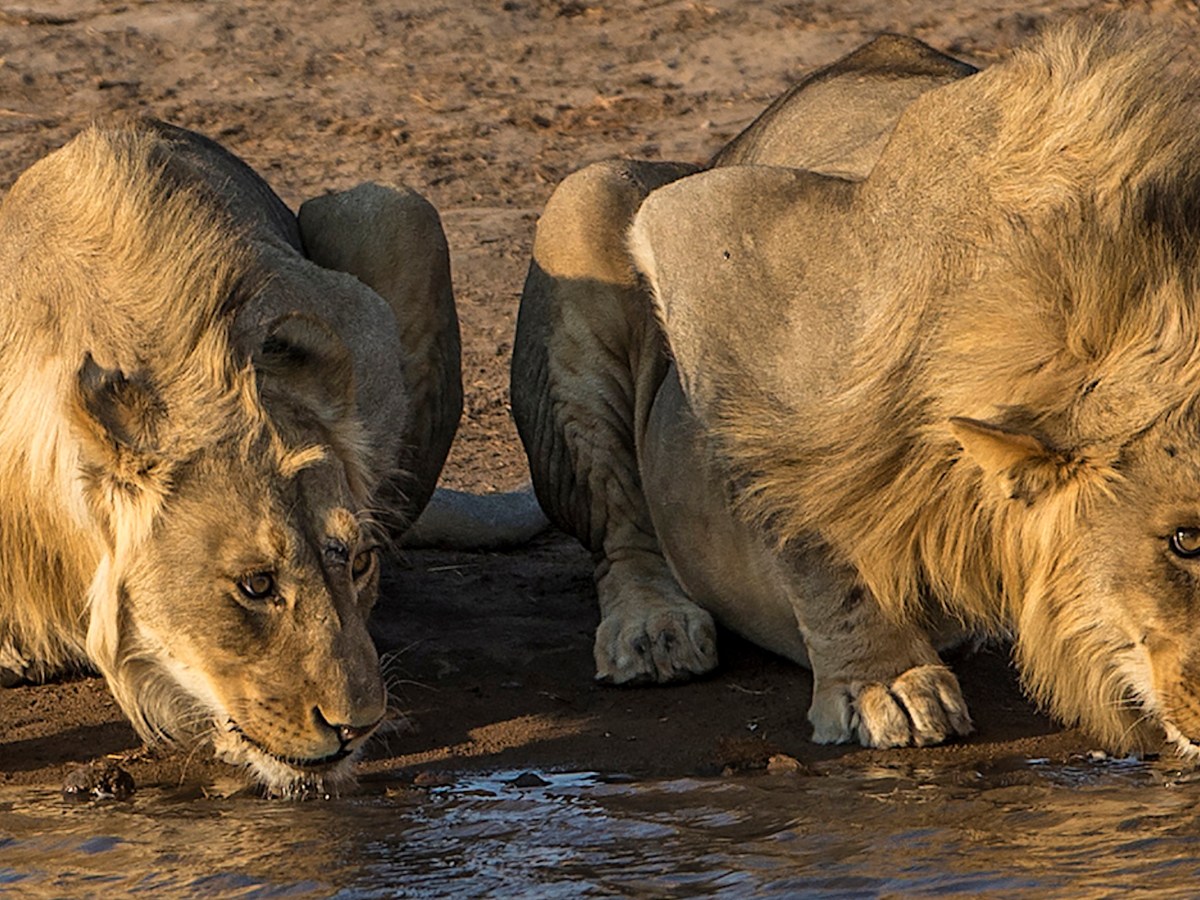
Many animals avoid contact with people. In protected areas of the African savanna, mammals flee more intensely upon hearing human conversations than when they hear lions or sounds associated with hunting. This fear of humans affects how species use and move in their habitat. Throughout our lives, we interact with hundreds of wildlife species without…
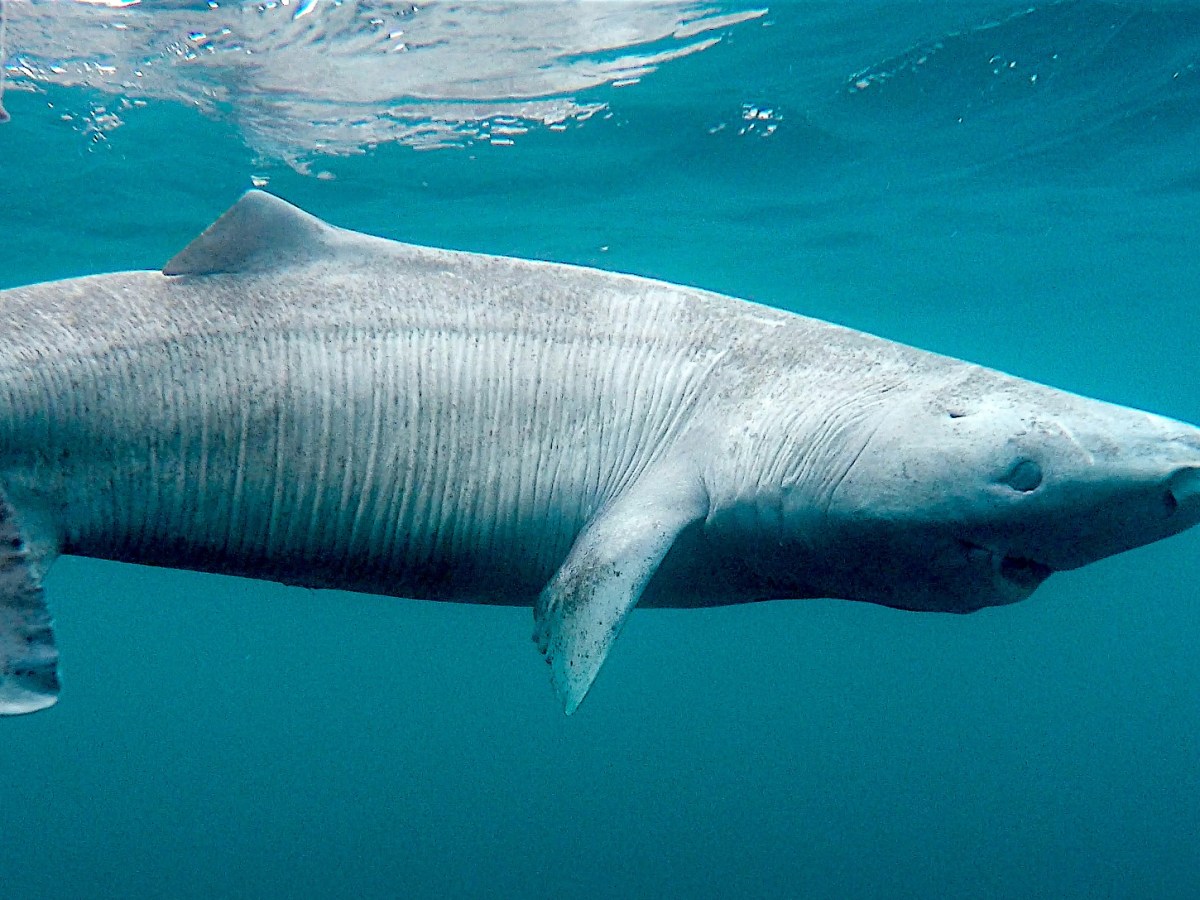
Deep-sea sharks include some of the longest-lived vertebrates known. The record holder is the Greenland shark, with a recently estimated maximum age of nearly 400 years. Their slow life cycle makes them vulnerable to fisheries. Humans rarely live longer than 100 years. But many other animals and plants can live for several centuries or even millennia, particularly…







 ConservationBytes.com