Open Letter: Public policy in South Australia regarding dingoes

28 08 2023

08 August 2023

The Honourable Dr Susan Close MP, Deputy Premier and Minister for Climate, Environment and Water, South Australia

The Honourable Claire Scriven MLC, Minister for Primary Industries and Regional Development, South Australia

Dear Ministers,

In light of new genetic research on the identity of ‘wild dogs’ and dingoes across Australia, the undersigned wish to express concern with current South Australia Government policy regarding the management and conservation of dingoes. Advanced DNA research on dingoes has demonstrated that dingo-dog hybridisation is much less common than thought, that most DNA tested dingoes had little domestic dog ancestry and that previous DNA testing incorrectly identified many dingoes as hybrids (Cairns et al. 2023). We have serious concerns about the threat current South Australian public policy poses to the survival of the ‘Big Desert’ dingo population found in Ngarkat Conservation Park and surrounding areas.

We urge the South Australian Government to:

  • Revoke the requirement that all landholders follow minimum baiting standards, including organic producers or those not experiencing stock predation. Specifically
    1. Dingoes in Ngarkat Conservation park (Region 4) should not be destroyed or subjected to ground baiting and trapping every 3 months. The Ngarkat dingo population is a unique and isolated lineage of dingo that is threatened by inbreeding and low genetic diversity. Dingoes are a native species and all native species should be protected inside national parks and conservation areas.
    2. Landholders should not be required to carry out ground baiting on land if there is no livestock predation occurring. Furthermore, landholders should be supported to adopt non-lethal tools and strategies to mitigate the risk of livestock predation including the use of livestock guardian animals, which are generally incompatible with ground and aerial 1080 baiting.
  • Revoke permission for aerial baiting of dingoes (incorrectly called “wild dogs”) in all Natural Resource Management regions – including within national parks. Native animals should be protected in national parks and conservation areas.
  • Cease the use of inappropriate and misleading language to label dingoes as “wild dogs”. Continued use of the term “wild dogs” is not culturally respectful to First Nations peoples and is not evidence-based.
  • Proactively engage with First Nations peoples regarding the management of culturally significant species like dingoes. For example, the Wotjobaluk nation should be included in consultation regarding the management of dingoes in Ngarkat Conservation Park.

Changes in South Australia public policy are justified based on genetic research by Cairns et al. (2023) that overturns previous misconceptions about the genetic status of dingoes. It demonstrates:

  1. Most “wild dogs” DNA tested in arid and remote parts of Australia were dingoes with no evidence of dog ancestry. There is strong evidence that dingo-dog hybridisation is uncommon, with firstcross dingo-dog hybrids and feral dogs rarely being observed in the wild. In Ngarkat Conservation park none of DNA tested animals had evidence of domestic dog ancestry, all were ‘pure’ dingoes.
  2. Previous DNA testing methods misidentified pure dingoes as being mixed. All previous genetic surveys of wild dingo populations used a limited 23-marker DNA test. This is the method currently used by NSW Department of Primary Industries, which DNA tests samples from NSW Local Land Services, National Parks and Wildlife Service, and other state government agencies. Comparisons of DNA testing methods find that the 23-marker DNA test frequently misidentified animals as dingo-dog hybrids. Existing knowledge of dingo ancestry across South Australia, particularly from Ngarkat Conservation park is incorrect; policy needs to be based on updated genetic surveys.
  3. There are multiple dingo populations in Australia. High-density genomic data identified more than four wild dingo populations in Australia. In South Australia there are at least two dingo populations present: West and Big Desert. The West dingo population was observed in northern South Australia, but also extends south of the dingo fence. The Big Desert population extends from Ngarkat Conservation park in South Australia into the Big Desert and Wyperfield region of Victoria.
  4. The Ngarkat Dingo population is threatened by low genetic variability. Preliminary evidence from high density genomic testing of dingoes in Ngarkat Conservation park and extending into western Victoria found evidence of limited genetic variability which is a serious conservation concern. Dingoes in Ngarkat and western Victoria had extremely low genetic variability and no evidence of gene flow with other dingo populations, demonstrating their effective isolation. This evidence suggests that the Ngarkat (and western Victorian) dingo population is threatened by inbreeding and genetic isolation. Continued culling of the Ngarkat dingo population will exacerbate the low genetic variability and threatens the persistence of this population.
Read the rest of this entry »


South Australia is still killing dingoes

14 04 2020

As we did for Victoria, here’s our submission to South Australia’s proposed changes to its ‘wild dog’ and dingo policy (organised again by the relentless and venerable Dr Kylie Cairns):

JE201608161745

© Jason Edwards Photography

14 April 2020

The Honourable Tim Whetstone MP, Minister for Primary Industries and Regional Development, South Australia

RE: PROPOSED CHANGES TO THE SA WILD DOG AND DINGO POLICY

Dear Minister,

The undersigned welcome the opportunity to comment on the proposed changes to the South Australian (SA) Government’s ‘Wild dog and Dingo’ declared animal policy under section 10 (1)(b) of the Natural Resources Management Act 2004. The proposed changes raise serious concerns for dingoes in SA because it:

1. Requires all landholders to follow minimum baiting standards, including organic producers or those not experiencing stock predation.

  • Requires dingoes within Ngarkat Conservation Park (Region 4) to be destroyed, with ground baiting to occur every 3 months.
  • Requires ground baiting on land irrespective of whether stock predation is occurring or not, or evidence of dingo (wild dog) presence.

2. Allows aerial baiting of dingoes (aka wild dogs) in all NRM regions – including within National Parks.

3. Uses inappropriate and misleading language to label dingoes as “wild dogs”

We strongly urge the PIRSA to reject the proposed amendments to the SA wild dog and dingo policy. Instead the PIRSA should seek consultation with scientific experts in ecology, biodiversity and wildlife-conflict to develop a policy which considers the important ecological and cultural identity of the dingo whilst seeking to minimise their impact on livestock using best-practice and evidence-based guidelines. Key to this aim, livestock producers should be assisted with the help of PIRSA to seek alternative stock protection methodology and avoid lethal control wherever possible. On the balance of scientific evidence, protection of dingoes should be enhanced rather than diminished. Widespread aerial baiting programs are not compatible with the continued persistence of genetically intact and distinct dingoes in SA.

In this context, we strongly emphasise the following points: Read the rest of this entry »


Victoria, please don’t aerial-bait dingoes

10 10 2019

Here’s a submission to Victoria’s proposed renewal of special permission from the Commonwealth to poison dingoes:

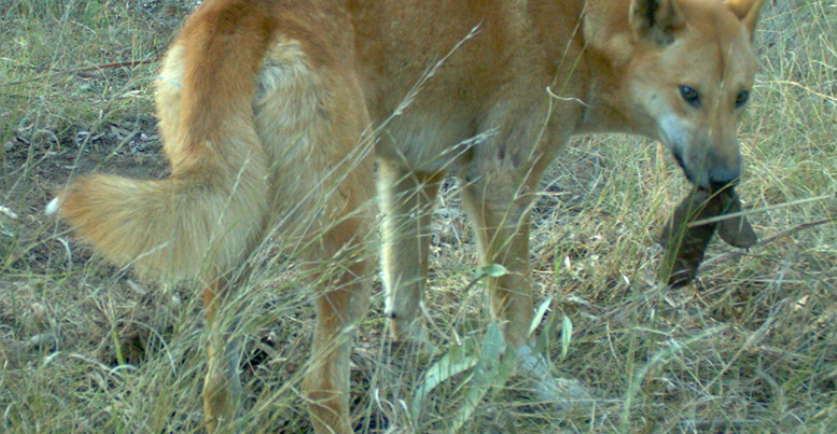
dingo with bait

08 October 2019

Honourable Lily D’Ambrosio MP
Minister for Energy, Environment and Climate Change
Level 16, 8 Nicholson Street, East Melbourne, VIC 3002

lily.dambrosio@parliament.vic.gov.au

cc:

The Hon Jaclyn Symes, Minister for Agriculture, Victoria

(jaclyn.symes@parliament.vic.gov.au)

Dr Sally Box, Threatened Species Commissioner

(ThreatenedSpeciesCommissioner@environment.gov.au)

The Hon Sussan Ley MP, Minister for Environment, Australia

(Farrer@aph.gov.au)

RE: RENEWAL OF AERIAL BAITING EXEMPTION IN VICTORIA FOR WILD DOG CONTROL USING 1080

Dear Minister,

The undersigned welcome the opportunity to comment on the proposed renewal of special permission from the Commonwealth under Sections 18 and 18A of the Environment Protection and Biodiversity Conservation Act 1999 (Commonwealth) to undertake aerial 1080 baiting in six Victorian locations for the management of ‘wild dogs’. This raises serious concerns for two species listed as threatened and protected in Victoria: (1) dingoes and (2) spot-tailed quolls (Dasyurus maculatus).

First, we must clarify that the terminology ‘wild dog’ is not appropriate when discussing wild canids in Australia. One of the main discussion points at the recent Royal Zoological Society of NSW symposium ‘Dingo Dilemma: Cull, Contain or Conserve’ was that the continued use of the terminology ‘wild dog’ is not justified because wild canids in Australia are predominantly dingoes and dingo hybrids, and not, in fact, feral domestic dogs. In Victoria, Stephens et al. (2015) observed that only 5 out of 623 wild canids (0.008%) sampled were feral domestic dogs with no evidence of dingo ancestry. This same study determined that 17.2% of wild canids in Victoria were pure or likely pure dingoes and 64.4% were hybrids with greater than 60% dingo ancestry. Additionally, comparative studies by Jones (1988, 1990 and 2009) observed that dingoes maintained a strong phenotypic identity in the Victorian highlands over time, and perceptively ‘wild dog’ like animals were more dingo than domestic dog.

As prominent researchers in predator ecology, biology, archaeology, cultural heritage, social science, humanities, animal behaviour and genetics, we emphasise the importance of dingoes in Australian, and particularly Victorian, ecosystems. Dingoes are the sole non-human, land-based, top predator on the Australian mainland. Their importance to the ecological health and resilience of Australian ecosystems cannot be overstated, from regulating wild herbivore abundance (e.g., various kangaroo species), to reducing the impacts of feral mesopredators (cats, foxes) on native marsupials (Johnson & VanDerWal 2009; Wallach et al. 2010; Letnic et al. 20122013; Newsome et al. 2015; Morris & Letnic 2017). Their iconic status is important to First Nations people and to the cultural heritage of all Australians. Read the rest of this entry »


“Overabundant” wildlife usually isn’t

12 07 2019

koalacrosshairsLate last year (10 December) I was invited to front up to the ‘Overabundant and Pest Species Inquiry’ at the South Australian Parliament to give evidence regarding so-called ‘overabundant’ and ‘pest’ species.
There were the usual five to six Ministers and various aides on the Natural Resources Committee (warning here: the SA Parliament website is one of the most confusing, archaic, badly organised, and generally shitty government sites I’ve yet to visit, so things require a bit of nuanced searching) to whom I addressed on issues ranging from kangaroos, to dingoes, to koalas, to corellas. The other submissions I listened to that day were (mostly) in favour of not taking drastic measures for most of the human-wildlife conflicts that were being investigated.

Forward seven months and the Natural Resources Committee has been reported to have requested the SA Minister for Environment to allow mass culling of any species (wildlife or feral) that they deem to be ‘overabundant’ or a ‘pest’.

So, the first problem is terminological in nature. If you try to wade through the subjectivity, bullshit, vested interests, and general ignorance, you’ll quickly realise that there is no working definition or accepted meaning for the words ‘overabundant’ or ‘pest’ in any legislation. Basically, it comes down to a handful of lobbyists and other squeaky wheels defining anything they deem to be a nuisance as ‘overabundant’, irrespective of its threat status, ecological role, or purported impacts. It is, therefore, entirely subjective, and boils down to this: “If I don’t like it, it’s an overabundant pest”. Read the rest of this entry »


The dingo is a true-blue, native Australian species

7 03 2019

dingo(reproduced from The Conversation)

Of all Australia’s wildlife, one stands out as having an identity crisis: the dingo. But our recent article in the journal Zootaxa argues that dingoes should be regarded as a bona fidespecies on multiple fronts.

This isn’t just an issue of semantics. How someone refers to dingoes may reflect their values and interests, as much as the science.

How scientists refer to dingoes in print reflects their background and place of employment, and the Western Australian government recently made a controversial attempt to classify the dingo as “non-native fauna”.

How we define species – called taxonomy – affects our attitudes, and long-term goals for their conservation.

What is a dog?

Over many years, dingoes have been called many scientific names: Canis lupus dingo (a subspecies of the wolf), Canis familiaris (a domestic dog), and Canis dingo (its own species within the genus Canis). But these names have been applied inconsistently in both academic literature and government policy.

This inconsistency partially reflects the global arguments regarding the naming of canids. For those who adhere to the traditional “biological” species concept (in which a “species” is a group of organisms that can interbreed), one might consider the dingo (and all other canids that can interbreed, like wolves, coyotes, and black-backed jackals) to be part of a single, highly variable and widely distributed species.

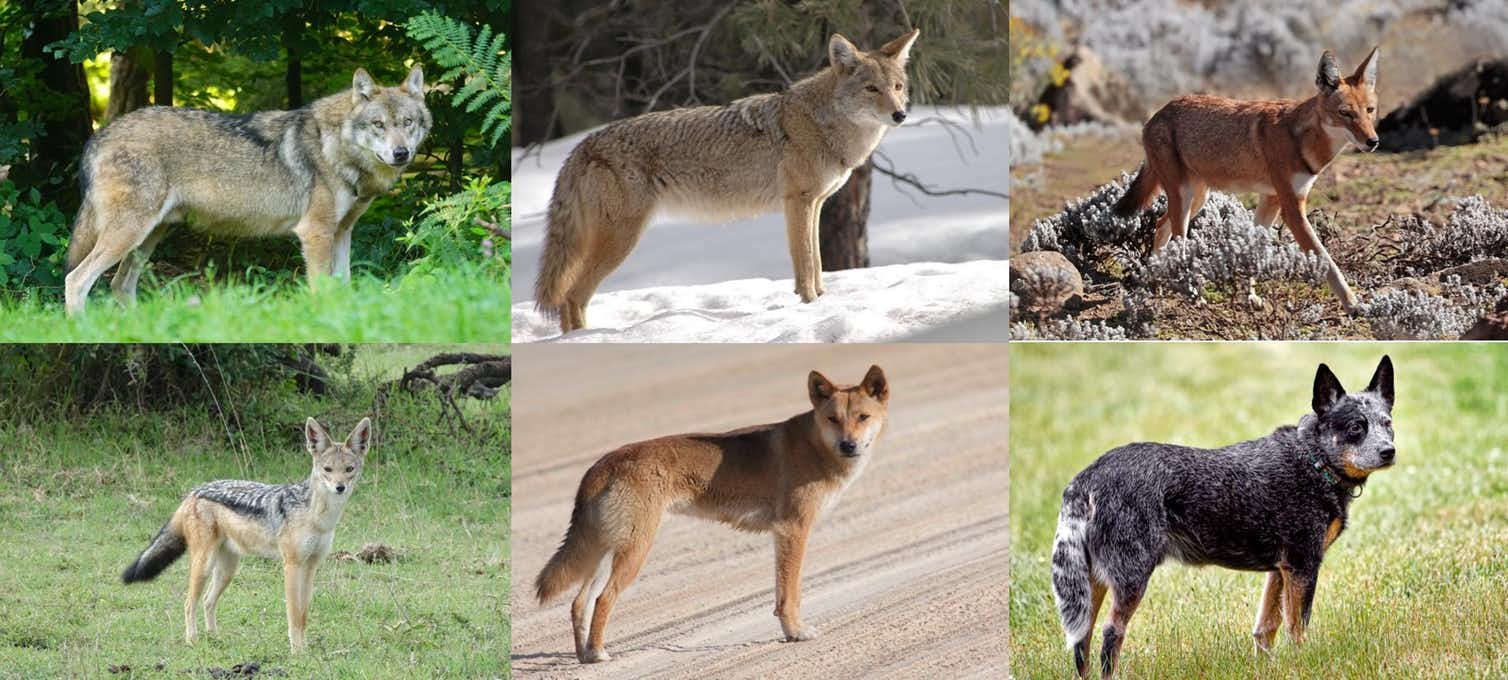
Members of the Canis genus: wolf (Canis lupus), coyote (Canis latrans), Ethiopian wolf (Canis simensis), black-backed jackal (Canis mesomelas), dingo (Canis dingo), and a representative of the domestic dog (Canis familiaris).

Read the rest of this entry »


Minister, why is the dingo no longer ‘fauna’?

7 09 2018

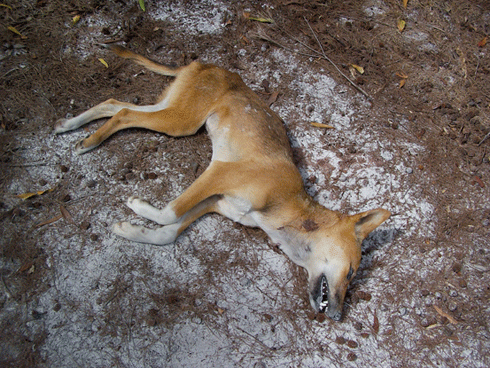
dead dingoSo, a few of us have just submitted a letter contesting the Western Australia Government’s recent decision to delist dingoes as ‘fauna’ (I know — what the hell else could they be?). The letter was organised brilliantly by Dr Kylie Cairns (University of New South Wales), and she and the rest of the signatories have agreed to reproduce the letter in full here on ConservationBytes.com. If you feel so compelled, please voice your distaste of this decision officially by contacting the Minister (details below).

CJA Bradshaw

Honourable Stephen Dawson MLC
Minister for Environment; Disability Services
Address: 12th Floor, Dumas House
2 Havelock Street, WEST PERTH WA 6005
(minister.dawson@dpc.wa.gov.au)

cc: Department of Biodiversity, Conservation and Attractions (biodiversity@dbca.wa.gov.au)
cc: Brendan Dooley (brendan.dooley@dpc.wa.gov.au)

Dear Minister,

The undersigned welcome the opportunity to comment on and recommend alteration of the proposed section (9)(2) order of the Biodiversity Conservation Act 2016 (BC Act) that changes the listing of the dingo from “fauna” to “non-fauna” in Western Australia. Removing the “fauna” status from dingoes has serious consequences for the management and conservation of this species and other native biota it benefits. Currently, dingoes are classed as A7, or fauna that requires a management policy. The proposed section (9)(2) order will move dingoes (as “non-fauna”) to the A5 class, meaning that dingoes must be (lethally) controlled and there will be no obligation for the Department of Biodiversity, Conservation and Attractions to have an appropriate management policy (or approval).

Currently, under the Wildlife Conservation Act 1950 (WC Act) the dingo is considered “unprotected” fauna allowing management under a Department of Biodiversity, Conservation and Attractions management policy. A section (9)(2) order demoting dingoes to “non-fauna” will remove the need for Department of Biodiversity, Conservation and Attractions management policy and instead mandate the lethal control of dingoes throughout Western Australia.

As prominent researchers in top predator ecology, biology, cultural value and genetics, we emphasise the importance of dingoes within Australian, and particularly Western Australia’s ecosystems. Dingoes are indisputably native based on the legislative definition of “any animal present in Australia prior to 1400 AD” from the BC Act. Dingoes have been present in Australia for at least 5000 years. On the Australian mainland they are now the sole non-human land-based top predator. Their importance to the ecological health and resilience of Australian ecosystems cannot be overstated. Read the rest of this entry »


What’s in a name? The dingo’s sorry saga

30 01 2015

bad dingoThe more I delve into the science of predator management, the more I realise that the science itself takes a distant back seat to the politics. It would be naïve to think that the management of dingoes in Australia is any more politically charged than elsewhere, but once you start scratching beneath the surface, you quickly realise that there’s something rotten in Dubbo.

My latest contribution to this saga is a co-authored paper led by Dale Nimmo of Deakin University (along with Simon Watson of La Trobe and Dave Forsyth of Arthur Rylah) that came out just the other day. It was a response to a rather dismissive paper by Matt Hayward and Nicky Marlow claiming that all the accumulated evidence demonstrating that dingoes benefit native biodiversity was somehow incorrect.

Their two arguments were that: (1) dingoes don’t eradicate the main culprits of biodiversity decline in Australia (cats & foxes), so they cannot benefit native species; (2) proxy indices of relative dingo abundance are flawed and not related to actual abundance, so all the previous experiments and surveys are wrong.

Some strong accusations, for sure. Unfortunately, they hold no water at all. Read the rest of this entry »


Using ecological theory to make more money

1 12 2014

huge.9.46974Let’s face it: Australia doesn’t have the best international reputation for good ecological management. We’ve been particularly loathsome in our protection of forests, we have an appalling record of mammal extinctions, we’re degenerate water wasters and carbon emitters, our country is overrun with feral animals and weeds, and we have a long-term love affair with archaic, deadly, cruel, counter-productive and xenophobic predator management. To top it all off, we have a government hell-bent on screwing our already screwed environment even more.

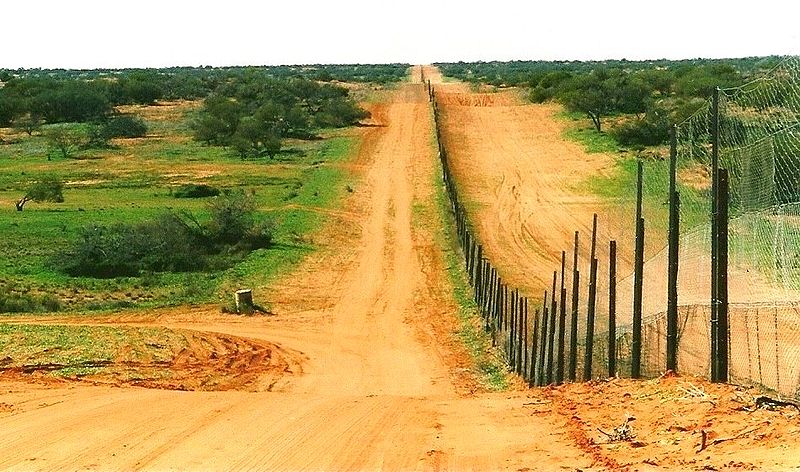
Still, we soldier on and try to fix the damages already done or convince people that archaic policies should be scrapped and redrawn. One such policy that I’ve written about extensively is the idiocy and cruelty of the dingo fence.

The ecological evidence that dingoes are good for Australian wildlife and that they pose less threat to livestock than purported by some evidence-less graziers is becoming too big to ignore any longer. Poisoning and fencing are not only counter-productive, they are cruel, ineffective and costly.

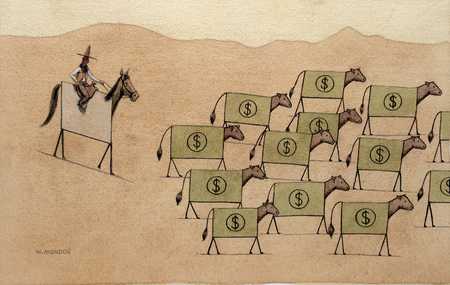
So just when ecologists thought that dingoes couldn’t get any cooler, out comes our latest paper demonstrating that letting dingoes do their thing results in a net profit for cattle graziers.

Come again? Read the rest of this entry »


Don’t blame it on the dingo

21 08 2013

dingo angelOur postdoc, Tom Prowse, has just had one of the slickest set of reviews I’ve ever seen, followed by a quick acceptance of what I think is a pretty sexy paper. Earlier this year his paper in Journal of Animal Ecology showed that thylacine (the badly named ‘Tasmanian tiger‘) was most likely not the victim of some unobserved mystery disease, but instead succumbed to what many large predators have/will: human beings. His latest effort now online in Ecology shows that the thylacine and devil extinctions on the Australian mainland were similarly the result of humans and not the scapegoat dingo. But I’ll let him explain:

‘Regime shifts’ can occur in ecosystems when sometimes even a single component is added or changed. Such additions, of say a new predator, or changes such as a rise in temperature, can fundamentally alter core ecosystem functions and processes, causing the ecosystem to switch to some alternative stable state.

Some of the most striking examples of ecological regime shifts are the mass extinctions of large mammals (‘megafauna’) during human prehistory. In Australia, human arrival and subsequent hunting pressure is implicated in the rapid extinction of about 50 mammal species by around 45 thousand years ago. The ensuing alternative stable state was comprised of a reduced diversity of predators, dominated by humans and two native marsupial predators ‑ the thylacine (also known as the marsupial ‘tiger’ or ‘wolf’) and the devil (which is now restricted to Tasmania and threatened by a debilitating, infectious cancer).

Both thylacines and devils lasted on mainland Australia for over 40 thousand years following the arrival of humans. However, a second regime shift resulted in the extinction of both these predators by about 3 thousand years ago, which was coincidentally just after dingoes were introduced to Australia. Dingoes are descended from early domestic dogs and were introduced to northern Australia from Asia by ancient traders approximately 4 thousand years ago. Today, they are Australia’s only top predator remaining, other than invasive European foxes and feral cats. Since the earliest days of European settlement, dingoes have been persecuted because they prey on livestock. During the 1880s, 5614 km of ‘dingo fence’ was constructed to protect south-east Australia’s grazing rangelands from dingo incursions. The fence is maintained to this day, and dingoes are poisoned and shot both inside and outside this barrier, despite mounting evidence that these predators play a key role in maintaining native ecosystems, largely by suppressing invasive predators.

Perhaps because the public perception of dingoes as ‘sheep-killers’ is so firmly entrenched, it has been commonly assumed that dingoes killed off the thylacines and devils on mainland Australia. People who support this view also point out that thylacines and devils persisted on the island of Tasmania, which was never colonised by dingoes (although thylacines went extinct there too in the early 1900s). To date, most discussion of the mainland thylacine and devil extinctions has focused on the possibility that dingoes disrupted the system by ‘exploitation competition’ (eating the same prey), ‘interference competition’ (wasting the native predators’ precious munching time), as well as ‘direct predation’ (dingoes actually eating devils and thylacines). Read the rest of this entry »


Can Australia afford the dingo fence?

18 05 2012

I wrote this last night with Euan Ritchie of Deakin University in response to some pretty shoddy journalism that misrepresented my comments (and Euan’s work). Our article appeared first in The Conversation this morning (see original article).

We feel we have to set the record straight after some of our (Bradshaw’s) comments were taken grossly out of context, or not considered at all (Ritchie’s). A bubbling kerfuffle in the media over the last week compels us to establish some facts about dingoes in Australia, and more importantly, about how we as a nation choose to manage them.

A small article in the News Ltd. Adelaide Advertiser appeared on 11 May in which one of us (Bradshaw) was quoted as advocating the removal of the dingo fence because it was not “cost effective” (sic). Despite nearly 20 minutes on the telephone explaining to the paper the complexities of feral animal management, the role of dingoes in suppressing feral predators, and the “costs” associated with biodiversity enhancement and feral control, there wasn’t a single mention of any of this background or justification.

Another News Ltd. article denouncing Ritchie’s work on the role of predators in Australian ecosystems appeared in The Weekly Times the day before, to which Ritchie responded in full.

So it’s damage control, and mainly because we want to state categorically that our opinion is ours alone, and not that of our respective universities, schools, institutes or even Biosecurity SA (which some have claimed or insinuated, falsely, that we represent). Biosecurity SA is responsible for, inter alia, the dingo fence in South Australia. Although our opinions differ on its role, we are deeply impressed, grateful and supportive of their work in defending us from biological problems. Read the rest of this entry »


Put the bite back into biodiversity conservation

2 07 2010

Today’s guest post is by Dr. Euan Ritchie, formerly of James Cook University, but who is now firmly entrenched at Deakin University in Victoria as a new Lecturer in ecology. Euan’s exciting research over the course of his memorable PhD (under the tutelage of renowned ecologist-guru, Professor Chris Johnson) has produced some whoppingly high-impact research. This latest instalment highlights a series of related papers he and his colleagues have just produced. We’re fortunate he agreed to give us his thoughts. Interestingly, the topic was just highlighted in the last issue of NatureDon’t damage dingos.

Corey has invited me to report on a recent paper published in Ecology Letters and another related study in PloS One, which together show how a better understanding of dingoes and their social structure and associated behaviour can help us to maintain or improve the health of our terrestrial ecosystems. This work, led by PhD student Arian Wallach (University of Adelaide), and involving collaborations with John Read (University of Adelaide), Adam O’Neill (C&A Environmental Services) and Christopher Johnson and me (James Cook University), offers some of the strongest evidence yet of the key roles top predators play in maintaining the balance.

Invasive species, along with habitat loss and the impacts of climate change, are among the greatest threats to the continued survival of many species. Because of this, millions of dollars and time is spent each year to control their populations. The impacts of invasive species in Australia are sadly all too obvious, with nearly half of the world’s mammal extinctions in the last 200 years occurring in Australia, with the prime suspects being the introduced domestic cat and red fox. However, despite massive, costly and ongoing attempts to control fox and cat populations successfully, we continue to witness the decline of many of our native species. Why? We would argue that the problem is that for too long much of our conservation and management efforts have been focused on treating symptoms and not the cause, which is the loss of ecosystem resilience (the natural ability of ecosystems to withstand change).

Read the rest of this entry »