Greenwash, blackwash: two faces of conservation evil

21 11 2009

Beware false prophets, and especially those masquerading as conservationists (or at least ‘green’) when they are not, in fact, doing anything for conservation at all. But this blog site isn’t about typical greenie evil-corporation-making-a-mess-of-the-Earth sermons (there are plenty of those); it’s instead about real conservation science that has/should/could have a real biodiversity benefits. This is why I highlight the bitey and the toothless together.

With the slow (painfully, inadequately, insufficiently slow) maturation of environmental awareness and the rising plight of biodiversity in general (including our own health and prosperity), it has become almost chic to embrace a so-called ‘green’ perspective. This approach has blown out into a full-scale business model where in many wealthier nations especially, it’s just plain good business to attract the green-conscious consumer to buy more ‘environmentally friendly’ products. Problem is, so many of these products are the farthest thing from green you can imagine (see examples here, here & here). This stimulated the environmentalist Jay Westerveld to coin the term greenwashing in 1986. Greenwashing is basically defined as activities that misleadingly give the impression of environmentally sound management that thereby deflect attention away from the continued pursuit of environmentally destructive activities.

Well, not that the problem has disappeared, or even dissipated (if anything, it’s growing), but I don’t want to focus on that here. Instead, I want to highlight a recent paper in which I was involved that outlines too how environmental groups can be guilty of almost the same sin – claiming businesses, practices, individuals, corporations, etc. are far more environmentally destructive than they really are. This, we termed blackwashing.

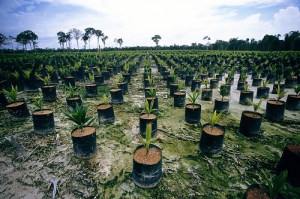
The paper by Koh and colleagues entitled Wash and spin cycle threats to tropical biodiversity just came out online in the journal Biotropica, and therein we describe the greenwashing-blackwashing twin conservation evils using the oil palm controversy as an excellent example case. Just in case you didn’t know, much of the tropical world (especially South East Asia) is undergoing massive conversion of native forests to oil palm plantations, to the overwhelming detriment of biodiversity. I’ve covered the issue in several posts on ConservationBytes.com before (see for example Tropical forests worth more standing, Indonesia’s precious peatlands under oil palm fire & More greenwashing from the Malaysian oil palm industry).

Briefly, we demonstrate how the palm oil industry is guilty of the following greenwashes:

On the either side, various environmental groups such as Greenpeace, have promoted the following blackwashes:

  • Orang-utan will be extinct imminently – A gross exaggeration, although something we believe is eventually possible.
  • Avoided deforestation schemes (e.g., REDD) will crash carbon-trading – Again, even economists don’t believe this.

For details, see the paper online.

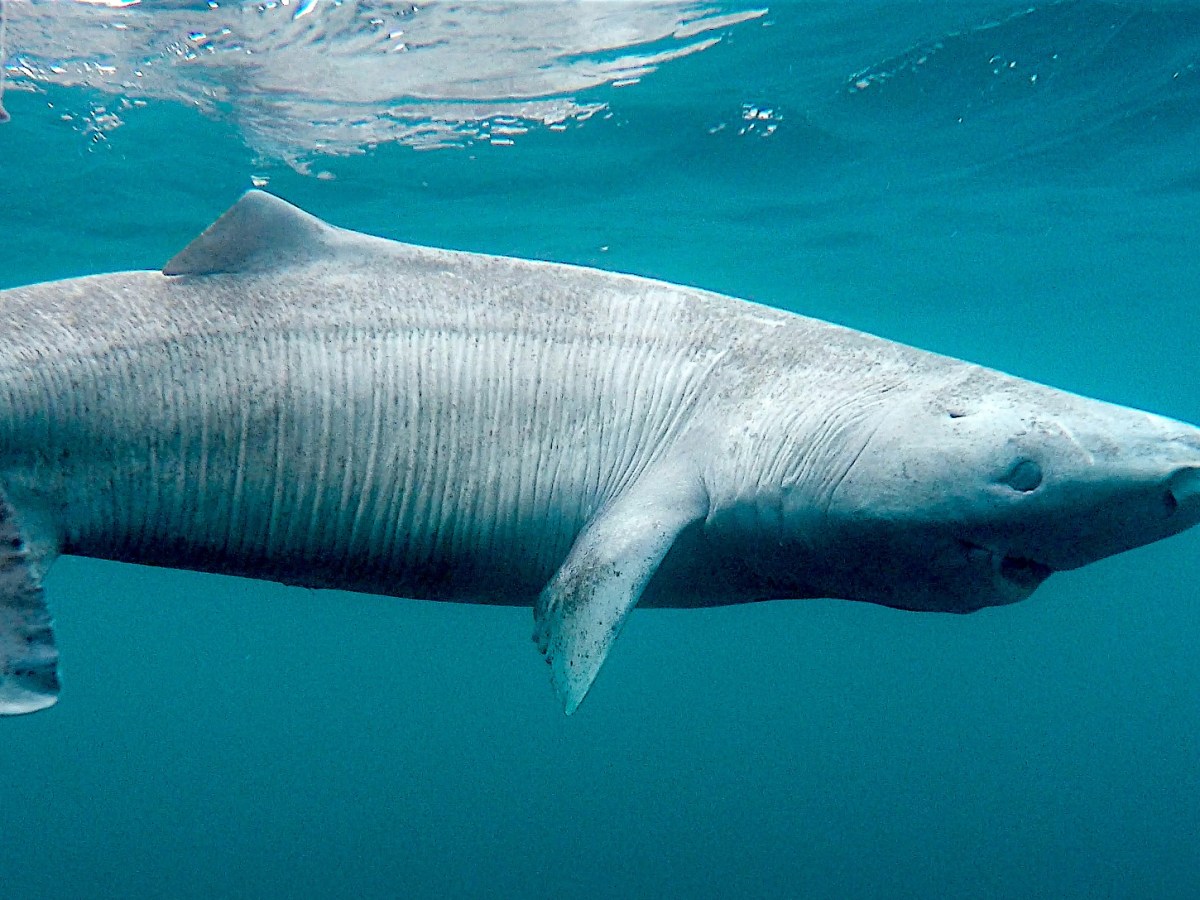
Now, I’d probably tend to believe some of the less outrageous claims made by some environmental groups because if anything, the state of biodiversity is probably overall worse than what most people realise. However, when environmental groups are exposed for exaggerations, or worse, lies, then their credibility goes out the window and even those essentially promoting their cause (e.g., conservation biologists like myself) will have nothing to do with them. The quasi-religious zealotry of anti-whaling campaigns is an example of a terrible waste of funds, goodwill and conservation resources that could be otherwise spent on real conservation gains. Instead, political stunts simply alienate people who would otherwise reasonably contribute to improving the state of biodiversity. Incidentally, an environmental advocacy group in Australia emailed me to support their campaign to highlight the plight of sharks. I am a firm supporter of better conservation of sharks (see recent paper and post about this here). However, when I read their campaign propaganda, the first sentence read:

Almost 90 % of sharks have been wiped out

I immediately distanced myself from them. This is a blatant lie and terrible over-exaggeration. Ninety per cent of sharks HAVE NOT been wiped out. Some localised depletions have occurred, and not one single shark species has been recorded going extinct since records began. While I agree the world has a serious shark problem, saying outrageous things like this will only serve to weaken your cause. My advice to any green group is to get your facts straight and avoid the sensationlist game – you won’t win it, and you probably won’t be successful in doing anything beneficial for the species you purport to save.
CJA Bradshaw

Add to FacebookAdd to NewsvineAdd to DiggAdd to Del.icio.usAdd to StumbleuponAdd to RedditAdd to BlinklistAdd to Ma.gnoliaAdd to TechnoratiAdd to Furl

ResearchBlogging.orgKoh, L., Ghazoul, J., Butler, R., Laurance, W., Sodhi, N., Mateo-Vega, J., & Bradshaw, C. (2009). Wash and Spin Cycle Threats to Tropical Biodiversity Biotropica DOI: 10.1111/j.1744-7429.2009.00588.x


How to restore a tropical rain forest

6 11 2009

thiakiHere’s a little story for you about how a casual chat over a glass of wine (or many) can lead to great scientific endeavours.

A few years ago I was sitting in the living room of my good friends Noel Preece and Penny van Oosterzee in Darwin chatting about life, the universe, and everything. They rather casually mentioned that they would be selling their environmental consulting company and their house and moving to the Queensland rain forest. Ok – sounded like a pretty hippy thing to do when you’re thinking about ‘retiring’ (only from the normal grindstone, at least). But it wasn’t about the easy life away from it all (ok, partially, perhaps) – they wanted to do something with their reasonably large (181 ha), partially deforested (51-ha paddock) property investment. By ‘something’, I mean science.

So they asked me – how would we go about getting money to investigate the best way to reforest a tropical rain forest? I had no idea. As it turns out, no one really knows how to restore rain forests properly. Sure, planting trees happens a lot, but the random, willy-nilly, unquantified ways in which it is done means that no one can tell you what the biggest biodiversity bang for your buck is, or even if it can compete on the carbon sequestration front.

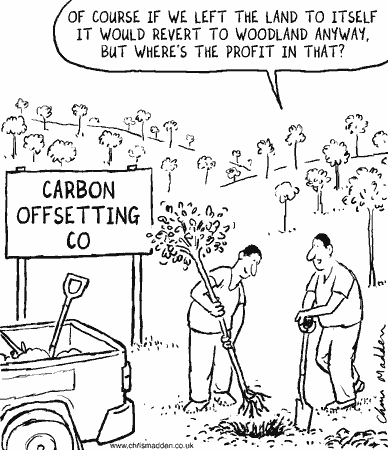
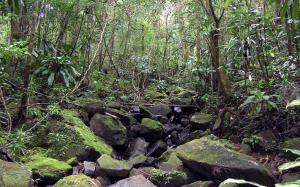
Why carbon sequestration? Well, in case you’ve had your head up your bum for the last decade, one of the major carbon mitigating schemes going is the offset idea – for every tonne of carbon you emit as a consumer, you (or more commonly, someone else you pay) plant a certain number of trees (because trees need carbon to grow and so suck it out of the atmosphere). Nice idea, but if you deforest native ecosystems just to bash up quick-growing monoculture plantations of (usually) exotic species with little benefit to native biota, biodiversity continues to spiral down the extinction vortex. So, there has to be a happy medium, and there has to be a way to measure it.

So I said to Penny and Noel “Why don’t we bash together a proposal and get some experts in the field involved and submit it to the Australian Research Council (ARC) for funding?” They thought that was a smashing idea, and so we did.

Fast forward a few years and … success! The Thiaki Project was born (‘Thiaki’ is the name of the Creek flowing through the property north of Atherton – seems to be of Greek origin). We were extremely lucky to find a new recruit to the University of Queensland, Dr. Margie Mayfield (who worked previously with Paul Ehrlich), who was not only an expert in the area of tropical reforestation for biodiversity, she also had the time and energy to lead the project. We garnered several other academic and industry partners and came up with a pretty sexy experiment that is just now getting underway thanks to good old Mr. ARC.

The project is fairly ambitious, even though the experiments per se are fairly straight forward. We’re using a randomised block design where we are testing 3 tree diversity treatments (monoculture, 1 species each from 6 families, and 5 species each from those same 6 families) and two planting densities (high and low). The major objective is to see what combination of planting density and native tree species provides the most habitat for the most species. We’re starting small, looking mainly at various insects as they start to use the newly planted blocks, but might expand the assessments (before planting and after) to reptiles, amphibians and possibly birds later on.

But we’re not stopping there – we were fortunate enough to get get a clever soil scientist, Dr. David Chittleborough of the University of Adelaide, involved so we could map the change in soil carbon during the experiment. Our major challenge is to find the right combination of tree species and planting techniques that restore native biodiversity the most effectively, all the while maximising carbon sequestration from the growing forest. And of course, we’re trying to do this as most cost-effectively as we can – measuring the relative costs will give landowners contemplating reforestation the scale of expenditures expected.

I’m pretty proud of what Margie, Noel, Penny and the rest of the team have accomplished so far, and what’s planned. Certainly the really exciting results are years away yet, but stay tuned – Thiaki could become the model for tropical reforestation worldwide. Follow the Thiaki Project website for regular updates.

I’d also love to recreate the Thiaki Project in southern Australia because as it turns out, no one knows how to maximise biodiversity and carbon sequestration for the lowest cost in temperate reforestation projects either. All we need is a few hundred hectares of deforested land (shouldn’t be hard to find), about $1 million to start, and a bit of time. Any takers?

CJA Bradshaw

Add to FacebookAdd to NewsvineAdd to DiggAdd to Del.icio.usAdd to StumbleuponAdd to RedditAdd to BlinklistAdd to Ma.gnoliaAdd to TechnoratiAdd to Furl

carbon offset

© C. Madden


October Issue of Conservation Letters

18 10 2009

The second-to-last issue in 2009 (October) of Conservation Letters is now out. Click here for full access.

cl2-5

Household goods made of non-timber forest products. © N. Sasaki

Papers in this issue:


How to make an effective marine protected area

22 09 2009

Here’s a nice little review from the increasingly impressive Frontiers in Ecology and the Environment which seems to be showcasing a lot of good conservation research lately.

© USGS

© USGS

As we know, the world’s oceans are under huge threat, with predictions of 70 % loss of coral reefs by 2050, decline in kelp forests, loss of seagrasses, over-fishing, pollution and a rapidly warming and acidifying physical environment. Given all these stressors, it is absolutely imperative we spend a good deal of time thinking about the right way to impose restrictions on damage to marine areas – the simplest way to do this is via marine protected areas (MPA).

The science of MPA network design has matured over the last 10-20 years such that there is a decent body of literature now on what we need to do (now the policy makers just have to listen – some  progress there too, but see also here). McLeod and colleagues in the latest issue of Frontiers in Ecology and the Environment have published a review outlining the best, at least for coral reefs, set of recommendations for MPA network design given available information (paper title: Designing marine protected area networks to address the impacts of climate change). Definitely one for the Potential list.

Here’s what they recommend:

Size

  • bigger is always better
  • minimum diameter of an MPA should be 10-20 km to ensure exchange of propagules among protected benthic populations

Shape

  • simple shapes best (squares, rectangles)
  • avoid convoluted shapes to minimise edge effects

Representation

  • protect at least 20-30 % of each habitat

Replication

  • protect at least 3 examples of each marine habitat

Spread

  • select MPA in a variety of temperature regimes to avoid risk of all protected reefs succumbing to future climate changes

Critical Areas

  • protect nursery areas, spawning aggregations, and areas of high species diversity
  • protect areas demonstrating natural resilience or rapid recovery from previous disturbances

Connectivity

  • measure connectivity between MPA to ensure replenishment
  • space maximum distance of 15-20 km apart
  • include whole ecological units
  • buffer core areas
  • protect adjacent areas such as outlying reefs, seagrass beds, mangroves

Ecosystem Function

  • maintain key functional groups of species (e.g., herbivorous fishes)

Ecosystem Management

  • embed MPA in broader management frameworks addressing other threats
  • address and rectify sources of pollution
  • monitor changes

Of course, this is just a quick-and-dirty list as presented here – I highly recommend reading the review for specifics.

CJA Bradshaw

ResearchBlogging.orgMcLeod, E., Salm, R., Green, A., & Almany, J. (2009). Designing marine protected area networks to address the impacts of climate change Frontiers in Ecology and the Environment, 7 (7), 362-370 DOI: 10.1890/070211


Burning away ecological ignorance

24 08 2009

This is the last post from the 10th International Congress of Ecology (INTECOL) in Brisbane. I’ve just returned after a long, but good week.

fire

© ABC Landline

Following my last two posts (here and here) from INTECOL, I end with a post about the very final talk of the Congress by a very well-known conservation ecologist, Professor David Lindenmayer of the Australian National University. David is a prolific and highly respected ecologist specialising in long-term ecological studies measuring forest biodiversity change. What made this final talk so compelling (and compelling it had to be after 5 straight days of talks) was not that it was essentially his acceptance ‘speech’ for winning the Ecological Society of Australia‘s Australian Ecology Research Award (AERA), it was the personal side of his science that kept the audience rapt.

As many CB readers will know, Australia (the state of Victoria in particular) suffered earlier this year some of the worst forest fires on record. Many died and many millions in property were damaged. Since then, everyone from Germaine Greer to MP Wilson Tuckey has become a laughably unqualified fire expert, but few have sufficient knowledge or experience to prescribe the most parsimonious fire regime for Victoria’s wet temperate forests.

Now, I think David was unfortunate to lose either friends or family in those fires, and he’s been collecting biodiversity data there and studying the ecology of south Australian fires for over two decades. Suffice it to say, he probably knows what he’s talking about.

So when the baying hounds of public misunderstanding demand that the remaining bush fragments of Victorian forests be cleared to protect people and property (so-called ‘hazard-reduction burning’), I think we should listen instead to David Lindenmayers of this world.

David’s talk was about just this – how the fires are portrayed as the Apocalypse itself by the media, when in reality ecosystems generally bounce back very quickly. Indeed, even in some of the most heavily burnt sites, most of the standing carbon in the vegetation remains (despite appearances). He also explained that our knowledge of temperate fire regimes is rudimentary at best, and that available evidence from the Northern Hemisphere suggests that clearing forests actually can lead to a HIGHER fire proneness, intensity and frequency. He explained how the homogenisation of fire patterns destroy are weakening essential ecosystem functions, and that spatial and temporal fire patchiness is essential to maintain ecosystems and the people living in them.

In summary, we have failed to learn lessons from northern Australia about buggering up the natural fire regime (see previous post). We as a society fall victim to sensationalist and uninformed media reports and develop ill-advised, knee-jerk policies as a result. Ecological considerations for our own welfare have been overlooked too long. It’s time politicians stop fuelling the fires of public ignorance and listen to the ecologists out there who know a thing or two about complex ecosystem structure and the disturbance regimes that create them.

Thanks, David, for a sobering reminder of the importance of our work.

CJA Bradshaw

Add to FacebookAdd to NewsvineAdd to DiggAdd to Del.icio.usAdd to StumbleuponAdd to RedditAdd to BlinklistAdd to Ma.gnoliaAdd to TechnoratiAdd to Furl


Fragmen borealis: degradation of the world’s last great forest

12 08 2009
© energyportal.eu

© energyportal.eu

I have the dubious pleasure today of introducing a recently published paper of ours that was at the same time both intellectually stimulating and demoralising to write. I will make no apologies for becoming emotionally involved in the scientific issues about which my colleagues and I write (as long as I can maintain with absolute sincerity that the data used and conclusions drawn are as objectively presented as I am capable), and this paper probably epitomises that stance more than most I’ve written during my career.

The topic is especially important to me because of its subtle, yet potentially disastrous consequences for biodiversity and climate change. It’s also a personal issue because it’s happening in a place I used to (many, many years ago) call home.

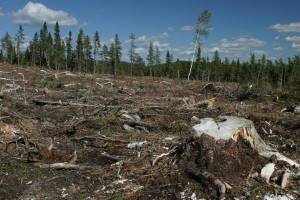
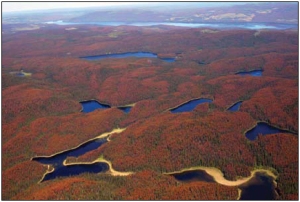
Despite comprising about a third of the world’s entire forested area and harbouring some of the lowest human densities anywhere, the great boreal forest that stretches across Alaska, Canada, Scandinavia and a huge chunk of Russia is under severe threat.

Surprised that we’re not talking about tropical deforestation for once? Surprised that so-called ‘developed’ nations are pilfering the last great carbon sink and biodiversity haven left on the planet? If you have read any of the posts on this blog, you probably shouldn’t be.

The paper today appeared online in Trends in Ecology and Evolution and is entitled Urgent preservation of boreal carbon stocks and biodiversity (by CJA Bradshaw, IG Warkentin & NS Sodhi). It’s essentially a review of the status of the boreal forest from a biodiversity perspective, and includes a detailed assessment of the degree of its fragmentation, species threat, climate- and human-influenced disturbance regime, and its carbon sequestration/emission status. I’ll summarise some of the main findings below:

borealfire

© NASA

  • Russia contains ~53 % of the boreal forest, followed by Canada (25 %), USA (18 %, mostly in Alaska), Sweden (2 %) and Finland and Norway (~1 % each); there are small areas of boreal forest in northern China and Mongolia.
  • Fire is the main driver of change in the boreal forest. Although clearing for logging and mining abounds, it pales in comparison to the massive driver that is fire.
  • There is evidence that climate change is increasing the frequency and possibly extent of fires in the boreal zone. That said, most fires are started by humans, and this is particularly the case in the largest expanse in Russia (in Russia alone, 7.5 and 14.5 million hectares burnt in 2002 and 2003, respectively).
  • While few countries report an overall change in boreal forest extent, the degree of fragmentation and ‘quality’ is declining – only about 40 % of the total forested area is considered ‘intact’ (defined here as areas ≥ 500 km2, internally undivided by things such as roads, and with linear dimensions ≥ 10 km).
  • Russian boreal forest is the most degraded and least ‘intact’, and has suffered the greatest decline in the last few decades compared to other boreal countries.
  • Boreal countries have only < 10 % of their forests protected from wood exploitation, except Sweden where it’s about 20 %.
  • There are over 20000 species described in the boreal forest – a number much less than that estimated for tropical forests even of much smaller size.
  • 94 % of the 348 IUCN Red Listed boreal species are considered to be threatened with extinction, but other estimates from local assessments compiled together in 2000 (the United Nations’ Temperate and Boreal Forest Resources Assessment) place the percentages of threatened species up to 46 % for some taxa in some countries (e.g., mosses in Sweden). The latter assessment placed the Fennoscandian countries as having the highest proportions of at-risk taxa (ferns, mosses, lichens, vascular plants, butterflies, birds, mammals and ‘other vertebrates’), with Sweden having the highest proportion in almost all categories.
  • Boreal forest ecosystems contain about 30 % of the terrestrial carbon stored on Earth (~ 550 Gigatonnes).
  • © BC Ministry For Range/L. Maclaughlan

    Warmer temperatures have predisposed coniferous forest in western Canada to a severe outbreak of mountain pine beetle (Dendroctonus ponderosae) extending over > 13 M ha. © BC Ministry For Range/L. Maclaughlan

  • Mass insect outbreaks killing millions of trees across the entire boreal region are on the rise.
  • Although considered in the past as a global carbon sink, recent disturbances (e.g., increasing fire and insect outbreak) and refinements of measurement mean that much of the area is probably a carbon source (at least, temporarily).
  • A single insect outbreak in western Canada earlier this decade thought to be the direct result of a warming planet contributed more carbon to the atmosphere than all of that country’s transport industry and fire-caused release combined.
  • Current timber harvest management is inadequately prepared to emulate natural fire regimes and account for shifting fire patterns with climate change.
  • No amount of timber management can offset the damage done by increasing fire – we must manage fire better to have any chance of saving the boreal forest as a carbon sink and biodiversity haven.

Those include the main take-home messages. I invite you to read the paper in full and contact us (the authors) if you have any questions.

CJA Bradshaw

Full reference: Bradshaw, CJA, IG Warkentin, NS Sodhi. 2009. Urgent preservation of boreal carbon stocks and biodiversity. Trends in Ecology and Evolution DOI: 10.1016/j.tree.2009.03.019

Add to FacebookAdd to NewsvineAdd to DiggAdd to Del.icio.usAdd to StumbleuponAdd to RedditAdd to BlinklistAdd to Ma.gnoliaAdd to TechnoratiAdd to Furl


August issue of Conservation Letters

6 08 2009

© Discovery Channel/W. Sloss

© Discovery Channel/W. Sloss

The latest edition of Conservation Letters is now out. Click here for full access (yes, all articles are still free!).

Papers in this issue:


Few people, many threats – Australia’s biodiversity shame

31 07 2009

bridled_nailtail_400I bang on a bit about human over-population and how it drives biodiversity extinctions. Yet, it isn’t always hordes of hungry humans descending on the hapless species of this planet  – Australia is a big place, but has few people (just over 20 million), yet it has one of the higher extinction rates in the world. Yes, most of the country is covered in some fairly hard-core desert and most people live in or near the areas containing the most species, but we have an appalling extinction record all the same.

A paper that came out recently in Conservation Biology and was covered a little in the media last week gives some telling figures for the Oceania region, and more importantly, explains that we have more than enough information now to implement sound, evidence-based policy to right the wrongs of the past and the present. Using IUCN Red List data, Michael Kingsford and colleagues (paper entitled Major conservation policy issues for biodiversity in Oceania), showed that of the 370 assessed species in Australia, 80 % of the threatened ones are listed because of habitat loss, 40 % from invasive species and 30 % from pollution. As we know well, it’s mainly habitat loss we have to control if we want to change things around for the better (see previous relevant posts here, here & here).

Kingsford and colleagues proceed to give a good set of policy recommendations for each of the drivers identified:

Habitat loss and degradation

  • Implement legislation, education, and community outreach to stop or reduce land clearing, mining, and unsustainable logging through education, incentives, and compensation for landowners that will encourage private conservation
  • Establish new protected areas for habitats that are absent or poorly represented
  • In threatened ecosystems (e.g., wetlands), establish large-scale restoration projects with local communities that incorporate conservation and connectivity
  • Establish transparent and evidence-based state of environment reporting on biodiversity and manage threats within and outside protected areas.
  • Protect free-flowing river systems (largely unregulated by dams, levees, and diversions) within the framework of the entire river basin and increase environmental flows on regulated rivers

Invasive species

  • Avoid deliberate introduction of exotic species, unless suitable analyses of benefits outweigh risk-weighted costs
  • Implement control of invasive species by assessing effectiveness of control programs and determining invasion potential
  • Establish regulations and enforcement for exchange or treatment of ocean ballast and regularly implement antifouling procedures

Climate change

  • Reduce global greenhouse gas emissions
  • Identify, assess, and protect important climate refugia
  • Ameliorate the impacts of climate change through strategic management of other threatening processes
  • Develop strategic plans for priority translocations and implement when needed

Overexploitation

  • Implement restrictions on harvest of overexploited species to maintain sustainability
  • Implement an ecosystem-based approach for fisheries, based on scientific data, that includes zoning the ocean; banning destructive fishing; adopting precautionary fishing principles that include size limits, quotas, and regulation with sufficient resources based on scientific assessments of stocks and; reducing bycatch through regulation and education
  • Implement international mechanisms to increase sustainability of fisheries by supporting international treaties for fisheries protection in the high seas; avoiding perverse subsidies and improve labelling of sustainable fisheries; and licensing exports of aquarium fish
  • Control unsustainable illegal logging and wildlife harvesting through local incentives and cessation of international trade

Pollution

  • Decrease pollution through incentives and education; reduce and improve treatment of domestic, industrial, and agriculture waste; and rehabilitate polluted areas
  • Strengthen government regulations to stop generation of toxic material from mining efforts that affects freshwater and marine environments
  • Establish legislation and regulations and financial bonds (international) to reinforce polluter-pays principles
  • Establish regulations, education programs, clean ups, labelling, and use of biodegradable packaging to reduce discarded fishing gear and plastics

Disease

  • Establish early-detection programs for pathological diseases and biosecurity controls to reduce translocation
  • Identify causes, risk-assessment methods, and preventative methods for diseases
  • Establish remote communities of organisms (captive) not exposed to disease in severe outbreaks

Implementation

  • Establish regional population policies based on ecologically sustainable human population levels and consumption
  • Ensure that all developments affecting the environment are adequately analysed for impacts over the long term
  • Promote economic and societal benefits from conservation through education
  • Determine biodiversity status and trends with indicators that diagnose and manage declines
  • Invest in taxonomic understanding and provision of resources (scientific and conservation) to increase capacity for conservation
  • Increase the capacity of government conservation agencies
  • Focus efforts of nongovernmental organisations on small island states on building indigenous capacity for conservation
  • Base conservation on risk assessment and decision support
  • Establish the effectiveness of conservation instruments (national and international) and their implementation

A very good set of recommendations that I hope we can continue to develop within our governments.

CJA Bradshaw

Add to FacebookAdd to NewsvineAdd to DiggAdd to Del.icio.usAdd to StumbleuponAdd to RedditAdd to BlinklistAdd to Ma.gnoliaAdd to TechnoratiAdd to Furl


Ray of conservation light for Borneo

25 07 2009

This was the most interesting 20 minutes I’ve spent in the last wee while.

Up until just now, I had never heard of Willie Smits or what he’s been doing in Indonesia. I’ve been fairly hard on Indonesia in some of my papers and blog posts because of the ecological tragedy taking place there. I’ve focussed on the immense rate and extent of deforestation, the oil palm explosion, peatland destruction and air pollution arising from runaway fires there – I have thus far ignored any real positives because I didn’t really believe there were any.

Then I saw Smits’ TED talk. Two words – very impressed. I usually enjoy and even barrack for TED talks, and this is no exception.

This man and his organisation have really been applying a great deal of the research mentioned on ConservationBytes.com, as well as collecting data proving beyond a shadow of a doubt that if you integrate people’s needs with those of biodiversity, you can restore not only entire ecosystems, you can make humans benefit immensely in the process. A chronic pessimist, I can scarcely believe it.

He talks about a whole-system approach where agriculture, full rain forest restoration, climate control, carbon sequestration, monitoring and local governance all work together to turn once bare, fire-prone, species-poor deforested grasslands into teaming jungles that support happy, healthy, wealthy and well-governed human communities. Please watch this.

Vodpod videos no longer available.

CJA Bradshaw

Add to FacebookAdd to NewsvineAdd to DiggAdd to Del.icio.usAdd to StumbleuponAdd to RedditAdd to BlinklistAdd to Ma.gnoliaAdd to TechnoratiAdd to Furl


June Issue of Conservation Letters

6 06 2009

Quick off the mark this month is the new issue of Conservation Letters. There are some exciting new papers (listed below). I encourage readers to have a look:

Policy Perspectives

Letters

CJA Bradshaw


Tropical forests worth more standing

4 06 2009
© R. Butler

© R. Butler

Keeping with the oil palm theme…

A paper just published online in Conservation Letters by Venter and colleagues entitled Carbon payments as a safeguard for threatened tropical mammals gets my vote for the Potential list.

We’ve been saying it again and again and again… tropical forests, the biodiversity they harbour and the ecosystem services they provide are worth more to humanity than the potential timber they represent. Now we find they’re even worth more than cash crops (e.g., oil palm) planned to replace them.

A few years ago some very clever economists and environmental policy makers came up with the concept of ‘REDD’ (reducing carbon emissions from deforestation and forest degradation), which is basically as system “… to provide financial incentives for developing countries that voluntarily reduce national deforestation rates and associated carbon emissions below a reference level”. Compensation can occur either via grant funding or through a carbon-trading scheme in international markets.

Now, many cash-greedy corporations argue that REDD could in no way compete with the classic rip-it-down-and-plant-the-shit-out-of-it-with-a-cash-crop approach, but Venter and colleagues now show this argument to be a bit of a furphy.

The authors asses the financial feasibility of REDD in all planned oil palm plantations in Kalimantan – Indonesia’s part of the island of Borneo in South East Asia. Borneo is also the heart of the environmental devastation typical of the tropics. They conclude that REDD is in fact a rather financially competitive scheme if we can manage to obtain carbon prices of around US$10-33/tonne. In fact, even when carbon prices are as low as US$2/tonne (as they are roughly now on the voluntary market), REDD is still competitive for areas of high forest carbon content and lower agricultural potential.

But the main advantage isn’t just the positive cash argument – many endangered mammals (and there are 46 of them in Kalimantan) such as the South East Asian equivalent of the panda (the orang-utan – ‘equivalent’ in the media-hype and political sensitivity sense, not taxonomic, of course) and the Bornean elephant (yes, they have them) are currently found in areas planned for plantation. So saving the forest obviously saves these and countless other taxa that only exist on this highly endemic island. Finally, Venter and colleagues found that where emission reductions were cheapest, these are also areas with higher-than-average densities of endangered mammals, suggesting that REDD is a fantastic option to keep developing countries in the black without compromising their extensive species richness and endemism.

Brilliant. Now if we can just get the economists and pollies to agree on a REDD model that actually works.

CJA Bradshaw

Add to FacebookAdd to NewsvineAdd to DiggAdd to Del.icio.usAdd to StumbleuponAdd to RedditAdd to BlinklistAdd to Ma.gnoliaAdd to TechnoratiAdd to Furl


Indonesia’s precious peatlands under oil palm fire

31 05 2009
© Cockroach Productions

© Cockroach Productions

A small opinion piece about to be published in Frontiers in Ecology and the Environment (June 2009 issue) discusses a major concern we (Lian Pin Koh, Rhett Butler and I) have with Indonesia’s decision to allow peatlands less than 3 m deep to be converted to oil palm. Is nothing immune to the spread of this crop (see previous posts here and here on oil palm plantations)?

Why is this such a big deal? Well, we list five main reasons why it’s a bad idea for Indonesia, the world in general and biodiversity:

  1. Peatlands are amazing carbon sinks, so their destruction necessarily equates to a large release of carbon into the atmosphere (Page et al. 2002)
  2. Tropical peatlands take a hell of a long time to generate – 100s to 1000s of years (Chimner and Ewel 2005)
  3. Tropical peatlands harbour a massive biodiversity, but they are still poorly described and their ecosystems only superficially understood
  4. The burning of peatlands to provide the conditions necessary to plant oil palm will contribute to the massive ‘haze’ problem in South East Asia (Lohman et al. 2007)
  5. The decision goes against the principles of ‘reducing carbon emissions from deforestation and forest degradation‘ (REDD), which means it will be more difficult to implement carbon trading schemes that intrinsically value intact forests

More detail can be found in the Write Back piece that will be published shortly in Frontiers in Ecology and the Environment. For more information on oil palm and its conservation implications, see the following:

CJA Bradshaw

Add to FacebookAdd to NewsvineAdd to DiggAdd to Del.icio.usAdd to StumbleuponAdd to RedditAdd to BlinklistAdd to Ma.gnoliaAdd to TechnoratiAdd to Furl


Underwater deforestation

26 05 2009
© C. Connell

© S. Connell

I’ve been meaning to blog on this for a while, but am only now getting around to it.

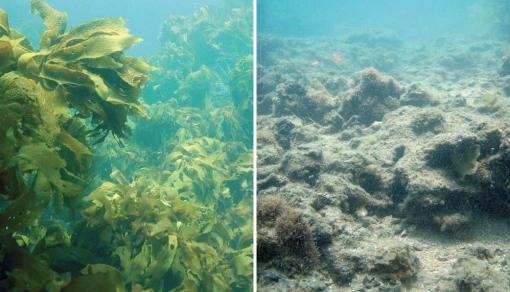
Now, it’s not bulldozers razing our underwater forests – it’s our own filth. Yes, we do indeed have underwater forests, and they are possibly the most important set of species from a biodiversity perspective in temperate coastal waters around the world. I’m talking about kelp. I’ve posted previously about the importance of kelp and how climate change poses a threat to these habitat-forming species that support a wealth of invertebrates and fish. In fact, kelp forests are analogous to coral reefs in the tropics for their role in supporting other biodiversity.

The paper I’m highlighting for the ConservationBytes.com Potential list is by a colleague of mine at the University of Adelaide, Associate Professor Sean Connell, and his collaborators entitled “Recovering a lost baseline: missing kelp forests from a metropolitan coast“. This paper is interesting, novel and applied for several reasons.

First, it sets out some convincing evidence that the Adelaide coastline has experienced a fairly hefty loss of canopy-forming kelp (mainly species like Ecklonia radiata and Cystophora spp.) since urbanisation (up to 70 % !). Now, this might not seem too surprising – we humans have a horrible track record for damaging, exploiting or maltreating biodiversity – but it’s actually a little unexpected given that Adelaide is one of Australia’s smaller major cities, and certainly a tiny city from a global perspective. There hasn’t been any real kelp harvesting around Adelaide, or coastal overfishing that could lead to trophic cascades causing loss through herbivory. Connell and colleagues pretty much are able to isolate the main culprits: sedimentation and nutrient loading (eutrophication) from urban run-off.

Second, one might expect this to be strange because other places around the world don’t have the same kind of response. The paper points out that in the coastal waters of South Australia, the normal situation is characterised by low nutrient concentrations in the water (what we term ‘oligotrophic’) compared to other places like New South Wales. Thus, when you add even a little bit extra to a system not used to it, these losses of canopy-forming kelp ensue. So understanding the underlying context of an ecosystem will tell you how much it can be stressed before all hell breaks loose.

Finally, the paper makes some very strong arguments for why good marine data are required to make long-term plans for conservation – there simply isn’t enough investment in basic marine research to ensure that we can plan responsibly for the future (see also previous post on this topic).

A great paper that uses a combination of biogeography, time series and chemistry to inform about a major marine conservation problem.

CJA Bradshaw

Add to FacebookAdd to NewsvineAdd to DiggAdd to Del.icio.usAdd to StumbleuponAdd to RedditAdd to BlinklistAdd to Ma.gnoliaAdd to TechnoratiAdd to Furl


The non-human view of the (real) world

21 05 2009

cokebottleglassesWe all have a distorted view of the planet. Our particular experiences, drives, beliefs and predilections all taint our ability to perceive and interpret our world objectively and rationally.

Enter science.

Science, in all its manifestations, aims, outcomes and applications, is united by one basic principle: to reduce human subjectivity. Contrary to popular belief, science isn’t a ‘thing’; and it’s certainly not a belief system. It isn’t even a philosophy (although there are several different major branches of the philosophy of science). It is, put way too simplistically, a method that attempts to isolate pattern from noise and objectivity from desire. It’s by no means a perfect system because human subjectivity can still creep in even when we make our best attempts to avoid it, but it’s the best system we have. Chances are too that if you’ve made a mistake and haven’t been as objective as you could have been, some other scientist will come along and rip down your house of cards. Two steps forward and one step back. That’s science.

So, where am I going? You might have seen this before, but I thought it worthwhile reproducing some of the images from Daniel Dorling, Mark Newman and Anna Barford’s The Atlas of the Real World: Mapping the Way We Live (Thames & Hudson 2008). There are some fascinating images of the world map that alter the ‘volume’ of a country relative to a particular resource use or conservation measure. The example shows the use of coal power, ecological footprint, forest depletion, water depletion, waste recycled, extinct species, species at risk, plants at risk, mammals at risk (check out the IUCN Red List for the last 4 categories), greenhouse gas emissions, energy depletion, and biocapacity. Check out your country and see how well or poorly you’re doing relative to the rest of the world.

CJA Bradshaw

Add to FacebookAdd to NewsvineAdd to DiggAdd to Del.icio.usAdd to StumbleuponAdd to RedditAdd to BlinklistAdd to Ma.gnoliaAdd to TechnoratiAdd to Furl


Climate change’s ugly cousin – biodiversity loss

17 05 2009

uglybaby…nobody puts a value on pollination; national accounts do not reflect the value of ecosystem services that stop soil erosion or provide watershed protection.

Barry Gardiner, Labour MP for Brent North (UK), Co-chairman, Global Legislators Organisation‘s International Commission on Land Use Change and Ecosystems

Last week I read with great interest the BBC’s Green Room opinion article by Barry Gardiner, Labour MP in the UK, about how the biodiversity crisis takes very much the back seat to climate change in world media, politics and international agreements.

He couldn’t be more spot-on.

I must stipulate right up front that this post is neither a whinge, rant nor lament; my goal is to highlight what I’ve noticed about the world’s general perception of climate change and biodiversity crisis issues over the last few years, and over the last year in particular since ConservationBytes.com was born.

Case in point: my good friend and colleague, Professor Barry Brook, started his blog BraveNewClimate.com a little over a month (August 2008) after I managed to get ConservationBytes.com up and running (July 2008). His blog tackles issues regarding the science of climate change, and Barry has been very successful at empirically, methodically and patiently tearing down the paper walls of the climate change denialists. A quick glance at the number views of BraveNewClimate.com since inception reveals about an order of magnitude more than for ConservationBytes.com (i.e., ~195000 versus 20000, respectively), and Barry has accumulated a total of around 4500 comments compared to just 231 for ConservationBytes.com. The difference is striking.

Now, I don’t begrudge for one moment this disparity – quite the contrary – I am thrilled that Barry has managed to influence so many people and topple so effectively the faecal spires erected by the myriad self-proclaimed ‘experts’ on climate change (an infamous line to whom I have no idea to attribute states that “opinions are like arseholes – everyone’s got one”). Barry is, via BraveNewClimate.com, doing the world an immense service. What I do find intriguing is that in many ways, the biodiversity crisis is a much, much worse problem that is and will continue to degrade human life for millennia to come. Yet as Barry Gardiner observed, the UK papers mentioned biodiversity only 115 times over the last 3 months compared to 1382 times for climate change – again, that order-of-magnitude disparity.

There is no biodiversity equivalent of the Intergovernmental Panel on Climate Change (although there are a few international organisations tackling the extinction crisis such as the United Nation’s Environment Program, the Millennium Ecosystem Assessment and the International Union for Conservation of Nature), we still have little capacity or idea how to incorporate the trillions of dollars worth of ecosystem services supplied every year to us free of charge, and we have nothing at all equivalent to the Kyoto Protocol for biodiversity preservation. Yet, conservation biologists have for decades demonstrated how human disease prevalence, reduction in pollination, increasing floods, reduced freshwater availability, carbon emissions, loss of fish supplies, weed establishment and spread, etc. are all exacerbated by biodiversity loss. Climate change, as serious and potentially apocalyptic as it is, can be viewed as just another stressor in a system stressed to its limits.

Of course, the lack of ‘interest’ may not be as bleak as indicated by web traffic; I believe the science underpinning our assessment of biodiversity loss is fairly well-accepted by people who care to look into these things, and the evidence spans the gambit of biological diversity and ecosystems. In short, it’s much less controversial a topic than climate change, so it attracts a lot less vitriol and spawns fewer polemics. That said, it is a self-destructive ambivalence that will eventually come to bite humanity on the bum in the most serious of ways, and I truly believe that we’re not far off from major world conflicts over the dwindling pool of resources (food, water, raw materials) we are so effectively destroying. We would be wise to take heed of the warnings.

CJA Bradshaw

Add to FacebookAdd to NewsvineAdd to DiggAdd to Del.icio.usAdd to StumbleuponAdd to RedditAdd to BlinklistAdd to Ma.gnoliaAdd to TechnoratiAdd to Furl


Celebrities actually doing something positive for conservation?

7 05 2009

When I first saw this on the BBC I thought to myself, “Well, just another toothless celebrity ego-stroke to make rich people feel better about the environmental mess we’re in” (well, I am a cynic by nature). I have blogged before on the general irrelevancy of celebrity conservation. But then I looked closer and saw that this was more than just an ‘awareness’ campaign (which alone is unlikely to change anything of substance). The good Prince of Wales and his mates/offspring have put forward The Prince’s Rainforest Project, which (thankfully) not only endeavours to raise awareness about the true value of rain forests, it actually proposes a mechanism to do so. It took a bit to find, but the 52-page report on the PRP website outlines from very sensible approaches. In essence, it all comes down to money (doesn’t everything?).

Their proposed plan to the United Nations Framework Convention on Climate Change (UNFCCC) details some of the following required changes:

  1. Payments to rain forest nations for not deforesting (establish transaction costs and setting short-term ‘conservation aid’ programmes)

  2. Multi-year service agreements (countries sign up for multi-year targets based on easily monitored performance indicators)

  3. Fund alternative, low-carbon economic development plans (fundamental shifts in development targets that explicitly avoid deforestation)

  4. Multi-stakeholder disbursement mechanisms (using funds equitably and minimising corruption)

  5. Tropical Forests Facility (a World Bank equivalent with the express purpose of organising, disbursing and monitoring anti-deforestation money flow)

  6. Country financing from public and private sources (funding initially derived from developed nations in form of ‘aid’)

  7. Rain forest bonds in private capital markets (value country-level ‘income’ as interest payments and incentives within a trade framework)

  8. Nations participate when ready (giving countries the option to advance at the pace dictated by internal politics and existing development rates)

  9. Accelerating long-term UNFCCC agreement on forests (transition to independence post-package)

  10. Global action to address drivers of deforestation (e.g., taxing/banning products grown on deforested land; ‘sustainability’ certification; consumer pressure; national procurement policies)

Now, I’m no economist, nor do I understand all the market nuances of the proposal, but it seems they are certainly on the right track. The value of tropical (well, ALL) forests to humanity are undeniable, and we’re currently in a state of crisis. Let’s hope the Prince and his mob can get the ball rolling.

For what it’s worth, here’s the video promoting the PRP. I could really care less what Harrison Ford and Pele have to say about this issue because I just don’t believe celebrities have any net effect on public behaviour (perceptions, yes, but not behaviour). But look beyond the superficiality and the cute computer-generated frog to the seriousness underneath. Despite my characteristically cynical tone, I give the PRP full support.

Vodpod videos no longer available.

more about “Rainforest film brings out stars“, posted with vodpod


CJA Bradshaw

Add to FacebookAdd to NewsvineAdd to DiggAdd to Del.icio.usAdd to StumbleuponAdd to RedditAdd to BlinklistAdd to Ma.gnoliaAdd to TechnoratiAdd to Furl


Eastern Seaboard Climate Change Initiative

30 04 2009
© A. Perkins
© A. Perkins

I’ve just spent the last few days in Sydney attending a workshop on the Eastern Seaboard Climate Change Initiative which is trying to come to grips with assessing the rising impact of climate change in the marine environment (both from biodiversity and coastal geomorphology perspectives).

Often these sorts of get-togethers end up doing little more than identifying what we don’t know, but in this case, the ESCCI (love that acronym) participants identified some very good and necessary ways forward in terms of marine research. Being a biologist, and given this is a conservation blog, I’ll focus here on the biological aspects I found interesting.

The first part of the workshop was devoted to kelp. Kelp? Why is this important?

As it turns out, kelp forests (e.g., species such as Ecklonia, Macrocystis, Durvillaea and Phyllospora) are possibly THE most important habitat-forming group of species in temperate Australia (corals and calcareous macroalgae being more important in the tropics). Without kelp, there are a whole host of species (invertebrates and fish) that cannot persist. The Australian marine environment is worth something in the vicinity of $26.8 billion to our economy each year, so it’s pretty important we maintain our major habitats. Unfortunately, kelp is starting to disappear around the country, with southern contractions of Durvillaea, Ecklonia and Hormosira on the east coast linked to the increasing southward penetration of the East Australia Current (i.e., the big current that brings warm tropical water south from Queensland to NSW, Victoria and now, Tasmania). Pollution around the country at major urban centres is also causing the loss or degradation of Phyllospora and Ecklonia (e.g., see recent paper by Connell et al. in Marine Ecology Progress Series). There is even some evidence that disease causing bleaching in some species is exacerbated by rising temperatures.

Some of the key kelp research recommendations coming out of the workshop were:

  1. Estimating the value of kelp to Australians (direct harvesting; fishing; diving)
  2. Physical drivers of change: understanding how variation in the East Australian Current (temperature, nutrients) affects kelp distribution; understanding how urban and agricultural run-off (nutrients, pollutants, sedimentation) affects distribution and health; understanding how major storm events (e.g., East Coast Lows and El Niño-Southern Oscillation) affects long-term persistence
  3. Monitoring: what is the distribution and physical limits of kelp species?; how do we detect declines in ‘health’?; what is the associated biodiversity in kelp forests?
  4. Experimental: manipulations of temperature/nutrients/pathogens in the lab and in situ to determine sensitivities; sensitivity of different life stages; latitudinal transplants to determine localised adaption
  5. Adaptation (management): reseeding; managing run-off; managing fisheries to maintain a good balance of grazers and predators; inform marine protected area zoning; understanding trophic cascades

The second part of the discussion centred on ocean acidification and increasing CO2 content in the marine environment. As you might know, increasing atmospheric CO2 is taken up partially by ocean water, which lowers the availability of carbonate and increases the concentration of hydrogen ions (thus lowering pH or ‘acidifying’). It’s a pretty worrying trend – we’ve seen a drop in pH already, with conservative predictions of another 0.3 pH drop by the end of this century (equating to a doubling of hydrogen ions in the water). What does all this mean for marine biodiversity? Well, many species will simply not be able to maintain carbonate shells (e.g., coccolithophore phytoplankton, corals, echinoderms, etc.), many will suffer reproductive failure through physiological stress and embryological malfunction, and still many more will be physiologically stressed via hypercapnia (overdose of CO2, the waste product of animal respiration).

Many good studies have come out in the last few years demonstrating the sensitivity of certain species to reductions in pH (some simultaneous with increases in temperature), but some big gaps remain in our understanding of what higher CO2 content in the marine environment will mean for biota. Some of the key research questions in this area identified were therefore:

  1. What is the adaptation (evolutionary) potential of sensitive species? Will many (any) be able to evolve higher resistance quickly enough?
  2. In situ experiments outside the lab that mimic pH and pCO2 variation in space and time are needed to expose species to more realistic conditions.
  3. What are the population consequences (e.g., change in extinction risk) of higher individual susceptibility?
  4. Which species are most at risk, and what does this mean for ecosystem function (e.g., trophic cascades)?

As you can imagine, the conversation was complex, varied and stimulating. I thank the people at the Sydney Institute of Marine Science for hosting the fascinating discussion and I sincerely hope that even a fraction of the research identified gets realised. We need to know how our marine systems will respond – the possibilities are indeed frightening. Ignorance will leave us ill-prepared.

CJA Bradshaw

Add to FacebookAdd to NewsvineAdd to DiggAdd to Del.icio.usAdd to StumbleuponAdd to RedditAdd to BlinklistAdd to Ma.gnoliaAdd to TechnoratiAdd to Furl


No end in sight for tropical deforestation

20 04 2009

Just a quick one while I wade through the swamp of overdue deadlines.

Despite years of conservation biologists telling the world about the woeful state of the world’s forests, the loss of essential ecosystem services and the biodiversity extinction crisis, it seems the message doesn’t really get out. I’m in a state of semi-shock about the following Reuters release on the potential deal to deforest 10 million hectares for agricultural expansion in the Republic of Congo. There isn’t a single mention of the deforestation aspects or what it will mean for the Congolese. Sure, turn your country (the last remaining large tracts of rainforest in Africa) into a paddock, and see how long your ‘food security’ lasts under climate change. From poor to destitute in a matter of decades.

South African farmers have been offered 10 million hectares of farm land to grow maize, soya beans as well as poultry and dairy farming in the Republic of Congo, South Africa’s main farmers union said on Wednesday.

The deal, which covers an area more than twice the size of Switzerland, could be one of the biggest such land agreements on the continent agreed by Congo’s government in an effort to improve food security, Theo de Jager, deputy president of Agriculture South Africa (AgriSA), told Reuters.

South Africa has one of the most developed agriculture sectors on the continent, and is Africa’s top maize producer and No.3 wheat grower.

“They’ve given us 10 million hectares, and that’s quite big when you consider that in South Africa we have about 6 million hectares of land that is arable,” De Jager told Reuters on the sidelines of an agriculture conference in Durban.

De Jager said the agreement — to be finalised in South Africa next month — would operate as a 99-year lease at no cost, with additional tax benefits.

“The offer which we got and we’ve agreed on paper, is a 99-year lease, of which the value would be zero and it’s not allowed to escalate over the 99 years. So it is free use for 99 years,” he said.

The Republic of the Congo’s population of around 4 million people is concentrated in the southwest, leaving the vast areas of tropical jungle in the north virtually uninhabited.

De Jager said some 1,300 South African farmers were keen to farm in the Congo Republic.

“We have two groups of farmers who are interested, one of farmers who want to leave South Africa and relocate entirely to farm over there and another of farmers who want to diversify their farming operations to the Congo,” he said.

“We’ve got guys wanting to get into poultry and dairy farming, as well as maize and soya bean production.”

TAX HOLIDAYS

“It is a tax holiday for the first five years and you’re also exempted from import tax on all your agricultural inputs and equipment,” he said.

“So you can import directly from the source and take all your profits out for the duration of this lease,” he said.

He said there was a government-to-government bilateral agreement on the promotion and protection of investments.

“There are also rules for disengagement, for example if they find oil or minerals on your farm they can move you off, but compensate you for the loss of income and they must give you land to the same value or more in a different area,” he said.

De Jager said food in Congo was expensive because the country lacks an established agriculture sector and most of its foodstuff is imported.

“On their side, (the Congo government) is promising the Congolese that they will be self-sufficient in food production in five years, and the way they want to do it is by importing, according to them, high technology farmers,” De Jager said.

South African farmers had also been invited to farm in Mozambique, Angola, Nigeria, Libya, Kenya, Democratic Republic of Congo, Malawi and Zambia, he said.


Cartoon guide to biodiversity loss IV

15 04 2009

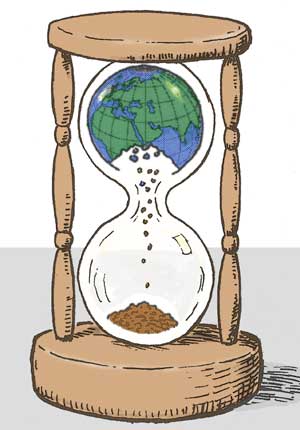
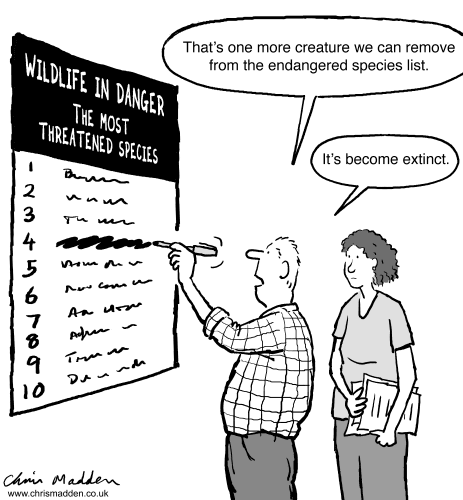
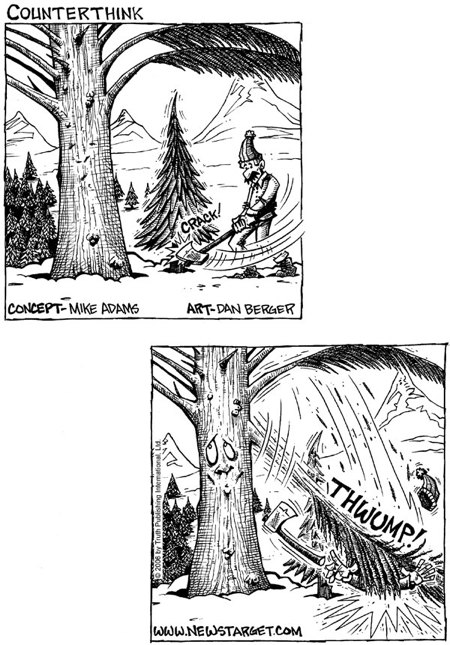
And the most degraded and self-flagellating humour on Earth continues (see also previous instalments here, here and here) …

cartoonenvironment_cartoon_7030

hourglass-earth

5765_shark_cartoon

CJA Bradshaw

Add to FacebookAdd to NewsvineAdd to DiggAdd to Del.icio.usAdd to StumbleuponAdd to RedditAdd to BlinklistAdd to Ma.gnoliaAdd to TechnoratiAdd to Furl


Woodland Recovery Initiative

12 03 2009

golden wattle (Acacia pycnantha)I’m recommending you view a video presentation (can be accessed by clicking the link below) by A/Prof. David Paton which demonstrates the urgency of reforesting the region around Adelaide. Glenthorne is a 208-ha property 17 km south of the Adelaide’s central business district owned and operated by the University of Adelaide. A major revegetation project called the Woodland Recovery Initative is being organised to achieve the following:

  • reclaim approximately 100 ha of farmland and reconstruct a suitable habitat that encourages the return of native species
  • establish a world-class research centre
  • employ scientists, technicians, teachers and managers to deliver research, educational, community engagement, monitoring and on-ground works
  • develop educational programs that involve local schools in the environmental works, so that young South Australians are engaged in the project and see it as important to the future of their community

In my view, this is a really exciting opportunity to test experimentally the best ways to restore woodlands to maximise biodiversity retention. Once revegetated, the Glenthorne property will link existing reserves to maximise forested area (and as we know, increasing habitat area is one of most effective ways to prevent extinction). The next step is to apply the knowledge gained from the long-term experimentation at Glenthorne to revegetate the regions surrounding Adelaide that have suffered 200 years of heavy deforestation.

I strongly encourage local support of this initiative – it’s not only biodiversity that will benefit – ecosystem services on which the human residents of the greater Adelaide region depend (including extremely important things such as water retention and carbon sequestration) will also be efficiently enhanced by evidence-based ecological restoration of the region. We could certainly use better natural water retention and more carbon sequestration in addition to the re-establishment of many extirpated native species!

VIEW VIDEO BY CLICKING HERE

CJA Bradshaw