Conservation Biology for All

26 12 2009

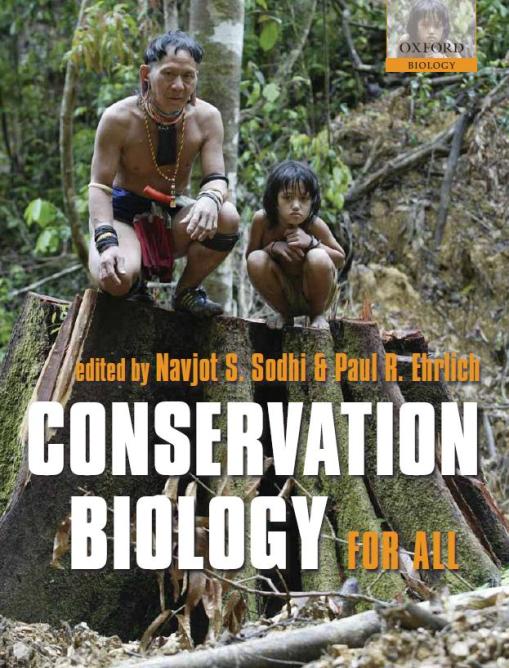
A new book that I’m proud to have had a hand in writing is just about to come out with Oxford University Press called Conservation Biology for All. Edited by the venerable Conservation Scholars, Professors Navjot Sodhi (National University of Singapore) and Paul Ehrlich (Stanford University), it’s a powerhouse of some of the world’s leaders in conservation science and application.

The book strives to “…provide cutting-edge but basic conservation science to a global readership”. In short, it’s written to bring the forefront of conservation science to the general public, with OUP promising to make it freely available online within about a year from its release in early 2010 (or so the rumour goes). The main idea here is that those in most need of such a book – the conservationists in developing nations – can access the wealth of information therein without having to sacrifice the village cow to buy it.

I won’t go into any great detail about the book’s contents (mainly because I have yet to receive my own copy and read most of the chapters!), but I have perused early versions of Kevin Gaston‘s excellent chapter on biodiversity, and Tom Brook‘s overview of conservation planning and prioritisation. Our chapter (Chapter 16 by Barry Brook and me), is an overview of statistical and modelling philosophy and application with emphasis on conservation mathematics. It’s by no means a complete treatment, but it’s something we want to develop further down the track. I do hope many people find it useful.

I’ve reproduced the chapter title line-up below, with links to each of the authors websites.

  1. Conservation Biology: Past and Present (C. Meine)
  2. Biodiversity (K. Gaston)
  3. Ecosystem Functions and Services (C. Sekercioglu)
  4. Habitat Destruction: Death of a Thousand Cuts (W. Laurance)
  5. Habitat Fragmentation and Landscape Change (A. Bennett & D. Saunders)
  6. Overharvesting (C. Peres)
  7. Invasive Species (D. Simberloff)
  8. Climate Change (T. Lovejoy)
  9. Fire and Biodiversity (D. Bowman & B. Murphy)
  10. Extinctions and the Practice of Preventing Them (S. Pimm & C. Jenkins)
  11. Conservation Planning and Priorities (T. Brooks)
  12. Endangered Species Management: The US Experience (D. Wilcove)
  13. Conservation in Human-Modified Landscapes (L.P. Koh & T. Gardner)
  14. The Roles of People in Conservation (A. Claus, K. Chan & T. Satterfield)
  15. From Conservation Theory to Practice: Crossing the Divide (M. Rao & J. Ginsberg)
  16. The Conservation Biologist’s Toolbox – Principles for the Design and Analysis of Conservation Studies (C. Bradshaw & B. Brook)

As you can see, it’s a pretty impressive collection of conservation stars and hard-hitting topics. Can’t wait to get my own copy! I will probably blog individual chapters down the track, so stay tuned.

CJA Bradshaw

Add to FacebookAdd to NewsvineAdd to DiggAdd to Del.icio.usAdd to StumbleuponAdd to RedditAdd to BlinklistAdd to Ma.gnoliaAdd to TechnoratiAdd to Furl


Scoping the future threats and solutions to biodiversity conservation

4 12 2009

Way back in 1989, Jared Diamond defined the ‘evil quartet’ of habitat destruction, over-exploitation, introduced species and extinction cascades as the principal drivers of modern extinctions. I think we could easily update this to the ‘evil quintet’ that includes climate change, and I would even go so far as to add extinction synergies as a the sixth member of the ‘evil sextet’.

But the future could hold quite a few more latent threats to biodiversity, and a corresponding number of potential solutions to its degradation. That’s why Bill Sutherland of Cambridge University recently got together with some other well-known scientists and technology leaders to do a ‘horizon scanning’ exercise to define what these threats and solutions might be in the immediate future. It’s an interesting, eclectic and somewhat enigmatic list, so I thought I’d summarise it here. The paper is entitled A horizon scan of global conservation issues for 2010 and was recently published online in Trends in Ecology and Evolution.

In no particular order or relative rank, Sutherland and colleagues list the following 15 ‘issues’ that I’ve broadly divided into ‘Emerging Threats’ and ‘Potential Solutions’:

Emerging Threats

  1. Microplastic pollution – The massive increase in plastics found in the world’s waterways and oceans really doesn’t have much focus right now in conservation research, but it should. We really don’t know how much we’re potentially threatening species with this source of pollution.
  2. Nanosilver in wastewater – The ubiquity of antimicrobial silver oxide or ions in products these days needs careful consideration for what the waste might be doing to our microbial communities that keep ecosystems alive and functioning.
  3. Stratospheric aerosols – A simultaneous solution and threat. Creating what would in effect be an artificial global cooling by injecting particles like sulphate aerosols into the stratosphere might work to cool the planet down somewhat. However, it would not reduce carbon dioxide, ocean acidification or other greenhouse gas-related changes. This strikes me as a potential for serious mucking up of the global climate and only a band-aid solution to the real problem.
  4. Deoxygenation of the oceans – Very scary. Ironically today I was listening to a talk by Martin Kennedy on the deep-time past of ocean hypoxia and he suggests we’re well on our way to a situation where our shelf waters could essentially become too anoxic for marine life to persist. It’s happened before, and rapid climate change makes the prospect plausible within less than a century. And you thought acidification was scary.
  5. Changes in denitrifying bacteria – Just like we’re changing the carbon cycle, we’re buggering up the nitrogen cycle as well. Changing our water bodies to nitrogen sources rather than sinks could fundamentally change marine ecosystems for the worse.
  6. High-latitude volcanism – One of these horrible positive feedback ideas. Reducing high-latitude ice cover exposes all these slumbering volcanoes that once ‘released’, start increasing atmospheric gas concentrations and contributing to faster ice melt and sea level rise.
  7. Trans-Arctic dispersal and colonisation – Warming polar seas and less ice mean fewer barriers to species movements. Expect Arctic ecosystems to be a hotbed of invasion, regime shifts and community reshuffling as a result.
  8. Invasive Indo-Pacific lionfish – Not one I would have focussed on, but interesting. These spiny, venomous fish like to eat a lot of other species, and so represent a potentially important invasive species in the marine realm.
  9. REDD and non-forested ecosystems – Heralded as a great potential coup for forest preservation and climate change mitigation, focussing on maintaining forests for their carbon sequestration value might divert pressure toward non-forested habitats and ironically, threaten a whole new sphere of species.
  10. International land acquisition – Global financial crises and dwindling food supplies mean that governments are acquiring more and more huge tracts of land for agricultural development. While this might solve some immediate issues, it could potentially threaten a lot more undeveloped land in the long run, putting even more pressure on habitats.

Potential Solutions

  1. Synthetic meat – Ever thought about eating a sausage grown in a vat rather than cut from a dead pig? It could become the norm and a way of reducing the huge pressure on terrestrial and aquatic systems for the production of livestock and fish for human protein provision.
  2. Artificial life – Both a risk and a potential solution. While I’ve commented before on the pointlessness of cloning technology for conservation, the ability to create genomes and reinvigorate species on the brink is an exciting prospect. It’s also frightening as hell because we don’t know how all these custom-made genomes might react and transform naturally evolved ones.
  3. Biochar – Burn organic material (e.g., plant matter) in the absence of oxygen, you get biochar. This essentially sequesters a lot of carbon that can then be put underground. The upshot is that agricultural yields can also increase. Would there be a trade-off though between land available for biochar sequestration and natural habitats?
  4. Mobile-sensing technology – Not so much a solution per se, but the rapid acceleration of remote technology will make our ability to measure and predict the subtleties of ecosystem and climate change much more precise. A lot more work and application required here.
  5. Assisted colonisationI’ve blogged about this before. With such rapid shifts in climate, we might be obliged to move species around so that they can keep up with rapidly changing conditions. Many pros and cons here, not least of which is exacerbating the invasive species problems around the globe.

Certainly some interesting ideas here and worth a thought or two. I wonder if the discipline of ‘conservation biology’ might even exist in 50-100 years – we might all end up being climate or agricultural engineers with a focus on biodiversity-friendly technology. Who knows?

CJA Bradshaw

Add to FacebookAdd to NewsvineAdd to DiggAdd to Del.icio.usAdd to StumbleuponAdd to RedditAdd to BlinklistAdd to Ma.gnoliaAdd to TechnoratiAdd to Furl

ResearchBlogging.orgSutherland, W., Clout, M., Côté, I., Daszak, P., Depledge, M., Fellman, L., Fleishman, E., Garthwaite, R., Gibbons, D., & De Lurio, J. (2009). A horizon scan of global conservation issues for 2010 Trends in Ecology & Evolution DOI: 10.1016/j.tree.2009.10.003


Value of a good enemy

25 10 2009

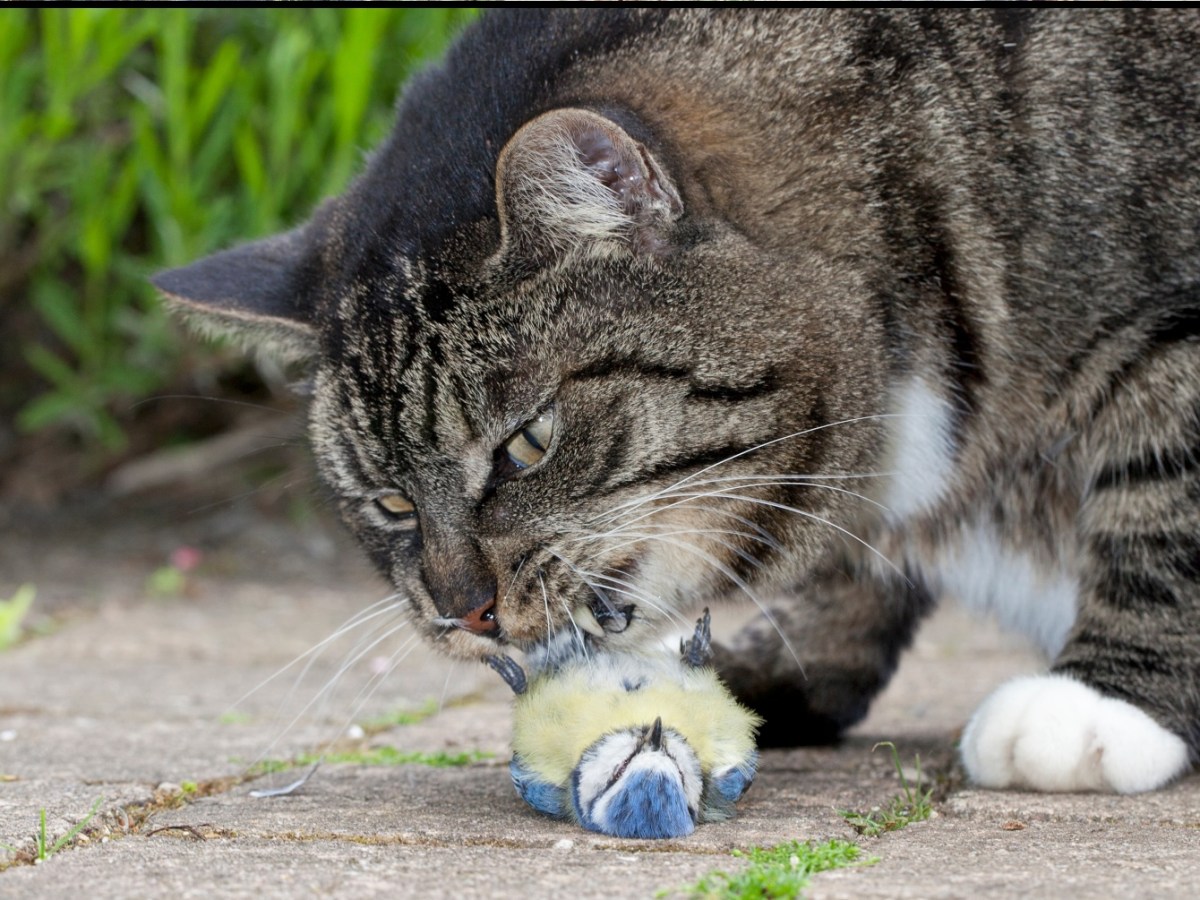
alienpredatorI love these sorts of experiments. Ecology (and considering conservation ecology a special subset of the larger discipline) is a messy business, mainly because ecosystems are complex, non-linear, emergent, interactive, stochastic and meta-stable entities that are just plain difficult to manipulate experimentally. Therefore, making inference of complex ecological processes tends to be enhanced when the simplest components are isolated.

Enter the ‘mini-ecosystem-in-a-box’ approach to ecological research. I’ve blogged before about some clever experiments to examine the role of connectivity among populations in mitigating (or failing to mitigate) extinction risk, and alluded to others indicating how harvest reserves work to maximise population persistence. This latest microcosm experiment is another little gem and has huge implications for conservation.

A fairly long-standing controversy in conservation biology, and in invasive species biology in particular, is whether intact ecosystems are in any way more ‘resilient’ to invasion by alien species (the latter most often being deliberately or inadvertently introduced by humans – think of Australia’s appalling feral species problems; e.g., buffalo, foxes and cats, weeds). Many believe by default that more ‘pristine’ (i.e., less disturbed by humans) communities will naturally provide more ecological checks against invasives because there are more competitors, more specialists and more predators. However, considering the ubiquity of invasives around the world, this assumption has been challenged vehemently.

The paper I’m highlighting today uses the microcosm experimental approach to show how native predators, when abundant, can reduce the severity of an invasion. Using a system of two mosquito species (one ‘native’ – what’s ‘native’ in a microcosm? [another subject] – and one ‘invasive’) and a native midge predator, Juliano and colleagues demonstrate in their paper Your worst enemy could be your best friend: predator contributions to invasion resistance and persistence of natives that predators are something you want to keep around.

In short, they found little evidence of direct competition between the two mosquitoes in terms of abundance when placed together without predators, but when the midges were added, the persistence of the invasive mosquito was reduced substantially. Of course, the midge predators did do their share of damage on the native mosquitoes in terms of reducing the latter’s abundance, but through a type of competitive release from their invasive counterparts, the midges’ reduction of the invasive species left the native mosquito free to develop faster (i.e., more per capita resources).

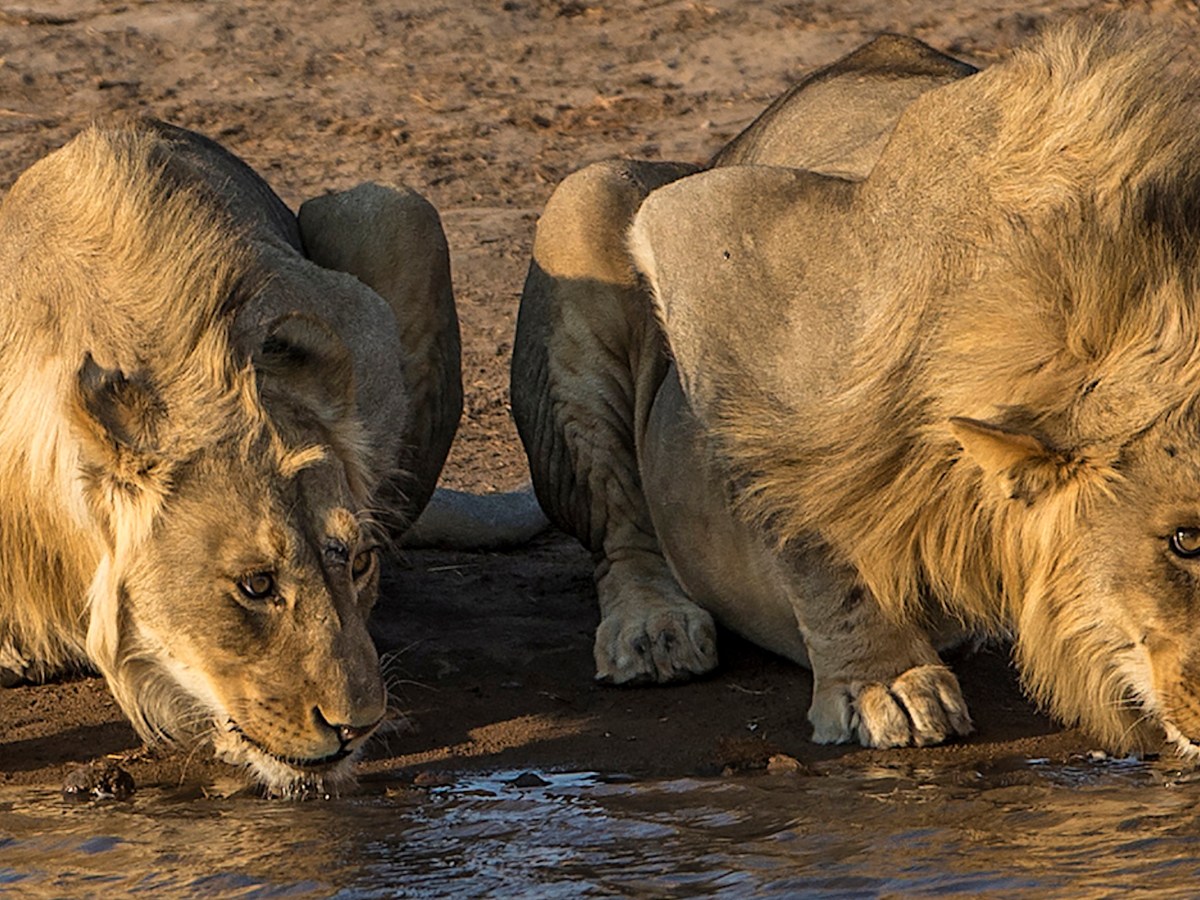
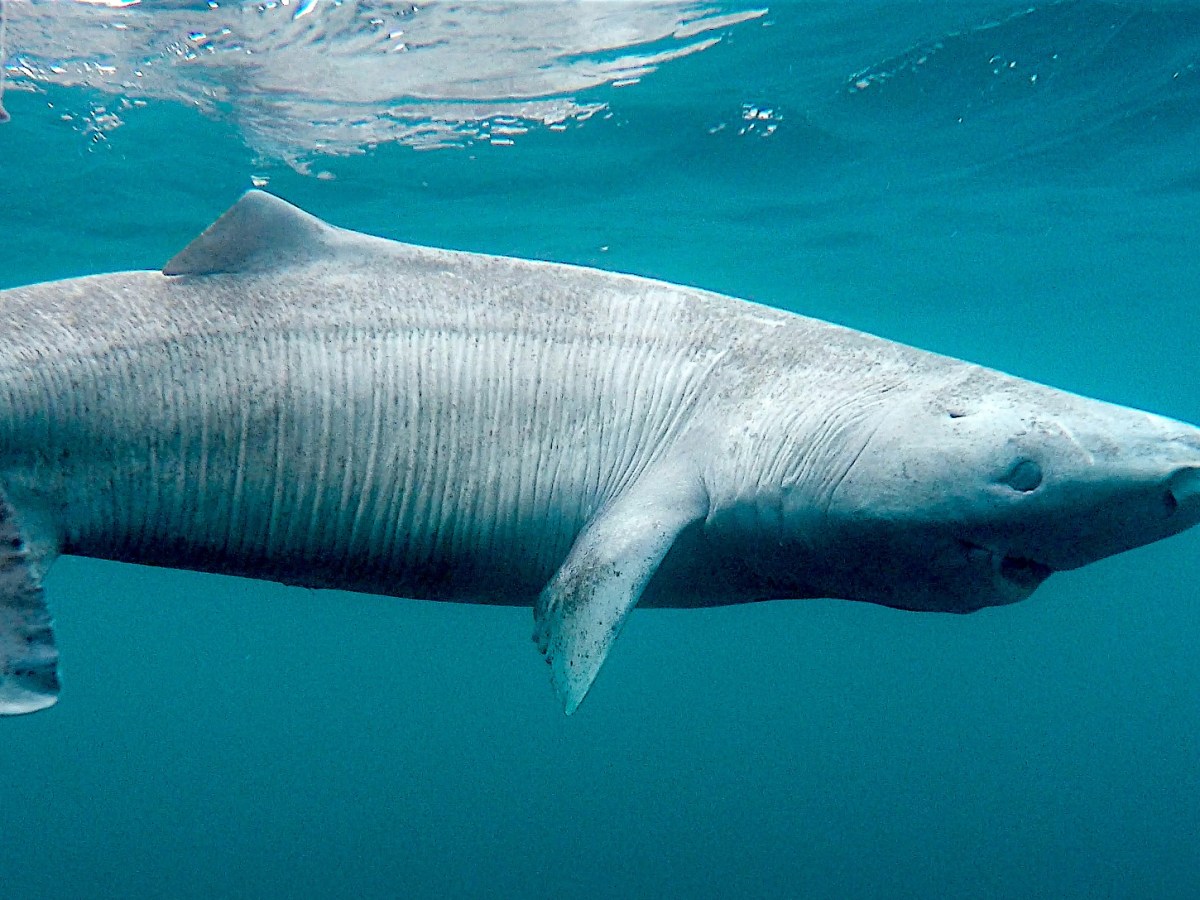
Such a seemingly academic result has huge conservation implications. In most systems, predators are some of the largest and slowest-reproducing species, so they are characteristically the first to feel the hammer of human damage. From bears to sharks, and tigers to wolves, big, charismatic predators are on the wane worldwide. Juliano and colleagues’ nice experimental work with insects reminds us that keeping functioning native ecosystems intact from all trophic perspectives is imperative.

CJA Bradshaw

Add to FacebookAdd to NewsvineAdd to DiggAdd to Del.icio.usAdd to StumbleuponAdd to RedditAdd to BlinklistAdd to Ma.gnoliaAdd to TechnoratiAdd to Furl

This post was chosen as an Editor's Selection for ResearchBlogging.org

ResearchBlogging.orgJuliano, S., Lounibos, L., Nishimura, N., & Greene, K. (2009). Your worst enemy could be your best friend: predator contributions to invasion resistance and persistence of natives Oecologia DOI: 10.1007/s00442-009-1475-x


Life and death on Earth: the Cronus hypothesis

13 10 2009
Cronus

Cronus

Bit of a strange one for you today, but here’s a post I hope you’ll enjoy.

My colleague, Barry Brook, and I recently published a paper in the very new and perhaps controversial online journal , the Journal of Cosmology. Cosmology? According to the journal, ‘cosmology’ is:

“the study and understanding of existence in its totality, encompassing the infinite and eternal, and the origins and evolution of the cosmos, galaxies, stars, planets, earth, life, woman and man”.

The journal publishes papers dealing with ‘cosmology’ and is a vehicle for those who wish to publish on subjects devoted to the study of existence in its totality.

Ok. Quite an aim.

Our paper is part of the November (second ever) issue of the journal entitled Asteroids, Meteors, Comets, Climate and Mass Extinctions, and because we were the first to submit, we managed to secure the first paper in the issue.

Our paper, entitled The Cronus hypothesis – extinction as a necessary and dynamic balance to evolutionary diversification, introduces a new idea in the quest to find that perfect analogy for understanding the mechanisms dictating how life on our planet has waxed and waned over the billions of years since it first appeared.

Gaia

Gaia

In the 1960s, James Lovelock conceived the novel idea of Gaia – that the Earth functions like a single, self-regulating organism where life itself interacts with the physical environment to maintain conditions favourable for life (Gaia was the ancient Greeks’ Earth mother goddess). Embraced, contested, denounced and recently re-invigorated, the idea has evolved substantially since it first appeared. More recently (this year, in fact), Peter Ward countered the Gaia hypothesis with his own Greek metaphor – the Medea hypothesis. Essentially this view holds that life instead ‘seeks’ to destroy itself in an anti-Gaia manner (Medea was the siblicidal wife of Jason of the Argonauts). Ward described his Medea hypothesis as “Gaia’s evil twin”.

One can marvel at the incredible diversity of life on Earth (e.g., conservatively, > 4 million protists, 16600 protozoa, 75000-300000 helminth parasites, 1.5 million fungi, 320000 plants, 4-6 million arthropods, > 6500 amphibians, 10000 birds and > 5000 mammals) and wonder that there might be something in the ‘life makes it easier for life’ idea underlying Gaia. However, when one considers that over 99 % of all species that have ever existed are today extinct, then a Medea perspective might dominate.

Medea

Medea

Enter Cronus. Here we posit a new way of looking at the tumultuous history of life and death on Earth that effectively relegates Gaia and Medea to opposite ends of a spectrum. Cronus (patricidal son of Gaia overthrown by his own son, Zeus, and banished to Hades) treats speciation and extinction as birth and death in a ‘metapopulation’ of species assemblages split into biogeographic realms. Catastrophic extinction events can be brought about via species engineering their surroundings by passively modifying the delicate balance of oxygen, carbon dioxide and methane – indeed, humans might be the next species to fall victim to our own Medean tendencies. But extinction opens up new niches that eventually elicit speciation, and under conditions of relative environmental stability, specialists evolve because they are (at least temporarily) competitive under those conditions. When conditions change again, extinction ensues because not all can adapt quickly enough. Just as all individuals born in a population must eventually die, extinction is a necessary termination.

We think the Cronus metaphor has a lot of advantages over Gaia and Medea. The notion of a community of species as a population of selfish individuals retains the Darwinian view of contestation; self-regulation in Cronus occurs naturally as a result of extinction modifying the course of future evolution. Cronus also makes existing mathematical tools developed for metapopulation theory amenable to broader lines of inquiry.

For example, species as individuals with particular ‘mortality’ (extinction) rates, and lineages with particular ‘birth’ (speciation) rates, could interact and disperse among ‘habitats’ (biogeographical realms). ‘Density’ feedback could be represented as competitive exclusion or symbioses. As species dwindle, feedbacks such as reduced community resilience that further exacerbate extinction risk (Medea-like phase), and stochastic fluctuation around a ‘carrying capacity’ (niche saturation) arising when environmental conditions are relatively stable is the Gaia-like phase. Our Cronus framework is also scale-invariant – it could be applied to microbial diversity on another organism right up to inter-planetary exchange of life (panspermia).

What’s the relevance to conservation? We’re struggling to prevent extinction, so understanding how it works is an essential first step. Without the realisation that extinction is necessary (albeit, at rates preferably slower than they are currently), we cannot properly implement conservation triage, i.e., where do we invest in conservation and why?

We had fun with this, and I hope you enjoy it too.

CJA Bradshaw

ResearchBlogging.orgBradshaw, C.J.A., & Brook, B.W. (2009). The Cronus Hypothesis – extinction as a necessary and dynamic balance to evolutionary diversification Journal of Cosmology, 2, 201-209 Other: http://journalofcosmology.com/Extinction100.html

Add to FacebookAdd to NewsvineAdd to DiggAdd to Del.icio.usAdd to StumbleuponAdd to RedditAdd to BlinklistAdd to Ma.gnoliaAdd to TechnoratiAdd to Furl


Coming to grips with the buffalo problem

7 09 2009

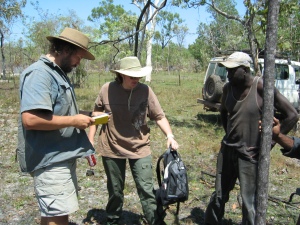
Clive McMahon (left) & colleaguesA good friend and colleague of mine, Dr. Clive McMahon, is visiting Adelaide for the next few weeks from Darwin. We’re attacking a few overdue manuscripts and sampling a few of Adelaide’s better drops of value-added grape juice, so I asked him to do a guest post on ConservationBytes.com about his work. So here it is, something perhaps even few Australians know much about, let alone overseas folks. If you can recall that very strange scene in the film Crocodile Dundee where the old croc hunter casts a gestured spell over a horned beast, then you’ll probably appreciate this post.
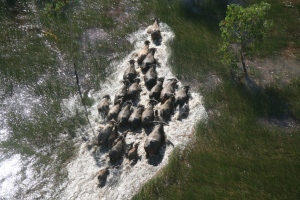
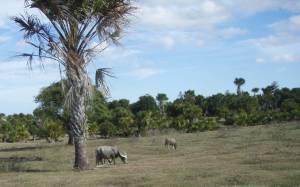
Yes, there are plenty of them in northern Australia

Invasive and feral species can be important drivers of biodiversity loss. Australia, like many other isolated islands has developed an ancient, unique and diverse ecosystem. This unique ecosystem has been under extreme pressure ever since humans arrived around 40000-60000 years ago. One of the more damaging and economically important introduced species in Australia is the Asian swamp buffalo (Bubalus bubalis). Ironically, swamp buffalo are listed as Endangered by the IUCN, and current estimates suggest that there are probably less than 4000 in their native habitats in Asia.

© B. Salu, Kakadu National Park

© B. Salau, Kakadu National Park

The first 16 buffalo were introduced to Australia in 1826 on Melville Island, and then to the mainland at Cobourg Peninsula a year later from Kupang (now West Timor, Indonesia). Another 18 buffalo were obtained from Kisar Island (northeast of modern Timor-Leste) and introduced to the Cobourg. In 1843, another 49 were introduced. When the first Cobourg settlement was abandoned in 1849, all the buffalo were released, and the population spread rapidly throughout the Northern Territory. Over the next 65 years, numbers and distribution increased to an estimated 350000 in the 1960s and 1970s and densities exceeded 25 km-2 in ‘prime’ habitat. However, the population was severely reduced during the 1980s and 1990s in parts of its range under the Brucellosis-Tuberculosis Eradication Campaign (BTEC). Although largely successful in eradicating buffalo from pastoral lands in the short term, there was no ongoing broad-scale management of numbers and the present-day population of free-ranging buffalo has recovered to former densities in some areas.

© C. Speed

© C. Speed

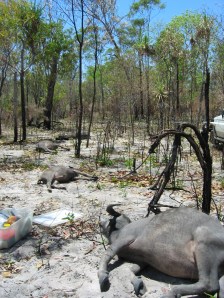
Buffalo were then and still are major problem in Australia due mainly to the environmental damage they cause, such as saltwater intrusion of wetlands and trampling of sensitive habitats, their potential threat to Australia’s livestock industry as hosts for disease, and the danger they pose to human safety. Given these ecological, economic and social impacts, there is an urgent need to manage buffalo numbers.

An important step to inform management of introduced and invasive species is to determine the history of introduction and quantify the rate of spread from introduction sites. Contemporary genetic techniques in conjunction with demographic and life history information are useful tools for understanding the dynamics, population structure, biology and colonisation dynamics of plants and animals, including invasive species such as buffalo.

We are currently in the final stages of providing the first detailed analysis of the buffalo population structure (demographic and genetic) to (1) establish the rate and most probable history of spread using detailed genetic information sampled from 8 sub-populations, (2) quantify the genetic distance and mixing rates between populations and (3) describe the age structure and therefore the demographic performance of this very successful invasive species.

Firstly to get an idea of genetic structure and relatedness, we collected a total of 430 small skin biopsies from buffalo across the Northern Territory, representing eight geographically distinct populations. To determine what has made the buffalo such a successful invader it is important to know the survival and breeding performance; we also constructed seven life tables based on culled samples at different densities and in different environments to work out what are the critical components of the population – i.e., where management intervention would be most successful.

As expected from a bottlenecked population, genetic variation is low compared to the that found in swamp buffalo from India and South East Asia. Despite this reduced genetic variation, the Australian population has thrived and spread outwards from introduction sites and into culled sites at high rates over the last 160 years (covering ~ 224 000 km2 in that time).

Although buffalo in Australia experienced two major periods of population reduction since their introduction, a small proportion (estimated at ~ 20 %) escaped the BTEC reduction in the eastern part of its north Australian range. BTEC did not operate with uniformity across the entire range of buffalo, concentrating its destocking efforts in a general area from the western coast of the Northern Territory to west of the Mann River in Arnhem Land, and south roughly to Kakadu National Park’s southern border. Coincidently and not surprisingly, it is in this area that we observe most migration activity.

The subpopulation structure detected here suggests that each population, while connected over generational time scales, generally remains in its immediate vicinity over the course of management-tractable periods. Therefore, management aimed at protecting Australia’s lucrative livestock industry trading under Australia’s disease-free status will benefit directly from this knowledge. For example, the localised introduction and subsequent rapid detection of disease could be efficiently managed from local culls because short-term movements of long-distance are less likely. Our results showcase how management of animals for disease control can be effectively informed via genetic studies and so avoid the need for expensive broad-scale intervention.

Our analyses of the age structure of buffalo reveals that buffalo have the capacity to recover swiftly after control because of high survival and fertility rates. Survival in the juvenile age classes was consistently the most important modifier of population growth. In populations where juvenile animals are harvested annually, fertility determined rebound potential. Thus, management aimed at long-term control of densities should focus primarily on the sustained culling of adult females and their offspring.

Given that numbers of buffalo are increasing and that buffalo are extremely well-adapted to the monsoonal tropics (unlike cattle, buffalo can maintain body condition and positive growth during times of food shortages), they are vulnerable to extended periods of harsh conditions. Climate change predictions herald increasing rainfall in the region, thereby potentially reducing the pressure on juvenile survival. As such, buffalo population growth could conceivably increase, making future management much more difficult. In essence, we need a large, evidence-based density reduction programme in place soon to prevent the worst ecological damage to Australia’s sensitive and unique ecosystems.

Check back here for announcements of upcoming publications arising from our work.

Clive McMahon & CJA Bradshaw

Add to FacebookAdd to NewsvineAdd to DiggAdd to Del.icio.usAdd to StumbleuponAdd to RedditAdd to BlinklistAdd to Ma.gnoliaAdd to TechnoratiAdd to Furl


Can we solve Australia’s mammal extinction crisis?

3 09 2009

© F. O'Connor

© F. O'Connor

This ‘In DepthScience Opinion piece from the ABC couldn’t have come at a better time. Written by Ian Gordon of the CSIRO, this opinion piece was written off the back of the special session on mammalian extinctions held at the recent International Congress of Ecology in Brisbane. Three previous ConservationBytes.com blogs in August (here, here and here) were devoted to specific talks at the Congress, including one about John Woinarksi’s gloomy tale of dwindling mammal populations in the Top End (which is especially frightening considering its also going on in our so-called ‘protected’ areas such as Kakadu, Litchfield and Garig Gunak Barlu National Parks!).

So, I recommend you have a read of my blog post on the shocking continued loss of Australian mammals, then read Ian’s piece copied below. Bottom lines – stop burning the shit out of our forests and encourage dingo population recovery and expansion.

Australia leads the world in mammal extinctions.

Over the last two hundred years 22 mammal species have become extinct, and over 100 are now on the threatened and endangered species list, compiled as part of the federal government’s Environment Protection and Biodiversity Conservation Act.

Evidence suggests Australia is on the cusp of another wave of mammal extinctions with a reduction in the abundance of some species and alarmingly, their range.

This is undoubtedly one of the major biodiversity conservation issues affecting Australia. It’s crucial we focus on the management solutions required to stop these species falling into extinction.

A South American success story

Working as a zoologist has allowed me to be involved in projects across the globe, looking at species at risk of extinction due to over-exploitation by humans.

Earlier this year I edited a book on the South American vicuña‘s comeback from the brink of extinction. Once abundant in the Andes, this wild relative of the llama suffered a sharp population drop in the 1960s due to international demand for its fleece.

An international moratorium on the sale of vicuña fleece in 1969 saw populations recover enough by 1987 for Andean communities to be able to harvest the fibre in a sustainable way. Population numbers of vicuña have remained healthy ever since, making it one of the few success stories of wildlife conservation worldwide.

Australia’s mammal extinction crisis

However Australia’s medium-sized mammals have had to deal with a different range of issues to the vicuña: the introduction of feral animals, particularly cats and foxes; increased grazing pressure; altered fire regimes; the clearing of habitat for development and production; and now, the effects of climate change.

It isn’t that any of these pressures are particularly important by themselves, but the fact that many of them act in concert has had a significant impact on causing the crashes in population numbers, and increasing the risk of species becoming extinct.

For example, the crescent nailtail wallaby was once an abundant and widespread macropod of central and western Australia. The pressures of feral cats and foxes coupled with clearing for agriculture and grazing, and altered fire regimes pushed this little species over the edge and it is now classified as extinct.

The problem is also more far-reaching than we first assumed. Many people may think that animals are becoming extinct in the south of Australia where habitat destruction is quite evident.

But the populations of iconic species in the north of Australia such as the northern quoll, golden bandicoot and the Carpentarian rock-rat are also collapsing. In our lifetime populations of some species have greatly reduced in number, and others have completely disappeared in landscapes that are considered to be in excellent condition.

The golden bandicoot, listed as a vulnerable species, used to be found across much of the north of Australia. It is now only found in very small populations in the Northern Territory and on the isolated Burrow Island off the coast of Western Australia.

Time to bring back the dingo?

Further research on the impacts of fire, grazing, invasive species and climate change on Australian mammals would be extremely valuable, but ecologists recognise that crucial management decisions need to be made now.

We’ve found ourselves in a position where we have identified the threats to Australian mammal species and documented the loss of these species, the role of science must turn more directly to identifying the opportunities for assisting the survival of these mammals.

In August I chaired a panel with Professor Chris Johnson from James Cook University at the International Congress of Ecology, to discuss what management could be put in place now to help beleaguered populations of small mammals recover.

Johnson’s main focus is to bring back the top-order predator.

He believes there is now good evidence that a stable population of dingoes suppresses the numbers and activity of foxes and cats, and some other feral animal species as well.

He argues that the effect of using a top predator like the dingo to hold down populations of foxes and cats is that the total intensity of predation on smaller native mammals can be reduced.

Bringing back the dingo has many sheep and cattle farmers raising their eyebrows because the wild dogs are known to kill stock. But guardian sheepdogs can protect stock herds by fighting off dingoes if they come too close. This still allows the dingoes to have a beneficial effect in the ecosystem.

Current trials of Maremma dogs, a type of sheepdog, at Dunluce sheep station in northwest Queensland demonstrate that they can be effective dingo deterrents in a pastoral zone.

This is just one potential solution that may work in some areas. Reinstating mosaic fire regimes, where patches of land are burnt at different times to allow the land to recover in stages, and controlling grazing around sensitive habitat of endangered mammals are other potential solutions that are currently under trial in various parts of the country.

Working together

Even though science doesn’t have all the answers I believe that it is more important than ever for land managers and scientists to work together to put new management regimes on the ground.

Our scientific knowledge can provide guidelines for land managers to reduce the pressures on our biodiversity. Through monitoring how species and ecosystems respond to on-ground management we can then learn and adapt our advice to meet future challenges facing Australia’s threatened species.

We need to act now: the international community is watching Australia and we have an opportunity to show how we can apply science through collaborative agreements with land managers to reduce the threats and protect endangered species.

We’ll then be able to add Australian animals to the short list of species, like the vicuña, that have been brought back from the brink of extinction.

CJA Bradshaw

Add to FacebookAdd to NewsvineAdd to DiggAdd to Del.icio.usAdd to StumbleuponAdd to RedditAdd to BlinklistAdd to Ma.gnoliaAdd to TechnoratiAdd to Furl


Few people, many threats – Australia’s biodiversity shame

31 07 2009

bridled_nailtail_400I bang on a bit about human over-population and how it drives biodiversity extinctions. Yet, it isn’t always hordes of hungry humans descending on the hapless species of this planet  – Australia is a big place, but has few people (just over 20 million), yet it has one of the higher extinction rates in the world. Yes, most of the country is covered in some fairly hard-core desert and most people live in or near the areas containing the most species, but we have an appalling extinction record all the same.

A paper that came out recently in Conservation Biology and was covered a little in the media last week gives some telling figures for the Oceania region, and more importantly, explains that we have more than enough information now to implement sound, evidence-based policy to right the wrongs of the past and the present. Using IUCN Red List data, Michael Kingsford and colleagues (paper entitled Major conservation policy issues for biodiversity in Oceania), showed that of the 370 assessed species in Australia, 80 % of the threatened ones are listed because of habitat loss, 40 % from invasive species and 30 % from pollution. As we know well, it’s mainly habitat loss we have to control if we want to change things around for the better (see previous relevant posts here, here & here).

Kingsford and colleagues proceed to give a good set of policy recommendations for each of the drivers identified:

Habitat loss and degradation

  • Implement legislation, education, and community outreach to stop or reduce land clearing, mining, and unsustainable logging through education, incentives, and compensation for landowners that will encourage private conservation
  • Establish new protected areas for habitats that are absent or poorly represented
  • In threatened ecosystems (e.g., wetlands), establish large-scale restoration projects with local communities that incorporate conservation and connectivity
  • Establish transparent and evidence-based state of environment reporting on biodiversity and manage threats within and outside protected areas.
  • Protect free-flowing river systems (largely unregulated by dams, levees, and diversions) within the framework of the entire river basin and increase environmental flows on regulated rivers

Invasive species

  • Avoid deliberate introduction of exotic species, unless suitable analyses of benefits outweigh risk-weighted costs
  • Implement control of invasive species by assessing effectiveness of control programs and determining invasion potential
  • Establish regulations and enforcement for exchange or treatment of ocean ballast and regularly implement antifouling procedures

Climate change

  • Reduce global greenhouse gas emissions
  • Identify, assess, and protect important climate refugia
  • Ameliorate the impacts of climate change through strategic management of other threatening processes
  • Develop strategic plans for priority translocations and implement when needed

Overexploitation

  • Implement restrictions on harvest of overexploited species to maintain sustainability
  • Implement an ecosystem-based approach for fisheries, based on scientific data, that includes zoning the ocean; banning destructive fishing; adopting precautionary fishing principles that include size limits, quotas, and regulation with sufficient resources based on scientific assessments of stocks and; reducing bycatch through regulation and education
  • Implement international mechanisms to increase sustainability of fisheries by supporting international treaties for fisheries protection in the high seas; avoiding perverse subsidies and improve labelling of sustainable fisheries; and licensing exports of aquarium fish
  • Control unsustainable illegal logging and wildlife harvesting through local incentives and cessation of international trade

Pollution

  • Decrease pollution through incentives and education; reduce and improve treatment of domestic, industrial, and agriculture waste; and rehabilitate polluted areas
  • Strengthen government regulations to stop generation of toxic material from mining efforts that affects freshwater and marine environments
  • Establish legislation and regulations and financial bonds (international) to reinforce polluter-pays principles
  • Establish regulations, education programs, clean ups, labelling, and use of biodegradable packaging to reduce discarded fishing gear and plastics

Disease

  • Establish early-detection programs for pathological diseases and biosecurity controls to reduce translocation
  • Identify causes, risk-assessment methods, and preventative methods for diseases
  • Establish remote communities of organisms (captive) not exposed to disease in severe outbreaks

Implementation

  • Establish regional population policies based on ecologically sustainable human population levels and consumption
  • Ensure that all developments affecting the environment are adequately analysed for impacts over the long term
  • Promote economic and societal benefits from conservation through education
  • Determine biodiversity status and trends with indicators that diagnose and manage declines
  • Invest in taxonomic understanding and provision of resources (scientific and conservation) to increase capacity for conservation
  • Increase the capacity of government conservation agencies
  • Focus efforts of nongovernmental organisations on small island states on building indigenous capacity for conservation
  • Base conservation on risk assessment and decision support
  • Establish the effectiveness of conservation instruments (national and international) and their implementation

A very good set of recommendations that I hope we can continue to develop within our governments.

CJA Bradshaw

Add to FacebookAdd to NewsvineAdd to DiggAdd to Del.icio.usAdd to StumbleuponAdd to RedditAdd to BlinklistAdd to Ma.gnoliaAdd to TechnoratiAdd to Furl


June Issue of Conservation Letters

6 06 2009

Quick off the mark this month is the new issue of Conservation Letters. There are some exciting new papers (listed below). I encourage readers to have a look:

Policy Perspectives

Letters

CJA Bradshaw


Climate change’s ugly cousin – biodiversity loss

17 05 2009

uglybaby…nobody puts a value on pollination; national accounts do not reflect the value of ecosystem services that stop soil erosion or provide watershed protection.

Barry Gardiner, Labour MP for Brent North (UK), Co-chairman, Global Legislators Organisation‘s International Commission on Land Use Change and Ecosystems

Last week I read with great interest the BBC’s Green Room opinion article by Barry Gardiner, Labour MP in the UK, about how the biodiversity crisis takes very much the back seat to climate change in world media, politics and international agreements.

He couldn’t be more spot-on.

I must stipulate right up front that this post is neither a whinge, rant nor lament; my goal is to highlight what I’ve noticed about the world’s general perception of climate change and biodiversity crisis issues over the last few years, and over the last year in particular since ConservationBytes.com was born.

Case in point: my good friend and colleague, Professor Barry Brook, started his blog BraveNewClimate.com a little over a month (August 2008) after I managed to get ConservationBytes.com up and running (July 2008). His blog tackles issues regarding the science of climate change, and Barry has been very successful at empirically, methodically and patiently tearing down the paper walls of the climate change denialists. A quick glance at the number views of BraveNewClimate.com since inception reveals about an order of magnitude more than for ConservationBytes.com (i.e., ~195000 versus 20000, respectively), and Barry has accumulated a total of around 4500 comments compared to just 231 for ConservationBytes.com. The difference is striking.

Now, I don’t begrudge for one moment this disparity – quite the contrary – I am thrilled that Barry has managed to influence so many people and topple so effectively the faecal spires erected by the myriad self-proclaimed ‘experts’ on climate change (an infamous line to whom I have no idea to attribute states that “opinions are like arseholes – everyone’s got one”). Barry is, via BraveNewClimate.com, doing the world an immense service. What I do find intriguing is that in many ways, the biodiversity crisis is a much, much worse problem that is and will continue to degrade human life for millennia to come. Yet as Barry Gardiner observed, the UK papers mentioned biodiversity only 115 times over the last 3 months compared to 1382 times for climate change – again, that order-of-magnitude disparity.

There is no biodiversity equivalent of the Intergovernmental Panel on Climate Change (although there are a few international organisations tackling the extinction crisis such as the United Nation’s Environment Program, the Millennium Ecosystem Assessment and the International Union for Conservation of Nature), we still have little capacity or idea how to incorporate the trillions of dollars worth of ecosystem services supplied every year to us free of charge, and we have nothing at all equivalent to the Kyoto Protocol for biodiversity preservation. Yet, conservation biologists have for decades demonstrated how human disease prevalence, reduction in pollination, increasing floods, reduced freshwater availability, carbon emissions, loss of fish supplies, weed establishment and spread, etc. are all exacerbated by biodiversity loss. Climate change, as serious and potentially apocalyptic as it is, can be viewed as just another stressor in a system stressed to its limits.

Of course, the lack of ‘interest’ may not be as bleak as indicated by web traffic; I believe the science underpinning our assessment of biodiversity loss is fairly well-accepted by people who care to look into these things, and the evidence spans the gambit of biological diversity and ecosystems. In short, it’s much less controversial a topic than climate change, so it attracts a lot less vitriol and spawns fewer polemics. That said, it is a self-destructive ambivalence that will eventually come to bite humanity on the bum in the most serious of ways, and I truly believe that we’re not far off from major world conflicts over the dwindling pool of resources (food, water, raw materials) we are so effectively destroying. We would be wise to take heed of the warnings.

CJA Bradshaw

Add to FacebookAdd to NewsvineAdd to DiggAdd to Del.icio.usAdd to StumbleuponAdd to RedditAdd to BlinklistAdd to Ma.gnoliaAdd to TechnoratiAdd to Furl


Realising you’re a drunk is only the first step

11 05 2009

© A. Savchenko

© A. Savchenko

I recently did an interview for the Reef Tank blog about my research, ConservationBytes.com and various opinions about marine conservation in general. I’ve been on about ‘awareness’ raising in biodiversity conservation over the last few weeks (e.g., see last post), saying that it’s really only the first step. To use an analogy, alcoholics must first recognise and accept that they are indeed drunks with a problem before than can take the (infamous AA) steps to resolve it. It’s not unlike biodiversity conservation – I think much of the world is aware that our forests are disappearing, species are going extinct, our oceans are becoming polluted and devoid of fish, our air and soils are degraded to the point where they threaten our very lives, and climate change has and will continue to exacerbate all of these problems for the next few centuries at least (and probably for much longer).

We’ve admitted we have a disease, now let’s do something about it.

Read the full interview here.

CJA Bradshaw

Add to FacebookAdd to NewsvineAdd to DiggAdd to Del.icio.usAdd to StumbleuponAdd to RedditAdd to BlinklistAdd to Ma.gnoliaAdd to TechnoratiAdd to Furl


Destroyed or Destroyer?

23 03 2009

Last year our group published a paper in Journal of Ecology that examined, for the first time, the life history correlates of a species’ likelihood to become invasive or threatened.

The paper is entitled Threat or invasive status in legumes is related to opposite extremes of the same ecological and life-history attributes and was highlighted by the Editor of the journal.

The urgency and scale of the global biodiversity crisis requires being able to predict a species’ likelihood of going extinct or becoming invasive. Why? Well, without good predictive tools about a species’ fate, we can’t really prepare for conservation actions (in the case of species more likely to go extinct) or eradication (in the case of vigorous invasive species).

We considered the problem of threat and invasiveness in unison based on analysis of one of the largest-ever databases (8906 species) compiled for a single plant family (Fabaceae = Leguminosae). We chose this family because it is one of the most speciose (i.e., third highest number of species) in the Plant kingdom, its found throughout all continents and terrestrial biomes except Antarctica, its species range in size from dwarf herbs to large tropical trees, and its life history, form and functional diversity makes it one of the most important plant groups for humans in terms of food production, fodder, medicines, timber and other commercial products. Choosing only one family within which to examine cross-species trends also makes the problem of shared evolutionary histories less problematic from the perspective of confounded correlations.

We found that tall, annual, range-restricted species with tree-like growth forms, inhabiting closed-forest and lowland sites are more likely to be threatened. Conversely, climbing and herbaceous species that naturally span multiple floristic kingdoms and habitat types are more likely to become invasive.

Our results support the idea that species’ life history and ecological traits correlate with a fate response to anthropogenic global change. In other words, species do demonstrate particular susceptibility to either fate based on their evolved traits, and that traits generally correlated with invasiveness are also those that correlate with a reduced probability of becoming threatened.

Conservation managers can therefore benefit from these insights by being able to rank certain plant species according to their risk of becoming threatened. When land-use changes are imminent, poorly documented species can essentially be ranked according to those traits that predispose them to respond negatively to habitat modification. Here, species inventories combined with known or expected life history information (e.g., from related species) can identify which species may require particular conservation attention. The same approach can be used to rank introduced plant species for their probability of spreading beyond the point of introduction and threatening native ecosystems, and to prioritise management interventions.

I hope more taxa are examined with such scrutiny so that we can have ready-to-go formulae for predicting a wider array of potential fates.

CJA Bradshaw

Add to FacebookAdd to NewsvineAdd to DiggAdd to Del.icio.usAdd to StumbleuponAdd to RedditAdd to BlinklistAdd to Ma.gnoliaAdd to TechnoratiAdd to Furl


Tropical Turmoil II

8 03 2009

In August last year I covered a paper my colleagues (Navjot Sodhi and Barry Brook) and I had in press in Frontiers in Ecology and the Environment entitled Tropical turmoil – a biodiversity tragedy in progress. The paper is now available in the March 2009 issue of the journal (click here to access). We were also fortunate enough to grab the front cover (shown here) and have a dedicated podcast that you can listen to by clicking here about the paper and its findings. I encourage ConservationBytes.com readers to have a listen if they’re interested in learning more about the woeful state of tropical biotas worldwide, and maybe some ways to rectify the problems. The intro to the podcast can be viewed by clicking here.

CJA Bradshaw


Toilet Torrens II: The Plot Sickens

14 02 2009
© CJA Bradshaw

© CJA Bradshaw

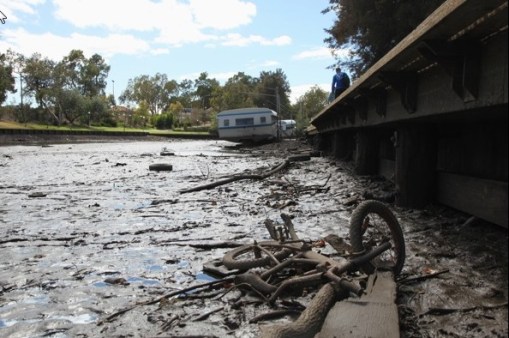
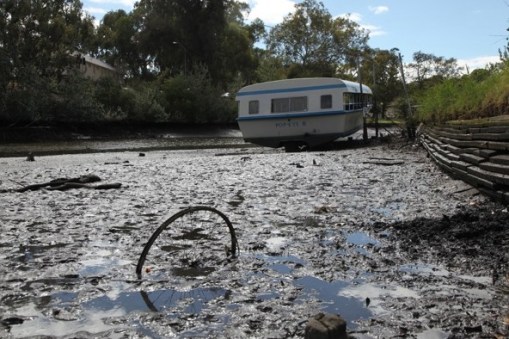
A few days into the Torrens ‘River’ disaster, and we see very little in the way of a truly dedicated, organised clean-up. With some token efforts to clean up the more obvious rubbish in the lake section itself (i.e., cars, fridges, etc.), there is nothing suggesting the true problems are going to be addressed. Indeed, the authorities are desperately trying to ‘find’ water to cover the problem up rather than deal with it.

Instead of a catchment-wide mass clean-up, the removal of the water-sucking invasive plants that line the river’s edge (see photos below), the implementation of a water neutrality scheme, and the removal of hundreds of untreated drainage pipes, they are willing to spend over $1 million to pipe in water from elsewhere.

I can’t believe it.

This is the best opportunity Adelaide has ever had to rectify the problem and clean the mess up once and for all; instead, the investment is going toward a cosmetic cover-up that will effectively fix nothing. Toothless. Some images I took today while cycling along the Torrens path follow:

© CJA Bradshaw

© CJA Bradshaw

© CJA Bradshaw

© CJA Bradshaw

© CJA Bradshaw

© CJA Bradshaw

CJA Bradshaw

Add to FacebookAdd to NewsvineAdd to DiggAdd to Del.icio.usAdd to StumbleuponAdd to RedditAdd to BlinklistAdd to Ma.gnoliaAdd to TechnoratiAdd to Furl


Adelaide’s shame – the ‘River’ (toilet) Torrens

12 02 2009

I’ve put this post off for too long as it is, but after today’s ridiculous dereliction of dutymalfunction‘, I can no longer hold my tongue (as it were).

I’ve been living in Adelaide for about a year now, and it’s been slowly dawning on me just how badly managed, for decades, the Torrens River has been. I cycle or run to work along the Torrens cycle path and see and smell the amazing neglect that has accumulated over the years.

The river literally stinks of rot and filth. What am I saying? The Torrens is about as much a river as a trickle in public urinal. Actually, most urinals are a hell of a lot cleaner.

It’s not just the rubbish, the unregulated and ubiquitous pipes of untreated run-off entering every 100 m or so, the almost complete lack of flows during the summer, the terribly regulated flows during the infrequent winter rains, the toxic build-up of blue-green algae, or the choking invasive alien plants lining its entire course, it’s the unbelievable neglect, cover-up and blind ignorance that has lead to one of the most polluted, unnatural and degraded streams in Australia.

And it’s in the middle of Adelaide.

This is how some would rather you think of the Torrens:

But scratch just a little under the surface and you find this:

and this:

Yes, today’s mishap exposed decades of bad management to the press and the public in general; the authorities can’t wait for a little rain to cover up the ’embarrassment’, but they’ll have to wait a long time. This isn’t “embarrasing“, it’s shameful, disgusting, neglectful, irresponsible and naïve.

Of course, a few people have some partially right approaches to address the problem – indeed, Tourism Minister Jane Lomax-Smith suggests we take advantage of the low water levels and clean up the mess. I couldn’t agree more. However, apart from a few derelict cars pulled out, I’ve not seen a single attempt to get out there and do the job properly. We need to remove every last scrap of rubbish from the Adelaide Hills to Henley beach – this means the trolleys, oil drums, bicycles, wheelie bins and other assorted crap (I think I even saw a fridge today). I’m willing to help.

We need a major overhaul, clean-up and rethink about this so-called ‘river’.

The ‘drought’ that Australia seems convinced will some day end will not go away – climate change will ensure that, along with the persistence of some very bad urban water policies. We need to get used to the idea that we’ll have less and less water, not suddenly more when the ‘drought’ ends. Sorry, the drought won’t end.

So, what can we do? There are some very obvious improvements that can be made:

1. Undeniably, a massive, catchment-wide, get-your-hands-dirty clean-up is required to remove the astounding array of rubbish.

2. Yes, we have reduced flows and will continue to have in this state for a long time to come. So, we need to minimise waste. A paper I recently covered in ConservationBytes.com detailed how a water neutrality programme would benefit water supply AND biodiversity. The idea is relatively simple – the water allocated to industry, residents, etc. is taxed according to total use. The monies received are then invested in removing all those invasive reeds, rushes, palms, bamboo, etc. that line the water course (all of these are water-hungry pests that have no business being there in the first place). In one fell swoop you have an employment program, an incentive to use less water, a ‘water-neutrality’ scheme that makes water-intensive products (e.g., fruits and vegetables) more attractive to environmentally conscious consumers, removal of alien species that consume too much water and prevent native species from proliferating, and importantly, a functioning ecosystem that provides water more regularly.

3. Get rid or divert all those untreated storm pipes from all and sundry lining the Torrens along its path. I’ve seen campground drainages with all sorts of filth flow into the river, car park drainages and inappropriate garden waste ooze into the river right along its course.

4. Let’s get rid of the horses grazing on the denuded banks of the river near Henley Beach. What the hell is livestock doing grazing in the middle of a city?

5. Remove golf courses lining the river.

6. Debunk the myth that bore water used to keep artificially lush gardens in the wealthier neighbourhoods lining the Torrens is somehow not subject to the same problems as rainfall-sourced water. 72 % of the Torrens’ water use is residential. We waste far too much of the underground water on these ridiculous gardens in our desert city – I’m sorry, the prominent display of ‘Bore Water in Use’ in so many gardens around Adelaide is contemptuous and ignorant.

Can we mend the Torrens? Yes, yes we can. A lot of rivers is much worse shape have been brought back to life over the years (see examples here, here and here), so we can do it too. It just takes a little political will, some intelligent policy, a bit of money and public commitment.

CJA Bradshaw

P.S. I recommend you avoid swimming anywhere near Henley Beach for the next few weeks.

Add to FacebookAdd to NewsvineAdd to DiggAdd to Del.icio.usAdd to StumbleuponAdd to RedditAdd to BlinklistAdd to Ma.gnoliaAdd to TechnoratiAdd to Furl


Marine conservation in South Australia

26 01 2009

© U.R. Zimmer

© U.R. Zimmer

Just before the holidays last year I participated in the Conservation Council of South Australia‘s (CCSA) Coast & Marine in a Changing Climate Summit 2008. It was an interesting, mature and intelligent summit with some good recommendation surfacing. Although I certainly didn’t agree with all the recommendations (view the entire report here), I must say up front that I have been very impressed with the CCSA’s approach in their ‘Blueprint’ summit series to address South Australia’s environmental problems.

Many environmental groups, especially regional ones, are seen by many as raving environists1 with little notion for balance or intelligent debate. CCSA is definitely not one of those. They are very careful to engage with scientists, public servants, industry leaders and politicians to hone their recommendations into something realistic and useful. Indeed, I am now certain the only way to convince people of the necessity of dealing with the world’s environmental mess is to make intelligent, scientifically defensible arguments about how environmental degradation worsens our quality of life (yes, this is the principal aim of ConservationBytes.com). So, good on the CCSA for a rationale approach.

Enough about the CCSA for now – let’s move onto some of their marine-related recommendations. I won’t reprint the entire summary document here, but a few things are worthy of repetition:

Significantly increase the amount of resources available for marine species research and taxonomy, especially for non-commercial species.

Despite my obvious conflict of interest, I couldn’t agree more. One of the principal problems with our ability to plan for inevitable environmental change to lessen the negative outcomes for biodiversity, industry and people in general is that we have for too long neglected marine research in Australia. Given that most Australians live near the coast and almost all of us rely on the oceans in some way, it is insane that marine research in this country is funded almost as an afterthought. How can we possibly know what we’re doing to our life-support system if we don’t even know how it works?

Take climate change for example. The majority of climate change predictions are merely single-species predictions based on physiological tolerances. Most almost completely ignore species interactions. Any given species must compete with, eat and be eaten by others, so it’s insane not to combine community relationships into predictive models.

A strict monitoring regime should be implemented in all ports and harbours to continuously monitor [sic] for introduced marine pests in order to inform better management, in conjunction with the species outlined in the Monitoring section of the National System for the Prevention and Management of Marine Pest Incursions.

Many people, and scientists in particular, have traditionally turned their noses up at so-called ‘monitoring’. However, as a few Australian colleagues of mine recently observed, the marine realm has a huge, gaping hole in monitoring data necessary to determine the future of Australia’s marine environment. Take it from me, a scientist who regularly uses time-series data to infer long-term patterns (see Publications), it’s essential that we have more long-term data on species distributions, reproductive output, survival, etc. to make inference about the future.

Recreational fishing should be licensed, with the license fees being directed towards increased research of non-commercial species and education of recreational fishers.

I really like this one. It seems South Australia is the only state in the country that doesn’t have mandatory recreational fishing licences. Absolute madness. Given the capacity of recreational fishing to outstrip commercial harvests for some species (e.g., King George whiting Sillaginodes punctatus), we need vastly better monitoring via licences to determine local impacts. Not to mention the necessary generation of money to support monitoring and research, which to the average recreational fisher, would not be such a hefty price to pay. The political drive to keep the status quo is woefully outdated and counter-productive. See one of my previous posts on the potential impacts of recreational fishing.

There is a need for a co-ordinated, state/Adelaide-wide stormwater strategy. Currently the Stormwater Management Authority examines individual projects but does not manage a bigger picture with a co-ordinated approach.

A colleague of mine recently published an article showing how South Australian waters, being more oligotrophic on average than other areas of the country, are particularly susceptible to nutrient overloading. The main losers are seagrasses and macroalgae (kelp) forests – the Adelaide metropolitan coast has lost up to 70 % of its kelp forests since major urbanisation began last century.

There are many more recommendations that you can peruse at your leisure, and many of them will be updated this year once the CCSA incorporates all the received comments. I thank them for the opportunity to take part in their worthy aims.

CJA Bradshaw

1My colleague, Barry Brook, invented this excellent term to describe those people who blindly support anything ‘green’ without really thinking of the consequences. It’s also a great way to differentiate serious ‘environmentalists’ and conservation biologists from raving ‘greenies’.

Add to FacebookAdd to NewsvineAdd to DiggAdd to Del.icio.usAdd to StumbleuponAdd to RedditAdd to BlinklistAdd to Ma.gnoliaAdd to TechnoratiAdd to Furl


Just give them a lift

16 01 2009

TvyamNb-BivtNwcoxtkc5xGBuGkIMh_nj4UJHQKupCdpgnnqXqJ70oP0iCjWicCL0ROBPry44AuNOne of the main problems in a rapidly changing world, whether that change arises from habitat loss, invasive species or climate change, is that often the pace of change is simply too fast for many species to keep up. History (both ‘deep-time’ and contemporary evidence) tells us this fact very clearly in the record of extinctions – species that have ‘slow’ life histories (i.e., those that mature late in their lives, produce few young and breed infrequently) are the most susceptible to extinction. More often than not, these tend to be the big organisms because the pace of life scales to body size nonlinearly (the so-called allometry of vital rates). The problem extends to evolution – when the pace of change happens faster than mutation and subsequent natural selection, you are unable to ‘evolve’ to the new environmental state fast enough. The end result – extinction.

So, can we help? Well, it’s fairly difficult to alter reproductive rates unless you do some assisted breeding programme (which generally don’t do much for the conservation status of a species) and you can’t really alter age at maturity or growth rates. You can stop or reverse habitat destruction, and you can translocate species in some circumstances.

So, in the case of climate change, if local conditions become too unbearable for a species (temperature, salinity, precipitation, etc.), just give them a lift to another spot where the new conditions suit! Sounds simple, but it could be rather difficult.

A relatively new Policy Forum piece in Science outlines how ‘assisted colonisation‘ could work for some species. The issues are many – most translocations fail for one reason or another (too few individuals moved, unforeseen predators or competitors, lack of appropriate habitat, etc.), but as we’ve seen the world over in the case of successful alien species, invasions can be remarkably successful (at least from the perspective of the invading species).

The key then is to think very carefully about which species to move and which to leave alone. Of course, generalist, highly adaptable and dispersed species probably don’t need the help, but restricted-range species or habitat specialists could really benefit from such action. You also run the risk of creating more problems than you solve (e.g., new invasive pests, disease introduction). However, a select group of species might just need this very assistance to persist given how much we’ve already change the biosphere, and how much more it will change due to shifting climate in the near future.

It’s controversial, but it could work in many circumstances. That’s why I’m adding this paper (Hoegh-Guldberg et al. – Assisted colonization and rapid climate change) to the Potential list.

CJA Bradshaw

Add to FacebookAdd to NewsvineAdd to DiggAdd to Del.icio.usAdd to StumbleuponAdd to RedditAdd to BlinklistAdd to Ma.gnoliaAdd to TechnoratiAdd to Furl


Water neutrality and its biodiversity benefits

5 11 2008

blog-water-balance-200x200The world’s freshwater ecosystems are in trouble. We’ve extracted, poisoned, polluted, damned and diverted a large proportion of the finite (and rather small!) amount of freshwater on the planet. Now, most people might immediately see the problem here from a selfish perspective – no clean, abundant water source = human disease, suffering and death. Definitely something to avoid, and a problem that all Australians are facing (i.e., it’s not just restricted to developing nations). Just look at the Murray-Darling problem.

In addition to affecting our own personal well-being, freshwater ecosystems are thought to support over 10000 fish species worldwide, and the majority of amphibians and aquatic reptiles. Current estimates suggest that about 1/3 of all vertebrate biodiversity (in this case, number of species) is confined to freshwater. As an example, the Mekong River system alone is thought to support up to 1700 different species of fish.

So, what are some of the ways forward? The concept of ‘water neutrality’ is essentially the wet version of carbon neutrality. It basically means that water usage can be offset by interventions to improve freshwater habitats and supply.

A great new paper by Nel and colleagues published online in Conservation Letters entitled Water neutrality: a first quantitative framework for investing in water in South Africa (definitely one for the Potential list) gives us a good model for how water neutrality should work. Using a South African example, they describe a scheme where investors are required to (1) review their water use, (2) implement a reduction strategy and (3) replenish water to hydrological systems through the investment in catchment services equivalent to their water use. It’s in this last act that the ‘neutrality’ can be achieved for the betterment of biodiversity – in the South African example, participants replenish their water use through investment in clearing of water-intensive invasive alien plants that choke freshwater systems and otherwise use much of the available water. And we all know how destructive invasive species can be (see previous post on this subject).

Not only does the scheme produce more water, it restores fragile freshwater ecosystems and does so within the economic framework that allows schemes like carbon trading to operate. We desperately need something like this in Australia. Imagine, more water for everyone AND healthy river systems (again, think Murray-Darling) – all paid for by previously water-intensive, but now ‘water-neutral’ firms. Imagine seeing labels on Australian produce that say ‘This is a Water Neutral product that supports freshwater ecosystem health’.

CJA Bradshaw

Add to FacebookAdd to NewsvineAdd to DiggAdd to Del.icio.usAdd to StumbleuponAdd to RedditAdd to BlinklistAdd to Ma.gnoliaAdd to TechnoratiAdd to Furl


Classics: Invasion Meltdown

26 10 2008

One for the Classics page…

melting_rat_by_xenatalhaoui-d71xr1yDaniel Simberloff is probably best known for his work on the implications of invasive (non-indigenous) species for biodiversity, although he has contributed to a wide range of conservation disciplines.

A seminal paper that he co-wrote with Betsy Von Holle is one I consider to be a conservation Classic: their 1999 paper in the inaugural issue of Biological Invasions entitled Positive interactions of nonindigenous species: Invasional meltdown?

The establishment of non-indigenous species can have severe negative impacts on ecosystems. Introduced species that become invasive (widespread and locally dominant) transform habitats, degrade ecosystem services, reduce biodiversity and are some of the greatest threats to ecosystems today (perhaps nearly as important as habitat loss and over-exploitation).

The so-called ‘invasion meltdown‘ describes the process by which the negative impacts induced on native ecosystems by one invading non-indigenous species are exacerbated by interactions with another exotic species.

Although there isn’t a lot of information on invasion meltdowns, one good example comes from Christmas Island in tropical Australia. The introduced yellow crazy ant (Anoplolepis gracilipes) exploded in numbers when another exotic species, a scale insect, was introduced about the same time that a native scale insect species also had a local outbreak.  Because ants protect scale insects from predators and parasites in return for scale honeydew, the crazy ant suddenly had a much more abundant food source, leading to the huge increase in the ant population. This large ant population devastated the population of native red crab (Gecarcoidea natalis) and resulted in massive increase in forest undergrowth due to reduced herbivory by crabs (see O’Dowd et al. 2003). The great decline in red crabs may also make the island more vulnerable to other plant invasions.

What did Simberloff & Van Holle’s idea and subsequent examples of invasion meltdowns teach us? I believe their paper really hit home the idea that invasive species were not only a threat to biodiversity, but the self-reinforcing mutualisms of invasive species could rival other forms of human-induced biodiversity decline. Indeed, many of the effects of invasive species will be reinforced by global climate change through increasing temperatures, rising sea levels and changing rainfall patterns that increase the potential range and spread of invading species, so the problem is only going to get worse. This is why the U.N. began the Global Invasive Species Programme (GISP), and world-wide, countries are attempting to restrict the flow of invasive species so that their negative effects are lessened. Identifying the extent of the problem has stimulated a lot of people to act accordingly.

CJA Bradshaw

Add to FacebookAdd to NewsvineAdd to DiggAdd to Del.icio.usAdd to StumbleuponAdd to RedditAdd to BlinklistAdd to Ma.gnoliaAdd to TechnoratiAdd to Furl


Classics: Fragmentation

3 10 2008
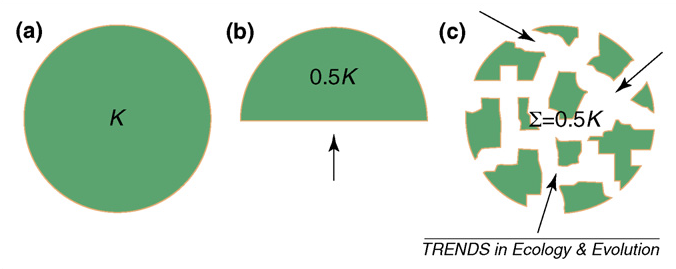
Figure 2 from Brook et al. (2008): Synergies among threatening processes relative to habitat loss and fragmentation. a) A large population within unmodified, contiguous habitat occupies all available niches so that long-term abundance fluctuates near full carrying capacity (K). b) When habitat is reduced (e.g. 50 % area loss), total abundance declines accordingly. c) However, this simple habitat-abundance relationship is complicated by the spatial configuration of habitat loss. In this example, all remaining fragmented subpopulations might fall below their minimum viable population (MVP) sizes even though total abundance is the same proportion of K as in panel B. As such, limited connectivity between subpopulations implies much greater extinction risk than that predicted for the same habitat loss in less fragmented landscapes. Further synergies (positive feedbacks among threatening processes; black arrows) might accompany high fragmentation, such as enhanced penetration of predators, invasive species or wildfire, micro-habitat edge effects, and reduced resistance to drought with climate change.

Figure 2 from Brook et al. (2008): Synergies among threatening processes relative to habitat loss and fragmentation. a) A large population within unmodified, contiguous habitat occupies all available niches so that long-term abundance fluctuates near full carrying capacity (K). b) When habitat is reduced (e.g., 50 % area loss), total abundance declines accordingly. c) However, this simple habitat-abundance relationship is complicated by the spatial configuration of habitat loss. In this example, all remaining fragmented subpopulations might fall below their minimum viable population (MVP) sizes even though total abundance is the same proportion of K as in panel B. As such, limited connectivity between subpopulations implies much greater extinction risk than that predicted for the same habitat loss in less fragmented landscapes. Further synergies (positive feedbacks among threatening processes; black arrows) might accompany high fragmentation, such as enhanced penetration of predators, invasive species or wildfire, micro-habitat edge effects, and reduced resistance to drought with climate change.

This is, perhaps, one of the most important concepts that the field of conservation biology has identified as a major driver of extinction. It may appear on the surface a rather simple notion that the more ‘habitat’ you remove, the fewer species (and individuals) there will be (see MacArthur & Wilson’s Classic contribution: The Theory of Island Biogeography), but it took us decades (yes, embarrassingly – decades) to work out that fragmentation is bad (very, very bad).

Habitat fragmentation occurs when a large expanse of a particular, broadly defined habitat ‘type’ is reduced to smaller patches that are isolated by surrounding, but different habitats. The surrounding habitat is typically defined a ‘matrix’, and in the case of forest fragmentation, generally means ‘degraded’ habitat (fewer native species, urban/rural/agricultural development, etc.).

Fragmentation is bad for many reasons: it (1) reduces patch area, (2) increases isolation among populations associated with fragments, and (3) creates ‘edges’ where unmodified habitat abuts matrix habitat. Each of these has dire implications for species, for we now know that (1) the smaller an area, the fewer individuals and species in can contain, (2) the more isolated a population, the less chance immigrants will ‘rescue’ it from catastrophes, and (3) edges allow the invasion of alien species, make the microclimate intolerable, increase access to bad humans and lead to cascading ecological events (e.g., fire penetration). Make no mistake, the more fragmented an environment, the worse will be the extinction rates of species therein.

What’s particularly sad about all this is that fragmentation was actually seen as a potentially GOOD thing by conservation biologists for many long years. The so-called SLOSS (Single Large or Several Small) debate pervaded the early days of conservation literature. The debate was basically the argument that several small reserves would provide more types of habitat juxtapositions and more different species complexes, making overall diversity (species richness) higher, than one large reserve. It was an interesting, if not deluded, intellectual debate because both sides presented some rather clever theoretical and empirical arguments. Part of the attraction of the ‘Several Small’ idea was that it was generally easier to find series of small habitat fragments to preserve than one giant no-go area.

However, we now know that the ‘Several Small’ idea is completely inferior because of the myriad synergistic effects of fragmentation. It actually took Bruce Wilcox and Dennis Murphy until 1985 to bring this to everyone’s attention in their classic paper The effects of fragmentation on extinction to show how silly the SLOSS debate really was. It wasn’t, however, until the mid- to late 1990s that people finally started to accept the idea that fragmentation really was one of the biggest conservation evils. Subsequent work (that I’ll showcase soon on ConservationBytes.com) finally put the nail in the SLOSS debate coffin, and indeed, we haven’t heard a whisper of it for over a decade.

For more general information, I invite you to read the third chapter in our book Tropical Conservation Biology entitled Broken homes: tropical biotas in fragmented landscapes, and our recent paper in Trends in Ecology and Evolution entitled Synergies among extinction drivers under global change.

CJA Bradshaw

Add to FacebookAdd to NewsvineAdd to DiggAdd to Del.icio.usAdd to StumbleuponAdd to RedditAdd to BlinklistAdd to Ma.gnoliaAdd to TechnoratiAdd to Furl


Tropical Conservation Biology

8 09 2008

An obvious personal plug – but I’m allowed to do that on my own blog ;-)

1405150734I’d like to introduce a (relatively) new textbook that my colleagues, Navjot Sodhi and Barry Brook, and I wrote and published last year with Blackwell (now Wiley-Blackwell) Scientific Publishing – Tropical Conservation Biology.

We’re rather proud of this book because it was a timely summary and assessment of the scientific evidence for the degree of devastation facing tropical biodiversity today and in the future. I’ve summarised some of the main issues in a previous post covering a paper we have ‘in press’ that was born of the text book, but obviously the book is a far more detailed account of the problems facing the tropics.

This introductory textbook examines diminishing terrestrial and aquatic habitats in the tropics, covering a broad range of topics including the fate of the coral reefs; the impact of agriculture, urbanisation, and logging on habitat depletion; and the effects of fire on plants and animal survival.

One of the highlights of the book is that each chapter (see below) Includes case studies and interviews with prominent conservation scientists to help situate key concepts in a real world context: Norman Myers (Chapter 1), Gretchen Daily (Chapter 2), William Laurance (Chapter 3), Mark Cochrane (Chapter 4), Daniel Simberloff (Chapter 5), Bruce Campbell (Chapter 6), Daniel Pauly (Chapter 7), Stephen Schneider (Chapter 8), Stuart Pimm (Chapter 9) and Peter Raven (Chapter 10). These biographies are followed by a brief set of questions and answers that focus on some of the most pertinent and pressing issues in tropical conservation biology today. It is our intention that readers of Tropical Conservation Biology will benefit from the knowledge and be inspired by the passion of these renowned conservation experts.

TABLE OF CONTENTS

  1. Chapter 1: Diminishing habitats in regions of high biodiversity. We report on the loss of tropical habitats across the tropics (e.g., deforestation rates). We also highlight the drivers of habitat loss such as human population expansion. Finally, we identify the areas in immediate need of conservation action by elucidating the concept of biodiversity hotspots. Read the rest of this entry »