Getting conservation stakeholders involved

14 04 2011

Here’s another guest post from another switched-on Queensland student, Duan Biggs. Duan, originally from Namibia and South Africa, is doing his PhD at the ARC Centre for Coral Reef Studies at James Cook University in Townsville, Queensland. His PhD is investigating the resilience of nature-based tourism to climate change. I’ve met Duan a few times, and I’m impressed by his piercing views on conservation science and its implementation. Duan has already posted here on ConservationBytes.com (‘Make your conservation PhD relevant‘) and now adds his latest post discussing a paper he’s just had published in Conservation Letters. Thanks, Duan.

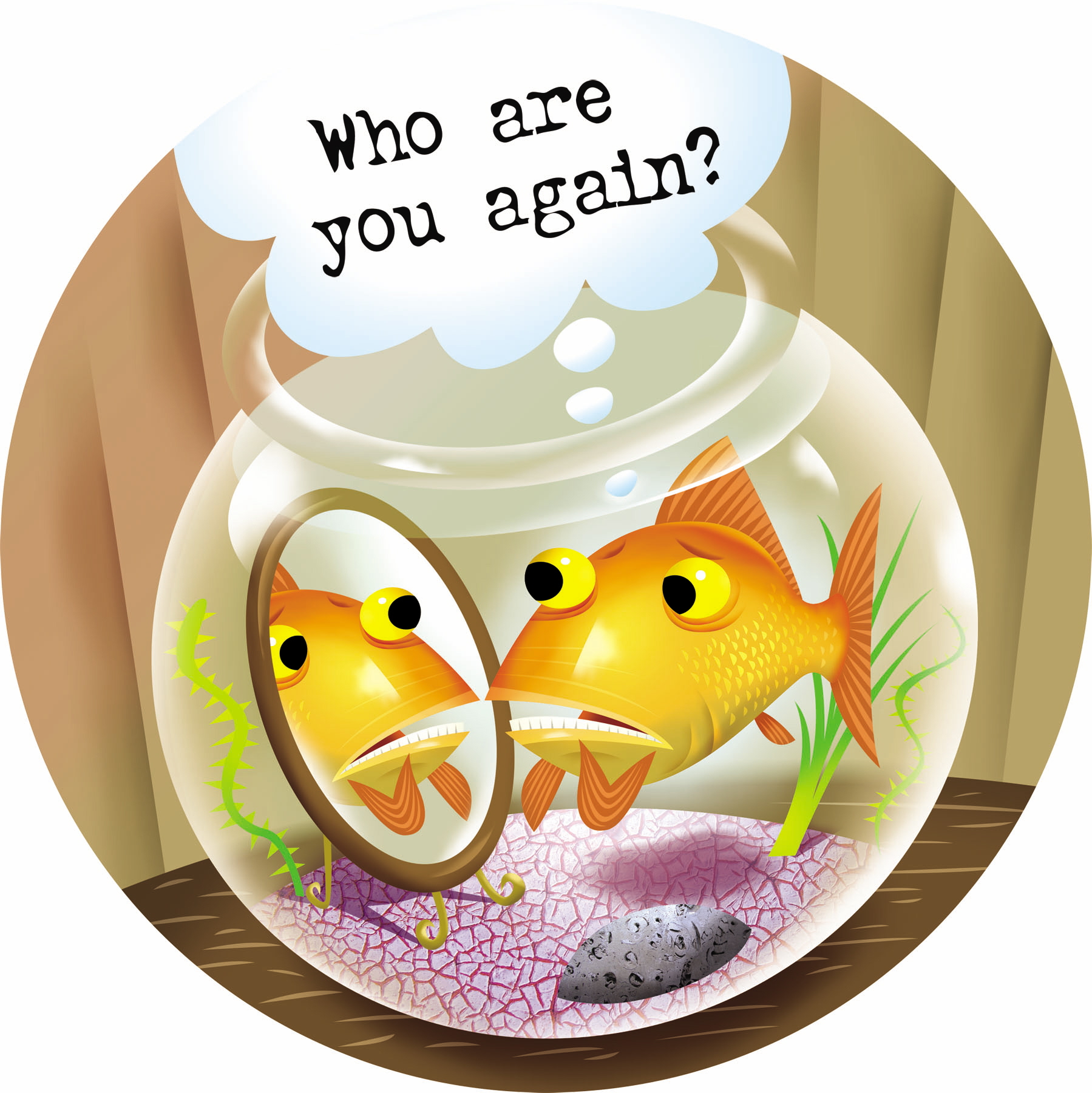
Achieving conservation outcomes almost always means working with stakeholders. ConservationBytes readers who have participated in multi-stakeholder conservation processes will know how difficult they are. Even more so when parties come from very different backgrounds and cultures. Farmers feel they just cannot comprehend what scientists are saying… ecologists silently curse [CJAB’s note: well, not always silently] because government officials ‘just don’t get it’ and so forth. So often, conservation projects are impeded, or even brought to a grinding halt because the very different perspectives that stakeholders bring to the table and the inability to see eye to eye.  This has left many a fervent conservationist and scientist feeling like the associated cartoon.

However, our new paper entitled The implementation crisis in conservation planning – could ‘mental models’ help? just out in Conservation Letters suggests ways of dealing with this almighty challenge.

Effective conservation requires conservation scientists to partner successfully with managers, extractive users and other stakeholder groups. Often, key stakeholders come from very different backgrounds and cultures, and hence have a diversity of values that result in a range of perspectives on issues. These differences are frequently a source of failure in conservation projects.

Read the rest of this entry »


Crocodiles, spiders and leeches

11 04 2011

I just wrote a fun little piece for a new section in the journal Frontiers in Ecology and the Environment that they’re calling Trails and Tribulations. The basic idea is that the author recounts a particularly interesting field-related experience through which an ecological concept is woven.

Editor-in-Chief Sue Silver said that I could reproduce my article here as long as I acknowledged Frontiers and the Ecological Society of America. It was fun to write, and I hope you enjoy it too [the PDF of the article is available free of charge here].

“So does each team get a hand gun?”

“No, you get an oar”

“What good is an oar?”

“Listen, mate. When a 3-metre croc jumps out of the swamp at you, there is nothing more natural in the world than to thump him with a big stick. It’s an autonomous response. With a gun, IF you manage to keep it dry, and IF you manage to get it out in time before the croc bites off your head, chances are you’ll just shoot the bloke in front of you anyway. So you get an oar.”

“Fair enough”.

That is an approximate, paraphrased reproduction of the initial conversation I had with renowned Australian crocodile biologist, Grahame Webb, just prior to my first (and as it turns out, only) trip to collect crocodile eggs for his Darwin wildlife park and crocodile farm. I volunteered to take part in the collection because I had recently begun working with Grahame and his team tracking the world’s largest crocodile species – the saltwater or estuarine crocodile Crocodylus porosus – and modelling aspects of its populations (Bradshaw et al. 2006). Having already been out on several occasions to harpoon and satellite-tag animals (some measuring > 4 m) on the Mary River, and cage-trap others in Kakadu National Park, I thought a little egg collection would be a proverbial walk in the park. Little did I know that it would end up being one of my more memorable experiences.

Let me walk you through the process. First, you wait until the height of the wet season and drive out as far as you can toward the breeding swamp of interest (in this case, Melacca Swamp in the Adelaide River flood plain, about one hour’s drive from Darwin). Then you and two other loonies pile into a small helicopter equipped with landing pontoons which ferries you to one of many previously identified crocodile nests. Because there is usually too much vegetation around the nest itself, the helicopter must land about 100-300 m away. Clothed only in long pants, a long-sleeved shirt and cotton gloves to protect your skin from the slicing blade grass, you jump off the helicopter’s pontoons into impenetrably murky, chest-deep water. One of the team drags an esky (chiller box into which eggs will be placed) and another carries an oar. As the noise of the departing helicopter becomes a faint buzz, you suddenly realise via the rapid expansion of your terminal sphincter that you are in the middle of a crocodile-filled swamp – and you are holding an oar. Read the rest of this entry »


Species’ Ability to Forestall Extinction – AudioBoo

8 04 2011

Here’s a little interview I just did on the SAFE index with ABC AM:

Not a bad job, really.

And here’s another one from Radio New Zealand:

CJA Bradshaw


Resolving the Environmentalist’s Paradox

7 04 2011

Here’s an extremely thought-provoking guest post by Megan Evans, Research Assistant at the University of Queensland in Kerrie Wilson‘s lab. Megan did her Honours degree with Hugh Possingham and Kerrie, and has already published heaps from that and other work. I met Megan first in 2009 and have been extremely impressed with her insights, broad range of interests and knowledge, and her finely honed grasp of social media in science. Smarter than your average PhD student, without a doubt (and she has even done one yet). Take it away, Megan.

© T. Toles

Resolving the ‘Environmentalist’s Paradox’, and the role of ecologists in advancing economic thinking

Aldo Leopold famously described the curse of an ecological education as “to be the doctor who sees the marks of death in a community that believes itself well and does not want to be told otherwise”. Ecologists do have a tendency for making dire warnings for the future, but for anyone concerned about the myriad of problems currently facing the Earth – climate change, an ongoing wave of species extinctions and impending peak oil, phosphate, water , (everything?) crises – the continued ignorance or ridicule of such warnings can be a frustrating experience. Environmental degradation and ecological overshoot isn’t just about losing cute plants and animals, given the widespread acceptance that long-term human well-being ultimately rests on the ability for the Earth to supply us with ecosystem services.

In light of this doom and gloom, things were shaken up a bit late last year when an article1 published in Bioscience pointed out that in spite of declines in the majority of ecosystem services considered essential to human well-being by The Millenium Ecosystem Assessment (MA), aggregate human well-being (as measured by the Human Development Index) has risen continuously over the last 50 years. Ciara Raudsepp-Hearne and the co-authors of the study suggested that these conflicting trends presented an ‘environmentalist’s paradox’ of sorts – do we really depend on nature to the extent that ecologists have led everyone to believe? Read the rest of this entry »


Does the pope wear a funny hat?

5 04 2011

Does a one-legged duck swim in circles? Does an ursid defecate in a collection of rather tall vascular plants? Does fishing kill fish?

Silly questions, I know, but it’s the kind of question posed every time someone doubts the benefits (i.e., for biodiversity, fishing, local economies, etc.) of marine reserves.

I’ve blogged several times on the subject (see Marine protected areas: do they work?The spillover effectInterview with a social (conservation) scientist, and Failing on ocean protection), but considering Hugh Possingham is town today and presenting the case to the South Australian Parliament on why this state NEEDS marine parks, I thought I’d rehash an old post of his published earlier this year in Australasian Science:

Science has long demonstrated that marine reserves protect marine biodiversity. Rather than answer the same question again, isn’t it about time we started funding research that answers some useful scientific questions?

As marine reserves spread inexorably across the planet, the cry from skeptics and some fishermen is: “Do marine reserves work?” The science is pretty clear but acknowledgement of this by the public is another story. Let me begin with a story of my experience answering this question while communicating to stakeholders the subtleties of marine conservation planning during the rezoning of Moreton Bay.

I was asked by the then-Queensland Environmental Protection Agency to explain to stakeholders the process of marine reserve system design as it applied to the Moreton Bay rezoning. I told the gathering that the rezoning was about conserving a fraction of each mappable biodiversity attribute (species and habitats) for the minimum impact on the livelihood of others. Read the rest of this entry »


Buzzing to the plate

4 04 2011

Here’s another contribution from my PhD student, Salvador Herrando-Pérez (see his previous ConservationBytes.com post on micro-evolution here).

Once upon a time at the produce section of a supermarket, a little girl confided to me that she had no idea that little plants could grow on carrots. This sympathetic scene portrays the split between the food we consume and the environments that produce it.

© Cordell

Mediterraneans love their cuisine. In fact, we are fairly proud of all our food. Yet how many of us associate a juicy tomato in our multicoloured salads, the smoothness of a escalibada (grilled veggies) bathed in virgin olive oil, the afternoon’s delicious expresso among friends and colleagues, or the last Christmas’ crunchy nougat shared with our beloved, with an insect that one given day pollinates a flower whose fertilized ovary will reach our dining room in the form of a sweet, infusion, fruit, sauce, soup or veggie.

Biodiversity fuels this relationship between insects and food. A study led by Alexandra Klein on highland coffee (Coffea arabica) from Sulawesi (Indonesia) demonstrates this concept well1. The German team showed that the amount of coffee beans produced in 24 agro-forestry sites increased with the number of bee species visiting the flowers (Fig. 1). Read the rest of this entry »


A very pissed-off New Guinean versus the Destroyer of Forests

31 03 2011

I really don’t know where this came from (weird e-mail trail), but it was too good not to share.

For those of you who follow ConservationBytes.com, you might remember a fairly recent post where a group of leading conservation biologists exposed one of the most dangerous men in the world – Alan Oxley, the (very embarrassing to admit) Australian destroyer of tropical biodiversity and future welfare of hundreds of millions of people.

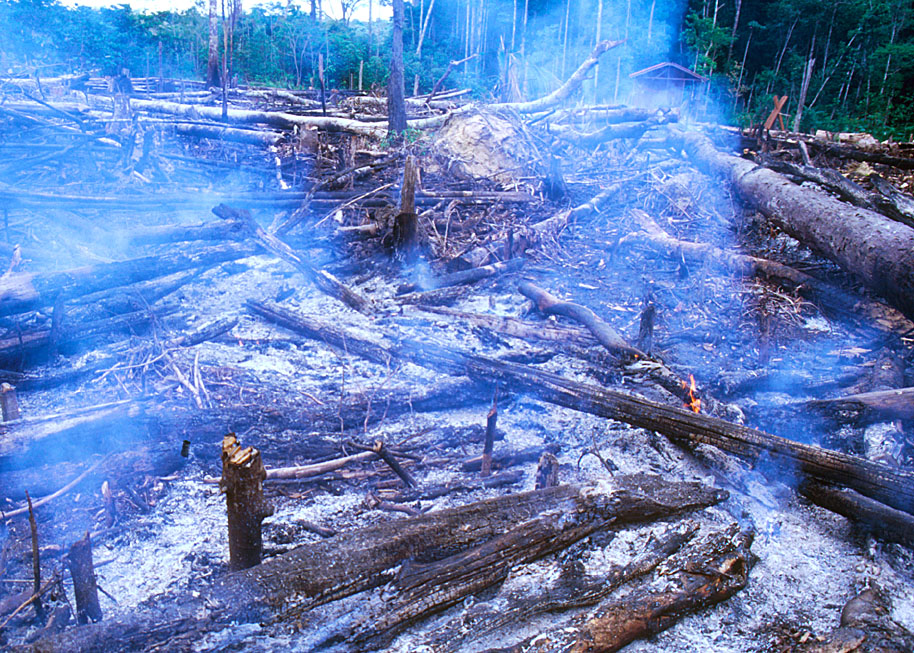
It seems he and his commercial interests (and my, do those fellas lay it on thick) have turned their attention to destroying the last tracts of intact South-East Asian forests (and associated biodiversity) in Papua New Guinea. Kiss some of the most endemic, biodiverse and biowealthy areas on the planet good-bye.

So it was interesting to receive this email that had been sent to Oxley’s front-company, International Trade Strategies (ITS) Global, by one very pissed off Papua New Guinean. I have no idea who ‘Bush Kanaka Mangi’ is, but he sounds the real deal and I wouldn’t want to be Oxley if he ever came across him. I cite verbatim1:

Mr Alan Oxley,

HONESTLY : I am sick of getting this bloody rubbish, bullshit from you and your company ITS Global about palm oil is good for PNG, logging is good for PNG. Who the hell do you think you are ????, you seem in all your articles and consultancy reports as the expert about our country and more knowledgeable about the Melanesian society very well. My assessment of all your electronic newsletter which you circulate widely, your reflections and recommendations all are in no way closer or nearer to the way we Papua New Guineans think and want to do things and develop our nation, all of what you say are totally and purely and absolutely RUBBISH and yet you claim to know everything and know the problems of PNG and our people and on ways to solve our problems and continue your bullshit campaign in support of R&H and all its doing here destroying our forests, our society, manipulating our systems and creating confusion and hell is loose here. Read the rest of this entry »


How fast are we losing species anyway?

28 03 2011

© W. Laurance

I’ve indicated over the last few weeks on Twitter that a group of us were recently awarded funding from the Australian Centre for Ecological Synthesis and Analysis – ACEAS – (much like the US version of the same thing – NCEAS) to run a series of analytical workshops to estimate, with a little more precision and less bias than has been done previously, the extinction rates of today’s biota relative to deep-time extinctions.

So what’s the issue? The Earth’s impressive diversity of life has experienced at least five mass extinction events over geological time. Species’ extinctions have kept pace with evolution, with more than 99 % of all species that have ever existed now gone (Bradshaw & Brook 2009). Despite general consensus that biodiversity has entered the sixth mass extinction event because of human-driven degradation of the planet, estimated extinction rates remain highly imprecise (from 100s to 10000s times background rates). This arises partly because the total number of species is unknown for many groups, and most extinctions go unnoticed.

So how are we going to improve on our highly imprecise estimates? One way is to look at the species-area relationship (SAR), which to estimate extinction requires one to extrapolate back to the origin in taxon- and region-specific SARs (e.g., with a time series of deforestation, one can estimate how many species would have been lost if we know how species diversity changes in relation to habitat area). Read the rest of this entry »


Cartoon guide to biodiversity loss XI

22 03 2011

The latest six cartoons… (see full stock of previous ‘Cartoon guide to biodiversity loss’ compendia here).

Read the rest of this entry »


Classics: demography versus genetics

16 03 2011

Here’s another short, but sweet Conservation Classic highlighted in our upcoming book chapter (see previous entries on this book). Today’s entry comes from long-time quantitative ecology guru, Russ Lande, who is now based at the Silwood Park Campus (Imperial College London).

© IBL

In an influential review, Lande (1988) argued that

“…demography may usually be of more immediate importance than population genetics in determining the minimum viable size of wild populations”.

It was a well-reasoned case, and was widely interpreted to mean that demographic and ecological threats would provide the ‘killer blow’ to threatened species before genetic factors such as inbreeding and fitness effects of loss of genetic diversity had time to exert a major influence on small population dynamics.

Read the rest of this entry »


Build a bridge out of ‘er

12 03 2011

Apologies to Monty Python and my poor attempt to make the over-used expression ‘bridging the gap’ humorous.

Today’s guest post comes from across the Pacific Ocean. Dr. Sara Maxwell is a postdoctoral fellow with Marine Conservation Biology Institute and University of California Santa Cruz, Long Marine Laboratory. She was kind enough to contribute to ConservationBytes.com about an issue I’ve covered before in various forms – making conservation research relevant for conservation action.

© R. Arlettaz

In a catalyzing article titled “From publications to public actions: when conservation biologists bridge the gap between research and implementation” in the November 2010 issue of BioScience, Raphaël Arlettaz1 and his colleagues Michael Schaub2, Jérôme Fournier3, Thomas Reichlin2, Antoine Sierro4, James Watson5 and Veronika Braunisch2 explore reasons for our hard work as conservation biologists not reaching the implementation phase. This article strongly resonated with my colleague, Kiki Jenkins6 and I, Sara Maxwell. This resulted in a series of letters published in BioScience and now we join together, along with Jeffrey Camm7, Guillaume Chapron8, Liana Joseph9, and Rudi Suchant10 to synthesize our ideas and present them to the larger conservation community via ConservationBytes.

The article that sparked the discussion

In their article, Arlettaz and colleagues highlight some of the main roadblocks to implementing conservation research. The main reasons are that:

  1. The research made by conservation biologists’ does not lend itself well to implementation, i.e., as a community we often focus on the wrong questions or address them in ways that do not lead to practical applications for practitioners;
  2. The outcomes of conservation biologists’ research tends not to reach practitioners and so fails to be put into action;
  3. When we successfully align and collaborate with practitioners, there is a lack of economic or political support to make the changes that need to happen; or
  4. Conservation biologists do not commit to engaging themselves in the implementation of their recommendations due to a lack of reward structure for this behaviour and the conflicting roles of academia and conservation.

Arlettaz and colleagues illustrate how to overcome these roadblocks using a case study of their own work on the endangered hoopoe (Upupa epops) in Switzerland, showing how they followed through the recommendations of their work to implementation and had a direct impact on species recovery. They highlight means by which other conservation biologists can do the same.

Read the rest of this entry »


Big sharks. Big mystery.

9 03 2011

My PhD student, Ana Sequeira, has just written a great little guest blog post for the Environment Institute‘s blog. Given I’m en route to Tasmania for a quick consultancy meeting, I thought I’d let myself off the hook and reproduce the post here. Well done, Ana (and hint to my other students – your time on ConservationBytes.com is coming…).

This week is Seaweek and guest blogger Ana Sequeira describes how whale shark distribution might be shifting according to seasonal environmental predictors.

Ana Sequeira is a PhD student at the University of Adelaide (Global Ecology Group). Her main research interests are to develop models applied to the marine environment to describe key environmental processes, species distribution patterns and ecological interactions.

The main objective of her PhD thesis is to investigate behavioural ecology of whale sharks. She is now trying to understand which environmental variables may affect whale shark distribution.

The whale shark (Rhincodon typus, Smith 1828) is the largest fish in the ocean and can reach more than 12 m in total length. Although little is known about their habitat selection or migration patterns, the whale shark appears to be a highly mobile species. They predictably form near shore aggregations in some coastal locations (e.g. off Ningaloo reef in Western Australia) what makes them the subject of highly lucrative marine ecotourism industries. Also, artisanal and small-scale fisheries for the species still exist in many parts of the tropics.

Since the whale sharks is classified a Vulnerable species (IUCN Red List), understanding their migratory behaviour became of chief importance as they can be travelling from regions where they are protected to regions where they are still harvested. Read the rest of this entry »


Government pulls plug on Asian honeybee eradication

3 03 2011

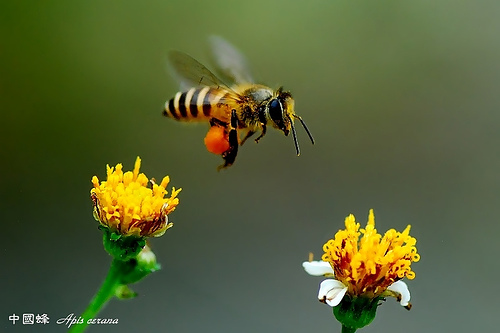
Here’s another one from the bee man, Tobias Smith (PhD candidate at the University of Queensland). Tobias recently blogged about bee basics here on ConservationBytes.com (something I highly recommend for anyone interested on brushing up on bee facts and dispelling a few myths), so I asked him to follow up with this very important piece on the future of pollination in Australia. It concerns a nasty little invader recently dubbed the “flying cane toad” (not my analogy).

http://www.flickr.com/photos/angela-and-andrew/1196369580/in/faves-lornet/

© 中國蜂

Over the last few weeks there has been much media attention given to the Asian honeybee (Apis cerana) incursion in far north Queensland. The Asian honeybee was first detected near Cairns in May 2007. Since then an effort to eradicate the bee has been made. This peaked during 2010, when over 40 bee eradication personnel were employed to hunt and destroy in areas around Cairns, the Atherton Tablelands, and other nearby locations.

In late January this year, the committee established to manage the eradication program (governments and industry), decided to pull the plug on eradication efforts (on money to pay for efforts that is). They decided it was no longer possible to achieve eradication (a majority decision, not a unanimous decision). The position to stop resources for eradication is not supported by industry, or ecological commentators. Arguments have been made that this is the only window of opportunity for eradication (for ever!), and that more resources need to be put towards it now, while there is still a chance of success.

A few points to be made about the Asian honeybee in Australia: Read the rest of this entry »


Classics: Tragedy of the Commons

28 02 2011

Although not a conservation biology paper per se, Hardin’s classic essay (Hardin, 1968) changed the way we think about managing natural resources that lack definitive ownership.

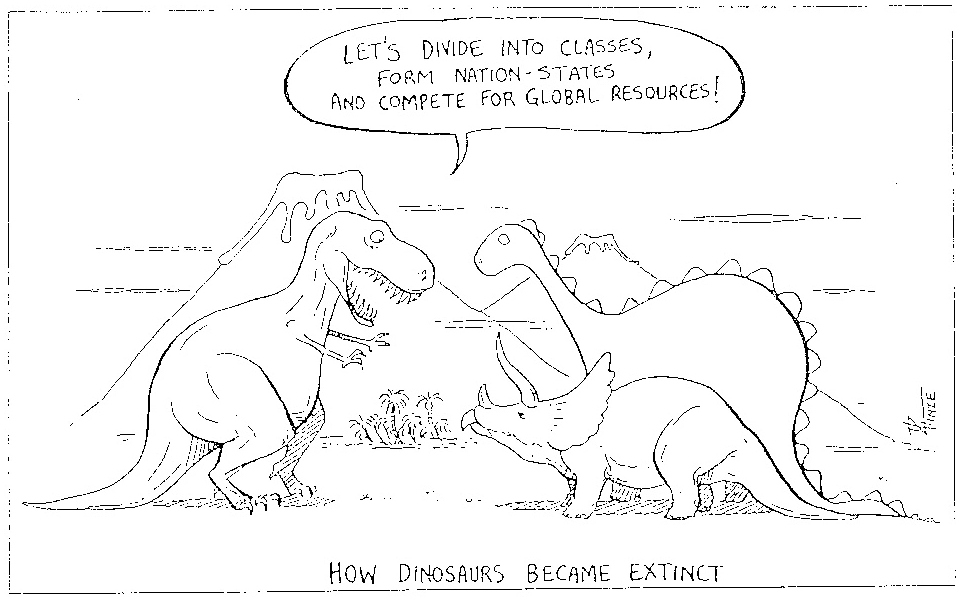
The thesis of the “tragedy of the commons” is that individuals are inherently selfish and usually place their own interests first in using commonly owned resources, thereby resulting in their depletion. Hardin used a hypothetical and simplified situation based on medieval land tenure in Europe (herders sharing a common parcel of land) on which each herder was entitled to graze his cattle. Each herder maximized his gains by putting additional cattle onto the land, even if the carrying capacity of the common was exceeded and overgrazing ensued. The herder, by making an “individually rational decision,” received all the benefits from his cattle, but could in the process deplete the common resource for the entire group. If all herders make such selfish decisions then the common will be depleted, jeopardizing the livelihoods of all.

Read the rest of this entry »


Disaster coming to a coastline near you

24 02 2011

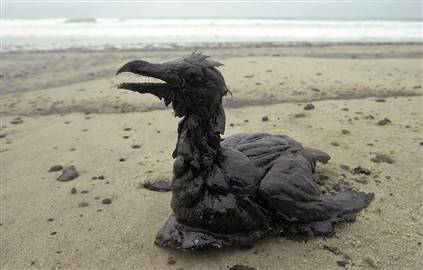
Many of you already know that against all better judgement, the spectacularly audacious Australian Commonwealth government has granted BP offshore drilling rights in our southern waters.

You’d think that with all the evidence that BP is a company that cannot be trusted with this particular form of resource exploitation, we’d be a little bit more discerning when granting exploration permits to them. Apparently not.

In protest and within my rights as an Australian citizen, I wrote to the Minister responsible for the decision, MP Martin Ferguson (Federal Minister for Resources and Energy) to register my protest:

Dear Minister Ferguson,

As an ecologist, academic and citizen, I find it rather astounding that Australia has permitted the deep-sea exploration of oil by BP in our own back garden. The unreasonable environmental risk aside, it simply equates to poor economics – the very real probability of a disaster on the same scale (or larger) than the Gulf of Mexico’s fiasco last year will effectively destroy the commercial fishing and aquaculture industry of our southern coastline overnight. The loss of tourism dollars could arguably exceed even that.

This is most definitely not in Australia’s best interest, and will represent yet another blight on our already poor environmental record (see http://wp.me/phhT4-1cf and http://wp.me/phhT4-Zt). I urge you to reconsider your permission and revoke the licence to drill in our waters. It is a mistake you and your government will regret for decades, and will make the recent flooding disaster in Queensland appear mild in comparison.

Sincerely,
Professor Corey J. A. Bradshaw

I certainly wasn’t expecting the Minister to say suddenly “Oh my. You are right, Prof. Bradshaw. It is a bad decision. I’ll revoke that permission forthwith”, but I was expecting a little bit more than the jumbled form letter I received in reply: Read the rest of this entry »


What the hell is a banteng?

21 02 2011

A few years ago (ok, 6 years), ABC‘s Catalyst did a piece on our banteng research programme in Garig Gunak Barlu National Park in the Northern Territory. The show basically talks about the conservation and management conundrum of having a successful feral species in Australia that is also highly endangered in its native range (South East Asia). Do we shoot them all, or legislate them as an endangered species? It’s for Australians to decide.

I finally got around to uploading it on Youtube. I hope I haven’t contravened some copyright law, but I figure after such a lag, no one will care. I await the imminent contradiction from the ABC’s lawyers…

I hope you enjoy.

For the scientific papers arising from the work, see: Read the rest of this entry »


Evolution here and now

17 02 2011

Here’s a guest post from one of my PhD students, Salvador Herrando-Peréz. Salva is working on theoretical aspects of density feedback mechanisms among different species, and is especially eclectic with his interests in biology. Salva regularly contributes to lay natural history magazines, especially in his native tongue Castellano (Spanish), and he is an active member of the Spanish organisation Bioestudios Saganta, a non-profit national organisation fully devoted to scientific research and its popularisation with a focus on biodiversity conservation.

I’ve asked my students to start contributing to ConservationBytes.com, and Salva is leading the charge.

Evolution evokes ideas such as fossils, geological eras and time scales of hundreds of thousands to millions of years. Only recently have we started to appreciate that such ‘macro-evolution’ is the result of accumulated changes in the morphology and genes of species from one generation to the next: days for HIV strands, months for a planktonic rotifer, or years for a poplar.

The Britons Peter and Rose Mary Grant published in 2002 a 30-year study on Darwin’s finches from Daphne Major (Galapagos, Ecuador) – a popular study organism since Charles Darwin’s Origin of species (Grant & Grant 2002). In such a short period of time, covering only six generations of these granivorous birds, several extreme droughts altered the type and abundance of seeds, and potentially triggered the evolution of body size, and beak shape and size, up to three times (Figure 1). The two biologists from Princeton reveal that:

  1. evolution is reversible – generations of finches experiencing overall increase in body and beak sizes can lead to future generations with smaller sizes (of course within limits; a finch will never develop the beak of a stork or a hummingbird), and
  2. phenological shifts across generations are unpredictable in so far as they respond to random climatic fluctuations – should droughts of contrasting intensity have occurred in different years over the study period, beaks and bodies might have evolved in other particular fashions. Read the rest of this entry »


Classics: Shifting baselines

14 02 2011

The Conservation Classics series will soon be collated and published in a special chapter for the book ‘Biodiversity’ to be published later this year by InTech. The chapter is co-authored by Barry Brook, Navjot Sodhi, Bill Laurance and me. This is a snippet of one ‘classic’ I haven’t yet really covered extensively on ConservationBytes.com.

Daniel Pauly’s (1995) concept describes the way that changes to a system are measured against baselines which themselves are often degraded versions of the original state of the system. Pauly (1995) originally meant it in a fisheries context, where “… fisheries scientists sometimes fail to identify the correct ‘baseline’ population size (e.g., how abundant a fish species population was before human exploitation) and thus work with a shifted baseline”. It is now considered a mantra in fisheries and marine science (Jackson et al., 2001), but it has been extended to many other conservation issues. Yet, quantifying shifting baselines in conservation is difficult, with little empirical evidence (but see Jackson et al., 2001), despite the logic and general acceptance of its ubiquity by conservation scientists. Read the rest of this entry »


More to bees than queens and honey

11 02 2011

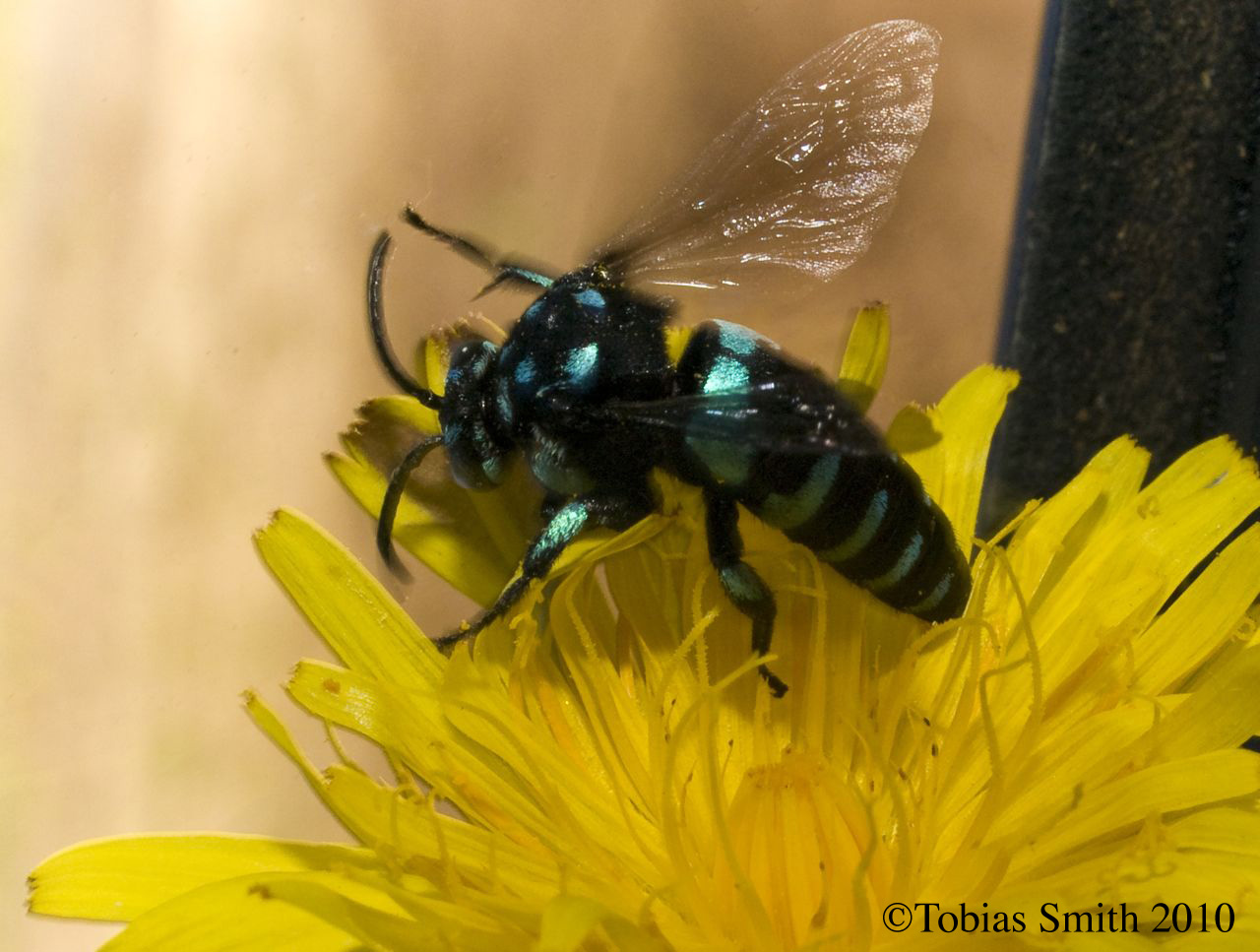
Another great guest post, this time from Tobias Smith, a PhD candidate at the University of Queensland’s School of Biological Sciences. Tobias is investigating bee community shifts across a fragmented tropical landscape in far north Queensland, aiming to identify landscape variation in community composition of two important rainforest pollinator groups, bees and flies. I met Tobias a few years ago as part of the Thiaki rainforest reforestation project for which he is doing baseline surveys of bees and flies.

I asked him a while ago to write a ‘primer’ on bees for ConservationBytes.com since so many people really don’t much about the taxon (I include myself in that group). He’s done a brilliant job – everything you wanted to know about bees but were afraid to ask (in 1000 words).

The frequently reported, gloomy news about bee declines is hard not to notice. Bees are in dire trouble around the world, and this trend has worrying implications for both ecosystems and human food production. As a result, popular media often reports on the plight of bees, regularly reciting the figure of one in three mouthfuls of food being dependent on the work of bees. While bees certainly are in major trouble, it can be easy to misinterpret statements often made in these kind of articles without a little general bee knowledge. So here are a few bee facts that, at the very least, we ecological representatives should be familiar with. This information should help give some perspective when interpreting bee news, and when engaging in exciting bee conversations at the shops.

There are approximately 20,000 bees species globally. Yet when most people think of bees they think of a single species, Apis mellifera, the western honey bee (introduced in most of its range, and also referred to as the European honeybee). This bee is certainly an important bee. It is managed as the usual pollinator of crops requiring biotic pollination, and it makes the honey we usually eat here in the developed world. Some say our domestication of this bee has been an important contributing factor in achieving the level of development that we humans have. There are however, about 19,999 other bee species out there, and most of them are very different to the western honeybee. Read the rest of this entry »


Colour-blind sharks

3 02 2011

A few weeks ago I was interviewed on Channel 10 (Adelaide) about some new research coming out of the University of Western Australia regarding shark colour vision.

I’ve received permission from Channel 1o to reproduce the news snippet here. The first bloke interviewed is Associate Professor Nathan Hart, the study‘s lead author. I’m the bald one appearing in the middle at at the end.

It certainly was an interesting story, although two claims were made that probably needed better contextualisation.

First, the authors claim that because of this taxon’s colour blindness, they probably notice pigment transitions more when using visual cues to identify potential prey. What this means is that bright colours set against duller backgrounds might provide that contrast enough to attract sharks. The upshot from the interview is that brightly coloured and patterned togs (bathers) might make sharks think you are potentially a tasty treat. Read the rest of this entry »