Not so ‘looming’ – Anthropocene extinctions

4 11 2009

ABCclip031109

© ABC 2009

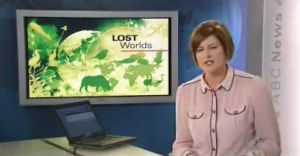
Yesterday I was asked to do a quick interview on ABC television (Midday Report) about the release of the 2009 IUCN Red List of Threatened Species. I’ve blogged about the importance of the Red List before, but believe we have a lot more to do with species assessments and getting prioritisation right with respect to minimum viable population size. Have a listen to the interview itself, and read the IUCN’s media release reproduced below.

My basic stance is that we’ve only just started to assess the number of species on the planet (under 50000), yet there are many millions of species still largely under-studied and/or under-described (e.g., extant species richness = > 4 million protists, 16600 protozoa, 75000-300000 helminth parasites, 1.5 million fungi, 320000 plants, 4-6 million arthropods, > 6500 amphibians, 10000 birds and > 5000 mammals – see Bradshaw & Brook 2009 J Cosmol for references). What we’re looking at here is a refinement of knowledge (albeit a small one). We are indeed in the midst of the Anthropocene mass extinction event – there is nothing ‘looming’ about it. We are essentially losing species faster than we can assess them. I believe it’s important to make this clearer to those not working directly in the field of biodiversity conservation.

CJA Bradshaw

Extinction crisis continues apace – IUCN

Gland, Switzerland, 3 November, 2009 (IUCN) – The latest update of the IUCN Red List of Threatened Species™ shows that 17,291 species out of the 47,677 assessed species are threatened with extinction.

The results reveal 21 percent of all known mammals, 30 percent of all known amphibians, 12 percent of all known birds, and 28 percent of reptiles, 37 percent of freshwater fishes, 70 percent of plants, 35 percent of invertebrates assessed so far are under threat.

“The scientific evidence of a serious extinction crisis is mounting,” says Jane Smart, Director of IUCN’s Biodiversity Conservation Group. “January sees the launch of the International Year of Biodiversity. The latest analysis of the IUCN Red List shows the 2010 target to reduce biodiversity loss will not be met. It’s time for governments to start getting serious about saving species and make sure it’s high on their agendas for next year, as we’re rapidly running out of time.”

Of the world’s 5,490 mammals, 79 are Extinct or Extinct in the Wild, with 188 Critically Endangered, 449 Endangered and 505 Vulnerable. The Eastern Voalavo (Voalavo antsahabensis) appears on the IUCN Red List for the first time in the Endangered category. This rodent, endemic to Madagascar, is confined to montane tropical forest and is under threat from slash-and-burn farming.

There are now 1,677 reptiles on the IUCN Red List, with 293 added this year. In total, 469 are threatened with extinction and 22 are already Extinct or Extinct in the Wild. The 165 endemic Philippine species new to the IUCN Red List include the Panay Monitor Lizard (Varanus mabitang), which is Endangered. This highly-specialized monitor lizard is threatened by habitat loss due to agriculture and logging and is hunted by humans for food. The Sail-fin Water Lizard (Hydrosaurus pustulatus) enters in the Vulnerable category and is also threatened by habitat loss. Hatchlings are heavily collected both for the pet trade and for local consumption.

“The world’s reptiles are undoubtedly suffering, but the picture may be much worse than it currently looks,” says Simon Stuart, Chair of IUCN’s Species Survival Commission. “We need an assessment of all reptiles to understand the severity of the situation but we don’t have the $2-3 million to carry it out.”

The IUCN Red List shows that 1,895 of the planet’s 6,285 amphibians are in danger of extinction, making them the most threatened group of species known to date. Of these, 39 are already Extinct or Extinct in the Wild, 484 are Critically Endangered, 754 are Endangered and 657 are Vulnerable.

The Kihansi Spray Toad (Nectophrynoides asperginis) has moved from Critically Endangered to Extinct in the Wild. The species was only known from the Kihansi Falls in Tanzania, where it was formerly abundant with a population of at least 17,000. Its decline is due to the construction of a dam upstream of the Kihansi Falls that removed 90 percent of the original water flow to the gorge. The fungal disease chytridiomycosis was probably responsible for the toad’s final population crash.

The fungus also affected the Rabb’s Fringe-limbed Treefrog (Ecnomiohyla rabborum), which enters the Red List as Critically Endangered. It is known only from central Panama. In 2006, the chytrid fungus (Batrachochytrium dendrobatidis) was reported in its habitat and only a single male has been heard calling since. This species has been collected for captive breeding efforts but all attempts have so far failed.

Of the 12,151 plants on the IUCN Red List, 8,500 are threatened with extinction, with 114 already Extinct or Extinct in the Wild. The Queen of the Andes (Puya raimondii) has been reassessed and remains in the Endangered category. Found in the Andes of Peru and Bolivia, it only produces seeds once in 80 years before dying. Climate change may already be impairing its ability to flower and cattle roam freely among many colonies, trampling or eating young plants.

There are now 7,615 invertebrates on the IUCN Red List this year, 2,639 of which are threatened with extinction. Scientists added 1,360 dragonflies and damselflies, bringing the total to 1,989, of which 261 are threatened. The Giant Jewel (Chlorocypha centripunctata), classed as Vulnerable, is found in southeast Nigeria and southwest Cameroon and is threatened by forest destruction.

Scientists also added 94 molluscs, bringing the total number assessed to 2,306, of which 1,036 are threatened. Seven freshwater snails from Lake Dianchi in Yunnan Province, China, are new to the IUCN Red List and all are threatened. These join 13 freshwater fishes from the same area, 12 of which are threatened. The main threats are pollution, introduced fish species and overharvesting.

There are now 3,120 freshwater fishes on the IUCN Red List, up 510 species from last year. Although there is still a long way to go before the status all the world’s freshwater fishes is known, 1,147 of those assessed so far are threatened with extinction. The Brown Mudfish (Neochanna apoda), found only in New Zealand, has been moved from Near Threatened to Vulnerable as it has disappeared from many areas in its range. Approximately 85-90 percent of New Zealand’s wetlands have been lost or degraded through drainage schemes, irrigation and land development.

“Creatures living in freshwater have long been neglected. This year we have again added a large number of them to the IUCN Red List and are confirming the high levels of threat to many freshwater animals and plants. This reflects the state of our precious water resources. There is now an urgency to pursue our effort but most importantly to start using this information to move towards a wise use of water resources,” says Jean-Christophe Vié, Deputy Head of the IUCN Species Programme.

“This year’s IUCN Red List makes for sobering reading,” says Craig Hilton-Taylor, Manager of the IUCN Red List Unit. “These results are just the tip of the iceberg. We have only managed to assess 47,663 species so far; there are many more millions out there which could be under serious threat. We do, however, know from experience that conservation action works so let’s not wait until it’s too late and start saving our species now.”

The status of the Australian Grayling (Prototroctes maraena), a freshwater fish, has improved as a result of conservation efforts. Now classed as Near Threatened as opposed to Vulnerable, the population has recovered thanks to fish ladders which have been constructed over dams to allow migration, enhanced riverside vegetation and the education of fishermen, who now face heavy penalties if found with this species.


Sick environment, sick people

30 10 2009

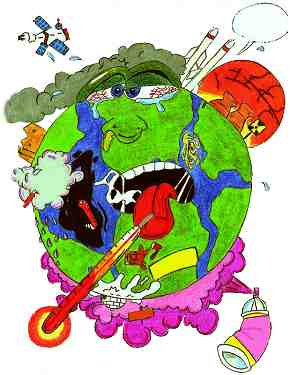
sickplanetA quick post to talk about a subject I’m more and more interested in – the direct link between environmental degradation (including biodiversity loss) and human health.

To many conservationists, people are the problem, and so they focus naturally on trying to maintain biodiversity in spite of human development and spread. Well, it’s 60+ years since we’ve been doing ‘conservation biology’ and biodiversity hasn’t been this badly off since the Cretaceous mass extinction event 146-64 million years ago. We now sit squarely within the geological era more and more commonly known as the ‘Anthropocene’, so if we don’t consider people as an integral part of any ecosystem, then we are guaranteed to fail biodiversity.

I haven’t posted in a week because I was in Shanghai attending the rather clumsily entitled “Thematic Reference Group (TRG) on Environment, Agriculture and Infectious Disease’, which is a part of the UNICEF/UNDP/World Bank/World Health Organization Special Programme for Research and Training in Tropical Diseases (TDR) (what a mouthful that is). What’s this all about and why is a conservation ecologist (i.e., me) taking part in the group?

It’s taken humanity a while to realise that what we do to the planet, we eventually end up doing to ourselves. The concept of ecosystem services1 demonstrates this rather well – our food, weather, wealth and well-being are all derived from healthy, functioning ecosystems. When we start to bugger up the inter-species relationships that define one element of an ecosystem, then we hurt ourselves. I’ve blogged about this topic a few times before with respect to flooding, pollination, disease emergence and carbon sequestration.

Our specific task though on the TRG is to define the links between environmental degradation, agriculture, poverty and infectious disease in humans. Turns out, there are quite a few examples of how we’re rapidly making ourselves more susceptible to killer infectious diseases simply by our modification of the landscape and seascape.

Some examples are required to illustrate the point. Schistosomiasis is a snail-borne fluke that infects millions worldwide, and it is on the rise again from expanding habitat of its host due to poor agricultural practices, bad hygiene, damming of large river systems and climate warming. Malaria too is on the rise, with greater and greater risk in the endemic areas of its mosquito hosts. Chagas (a triatomine bug-borne trypanosome) is also increasing in extent and risk. Some work I’m currently doing under the auspices of the TRG is also showing some rather frightening correlations between the degree of environmental degradation within a country and the incidence of infectious disease (e.g., HIV, malaria, TB), non-infectious disease (e.g., cancer, cardiovascular disease) and indices of life expectancy and child mortality.

I won’t bore you with more details of the group because we are still drafting a major World Health Organization report on the issues and research priorities. Suffice it to say that if we want to convince policy makers that resilient functioning ecosystems with healthy biodiversity are worth saving, we have to show them the link to infectious disease in humans, and how this perpetuates poverty, rights injustices, gender imbalances and ultimately, major conflicts. An absolute pragmatist would say that the value of keeping ecosystems intact for this reason alone makes good economic sense (treating disease is expensive, to say the least). A humanitarian would argue that saving human lives by keeping our ecosystems intact is a moral obligation. As a conservation biologist, I argue that biodiversity, human well-being and economies will all benefit if we get this right. But of course, we have a lot of work to do.

CJA Bradshaw

Add to FacebookAdd to NewsvineAdd to DiggAdd to Del.icio.usAdd to StumbleuponAdd to RedditAdd to BlinklistAdd to Ma.gnoliaAdd to TechnoratiAdd to Furl

1Although Bruce Wilcox (another of the TRG expert members), who I will be highlighting soon as a Conservation Scholar, challenges the notion of ecosystem services as a tradeable commodity and ‘service’ as defined. More on that topic soon.


October Issue of Conservation Letters

18 10 2009

The second-to-last issue in 2009 (October) of Conservation Letters is now out. Click here for full access.

cl2-5

Household goods made of non-timber forest products. © N. Sasaki

Papers in this issue:


Life and death on Earth: the Cronus hypothesis

13 10 2009
Cronus

Cronus

Bit of a strange one for you today, but here’s a post I hope you’ll enjoy.

My colleague, Barry Brook, and I recently published a paper in the very new and perhaps controversial online journal , the Journal of Cosmology. Cosmology? According to the journal, ‘cosmology’ is:

“the study and understanding of existence in its totality, encompassing the infinite and eternal, and the origins and evolution of the cosmos, galaxies, stars, planets, earth, life, woman and man”.

The journal publishes papers dealing with ‘cosmology’ and is a vehicle for those who wish to publish on subjects devoted to the study of existence in its totality.

Ok. Quite an aim.

Our paper is part of the November (second ever) issue of the journal entitled Asteroids, Meteors, Comets, Climate and Mass Extinctions, and because we were the first to submit, we managed to secure the first paper in the issue.

Our paper, entitled The Cronus hypothesis – extinction as a necessary and dynamic balance to evolutionary diversification, introduces a new idea in the quest to find that perfect analogy for understanding the mechanisms dictating how life on our planet has waxed and waned over the billions of years since it first appeared.

Gaia

Gaia

In the 1960s, James Lovelock conceived the novel idea of Gaia – that the Earth functions like a single, self-regulating organism where life itself interacts with the physical environment to maintain conditions favourable for life (Gaia was the ancient Greeks’ Earth mother goddess). Embraced, contested, denounced and recently re-invigorated, the idea has evolved substantially since it first appeared. More recently (this year, in fact), Peter Ward countered the Gaia hypothesis with his own Greek metaphor – the Medea hypothesis. Essentially this view holds that life instead ‘seeks’ to destroy itself in an anti-Gaia manner (Medea was the siblicidal wife of Jason of the Argonauts). Ward described his Medea hypothesis as “Gaia’s evil twin”.

One can marvel at the incredible diversity of life on Earth (e.g., conservatively, > 4 million protists, 16600 protozoa, 75000-300000 helminth parasites, 1.5 million fungi, 320000 plants, 4-6 million arthropods, > 6500 amphibians, 10000 birds and > 5000 mammals) and wonder that there might be something in the ‘life makes it easier for life’ idea underlying Gaia. However, when one considers that over 99 % of all species that have ever existed are today extinct, then a Medea perspective might dominate.

Medea

Medea

Enter Cronus. Here we posit a new way of looking at the tumultuous history of life and death on Earth that effectively relegates Gaia and Medea to opposite ends of a spectrum. Cronus (patricidal son of Gaia overthrown by his own son, Zeus, and banished to Hades) treats speciation and extinction as birth and death in a ‘metapopulation’ of species assemblages split into biogeographic realms. Catastrophic extinction events can be brought about via species engineering their surroundings by passively modifying the delicate balance of oxygen, carbon dioxide and methane – indeed, humans might be the next species to fall victim to our own Medean tendencies. But extinction opens up new niches that eventually elicit speciation, and under conditions of relative environmental stability, specialists evolve because they are (at least temporarily) competitive under those conditions. When conditions change again, extinction ensues because not all can adapt quickly enough. Just as all individuals born in a population must eventually die, extinction is a necessary termination.

We think the Cronus metaphor has a lot of advantages over Gaia and Medea. The notion of a community of species as a population of selfish individuals retains the Darwinian view of contestation; self-regulation in Cronus occurs naturally as a result of extinction modifying the course of future evolution. Cronus also makes existing mathematical tools developed for metapopulation theory amenable to broader lines of inquiry.

For example, species as individuals with particular ‘mortality’ (extinction) rates, and lineages with particular ‘birth’ (speciation) rates, could interact and disperse among ‘habitats’ (biogeographical realms). ‘Density’ feedback could be represented as competitive exclusion or symbioses. As species dwindle, feedbacks such as reduced community resilience that further exacerbate extinction risk (Medea-like phase), and stochastic fluctuation around a ‘carrying capacity’ (niche saturation) arising when environmental conditions are relatively stable is the Gaia-like phase. Our Cronus framework is also scale-invariant – it could be applied to microbial diversity on another organism right up to inter-planetary exchange of life (panspermia).

What’s the relevance to conservation? We’re struggling to prevent extinction, so understanding how it works is an essential first step. Without the realisation that extinction is necessary (albeit, at rates preferably slower than they are currently), we cannot properly implement conservation triage, i.e., where do we invest in conservation and why?

We had fun with this, and I hope you enjoy it too.

CJA Bradshaw

ResearchBlogging.orgBradshaw, C.J.A., & Brook, B.W. (2009). The Cronus Hypothesis – extinction as a necessary and dynamic balance to evolutionary diversification Journal of Cosmology, 2, 201-209 Other: http://journalofcosmology.com/Extinction100.html

Add to FacebookAdd to NewsvineAdd to DiggAdd to Del.icio.usAdd to StumbleuponAdd to RedditAdd to BlinklistAdd to Ma.gnoliaAdd to TechnoratiAdd to Furl


Protecting Australian wilderness

1 10 2009

Today I highlight a new paper just out online in Diversity and Distributions by James Watson and colleagues: Wilderness and future conservation priorities in Australia. It’s certainly one for the Potential list.

KNP

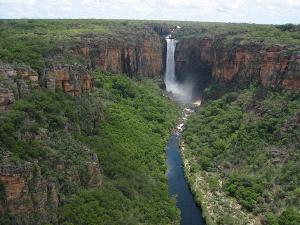
Jim Jim Falls, Kakadu National Park

Australia has a pretty bad biodiversity conservation track record – we have some of the worst mammal extinction trends in the world, and we’ve lost at least 50 % of our forested area since European colonisation. Despite our relatively large system of parks and reserves, things aren’t going to well (even in the parks!).

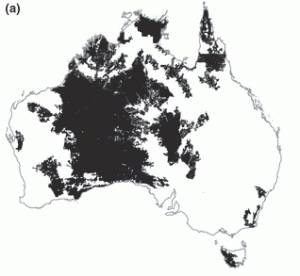
Our rapidly expanding influence means that we have to start protecting larger and larger areas if we want to have any chance of slowing the modern extinction crisis. This means we have to go beyond dedicated biodiversity reserves and sequester more ‘wilderness’ (defined as “…large areas that have experienced minimal habitat loss“). Watson and colleagues therefore used Australia as a good example to determine the extent to which the national protected area network captures ‘wilderness’, and how Australia’s planned expansion of the reserve system will include ‘wilderness’ in the future.

Although there wasn’t much planning involved initially, Australia (like many other countries) started to take biodiversity conservation seriously in the mid-1990s, such that now we have about 11 % of our 7.7 million km2 land area within a National Reserve System. Planning didn’t feature heavily in the early years, but it has been embraced now by nearly all planning bodies within government.

© Wiley-Blackwell

© Wiley-Blackwell

Using estimates of the total wilderness area in Australia (Fig. a), Watson and colleagues determined how much was included in the Reserve System (Fig. b), and how this value changed between 2000 and 2006.

Of the 2.93 million km2 of wilderness (38 % of land area, mostly in northern and western Australia), only 14 % was protected in 2000. This value increased marginally to 19 % by 2006 as the size of the Reserve System itself increased by 37 % (i.e., from 652597 to 895326 km2).

Bottom line – our growth in reserve area didn’t really capture the necessary wilderness; instead, gains were made in areas largely modified by humans. Even where wilderness has been captured, it’s predominately in ‘multiple use’ regions (incorporating mining, forestry and grazing, for example).

This isn’t a bad thing really – by focussing on areas of high biodiversity value that are under relatively high threat embraces the biodiversity hotspot approach to conservation and emphasises restoration. This is, of course, needed. But not incorporating a wider component of the habitats within wilderness could bias conservation toward range-restricted species.

© Wiley-Blackwell

© Wiley-Blackwell

Watson and colleagues therefore make a number of recommendations:

  1. We should strive to quantify and map spatially the  important ecological and evolutionary processes that drive the distribution and abundance of biodiversity so they can be explicitly incorporated into reserve area prioritisations.
  2. We should focus on predicting the magnitude and distribution of future threats and incorporate them into the spatial prioritisation framework.
  3. We should incorporate realistic constraints (e.g., financial costs) into prioritisation.
  4. We need to map and analyse a range of social and economic factors that define opportunities for conservation in conjunction with information on conservation values, threats and costs.

The bottom line is that we need to find a better balance between planning that protects threatened species and ecosystems in already highly fragmented (threatened) landscapes, and planning that protects large areas of wilderness that still contains most of its conservation values (wilderness). We’re getting there, but slowly, and hopefully in time to save our remaining threatened species from extinction.

CJA Bradshaw

Add to FacebookAdd to NewsvineAdd to DiggAdd to Del.icio.usAdd to StumbleuponAdd to RedditAdd to BlinklistAdd to Ma.gnoliaAdd to TechnoratiAdd to Furl

ResearchBlogging.org

Watson, J., Fuller, R., Watson, A., Mackey, B., Wilson, K., Grantham, H., Turner, M., Klein, C., Carwardine, J., Joseph, L., & Possingham, H. (2009). Wilderness and future conservation priorities in Australia Diversity and Distributions DOI: 10.1111/j.1472-4642.2009.00601.x


How to make an effective marine protected area

22 09 2009

Here’s a nice little review from the increasingly impressive Frontiers in Ecology and the Environment which seems to be showcasing a lot of good conservation research lately.

© USGS

© USGS

As we know, the world’s oceans are under huge threat, with predictions of 70 % loss of coral reefs by 2050, decline in kelp forests, loss of seagrasses, over-fishing, pollution and a rapidly warming and acidifying physical environment. Given all these stressors, it is absolutely imperative we spend a good deal of time thinking about the right way to impose restrictions on damage to marine areas – the simplest way to do this is via marine protected areas (MPA).

The science of MPA network design has matured over the last 10-20 years such that there is a decent body of literature now on what we need to do (now the policy makers just have to listen – some  progress there too, but see also here). McLeod and colleagues in the latest issue of Frontiers in Ecology and the Environment have published a review outlining the best, at least for coral reefs, set of recommendations for MPA network design given available information (paper title: Designing marine protected area networks to address the impacts of climate change). Definitely one for the Potential list.

Here’s what they recommend:

Size

  • bigger is always better
  • minimum diameter of an MPA should be 10-20 km to ensure exchange of propagules among protected benthic populations

Shape

  • simple shapes best (squares, rectangles)
  • avoid convoluted shapes to minimise edge effects

Representation

  • protect at least 20-30 % of each habitat

Replication

  • protect at least 3 examples of each marine habitat

Spread

  • select MPA in a variety of temperature regimes to avoid risk of all protected reefs succumbing to future climate changes

Critical Areas

  • protect nursery areas, spawning aggregations, and areas of high species diversity
  • protect areas demonstrating natural resilience or rapid recovery from previous disturbances

Connectivity

  • measure connectivity between MPA to ensure replenishment
  • space maximum distance of 15-20 km apart
  • include whole ecological units
  • buffer core areas
  • protect adjacent areas such as outlying reefs, seagrass beds, mangroves

Ecosystem Function

  • maintain key functional groups of species (e.g., herbivorous fishes)

Ecosystem Management

  • embed MPA in broader management frameworks addressing other threats
  • address and rectify sources of pollution
  • monitor changes

Of course, this is just a quick-and-dirty list as presented here – I highly recommend reading the review for specifics.

CJA Bradshaw

ResearchBlogging.orgMcLeod, E., Salm, R., Green, A., & Almany, J. (2009). Designing marine protected area networks to address the impacts of climate change Frontiers in Ecology and the Environment, 7 (7), 362-370 DOI: 10.1890/070211


What is a species?

18 09 2009

In a bid to save some time given looming grant application deadlines and overdue paper revisions, I’ve opted to reproduce a nice little discussion about how we define ‘species’ in a biodiversity sense. This is a great little synopsis of the species concept by Professor Colin Groves of the Australian National University that aired on ABC Radio National‘s Ockham’s Razor show hosted by Robyn Williams. This is an important discussion because it really dictates how we measure biodiversity, and more importantly, how we should seek to restore it when ‘degraded’. The full transcript can be viewed here, and you can listen here. Below I reproduce the relevant bits of the essay.

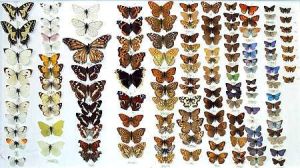
butterfliesSpecies, in the words of the great evolutionary biologist George Gaylord Simpson, are lineages evolving separately from others, each with its own unitary evolutionary role and tendencies. They are the units of biodiversity. Everybody uses the term, with greater or lesser degrees of precision, but even biologists, I regret to say, often use it without actually defining what they mean.

It was the great zoologist Ernst Mayr who in 1940 offered the best known definition: ‘A species is a group of actually or potentially interbreeding natural populations which is reproductively isolated from other such groups’. He called this the Biological Species Concept.

This definition of species, still widely accepted, has frequently been misinterpreted as meaning that ‘different species cannot interbreed’. It does not say this. In the first place, it refers to species as ‘natural populations’. It is referring to what happens in a state of nature, not what happens in zoos or in domestic animals. For example, lions and leopards, which although closely related are usually recognised as different species, live in the same habitats in Africa and India and, as far as I know, no authenticated hybrids are known from the wild. But in zoos, hybrids have been bred successfully.

Then there is the question of what exactly ‘reproductive isolation’ consists of. Mayr said that the mechanisms of reproductive isolation may be either pre-mating (where members of different species do not normally regard each other as potential mates) or post-mating (where they do mate, but the hybrids do not survive, or are sterile). In the case of lions and leopards, evidently the reproductive isolating mechanisms are pre-mating, because normally they do not regard each other as potential mates, but these can break down if a male of one species and a female of the other are caged together, a case of making the best of a bad job, if you like. Their post-mating reproductive isolation, however, is incomplete: male lion-leopard hybrids are thought to be sterile, but the females are fertile.

So far so good. According to the Biological Species Concept, different species are defined by not usually forming hybrids with each other, for whatever reason, under natural conditions. But it is not so simple.

Consider leopards, again. They live not only in Africa and India, but also on the island of Sri Lanka, and throughout Southeast Asia, including the island of Java. The leopards of Sri Lanka and Java obviously do not interbreed with those of the mainland, because they are separated by water barriers. According to Ernst Mayr’s definition, species are ‘actually or potentially interbreeding natural populations’, and presumably island leopards are to be regarded as ‘potentially interbreeding’ with mainland ones. But how do we know? How could we possibly know?

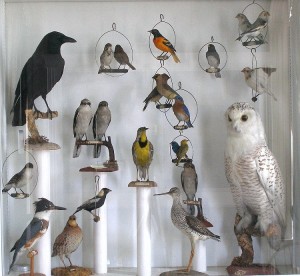
birds

© J. Dougherty

The closest relative of the lion and the leopard is the jaguar, which lives in South and Central America, and likewise doesn’t have the chance to interbreed with leopards (or with lions, for that matter), so again, the ‘potentially interbreeding’ criterion breaks down. I would ask, and it is legitimate to ask, why is the jaguar classified as a species separate from the African and mainland-Asian leopard, whereas the Sri Lankan and Javanese leopards are not?

In my opinion, ‘potentially interbreeding’, is, really, a phantom concept. The Biological Species Concept offers no guidance at all for deciding whether populations living in different areas are distinct species or not. As one example from my own experience, mammal specialists have had heated discussions over whether the American bison and the European bison are or are not different species, a particularly pointless exercise if one accepts the Biological Species Concept. It was as early as the 1960s that a few taxonomists began to worry about this, because they were starting to realise that there were quite a lot of cases where they really needed to know. Gilbert’s potoroo, from the south-west of Western Australia, is it, or is it not, a different species from the Long-nosed potoroo, from south-eastern Australia? This may sound like a piece of pedantry, but it is in fact not a trivial decision, because Gilbert’s potoroo is critically endangered, and if it is not really a distinct species then it is less of a worry.

It was a group working in the American Museum of Natural History, known as the New York Group and already getting a reputation for asking awkward questions, that was pushing most strongly for a resolution, and in 1983, one of them, the ornithologist Joel Cracraft, proposed to replace the Biological Species Concept altogether and define a species ‘The smallest cluster of individual organisms within which there is a parental pattern of ancestry and descent, and that is diagnosably distinct from other such clusters by a unique combination of fixed character states’. What this means is that a species is a population or group of populations (this is the ‘parental pattern of ancestry and descent’ bit) which can be distinguished 100% from any other (this is the ‘diagnosably distinct’ bit). This concept of species is called the Phylogenetic Species Concept.

Many biologists, myself included, I’m afraid, started off by disliking the Phylogenetic Species Concept, and hoped it would die a natural death. But it did not; in fact it spread because many biologists, including taxonomists, and at long last I too, realised that it provides an objective criterion, diagnosability, for all cases, which the old Biological Species Concept does not. It tells us, for example, that Sri Lankan and Javanese leopards are not distinct species, because they cannot be 100% distinguished from the leopards of the mainland, whereas the jaguar is a distinct species because it is 100% distinct from its relatives.

© P. Mays

© P. Mays

Much taxonomy today depends on molecular genetics, DNA sequencing. At present, many molecular geneticists tend to distinguish species rather subjectively, if they differ ‘enough’, though what is meant by ‘enough difference’ varies from one study to another. The Phylogenetic Species Concept is of course excellently suited to DNA sequencing, and many species have been recognised by having consistent differences in DNA sequences (the diagnosability criterion).

The molecular revolution has also taught us something important about species, that they do in fact interbreed under natural conditions, to a much greater extent than we had thought. We know this, because there is a form of DNA, mitochondrial DNA, that is inherited not from both parents, but from the mother alone; it is passed solely down the female line (with apparently few exceptions). And we now know quite a number of cases where a population of one species has the mitochondrial DNA of a different, related species.

Here is a nice example. The common deer species of the eastern United States is the white-tailed deer. In the west, it is replaced by the mule deer, and in the middle they live side-by-side in the same habitats. On a large ranch in West Texas, there are herds of both species, and they have the same mitochondrial DNA! There has been some dispute in the past over whose mitochondrial DNA it actually is, but it now appears that it is that of the mule deer. We imagine that, at some time in the past, some white-tailed bucks, unable to find does of their own species, ‘made the best of a bad job’ and drove off some mule deer bucks and mated with mule deer does. Hybrids were born, and in the next generation more white-tail bucks came over and mated with them. The hybrids are now three-quarters white-tail, and one-quarter mule deer, but of course they still had the mitochondrial DNA of their mule deer grandmothers. In a few more generations, they would come to totally resemble white-tailed deer, the only legacy of their original maternal heritage being their mitochondrial DNA.


Ice: canary in the global coal mine

14 09 2009

An intended pun from James Balog in another classic TED talk. If you thought climate change was merely a prediction from mathematical models, think again. The biodiversity implications are staggering.

“We have a problem of perception… Not enough people really get it yet.” J. Balog

Vodpod videos no longer available.
more about “TED Talks: James Balog: Time-lapse pr…”, posted with vodpod


Coming to grips with the buffalo problem

7 09 2009

Clive McMahon (left) & colleaguesA good friend and colleague of mine, Dr. Clive McMahon, is visiting Adelaide for the next few weeks from Darwin. We’re attacking a few overdue manuscripts and sampling a few of Adelaide’s better drops of value-added grape juice, so I asked him to do a guest post on ConservationBytes.com about his work. So here it is, something perhaps even few Australians know much about, let alone overseas folks. If you can recall that very strange scene in the film Crocodile Dundee where the old croc hunter casts a gestured spell over a horned beast, then you’ll probably appreciate this post.

Yes, there are plenty of them in northern Australia

Invasive and feral species can be important drivers of biodiversity loss. Australia, like many other isolated islands has developed an ancient, unique and diverse ecosystem. This unique ecosystem has been under extreme pressure ever since humans arrived around 40000-60000 years ago. One of the more damaging and economically important introduced species in Australia is the Asian swamp buffalo (Bubalus bubalis). Ironically, swamp buffalo are listed as Endangered by the IUCN, and current estimates suggest that there are probably less than 4000 in their native habitats in Asia.

© B. Salu, Kakadu National Park

© B. Salau, Kakadu National Park

The first 16 buffalo were introduced to Australia in 1826 on Melville Island, and then to the mainland at Cobourg Peninsula a year later from Kupang (now West Timor, Indonesia). Another 18 buffalo were obtained from Kisar Island (northeast of modern Timor-Leste) and introduced to the Cobourg. In 1843, another 49 were introduced. When the first Cobourg settlement was abandoned in 1849, all the buffalo were released, and the population spread rapidly throughout the Northern Territory. Over the next 65 years, numbers and distribution increased to an estimated 350000 in the 1960s and 1970s and densities exceeded 25 km-2 in ‘prime’ habitat. However, the population was severely reduced during the 1980s and 1990s in parts of its range under the Brucellosis-Tuberculosis Eradication Campaign (BTEC). Although largely successful in eradicating buffalo from pastoral lands in the short term, there was no ongoing broad-scale management of numbers and the present-day population of free-ranging buffalo has recovered to former densities in some areas.

© C. Speed

© C. Speed

Buffalo were then and still are major problem in Australia due mainly to the environmental damage they cause, such as saltwater intrusion of wetlands and trampling of sensitive habitats, their potential threat to Australia’s livestock industry as hosts for disease, and the danger they pose to human safety. Given these ecological, economic and social impacts, there is an urgent need to manage buffalo numbers.

An important step to inform management of introduced and invasive species is to determine the history of introduction and quantify the rate of spread from introduction sites. Contemporary genetic techniques in conjunction with demographic and life history information are useful tools for understanding the dynamics, population structure, biology and colonisation dynamics of plants and animals, including invasive species such as buffalo.

We are currently in the final stages of providing the first detailed analysis of the buffalo population structure (demographic and genetic) to (1) establish the rate and most probable history of spread using detailed genetic information sampled from 8 sub-populations, (2) quantify the genetic distance and mixing rates between populations and (3) describe the age structure and therefore the demographic performance of this very successful invasive species.

Firstly to get an idea of genetic structure and relatedness, we collected a total of 430 small skin biopsies from buffalo across the Northern Territory, representing eight geographically distinct populations. To determine what has made the buffalo such a successful invader it is important to know the survival and breeding performance; we also constructed seven life tables based on culled samples at different densities and in different environments to work out what are the critical components of the population – i.e., where management intervention would be most successful.

As expected from a bottlenecked population, genetic variation is low compared to the that found in swamp buffalo from India and South East Asia. Despite this reduced genetic variation, the Australian population has thrived and spread outwards from introduction sites and into culled sites at high rates over the last 160 years (covering ~ 224 000 km2 in that time).

Although buffalo in Australia experienced two major periods of population reduction since their introduction, a small proportion (estimated at ~ 20 %) escaped the BTEC reduction in the eastern part of its north Australian range. BTEC did not operate with uniformity across the entire range of buffalo, concentrating its destocking efforts in a general area from the western coast of the Northern Territory to west of the Mann River in Arnhem Land, and south roughly to Kakadu National Park’s southern border. Coincidently and not surprisingly, it is in this area that we observe most migration activity.

The subpopulation structure detected here suggests that each population, while connected over generational time scales, generally remains in its immediate vicinity over the course of management-tractable periods. Therefore, management aimed at protecting Australia’s lucrative livestock industry trading under Australia’s disease-free status will benefit directly from this knowledge. For example, the localised introduction and subsequent rapid detection of disease could be efficiently managed from local culls because short-term movements of long-distance are less likely. Our results showcase how management of animals for disease control can be effectively informed via genetic studies and so avoid the need for expensive broad-scale intervention.

Our analyses of the age structure of buffalo reveals that buffalo have the capacity to recover swiftly after control because of high survival and fertility rates. Survival in the juvenile age classes was consistently the most important modifier of population growth. In populations where juvenile animals are harvested annually, fertility determined rebound potential. Thus, management aimed at long-term control of densities should focus primarily on the sustained culling of adult females and their offspring.

Given that numbers of buffalo are increasing and that buffalo are extremely well-adapted to the monsoonal tropics (unlike cattle, buffalo can maintain body condition and positive growth during times of food shortages), they are vulnerable to extended periods of harsh conditions. Climate change predictions herald increasing rainfall in the region, thereby potentially reducing the pressure on juvenile survival. As such, buffalo population growth could conceivably increase, making future management much more difficult. In essence, we need a large, evidence-based density reduction programme in place soon to prevent the worst ecological damage to Australia’s sensitive and unique ecosystems.

Check back here for announcements of upcoming publications arising from our work.

Clive McMahon & CJA Bradshaw

Add to FacebookAdd to NewsvineAdd to DiggAdd to Del.icio.usAdd to StumbleuponAdd to RedditAdd to BlinklistAdd to Ma.gnoliaAdd to TechnoratiAdd to Furl


The rarity of commonness

18 08 2009

I’m attending the 10th International Congress of Ecology (INTECOL) in Brisbane this week and I have just managed to find (a) an internet connection and (b) a small window to write this post.

I have to say I haven’t been to a good plenary talk for some time – maybe it’s just bad luck, but often plenary talks can be less-than-inspiring.

Not so for INTECOL this year. I was very pleased to have the opportunity to listen to biodiversity guru Professor Kevin Gaston of the University of Sheffield give a fantastic talk on… common species (?!).

clones

If you have followed any of Kevin’s work, you’ll know he literally wrote the book on rarity – what species rarity is, how to measure it and what it means for preserving biodiversity as a whole.

Now he’s championing (in a very loose sense) the importance of common species because it is these taxa, he argues, that provide the backbone to the persistence of all biodiversity.

Yes, we conservation biologists have tended to focus on the rare and endemic species to make certain we have as much diversity in species (and genetic material) as possible when conserving habitats.

There are a lot more rare species than common ones, and the most common species (i.e., the ones you most often see) tend to have the broadest distributions. We know from much previous work that having a broad distribution reduces extinction risk, so why should we be concerned about common species?

Kevin made a very good point – if you turn the relationship on its head somewhat, you can state that the state of ‘commonness’ is itself ‘rare’. In fact, only about 25 % of the most common species account for about 90-95 % of ALL individuals. He used an interesting (and scary) example to show what this can mean from an extinction perspective. Although very back-of-the-envelope, there are about 2000 individual birds in a km2 of tropical forest; we are losing between 50000 and 120000 km2 of tropical forest per year, so this translates into the loss of about 100 to 240 million individual birds per year; this is the sum total of all birds in Great Britain (a bird-mad country). Yet where do we have the best information about birds? The UK.

Commonness is also geologically transient, meaning that just because you are a common species at some point in your evolutionary history doesn’t mean you have always been or always will be. In fact, most species never do become common.

But it is just these ‘rare’ common that drive the principal patterns we see globally in community structure. The true ‘rare’ species are, in fact, pretty crap predictors of biodiversity patterns. Kevin made a good point – when you look at a satellite image of a forest, it’s not all the little rare species you see, it’s the 2 or 3 most common tree species that make up the forest. Lose those, and you lose everything else.

Indeed, common species also form most trophic structure (the flow of energy through biological communities). Take away these, and ecosystem function degrades. They also tend to have the highest biomass and provide the structure that supports all those millions of rare species. Being common is quite an important job.

Kevin stated that the world is now in a state where many of the so-called common species are in fact, “artificially” common because of how much we’ve changed the planet. It is these benefactors of our world-destroying machinations that are now in decline themselves, and it is for this reason we should be worried.

When you start to see these bastions of ecosystems start to drop off (and the drop is usually precipitous because we don’t tend to notice their loss until they suddenly disappear), then you know we’re in trouble. And yet, even though once common, few, if any, once-common species have come back after a big decline.

So what does this mean for the way we do biodiversity research? Kevin proposes that we need a lot more good monitoring of these essential common species so that we can understand their structuring roles in the community and more importantly, be able to track their change before ecosystem collapse occurs. The monitoring is crucial – it wasn’t the demise of small companies that signalled the 2007 stock market crash responsible for the Global Financial Crisis in which we now find ourselves, the signal was derived from stock data obtained from just a few large (i.e., ‘common’) companies. All the small companies (‘rare’) ones then followed suit.

A very inspiring, worrying and somewhat controversial talk. Watch out for more things ‘Gaston’ on ConservationBytes.com in the near future.

CJA Bradshaw

Add to FacebookAdd to NewsvineAdd to DiggAdd to Del.icio.usAdd to StumbleuponAdd to RedditAdd to BlinklistAdd to Ma.gnoliaAdd to TechnoratiAdd to Furl


Fragmen borealis: degradation of the world’s last great forest

12 08 2009
© energyportal.eu

© energyportal.eu

I have the dubious pleasure today of introducing a recently published paper of ours that was at the same time both intellectually stimulating and demoralising to write. I will make no apologies for becoming emotionally involved in the scientific issues about which my colleagues and I write (as long as I can maintain with absolute sincerity that the data used and conclusions drawn are as objectively presented as I am capable), and this paper probably epitomises that stance more than most I’ve written during my career.

The topic is especially important to me because of its subtle, yet potentially disastrous consequences for biodiversity and climate change. It’s also a personal issue because it’s happening in a place I used to (many, many years ago) call home.

Despite comprising about a third of the world’s entire forested area and harbouring some of the lowest human densities anywhere, the great boreal forest that stretches across Alaska, Canada, Scandinavia and a huge chunk of Russia is under severe threat.

Surprised that we’re not talking about tropical deforestation for once? Surprised that so-called ‘developed’ nations are pilfering the last great carbon sink and biodiversity haven left on the planet? If you have read any of the posts on this blog, you probably shouldn’t be.

The paper today appeared online in Trends in Ecology and Evolution and is entitled Urgent preservation of boreal carbon stocks and biodiversity (by CJA Bradshaw, IG Warkentin & NS Sodhi). It’s essentially a review of the status of the boreal forest from a biodiversity perspective, and includes a detailed assessment of the degree of its fragmentation, species threat, climate- and human-influenced disturbance regime, and its carbon sequestration/emission status. I’ll summarise some of the main findings below:

borealfire

© NASA

  • Russia contains ~53 % of the boreal forest, followed by Canada (25 %), USA (18 %, mostly in Alaska), Sweden (2 %) and Finland and Norway (~1 % each); there are small areas of boreal forest in northern China and Mongolia.
  • Fire is the main driver of change in the boreal forest. Although clearing for logging and mining abounds, it pales in comparison to the massive driver that is fire.
  • There is evidence that climate change is increasing the frequency and possibly extent of fires in the boreal zone. That said, most fires are started by humans, and this is particularly the case in the largest expanse in Russia (in Russia alone, 7.5 and 14.5 million hectares burnt in 2002 and 2003, respectively).
  • While few countries report an overall change in boreal forest extent, the degree of fragmentation and ‘quality’ is declining – only about 40 % of the total forested area is considered ‘intact’ (defined here as areas ≥ 500 km2, internally undivided by things such as roads, and with linear dimensions ≥ 10 km).
  • Russian boreal forest is the most degraded and least ‘intact’, and has suffered the greatest decline in the last few decades compared to other boreal countries.
  • Boreal countries have only < 10 % of their forests protected from wood exploitation, except Sweden where it’s about 20 %.
  • There are over 20000 species described in the boreal forest – a number much less than that estimated for tropical forests even of much smaller size.
  • 94 % of the 348 IUCN Red Listed boreal species are considered to be threatened with extinction, but other estimates from local assessments compiled together in 2000 (the United Nations’ Temperate and Boreal Forest Resources Assessment) place the percentages of threatened species up to 46 % for some taxa in some countries (e.g., mosses in Sweden). The latter assessment placed the Fennoscandian countries as having the highest proportions of at-risk taxa (ferns, mosses, lichens, vascular plants, butterflies, birds, mammals and ‘other vertebrates’), with Sweden having the highest proportion in almost all categories.
  • Boreal forest ecosystems contain about 30 % of the terrestrial carbon stored on Earth (~ 550 Gigatonnes).
  • © BC Ministry For Range/L. Maclaughlan

    Warmer temperatures have predisposed coniferous forest in western Canada to a severe outbreak of mountain pine beetle (Dendroctonus ponderosae) extending over > 13 M ha. © BC Ministry For Range/L. Maclaughlan

  • Mass insect outbreaks killing millions of trees across the entire boreal region are on the rise.
  • Although considered in the past as a global carbon sink, recent disturbances (e.g., increasing fire and insect outbreak) and refinements of measurement mean that much of the area is probably a carbon source (at least, temporarily).
  • A single insect outbreak in western Canada earlier this decade thought to be the direct result of a warming planet contributed more carbon to the atmosphere than all of that country’s transport industry and fire-caused release combined.
  • Current timber harvest management is inadequately prepared to emulate natural fire regimes and account for shifting fire patterns with climate change.
  • No amount of timber management can offset the damage done by increasing fire – we must manage fire better to have any chance of saving the boreal forest as a carbon sink and biodiversity haven.

Those include the main take-home messages. I invite you to read the paper in full and contact us (the authors) if you have any questions.

CJA Bradshaw

Full reference: Bradshaw, CJA, IG Warkentin, NS Sodhi. 2009. Urgent preservation of boreal carbon stocks and biodiversity. Trends in Ecology and Evolution DOI: 10.1016/j.tree.2009.03.019

Add to FacebookAdd to NewsvineAdd to DiggAdd to Del.icio.usAdd to StumbleuponAdd to RedditAdd to BlinklistAdd to Ma.gnoliaAdd to TechnoratiAdd to Furl


Continuing saga of the frogs’ legs trade

10 08 2009
© D. Bickford

© M. Auliya

In January we had a flurry of media coverage (see here for examples) about one of our papers that had just come out online in Conservation BiologyEating frogs to extinction (Warkentin et al.). I blogged about the paper then (one of ConservationBytes’ most viewed posts) that described the magnitude of the global trade in amphibian parts for human food. Suffice it to say, it’s colossal.

A couple of months ago, John Henley of the Guardian (UK) rang me to discuss the issue some more for a piece he was doing in that newspaper. The article has just come out (along with a companion blog post), and I can honestly say that it’s the most insightful coverage of the issue by the media I’ve seen yet. Thanks, John, for covering it so well. The article is excellently written, poignant and really gets to the heart of the matter – people just don’t know how bad the frog trade really is for amphibian biodiversity.

Short story – don’t eat any more frogs’ legs (you probably won’t be missing much).

I’ve reproduced John’s article below, but please visit the original here.

Why we shouldn’t eat frogs’ legs

In the cavernous community hall of the Vosges spa town of Vittel, a large and lugubrious man, his small, surprisingly chirpy wife, and 450 other people are sitting down to their evening meal. It’s rather noisy. “Dunno why we do it, really,” shouts the man, whose name is Jacky. “Don’t taste of anything, do they? White. Insipid. If it wasn’t for the sauce it’d be like eating some soft sort of rubber. Just the kind of food an Englishman should like, in fact. Hah.”

Outside, the streets are filled with revellers. A funfair is going full swing. The restaurants along the high street are full, and queues have formed before the stands run by the local football, tennis, basketball, rugby and youth clubs.

All offer the same thing: cuisses de grenouilles à la provencale (with garlic and parsley), cuisses de grenouille à la poulette (egg and cream). Seven euros, or thereabouts, for a paper plateful, with fries. Nine with a beer or a glass of not-very-chilled riesling. The more daring are offering cuisses de grenouilles à la vosgienne, à l’andalouse, à l’ailloli. There’s pizza grenouille, quiche grenouille, tourte grenouille. Omelette de grenouilles aux fines herbes. Souffle, cassolette and gratin de grenouilles.

Everywhere you look, people are nibbling greasily on a grenouille, licking their fingers, spitting out little bones. “Isn’t it just great?” yells Jacky’s diminutive wife, Frederique. “Every year we do this. It’s our tradition. Our tribute to the noble frog.”

This is Vittel’s 37th annual Foire aux Grenouilles. According to Roland Boeuf, the 70-year-old president of the Confrererie de Taste-Cuisses de Grenouilles de Vittel, or (roughly) the Vittel Brotherhood of Frog Thigh Tasters, which has organised the event since its inception, the fair regularly draws upwards of 20,000 gourmet frog aficionados to the town for two days of amphibian-inspired jollities. Between them, they consume anything up to seven tonnes of frogs’ legs.

But there’s a problem. When the fair began, its founder René Clément, resistance hero, restaurateur and last of the great Lorraine frog ranchers, could supply all the necessary amphibians from his lakes 20 miles or so away. Nowadays, none of the frogs are even French.

According to Boeuf, Clément, whose real name was Hofstetter, moved to the area in the early 1950s looking to raise langoustines in the Saone river; the water proved too brackish and he turned to frogs instead. A true Frenchman, his catchphrase, oft-quoted around these parts, was that frogs “are like women. The legs are the best bits”.

Hofstetter/Clément would, says Gisèle Robinet, “provide 150 kg, 200 kg for every fair, all from his lakes and all caught by him”. With her husband Patrick, Robinet runs the Au Pêché Mignon patisserie (tourte aux grenouilles for six, €18; chocolate frogs €13 the dozen) on the Place de Gaulle, across the square from the restaurant Clément used to run, Le Grand Cerf. Now known as Le Galoubet, there’s a plaque commemorating the great frogman outside. “As a child I remember clearly him dismembering and preparing and cleaning his frogs in front of the restaurant,” says Robinet, who sells frog tartlets to gourmet Vitellois throughout the year, but makes a special effort with quiches and croustillants at fair-time. “It’s a big job, you know. Very fiddly. But we were all frog-catchers when I was a kid. Now, of course, that’s not possible any more.”

Boeuf recalls many a profitable frog-hunting expedition in the streams and ponds around Vittel. “One sort, la savatte, you could catch with your bare hands,” he says. “Best time was in spring, when they lay their eggs. They’d gather in their thousands, great wriggling green balls of them. I’ve seen whole streams completely blocked by a mountain of frogs.”

Others, rainettes, would be everywhere at harvest time. Or you could get a square of red fabric and lay it carefully on the water next to a lily pad that happened to have a frog on it, “and she’d just hop straight off and on to the cloth”, Boeuf says. “They love red.”

Pierette Gillet, the longest-standing member of the Brotherhood and, at 81, still a sprightly and committed frog-fancier, remembers heading out at night with a torch in search of so-called mute frogs, harder to catch because they have no larynx and hence emit no croak. “They’d be blinded by the light, and you could whack them over the head,” she says.

But those days are long gone. As elsewhere in the world, the amphibians’ habitat in France – where frogs’ legs have been a recognised and much remarked-upon part of the national diet for the best part of 1,000 years – is increasingly at risk, from pollution, pesticides and other man-made ills. Ponds have been drained and replaced with crops and cattle-troughs. Diseases have taken their toll, and the insects that frogs feed on are disappearing too. Alarmed by a rapid and dramatic fall in frog numbers, the French ministry of agriculture and fisheries began taking measures to protect the country’s species in 1976; by 1980, commercial frog harvesting was banned.

These days, a few regional authorities in France still allow the capture of limited numbers of frogs, strictly for personal consumption and provided they are broiled, fried or barbecued and consumed on the spot (a heresy not even Boeuf is prepared to contemplate). There are poachers who defy the ban; two years ago a court in Vesoul in the Haute-Saone convicted four men of harvesting vast numbers of frogs from the Mille-Etangs or Thousand Lakes area of the Vosges. The ringleader admitted to personally catching at least 10,000, which he sold to restaurants for 32 cents apiece.

By and large, though, France’s tough protection laws, enforceable by fines of up to €10,000 (£8,500) and instant confiscation of vehicles and equipment, seem to be working. As a result, all seven tonnes (officially, at least) of frogs’ legs consumed at this year’s Vittel fair have been imported, pre-prepared, deep-frozen and packed in cardboard boxes, from Indonesia.

Needless to say, this does not much please patriotic Gallic frog-fanciers. “We’d far prefer our frogs to be French, of course we would,” laments Gillet. “Especially here in the Vosges. This really is the heart of frog country.”

A Vittel restaurateur, who for obvious reasons demands anonymity, suggests there are still “ways and means” of securing at least a semi-reliable supply of French frogs for those who demand a true produit du terroir, “but it’s really not very easy, and no one here will tell you anything about it. We’d like to source locally, but the law is the law.”

But the fact that the Foire aux Grenouilles – not to mention the rest of France, and other big frog-consuming nations such as Belgium and the United States – now imports almost all its frogs’ legs has consequences that run deeper than a mere denting of national gastronomic pride. For scientists now believe that, just as with many fish species, we could be well on the way to eating the world’s frogs to extinction. Based on an analysis of UN trade data, researchers think we may now be consuming as many as 1bn wild frogs every year. For already weakened frog populations, that is very bad news indeed.

Scientists have long been aware that while human activity is causing a steady loss of the world’s biodiversity, amphibians seem to be suffering far more severely than any other animal group. It is thought their two-stage life cycle, aquatic and terrestrial, makes them twice as vulnerable to environmental and climate change, and their permeable skins may be more susceptible to toxins than other animals. In recent years, a devastating fungal condition, chytridiomycosis, has caused catastrophic population declines in Australia and the Americas.

“Amphibians are the most threatened animal group; about one third of all amphibian species are now listed as threatened, against 23% of mammals and 12% of birds,” says Corey Bradshaw, an associate professor at the Environment Institute of the University of Adelaide and a member of the team that carried out the research into human frog consumption that was published earlier this year in the journal Conservation Biology. “The principle drivers of extinction, we always assumed, were habitat loss and disease. Human harvesting, we thought, was minor. Then we started digging, and we realised there’s this massive global trade that no one really knows much about. It’s staggering. So as well as destroying where they live, we’re now eating them to death.”

France is the main culprit: according to government figures, while the French still consume 70 tonnes a year of domestically gathered legs each year, they have been shipping in as many as 4,000 tonnes annually since 1995. Besides popular, essentially local events such as the Foire aux Grenouilles, frogs’ legs are mostly a delicacy reserved for restaurants with gastronomic pretensions; one three-star chef, Georges Blanc, has at one time or another developed 19 different recipes for them at his celebrated restaurant in the Ain village of Vonnas, baking and skewering and skilleting them in everything from cream to apples.

Belgium and Luxembourg are also noted connoisseurs, but perhaps surprisingly, the country that runs France closest in the frog import stakes is the US. Frogs’ legs are particularly popular in the former French colony of Louisiana, where the city of Rayne likes to call itself Frog Capital of the World, but are also consumed with relish in Arkansas and Texas, where they are mostly served breaded and deep-fried. Bradshaw has a picture on his blog of President Barack Obama tucking with apparent gusto into a plate of frogs’ legs.

The world’s most avid frog eaters, though, are almost certainly in Asia, in countries such as Indonesia, China, Thailand and Vietnam. South America, too, is a big market. “People may think frogs’ legs are some kind of epicurean delicacy consumed by a handful of French gourmets, but in many developing countries they are a staple,” Bradshaw says.

Indonesia is today the world’s largest exporter of frogs by far, shipping more than 5,000 tonnes each year. Some of these may be farmed, but not many. Commercial frog-farming has been tried in both the US and Europe, but with little success: for a raft of reasons, including the ease with which frogs can fall prey to disease, feeding issues and basic frog biology, it is a notoriously risky and uneconomic business. Frogs are farmed in Asia, but rarely on an industrial scale; most are small, artisan affairs with which rural families try to supplement their income.

The vast majority of frogs that end up on a plate are harvested from the wild. Bradshaw and his colleagues estimate that Indonesia, to take just one exporting country, is probably consuming between two and seven times as many frogs as it sends abroad. “We have the legally recorded, international trade figures, but none of the local business is recorded,” Bradshaw says. “It’s back-of-an-envelope work. That’s what’s so alarming.”

The scientists’ biggest concern, he says, is that because of the almost complete lack of data, no one knows in what proportion different frog species are being taken. If, as they suspect, some 15 or 20 frog species are at any given moment supplying most of world demand, the consequences could be catastrophic. For while overharvesting for human consumption may not in itself be quite enough to drive a frog species to extinction, combined with all the other threats frogs face it certainly could be.

“The thing is, it isn’t a gradual process,” Bradshaw warns. “There’s a threshold, you cross it, and the whole thing crashes because you’ve just completely changed the composition of the whole community. There’s a tipping point. It’s exactly what happened with the overexploitation of cod in the North Atlantic. And with frogs, there’s no data, no tracking, no stock management. We really should have learned our lesson with fish, but it seems we haven’t. This is a wake-up call.”

Back in Vittel, Boeuf says he had no idea frogs were in such trouble. “They’re an endangered species here, I know,” he says. “That’s why we have to be careful, and we are. But if we can buy them in such quantities from Indonesia, surely it must be all right. They’re being careful there too, aren’t they?” Sadly, it would seem they are not. And all for a few greasy scraps of limp, bland flesh.

People say frogs taste like a cross between fish and chicken. In fact, they taste of frog: in other words, precious little bar the sauce they are served in.


August issue of Conservation Letters

6 08 2009

© Discovery Channel/W. Sloss

© Discovery Channel/W. Sloss

The latest edition of Conservation Letters is now out. Click here for full access (yes, all articles are still free!).

Papers in this issue:


Few people, many threats – Australia’s biodiversity shame

31 07 2009

bridled_nailtail_400I bang on a bit about human over-population and how it drives biodiversity extinctions. Yet, it isn’t always hordes of hungry humans descending on the hapless species of this planet  – Australia is a big place, but has few people (just over 20 million), yet it has one of the higher extinction rates in the world. Yes, most of the country is covered in some fairly hard-core desert and most people live in or near the areas containing the most species, but we have an appalling extinction record all the same.

A paper that came out recently in Conservation Biology and was covered a little in the media last week gives some telling figures for the Oceania region, and more importantly, explains that we have more than enough information now to implement sound, evidence-based policy to right the wrongs of the past and the present. Using IUCN Red List data, Michael Kingsford and colleagues (paper entitled Major conservation policy issues for biodiversity in Oceania), showed that of the 370 assessed species in Australia, 80 % of the threatened ones are listed because of habitat loss, 40 % from invasive species and 30 % from pollution. As we know well, it’s mainly habitat loss we have to control if we want to change things around for the better (see previous relevant posts here, here & here).

Kingsford and colleagues proceed to give a good set of policy recommendations for each of the drivers identified:

Habitat loss and degradation

  • Implement legislation, education, and community outreach to stop or reduce land clearing, mining, and unsustainable logging through education, incentives, and compensation for landowners that will encourage private conservation
  • Establish new protected areas for habitats that are absent or poorly represented
  • In threatened ecosystems (e.g., wetlands), establish large-scale restoration projects with local communities that incorporate conservation and connectivity
  • Establish transparent and evidence-based state of environment reporting on biodiversity and manage threats within and outside protected areas.
  • Protect free-flowing river systems (largely unregulated by dams, levees, and diversions) within the framework of the entire river basin and increase environmental flows on regulated rivers

Invasive species

  • Avoid deliberate introduction of exotic species, unless suitable analyses of benefits outweigh risk-weighted costs
  • Implement control of invasive species by assessing effectiveness of control programs and determining invasion potential
  • Establish regulations and enforcement for exchange or treatment of ocean ballast and regularly implement antifouling procedures

Climate change

  • Reduce global greenhouse gas emissions
  • Identify, assess, and protect important climate refugia
  • Ameliorate the impacts of climate change through strategic management of other threatening processes
  • Develop strategic plans for priority translocations and implement when needed

Overexploitation

  • Implement restrictions on harvest of overexploited species to maintain sustainability
  • Implement an ecosystem-based approach for fisheries, based on scientific data, that includes zoning the ocean; banning destructive fishing; adopting precautionary fishing principles that include size limits, quotas, and regulation with sufficient resources based on scientific assessments of stocks and; reducing bycatch through regulation and education
  • Implement international mechanisms to increase sustainability of fisheries by supporting international treaties for fisheries protection in the high seas; avoiding perverse subsidies and improve labelling of sustainable fisheries; and licensing exports of aquarium fish
  • Control unsustainable illegal logging and wildlife harvesting through local incentives and cessation of international trade

Pollution

  • Decrease pollution through incentives and education; reduce and improve treatment of domestic, industrial, and agriculture waste; and rehabilitate polluted areas
  • Strengthen government regulations to stop generation of toxic material from mining efforts that affects freshwater and marine environments
  • Establish legislation and regulations and financial bonds (international) to reinforce polluter-pays principles
  • Establish regulations, education programs, clean ups, labelling, and use of biodegradable packaging to reduce discarded fishing gear and plastics

Disease

  • Establish early-detection programs for pathological diseases and biosecurity controls to reduce translocation
  • Identify causes, risk-assessment methods, and preventative methods for diseases
  • Establish remote communities of organisms (captive) not exposed to disease in severe outbreaks

Implementation

  • Establish regional population policies based on ecologically sustainable human population levels and consumption
  • Ensure that all developments affecting the environment are adequately analysed for impacts over the long term
  • Promote economic and societal benefits from conservation through education
  • Determine biodiversity status and trends with indicators that diagnose and manage declines
  • Invest in taxonomic understanding and provision of resources (scientific and conservation) to increase capacity for conservation
  • Increase the capacity of government conservation agencies
  • Focus efforts of nongovernmental organisations on small island states on building indigenous capacity for conservation
  • Base conservation on risk assessment and decision support
  • Establish the effectiveness of conservation instruments (national and international) and their implementation

A very good set of recommendations that I hope we can continue to develop within our governments.

CJA Bradshaw

Add to FacebookAdd to NewsvineAdd to DiggAdd to Del.icio.usAdd to StumbleuponAdd to RedditAdd to BlinklistAdd to Ma.gnoliaAdd to TechnoratiAdd to Furl


Ray of conservation light for Borneo

25 07 2009

This was the most interesting 20 minutes I’ve spent in the last wee while.

Up until just now, I had never heard of Willie Smits or what he’s been doing in Indonesia. I’ve been fairly hard on Indonesia in some of my papers and blog posts because of the ecological tragedy taking place there. I’ve focussed on the immense rate and extent of deforestation, the oil palm explosion, peatland destruction and air pollution arising from runaway fires there – I have thus far ignored any real positives because I didn’t really believe there were any.

Then I saw Smits’ TED talk. Two words – very impressed. I usually enjoy and even barrack for TED talks, and this is no exception.

This man and his organisation have really been applying a great deal of the research mentioned on ConservationBytes.com, as well as collecting data proving beyond a shadow of a doubt that if you integrate people’s needs with those of biodiversity, you can restore not only entire ecosystems, you can make humans benefit immensely in the process. A chronic pessimist, I can scarcely believe it.

He talks about a whole-system approach where agriculture, full rain forest restoration, climate control, carbon sequestration, monitoring and local governance all work together to turn once bare, fire-prone, species-poor deforested grasslands into teaming jungles that support happy, healthy, wealthy and well-governed human communities. Please watch this.

Vodpod videos no longer available.

CJA Bradshaw

Add to FacebookAdd to NewsvineAdd to DiggAdd to Del.icio.usAdd to StumbleuponAdd to RedditAdd to BlinklistAdd to Ma.gnoliaAdd to TechnoratiAdd to Furl


Interview with… ConservationBytes

16 07 2009

CBlogoA few months ago I was asked to do an online interview about ConservationBytes at The Reef Tank. I previously made mention of the interview (see post), but I think it’s time I reproduce it here.

The effects of pollution, carbon build up in the ocean, extinction, loss of coral reefs, over-fishing, and global warming is increasingly becoming more detrimental to our marine life and marine world.

Fortunately our marine ecosystems have Corey Bradshaw on their side. As a conservation ecologist, Corey studies these ecosystems with a passion, trying to understands the interactions between plants and animals that make up these ecosystems as well as what human activity is doing to them.

He has realised long ago that conservation and awareness is crucial to the survival of these living things and carries on the long tradition of studying and trying to understand these ecosystems at the School of Earth & Environmental Sciences at the University of Adelaide in South Australia.

He also avidly blogs about these pertinent issues at ConservationBytes.com, because he felt a need that these marine conservation issues needed to be heard. And he was more then right.

We were lucky enough to grab some time with Corey Bradshaw and he was kind enough to answer some important marine conservation questions, which are important in our desire: to make the marine world a better place.

What is your background in science and conservation?

I have a rather eclectic background in this area. I originally started my university education in general ecology, with a focus on plant ecology in particular (this was the strength of my undergraduate institution). There was no real emphasis on conservation per se until I started my postgraduate studies, although even then I was more interested in the empirical side of theoretical ecology than on conservation itself. It was more or less a gradual process that as I realised just how much we as a species have changed the planet in our (relatively) short time here, I became more and more dedicated to quantifying the links between species loss and how it affects human well-being.

After completing my MSc, PhD and first postdoctoral fellowship in New Zealand and Australia, I had the good fortune to work alongside a few excellent conservation ecologists specialising in extinction dynamics. This is where my mathematical bent and conservation interests really took off and eventually set the stage for most of my research today.

Your blog is ConservationBytes.com. Why the urge to start a blog on conservation only?

It may seem odd that I resisted blogging for many years because I thought it was a colossal time-waster that would take me away from my main scientific research. However, several things convinced me of its need and utility. First, it’s a wonderful vehicle to engage non-scientists about the research one does – let’s face it, most people don’t read scientific journals. Second, it’s interactive; people can ask questions or comment directly online. Third, it overcomes the strict language and technical rigour of most scientific publications and gets to the heart of the issue (it also allows me to express some opinions and speculations that are otherwise forbidden in scientific writing). Fourth, I realised there was a real lack of understanding about basic conservation science among the populace, so providing a vehicle for conservation science dissemination online appeared to be a good idea – there simply wasn’t anything like it when I started only a year ago. Finally, an effective, policy-changing scientist must advertise his/her research through the popular media to be recognised, so it obviously has career benefits.

Tell me about the conservation topics you cover?

ConservationBytes.com covers pretty much any topic that conforms to at least one of the following criteria:

  • It concerns research (previous, ongoing, planned) that is designed to improve the fate of biodiversity, whether locally, regionally or internationally

  • It concerns policy studies, actions or ideas that will have positive bearing on biodiversity conservation

  • It concerns demonstrations of the role biodiversity plays in providing humans with essential ecosystem services

I even have a section I call ‘Toothless’ that highlights ineffective conservation research or policy. Other areas include: exposés of well-known conservation scientists, a collection of links to conservation science journals, and my personal information (publications, CV, media attention).

What is your take on marine conservation? What does marine conservation include?

Given that I have worked in both marine and terrestrial realms from the tropics to the Antarctic, I really see little distinction in terms of conservation. True, the marine realm probably presents more challenges to conservation in some respects because it’s generally much more difficult and expensive to collect meaningful data, and it’s more difficult to control or mitigate people’s behaviour (especially in international waters), but the ecological patterns are the same (although I admit they may operate over different spatial and temporal scales).

Current ‘hot’ topics in marine conservation include the global degradation and loss of coral reef ecosystems (and what to do about it), terrestrial run-off of pollutants and nutrients affecting marine communities, over-fishing and better fishing management strategies, the design of effective marine protected areas, the socio-economic implications of moving people away from direct exploitation to behaviours and economic activities that promote longer-term biological community stability and resilience, and of course, how climate change (via acidification, hypercapnia, temperature change, storm intensification, seal level rise and modified current structure) might exacerbate the systems that are already stressed by the aforementioned problems.

Have you done any work, research in the area of marine conservation?

Yes, quite a bit. Some salient areas include

  • The grey nurse shark Carcharias taurus was the world’s first shark species to receive legislative protection when the east Australian population was listed under the 1984 New South Wales Fisheries Management Act. It has since been listed as globally Vulnerable by the IUCN in 1996 and the east Australian population was declared Critically Endangered in 2003. Previously, we constructed deterministic, density-independent PVA models for the east Australian population that suggested dire prospects for its long-term persistence without direct and immediate intervention. However, deterministic models might be overly optimistic because they do not incorporate stochastic fluctuations that can drive small populations extinct, whereas failing to account for density feedback can predict overly pessimistic. We recently completed a study demonstrating that the most effective measure to reduce extinction risk was to legislate the mandatory use of offset circle hooks in both recreational and commercial fisheries. The increase in dedicated marine reserves and shift from bather protection nets to drumlines had much lower effectiveness.

  • The global extent of illegal, unreported and unregulated (IUU) fishing is valued from US$10-23.5 billion per year, representing between 11 and 26 million tonnes of fish killed annually beyond legal commercial catches. In northern Australia, IUU fishing has advanced as a ‘protein-mining’ wave starting in the South China Sea in the 1970s and now penetrates consistently into the nation’s Exclusive Economic Zone. We have documented the extent of this wave and the implications for higher-order predators such as sharks, demonstrating that IUU fishing has already depleted large predators in Australian territorial waters. Given the negative relationship between IUU fishing takes and governance quality, we propose that deterring invading fishers will need substantially greater investment in border protection, and international accords to improve governance in neighbouring nations, if the tide of extinction is to be effectively mitigated.

  • Determining the extinction risk of the world’s shark and ray species – some work I’ve done recently with colleagues is to examine the patterns of shark biodiversity globally and determine which groups are most at risk of extinction. Not a surprise, but it turns out that the largest species of shark that reproduce the slowest are the most endangered (including all those bitey ones that frighten people).

  • Finally, I’m doing a lot of work now examining how the structure of coral reefs affects fish biodiversity patterns and long-term resilience. It turns out that basic biogeographic predictors (e.g., reef size and relative isolation from other reefs) really do dictate how temporally stable fish populations remain. And as we know, the more variable a population in time and space, the more likely it will go extinct (on average). The practical implication is that we can identify those coral reefs most likely to maintain their fish communities simply by measuring their size and position.

You’re from Australia, correct? What kind of marine conservation is going on there?

I’m originally from Canada, but I’ve spent most of my adult life in Australia (mostly in Tasmania, the Northern Territory, and now, Adelaide in South Australia). I did my PhD in the deep south of New Zealand (Otago University, Dunedin). In Australia, all the aforementioned ‘hot’ areas of marine conservation are in full swing, with greater and greater emphasis on climate change research. I think this aspect is pre-occupying most serious marine ecologists in Australia these days. For example, the southeast of Australia has already experienced some of the fastest warming in the Southern Hemisphere, with massive regional shifts in many species of fish, invertebrates, macroalgae and plankton.

What’s your take on ocean acidification? Do you think people need to be aware of this issue?

I used to believe ocean acidification was THE principal marine conservation issue facing us today, but now I think it’s just another stressor in a cornucopia of stressors. The main issue here is that we still understand so little of its implications for marine biodiversity. Sure, you lower the pH and up the partial CO2 (pCO2) of seawater, and many organisms don’t do so well (in terms of survival, reproduction and growth). However, it’s considerably more complex than this. pH and pCO2 vary substantially in space and time, and we have yet to quantify these patterns or how they are changing for most of the marine realm. Therefore, it’s difficult to simulate ‘real’ and future conditions in the lab.

Another issue is that temperature is changing must faster and so far exposure experiments indicate that it generally has a much more pronounced effect on marine organisms than acidification per se. However, like many climate change issues, a so-called ‘tipping point’ could be just around the corner that makes many marine communities collapse. It’s a frightening prospect, but one that needs a lot more dedicated research.

Can a person own an aquarium and still be considered a marine conservationist in your opinion?

Of course, provided one is cognisant of several important issues. First, most aquarists rely on the importation of non-native species. Lack of vigilance and carelessness has resulted in a suite of alien species being released into naïve ecosystems, resulting in the extinction or reduction of many native fish and invertebrates. Another issue is the transport cost – think how much carbon you are emitting by flying that tropical clownfish to your local pet shop in Norway. Third, do you know from which populations your displayed fish come? Were they harvested sustainably, or were they the last individuals plucked from a dying reef? A good knowledge of an animal’s origin is essential for the responsible aquarist. In my view one should play it safe. I think having aquaria filled with local species that are easily acquired, don’t cost the Earth to transport and pose no risk to native ecosystems is the most responsible way to go. You can also be a lot more certain of sustainable harvest if you live close by the source.

What is your take on climate change and its effect on marine life? Is being aware and educated on this particular topic and how it affects the marine world make someone a marine conservationist?

Awareness is only the first and most basic step. I’d say most of the world is ‘aware’ to some extent. It’s really the change in human behaviour that’s required before we make any true leaps forward. Some of the issues described above get to the heart of behavioural change. To use an analogy, it’s not enough to recognise that you’re an alcoholic, you have to stop drinking too to prevent the damage.

What can we do to raise awareness of the importance of marine conservation and conservation in general?

My personal take on this, and it applies to ALL biodiversity conservation (i.e., not just marine) is that people won’t take it seriously until they see how its loss affects their lives negatively. For example, let’s say we lose all commercially exploitable fish – not having access to delicious and healthy fish protein will mean people change the way fishing is done; that is, they’ll try to force fishers to fish sustainably and consumers to demand responsibly. The same can be said for more esoteric ecosystem services like carbon sequestration, oxygen production, water purification, pollination, waste detoxification, etc. if, and only if, we understand the economic and health benefits of keeping ecosystems intact. We need more research that makes the biodiversity-human benefit link so that people ultimately get the message. Destroying biodiversity means destroying yourself.

As I said before, awareness is only the first step.


Out of touch, impractical and irrelevant

8 07 2009

argumentThe opening quote to this interesting little article says it all:

“We have all heard policy-makers in environment organisations accuse researchers as out of touch, impractical and irrelevant. We have all seen environment management agencies criticised by researchers in the media, in this journal, at conferences or in the tea room for ignoring, under-utilising or misrepresenting research findings when formulating or implementing policy.”

From the ‘researcher’ side, I can attest that I have on more than one occasion cursed the inability of policy makers (from high-level politicians down to municipal councillors) to implement sound, evidence-based advice on how to prevent (or at least minimise) environmental disasters (for a local example, see this post). I’m sure many policy makers think that (at least some) researchers are pie-in-the-sky, political naïfs that consistently fail to make their research relevant. I know that both extremes are unfortunate realities.

So when I saw Gibbons and colleagues’ paper Some practical suggestions for improving engagement between researchers and policy-makers in natural resource management, I was quite impressed with their excellent suggestions for bridging the gap.

It’s a short paper, but it recommends the following basic steps for improvement:

  1. Understand what motivates people on each side of the policy fence. For researchers, we are locked into a system that rewards success based on a some typically non-economic metrics, such as the quality and quantity of peer-reviewed articles we write, our academic reputation amongst our peers, the amount of external funding we can attract (generally linked to the publication criterion) and the number of students we supervise to research independence. Policy makers working within a more top-down environment are compelled to advance policies that reflect their government’s philosophy (which is dictated by their constituents), and often the deadlines are fierce.

  2. Build relationships. This goes without saying, but often doesn’t happen. Lack of trust can usually only be broken down if you respect and know your counterpart. Gibbons and company suggest that relationships can be built better through the regular dissemination of information back and forth, effective communication (clarity and brevity), and maintaining relationships after information exchange (keep in touch).

  3. Organise regular forums. These meetings are essential to build new and productive relationships. Ways to increase contact include: maintaining ‘who’s who’ lists, encouraging secondments (people exchanges), and organising annual science-policy colloquia.

  4. Explore alternate communication media. Face-to-face meetings are often difficult, so Gibbons et al. recommend that researchers attempt to disseminate their work regularly in other media, such as newsletters, broad-scope journals, journalistic magazines and blogs (this last suggestion is my own!). Governments can also make calls for research proposals in particular, policy-relevant areas, thus forcing alignment prior to research even getting off the ground.

Thanks for the advice.

CJA Bradshaw

Add to FacebookAdd to NewsvineAdd to DiggAdd to Del.icio.usAdd to StumbleuponAdd to RedditAdd to BlinklistAdd to Ma.gnoliaAdd to TechnoratiAdd to Furl


New Impact Factors for conservation journals

23 06 2009

For those of you who follow the ISI Impact Factors for journals (the ratio of the number of total citations i+3 for the papers published in years i and i+1 divided by the total number of citable papers published in years i and i+1), you might know that the 2008 IFs have just been published. Now, whether you put stock or not in these is somewhat irrelevant – enough people do to make it relevant to who publishes what where, and who cites or does not cite scientific papers. It’s also in our scientific culture – pretty much everyone in a field will have a rough idea of the range of IFs their specific discipline’s journals span, and so it acts as a kind of target for varying qualities of science. Far from perfect, but it’s what we have to deal with.

So, I thought I’d publish the 2008 Impact Factors for the journals listed on this site’s Journals page and compare them to the 2007 values:

and for some more general journals that occasionally publish conservation papers:

Almost across the board, conservation journals have seen an increase in their Impact Factors. There are many other good conservation papers published in other journals, but this list probably represents the main outlets. I hope we continue to focus more on conservation outcomes rather than scientific kudos per se, although I’m certainly cognisant of the hand that feeds. Good luck with your publishing.

CJA Bradshaw

Add to FacebookAdd to NewsvineAdd to DiggAdd to Del.icio.usAdd to StumbleuponAdd to RedditAdd to BlinklistAdd to Ma.gnoliaAdd to TechnoratiAdd to Furl


Official Environment Institute video

11 06 2009

I’ve written about The University of Adelaide‘s new Environment Institute not too long ago (see post here), and now we’ve had the official launch. The people behind scenes have put together a great introductory video that we all witnessed for the first time last week. Happy to share it with ConservationBytes.com readers here.

Vodpod videos no longer available.

A couple of other excellent parts of this evening include the venerable Robyn Williams‘ speech (listen here), and our Director’s, Professor Mike Young, encouraging kick off (listen here).

I’ve very proud to be a part of this exciting initiative.

CJA Bradshaw


Tropical forests worth more standing

4 06 2009
© R. Butler

© R. Butler

Keeping with the oil palm theme…

A paper just published online in Conservation Letters by Venter and colleagues entitled Carbon payments as a safeguard for threatened tropical mammals gets my vote for the Potential list.

We’ve been saying it again and again and again… tropical forests, the biodiversity they harbour and the ecosystem services they provide are worth more to humanity than the potential timber they represent. Now we find they’re even worth more than cash crops (e.g., oil palm) planned to replace them.

A few years ago some very clever economists and environmental policy makers came up with the concept of ‘REDD’ (reducing carbon emissions from deforestation and forest degradation), which is basically as system “… to provide financial incentives for developing countries that voluntarily reduce national deforestation rates and associated carbon emissions below a reference level”. Compensation can occur either via grant funding or through a carbon-trading scheme in international markets.

Now, many cash-greedy corporations argue that REDD could in no way compete with the classic rip-it-down-and-plant-the-shit-out-of-it-with-a-cash-crop approach, but Venter and colleagues now show this argument to be a bit of a furphy.

The authors asses the financial feasibility of REDD in all planned oil palm plantations in Kalimantan – Indonesia’s part of the island of Borneo in South East Asia. Borneo is also the heart of the environmental devastation typical of the tropics. They conclude that REDD is in fact a rather financially competitive scheme if we can manage to obtain carbon prices of around US$10-33/tonne. In fact, even when carbon prices are as low as US$2/tonne (as they are roughly now on the voluntary market), REDD is still competitive for areas of high forest carbon content and lower agricultural potential.

But the main advantage isn’t just the positive cash argument – many endangered mammals (and there are 46 of them in Kalimantan) such as the South East Asian equivalent of the panda (the orang-utan – ‘equivalent’ in the media-hype and political sensitivity sense, not taxonomic, of course) and the Bornean elephant (yes, they have them) are currently found in areas planned for plantation. So saving the forest obviously saves these and countless other taxa that only exist on this highly endemic island. Finally, Venter and colleagues found that where emission reductions were cheapest, these are also areas with higher-than-average densities of endangered mammals, suggesting that REDD is a fantastic option to keep developing countries in the black without compromising their extensive species richness and endemism.

Brilliant. Now if we can just get the economists and pollies to agree on a REDD model that actually works.

CJA Bradshaw

Add to FacebookAdd to NewsvineAdd to DiggAdd to Del.icio.usAdd to StumbleuponAdd to RedditAdd to BlinklistAdd to Ma.gnoliaAdd to TechnoratiAdd to Furl