Classics: Mesopredator Release

17 03 2010

© J. Short

Although popularised by Crooks & Soulé (1999), Soulé et al. (1988) first gave us the term that described how entire ecosystems can become unbalanced by a reduction of a higher trophic-level predator exerting so-called ‘top-down’ control on the abundance of species occupying lower trophic levels.

The idea had theoretical support in ecology (Wright et al. 1994; Litvaitis & Villafuerte 1996), but it was not until Soulé and colleagues described how the decline of dominant predators combines with habitat fragmentation to release top-down pressure on smaller predators, thereby increasing predation rates on prey lower down the trophic web.

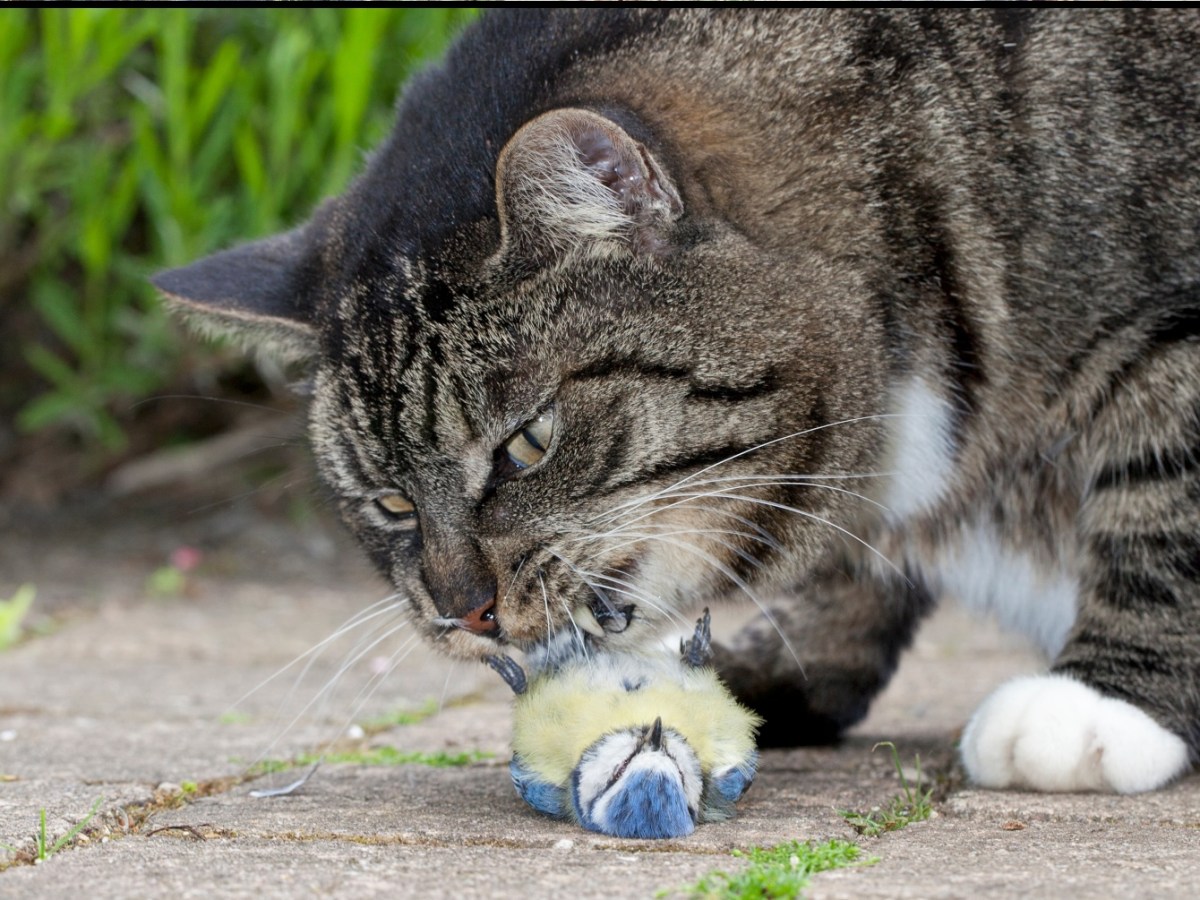
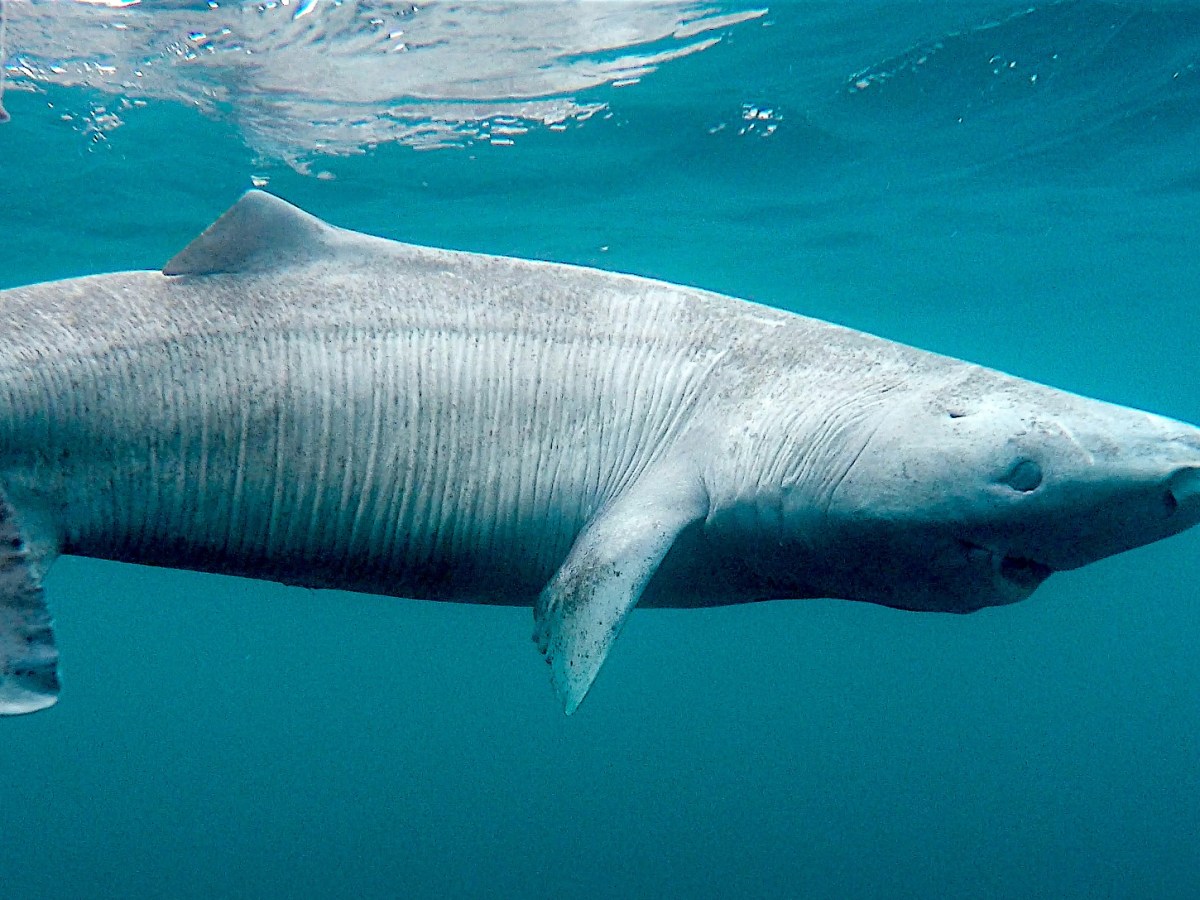
Crooks & Soulé (1999) described an example where the decline in coyotes (Canis latrans) in combination with urbanisation-driven habitat fragmentation led to an increase in cat (Felis catus) densities and the subsequent decline in scrub-breeding birds. More recent examples attest to the importance of the mesopredator release phenomenon: Myers et al. (2007) described how the decline in large coastal shark species has allowed mesopredator cownose rays (Rhinoptera bonasus) to increase, leading to a reduction in commercially important shellfish densities; and Johnson et al. (2007) showed how dingoes (Canis lupus dingo) in Australia suppress populations of exotic predators such as cats and foxes, leading to more locally abundant populations of native marsupials (see previous post).

Conservation biologists have benefited from this knowledge because we’ve realised that top-order predators affect far more than their immediate prey. These examples really hit home how a fully functional community is required for ecosystem stability, so we should strive to preserve complete complements of communities, not just our favourite species.

CJA Bradshaw

Add to FacebookAdd to DiggAdd to Del.icio.usAdd to StumbleuponAdd to RedditAdd to BlinklistAdd to TwitterAdd to TechnoratiAdd to Yahoo BuzzAdd to Newsvine


Inbreeding bad for invasives too

18 02 2010

I just came across this little gem of a paper in Molecular Ecology (not, by any stretch, a common forum for biodiversity conservation-related papers). It’s another one of those wonderful little experimental manipulation studies I love so much (see previous examples here and here).

I’ve written a lot before about the loss of genetic diversity as a contributing factor to extinction risk, via things like Allee effects and inbreeding depression. I’ve also posted blurbs about our work and that of others on what makes particular species prone to become extinct or invasive (i.e., the two sides of the same evolutionary coin). Now Crawford and Whitney bring these two themes together in their paper entitled Population genetic diversity influences colonization success.

Yes, the evolved traits of a particular species will set it up either to do well or very badly under rapid environmental change, and invasive species tend to be those with rapid generation times, defence mechanisms, heightened dispersal capacity and rapid growth. However, such traits generally only predict a small amount in the variation in invasion success – the other being of course propagule pressure (a composite measure of the number of individuals of a non-native species [propagule size] introduced to a novel environment and the number of introduction events [propagule number] into the new host environment).

But, that’s not all. It turns out that just as reduced genetic diversity enhances a threatened species’ risk of extinction, so too does it reduce the ‘invasiveness’ of a weed. Using experimentally manipulated populations of the weedy herb Arabidopsis thaliana (mouse-ear cress; see if you get the joke), Crawford & Whitney measured greater population-level seedling emergence rates, biomass production, flowering duration and reproduction in high-diversity populations compared to lower-diversity ones. Maintain a high genetic diversity and your invasive species has a much higher potential to colonise a novel environment and spread throughout it.

Of course, this is related to propagule pressure because the more individuals that invade/are introduced the more times, the higher the likelihood that different genomes will be introduced as well. This is extremely important from a management perspective because it means that well-mixed (outbred) samples of invasive species probably can do a lot more damage to native biodiversity than a few, genetically similar individuals alone. Indeed, most introductions probably don’t result in a successful invasion mainly because they don’t have the genetic diversity to get over the hump of inbreeding depression in the first place.

The higher genetic (and therefore, phenotypic) variation in your pool of introduced individuals, the great the chance that at least a few will survive and proliferate. This is also a good bit of extra proof for our proposal that invasion and extinction are two sides of the same evolutionary coin.

CJA Bradshaw

ResearchBlogging.orgCrawford, K., & Whitney, K. (2010). Population genetic diversity influences colonization success Molecular Ecology DOI: 10.1111/j.1365-294X.2010.04550.x

Bradshaw, C., Giam, X., Tan, H., Brook, B., & Sodhi, N. (2008). Threat or invasive status in legumes is related to opposite extremes of the same ecological and life-history attributes Journal of Ecology, 96, 869-883 DOI: 10.1111/j.1365-2745.2008.01408.x

Add to FacebookAdd to DiggAdd to Del.icio.usAdd to StumbleuponAdd to RedditAdd to BlinklistAdd to TwitterAdd to TechnoratiAdd to Yahoo BuzzAdd to Newsvine


Every extra human means fewer animals

8 02 2010

© The Sun

As promised some time ago when I blogged about the imminent release of the book Conservation Biology for All (edited by Navjot Sodhi and Paul Ehrlich), I am now posting a few titbits from the book.

Today’s post is a blurb from Paul Ehrlich on the human population problem for conservation of biodiversity.

The size of the human population is approaching 7 billion people, and its most fundamental connection with conservation is simple: people compete with other animals., which unlike green plants cannot make their own food. At present Homo sapiens uses, coopts, or destroys close to half of all the food available to the rest of the animal kingdom. That means that, in essence, every human being added to the population means fewer individuals can be supported in the remaining fauna.

But human population growth does much more than simply cause a proportional decline in animal biodiversity – since as you know, we degrade nature in many ways besides competing with animals for food. Each additional person will have a disproportionate negative impact on biodiversity in general. The first farmers started farming the richest soils they could find and utilised the richest and most accessible resources first (Ehrlich & Ehrlich 2005). Now much of the soil that people first farmed has been eroded away or paved over, and agriculturalists increasingly are forced to turn to marginal land to grow more food.

Equally, deeper and poorer ore deposits must be mined and smelted today, water and petroleum must come from lower quality resources, deeper wells, or (for oil) from deep beneath the ocean and must be transported over longer distances, all at ever-greater environmental cost [my addition – this is exactly why we need to embrace the cheap, safe and carbon-free energy provided by nuclear energy].

The tasks of conservation biologists are made more difficult by human population growth, as is readily seen in the I=PAT equation (Holdren & Ehrlich 1974; Ehrlich & Ehrlich 1981). Impact (I) on biodiversity is not only a result of population size (P), but of that size multiplied by affluence (A) measured as per capita consumption, and that product multiplied by another factor (T), which summarises the technologies  and socio-political-economic arrangements to service that consumption. More people surrounding a rainforest reserve in a poor nation often means more individuals invading the reserve to gather firewood or bush meat. More poeple in a rich country may mean more off-road vehicles (ORVs) assulting the biota – especially if the ORV manufacturers are politically powerful and can succesfully fight bans on their use. As poor countries’ populations grow and segments of them become more affluent, demand rises for meat and automobiles, with domesticated animals competing with or devouring native biota, cars causing all sorts of assults on biodiversity, and both adding to climate disruption. Globally, as a growing population demands greater quantities of plastics, industrial chemicals, pesticides, fertilisers, cosmetics, and medicines, the toxification of the planet escalates, bringing frightening problems for organisms ranging from polar bears to frogs (to say nothing of people!).

In sum, population growth (along with escalating consumption and the use of environmentally malign technologies) is a major driver of the ongoing destruction of populations, species, and communities that is a salient feature of the Anthropocene. Humanity , as the dominant animal (Ehrlich & Ehrlich 2008), simply out competes other animals for the planet’s productivity, and often both plants and animals for its freshwater. While dealing with more limited problems, it therefore behoves every conservation biologist to put part of her time into restraining those drivers, including working to humanely lower [sic] birth rates until population growth stops and begins a slow decline twoard a sustainable size (Daily et al. 1994).

Incidentally, Paul Ehrlich is travelling to Adelaide this year (November 2010) for some high-profile talks and meetings. Stay tuned for coverage of the events.

CJA Bradshaw

Add to FacebookAdd to DiggAdd to Del.icio.usAdd to StumbleuponAdd to RedditAdd to BlinklistAdd to TwitterAdd to TechnoratiAdd to Yahoo BuzzAdd to Newsvine


The elusive Allee effect

8 01 2010

© D. Bishop, Getty Images

In keeping with the theme of extinctions from my last post, I want to highlight a paper we’ve recently had published online early in Ecology entitled Limited evidence for the demographic Allee effect from numerous species across taxa by Stephen Gregory and colleagues. This one is all about Allee effects – well, it’s all about how difficult it is to find them!

If you recall, an Allee effect is a “…positive relationship between any component of individual fitness and either numbers or density of conspecifics” (Stephens et al. 1999, Oikos 87:185-190) and the name itself is attributed to Warder Clyde Allee. There are many different kinds of Allee effects (see previous Allee effects post for Berec and colleagues’ full list of types and definitions), but the two I want to focus on here are component and demographic Allee effects.

Now, the evidence for component Allee effects abounds, but finding real instances of reduced population growth rate at low population sizes is difficult. And this is really what we should be focussing on in conservation biology – a lower-than-expected growth rate at low population sizes means that recovery efforts for rare and endangered species must be stepped up considerably because their rebound potential is lower than it should be.

We therefore queried over 1000 time series of abundance from many different species and lo and behold, the evidence for that little dip in population growth rate at low densities was indeed rare – about 1 % of all time series examined!

I suppose this isn’t that surprising, but what was interesting was that this didn’t depend on sample size (time series where Allee models had highest support were in fact shorter) or variability (they were also less variable). All this seems a little counter-intuitive, but it gels with what’s been assumed or hypothesised before. Measurement error, climate variability and the sheer paucity of low-abundance time series makes their detection difficult. Nonetheless, for those series showing demographic Allee effects, their relative model support was around 12%, suggesting that such density feedback might influence the population growth rate of just over 1 in 10 natural populations. In fact, the many problems with density feedback detections in time series that load toward negative feedback (sometimes spuriously) suggest that even our small sample of Allee time series are probably vastly underestimated. We have pretty firm evidence that inbreeding is prevalent in threatened species, and demographic Allee effects are the mechanism by which such depression can lead a population down the extinction vortex.

CJA Bradshaw

Add to FacebookAdd to NewsvineAdd to DiggAdd to Del.icio.usAdd to StumbleuponAdd to RedditAdd to BlinklistAdd to Ma.gnoliaAdd to TechnoratiAdd to Furl

ResearchBlogging.orgGregory, S., Bradshaw, C.J.A., Brook, B.W., & Courchamp, F. (2009). Limited evidence for the demographic Allee effect from numerous species across taxa Ecology DOI: 10.1890/09-1128


The biodiversity extinction numbers game

4 01 2010

© Ferahgo the Assassin

Not an easy task, measuring extinction. For the most part, we must use techniques to estimate extinction rates because, well, it’s just bloody difficult to observe when (and where) the last few individuals in a population finally kark it. Even Fagan & Holmes’ exhaustive search of extinction time series only came up with 12 populations – not really a lot to go on. It’s also nearly impossible to observe species going extinct if they haven’t even been identified yet (and yes, probably still the majority of the world’s species – mainly small, microscopic or subsurface species – have yet to be identified).

So conservation biologists do other things to get a handle on the rates, relying mainly on the species-area relationship (SAR), projecting from threatened species lists, modelling co-extinctions (if a ‘host’ species goes extinct, then its obligate symbiont must also) or projecting declining species distributions from climate envelope models.

But of course, these are all estimates and difficult to validate. Enter a nice little review article recently published online in Biodiversity and Conservation by Nigel Stork entitled Re-assessing current extinction rates which looks at the state of the art and how the predictions mesh with the empirical data. Suffice it to say, there is a mismatch.

Stork writes that the ‘average’ estimate of losing about 100 species per day has hardly any empirical support (not surprising); only about 1200 extinctions have been recorded in the last 400 years. So why is this the case?

As mentioned above, it’s difficult to observe true extinction because of the sampling issue (the rarer the individuals, the more difficult it is to find them). He does cite some other problems too – the ‘living dead‘ concept where species linger on for decades, perhaps longer, even though their essential habitat has been destroyed, forest regrowth buffering some species that would have otherwise been predicted to go extinct under SAR models, and differing extinction proneness among species (I’ve blogged on this before).

Of course, we could just all be just a pack of doomsday wankers vainly predicting the end of the world ;-)

Well, I think not – if anything, Stork concludes that it’s all probably worse than we currently predict because of extinction synergies (see previous post about this concept) and the mounting impact of rapid global climate change. If anything, the “100 species/day” estimate could look like a utopian ideal in a few hundred years. I do disagree with Stork on one issue though – he claims that deforestation isn’t probably as bad as we make it out. I’d say the opposite (see here, here & here) – we know so little of how tropical forests in particular function that I dare say we’ve only just started measuring the tip of the iceberg.

CJA Bradshaw

Add to FacebookAdd to NewsvineAdd to DiggAdd to Del.icio.usAdd to StumbleuponAdd to RedditAdd to BlinklistAdd to Ma.gnoliaAdd to TechnoratiAdd to Furl

This post was chosen as an Editor's Selection for ResearchBlogging.org

ResearchBlogging.orgStork, N. (2009). Re-assessing current extinction rates Biodiversity and Conservation DOI: 10.1007/s10531-009-9761-9


A magic conservation number

15 12 2009

Although I’ve already blogged about our recent paper in Biological Conservation on minimum viable population sizes, American Scientist just did a great little article on the paper and concept that I’ll share with you here:

Imagine how useful it would be if someone calculated the minimum population needed to preserve each threatened organism on Earth, especially in this age of accelerated extinctions.

A group of Australian researchers say they have nailed the best figure achievable with the available data: 5,000 adults. That’s right, that many, for mammals, amphibians, insects, plants and the rest.

Their goal wasn’t a target for temporary survival. Instead they set the bar much higher, aiming for a census that would allow a species to pursue a standard evolutionary lifespan, which can vary from one to 10 million years.

That sort of longevity requires abundance sufficient for a species to thrive despite significant obstacles, including random variation in sex ratios or birth and death rates, natural catastrophes and habitat decline. It also requires enough genetic variation to allow adequate amounts of beneficial mutations to emerge and spread within a populace.

“We have suggested that a major rethink is required on how we assign relative risk to a species,” says conservation biologist Lochran Traill of the University of Adelaide, lead author of a Biological Conservation paper describing the projection.

Conservation biologists already have plenty on their minds these days. Many have concluded that if current rates of species loss continue worldwide, Earth will face a mass extinction comparable to the five big extinction events documented in the past. This one would differ, however, because it would be driven by the destructive growth of one species: us.

More than 17,000 of the 47,677 species assessed for vulnerability of extinction are threatened, according to the latest Red List of Threatened Species prepared by the International Union for Conservation of Nature. That includes 21 percent of known mammals, 30 percent of known amphibians, 12 percent of known birds and 70 percent of known plants. The populations of some critically endangered species number in the hundreds, not thousands.

In an effort to help guide rescue efforts, Traill and colleagues, who include conservation biologists and a geneticist, have been exploring minimum viable population size over the past few years. Previously they completed a meta-analysis of hundreds of studies considering such estimates and concluded that a minimum head count of more than a few thousand individuals would be needed to achieve a viable population.

“We don’t have the time and resources to attend to finding thresholds for all threatened species, thus the need for a generalization that can be implemented across taxa to prevent extinction,” Traill says.

In their most recent research they used computer models to simulate what population numbers would be required to achieve long-term persistence for 1,198 different species. A minimum population of 500 could guard against inbreeding, they conclude. But for a shot at truly long-term, evolutionary success, 5,000 is the most parsimonious number, with some species likely to hit the sweet spot with slightly less or slightly more.

“The practical implications are simply that we’re not doing enough, and that many existing targets will not suffice,” Traill says, noting that many conservation programs may inadvertently be managing protected populations for extinction by settling for lower population goals.

The prospect that one number, give or take a few, would equal the minimum viable population across taxa doesn’t seem likely to Steven Beissinger, a conservation biologist at the University of California at Berkeley.

“I can’t imagine 5,000 being a meaningful number for both Alabama beach mice and the California condors. They are such different organisms,” Beissinger says.

Many variables must be considered when assessing the population needs of a given threatened species, he says. “This issue really has to do with threats more than stochastic demography. Take the same rates of reproduction and survival and put them in a healthy environment and your minimum population would be different than in an environment of excess predation, loss of habitat or effects from invasive species.”

But, Beissinger says, Traill’s group is correct for thinking that conservation biologists don’t always have enough empirically based standards to guide conservation efforts or to obtain support for those efforts from policy makers.

“One of the positive things here is that we do need some clear standards. It might not be establishing a required number of individuals. But it could be clearer policy guidelines for acceptable risks and for how many years into the future can we accept a level of risk,” Beissinger says. “Policy people do want that kind of guidance.”

Traill sees policy implications in his group’s conclusions. Having a numerical threshold could add more precision to specific conservation efforts, he says, including stabs at reversing the habitat decline or human harvesting that threaten a given species.

“We need to restore once-abundant populations to the minimum threshold,” Traill says. “In many cases it will make more economic and conservation sense to abandon hopeless-case species in favor of greater returns elsewhere.


Susceptibility of sharks, rays and chimaeras to global extinction

10 11 2009
tiger shark

© R. Harcourt

Quite some time ago my colleague and (now former) postdoctoral fellow, Iain Field, and I sat down to examine in gory detail the extent of the threat to global populations of sharks, rays and chimaeras (chondrichthyans). I don’t think we quite realised the mammoth task we had set ourselves. Several years and nearly a hundred pages later, we have finally achieved our goal.

Introducing the new paper in Advances in Marine Biology entitled Susceptibility of sharks, rays and chimaeras to global extinction by Iain Field, Mark Meekan, Rik Buckworth and Corey Bradshaw.

The paper covers the following topics:

  • Chondrichthyan Life Historyangel shark
  • Niche breadth
  • Age and growth
  • Reproduction and survival
  • Past and Present Threats
  • Fishing
  • Beach meshing
  • Habitat loss
  • Pollution and non-indigenous species
  • Chondrichthyan Extinction Risk
  • Drivers of threat risk in chondrichthyans and teleosts
  • Global distribution of threatened chondrichthyan taxa
  • Ecological, life history and human-relationship attributes
  • Threat risk analysis
  • Relative threat risk of chondrichthyans and teleosts
  • Implications of Chondrichthyan Species Loss on Ecosystem Structure, Function and Stability
  • Ecosystem roles of predators
  • Predator loss in the marine realm
  • Ecosystem roles of chondrichthyans
  • Synthesis and Knowledge Gaps
  • Role of fisheries in future chondrichthyan extinctions
  • Climate change
  • Extinction synergies
  • Research needs

common skateAs mentioned, quite a long analysis of the state of sharks worldwide. Bottom line? Well, as most of you might already know sharks aren’t doing too well worldwide, with around 52 % listed on the IUCN’s Red List of Threatened Species. This compares interestingly to bony fishes (teleosts) that, although having only 8 % of all species Red-Listed, are generally in higher-threat Red List categories. We found that body size (positively) and geographic range (negatively) correlated with threat risk in both groups, but Red-Listed bony fishes were still more likely to be categorised as threatened after controlling for these effects.

blue sharkIn some ways this sort of goes against the notion that sharks are inherently more extinction-prone than other fish – a common motherhood statement seen at the beginning of almost all papers dealing with shark threats. What it does say though is that because sharks are on average larger and less fecund than your average fish, they tend to bounce back from declines more slowly, so they are more susceptible to rapid environmental change than your average fish. Guess what? We’re changing the environment pretty rapidly.

We also determined the spatial distribution of threat, and found that Red-Listed species are clustered mainly in (1) south-eastern South America; (2) western Europe and the Mediterranean; (3) western Africa; (4) South China Sea and South East Asia and (5) south-eastern Australia.

shark market, Indonesia

© W. White

Now, what are the implications for the loss of these species? As I’ve blogged recently, the reduction in predators in general can be a bad thing for ecosystems, and sharks are probably some of the best examples of ecosystem structural engineers we know (i.e., eating herbivores; ‘controlling’ prey densities, etc.). So, we should be worried when sharks start to disappear. One thing we also discovered is that we still have a rudimentary understanding of how climate change will affect sharks, the ways in which they structure ecosystems, and how they respond to coastal development. Suffice it to say though that generally speaking, things are not rosy if you’re a shark.

We end off with a recommendation we’ve been promoting elsewhere – we should be managing populations using the minimum viable population (MVP) size concept. Making sure that there are a lot of large, well-connected populations around will be the best insurance against extinction.

CJA Bradshaw

Add to FacebookAdd to NewsvineAdd to DiggAdd to Del.icio.usAdd to StumbleuponAdd to RedditAdd to BlinklistAdd to Ma.gnoliaAdd to TechnoratiAdd to Furl

ResearchBlogging.orgI.C. Field, M.G. Meekan, R.C. Buckworth, & C.J.A. Bradshaw (2009). Susceptibility of Sharks, Rays and Chimaeras to Global Extinction Advances in Marine Biology, 56, 275-363 : 10.1016/S0065-2881(09)56004-X


Not so ‘looming’ – Anthropocene extinctions

4 11 2009

ABCclip031109

© ABC 2009

Yesterday I was asked to do a quick interview on ABC television (Midday Report) about the release of the 2009 IUCN Red List of Threatened Species. I’ve blogged about the importance of the Red List before, but believe we have a lot more to do with species assessments and getting prioritisation right with respect to minimum viable population size. Have a listen to the interview itself, and read the IUCN’s media release reproduced below.

My basic stance is that we’ve only just started to assess the number of species on the planet (under 50000), yet there are many millions of species still largely under-studied and/or under-described (e.g., extant species richness = > 4 million protists, 16600 protozoa, 75000-300000 helminth parasites, 1.5 million fungi, 320000 plants, 4-6 million arthropods, > 6500 amphibians, 10000 birds and > 5000 mammals – see Bradshaw & Brook 2009 J Cosmol for references). What we’re looking at here is a refinement of knowledge (albeit a small one). We are indeed in the midst of the Anthropocene mass extinction event – there is nothing ‘looming’ about it. We are essentially losing species faster than we can assess them. I believe it’s important to make this clearer to those not working directly in the field of biodiversity conservation.

CJA Bradshaw

Extinction crisis continues apace – IUCN

Gland, Switzerland, 3 November, 2009 (IUCN) – The latest update of the IUCN Red List of Threatened Species™ shows that 17,291 species out of the 47,677 assessed species are threatened with extinction.

The results reveal 21 percent of all known mammals, 30 percent of all known amphibians, 12 percent of all known birds, and 28 percent of reptiles, 37 percent of freshwater fishes, 70 percent of plants, 35 percent of invertebrates assessed so far are under threat.

“The scientific evidence of a serious extinction crisis is mounting,” says Jane Smart, Director of IUCN’s Biodiversity Conservation Group. “January sees the launch of the International Year of Biodiversity. The latest analysis of the IUCN Red List shows the 2010 target to reduce biodiversity loss will not be met. It’s time for governments to start getting serious about saving species and make sure it’s high on their agendas for next year, as we’re rapidly running out of time.”

Of the world’s 5,490 mammals, 79 are Extinct or Extinct in the Wild, with 188 Critically Endangered, 449 Endangered and 505 Vulnerable. The Eastern Voalavo (Voalavo antsahabensis) appears on the IUCN Red List for the first time in the Endangered category. This rodent, endemic to Madagascar, is confined to montane tropical forest and is under threat from slash-and-burn farming.

There are now 1,677 reptiles on the IUCN Red List, with 293 added this year. In total, 469 are threatened with extinction and 22 are already Extinct or Extinct in the Wild. The 165 endemic Philippine species new to the IUCN Red List include the Panay Monitor Lizard (Varanus mabitang), which is Endangered. This highly-specialized monitor lizard is threatened by habitat loss due to agriculture and logging and is hunted by humans for food. The Sail-fin Water Lizard (Hydrosaurus pustulatus) enters in the Vulnerable category and is also threatened by habitat loss. Hatchlings are heavily collected both for the pet trade and for local consumption.

“The world’s reptiles are undoubtedly suffering, but the picture may be much worse than it currently looks,” says Simon Stuart, Chair of IUCN’s Species Survival Commission. “We need an assessment of all reptiles to understand the severity of the situation but we don’t have the $2-3 million to carry it out.”

The IUCN Red List shows that 1,895 of the planet’s 6,285 amphibians are in danger of extinction, making them the most threatened group of species known to date. Of these, 39 are already Extinct or Extinct in the Wild, 484 are Critically Endangered, 754 are Endangered and 657 are Vulnerable.

The Kihansi Spray Toad (Nectophrynoides asperginis) has moved from Critically Endangered to Extinct in the Wild. The species was only known from the Kihansi Falls in Tanzania, where it was formerly abundant with a population of at least 17,000. Its decline is due to the construction of a dam upstream of the Kihansi Falls that removed 90 percent of the original water flow to the gorge. The fungal disease chytridiomycosis was probably responsible for the toad’s final population crash.

The fungus also affected the Rabb’s Fringe-limbed Treefrog (Ecnomiohyla rabborum), which enters the Red List as Critically Endangered. It is known only from central Panama. In 2006, the chytrid fungus (Batrachochytrium dendrobatidis) was reported in its habitat and only a single male has been heard calling since. This species has been collected for captive breeding efforts but all attempts have so far failed.

Of the 12,151 plants on the IUCN Red List, 8,500 are threatened with extinction, with 114 already Extinct or Extinct in the Wild. The Queen of the Andes (Puya raimondii) has been reassessed and remains in the Endangered category. Found in the Andes of Peru and Bolivia, it only produces seeds once in 80 years before dying. Climate change may already be impairing its ability to flower and cattle roam freely among many colonies, trampling or eating young plants.

There are now 7,615 invertebrates on the IUCN Red List this year, 2,639 of which are threatened with extinction. Scientists added 1,360 dragonflies and damselflies, bringing the total to 1,989, of which 261 are threatened. The Giant Jewel (Chlorocypha centripunctata), classed as Vulnerable, is found in southeast Nigeria and southwest Cameroon and is threatened by forest destruction.

Scientists also added 94 molluscs, bringing the total number assessed to 2,306, of which 1,036 are threatened. Seven freshwater snails from Lake Dianchi in Yunnan Province, China, are new to the IUCN Red List and all are threatened. These join 13 freshwater fishes from the same area, 12 of which are threatened. The main threats are pollution, introduced fish species and overharvesting.

There are now 3,120 freshwater fishes on the IUCN Red List, up 510 species from last year. Although there is still a long way to go before the status all the world’s freshwater fishes is known, 1,147 of those assessed so far are threatened with extinction. The Brown Mudfish (Neochanna apoda), found only in New Zealand, has been moved from Near Threatened to Vulnerable as it has disappeared from many areas in its range. Approximately 85-90 percent of New Zealand’s wetlands have been lost or degraded through drainage schemes, irrigation and land development.

“Creatures living in freshwater have long been neglected. This year we have again added a large number of them to the IUCN Red List and are confirming the high levels of threat to many freshwater animals and plants. This reflects the state of our precious water resources. There is now an urgency to pursue our effort but most importantly to start using this information to move towards a wise use of water resources,” says Jean-Christophe Vié, Deputy Head of the IUCN Species Programme.

“This year’s IUCN Red List makes for sobering reading,” says Craig Hilton-Taylor, Manager of the IUCN Red List Unit. “These results are just the tip of the iceberg. We have only managed to assess 47,663 species so far; there are many more millions out there which could be under serious threat. We do, however, know from experience that conservation action works so let’s not wait until it’s too late and start saving our species now.”

The status of the Australian Grayling (Prototroctes maraena), a freshwater fish, has improved as a result of conservation efforts. Now classed as Near Threatened as opposed to Vulnerable, the population has recovered thanks to fish ladders which have been constructed over dams to allow migration, enhanced riverside vegetation and the education of fishermen, who now face heavy penalties if found with this species.


Value of a good enemy

25 10 2009

alienpredatorI love these sorts of experiments. Ecology (and considering conservation ecology a special subset of the larger discipline) is a messy business, mainly because ecosystems are complex, non-linear, emergent, interactive, stochastic and meta-stable entities that are just plain difficult to manipulate experimentally. Therefore, making inference of complex ecological processes tends to be enhanced when the simplest components are isolated.

Enter the ‘mini-ecosystem-in-a-box’ approach to ecological research. I’ve blogged before about some clever experiments to examine the role of connectivity among populations in mitigating (or failing to mitigate) extinction risk, and alluded to others indicating how harvest reserves work to maximise population persistence. This latest microcosm experiment is another little gem and has huge implications for conservation.

A fairly long-standing controversy in conservation biology, and in invasive species biology in particular, is whether intact ecosystems are in any way more ‘resilient’ to invasion by alien species (the latter most often being deliberately or inadvertently introduced by humans – think of Australia’s appalling feral species problems; e.g., buffalo, foxes and cats, weeds). Many believe by default that more ‘pristine’ (i.e., less disturbed by humans) communities will naturally provide more ecological checks against invasives because there are more competitors, more specialists and more predators. However, considering the ubiquity of invasives around the world, this assumption has been challenged vehemently.

The paper I’m highlighting today uses the microcosm experimental approach to show how native predators, when abundant, can reduce the severity of an invasion. Using a system of two mosquito species (one ‘native’ – what’s ‘native’ in a microcosm? [another subject] – and one ‘invasive’) and a native midge predator, Juliano and colleagues demonstrate in their paper Your worst enemy could be your best friend: predator contributions to invasion resistance and persistence of natives that predators are something you want to keep around.

In short, they found little evidence of direct competition between the two mosquitoes in terms of abundance when placed together without predators, but when the midges were added, the persistence of the invasive mosquito was reduced substantially. Of course, the midge predators did do their share of damage on the native mosquitoes in terms of reducing the latter’s abundance, but through a type of competitive release from their invasive counterparts, the midges’ reduction of the invasive species left the native mosquito free to develop faster (i.e., more per capita resources).

Such a seemingly academic result has huge conservation implications. In most systems, predators are some of the largest and slowest-reproducing species, so they are characteristically the first to feel the hammer of human damage. From bears to sharks, and tigers to wolves, big, charismatic predators are on the wane worldwide. Juliano and colleagues’ nice experimental work with insects reminds us that keeping functioning native ecosystems intact from all trophic perspectives is imperative.

CJA Bradshaw

Add to FacebookAdd to NewsvineAdd to DiggAdd to Del.icio.usAdd to StumbleuponAdd to RedditAdd to BlinklistAdd to Ma.gnoliaAdd to TechnoratiAdd to Furl

This post was chosen as an Editor's Selection for ResearchBlogging.org

ResearchBlogging.orgJuliano, S., Lounibos, L., Nishimura, N., & Greene, K. (2009). Your worst enemy could be your best friend: predator contributions to invasion resistance and persistence of natives Oecologia DOI: 10.1007/s00442-009-1475-x


Life and death on Earth: the Cronus hypothesis

13 10 2009
Cronus

Cronus

Bit of a strange one for you today, but here’s a post I hope you’ll enjoy.

My colleague, Barry Brook, and I recently published a paper in the very new and perhaps controversial online journal , the Journal of Cosmology. Cosmology? According to the journal, ‘cosmology’ is:

“the study and understanding of existence in its totality, encompassing the infinite and eternal, and the origins and evolution of the cosmos, galaxies, stars, planets, earth, life, woman and man”.

The journal publishes papers dealing with ‘cosmology’ and is a vehicle for those who wish to publish on subjects devoted to the study of existence in its totality.

Ok. Quite an aim.

Our paper is part of the November (second ever) issue of the journal entitled Asteroids, Meteors, Comets, Climate and Mass Extinctions, and because we were the first to submit, we managed to secure the first paper in the issue.

Our paper, entitled The Cronus hypothesis – extinction as a necessary and dynamic balance to evolutionary diversification, introduces a new idea in the quest to find that perfect analogy for understanding the mechanisms dictating how life on our planet has waxed and waned over the billions of years since it first appeared.

Gaia

Gaia

In the 1960s, James Lovelock conceived the novel idea of Gaia – that the Earth functions like a single, self-regulating organism where life itself interacts with the physical environment to maintain conditions favourable for life (Gaia was the ancient Greeks’ Earth mother goddess). Embraced, contested, denounced and recently re-invigorated, the idea has evolved substantially since it first appeared. More recently (this year, in fact), Peter Ward countered the Gaia hypothesis with his own Greek metaphor – the Medea hypothesis. Essentially this view holds that life instead ‘seeks’ to destroy itself in an anti-Gaia manner (Medea was the siblicidal wife of Jason of the Argonauts). Ward described his Medea hypothesis as “Gaia’s evil twin”.

One can marvel at the incredible diversity of life on Earth (e.g., conservatively, > 4 million protists, 16600 protozoa, 75000-300000 helminth parasites, 1.5 million fungi, 320000 plants, 4-6 million arthropods, > 6500 amphibians, 10000 birds and > 5000 mammals) and wonder that there might be something in the ‘life makes it easier for life’ idea underlying Gaia. However, when one considers that over 99 % of all species that have ever existed are today extinct, then a Medea perspective might dominate.

Medea

Medea

Enter Cronus. Here we posit a new way of looking at the tumultuous history of life and death on Earth that effectively relegates Gaia and Medea to opposite ends of a spectrum. Cronus (patricidal son of Gaia overthrown by his own son, Zeus, and banished to Hades) treats speciation and extinction as birth and death in a ‘metapopulation’ of species assemblages split into biogeographic realms. Catastrophic extinction events can be brought about via species engineering their surroundings by passively modifying the delicate balance of oxygen, carbon dioxide and methane – indeed, humans might be the next species to fall victim to our own Medean tendencies. But extinction opens up new niches that eventually elicit speciation, and under conditions of relative environmental stability, specialists evolve because they are (at least temporarily) competitive under those conditions. When conditions change again, extinction ensues because not all can adapt quickly enough. Just as all individuals born in a population must eventually die, extinction is a necessary termination.

We think the Cronus metaphor has a lot of advantages over Gaia and Medea. The notion of a community of species as a population of selfish individuals retains the Darwinian view of contestation; self-regulation in Cronus occurs naturally as a result of extinction modifying the course of future evolution. Cronus also makes existing mathematical tools developed for metapopulation theory amenable to broader lines of inquiry.

For example, species as individuals with particular ‘mortality’ (extinction) rates, and lineages with particular ‘birth’ (speciation) rates, could interact and disperse among ‘habitats’ (biogeographical realms). ‘Density’ feedback could be represented as competitive exclusion or symbioses. As species dwindle, feedbacks such as reduced community resilience that further exacerbate extinction risk (Medea-like phase), and stochastic fluctuation around a ‘carrying capacity’ (niche saturation) arising when environmental conditions are relatively stable is the Gaia-like phase. Our Cronus framework is also scale-invariant – it could be applied to microbial diversity on another organism right up to inter-planetary exchange of life (panspermia).

What’s the relevance to conservation? We’re struggling to prevent extinction, so understanding how it works is an essential first step. Without the realisation that extinction is necessary (albeit, at rates preferably slower than they are currently), we cannot properly implement conservation triage, i.e., where do we invest in conservation and why?

We had fun with this, and I hope you enjoy it too.

CJA Bradshaw

ResearchBlogging.orgBradshaw, C.J.A., & Brook, B.W. (2009). The Cronus Hypothesis – extinction as a necessary and dynamic balance to evolutionary diversification Journal of Cosmology, 2, 201-209 Other: http://journalofcosmology.com/Extinction100.html

Add to FacebookAdd to NewsvineAdd to DiggAdd to Del.icio.usAdd to StumbleuponAdd to RedditAdd to BlinklistAdd to Ma.gnoliaAdd to TechnoratiAdd to Furl


Connectivity paradigm in extinction biology

6 10 2009

networkI’m going to do a double review here of two papers currently online in Proceedings of the Royal Society B: Biological Sciences. I’m lumping them together because they both more or less challenge the pervasive conservation/restoration paradigm that connectivity is the key to reducing extinction risk. It’s just interesting (and slightly amusing) that the two were published in the same journal and at about the same time, but by two different groups.

From our own work looking at the correlates of extinction risk (measured mainly by proxy as threat risk), the range of a population (i.e., the amount of area and number of habitats it covers) is the principal determinant of risk – the smaller your range, the greater your chance of shuffling off this mortal coil (see also here). This is, of course, because a large range usually means that you have some phenotypic plasticity in your habitat requirements, you can probably disperse well, and your not going to succumb to localised ‘catastrophes’ as often. It also probably means (but not always) that your population size increases as your range size increases; as we all know, populations must be beyond their minimum viable population size to have a good chance of persisting random demographic and environmental vagaries.

Well, the two papers in question, ‘Both population size and patch quality affect local extinctions and colonizations‘ by Franzén & Nilssen and ‘Environment, but not migration rate, influences extinction risk in experimental metapopulations‘ by Griffen & Drake, show that connectivity (i.e., the probability that populations are connected via migration) are probably the least important components in the extinction-persistence game.

Using a solitary bee (Andrena hattorfiana) metapopulation in Sweden, Franzén & Nilssen show that population size and food patch quality (measured by number of pollen-producing plants) were directly (but independently) correlated with extinction risk. Bigger populations in stable, high-quality patches persisted more readily. However, connectivity between patches was uncorrelated with risk.

Griffen & Drake took quite a different approach and stacked experimental aquaria full of daphnia (Daphnia magna) on top of one another to influence the amount of light (and hence, amount of food from algal growth) to which the populations had access (it’s interesting to note here that this was unplanned in the experiment – the different algal growth rates related to the changing exposure to light was a serendipitous discovery that allowed them to test the ‘food’ hypothesis!). They also controlled the migration rate between populations by varying the size of holes connecting the aquaria. In short, they found that environmentally influenced (i.e., food-influenced) variation was far more important at dictating population size and fluctuation than migration, showing again that conditions promoting large population size and reducing temporal variability are essential for reducing extinction risk.

So what’s the upshot for conservation? Well, many depressed populations are thought to be recoverable by making existing and fragmented habitat patches more connected via ‘corridors’ of suitable habitat. The research highlighted here suggests that more emphasis should be placed instead on building up existing population sizes and ensuring food availability is relatively constant instead of worrying about how many trickling migrants might be moving back and forth. This essentially means that a few skinny corridors connecting population fragments will probably be insufficient to save our imperilled species.

CJA Bradshaw

Add to FacebookAdd to NewsvineAdd to DiggAdd to Del.icio.usAdd to StumbleuponAdd to RedditAdd to BlinklistAdd to Ma.gnoliaAdd to TechnoratiAdd to Furl

ResearchBlogging.org

This post was chosen as an Editor's Selection for ResearchBlogging.org

Franzen, M., & Nilsson, S. (2009). Both population size and patch quality affect local extinctions and colonizations Proceedings of the Royal Society B: Biological Sciences DOI: 10.1098/rspb.2009.1584

Griffen, B., & Drake, J. (2009). Environment, but not migration rate, influences extinction risk in experimental metapopulations Proceedings of the Royal Society B: Biological Sciences DOI: 10.1098/rspb.2009.1153


What is a species?

18 09 2009

In a bid to save some time given looming grant application deadlines and overdue paper revisions, I’ve opted to reproduce a nice little discussion about how we define ‘species’ in a biodiversity sense. This is a great little synopsis of the species concept by Professor Colin Groves of the Australian National University that aired on ABC Radio National‘s Ockham’s Razor show hosted by Robyn Williams. This is an important discussion because it really dictates how we measure biodiversity, and more importantly, how we should seek to restore it when ‘degraded’. The full transcript can be viewed here, and you can listen here. Below I reproduce the relevant bits of the essay.
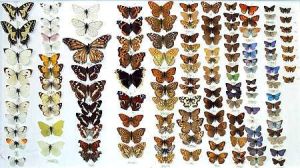
butterfliesSpecies, in the words of the great evolutionary biologist George Gaylord Simpson, are lineages evolving separately from others, each with its own unitary evolutionary role and tendencies. They are the units of biodiversity. Everybody uses the term, with greater or lesser degrees of precision, but even biologists, I regret to say, often use it without actually defining what they mean.

It was the great zoologist Ernst Mayr who in 1940 offered the best known definition: ‘A species is a group of actually or potentially interbreeding natural populations which is reproductively isolated from other such groups’. He called this the Biological Species Concept.

This definition of species, still widely accepted, has frequently been misinterpreted as meaning that ‘different species cannot interbreed’. It does not say this. In the first place, it refers to species as ‘natural populations’. It is referring to what happens in a state of nature, not what happens in zoos or in domestic animals. For example, lions and leopards, which although closely related are usually recognised as different species, live in the same habitats in Africa and India and, as far as I know, no authenticated hybrids are known from the wild. But in zoos, hybrids have been bred successfully.

Then there is the question of what exactly ‘reproductive isolation’ consists of. Mayr said that the mechanisms of reproductive isolation may be either pre-mating (where members of different species do not normally regard each other as potential mates) or post-mating (where they do mate, but the hybrids do not survive, or are sterile). In the case of lions and leopards, evidently the reproductive isolating mechanisms are pre-mating, because normally they do not regard each other as potential mates, but these can break down if a male of one species and a female of the other are caged together, a case of making the best of a bad job, if you like. Their post-mating reproductive isolation, however, is incomplete: male lion-leopard hybrids are thought to be sterile, but the females are fertile.

So far so good. According to the Biological Species Concept, different species are defined by not usually forming hybrids with each other, for whatever reason, under natural conditions. But it is not so simple.

Consider leopards, again. They live not only in Africa and India, but also on the island of Sri Lanka, and throughout Southeast Asia, including the island of Java. The leopards of Sri Lanka and Java obviously do not interbreed with those of the mainland, because they are separated by water barriers. According to Ernst Mayr’s definition, species are ‘actually or potentially interbreeding natural populations’, and presumably island leopards are to be regarded as ‘potentially interbreeding’ with mainland ones. But how do we know? How could we possibly know?
birds

© J. Dougherty

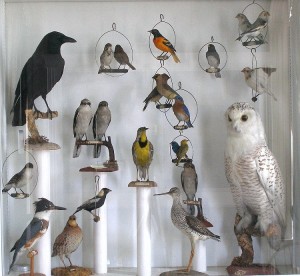
The closest relative of the lion and the leopard is the jaguar, which lives in South and Central America, and likewise doesn’t have the chance to interbreed with leopards (or with lions, for that matter), so again, the ‘potentially interbreeding’ criterion breaks down. I would ask, and it is legitimate to ask, why is the jaguar classified as a species separate from the African and mainland-Asian leopard, whereas the Sri Lankan and Javanese leopards are not?

In my opinion, ‘potentially interbreeding’, is, really, a phantom concept. The Biological Species Concept offers no guidance at all for deciding whether populations living in different areas are distinct species or not. As one example from my own experience, mammal specialists have had heated discussions over whether the American bison and the European bison are or are not different species, a particularly pointless exercise if one accepts the Biological Species Concept. It was as early as the 1960s that a few taxonomists began to worry about this, because they were starting to realise that there were quite a lot of cases where they really needed to know. Gilbert’s potoroo, from the south-west of Western Australia, is it, or is it not, a different species from the Long-nosed potoroo, from south-eastern Australia? This may sound like a piece of pedantry, but it is in fact not a trivial decision, because Gilbert’s potoroo is critically endangered, and if it is not really a distinct species then it is less of a worry.

It was a group working in the American Museum of Natural History, known as the New York Group and already getting a reputation for asking awkward questions, that was pushing most strongly for a resolution, and in 1983, one of them, the ornithologist Joel Cracraft, proposed to replace the Biological Species Concept altogether and define a species ‘The smallest cluster of individual organisms within which there is a parental pattern of ancestry and descent, and that is diagnosably distinct from other such clusters by a unique combination of fixed character states’. What this means is that a species is a population or group of populations (this is the ‘parental pattern of ancestry and descent’ bit) which can be distinguished 100% from any other (this is the ‘diagnosably distinct’ bit). This concept of species is called the Phylogenetic Species Concept.

Many biologists, myself included, I’m afraid, started off by disliking the Phylogenetic Species Concept, and hoped it would die a natural death. But it did not; in fact it spread because many biologists, including taxonomists, and at long last I too, realised that it provides an objective criterion, diagnosability, for all cases, which the old Biological Species Concept does not. It tells us, for example, that Sri Lankan and Javanese leopards are not distinct species, because they cannot be 100% distinguished from the leopards of the mainland, whereas the jaguar is a distinct species because it is 100% distinct from its relatives.

© P. Mays

© P. Mays

Much taxonomy today depends on molecular genetics, DNA sequencing. At present, many molecular geneticists tend to distinguish species rather subjectively, if they differ ‘enough’, though what is meant by ‘enough difference’ varies from one study to another. The Phylogenetic Species Concept is of course excellently suited to DNA sequencing, and many species have been recognised by having consistent differences in DNA sequences (the diagnosability criterion).

The molecular revolution has also taught us something important about species, that they do in fact interbreed under natural conditions, to a much greater extent than we had thought. We know this, because there is a form of DNA, mitochondrial DNA, that is inherited not from both parents, but from the mother alone; it is passed solely down the female line (with apparently few exceptions). And we now know quite a number of cases where a population of one species has the mitochondrial DNA of a different, related species.

Here is a nice example. The common deer species of the eastern United States is the white-tailed deer. In the west, it is replaced by the mule deer, and in the middle they live side-by-side in the same habitats. On a large ranch in West Texas, there are herds of both species, and they have the same mitochondrial DNA! There has been some dispute in the past over whose mitochondrial DNA it actually is, but it now appears that it is that of the mule deer. We imagine that, at some time in the past, some white-tailed bucks, unable to find does of their own species, ‘made the best of a bad job’ and drove off some mule deer bucks and mated with mule deer does. Hybrids were born, and in the next generation more white-tail bucks came over and mated with them. The hybrids are now three-quarters white-tail, and one-quarter mule deer, but of course they still had the mitochondrial DNA of their mule deer grandmothers. In a few more generations, they would come to totally resemble white-tailed deer, the only legacy of their original maternal heritage being their mitochondrial DNA.



Can we solve Australia’s mammal extinction crisis?

3 09 2009

© F. O'Connor

© F. O'Connor

This ‘In DepthScience Opinion piece from the ABC couldn’t have come at a better time. Written by Ian Gordon of the CSIRO, this opinion piece was written off the back of the special session on mammalian extinctions held at the recent International Congress of Ecology in Brisbane. Three previous ConservationBytes.com blogs in August (here, here and here) were devoted to specific talks at the Congress, including one about John Woinarksi’s gloomy tale of dwindling mammal populations in the Top End (which is especially frightening considering its also going on in our so-called ‘protected’ areas such as Kakadu, Litchfield and Garig Gunak Barlu National Parks!).

So, I recommend you have a read of my blog post on the shocking continued loss of Australian mammals, then read Ian’s piece copied below. Bottom lines – stop burning the shit out of our forests and encourage dingo population recovery and expansion.

Australia leads the world in mammal extinctions.

Over the last two hundred years 22 mammal species have become extinct, and over 100 are now on the threatened and endangered species list, compiled as part of the federal government’s Environment Protection and Biodiversity Conservation Act.

Evidence suggests Australia is on the cusp of another wave of mammal extinctions with a reduction in the abundance of some species and alarmingly, their range.

This is undoubtedly one of the major biodiversity conservation issues affecting Australia. It’s crucial we focus on the management solutions required to stop these species falling into extinction.

A South American success story

Working as a zoologist has allowed me to be involved in projects across the globe, looking at species at risk of extinction due to over-exploitation by humans.

Earlier this year I edited a book on the South American vicuña‘s comeback from the brink of extinction. Once abundant in the Andes, this wild relative of the llama suffered a sharp population drop in the 1960s due to international demand for its fleece.

An international moratorium on the sale of vicuña fleece in 1969 saw populations recover enough by 1987 for Andean communities to be able to harvest the fibre in a sustainable way. Population numbers of vicuña have remained healthy ever since, making it one of the few success stories of wildlife conservation worldwide.

Australia’s mammal extinction crisis

However Australia’s medium-sized mammals have had to deal with a different range of issues to the vicuña: the introduction of feral animals, particularly cats and foxes; increased grazing pressure; altered fire regimes; the clearing of habitat for development and production; and now, the effects of climate change.

It isn’t that any of these pressures are particularly important by themselves, but the fact that many of them act in concert has had a significant impact on causing the crashes in population numbers, and increasing the risk of species becoming extinct.

For example, the crescent nailtail wallaby was once an abundant and widespread macropod of central and western Australia. The pressures of feral cats and foxes coupled with clearing for agriculture and grazing, and altered fire regimes pushed this little species over the edge and it is now classified as extinct.

The problem is also more far-reaching than we first assumed. Many people may think that animals are becoming extinct in the south of Australia where habitat destruction is quite evident.

But the populations of iconic species in the north of Australia such as the northern quoll, golden bandicoot and the Carpentarian rock-rat are also collapsing. In our lifetime populations of some species have greatly reduced in number, and others have completely disappeared in landscapes that are considered to be in excellent condition.

The golden bandicoot, listed as a vulnerable species, used to be found across much of the north of Australia. It is now only found in very small populations in the Northern Territory and on the isolated Burrow Island off the coast of Western Australia.

Time to bring back the dingo?

Further research on the impacts of fire, grazing, invasive species and climate change on Australian mammals would be extremely valuable, but ecologists recognise that crucial management decisions need to be made now.

We’ve found ourselves in a position where we have identified the threats to Australian mammal species and documented the loss of these species, the role of science must turn more directly to identifying the opportunities for assisting the survival of these mammals.

In August I chaired a panel with Professor Chris Johnson from James Cook University at the International Congress of Ecology, to discuss what management could be put in place now to help beleaguered populations of small mammals recover.

Johnson’s main focus is to bring back the top-order predator.

He believes there is now good evidence that a stable population of dingoes suppresses the numbers and activity of foxes and cats, and some other feral animal species as well.

He argues that the effect of using a top predator like the dingo to hold down populations of foxes and cats is that the total intensity of predation on smaller native mammals can be reduced.

Bringing back the dingo has many sheep and cattle farmers raising their eyebrows because the wild dogs are known to kill stock. But guardian sheepdogs can protect stock herds by fighting off dingoes if they come too close. This still allows the dingoes to have a beneficial effect in the ecosystem.

Current trials of Maremma dogs, a type of sheepdog, at Dunluce sheep station in northwest Queensland demonstrate that they can be effective dingo deterrents in a pastoral zone.

This is just one potential solution that may work in some areas. Reinstating mosaic fire regimes, where patches of land are burnt at different times to allow the land to recover in stages, and controlling grazing around sensitive habitat of endangered mammals are other potential solutions that are currently under trial in various parts of the country.

Working together

Even though science doesn’t have all the answers I believe that it is more important than ever for land managers and scientists to work together to put new management regimes on the ground.

Our scientific knowledge can provide guidelines for land managers to reduce the pressures on our biodiversity. Through monitoring how species and ecosystems respond to on-ground management we can then learn and adapt our advice to meet future challenges facing Australia’s threatened species.

We need to act now: the international community is watching Australia and we have an opportunity to show how we can apply science through collaborative agreements with land managers to reduce the threats and protect endangered species.

We’ll then be able to add Australian animals to the short list of species, like the vicuña, that have been brought back from the brink of extinction.

CJA Bradshaw

Add to FacebookAdd to NewsvineAdd to DiggAdd to Del.icio.usAdd to StumbleuponAdd to RedditAdd to BlinklistAdd to Ma.gnoliaAdd to TechnoratiAdd to Furl


Wobbling to extinction

31 08 2009

crashI’ve been meaning to highlight for a while a paper that I’m finding more and more pertinent as a citation in my own work. The general theme is concerned with estimating extinction risk of a particular population, species (or even ecosystem), and more and more we’re finding that different drivers of population decline and eventual extinction often act synergistically to drive populations to that point of no return.
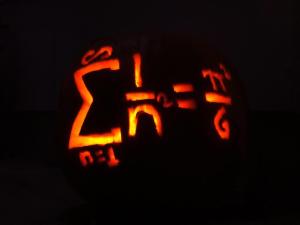
In other words, the whole is greater than the sum of its parts.

In other, other words, extinction risk is usually much higher than we generally appreciate.

This might seem at odds with my previous post about the tendency of the stochastic exponential growth model to over-estimate extinction risk using abundance time series, but it’s really more of a reflection of our under-appreciation of the complexity of the extinction process.

In the early days of ConservationBytes.com I highlighted a paper by Fagan & Holmes that described some of the few time series of population abundances right up until the point of extinction – the reason these datasets are so rare is because it gets bloody hard to find the last few individuals before extinction can be confirmed. Most recently, Melbourne & Hastings described in a paper entitled Extinction risk depends strongly on factors contributing to stochasticity published in Nature last year how an under-appreciated component of variation in abundance leads to under-estimation of extinction risk.

‘Demographic stochasticity’ is a fancy term for variation in the probability of births deaths at the individual level. Basically this means that there will be all sorts of complicating factors that move any individual in a population away from its expected (mean) probability of dying or reproducing. When taken as a mean over a lot of individuals, it has generally been assumed that demographic stochasticity is washed out by other forms of variation in mean (population-level) birth and death probability resulting from vagaries of the environmental context (e.g., droughts, fires, floods, etc.).

‘No, no, no’, say Melbourne & Hastings. Using some relatively simple laboratory experiments where environmental stochasticity was tightly controlled, they showed that demographic stochasticity dominated the overall variance and that environmental variation took a back seat. The upshot of all these experiments and mathematical models is that for most species of conservation concern (i.e., populations already reduced below to their minimum viable populations size), not factoring in the appropriate measures of demographic wobble means that most people are under-estimating extinction risk.

Bloody hell – we’ve been saying this for years; a few hundred individuals in any population is a ridiculous conservation target. People must instead focus on getting their favourite endangered species to number at least in the several thousands if the species is to have any hope of persisting (this is foreshadowing a paper we have coming out shortly in Biological Conservationstay tuned for a post thereupon).

Melbourne & Hastings have done a grand job in reminding us how truly susceptible small populations are to wobbling over the line and disappearing forever.

CJA Bradshaw

Add to FacebookAdd to NewsvineAdd to DiggAdd to Del.icio.usAdd to StumbleuponAdd to RedditAdd to BlinklistAdd to Ma.gnoliaAdd to TechnoratiAdd to Furl


Not-so-scary maths and extinction risk

27 08 2009
© P. Horn

© P. Horn

Population viability analysis (PVA) and its cousin, minimum viable population (MVP) size estimation, are two generic categories for mathematically assessing a population’s risk of extinction under particular environmental scenarios (e.g., harvest regimes, habitat loss, etc.) (a personal plug here, for a good overview of general techniques in mathematical conservation ecology, check out our new chapter entitled ‘The Conservation Biologist’s Toolbox…’ in Sodhi & Ehrlich‘s edited book Conservation Biology for All by Oxford University Press [due out later this year]). A long-standing technique used to estimate extinction risk when the only available data for a population are in the form of population counts (abundance estimates) is the stochastic exponential growth model (SEG). Surprisingly, this little beauty is relatively good at predicting risk even though it doesn’t account for density feedback, age structure, spatial complexity or demographic stochasticity.

So, how does it work? Well, it essentially calculates the mean and variance of the population growth rate, which is just the logarithm of the ratio of an abundance estimate in one year to the abundance estimate in the previous year. These two parameters are then resampled many times to estimate the probability that abundance drops below a certain small threshold (often set arbitrarily low to something like < 50 females, etc.).

It is simple (funny how maths can become so straightforward to some people when you couch them in words rather than mathematical symbols), and rather effective. This is why a lot of people use it to prescribe conservation management interventions. You don’t have to be a modeller to use it (check out Morris & Doak’s book Quantitative Conservation Biology for a good recipe-like description).

But (there’s always a but), a new paper just published online in Conservation Letters by Bruce Kendall entitled The diffusion approximation overestimates extinction risk for count-based PVA questions the robustness when the species of interest breeds seasonally. You see, the diffusion approximation (the method used to estimate that extinction risk described above) generally assumes continuous breeding (i.e., there are always some females producing offspring). Using some very clever mathematics, simulation and a bloody good presentation, Kendall shows quite clearly that the diffusion approximation SEG over-estimates extinction risk when this happens (and it happens frequently in nature). He also offers a new simulation method to get around the problem.

Who cares, apart from some geeky maths types (I include myself in that group)? Well, considering it’s used so frequently, is easy to apply and it has major implications for species threat listings (e.g., IUCN Red List), it’s important we estimate these things as correctly as we can. Kendall shows how several species have already been misclassified for threat risk based on the old technique.

So, once again mathematics has the spotlight. Thanks, Bruce, for demonstrating how sound mathematical science can pave the way for better conservation management.

CJA Bradshaw

Add to FacebookAdd to NewsvineAdd to DiggAdd to Del.icio.usAdd to StumbleuponAdd to RedditAdd to BlinklistAdd to Ma.gnoliaAdd to TechnoratiAdd to Furl


The rarity of commonness

18 08 2009

I’m attending the 10th International Congress of Ecology (INTECOL) in Brisbane this week and I have just managed to find (a) an internet connection and (b) a small window to write this post.

I have to say I haven’t been to a good plenary talk for some time – maybe it’s just bad luck, but often plenary talks can be less-than-inspiring.

Not so for INTECOL this year. I was very pleased to have the opportunity to listen to biodiversity guru Professor Kevin Gaston of the University of Sheffield give a fantastic talk on… common species (?!).

clones

If you have followed any of Kevin’s work, you’ll know he literally wrote the book on rarity – what species rarity is, how to measure it and what it means for preserving biodiversity as a whole.

Now he’s championing (in a very loose sense) the importance of common species because it is these taxa, he argues, that provide the backbone to the persistence of all biodiversity.

Yes, we conservation biologists have tended to focus on the rare and endemic species to make certain we have as much diversity in species (and genetic material) as possible when conserving habitats.

There are a lot more rare species than common ones, and the most common species (i.e., the ones you most often see) tend to have the broadest distributions. We know from much previous work that having a broad distribution reduces extinction risk, so why should we be concerned about common species?

Kevin made a very good point – if you turn the relationship on its head somewhat, you can state that the state of ‘commonness’ is itself ‘rare’. In fact, only about 25 % of the most common species account for about 90-95 % of ALL individuals. He used an interesting (and scary) example to show what this can mean from an extinction perspective. Although very back-of-the-envelope, there are about 2000 individual birds in a km2 of tropical forest; we are losing between 50000 and 120000 km2 of tropical forest per year, so this translates into the loss of about 100 to 240 million individual birds per year; this is the sum total of all birds in Great Britain (a bird-mad country). Yet where do we have the best information about birds? The UK.

Commonness is also geologically transient, meaning that just because you are a common species at some point in your evolutionary history doesn’t mean you have always been or always will be. In fact, most species never do become common.

But it is just these ‘rare’ common that drive the principal patterns we see globally in community structure. The true ‘rare’ species are, in fact, pretty crap predictors of biodiversity patterns. Kevin made a good point – when you look at a satellite image of a forest, it’s not all the little rare species you see, it’s the 2 or 3 most common tree species that make up the forest. Lose those, and you lose everything else.

Indeed, common species also form most trophic structure (the flow of energy through biological communities). Take away these, and ecosystem function degrades. They also tend to have the highest biomass and provide the structure that supports all those millions of rare species. Being common is quite an important job.

Kevin stated that the world is now in a state where many of the so-called common species are in fact, “artificially” common because of how much we’ve changed the planet. It is these benefactors of our world-destroying machinations that are now in decline themselves, and it is for this reason we should be worried.

When you start to see these bastions of ecosystems start to drop off (and the drop is usually precipitous because we don’t tend to notice their loss until they suddenly disappear), then you know we’re in trouble. And yet, even though once common, few, if any, once-common species have come back after a big decline.

So what does this mean for the way we do biodiversity research? Kevin proposes that we need a lot more good monitoring of these essential common species so that we can understand their structuring roles in the community and more importantly, be able to track their change before ecosystem collapse occurs. The monitoring is crucial – it wasn’t the demise of small companies that signalled the 2007 stock market crash responsible for the Global Financial Crisis in which we now find ourselves, the signal was derived from stock data obtained from just a few large (i.e., ‘common’) companies. All the small companies (‘rare’) ones then followed suit.

A very inspiring, worrying and somewhat controversial talk. Watch out for more things ‘Gaston’ on ConservationBytes.com in the near future.

CJA Bradshaw

Add to FacebookAdd to NewsvineAdd to DiggAdd to Del.icio.usAdd to StumbleuponAdd to RedditAdd to BlinklistAdd to Ma.gnoliaAdd to TechnoratiAdd to Furl


Few people, many threats – Australia’s biodiversity shame

31 07 2009

bridled_nailtail_400I bang on a bit about human over-population and how it drives biodiversity extinctions. Yet, it isn’t always hordes of hungry humans descending on the hapless species of this planet  – Australia is a big place, but has few people (just over 20 million), yet it has one of the higher extinction rates in the world. Yes, most of the country is covered in some fairly hard-core desert and most people live in or near the areas containing the most species, but we have an appalling extinction record all the same.

A paper that came out recently in Conservation Biology and was covered a little in the media last week gives some telling figures for the Oceania region, and more importantly, explains that we have more than enough information now to implement sound, evidence-based policy to right the wrongs of the past and the present. Using IUCN Red List data, Michael Kingsford and colleagues (paper entitled Major conservation policy issues for biodiversity in Oceania), showed that of the 370 assessed species in Australia, 80 % of the threatened ones are listed because of habitat loss, 40 % from invasive species and 30 % from pollution. As we know well, it’s mainly habitat loss we have to control if we want to change things around for the better (see previous relevant posts here, here & here).

Kingsford and colleagues proceed to give a good set of policy recommendations for each of the drivers identified:

Habitat loss and degradation

  • Implement legislation, education, and community outreach to stop or reduce land clearing, mining, and unsustainable logging through education, incentives, and compensation for landowners that will encourage private conservation
  • Establish new protected areas for habitats that are absent or poorly represented
  • In threatened ecosystems (e.g., wetlands), establish large-scale restoration projects with local communities that incorporate conservation and connectivity
  • Establish transparent and evidence-based state of environment reporting on biodiversity and manage threats within and outside protected areas.
  • Protect free-flowing river systems (largely unregulated by dams, levees, and diversions) within the framework of the entire river basin and increase environmental flows on regulated rivers

Invasive species

  • Avoid deliberate introduction of exotic species, unless suitable analyses of benefits outweigh risk-weighted costs
  • Implement control of invasive species by assessing effectiveness of control programs and determining invasion potential
  • Establish regulations and enforcement for exchange or treatment of ocean ballast and regularly implement antifouling procedures

Climate change

  • Reduce global greenhouse gas emissions
  • Identify, assess, and protect important climate refugia
  • Ameliorate the impacts of climate change through strategic management of other threatening processes
  • Develop strategic plans for priority translocations and implement when needed

Overexploitation

  • Implement restrictions on harvest of overexploited species to maintain sustainability
  • Implement an ecosystem-based approach for fisheries, based on scientific data, that includes zoning the ocean; banning destructive fishing; adopting precautionary fishing principles that include size limits, quotas, and regulation with sufficient resources based on scientific assessments of stocks and; reducing bycatch through regulation and education
  • Implement international mechanisms to increase sustainability of fisheries by supporting international treaties for fisheries protection in the high seas; avoiding perverse subsidies and improve labelling of sustainable fisheries; and licensing exports of aquarium fish
  • Control unsustainable illegal logging and wildlife harvesting through local incentives and cessation of international trade

Pollution

  • Decrease pollution through incentives and education; reduce and improve treatment of domestic, industrial, and agriculture waste; and rehabilitate polluted areas
  • Strengthen government regulations to stop generation of toxic material from mining efforts that affects freshwater and marine environments
  • Establish legislation and regulations and financial bonds (international) to reinforce polluter-pays principles
  • Establish regulations, education programs, clean ups, labelling, and use of biodegradable packaging to reduce discarded fishing gear and plastics

Disease

  • Establish early-detection programs for pathological diseases and biosecurity controls to reduce translocation
  • Identify causes, risk-assessment methods, and preventative methods for diseases
  • Establish remote communities of organisms (captive) not exposed to disease in severe outbreaks

Implementation

  • Establish regional population policies based on ecologically sustainable human population levels and consumption
  • Ensure that all developments affecting the environment are adequately analysed for impacts over the long term
  • Promote economic and societal benefits from conservation through education
  • Determine biodiversity status and trends with indicators that diagnose and manage declines
  • Invest in taxonomic understanding and provision of resources (scientific and conservation) to increase capacity for conservation
  • Increase the capacity of government conservation agencies
  • Focus efforts of nongovernmental organisations on small island states on building indigenous capacity for conservation
  • Base conservation on risk assessment and decision support
  • Establish the effectiveness of conservation instruments (national and international) and their implementation

A very good set of recommendations that I hope we can continue to develop within our governments.

CJA Bradshaw

Add to FacebookAdd to NewsvineAdd to DiggAdd to Del.icio.usAdd to StumbleuponAdd to RedditAdd to BlinklistAdd to Ma.gnoliaAdd to TechnoratiAdd to Furl


Hot inbreeding

22 07 2009
inbreeding

© R. Ballen

Sounds really disgusting a little rude, doesn’t it? Well, if you think losing species because of successive bottlenecks from harvesting, habitat loss and genetic deterioration is rude, then the title of this post is appropriate.

I’m highlighting today a paper recently published in Conservation Biology by Kristensen and colleagues entitled Linking inbreeding effects in captive populations with fitness in the wild: release of replicated Drosophila melanogaster lines under different temperatures.

The debate has been around for years – do inbred populations have lower fitness (e.g., reproductive success, survival, dispersal, etc.) than their ‘outbred’ counterparts? Is one of the reasons small populations (below their minimum viable population size) have a high risk of extinction because genetic deterioration erodes fitness?

While there are many species that seem to defy this assumption, the increasing prevalence of Allee effects, and the demonstration that threatened species have lower genetic diversity than non-threatened species, all seem to support the idea. Kristensen & colleagues’ paper uses that cornerstone of genetic guinea pigs, the Drosophila fruit fly, not only to demonstrate inbreeding depression in the lab, but also the subsequent fate of inbred individuals released into the wild.

What they found was quite amazing. Released inbred flies only did poorly (i.e., weren’t caught as frequently meaning that they probably were less successful in finding food and perished) relative to outbred flies when the temperature was warm (daytime). Cold (i.e., night) releases failed to show any difference between inbred and outbred flies.

Basically this means that the environment interacts strongly with the genetic code that signals for particularly performances. When the going is tough (and if you’re an ectothermic fly, extreme heat can be the killer), then genetically compromised individuals do badly. Another reasons to be worried about runaway global climate warming.

Another important point was that the indices of performance didn’t translate universally to the field conditions, so lab-only results might very well give us some incorrect predictions of animal performance when populations reach small sizes and become inbred.

CJA Bradshaw


Vortex of travel to RAMAStan

9 06 2009


Just a short post to say that the frequency of posts might decline somewhat over the coming weeks. I’m currently travelling in the US on a mixture of leave and work.

From the work side of things, I’ll be heading shortly to Harvard University in Boston to spend some time with colleague Navjot Sodhi of the National University of Singapore who’s finishing up a year-long Hrdy Fellowship there. We’ll be joined by my close friend and colleague, Barry Brook, and Resit Akçakaya of RAMAS fame. We’ll be working on a few ideas regarding extinction dynamics, modelling and climate change projections for species distributions and risk.

We’ll be heading next to visit Bob Lacy of VORTEX fame at the Chicago Zoological Society. We’ll be joined by Phil Miller of the IUCN‘s Species Survival Commission (SSC) Conservation Breeding Specialist Group, JP Pollak of Cornell University, and maybe Jon Ballou of the Smithsonian National Zoological Park. We’re hoping to help take the next generation of species vulnerability software into a more realistic framework that accounts for the complexities of climate change.

I’m looking forward to the trip and meeting new colleagues.

CJA Bradshaw


Climate change’s ugly cousin – biodiversity loss

17 05 2009

uglybaby…nobody puts a value on pollination; national accounts do not reflect the value of ecosystem services that stop soil erosion or provide watershed protection.

Barry Gardiner, Labour MP for Brent North (UK), Co-chairman, Global Legislators Organisation‘s International Commission on Land Use Change and Ecosystems

Last week I read with great interest the BBC’s Green Room opinion article by Barry Gardiner, Labour MP in the UK, about how the biodiversity crisis takes very much the back seat to climate change in world media, politics and international agreements.

He couldn’t be more spot-on.

I must stipulate right up front that this post is neither a whinge, rant nor lament; my goal is to highlight what I’ve noticed about the world’s general perception of climate change and biodiversity crisis issues over the last few years, and over the last year in particular since ConservationBytes.com was born.

Case in point: my good friend and colleague, Professor Barry Brook, started his blog BraveNewClimate.com a little over a month (August 2008) after I managed to get ConservationBytes.com up and running (July 2008). His blog tackles issues regarding the science of climate change, and Barry has been very successful at empirically, methodically and patiently tearing down the paper walls of the climate change denialists. A quick glance at the number views of BraveNewClimate.com since inception reveals about an order of magnitude more than for ConservationBytes.com (i.e., ~195000 versus 20000, respectively), and Barry has accumulated a total of around 4500 comments compared to just 231 for ConservationBytes.com. The difference is striking.

Now, I don’t begrudge for one moment this disparity – quite the contrary – I am thrilled that Barry has managed to influence so many people and topple so effectively the faecal spires erected by the myriad self-proclaimed ‘experts’ on climate change (an infamous line to whom I have no idea to attribute states that “opinions are like arseholes – everyone’s got one”). Barry is, via BraveNewClimate.com, doing the world an immense service. What I do find intriguing is that in many ways, the biodiversity crisis is a much, much worse problem that is and will continue to degrade human life for millennia to come. Yet as Barry Gardiner observed, the UK papers mentioned biodiversity only 115 times over the last 3 months compared to 1382 times for climate change – again, that order-of-magnitude disparity.

There is no biodiversity equivalent of the Intergovernmental Panel on Climate Change (although there are a few international organisations tackling the extinction crisis such as the United Nation’s Environment Program, the Millennium Ecosystem Assessment and the International Union for Conservation of Nature), we still have little capacity or idea how to incorporate the trillions of dollars worth of ecosystem services supplied every year to us free of charge, and we have nothing at all equivalent to the Kyoto Protocol for biodiversity preservation. Yet, conservation biologists have for decades demonstrated how human disease prevalence, reduction in pollination, increasing floods, reduced freshwater availability, carbon emissions, loss of fish supplies, weed establishment and spread, etc. are all exacerbated by biodiversity loss. Climate change, as serious and potentially apocalyptic as it is, can be viewed as just another stressor in a system stressed to its limits.

Of course, the lack of ‘interest’ may not be as bleak as indicated by web traffic; I believe the science underpinning our assessment of biodiversity loss is fairly well-accepted by people who care to look into these things, and the evidence spans the gambit of biological diversity and ecosystems. In short, it’s much less controversial a topic than climate change, so it attracts a lot less vitriol and spawns fewer polemics. That said, it is a self-destructive ambivalence that will eventually come to bite humanity on the bum in the most serious of ways, and I truly believe that we’re not far off from major world conflicts over the dwindling pool of resources (food, water, raw materials) we are so effectively destroying. We would be wise to take heed of the warnings.

CJA Bradshaw

Add to FacebookAdd to NewsvineAdd to DiggAdd to Del.icio.usAdd to StumbleuponAdd to RedditAdd to BlinklistAdd to Ma.gnoliaAdd to TechnoratiAdd to Furl