Linking disease, demography and climate

1 08 2010

Last week I mentioned that a group of us from Australia were travelling to Chicago to work with Bob Lacy, Phil Miller, JP Pollak and Resit Akcakaya to make some pretty exciting developments in next-generation conservation ecology and management software. Also attending were Barry Brook, our postdocs: Damien Fordham, Thomas Prowse and Mike Watts, our colleague (and former postdoc) Clive McMahon, and a student of Phil’s, Michelle Verant. At the closing of the week-long workshop, I thought I’d share my thoughts on how it all went.

In a word, it was ‘productive’. It’s not often that you can spend 1 week locked in a tiny room with 10 other geeks and produce so many good and state-of-the-art models, but we certainly achieved more than we had anticipated.

Let me explain in brief why it’s so exciting. First, I must say that even the semi-quantitative among you should be ready for the appearance of ‘Meta-Model Manager (MMM)’ in the coming months. This clever piece of software was devised by JP, Bob and Phil to make disparate models ‘talk’ to each other during a population projection run. We had dabbled with MMM a little last year, but its value really came to light this week.

We used MMM to combine several different models that individually fail to capture the full behaviour of a population. Most of you will be familiar with the individual-based population viability (PVA) software Vortex that allows relatively easy PVA model building and is particular useful for predicting extinction risk of small populations. What you most likely don’t know exists is what Phil, Bob and JP call Outbreak – an epidemiological modelling software based on the classic susceptible-exposed-infectious-recovered framework. Outbreak is also an individual-based model that can talk directly to Vortex, but only through MMM. Read the rest of this entry »


Tropical biology and conservation overview

28 07 2010

Last week I attended the 2010 International Meeting of the Association for Tropical Biology and Conservation (ATBC) in Sanur, Bali (Indonesia). I only managed one post on the real-world relevance of conservation research (that attracted quite a lot of comment) while there, but I did promise to give a conference overview as I did for the International Congress for Conservation Biology earlier this month. So here goes.

This was my first ATBC meeting despite having co-written ‘the book’ on tropical conservation biology (well, one of very, very many). I no longer live in the tropics but am still managing to keep my hand in many different aspects of tropical research. After all, tropical regions represent ground zero for conservation biology – they have the highest biodiversity (no matter which way you measure it), some of the greatest threats (e.g., most people, most rapid development, most corruption) and some of the most pressing human problems (disease, hunger, socio-political instability). Ironically, most of the world’s conservation ecologists work in temperate realms – it should really be the other way around. Read the rest of this entry »


Conservation research rarely equals conservation

21 07 2010

This post was chosen as an Editor's Selection for ResearchBlogging.org

I am currently attending the 2010 International Meeting of the Association for Tropical Biology and Conservation (ATBC) in Sanur, Bali (Indonesia). As I did a few weeks ago at the ICCB in Canada, I’m tweeting and blogging my way through.

Yesterday I attended a talk by my good friend Trish Shanley (formerly of CIFOR) where she highlighted the disconnect between conservation research and actual conservation. I’ve posted about this before (see Out of touch, impractical and irrelevantMake your conservation PhD relevant), but this was a sobering reminder of how conservation research can be a self-perpetuating phenomenon and often not touch the people who need it most.

Presenting the highlights of her paper published earlier this year in Biotropica entitled Out of the loop: why research rarely reaches policy makers and the public and what can be done, one comment she made during the talk that really caught my attention was the following (I’m paraphrasing, of course).

Most of the world’s poor living off the land are unconcerned about biodiversity per se. As conservationists we should not therefore adopt the typical preamble that biodiversity (e.g., forests) represent the “lungs of our planet” – what people (and especially women) need to know is how biodiversity loss affects “food for my children”.

The paper itself was an interview 268 researchers from 29 countries (of which I was one) about their views on the relevance of their work. Not surprisingly (but amazingly that we were so honest), most respondents stated that their principal target was other scientists, with policy makers and other marginalised groups/local people holding a distant second place. Corporate targets were also pretty rare – I guess we feel as a group that that’s generallly a lost cause.
Neither a surprise was that we generally view peer-reviewed scientific publications as the main vehicle for the dissemination of our results. What was a bit of a surprise though is that we fully admit papers aren’t the best way to trickle down the information (again, more of that brutal honesty); apparently we mainly believe ‘stakeholder meetings’
are more effective (I have my doubts).


Put the bite back into biodiversity conservation

2 07 2010

Today’s guest post is by Dr. Euan Ritchie, formerly of James Cook University, but who is now firmly entrenched at Deakin University in Victoria as a new Lecturer in ecology. Euan’s exciting research over the course of his memorable PhD (under the tutelage of renowned ecologist-guru, Professor Chris Johnson) has produced some whoppingly high-impact research. This latest instalment highlights a series of related papers he and his colleagues have just produced. We’re fortunate he agreed to give us his thoughts. Interestingly, the topic was just highlighted in the last issue of NatureDon’t damage dingos.

Corey has invited me to report on a recent paper published in Ecology Letters and another related study in PloS One, which together show how a better understanding of dingoes and their social structure and associated behaviour can help us to maintain or improve the health of our terrestrial ecosystems. This work, led by PhD student Arian Wallach (University of Adelaide), and involving collaborations with John Read (University of Adelaide), Adam O’Neill (C&A Environmental Services) and Christopher Johnson and me (James Cook University), offers some of the strongest evidence yet of the key roles top predators play in maintaining the balance.

Invasive species, along with habitat loss and the impacts of climate change, are among the greatest threats to the continued survival of many species. Because of this, millions of dollars and time is spent each year to control their populations. The impacts of invasive species in Australia are sadly all too obvious, with nearly half of the world’s mammal extinctions in the last 200 years occurring in Australia, with the prime suspects being the introduced domestic cat and red fox. However, despite massive, costly and ongoing attempts to control fox and cat populations successfully, we continue to witness the decline of many of our native species. Why? We would argue that the problem is that for too long much of our conservation and management efforts have been focused on treating symptoms and not the cause, which is the loss of ecosystem resilience (the natural ability of ecosystems to withstand change).

Read the rest of this entry »


Interview with a social (conservation) scientist

22 06 2010

I was contacted recently by Josh Cinner, a self-titled ‘social’ scientist (now working at the Centre of Excellence for Coral Reef Studies) who has published rather a lot in the conservation literature. He was recently highlighted in the journal Science for his work, and he thought CB readers would enjoy the coverage. He stated to me:

“…as a social scientist, I have spent the past decade or so working with ecologists and managers trying to integrate social science better in conservation. There are often calls for the importance of integrating social science in conservation and I thought your blog readers might appreciate some high-level recognition of the importance of this. Additionally, as far as I can tell, this is the first of these profiles that has focused on someone working in conservation.”

So, while fully crediting the source of this article and its author, Helen Fields, here is the entire text reproduced for your reading pleasure.

In the late 1980s, things were not going well for the coral reefs at Jamaica’s Montego Bay Marine Park. Overfishing had taken out a lot of the fish that eat algae, and algae were taking over the reef. “It was a classic case of ecosystem decline,” human geographer Joshua Cinner says. He arrived in Jamaica in 1996 as a Peace Corps volunteer after graduating from the University of Colorado, Boulder, with a double major in environmental conservation and geography. He was particularly interested in parks and preserves.

He’d landed in the middle of a war. Lobbying by tour operators and others got spearfishing, one of the main culprits in overfishing, banned in the park. The ban did not go over well with local people. “All the park equipment got vandalized. We had park rangers get threatened; their families got threatened at spear point,” Cinner says. Spearfishing equipment is cheap and you don’t need a boat; men who do it are generally poor and are fishing as a last resort. “The cultural lens through which the fishermen viewed this issue was of struggle in a post-slavery society, of the rich, predominantly white expatriates making a law that oppressed the poorest of the poor locals to benefit the wealthy.”

The conflict got Cinner thinking about how conservation really works. “It wasn’t really about the ecology,” he says. “Making conservation work in Jamaica had a lot to do with understanding the local culture and people.” It also opened his eyes to the role oceans play. “The ocean is often viewed as an open-access resource. That extra layer of complexity interested me,” he says. “Land can often be private property,” but “the ocean is typically viewed as free for anyone to fish in, for anyone to swim in and use.” Read the rest of this entry »


Australian Ecology Research Award

7 06 2010

I had the immense pleasure of receiving a telephone call a few weeks back from the Ecological Society of Australia telling me that I had been awarded the 2010 Australian Ecology Research Award (AERA). They’ve just announced it, so I’m now allowed to boast a bit on Conservation Bytes.

If you’re going to the 50th Anniversary ESA annual conference in Canberra this year ‘Sustaining Biodiversity – the next 50 years‘ (6-10 December), I’ll be giving the AERA Plenary Lecture then. Thanks to the ESA for my selection, the University of Adelaide (The Environment Institute & School of Earth and Environmental Sciences), the South Australian Research and Development Institute, and all my students, post-docs and collaborators for your support. Many thanks also to Prof. Bill Laurance for the nomination!

The AERA blurb from the ESA site follows: Read the rest of this entry »


Who are the world’s biggest environmental reprobates?

5 05 2010

Everyone is a at least a little competitive, and when it comes to international relations, there could be no higher incentive for trying to do better than your neighbours than a bit of nationalism (just think of the Olympics).

We rank the world’s countries for pretty much everything, relative wealth, health, governance quality and even happiness. There are also many, many different types of ‘environmental’ indices ranking countries. Some attempt to get at that nebulous concept of ‘sustainability’, some incorporate human health indices, and other are just plain black box (see Böhringer et al. 2007 for a review).

With that in mind, we have just published a robust (i.e., to missing data, choices for thresholds, etc.), readily quantifiable (data available for most countries) and objective (no arbitrary weighting systems) index of a country’s relative environmental impact that focuses ONLY on environment (i.e., not human health or economic indicators) – something no other metric does. We also looked at indices relative to opportunity – that is, looking at how much each country has degraded relative to what it had to start with.

We used the following metrics to create a combined environmental impact rank: natural forest loss, habitat conversion, fisheries and other marine captures, fertiliser use, water pollution, carbon emissions from land-use change and threatened species.

The paper, entitled Evaluating the relative environmental impact of countries was just published in the open-access journal PLoS One with my colleagues Navjot Sodhi of the National University of Singapore (NUS) and Xingli Giam, formerly of NUS but now at Princeton University in the USA.

So who were the worst? Relative to resource availability (i.e,. how much forest area, coastline, water, arable land, species, etc. each country has), the proportional environmental impact ranked (from worst) the following ten countries:

  1. Singapore
  2. Korea
  3. Qatar
  4. Kuwait
  5. Japan
  6. Thailand
  7. Bahrain
  8. Malaysia
  9. Philippines
  10. Netherlands

When considering just the absolute impact (i.e., not controlling for resource availability), the worst ten were:

  1. Brazil
  2. USA
  3. China
  4. Indonesia
  5. Japan
  6. Mexico
  7. India
  8. Russia
  9. Australia
  10. Peru

Interestingly (and quite unexpectedly), the authors’ home countries (Singapore, Australia, USA) were in either the worst ten proportional or absolute ranks. Embarrassing, really (for a full list of all countries, see supporting information). Read the rest of this entry »


Fanciful mathematics and ecological fantasy

3 05 2010

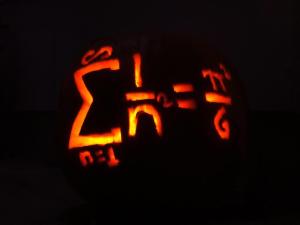
© flickr/themadlolscientist

Bear with me here, dear reader – this one’s a bit of a stretch for conservation relevance at first glance, but it is important. Also, it’s one of my own papers so I have the prerogative :-)

As some of you probably know, I dabble quite a bit in population dynamics theory, which basically means examining the mathematics people use to decipher ecological patterns. Why is this important? Well, most models predicting extinction risk, estimating optimal harvest rates, determining minimum viable population size and metapopulation dynamics for species’ persistence rely on good mathematical abstraction to be realistic. Get the maths wrong, and you could end up overharvesting a species (e.g., 99.99 % of fisheries management), underestimating extinction risk from habitat degradation, and getting your predictions wrong about the effects of invasive species. Expressed as an equation itself, (conservation) ecology = mathematics.

A long-standing family of models known as ‘phenomenological’ models (i.e., because they deal with the phenomenon of population size which is an emergent property of the mechanisms of birth, death and immigration) has been used to estimate everything from maximum sustainable yield targets, temporal abundance patterns, wildlife management interventions, extinction risk to epidemiological patterns. The basic form of the model describes the growth response, or the relationship between the population’s rate of change (growth) and its size. The simplest form (known as the Ricker), assumes a linear decline in population growth rate (r) as the number of individuals increases, which basically means that populations can’t grow indefinitely (i.e., they fluctuate around some carrying capacity if unperturbed). Read the rest of this entry »


Global rates of forest loss – everyone’s a bastard

29 04 2010

© A. Hesse

I’ve written rather a lot about rates of forest loss around the world, including accumulated estimates of tropical forest loss and increasing fragmentation/loss in the boreal forest (see Bradshaw et al. 2009 Front Ecol Evol & Bradshaw et al. 2009 Trends Ecol Evol). For the tropics in particular, we used the index that an area of rain forest about the size of Bangladesh (> 15 million hectares) was disappearing each year, and in Russia alone, annual decline in forest area averaged 1.1 million hectares between 1988 and 1993. Mind boggling, really.

But some of these estimates were a bit old, relied on some imprecise satellite data, and didn’t differentiate forest types well. In addition, many have questioned whether the rates are continuing and which countries are being naughty or nice with respect to forest conservation.

It was great therefore when I came across a new paper in PNAS by Hansen & colleagues entitled Quantification of global gross forest cover loss because it answered many of the latter questions.

Part of the problem in assessing worldwide forest cover loss in the past was the expense of satellite imagery, access problems, data storage and processing issues. Happily, new satellite streams and easing of access has rectified many of these limitations. Hansen & colleagues took advantage of data from the MODIS sensor to create a stratification for forest cover loss. They then used the Landsat ETM+ sensor as the primary data for quantifying gross forest cover loss for the entire planet from 2000 to 2005. They defined ‘forest cover’ as “… 25% or greater canopy closure at the Landsat pixel scale (30-m × 30-m spatial resolution) for trees > 5 m in height”.

For your reading pleasure (and conservation horror), the salient features were: Read the rest of this entry »


China’s insatiable lust for tropical timber

4 04 2010

If you’ve been following ConservationBytes.com for the past few weeks, you’ll know that William Laurance was in town and gave a fantastic set of talks (download podcasts here). As a parting gift, he put together a brief post on one huge aspect of the tropical deforestation crisis we know face. Thanks, Bill.

© AAAS

I greatly enjoyed my recent visit to the University of Adelaide, and especially want to thank my host, Corey Bradshaw, for showing me a wonderful time there.

Corey asked me to contribute a brief blog for ConservationBytes.com and so I thought I’d highlight a paper in Science last week by my old friend Jianguo “Jack” Liu at Michigan State University. In his paper China’s road to sustainability, Jack describes the battle to improve environmental sustainability in China–a battle that is not progressing very well, all factors considered.

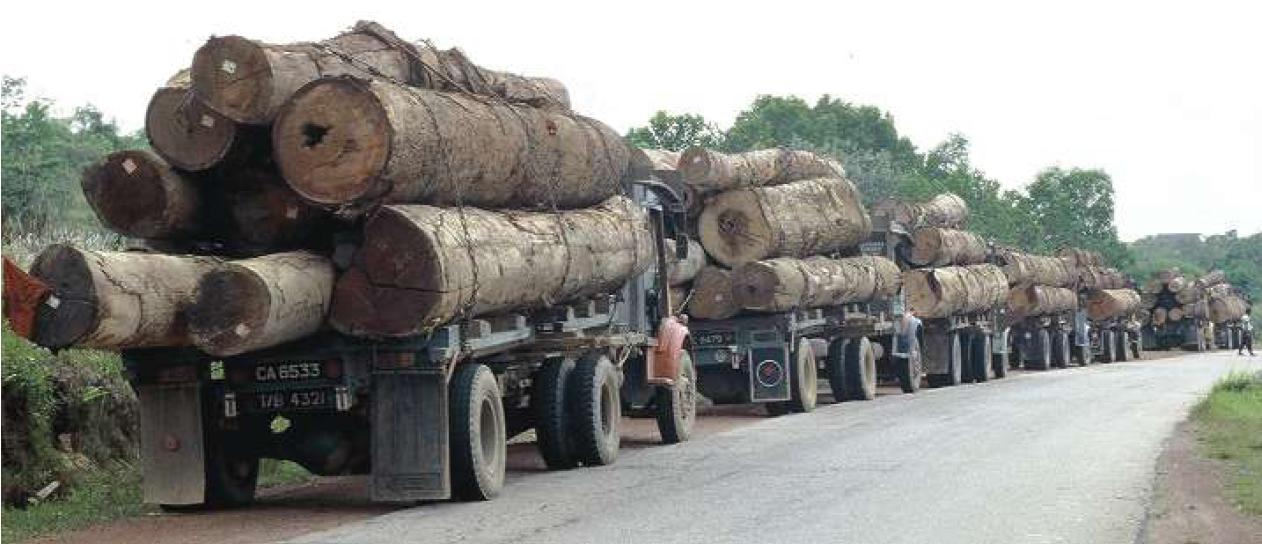
China’s explosive economic growth and environmental deterioration is also affecting other countries, especially those with timber, minerals or other resources that China wants. Today, more than half of the timber shipped anywhere in the world is destined for China–some 45 million m3 per year, an incredible total. Read the rest of this entry »


Classics: Mesopredator Release

17 03 2010

© J. Short

Although popularised by Crooks & Soulé (1999), Soulé et al. (1988) first gave us the term that described how entire ecosystems can become unbalanced by a reduction of a higher trophic-level predator exerting so-called ‘top-down’ control on the abundance of species occupying lower trophic levels.

The idea had theoretical support in ecology (Wright et al. 1994; Litvaitis & Villafuerte 1996), but it was not until Soulé and colleagues described how the decline of dominant predators combines with habitat fragmentation to release top-down pressure on smaller predators, thereby increasing predation rates on prey lower down the trophic web.

Crooks & Soulé (1999) described an example where the decline in coyotes (Canis latrans) in combination with urbanisation-driven habitat fragmentation led to an increase in cat (Felis catus) densities and the subsequent decline in scrub-breeding birds. More recent examples attest to the importance of the mesopredator release phenomenon: Myers et al. (2007) described how the decline in large coastal shark species has allowed mesopredator cownose rays (Rhinoptera bonasus) to increase, leading to a reduction in commercially important shellfish densities; and Johnson et al. (2007) showed how dingoes (Canis lupus dingo) in Australia suppress populations of exotic predators such as cats and foxes, leading to more locally abundant populations of native marsupials (see previous post).

Conservation biologists have benefited from this knowledge because we’ve realised that top-order predators affect far more than their immediate prey. These examples really hit home how a fully functional community is required for ecosystem stability, so we should strive to preserve complete complements of communities, not just our favourite species.

CJA Bradshaw

Add to FacebookAdd to DiggAdd to Del.icio.usAdd to StumbleuponAdd to RedditAdd to BlinklistAdd to TwitterAdd to TechnoratiAdd to Yahoo BuzzAdd to Newsvine


Every extra human means fewer animals

8 02 2010

© The Sun

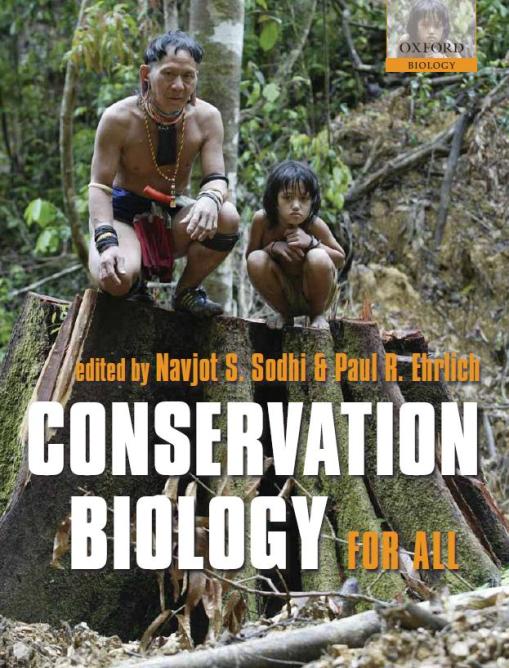
As promised some time ago when I blogged about the imminent release of the book Conservation Biology for All (edited by Navjot Sodhi and Paul Ehrlich), I am now posting a few titbits from the book.

Today’s post is a blurb from Paul Ehrlich on the human population problem for conservation of biodiversity.

The size of the human population is approaching 7 billion people, and its most fundamental connection with conservation is simple: people compete with other animals., which unlike green plants cannot make their own food. At present Homo sapiens uses, coopts, or destroys close to half of all the food available to the rest of the animal kingdom. That means that, in essence, every human being added to the population means fewer individuals can be supported in the remaining fauna.

But human population growth does much more than simply cause a proportional decline in animal biodiversity – since as you know, we degrade nature in many ways besides competing with animals for food. Each additional person will have a disproportionate negative impact on biodiversity in general. The first farmers started farming the richest soils they could find and utilised the richest and most accessible resources first (Ehrlich & Ehrlich 2005). Now much of the soil that people first farmed has been eroded away or paved over, and agriculturalists increasingly are forced to turn to marginal land to grow more food.

Equally, deeper and poorer ore deposits must be mined and smelted today, water and petroleum must come from lower quality resources, deeper wells, or (for oil) from deep beneath the ocean and must be transported over longer distances, all at ever-greater environmental cost [my addition – this is exactly why we need to embrace the cheap, safe and carbon-free energy provided by nuclear energy].

The tasks of conservation biologists are made more difficult by human population growth, as is readily seen in the I=PAT equation (Holdren & Ehrlich 1974; Ehrlich & Ehrlich 1981). Impact (I) on biodiversity is not only a result of population size (P), but of that size multiplied by affluence (A) measured as per capita consumption, and that product multiplied by another factor (T), which summarises the technologies  and socio-political-economic arrangements to service that consumption. More people surrounding a rainforest reserve in a poor nation often means more individuals invading the reserve to gather firewood or bush meat. More poeple in a rich country may mean more off-road vehicles (ORVs) assulting the biota – especially if the ORV manufacturers are politically powerful and can succesfully fight bans on their use. As poor countries’ populations grow and segments of them become more affluent, demand rises for meat and automobiles, with domesticated animals competing with or devouring native biota, cars causing all sorts of assults on biodiversity, and both adding to climate disruption. Globally, as a growing population demands greater quantities of plastics, industrial chemicals, pesticides, fertilisers, cosmetics, and medicines, the toxification of the planet escalates, bringing frightening problems for organisms ranging from polar bears to frogs (to say nothing of people!).

In sum, population growth (along with escalating consumption and the use of environmentally malign technologies) is a major driver of the ongoing destruction of populations, species, and communities that is a salient feature of the Anthropocene. Humanity , as the dominant animal (Ehrlich & Ehrlich 2008), simply out competes other animals for the planet’s productivity, and often both plants and animals for its freshwater. While dealing with more limited problems, it therefore behoves every conservation biologist to put part of her time into restraining those drivers, including working to humanely lower [sic] birth rates until population growth stops and begins a slow decline twoard a sustainable size (Daily et al. 1994).

Incidentally, Paul Ehrlich is travelling to Adelaide this year (November 2010) for some high-profile talks and meetings. Stay tuned for coverage of the events.

CJA Bradshaw

Add to FacebookAdd to DiggAdd to Del.icio.usAdd to StumbleuponAdd to RedditAdd to BlinklistAdd to TwitterAdd to TechnoratiAdd to Yahoo BuzzAdd to Newsvine


No chance Europe will recover fish stocks

19 01 2010

Alternate title: When pigs fly and fish say ‘hi’.

I’m covering a quick little review of a paper just published online in Fish and Fisheries about the two chances Europe has of meeting its legal obligations of rebuilding its North East Atlantic fish stocks by 2015 (i.e., Buckley’s and none).

The paper entitled Rebuilding fish stocks no later than 2015: will Europe meet the deadline? by Froese & Proelß describes briefly the likelihood Europe will meet the obligations set out under the United Nations’ Law of the Sea (UNCLOS) of “maintaining or restoring fish stocks at levels that are capable of producing maximum sustainable yield” by 2015 as set out in the Johannesburg Plan of Implementation of 2002.

Using fish stock assessment data and several criteria (3 methods for estimating maximum sustainable yield [MSY], 3 methods for estimating fishing mortality [Fmsy] & 2 methods for estimating spawning biomass [Bmsy]), they conclude that 49 (91 %) of the examined European stocks will fail to meet the goal under a ‘business as usual’ scenario.

The upshot is that European fisheries authorities have been and continue to set their total allowable catches (TACs) too high. We’ve seen this before with Atlantic bluefin tuna and the International Conspiracy to Catch All Tunas. Seems like most populations of exploited fishes are in fact in the same boat (quite literally!).

It’s amazing, really, the lack of ‘political will’ in fisheries – driving your source of income into oblivion doesn’t seem to register in the short-sighted vision of those earning their associated living or those supposedly looking out for their long-term interests.

CJA Bradshaw

ResearchBlogging.orgFroese, R., & Proelß, A. (2010). Rebuilding fish stocks no later than 2015: will Europe meet the deadline? Fish and Fisheries DOI: 10.1111/j.1467-2979.2009.00349.x

Pitcher, T., Kalikoski, D., Pramod, G., & Short, K. (2009). Not honouring the code Nature, 457 (7230), 658-659 DOI: 10.1038/457658a

Add to FacebookAdd to DiggAdd to Del.icio.usAdd to StumbleuponAdd to RedditAdd to BlinklistAdd to TwitterAdd to TechnoratiAdd to Yahoo BuzzAdd to Newsvine


Computer-assisted killing for conservation

12 01 2010

Many non-Australians might not know it, but Australia is overrun with feral vertebrates (not to mention weeds and invertebrates). We have millions of pigs, dogs, camels, goats, buffalo, deer, rabbits, cats, foxes and toads (to name a few). In a continent that separated from Gondwana about 80 million years ago, this allowed a fairly unique biota to evolve, such that when Aboriginals and later, Europeans, started introducing all these non-native species, it quickly became an ecological disaster. One of my first posts here on ConservationBytes.com was in fact about feral animals. Since then, I’ve written quite a bit on invasive species, especially with respect to mammal declines (see Few people, many threats – Australia’s biodiversity shame, Shocking continued loss of Australian mammals, Can we solve Australia’s mammal extinction crisis?).

So you can imagine that we do try to find the best ways to reduce the damage these species cause; unfortunately, we tend to waste a lot of money because density reduction culling programmes aren’t usually done with much forethought, organisation or associated research. A case in point – swamp buffalo were killed in vast numbers in northern Australia in the 1980s and 1990s, but now they’re back with a vengeance.

Enter S.T.A.R. – the clumsily named ‘Spatio-Temporal Animal Reduction’ [model] that we’ve just published in Methods in Ecology and Evolution (title: Spatially explicit spreadsheet modelling for optimising the efficiency of reducing invasive animal density by CR McMahon and colleagues).

This little Excel-based spreadsheet model is designed specifically to optimise the culling strategies for feral pigs, buffalo and horses in Kakadu National Park (northern Australia), but our aim was to make it easy enough to use and modify so that it could be applied to any invasive species anywhere (ok, admittedly it would work best for macro-vertebrates).

The application works on a grid of habitat types, each with their own carrying capacities for each species. We then assume some fairly basic density-feedback population models and allow animals to move among cells. We then hit them virtually with a proportional culling rate (which includes a hunting-efficiency feedback), and estimate the costs associated with each level of kill. The final outputs give density maps and graphs of the population trajectory.

We’ve added a lot of little features to maximise flexibility, including adjusting carrying capacities, movement rates, operating costs and overheads, and proportional harvest rates. The user can also get some basic sensitivity analyses done, or do district-specific culls. Finally, we’ve included three optimisation routines that estimate the best allocation of killing effort, for both maximising density reduction or working to a specific budget, and within a spatial or non-spatial context.

Our hope is that wildlife managers responsible for safeguarding the biodiversity of places like Kakadu National Park actually use this tool to maximise their efficiency. Kakadu has a particularly nasty set of invasive species, so it’s important those in charge get it right. So far, they haven’t been doing too well.

You can download the Excel program itself here (click here for the raw VBA code), and the User Manual is available here. Happy virtual killing!

CJA Bradshaw

P.S. If you’re concerned about animal welfare issues associated with all this, I invite you to read one of our recent papers on the subject: Convergence of culture, ecology and ethics: management of feral swamp buffalo in northern Australia.

Add to FacebookAdd to NewsvineAdd to DiggAdd to Del.icio.usAdd to StumbleuponAdd to RedditAdd to BlinklistAdd to Ma.gnoliaAdd to TechnoratiAdd to Furl

ResearchBlogging.orgC.R. McMahon, B.W. Brook,, N. Collier, & C.J.A. Bradshaw (2010). Spatially explicit spreadsheet modelling for optimising the efficiency of reducing invasive animal density Methods in Ecology and Evolution : 10.1111/j.2041-210X.2009.00002.x

Albrecht, G., McMahon, C., Bowman, D., & Bradshaw, C. (2009). Convergence of Culture, Ecology, and Ethics: Management of Feral Swamp Buffalo in Northern Australia Journal of Agricultural and Environmental Ethics, 22 (4), 361-378 DOI: 10.1007/s10806-009-9158-5

Bradshaw, C., Field, I., Bowman, D., Haynes, C., & Brook, B. (2007). Current and future threats from non-indigenous animal species in northern Australia: a spotlight on World Heritage Area Kakadu National Park Wildlife Research, 34 (6) DOI: 10.1071/WR06056


Conservation Biology for All

26 12 2009

A new book that I’m proud to have had a hand in writing is just about to come out with Oxford University Press called Conservation Biology for All. Edited by the venerable Conservation Scholars, Professors Navjot Sodhi (National University of Singapore) and Paul Ehrlich (Stanford University), it’s a powerhouse of some of the world’s leaders in conservation science and application.

The book strives to “…provide cutting-edge but basic conservation science to a global readership”. In short, it’s written to bring the forefront of conservation science to the general public, with OUP promising to make it freely available online within about a year from its release in early 2010 (or so the rumour goes). The main idea here is that those in most need of such a book – the conservationists in developing nations – can access the wealth of information therein without having to sacrifice the village cow to buy it.

I won’t go into any great detail about the book’s contents (mainly because I have yet to receive my own copy and read most of the chapters!), but I have perused early versions of Kevin Gaston‘s excellent chapter on biodiversity, and Tom Brook‘s overview of conservation planning and prioritisation. Our chapter (Chapter 16 by Barry Brook and me), is an overview of statistical and modelling philosophy and application with emphasis on conservation mathematics. It’s by no means a complete treatment, but it’s something we want to develop further down the track. I do hope many people find it useful.

I’ve reproduced the chapter title line-up below, with links to each of the authors websites.

  1. Conservation Biology: Past and Present (C. Meine)
  2. Biodiversity (K. Gaston)
  3. Ecosystem Functions and Services (C. Sekercioglu)
  4. Habitat Destruction: Death of a Thousand Cuts (W. Laurance)
  5. Habitat Fragmentation and Landscape Change (A. Bennett & D. Saunders)
  6. Overharvesting (C. Peres)
  7. Invasive Species (D. Simberloff)
  8. Climate Change (T. Lovejoy)
  9. Fire and Biodiversity (D. Bowman & B. Murphy)
  10. Extinctions and the Practice of Preventing Them (S. Pimm & C. Jenkins)
  11. Conservation Planning and Priorities (T. Brooks)
  12. Endangered Species Management: The US Experience (D. Wilcove)
  13. Conservation in Human-Modified Landscapes (L.P. Koh & T. Gardner)
  14. The Roles of People in Conservation (A. Claus, K. Chan & T. Satterfield)
  15. From Conservation Theory to Practice: Crossing the Divide (M. Rao & J. Ginsberg)
  16. The Conservation Biologist’s Toolbox – Principles for the Design and Analysis of Conservation Studies (C. Bradshaw & B. Brook)

As you can see, it’s a pretty impressive collection of conservation stars and hard-hitting topics. Can’t wait to get my own copy! I will probably blog individual chapters down the track, so stay tuned.

CJA Bradshaw

Add to FacebookAdd to NewsvineAdd to DiggAdd to Del.icio.usAdd to StumbleuponAdd to RedditAdd to BlinklistAdd to Ma.gnoliaAdd to TechnoratiAdd to Furl


Crap environmental reporting

13 11 2009

EvilWe do a lot in our lab to get our research results out to a wider community than just scientists – this blog is just one example of how we do that. But of course, we rely on the regular media (television, newspaper, radio) heavily to pick up our media releases (see a list here). I firmly believe it goes well beyond shameless self promotion – it’s a duty of every scientist I think to tell the world (i.e., more than just our colleagues) about what we’re being paid to do. And the masses are hungry for it.

However, the demise of the true ‘journalist’ (one who investigates a story – i.e., does ‘research’) in favour of the automaton ‘reporter’ (one who merely regurgitates, and then sensationalises, what he/she is told or reads) worldwide (and oh, how we are plagued with reporters and deeply in need of journalists in Australia!) means that there is some horrendous stories out there, especially on scientific issues. This is mainly because most reporters have neither the training nor capacity to understand what they’re writing about.

This issue is also particular poignant for the state of the environment, climate change and biodiversity loss – I’ve blogged about this before (see Poor media coverage promotes environmental apathy and untruths).

But after a 30-minute telephone interview with a very friendly American food journalist yesterday, I expected a reasonable report on the issue of frog consumption because, well, I explained many things to her as best I could. What was eventually published was appalling.

Now, in all fairness, I think she was trying to do well, but it’s as though she didn’t even listen to me. The warning bells should have rung loudly when she admitted she hadn’t read my blog “in detail” (i.e., not at all?). You can read the full article here, but let me just point out some of the inconsistencies:

  • She wrote: “That’s a problem, Bradshaw adds, because nearly one half of frog species are facing extinction.”

Ah, no. I told her that between 30 and 50 % of frogs could be threatened with extinction (~30 % officially from the IUCN Red List). It could be as much as half given the paucity of information on so many species. A great example of reporter cherry-picking to add sensationalism.

  • She wrote: “Bradshaw attributes the drop-off to global warming and over-harvesting.”

Again, no, I didn’t. I clearly told her that the number one, way-out-in-front cause of frog declines worldwide is habitat loss. I mentioned chytrid fungus as another major contributor, and that climate change exacerbates the lot. Harvesting pressure is a big unknown in terms of relative impact, but I suspect it’s large.

  • She continued: “Bradshaw has embarked on a one-man campaign to educate eaters about the frog leg industry”

Hmmm. One man? I had a great team of colleagues co-write the original paper in Conservation Biology. I wasn’t even the lead author! Funny how suddenly I’m a lone wolf on a ‘campaign’. Bloody hell.

“Aghast”, was I? I don’t recall being particularly emotional when I told her that I found a photo of Barack Obama eating frog legs during his election campaign. I merely pointed this out to show that the product is readily available in the USA. I also mentioned absolutely nothing about whales or their loins.

So, enough of my little humorous whinge. My point is really that there are plenty of bad journalists out there with little interest in reporting the truth on environmental issues (tell us something we don’t know, Bradshaw). If you want to read a good story about the frog consumption issue, check out a real journalist’s perspective here.

CJA Bradshaw


Susceptibility of sharks, rays and chimaeras to global extinction

10 11 2009
tiger shark

© R. Harcourt

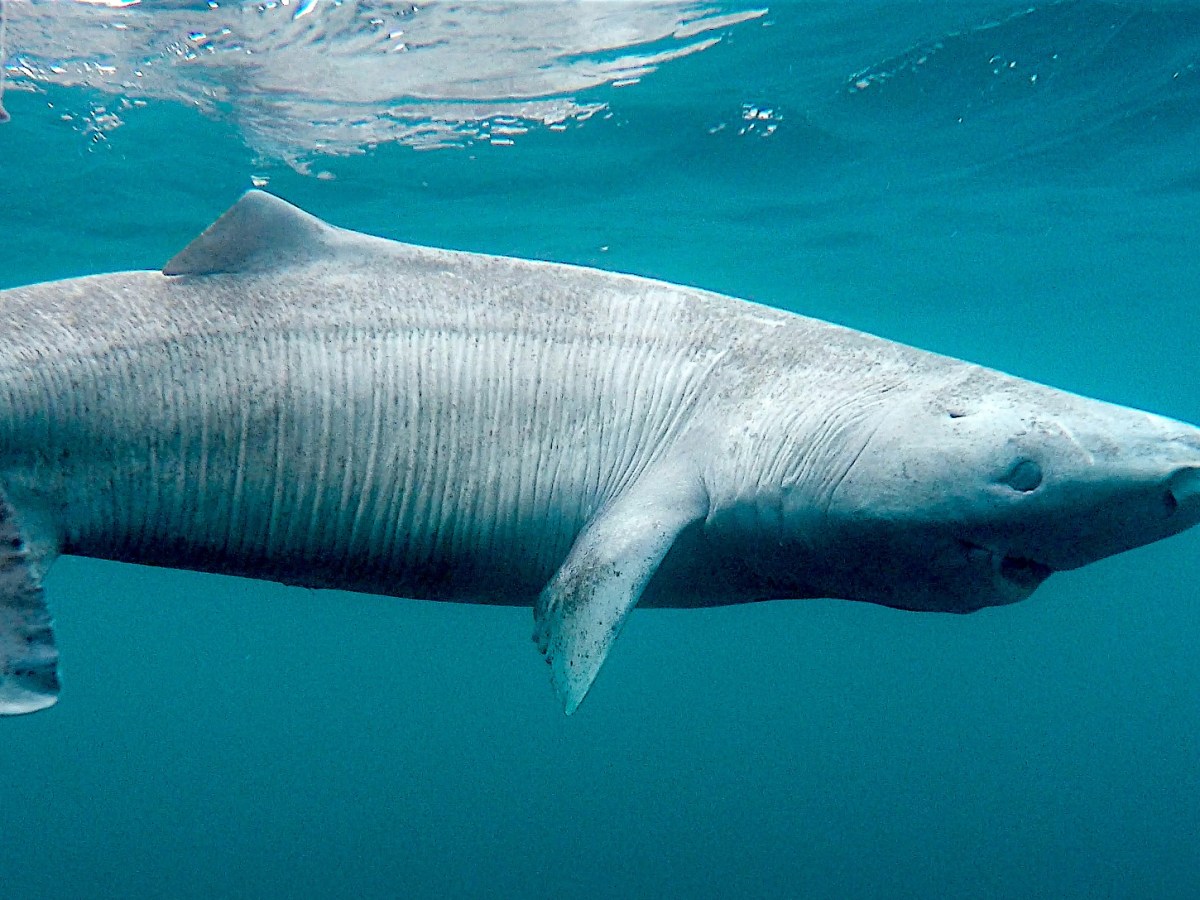
Quite some time ago my colleague and (now former) postdoctoral fellow, Iain Field, and I sat down to examine in gory detail the extent of the threat to global populations of sharks, rays and chimaeras (chondrichthyans). I don’t think we quite realised the mammoth task we had set ourselves. Several years and nearly a hundred pages later, we have finally achieved our goal.

Introducing the new paper in Advances in Marine Biology entitled Susceptibility of sharks, rays and chimaeras to global extinction by Iain Field, Mark Meekan, Rik Buckworth and Corey Bradshaw.

The paper covers the following topics:

  • Chondrichthyan Life Historyangel shark
  • Niche breadth
  • Age and growth
  • Reproduction and survival
  • Past and Present Threats
  • Fishing
  • Beach meshing
  • Habitat loss
  • Pollution and non-indigenous species
  • Chondrichthyan Extinction Risk
  • Drivers of threat risk in chondrichthyans and teleosts
  • Global distribution of threatened chondrichthyan taxa
  • Ecological, life history and human-relationship attributes
  • Threat risk analysis
  • Relative threat risk of chondrichthyans and teleosts
  • Implications of Chondrichthyan Species Loss on Ecosystem Structure, Function and Stability
  • Ecosystem roles of predators
  • Predator loss in the marine realm
  • Ecosystem roles of chondrichthyans
  • Synthesis and Knowledge Gaps
  • Role of fisheries in future chondrichthyan extinctions
  • Climate change
  • Extinction synergies
  • Research needs

common skateAs mentioned, quite a long analysis of the state of sharks worldwide. Bottom line? Well, as most of you might already know sharks aren’t doing too well worldwide, with around 52 % listed on the IUCN’s Red List of Threatened Species. This compares interestingly to bony fishes (teleosts) that, although having only 8 % of all species Red-Listed, are generally in higher-threat Red List categories. We found that body size (positively) and geographic range (negatively) correlated with threat risk in both groups, but Red-Listed bony fishes were still more likely to be categorised as threatened after controlling for these effects.

blue sharkIn some ways this sort of goes against the notion that sharks are inherently more extinction-prone than other fish – a common motherhood statement seen at the beginning of almost all papers dealing with shark threats. What it does say though is that because sharks are on average larger and less fecund than your average fish, they tend to bounce back from declines more slowly, so they are more susceptible to rapid environmental change than your average fish. Guess what? We’re changing the environment pretty rapidly.

We also determined the spatial distribution of threat, and found that Red-Listed species are clustered mainly in (1) south-eastern South America; (2) western Europe and the Mediterranean; (3) western Africa; (4) South China Sea and South East Asia and (5) south-eastern Australia.

shark market, Indonesia

© W. White

Now, what are the implications for the loss of these species? As I’ve blogged recently, the reduction in predators in general can be a bad thing for ecosystems, and sharks are probably some of the best examples of ecosystem structural engineers we know (i.e., eating herbivores; ‘controlling’ prey densities, etc.). So, we should be worried when sharks start to disappear. One thing we also discovered is that we still have a rudimentary understanding of how climate change will affect sharks, the ways in which they structure ecosystems, and how they respond to coastal development. Suffice it to say though that generally speaking, things are not rosy if you’re a shark.

We end off with a recommendation we’ve been promoting elsewhere – we should be managing populations using the minimum viable population (MVP) size concept. Making sure that there are a lot of large, well-connected populations around will be the best insurance against extinction.

CJA Bradshaw

Add to FacebookAdd to NewsvineAdd to DiggAdd to Del.icio.usAdd to StumbleuponAdd to RedditAdd to BlinklistAdd to Ma.gnoliaAdd to TechnoratiAdd to Furl

ResearchBlogging.orgI.C. Field, M.G. Meekan, R.C. Buckworth, & C.J.A. Bradshaw (2009). Susceptibility of Sharks, Rays and Chimaeras to Global Extinction Advances in Marine Biology, 56, 275-363 : 10.1016/S0065-2881(09)56004-X


Life and death on Earth: the Cronus hypothesis

13 10 2009
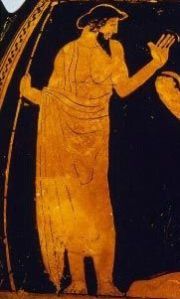
Cronus

Cronus

Bit of a strange one for you today, but here’s a post I hope you’ll enjoy.

My colleague, Barry Brook, and I recently published a paper in the very new and perhaps controversial online journal , the Journal of Cosmology. Cosmology? According to the journal, ‘cosmology’ is:

“the study and understanding of existence in its totality, encompassing the infinite and eternal, and the origins and evolution of the cosmos, galaxies, stars, planets, earth, life, woman and man”.

The journal publishes papers dealing with ‘cosmology’ and is a vehicle for those who wish to publish on subjects devoted to the study of existence in its totality.

Ok. Quite an aim.

Our paper is part of the November (second ever) issue of the journal entitled Asteroids, Meteors, Comets, Climate and Mass Extinctions, and because we were the first to submit, we managed to secure the first paper in the issue.

Our paper, entitled The Cronus hypothesis – extinction as a necessary and dynamic balance to evolutionary diversification, introduces a new idea in the quest to find that perfect analogy for understanding the mechanisms dictating how life on our planet has waxed and waned over the billions of years since it first appeared.

Gaia

Gaia

In the 1960s, James Lovelock conceived the novel idea of Gaia – that the Earth functions like a single, self-regulating organism where life itself interacts with the physical environment to maintain conditions favourable for life (Gaia was the ancient Greeks’ Earth mother goddess). Embraced, contested, denounced and recently re-invigorated, the idea has evolved substantially since it first appeared. More recently (this year, in fact), Peter Ward countered the Gaia hypothesis with his own Greek metaphor – the Medea hypothesis. Essentially this view holds that life instead ‘seeks’ to destroy itself in an anti-Gaia manner (Medea was the siblicidal wife of Jason of the Argonauts). Ward described his Medea hypothesis as “Gaia’s evil twin”.

One can marvel at the incredible diversity of life on Earth (e.g., conservatively, > 4 million protists, 16600 protozoa, 75000-300000 helminth parasites, 1.5 million fungi, 320000 plants, 4-6 million arthropods, > 6500 amphibians, 10000 birds and > 5000 mammals) and wonder that there might be something in the ‘life makes it easier for life’ idea underlying Gaia. However, when one considers that over 99 % of all species that have ever existed are today extinct, then a Medea perspective might dominate.

Medea

Medea

Enter Cronus. Here we posit a new way of looking at the tumultuous history of life and death on Earth that effectively relegates Gaia and Medea to opposite ends of a spectrum. Cronus (patricidal son of Gaia overthrown by his own son, Zeus, and banished to Hades) treats speciation and extinction as birth and death in a ‘metapopulation’ of species assemblages split into biogeographic realms. Catastrophic extinction events can be brought about via species engineering their surroundings by passively modifying the delicate balance of oxygen, carbon dioxide and methane – indeed, humans might be the next species to fall victim to our own Medean tendencies. But extinction opens up new niches that eventually elicit speciation, and under conditions of relative environmental stability, specialists evolve because they are (at least temporarily) competitive under those conditions. When conditions change again, extinction ensues because not all can adapt quickly enough. Just as all individuals born in a population must eventually die, extinction is a necessary termination.

We think the Cronus metaphor has a lot of advantages over Gaia and Medea. The notion of a community of species as a population of selfish individuals retains the Darwinian view of contestation; self-regulation in Cronus occurs naturally as a result of extinction modifying the course of future evolution. Cronus also makes existing mathematical tools developed for metapopulation theory amenable to broader lines of inquiry.

For example, species as individuals with particular ‘mortality’ (extinction) rates, and lineages with particular ‘birth’ (speciation) rates, could interact and disperse among ‘habitats’ (biogeographical realms). ‘Density’ feedback could be represented as competitive exclusion or symbioses. As species dwindle, feedbacks such as reduced community resilience that further exacerbate extinction risk (Medea-like phase), and stochastic fluctuation around a ‘carrying capacity’ (niche saturation) arising when environmental conditions are relatively stable is the Gaia-like phase. Our Cronus framework is also scale-invariant – it could be applied to microbial diversity on another organism right up to inter-planetary exchange of life (panspermia).

What’s the relevance to conservation? We’re struggling to prevent extinction, so understanding how it works is an essential first step. Without the realisation that extinction is necessary (albeit, at rates preferably slower than they are currently), we cannot properly implement conservation triage, i.e., where do we invest in conservation and why?

We had fun with this, and I hope you enjoy it too.

CJA Bradshaw

ResearchBlogging.orgBradshaw, C.J.A., & Brook, B.W. (2009). The Cronus Hypothesis – extinction as a necessary and dynamic balance to evolutionary diversification Journal of Cosmology, 2, 201-209 Other: http://journalofcosmology.com/Extinction100.html

Add to FacebookAdd to NewsvineAdd to DiggAdd to Del.icio.usAdd to StumbleuponAdd to RedditAdd to BlinklistAdd to Ma.gnoliaAdd to TechnoratiAdd to Furl


Coming to grips with the buffalo problem

7 09 2009

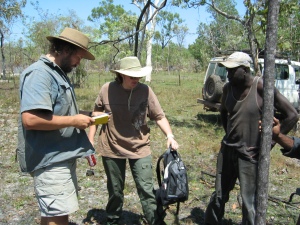
Clive McMahon (left) & colleaguesA good friend and colleague of mine, Dr. Clive McMahon, is visiting Adelaide for the next few weeks from Darwin. We’re attacking a few overdue manuscripts and sampling a few of Adelaide’s better drops of value-added grape juice, so I asked him to do a guest post on ConservationBytes.com about his work. So here it is, something perhaps even few Australians know much about, let alone overseas folks. If you can recall that very strange scene in the film Crocodile Dundee where the old croc hunter casts a gestured spell over a horned beast, then you’ll probably appreciate this post.

Yes, there are plenty of them in northern Australia

Invasive and feral species can be important drivers of biodiversity loss. Australia, like many other isolated islands has developed an ancient, unique and diverse ecosystem. This unique ecosystem has been under extreme pressure ever since humans arrived around 40000-60000 years ago. One of the more damaging and economically important introduced species in Australia is the Asian swamp buffalo (Bubalus bubalis). Ironically, swamp buffalo are listed as Endangered by the IUCN, and current estimates suggest that there are probably less than 4000 in their native habitats in Asia.
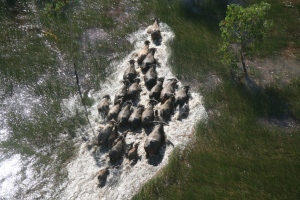
© B. Salu, Kakadu National Park

© B. Salau, Kakadu National Park

The first 16 buffalo were introduced to Australia in 1826 on Melville Island, and then to the mainland at Cobourg Peninsula a year later from Kupang (now West Timor, Indonesia). Another 18 buffalo were obtained from Kisar Island (northeast of modern Timor-Leste) and introduced to the Cobourg. In 1843, another 49 were introduced. When the first Cobourg settlement was abandoned in 1849, all the buffalo were released, and the population spread rapidly throughout the Northern Territory. Over the next 65 years, numbers and distribution increased to an estimated 350000 in the 1960s and 1970s and densities exceeded 25 km-2 in ‘prime’ habitat. However, the population was severely reduced during the 1980s and 1990s in parts of its range under the Brucellosis-Tuberculosis Eradication Campaign (BTEC). Although largely successful in eradicating buffalo from pastoral lands in the short term, there was no ongoing broad-scale management of numbers and the present-day population of free-ranging buffalo has recovered to former densities in some areas.
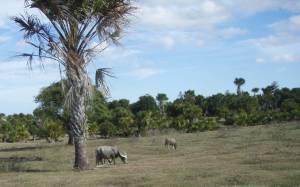
© C. Speed

© C. Speed

Buffalo were then and still are major problem in Australia due mainly to the environmental damage they cause, such as saltwater intrusion of wetlands and trampling of sensitive habitats, their potential threat to Australia’s livestock industry as hosts for disease, and the danger they pose to human safety. Given these ecological, economic and social impacts, there is an urgent need to manage buffalo numbers.

An important step to inform management of introduced and invasive species is to determine the history of introduction and quantify the rate of spread from introduction sites. Contemporary genetic techniques in conjunction with demographic and life history information are useful tools for understanding the dynamics, population structure, biology and colonisation dynamics of plants and animals, including invasive species such as buffalo.

We are currently in the final stages of providing the first detailed analysis of the buffalo population structure (demographic and genetic) to (1) establish the rate and most probable history of spread using detailed genetic information sampled from 8 sub-populations, (2) quantify the genetic distance and mixing rates between populations and (3) describe the age structure and therefore the demographic performance of this very successful invasive species.

Firstly to get an idea of genetic structure and relatedness, we collected a total of 430 small skin biopsies from buffalo across the Northern Territory, representing eight geographically distinct populations. To determine what has made the buffalo such a successful invader it is important to know the survival and breeding performance; we also constructed seven life tables based on culled samples at different densities and in different environments to work out what are the critical components of the population – i.e., where management intervention would be most successful.

As expected from a bottlenecked population, genetic variation is low compared to the that found in swamp buffalo from India and South East Asia. Despite this reduced genetic variation, the Australian population has thrived and spread outwards from introduction sites and into culled sites at high rates over the last 160 years (covering ~ 224 000 km2 in that time).
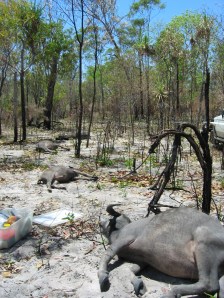
Although buffalo in Australia experienced two major periods of population reduction since their introduction, a small proportion (estimated at ~ 20 %) escaped the BTEC reduction in the eastern part of its north Australian range. BTEC did not operate with uniformity across the entire range of buffalo, concentrating its destocking efforts in a general area from the western coast of the Northern Territory to west of the Mann River in Arnhem Land, and south roughly to Kakadu National Park’s southern border. Coincidently and not surprisingly, it is in this area that we observe most migration activity.

The subpopulation structure detected here suggests that each population, while connected over generational time scales, generally remains in its immediate vicinity over the course of management-tractable periods. Therefore, management aimed at protecting Australia’s lucrative livestock industry trading under Australia’s disease-free status will benefit directly from this knowledge. For example, the localised introduction and subsequent rapid detection of disease could be efficiently managed from local culls because short-term movements of long-distance are less likely. Our results showcase how management of animals for disease control can be effectively informed via genetic studies and so avoid the need for expensive broad-scale intervention.

Our analyses of the age structure of buffalo reveals that buffalo have the capacity to recover swiftly after control because of high survival and fertility rates. Survival in the juvenile age classes was consistently the most important modifier of population growth. In populations where juvenile animals are harvested annually, fertility determined rebound potential. Thus, management aimed at long-term control of densities should focus primarily on the sustained culling of adult females and their offspring.

Given that numbers of buffalo are increasing and that buffalo are extremely well-adapted to the monsoonal tropics (unlike cattle, buffalo can maintain body condition and positive growth during times of food shortages), they are vulnerable to extended periods of harsh conditions. Climate change predictions herald increasing rainfall in the region, thereby potentially reducing the pressure on juvenile survival. As such, buffalo population growth could conceivably increase, making future management much more difficult. In essence, we need a large, evidence-based density reduction programme in place soon to prevent the worst ecological damage to Australia’s sensitive and unique ecosystems.

Check back here for announcements of upcoming publications arising from our work.

Clive McMahon & CJA Bradshaw

Add to FacebookAdd to NewsvineAdd to DiggAdd to Del.icio.usAdd to StumbleuponAdd to RedditAdd to BlinklistAdd to Ma.gnoliaAdd to TechnoratiAdd to Furl


Not-so-scary maths and extinction risk

27 08 2009
© P. Horn

© P. Horn

Population viability analysis (PVA) and its cousin, minimum viable population (MVP) size estimation, are two generic categories for mathematically assessing a population’s risk of extinction under particular environmental scenarios (e.g., harvest regimes, habitat loss, etc.) (a personal plug here, for a good overview of general techniques in mathematical conservation ecology, check out our new chapter entitled ‘The Conservation Biologist’s Toolbox…’ in Sodhi & Ehrlich‘s edited book Conservation Biology for All by Oxford University Press [due out later this year]). A long-standing technique used to estimate extinction risk when the only available data for a population are in the form of population counts (abundance estimates) is the stochastic exponential growth model (SEG). Surprisingly, this little beauty is relatively good at predicting risk even though it doesn’t account for density feedback, age structure, spatial complexity or demographic stochasticity.

So, how does it work? Well, it essentially calculates the mean and variance of the population growth rate, which is just the logarithm of the ratio of an abundance estimate in one year to the abundance estimate in the previous year. These two parameters are then resampled many times to estimate the probability that abundance drops below a certain small threshold (often set arbitrarily low to something like < 50 females, etc.).

It is simple (funny how maths can become so straightforward to some people when you couch them in words rather than mathematical symbols), and rather effective. This is why a lot of people use it to prescribe conservation management interventions. You don’t have to be a modeller to use it (check out Morris & Doak’s book Quantitative Conservation Biology for a good recipe-like description).

But (there’s always a but), a new paper just published online in Conservation Letters by Bruce Kendall entitled The diffusion approximation overestimates extinction risk for count-based PVA questions the robustness when the species of interest breeds seasonally. You see, the diffusion approximation (the method used to estimate that extinction risk described above) generally assumes continuous breeding (i.e., there are always some females producing offspring). Using some very clever mathematics, simulation and a bloody good presentation, Kendall shows quite clearly that the diffusion approximation SEG over-estimates extinction risk when this happens (and it happens frequently in nature). He also offers a new simulation method to get around the problem.

Who cares, apart from some geeky maths types (I include myself in that group)? Well, considering it’s used so frequently, is easy to apply and it has major implications for species threat listings (e.g., IUCN Red List), it’s important we estimate these things as correctly as we can. Kendall shows how several species have already been misclassified for threat risk based on the old technique.

So, once again mathematics has the spotlight. Thanks, Bruce, for demonstrating how sound mathematical science can pave the way for better conservation management.

CJA Bradshaw

Add to FacebookAdd to NewsvineAdd to DiggAdd to Del.icio.usAdd to StumbleuponAdd to RedditAdd to BlinklistAdd to Ma.gnoliaAdd to TechnoratiAdd to Furl