Statistical explainer: average temperature increases can be deceiving

12 05 2015

Beating-the-Heat-Without-PowerOver the years I’ve used a simple graphic from the IPCC 2007 Report to explain to people without a strong background in statistics just why average temperature increases can be deceiving. If you’re not well-versed in probability theory (i.e., most people), it’s perhaps understandable why so few of us appear to be up-in-arms about climate change. I posit that if people had a better appreciation of mathematics, there would be far less inertia in dealing with the problem.

Instead of using the same image, I’ve done up a few basic graphs that explain the concept of why average increases in temperature can be deceiving; in other words, I explain why focussing on the ‘average’ projected increases will not enable you to appreciate the most dangerous aspects of a disrupted climate – the frequency of extreme events. Please forgive me if you find this little explainer too basic – if you have a modicum of probability theory tucked away in your educational past, then this will be of little insight. However, you may wish to use these graphs to explain the problem to others who are less up-to-speed than you.

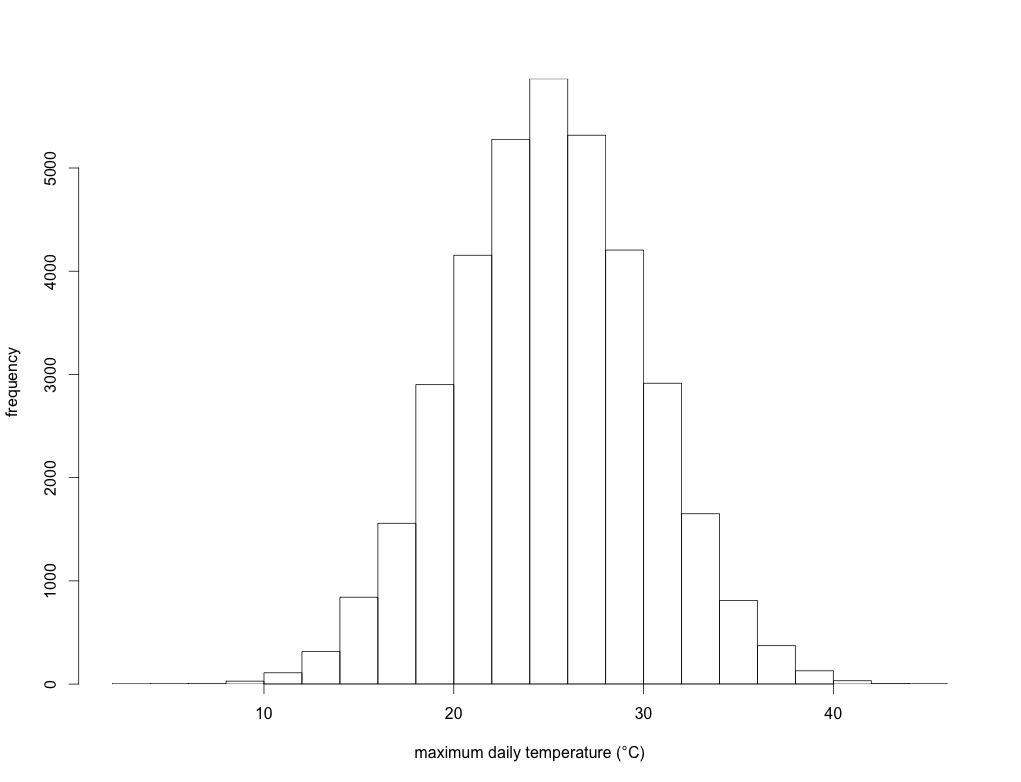
Let’s take, for example, all the maximum daily temperature data from a single location compiled over the last 100 years. We’ll assume for the moment that there has been no upward trend in the data over this time. If you plot the frequency of these temperatures in, say, 2-degree bins over those 100 years, you might get something like this:
ClimateVarFig0.1

This is simply an illustration, but here the long-term annual average temperature is 25 degrees Celsius, and the standard deviation is 5 degrees. In other words, over those 100 years, the average daily maximum temperature is 25 degrees, but there were a few days when the maximum was < 10 degrees, and a few others where it was > 40 degrees. This could represent a lot of different places in the world.

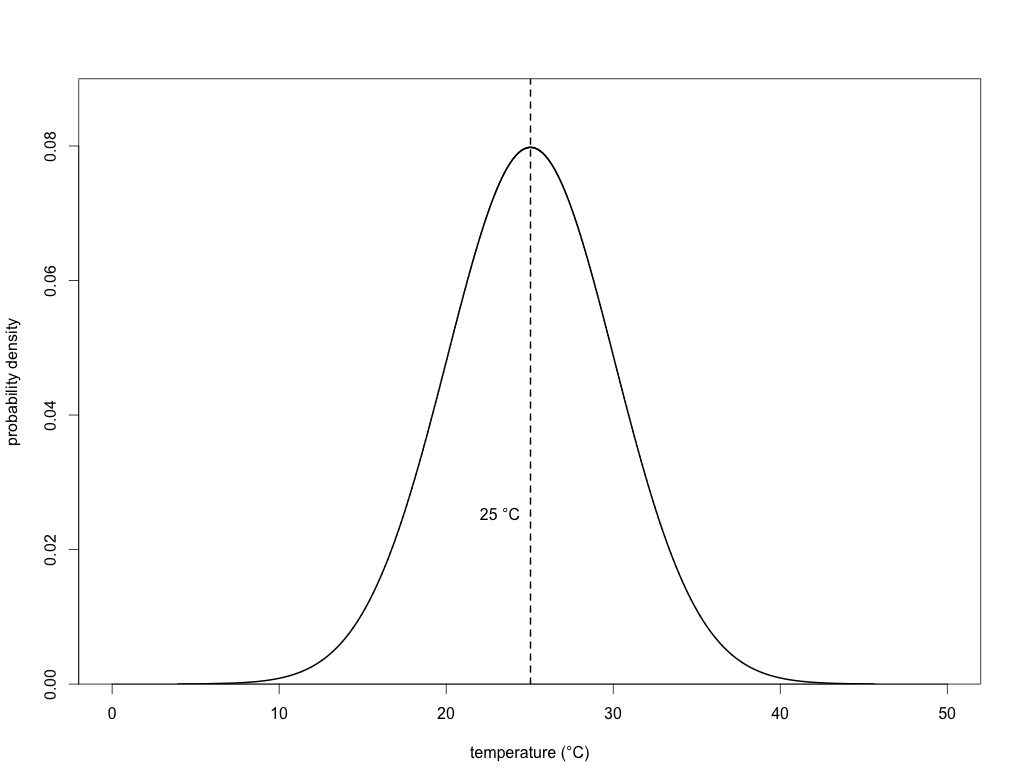
We can now fit what’s known as a ‘probability density function’ to this histogram to obtain a curve of expected probability of any temperature within that range:
ClimateVarFig0.2

If you’ve got some background in statistics, then you’ll know that this is simply a normal (Gaussian) distribution. With this density function, we can now calculate the probability of any particular day’s maximum temperature being above or below any particular threshold we choose. In the case of the mean (25 degrees), we know that exactly half (p = 0.50) of the days will have a maximum temperature below it, and exactly half above it. In other words, this is simply the area under the density function itself (the total area under the entire curve = 1). Read the rest of this entry »



InvaCost – estimating the economic damage of invasive insects

7 11 2014

insectinvasionThis is a blosh (rehash of someone else’s blog post) of Franck Courchamp‘s posts on an exciting new initiative of which I am excited to be a part. Incidentally, Franck’s spending the week here in Adelaide.

Don’t forgot to vote for the project to receive 50 000 € public-communication grant!

Climate change will make winters milder and habitats climatically more suitable year-round for cold-blooded animals like insects, but there are many questions remaining regarding whether such insects will be able to invade other regions as the climate shifts. There are many nasty bugs out there.

For example, the Asian predatory wasp is an invasive hornet in Europe that butchers pollinating insects, especially bees, thereby affecting the production of many wild and cultivated plants. I hope that we all remember what Einstein said about pollinators:

If bees were to disappear, humans will disappear within a few years.

(we all should remember that because it’s one of the few things he said that most of us understood). The highly invasive red fire ant is feared for its impacts on biodiversity, agriculture and cattle breeding, and the thousands of anaphylactic shocks inflicted to people by painful stings every year (with hundreds of deaths). Between the USA and Australia, over US$10 billion is spent yearly on the control of this insect alone. Tiger mosquitoes are vectors of pathogens that cause dengue fever, chikungunya virus and of about 30 other viruses. We could go on.

Most of these nasty creatures are now unable to colonise northern regions of Europe or America, or southern regions of Australia, for example, because they cannot survive cold temperatures. But how will this change? Where, when and which species will invade with rising temperatures? What will be the costs in terms of species loss? In terms of agricultural or forestry loss? In terms of diseases to cattle, domestic animals and humans? What will be the death toll if insects that are vectors of malaria can establish in new, highly populated areas?

We’ve proposed to study these and others from a list of 20 of the worst invasive insect species worldwide, and we got selected (i.e., financed!) by the Fondation BNP Paribas. In addition, the Fondation BNP Paribas has selected five scientific programmes on climate change and will give 50,000 € (that’s US$62,000) to the one selected by the public, for a communication project on their scientific programme. This is why we need you to vote for our project: InvaCost. Read the rest of this entry »


Eye on the taiga

24 03 2014

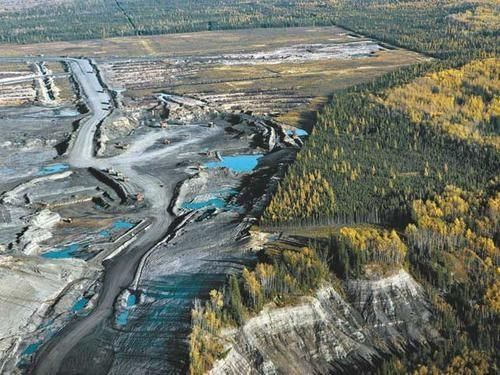
boreal damageDun! Dun, dun, dun! Dun, dun, dun! Dun, dun, daaaaah!

I’ve waited nearly two years to do that, with possibly our best title yet for a peer-reviewed paper: Eye on the taiga: removing global policy impediments to safeguard the boreal forest (recently published online in Conservation Letters).

Of course, the paper has nothing to do with cheesy Eighties music, underdog boxers or even tigers, but it does highlight an important oversight in world carbon politics. The boreal forest (also known as taiga from the Russian) spans much of the land mass of the Northern Hemisphere and represents approximately one quarter of the entire planet’s forests. As a result, this massive forest contains more than 35% of all terrestrially bound carbon (below and above ground). One doesn’t require much more information to come to the conclusion that this massive second lung of the planet (considering the Amazon the first lung) is a vital component of the world’s carbon cycle, and temperate biodiversity.

The boreal forest has been largely expanding since the retreat of the glaciers following the Last Glacial Maximum about 20,000 years ago, which means that its slow progression northward has produced a net carbon sink (i.e., it takes up more atmospheric carbon that it releases from decomposition). However, recent evidence suggests that due to a combination of increased deforestation, fire from both human encroachment and climate change, mass outbreaks of tree-killing insects and permafrost melting, the boreal forest is tipping towards becoming a net carbon source (i.e., emitting more carbon into the atmosphere than it takes up from photosynthesis). This is not a good thing for the world’s carbon cycle, because it means yet another positive feedback that will exacerbate the rapid warming of the planet. Read the rest of this entry »


Shrinking global range projected for the world’s largest fish

7 08 2013
© W. Osborn (AIMS)

© W. Osborn (AIMS)

My recently finished PhD student, Ana Sequeira, has not only just had a superb paper just accepted in Global Change Biology, she’s recently been offered (and accepted) a postdoctoral position based at the University of Western Australia‘s Oceans Institute (in partnership with AIMS and CSIRO). As any supervisor, I’m certainly pleased when a student completes her PhD, but my pride as an academic papa truly soars when she gets her first job. Well done, Ana. This post by Ana is about her latest paper.

Following our previous whale shark work (see herehereherehere, here, here and here), especially the recent review where we inferred global connectivity and suggest possible pathways for their migration, we have now gone a step further and modelled the habitat suitability for the species at at global scale. This paper sets a nice scene regarding current habitat suitability, which also demonstrates the potential connectivity pathways we hypothesised previously. But the paper goes much further; we extend our predictions to a future scenario for 2070 when water temperatures are expected to increase on average by 2 °C.

Sequeira et al_GCB_Figure 3

Global predictions of current seasonal habitat suitability for whale sharks. Black triangles indicate known aggregation locations. Solid line delineates areas where habitat suitability > 0.1 was predicted.

Regarding the current range of whale sharks (i.e., its currently suitable habitat), we already know that whale sharks span latitudes between about 35 º North to South. We also know that this geographical range has been exceeded on several occasions. What we did not know was whether conditions were suitable enough for whale sharks to cross from the Indian Ocean to the Atlantic Ocean – in other words, whether they could travel between ocean basins south of South Africa. Our global model results demonstrate that suitable habitat in this region does exist at least during the summer, thus supporting our hypotheses regarding global connectivity!

It’s true that the extensive dataset we used (30 years’ worth of whale shark sightings collected by tuna purse seiners in the three major oceans – data provided by the IRD, IOTC and SPC) has many caveats (as do all opportunistically collected data), but we went to great trouble to deal with them in this paper (you can request a copy here or access it directly here). And the overall result: the current global habitat suitability for whale sharks does agree well with current locations of whale shark occurrence, with the exception of the Eastern Pacific for where we did not have enough data to validate. Read the rest of this entry »


A carbon economy can help save our species too

20 05 2013

money treeWe sent out this media release the other day, but it had pretty poor pick-up (are people sick of the carbon price wars?). Anyway, I thought it prudent to reprint here on CB.com.

Will Australia’s biodiversity benefit from the new carbon economy designed to reduce greenhouse gas emissions? Or will bio-‘perversities’ win the day?

“Cautious optimism” was the conclusion of Professor Corey Bradshaw, Director of Ecological Modelling at the University of Adelaide’s Environment Institute. He is lead author of a new paper published in the journal of Biological Conservation which reviewed the likely consequences of a carbon economy on conservation of Australian biodiversity.

“In most circumstances these two very important goals for Australia’s future – greenhouse gas emissions reduction and biodiversity conservation – are not mutually exclusive and could even boost each other,” Professor Bradshaw says.

“There are, however, many potential negative biodiversity outcomes if land management is not done with biodiversity in mind from the outset.”

The paper was contributed to by 30 Australian scientists from different backgrounds. They reviewed six areas where Australia’s Carbon Farming Initiative could have the greatest impact on biodiversity: environmental plantings; policies and practices to deal with native regrowth; fire management; agricultural practices; and feral animal control.

“The largest biodiversity ‘bang for our buck’ is likely to come from tree plantings,” says Professor Bradshaw. “But there are some potential and frightening ‘bioperversities’ as well. For example, we need to be careful not to plant just the fastest-growing, simplest and non-native species only to ‘farm’ carbon.

“Carbon plantings will only have real biodiversity value if they comprise appropriate native tree species and provide suitable habitats and resources for valued fauna. Such plantings could however risk severely altering local hydrology and reducing water availability.”

Professor Bradshaw says carefully managing regrowth of once-cleared areas could also produce a large carbon-sequestration and biodiversity benefit simultaneously. And carbon price-based modifications to agriculture that would benefit biodiversity included reductions in tillage frequency, livestock densities and fertiliser use, and retention and regeneration of native shrubs. Read the rest of this entry »


Brave new green world: biodiversity’s response to Australia’s carbon economy

12 03 2013

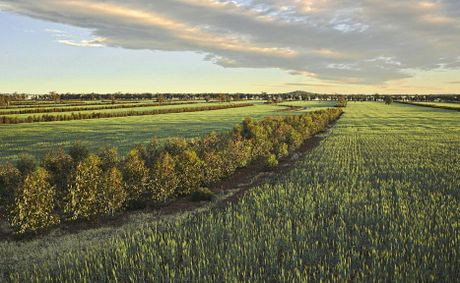
carbon farming 2I’ve had a busy weekend entertaining visiting colleagues and participating in WOMADelaide‘s first-ever ‘The Planet Talks‘. If you haven’t heard of WOMADelaide, you’re truly missing out in one of the best music festivals going (and this is from a decidedly non-festival-going sort). Planet Talks this year was a bit of an experiment after the only partially successful Earth Station festival held last year (it was well-attended, but apparently wasn’t as financially successful as they had hoped). So this year they mixed a bit of science with a bit of music – hence ‘Planet Talks’. Paul Ehrlich was one of the star attractions, and I had the honour of going onstage with him yesterday to discuss a little bit about human population growth and sustainability. It was also great to see Robyn Williams again. All the Talks were packed out – indeed, I was surprised they were so popular, especially in the 39-degree heat. Rob Brookman, WOMADelaide’s founder and principal organiser, told me afterward that they’d definitely be doing it again.

But my post really isn’t about WOMADelaide or The Planet Talks (even though I got the bonus of meeting one of my favourite latin bands, Novalima, creators of one of my favourite songs). It’s instead about a paper I heralded last year that’s finally been accepted.

In early 2012 at the Terrestrial Ecosystem Research Network (TERN) symposium in Adelaide, the Australian Centre for Ecological Analysis and Synthesis (ACEAS) put on what they called the ‘Grand Challenges’ workshop. I really didn’t get the joke at the time, but apparently the ‘grand challenge’ was locking 30 scientists with completely different backgrounds in a room for two days to see if they could do anything other than argue and bullshit. Well, we rose to that challenge and produced something that I think is rather useful.

I therefore proudly introduce the paper entitled Brave new green world: consequences of a carbon economy for the conservation of Australian biodiversity just accepted in Biological Conservation. The online version isn’t quite ready yet (should be in the next few weeks), but you are welcome to request a preprint from me now. If you attended (the surprisingly excellent) TERN symposium in Canberra last month, you might have seen me give a brief synopsis of our results.

The paper is a rather  in-depth review of how we, 30 fire, animal, plant, soil, landscape, agricultural and freshwater biologists, believe Australia’s new carbon-influenced economy (i.e., carbon price) will impact the country’s biodiversity. Read the rest of this entry »


Crying ‘wolf’ overlooks the foxes: challenging ‘planetary tipping points’

28 02 2013

tipping pointToday, a paper by my colleague, Barry Brook, appeared online in Trends in Ecology and Evolution. It’s bound to turn a few heads.

Let’s not get distracted by the title of the post, or the potential for a false controversy. It’s important to be clear that the planet is indeed ill, and it’s largely due to us. Species are going extinct faster than the would have otherwise. The planet’s climate system is being severely disrupted, so is the carbon cycle. Ecosystem services are on the decline.

But – and it’s a big ‘but’ – we have to be wary of claiming the end of the world as we know it or people will shut down and continue blindly with their growth and consumption obsession. We as scientists also have to be extremely careful not to pull concepts and numbers out of our bums without empirical support.

Specifically, I’m referring to the latest ‘craze’ in environmental science writing – the idea of ‘planetary tipping points‘ and the related ‘planetary boundaries‘. It’s really the stuff of Hollywood disaster blockbusters – the world suddenly shifts into a new ‘state’ where some major aspect of how the world functions does an immediate about-face. Read the rest of this entry »


You’re not even remotely concerned enough

31 08 2012

I’ve just returned from a 6-week trip to the United States and I am now dealing with the intensity of things left undone for so long [sigh]. But that trip was interesting for many reasons. First, and as I’ve already posted, I finished a book with Paul Ehrlich that will be out sometime early in 2013 (but I won’t deal with that here). I also attended an interesting, if slightly confusing, conference on ecosystem services. And finally, I had the pleasure of meeting Tony Barnosky in person, and we decided that we should definitely collaborate on a few things.

Another thing that struck me – and this happens no matter how often I visit the U.S., is just how completely insane that country’s politics are. The extremist, libertarian, plutotheocratic bullshit spewed by the far right to the detriment of the very people who support them is enough to make you vomit. And this startling and thoroughly backward world-view is now starting to penetrate more and more into Australian society and politics. From an environmental perspective, it’s a continuation of a downhill slide that started with Reagan’s destruction of environmentalism in the U.S., and Joh Bjelke-Petersen‘s war on the environment in Australia, and will only continue to get worse.

Of course, the main victim of reason in all these polemic politics is that we are doing next to nothing to mitigate horrendous climate disruption. Only yesterday, George Monbiot was lamenting (nay, pleading) that our governments are doing practically nil to avoid what can only be described as the greatest threat to our way of life since the World War II – in fact, the War and its associated holocaust is small bikkies compared to what awaits us.

And this is the most stressing part – even people who choose to use their brains and accept that we have an immense, global problem on our hands generally are not even remotely concerned enough. Read the rest of this entry »


Evolution here and now

17 02 2011

Here’s a guest post from one of my PhD students, Salvador Herrando-Peréz. Salva is working on theoretical aspects of density feedback mechanisms among different species, and is especially eclectic with his interests in biology. Salva regularly contributes to lay natural history magazines, especially in his native tongue Castellano (Spanish), and he is an active member of the Spanish organisation Bioestudios Saganta, a non-profit national organisation fully devoted to scientific research and its popularisation with a focus on biodiversity conservation.

I’ve asked my students to start contributing to ConservationBytes.com, and Salva is leading the charge.

Evolution evokes ideas such as fossils, geological eras and time scales of hundreds of thousands to millions of years. Only recently have we started to appreciate that such ‘macro-evolution’ is the result of accumulated changes in the morphology and genes of species from one generation to the next: days for HIV strands, months for a planktonic rotifer, or years for a poplar.

The Britons Peter and Rose Mary Grant published in 2002 a 30-year study on Darwin’s finches from Daphne Major (Galapagos, Ecuador) – a popular study organism since Charles Darwin’s Origin of species (Grant & Grant 2002). In such a short period of time, covering only six generations of these granivorous birds, several extreme droughts altered the type and abundance of seeds, and potentially triggered the evolution of body size, and beak shape and size, up to three times (Figure 1). The two biologists from Princeton reveal that:

  1. evolution is reversible – generations of finches experiencing overall increase in body and beak sizes can lead to future generations with smaller sizes (of course within limits; a finch will never develop the beak of a stork or a hummingbird), and
  2. phenological shifts across generations are unpredictable in so far as they respond to random climatic fluctuations – should droughts of contrasting intensity have occurred in different years over the study period, beaks and bodies might have evolved in other particular fashions. Read the rest of this entry »


Ecosystem functions breaking down from climate change

17 05 2010

I’m particularly proud to present to ConservationBytes.com readers a new paper we’ve just had published online in Journal of Animal Ecology: Mechanisms driving change: altered species interactions and ecosystem function through global warming (Lochran Traill, Matt Lim, Navjot Sodhi and me).

It wasn’t easy to write a review discussing climate change effects on biodiversity, mainly because so many have been written already and we needed to examine the issue from a fresh perspective. The evidence for single species’ responses to rapidly shifting climates around the world is overwhelming (see for a few thousand examples, see the following: Stenseth et al. 2002; Parmesan et al. 2003, 2006; Roessig et al. 2004; Thomas et al. 2004; Poloczanska et al. 2007; Skelly et al. 2004; Dunn et al. 2009). It’s rather remarkable how many things are moving in response, with reduction in range size being more common than expansion.

However, predicting extinction risk from climate change is far more problematic because traditionally there have been too few data on species interactions to make heads or tails of a particular species’ eventual response (e.g., see comment on Chris Thomas’ famous paper regarding this matter). As systems heat up, some species will change in abundance, thereby affecting the abundance of others (think predators and prey, pollinators and their host plants, etc.) – this whole complicated process combined with single-species’ responses makes predicting what a future ecosystem might look like nearly impossible. Add in all the other ecosystem damage we’ve done from forest clearance, invasive species and over-harvesting, it’s a right mess.

It is for this reason we focussed on reviewing the links between species rather than on the species’ responses per se. We looked specifically at ecosystem function, that is, “the processes that facilitate energy transfer along food webs, and the major processes that allow the cycling of carbon, oxygen and nitrogen. ‘Function’ also includes ecosystem services.” Read the rest of this entry »


Classics: Extinction from Climate Change

22 03 2010

© A. Wong

Amidst the mildly annoying, yet functionally irrelevant sensationalism of climate change politics, conservation biologists are taking the problem seriously and attempting to predict (and prevent) extinctions arising from a rapidly heating planet (see BraveNewClimate.com‘s excellent summary here, as well as his general category of ‘ecological impacts of climate change‘).

This week’s Conservation Classic describes the first high-impact paper to signal just how bad it biodiversity could fare from climate change alone (ignoring, for the moment, synergies with other drivers of extinction).

From about the 1990s onward, conservation biologists had been accumulating a large number of case studies quantifying the extent to which species had shifted in their geographic ranges, phenology and behaviour in response to a rapidly warming planet (Parmesan & Yohe 2003). Read the rest of this entry »



Conservation Biology for All

26 12 2009

A new book that I’m proud to have had a hand in writing is just about to come out with Oxford University Press called Conservation Biology for All. Edited by the venerable Conservation Scholars, Professors Navjot Sodhi (National University of Singapore) and Paul Ehrlich (Stanford University), it’s a powerhouse of some of the world’s leaders in conservation science and application.

The book strives to “…provide cutting-edge but basic conservation science to a global readership”. In short, it’s written to bring the forefront of conservation science to the general public, with OUP promising to make it freely available online within about a year from its release in early 2010 (or so the rumour goes). The main idea here is that those in most need of such a book – the conservationists in developing nations – can access the wealth of information therein without having to sacrifice the village cow to buy it.

I won’t go into any great detail about the book’s contents (mainly because I have yet to receive my own copy and read most of the chapters!), but I have perused early versions of Kevin Gaston‘s excellent chapter on biodiversity, and Tom Brook‘s overview of conservation planning and prioritisation. Our chapter (Chapter 16 by Barry Brook and me), is an overview of statistical and modelling philosophy and application with emphasis on conservation mathematics. It’s by no means a complete treatment, but it’s something we want to develop further down the track. I do hope many people find it useful.

I’ve reproduced the chapter title line-up below, with links to each of the authors websites.

  1. Conservation Biology: Past and Present (C. Meine)
  2. Biodiversity (K. Gaston)
  3. Ecosystem Functions and Services (C. Sekercioglu)
  4. Habitat Destruction: Death of a Thousand Cuts (W. Laurance)
  5. Habitat Fragmentation and Landscape Change (A. Bennett & D. Saunders)
  6. Overharvesting (C. Peres)
  7. Invasive Species (D. Simberloff)
  8. Climate Change (T. Lovejoy)
  9. Fire and Biodiversity (D. Bowman & B. Murphy)
  10. Extinctions and the Practice of Preventing Them (S. Pimm & C. Jenkins)
  11. Conservation Planning and Priorities (T. Brooks)
  12. Endangered Species Management: The US Experience (D. Wilcove)
  13. Conservation in Human-Modified Landscapes (L.P. Koh & T. Gardner)
  14. The Roles of People in Conservation (A. Claus, K. Chan & T. Satterfield)
  15. From Conservation Theory to Practice: Crossing the Divide (M. Rao & J. Ginsberg)
  16. The Conservation Biologist’s Toolbox – Principles for the Design and Analysis of Conservation Studies (C. Bradshaw & B. Brook)

As you can see, it’s a pretty impressive collection of conservation stars and hard-hitting topics. Can’t wait to get my own copy! I will probably blog individual chapters down the track, so stay tuned.

CJA Bradshaw

Add to FacebookAdd to NewsvineAdd to DiggAdd to Del.icio.usAdd to StumbleuponAdd to RedditAdd to BlinklistAdd to Ma.gnoliaAdd to TechnoratiAdd to Furl


Ice: canary in the global coal mine

14 09 2009

An intended pun from James Balog in another classic TED talk. If you thought climate change was merely a prediction from mathematical models, think again. The biodiversity implications are staggering.

“We have a problem of perception… Not enough people really get it yet.” J. Balog

Vodpod videos no longer available.
more about “TED Talks: James Balog: Time-lapse pr…”, posted with vodpod


Realising you’re a drunk is only the first step

11 05 2009

© A. Savchenko

© A. Savchenko

I recently did an interview for the Reef Tank blog about my research, ConservationBytes.com and various opinions about marine conservation in general. I’ve been on about ‘awareness’ raising in biodiversity conservation over the last few weeks (e.g., see last post), saying that it’s really only the first step. To use an analogy, alcoholics must first recognise and accept that they are indeed drunks with a problem before than can take the (infamous AA) steps to resolve it. It’s not unlike biodiversity conservation – I think much of the world is aware that our forests are disappearing, species are going extinct, our oceans are becoming polluted and devoid of fish, our air and soils are degraded to the point where they threaten our very lives, and climate change has and will continue to exacerbate all of these problems for the next few centuries at least (and probably for much longer).

We’ve admitted we have a disease, now let’s do something about it.

Read the full interview here.

CJA Bradshaw

Add to FacebookAdd to NewsvineAdd to DiggAdd to Del.icio.usAdd to StumbleuponAdd to RedditAdd to BlinklistAdd to Ma.gnoliaAdd to TechnoratiAdd to Furl


Band-aid approach to fix ecological and economic ruin

10 04 2009

An excellent article by Andrew Simms (policy director of the New Economics Foundation) posted by the BBC:

It is like having a Commission on Household Renovation agonise over which expensive designer wallpaper to use for papering over plaster cracks whilst ignoring the fact that the walls themselves are collapsing on subsiding foundations.

While most governments’ eyes are on the banking crisis, a much bigger issue – the environmental crisis – is passing them by, says Andrew Simms. In the Green Room this week, he argues that failure to organise a bailout for ecological debt will have dire consequences for humanity.

“Nature Doesn’t Do Bailouts!” said the banner strung across Bishopsgate in the City of London.

Civilisation’s biggest problem was outlined in five words over the entrance to the small, parallel reality of the peaceful climate camp. Their tents bloomed on the morning of 1 April faster than daisies in spring, and faster than the police could stop them.

Across the city, where the world’s most powerful people met simultaneously at the G20 summit, the same problem was almost completely ignored, meriting only a single, afterthought mention in a long communiqué.

World leaders dropped everything to tackle the financial debt crisis that spilled from collapsing banks.

Gripped by a panic so complete, there was no policy dogma too deeply engrained to be dug out and instantly discarded. We went from triumphant, finance-driven free market capitalism, to bank nationalisation and moving the decimal point on industry bailouts quicker than you can say sub-prime mortgage.

But the ecological debt crisis, which threatens much more than pension funds and car manufacturers, is left to languish.

It is like having a Commission on Household Renovation agonise over which expensive designer wallpaper to use for papering over plaster cracks whilst ignoring the fact that the walls themselves are collapsing on subsiding foundations.

Read the rest of this entry »


One more (excellent) reason to conserve tropical forests

26 02 2009

© K. Sloan Brown

© K. Sloan Brown

Another nail in the deforesters’ justification coffin – tropical forests are worth more intact than cut down. This one from Mongabay.com and one for the Potential section:

Undisturbed tropical forests are absorbing nearly a fifth of carbon dioxide released annually by the burning of fossil fuels, according to an analysis of 40 years of data from rainforests in the Central African country of Gabon.

Writing in the journal Nature, Simon Lewis and colleagues report that natural forests are an immense carbon sink, helping slow the rise in atmospheric CO2 levels.

“We are receiving a free subsidy from nature,” said Simon Lewis, a Royal Society research fellow at the University of Leeds. “Tropical forest trees are absorbing about 18% of the CO2 added to the atmosphere each year from burning fossil fuels, substantially buffering the rate of climate change.”

But the good news may not last for long. Other research suggests that as tropical forests fall to loggers, dry out due to rising temperatures, and burn, their capacity to absorb carbon is reduced.

The research, which combined the new data from African rainforests with previously published data from the Americas and Asia, lends support to the idea that old-growth forests are critical to addressing climate change. Recent climate negotiations have included debates on compensating tropical countries for reducing emissions from deforestation and forest degradation (“REDD” or “avoided deforestation”).

“To get an idea of the value of the sink, the removal of nearly 5 billion tonnes of carbon dioxide from the atmosphere by intact tropical forests, based on realistic prices for a tonne of carbon, should be valued at around £13 billion per year,” said study co-author Lee White, Gabon’s Chief Climate Change Scientist. “This is a compelling argument for conserving tropical forests.”

“Predominantly rich polluting countries should be transferring substantial resources to countries with tropical forests to reduce deforestation rates and promote alternative development pathways,” added Lewis.

The new findings show that tropical forests account for roughly half of the 8.5 billion tons of carbon that is sequestered in terrestrial sources each year, the balance is absorbed by soils and other types of vegetation. Another 8.5 billion tons dissolved in oceans, leaving 15 billion of the 32 billion tons emitted by humans each year in the atmosphere. Deforestation accounts for roughly 6 billion tons of greenhouse gas emissions – greater than the emissions from all the world’s planes, ships, trucks, and cars.

Note – the contention by Muller-Landau that the Lewis and colleagues’ findings are not realistic due to ‘regeneration’ demonstrates her ignorance of recent work demonstrating the sequestration aspect of mature forests. But more importantly, this cherry-picked gripe, even if it were plausible, is almost of no consequence. With much of the world’s tropical forests already badly degraded or destroyed, there will inevitably be large areas of regenerating forests for centuries to come (i.e., time periods relevant to climate change projections). We haven’t even managed to reduce the RATE of tropical deforestation, so the opportunities for regeneration will persist, making the Lewis result all the more important. Muller-Landau is known for her unrealistic and anti-conservationist views, so her comments are hardly surprising. My advice – take her opinions with a very large shaker of salt (or better yet, ignore entirely).

CJA Bradshaw


Shifting baselines

19 02 2009

jellyburger

A term first coined by Daniel Pauly (who we’ve previously covered as a Conservation Scholar), and one I could easily classify as a conservation Classic, it essentially describes the way changes to a system are measured against previous baselines, which themselves may represent changes from the original state of the system (definition modified from Wikipedia). Pauly originally meant it in a fisheries context, where “… fisheries scientists sometimes fail to identify the correct “baseline” population size (e.g., how abundant a fish species population was before human exploitation) and thus work with a shifted baseline“.

It’s easily considered a mantra in fisheries (there’s even a dedicated Scienceblog on the topic, and several other fisheries-related websites [e.g., here & here]), but it has been extended to all sorts of other conservation issues.

As it turns out, however, quantifying ‘shifting baselines’ in conservation is rather difficult, and there’s little good evidence in most systems (despite the logic and general acceptance of its ubiquity by conservation scientists). Now Papworth and colleagues have addressed this empirical hole in their new paper entitled Evidence for shifting baseline syndrome in conservation published online recently in Conservation Letters.

Papworth et al. discuss two kinds of shifting baselines: (1) general amnesia (“… individuals setting their perceptions from their own experience, and failing to pass their experience on to future generations”) and (2) personal amnesia (“… individuals updating their own perception of normality; so that even those who experienced different previous conditions believe that current conditions are the same as past conditions”), and they provide three well-quantified examples: (a) perceptions of bushmeat hunters in Gabon, (b) perceptions of bushmeat hunters in Equatorial Guinea and (c) perceptions of bird population trends in the UK.

Although the data have issues, all three cases demonstrate convincing evidence of the shifting baselines syndrome (with the UK example providing an example of both general and personal amnesia). Now, this may all seem rather logical, but I don’t want the reader to underestimate the importance of the Papworth paper – this is really one of the first demonstrations that it is a real problem in vastly different systems (i.e., not just fisheries). I think it’s hard evidence that the issue is a big one and cannot be ignored when presenting historical data for conservation purposes.

Humans inevitably have short memories when it comes to environmental degradation – this essentially means that in most demonstrations of biodiversity decline, it’s probably a lot worse even than the data might suggest. Policy makers take note.

CJA Bradshaw

Add to FacebookAdd to NewsvineAdd to DiggAdd to Del.icio.usAdd to StumbleuponAdd to RedditAdd to BlinklistAdd to Ma.gnoliaAdd to TechnoratiAdd to Furl


Our new Environment Institute: tackling environmental crises

9 12 2008

© T. Hampel

© T. Hampel

It’s official, the University of Adelaide has put in some major investment to get its environmental research specialists together to turns things into high gear. I’m privileged to be a part of the Institute, and I hopefully will be blogging about many of the exciting, topical and revolutionary research coming out this new ‘think tank’ (also, a ‘do tank’) over the coming years.

This report from AdelaideNow:

THE University of Adelaide will bring together experts in water management, climate change, economics, marine research, energy technology and ancient DNA to tackle Australia’s most pressing environmental challenges.

The new Environment Institute will be headed by water policy expert Mike Young who said Australia faced diabolical policy problems in relation to climate change and water resources.

“While climate change is the issue of greatest national importance, it is arguable that water is the issue of most interest to South Australia,” Professor Young said.

“The River Murray, our greatest ecological icon, is under terminal stress and we need to find alternative water sources.

“We should expect the adverse effects of climate change to first be expressed in water.”

Professor Young said research was needed to help reduce Australia’s carbon footprint, to restore and improve native habitats and restructure agricultural systems.

“Many of these issues have been dealt with in isolation in the past but this is no longer an option,” he said.

“All are linked and must be dealt with in a holistic and co-ordinated way.”

Also involved in the institute will be the university’s climate change expert Barry Brook and conservationist David Paton.

University vice-chancellor James McWha said all of the institute’s researchers had an outstanding track record and were internationally recognised in their fields.

“Collectively, they have been growing their research at a phenomenal rate over the past five years and they will play a critical role in building the state’s reputation as a global leader in environmental research,” Professor McWha said.


Addressing biodiversity decline at home

30 11 2008

© CJA Bradshaw

© CJA Bradshaw

I was recently invited to sit on a panel organised by the Conservation Council of South Australia (CCSA) to discuss issues of marine and coastal conservation under a rapidly changing climate. The results of that will be released soon (I’ll blog about that later), but in the interim, I want to highlight to readers of ConservationBytes.com how the CCSA is setting up the challenge to local governments to implement positive steps forward for the conservation of biodiversity in South Australia. I’m reproducing the executive summary of their Summit Report on Biodiversity in a Changing Climate (download full report here). It’s a good example of how we can all (industry, government, academia) work together to promote our own well-being.

…South Australia’s biodiversity is declining at an alarming rate. It has been suggested by scientists that it will take many millions of years for biodiversity to recover from the impacts of humans over the last 200 years. In South Australia the key threat to biodiversity is land clearance; clearance of remnant native vegetation and subsequent fragmentation of habitat for native fauna species. Other key threats to biodiversity in South Australia include:

  • Habitat fragmentation from development
  • Competition from introduced flora
  • Predation by introduced animals
  • Direct competition for food, shelter and resources from introduced fauna
  • Introduced diseases
  • Collection of firewood from remnant vegetation
  • Altered fire regimes
  • Inappropriate grazing/overgrazing
  • Inappropriate management activities
  • Water extraction/pollution
  • Climate change – including increasing oceanic temperatures and acidification

Much of South Australia’s economy is based on the use of biological resources and the need to maintain ecosystem services. This includes activities such as tourism and recreation, nature conservation, pastoralism, agriculture, horticulture, and forestry which all benefit from healthy ecosystems.

Our primary production systems require biodiversity for pest control/management, soil conservation, enhanced productivity and stabilisation, pollination, salinity amelioration, and water purification.

To address and reverse current biodiversity trends our society must recognise, understand and value biodiversity. Land managers, indigenous communities, local industries, government and the broader community may value biodiversity in different ways, however conservation and effective management of biodiversity is essential to ensure the continuation of these values for future generations. Biodiversity values may include:

  • Production value for the provision of food, medicines, clothing and building materials consumed by society
  • Ecosystem services for the maintenance of ecosystem services (natural storing and cycling of nutrients, stabilising soil formation, protection of water resources and breakdown of pollution), and maintenance of biodiversity
  • Socio-economic value for recreation, research, education and monitoring, and cultural values
  • Future value to maintain the capacity to identify future direct or indirect utilitarian value

The South Australian government has recognised the significance of biodiversity through integrated approaches such as the National Strategy for the Conservation of Australia’s Biological Diversity, a joint initiative of the Commonwealth and State and Territory governments. This strategy supports other intergovernmental agreements, such as the National Strategy for Ecologically Sustainable Development, the National Greenhouse Strategy, the National Forest Policy Statement, the Decade of Landcare Plan, the Wetlands Policy of the Commonwealth Government of Australia, the Inter-Governmental Agreement on the Environment, the Natural Heritage Trust Partnership Agreements and the National Framework for the Management and Monitoring of Australia’s Native Vegetation.

The South Australian government has also implemented its own biodiversity focused strategies including No Species Loss, NatureLinks, Tackling Climate Change, and the State Strategic Plan. Regional biodiversity plans are being facilitated to assist in the management and rehabilitation of natural habitats throughout regions of the state.

However, despite the government’s recognition of biodiversity as a serious issue, South Australia’s biodiversity continues to decline at an alarming rate. Actions for conservation, management and awareness raising must be backed by political will and be targeted and supported financially.

Investing in biodiversity is essential to maintaining ecosystems services and in turn to provide dividends to human health and wellbeing. Policies and regulations must ensure all stakeholders are accountable for their environmental footprint and role in implementing change for the future protection of our state’s biodiversity. The aim of this report is to provide policy recommendations to increase the effectiveness of biodiversity conservation in South Australia’s changing climate…

to view the Report’s recommendations, read on… Read the rest of this entry »



Throw another roo on the barbie

21 11 2008

Following a previous post on ConservationBytes.com extolling the environmental virtues of eating more kangaroo and less beef (Beef is Bad; Skippy is Better), here’s an article from the Melbourne Age by David Sutherland (reproduced below):

LAST week only one of my five local butchers could sell me kangaroo. And that was frozen, not fresh. One said he occasionally got it in if people requested it. Another directed me to a butcher several suburbs away. Another said he didn’t sell roo because they moved too fast and he couldn’t catch them.

The only roo meat I could buy fresh within five kilometres of home was at a Coles supermarket. Supplied by South Australian game meat wholesaler Macro Meats, it was packed like any other supermarket meat. The difference was the spiel written on the back of the container.

It detailed the health and environmental advantages of eating kangaroo meat, including the fact that kangaroos produce lower levels of greenhouse gases than cattle and sheep.

In Professor Ross Garnaut’s final report on tackling climate change, he said that the carbon benefits of eating kangaroo meat could be one of Australia’s great contributions to the global problem.

But it would seem that producers believe consumers are reluctant to eat kangaroo and need to be convinced otherwise. Could it be the “skippy syndrome” – a dread of munching on a national emblem? Or a lasting stigma from the days when roo was considered dirty and only fit for pet food? Regardless, there’s no doubt kangaroo as a food continues to battle an image problem in some quarters.

Interesting then that, according to recent government figures, roo meat is experiencing steady growth. A national report, Consumer Attitudes to Kangaroo Meat Products by the Rural Industries Research and Development Corporation, released in February, found that 58.5% of respondents had tried kangaroo meat and that men were more likely to consume it than women. Sales of roo meat through Coles have increased by 9% over the past financial year.

It’s largely home cooks who are driving the boom.

Paula Mauriks runs Auscroc, a game meat wholesaler based in Melbourne. When she started the business 10 years ago, kangaroo made up a tiny proportion of her business. But five years later it started to take off, and in the past 18 months Mauriks says sales have tripled, mainly due to roo’s popularity in home kitchens.

“We used to sell more to restaurants, but now wholesale has taken over as the biggest market,” she says. “New butchers, chicken shops and other specialist meat retailers are coming to us all the time looking to source kangaroo meat.”

Mauriks believes people’s increased willingness to try new foods has contributed to improved sales for kangaroo meat products.

“Most people know by now that kangaroo is low in fat and high in iron, and quite a few of those are willing to see if they like the taste,” she says. “Then it becomes a matter of educating people how best to cook it so they enjoy it and come back for more.”

Kangaroo Cookin’ (Wakefield Press), a cookbook comprised solely of recipes using kangaroo meat, was the first kangaroo cookbook. From soups and pastas to char grills, stir-fries and one-pot dishes, the 88 recipes in this deliberately down-to-earth book illustrate the versatility of this often-underrated meat.

Gary Hunt and his wife Janine have been selling kangaroo meat from the Chicken Pantry at Queen Victoria Market for almost 12 years. Their pepper-marinated kangaroo has always been the strongest seller in their roo range, but in the past couple of years other products and cuts have started to take off.

“We’ve noticed lots of people buying kangaroo who are advised by their doctors to lower their fat intake or increase their levels of iron,” says Hunt. “Many more women are buying it these days.”

Mornington Peninsula butcher Greg Goss, from Greg’s Family Gourmet Butchers, has been selling meat for more than 40 years and has noticed the recent interest in kangaroo meat.

“Two years ago we did well to sell 5 kilos in a month,” he says. “Now we’re probably selling 100 kilos in that same time.”

Goss sees sales of roo meat increase in spring, summer and autumn, and spike as fine weekends loom, which he puts down to the lure of outdoor cooking.

“Kangaroo comes up beautifully on the barbie,” he says, “seared on the outside and pink on the inside.”

Here’s hoping some of my local butchers read the market too, and order in some fresh for this weekend.