Massive yet grossly underestimated global costs of invasive insects

4 10 2016
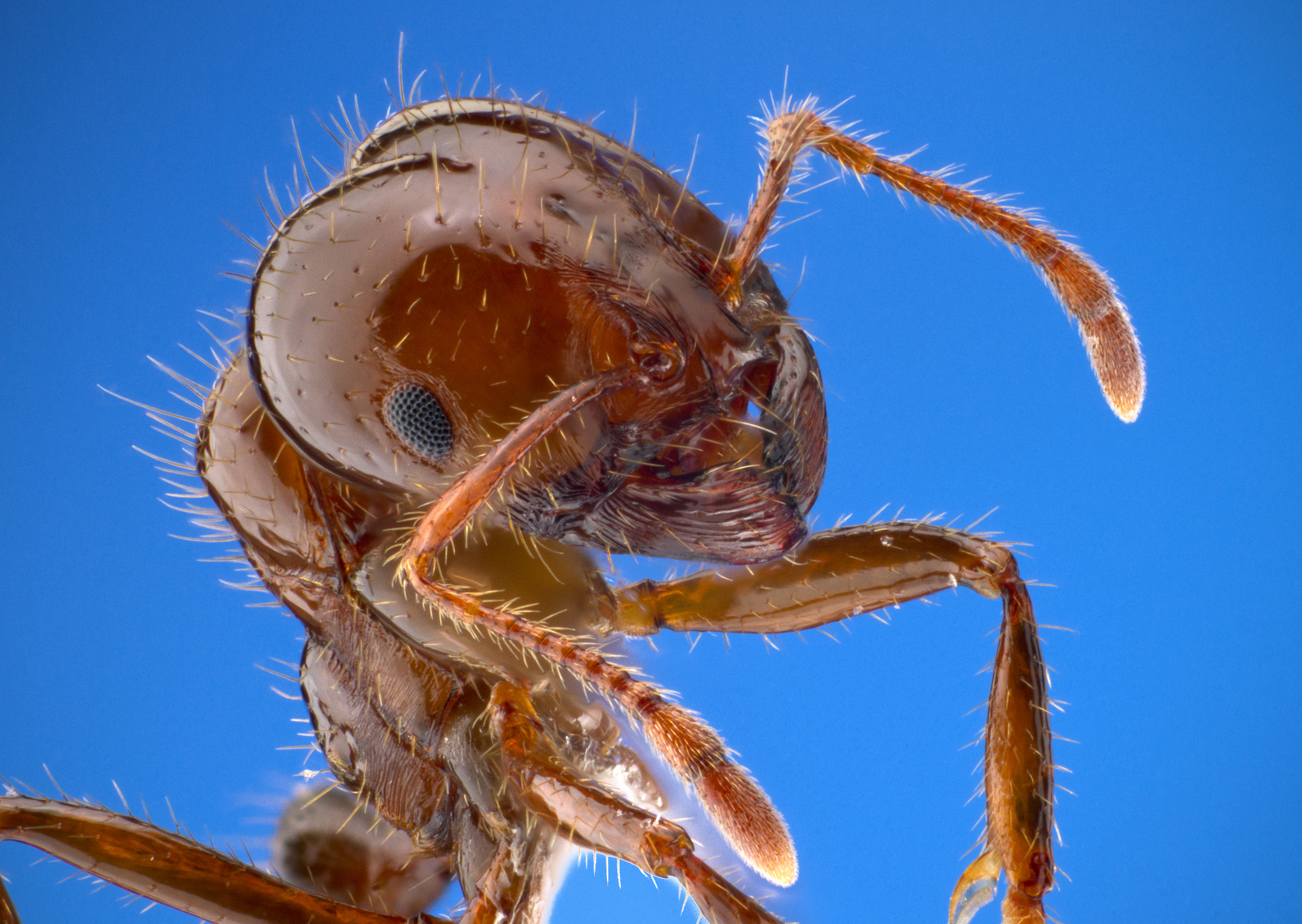
Portrait of a red imported fire ant, Solenopsis invicta. This species arrived to the southeastern United States from South America in the 1930s. Specimen from Brackenridge Field Laboratory, Austin, Texas, USA. Public domain image by Alex Wild, produced by the University of Texas "Insects Unlocked" program.

Portrait of a red imported fire ant Solenopsis invicta. This species arrived to the southeastern USA from South America in the 1930s. Specimen from Brackenridge Field Laboratory, Austin, Texas, USA. Public domain image by Alex Wild, produced by the University of Texas “Insects Unlocked” program.

As many of you already know, I spent a good deal of time in France last year basking in the hospitality of Franck Courchamp and his vibrant Systematic Ecology & Evolution lab at Université Paris-Sud. Of course, I had a wonderful time and was sad to leave in the end, but now I have some hard evidence that I wasn’t just eating cheese and visiting castles. I was actually doing some pretty cool science too.

Financed by BNP-Paribas and Agence Nationale de Recherche, the project InvaCost was designed to look at the global impact of invasive insects, including projections of range dynamics under climate change and shifting trade patterns. The first of hopefully many papers is now out.

Just published in Nature Communications, I am proud that many months of hard work by a brilliant team of ecologists, epidemiologists and economists has culminated in this article entitled Massive yet grossly underestimated costs of invasive insects, which in my opinion is  the first robust analysis of its kind. Despite some previous attempts at estimating the global costs of invasive species1-4 (which have been largely exposed as guesswork and fantasy5-10), our paper rigorously treats the economic cost estimates and categorises them into ‘reproducible’ and ‘irreproducible’ categories.
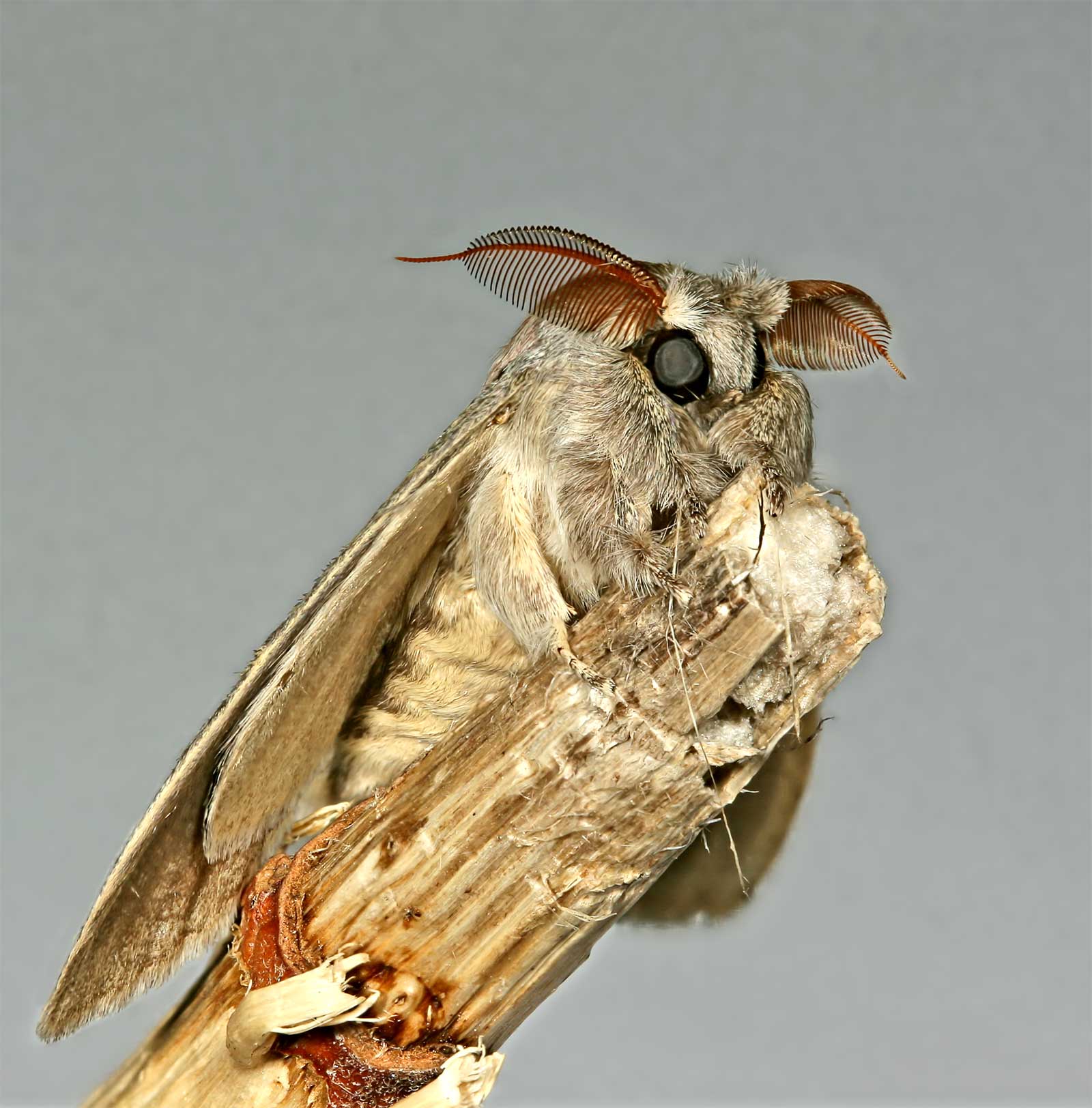
Lymantria

Gypsy moth (Lymantria dispar) adult. Dimitri Geystor (France)

What we found was sobering. If we look at just ‘goods and services’ affected by invasive insects, the annual global costs run at about US$70 billion. These include agricultural, forestry and infrastructure damages, as well as many of the direct costs of clean-up and eradication, and the indirect costs of prevention. When you examine that number a little more closely and only include the ‘reproducible’ studies, the total annual costs dip to about US$25 billion, meaning that almost 65% of the costs recorded are without any real empirical support. Scary, especially considering how much credence people put on previously published global ‘estimates’ (for example, see some citation statistics here).
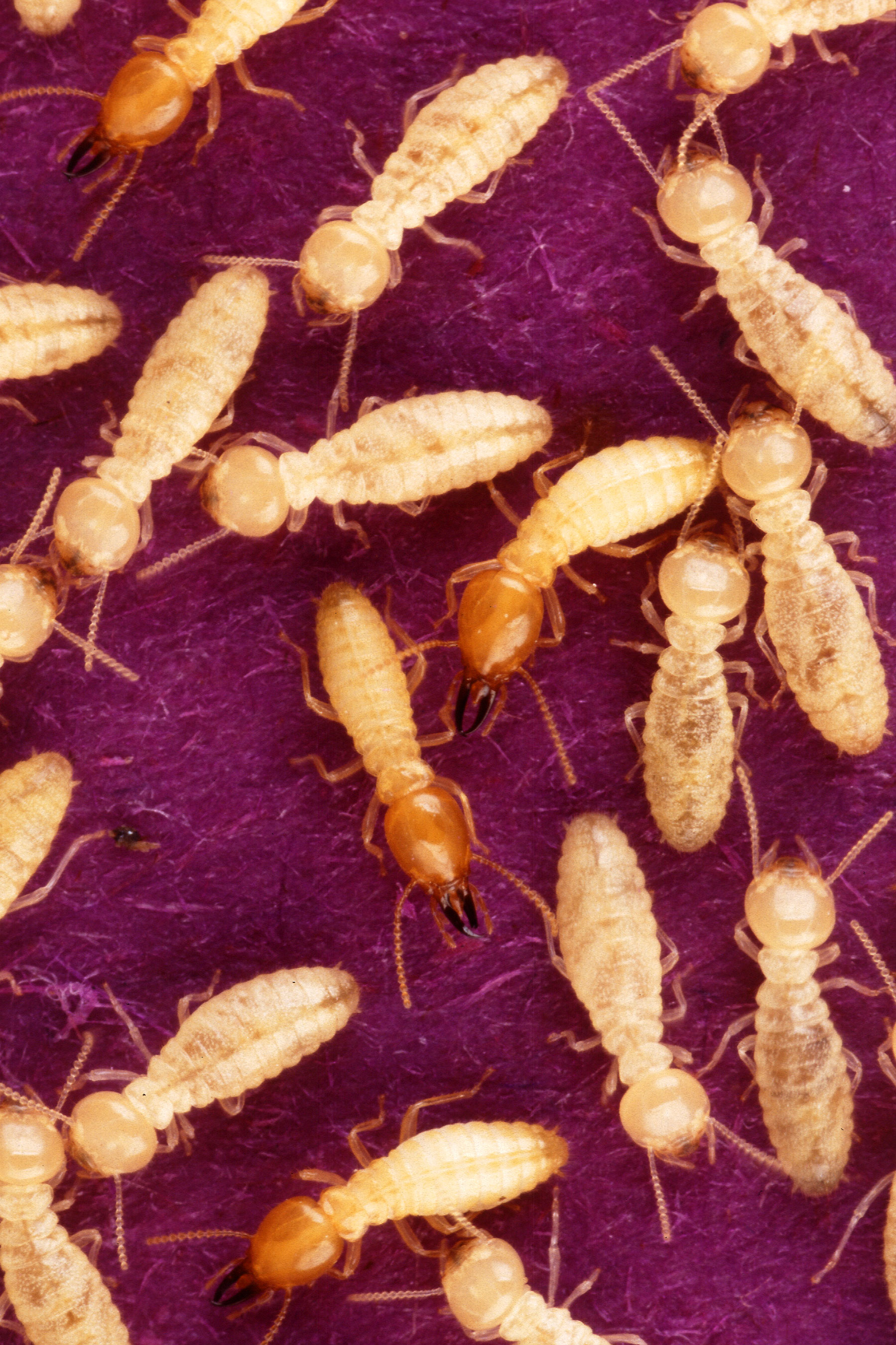
Coptotermes_formosanus

Formosan subterranean termite Coptotermes formosanus by Scott Bauer, US Department of Agriculture, Agricultural Research Service

There’s a great example to illustrate this. If you take it at face value, the most expensive invasive insect in the world is the Formosan subterranean termite Coptotermes formosanus estimated at US$30.2 billion/yr globally. However, that irreproducible estimate is based on a single non-sourced value of US$2.2 billion per year for the USA, a personal communication supporting a ratio of 1:4 of control:repair costs in a single US city (New Orleans), and an unvalidated assumption that the US costs represent 50% of the global total.
Read the rest of this entry »


Cartoon guide to biodiversity loss XXXVIII

25 08 2016

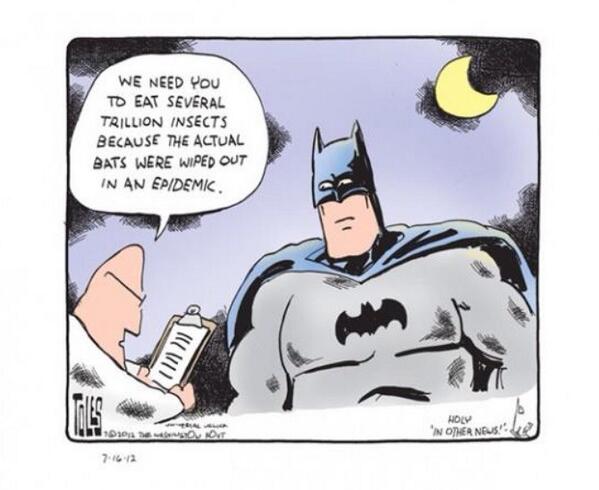
Another six biodiversity cartoons for your midday chuckle & groan. There’s even one in there that takes the mickey out of some of my own research (see if you can figure out which one). See full stock of previous ‘Cartoon guide to biodiversity loss’ compendia here.

Read the rest of this entry »


One-two carbon punch of defaunation

30 04 2016

1-2 punchI’ve just read a well-planned and lateral-thinking paper in Nature Communications that I think readers of CB.com ought to appreciate. The study is a simulation of a complex ecosystem service that would be nigh impossible to examine experimentally. Being a self-diagnosed fanatic of simulation studies for just such purposes, I took particular delight in the results.

In many ways, the results of the paper by Osuri and colleagues are intuitive, but that should never be a reason to avoid empirical demonstration of a suspected phenomenon because intuition rarely equals fact. The idea itself is straightforward, but takes more than a few logical steps to describe: Read the rest of this entry »


Higher biodiversity imparts greater disease resistance

12 03 2016

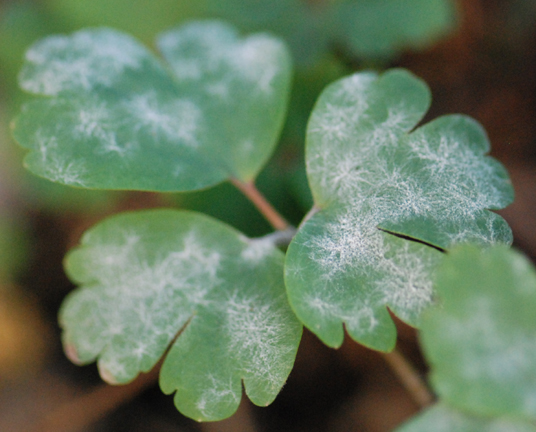
fungal infection

Is biodiversity good for us? In many ways, this is a stupid question because at some point, losing species that we use directly will obviously impact us negatively — think of food crops, pollination and carbon uptake.

But how much can we afford to lose before we notice anything bad is happening? Is the sort of biodiversity erosion we’re seeing today really such a big deal?

One area of research experiencing a surge in popularity is examining how variation in biodiversity (biowealth1) affects the severity of infectious diseases, and it is particularly controversial with respect to the evidence for a direct effect on human pathogens (e.g., see a recent paper here, a critique of it, and a reply).

Controversy surrounding the biodiversity-disease relationship among non-human species is less intense, but there are still arguments about the main mechanisms involved. The amplification hypothesis asserts that a community with more species has a greater pool of potential hosts for pathogens, so pathogens increase as biodiversity increases. On the contrary, the dilution hypothesis asserts that disease prevalence decreases with increasing host species diversity via several possible mechanisms, such as more host species reducing the chance that a given pathogen will ‘encounter’ a suitable host, and that in highly biodiverse communities, an infected individual is less likely to be surrounded by the same species, so the pathogen cannot easily be transmitted to a new host (the so-called transmission interference hypothesis).

So I’ve joined the ecological bandwagon and teamed up yet again with some very clever Chinese collaborators to test these hypotheses in — if I can be so bold to claim — a rather novel and exciting way.

Our new paper was just published online in EcologyWarming and fertilization alter the dilution effect of host diversity on disease severity2. Read the rest of this entry »


Biowealth

24 02 2016

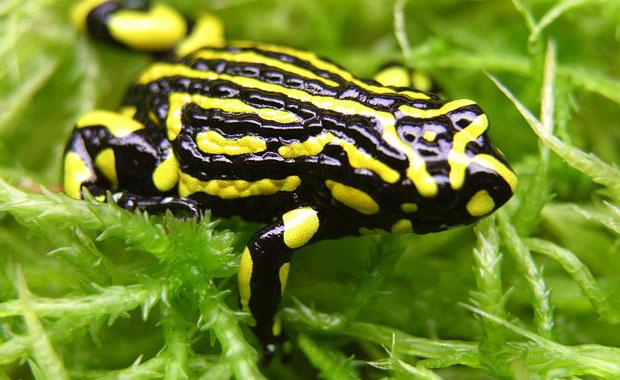
frogWhile I’ve blogged about this before in general terms (here and here), I thought it wise to reproduce the (open-access) chapter of the same name published in late 2013 in the unfortunately rather obscure book The Curious Country produced by the Office of the Chief Scientist of Australia. I think it deserves a little more limelight.

As I stepped off the helicopter’s pontoon and into the swamp’s chest-deep, tepid and opaque water, I experienced for the first time what it must feel like to be some other life form’s dinner. As the helicopter flittered away, the last vestiges of that protective blanket of human technological innovation flew away with it.

Two other similarly susceptible, hairless, clawless and fangless Homo sapiens and I were now in the middle of one of the Northern Territory’s largest swamps at the height of the crocodile-nesting season. We were there to collect crocodile eggs for a local crocodile farm that, ironically, has assisted the amazing recovery of the species since its near-extinction in the 1960s. Removing the commercial incentive to hunt wild crocodiles by flooding the international market with scar-free, farmed skins gave the dwindling population a chance to recover.

redwoodConservation scientists like me rejoice at these rare recoveries, while many of our fellow humans ponder why we want to encourage the proliferation of animals that can easily kill and eat us. The problem is, once people put a value on a species, it is usually consigned to one of two states. It either flourishes as do domestic crops, dogs, cats and livestock, or dwindles towards or to extinction. Consider bison, passenger pigeons, crocodiles and caviar sturgeon.

As a conservation scientist, it’s my job not only to document these declines, but to find ways to prevent them. Through careful measurement and experiments, we provide evidence to support smart policy decisions on land and in the sea. We advise on the best way to protect species in reserves, inform hunters and fishers on how to avoid over-harvesting, and demonstrate the ways in which humans benefit from maintaining healthy ecosystems. Read the rest of this entry »


Bee informed: Quick pollination facts about our most important pollinators

27 11 2015

if we die

If bees were to disappear, humans will disappear within a few years.

Albert Einstein

I find it interesting that so much is said about bees (including here on this blog), yet many of the ‘facts’ that one hears mentioned in any variety of news sources, public presentations and even scientific articles aren’t very well sourced and at times highly suspect.

For your fact-finding benefit then, I present to you some of the established facts about bees: Read the rest of this entry »


How things have (not) changed

13 04 2015

The other night I had the pleasure of dining with the former Australian Democrats leader and senator, Dr John Coulter, at the home of Dr Paul Willis (Director of the Royal Institution of Australia). It was an enlightening evening.

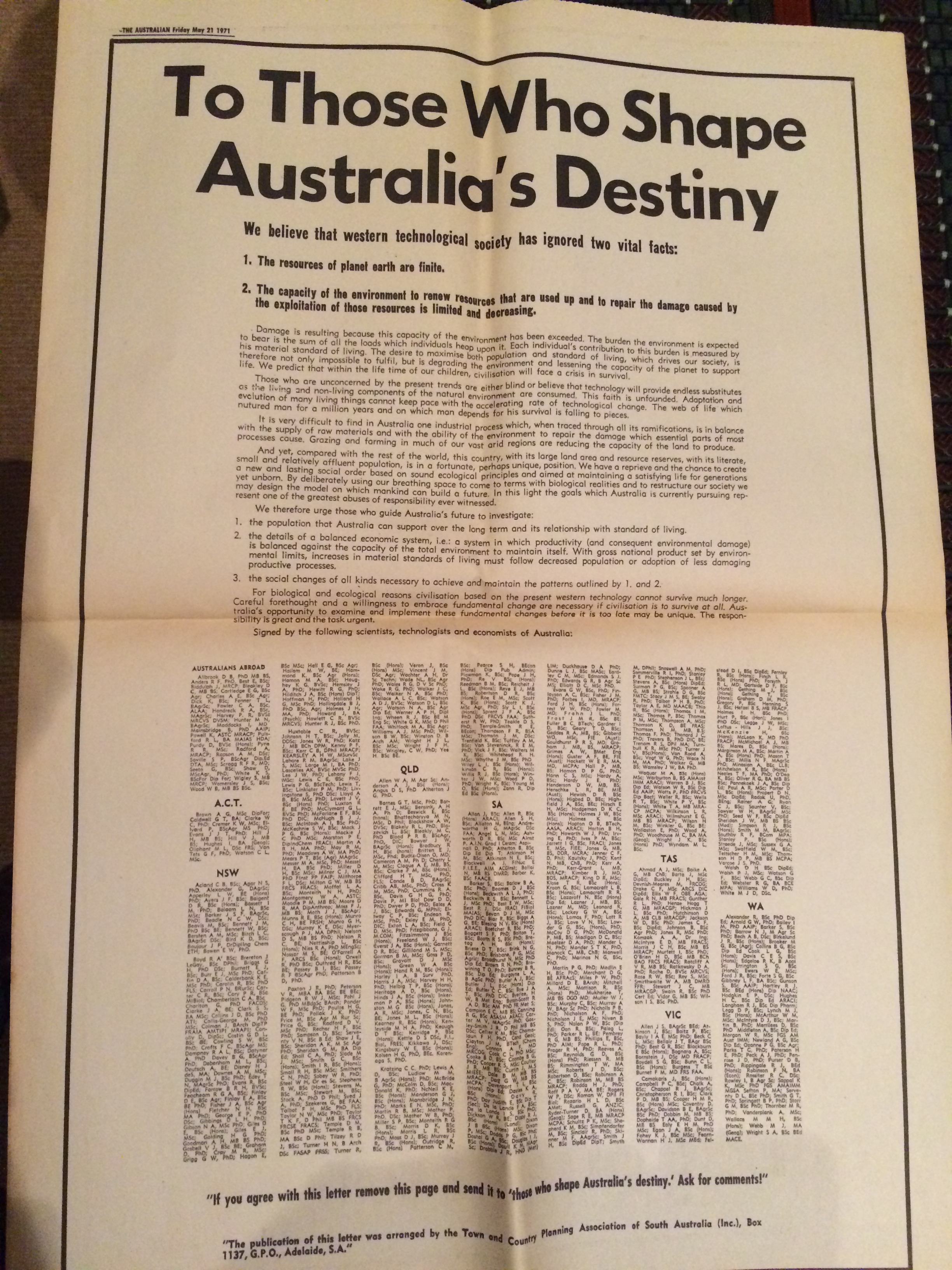
While we discussed many things, the 84 year-old Dr Coulter showed me a rather amazing advert that he and several hundred other scientists, technologists and economists constructed to alert the leaders of Australia that it was heading down the wrong path. It was amazing for three reasons: (i) it was written in 1971, (ii) it was published in The Australian, and (iii) it could have, with a few modifications, been written for today’s Australia.

If you’re an Australian and have even a modicum of environmental understanding, you’ll know that The Australian is a Murdochian rag infamous for its war on science and reason. Even I have had a run-in with its outdated, consumerist and blinkered editorial board. You certainly wouldn’t find an article like Dr Coulter’s in today’s Australian.

More importantly, this 44 year-old article has a lot today that is still relevant. While the language is a little outdated (and sexist), the grammar could use a few updates, and there are some predictions that clearly never came true, it’s telling that scientists and others have been worrying about the same things for quite some time.

In reading the article (reproduced below), one could challenge the authors for being naïve about how society can survive and even prosper despite a declining ecological life-support system. As I once queried Paul Ehrlich about some of his particularly doomerist predictions from over 50 years ago, he politely pointed out that much of what he predicted did, in fact, come true. There are over 1 billion people today that are starving, and another billion or so that are malnourished; combined, this is greater than the entire world population when Paul was born.

So while we might have delayed the crises, we certainly haven’t averted them. Technology does potentially play a positive role, but it can also increase our short-term carrying capacity and buffer the system against shocks. We then tend to ignore the indirect causes of failures like wars, famines and political instability because we do not recognise the real drivers: resource scarcity and ecosystem malfunction.

Australia has yet to learn its lesson.

To Those Who Shape Australia’s Destiny

We believe that western technological society has ignored two vital facts: Read the rest of this entry »


Social and economic value of protected areas

2 03 2015
© P. Crowley/"mokolabs" via Flickr

© P. Crowley/”mokolabs” via Flickr

I’ve just come across an exceptionally important paper published recently in PLoS Biology by a team of venerable conservation biologists led by the eminent Andy Balmford of the University of Cambridge. My first response was ‘Holy shit’, and now that I contemplate the results further, I can now update that sentiment to ‘Holy shit!’.

Most people reading this blog wouldn’t bother questioning the importance of protected areas for the preservation of biodiversity – for them, it’s a given. While the effectiveness of protected areas globally is highly variable in that regard, there’s little contention among conservationists that we do not yet have enough of them to conserve biodiversity effectively, especially in the oceans that cover some 70% of the planet’s surface.

But that justification isn’t good enough for some people – perhaps even the majority. Even our own myopic, anti-environment political bungler Prime Minister has stated publicly that national parks just ‘lock up‘ areas to the exclusion of much more important things like jobs and income generation. He’s even stated that Australia has ‘too many‘ national parks already, and that timber workers are “the ultimate conservationists“. As I type those words, I can feel the bile accumulating in my throat. Read the rest of this entry »


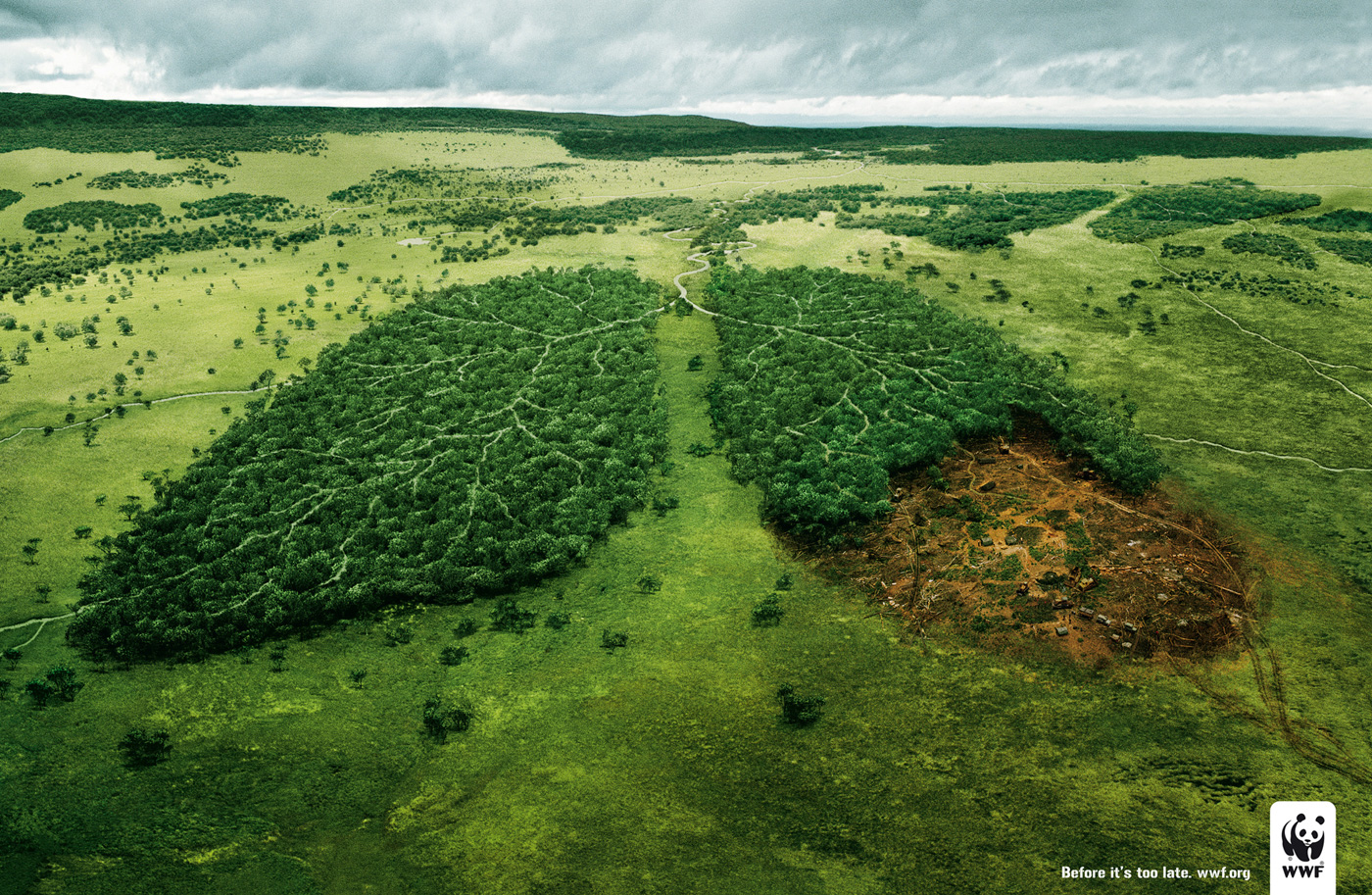
Earth’s second lung has emphysema

19 02 2015
© WWF

© WWF

Many consider forests as the ‘lungs’ of the planet – the idea that trees and other plants take up carbon and produce oxygen (the carbon and oxygen cycles). If we are to be fair though, the oceans store about 93% of the Earth’s carbon pool (excluding the lithosphere and fossil fuels) and oceanic phytoplankton produces between 50 and 80% of the oxygen in the atmosphere. For comparison, the terrestrial biosphere – including forests – stores only about 5% of the Earth’s carbon, and produces most of the remainder of atmospheric oxygen.

So there’s no denying that the biggest player in these cycles is the ocean, but that’s not the topic of today’s post. Instead, I’m going to focus on the terrestrial biosphere, and in particular, the carbon storage and flux of forests.

Now it’s pretty well established that tropical forests are major players in the terrestrial carbon cycle, with the most accepted estimates of about 55% the terrestrial carbon stock stored therein. The extensive boreal forest, covering most of the northern half of North America, most of Scandinavia and a huge chunk of Russia, comes in globally at about 33%, and temperate forests store most of the remainder.

That is, until now. Read the rest of this entry »


The Abbott-oir survives another day to wreak more environmental havoc

9 02 2015

The Great Red UnderpantsTone Abbott-oir, easily the most environmentally destructive Prime Minister this country has seen in the modern era, has survived the party room spill for a leadership change. Although 39% of his own Fiberal Party MPs voted to dump him, he remains standing (limping) – for now.

I’ve seen rather a lot lately in the Australian media about the impending spill vote, and the potential political repercussions of a change (or not), but there’s been nearly no mention of what it all means for the continually degrading Australian environment.

As is typical in Australian politics, the environment takes a very distant back seat to the those oh-so-important societal issues like knighthoods, paid parental leave and where to put the next road in Melbourne, so I certainly wasn’t hopeful that a leadership change (or not) would have any positive environmental outcomes. This particular latte-snorting, quinoa-flavoured-pinot-grigio-in-the-artisanal-underpants-pouring, erect-nipple-paper-rubbing environmental scientist has nothing at all to celebrate, even if the no-confidence in The Great Red Underpants is potentially a positive sign. Read the rest of this entry »


InvaCost – estimating the economic damage of invasive insects

7 11 2014

insectinvasionThis is a blosh (rehash of someone else’s blog post) of Franck Courchamp‘s posts on an exciting new initiative of which I am excited to be a part. Incidentally, Franck’s spending the week here in Adelaide.

Don’t forgot to vote for the project to receive 50 000 € public-communication grant!

Climate change will make winters milder and habitats climatically more suitable year-round for cold-blooded animals like insects, but there are many questions remaining regarding whether such insects will be able to invade other regions as the climate shifts. There are many nasty bugs out there.

For example, the Asian predatory wasp is an invasive hornet in Europe that butchers pollinating insects, especially bees, thereby affecting the production of many wild and cultivated plants. I hope that we all remember what Einstein said about pollinators:

If bees were to disappear, humans will disappear within a few years.

(we all should remember that because it’s one of the few things he said that most of us understood). The highly invasive red fire ant is feared for its impacts on biodiversity, agriculture and cattle breeding, and the thousands of anaphylactic shocks inflicted to people by painful stings every year (with hundreds of deaths). Between the USA and Australia, over US$10 billion is spent yearly on the control of this insect alone. Tiger mosquitoes are vectors of pathogens that cause dengue fever, chikungunya virus and of about 30 other viruses. We could go on.

Most of these nasty creatures are now unable to colonise northern regions of Europe or America, or southern regions of Australia, for example, because they cannot survive cold temperatures. But how will this change? Where, when and which species will invade with rising temperatures? What will be the costs in terms of species loss? In terms of agricultural or forestry loss? In terms of diseases to cattle, domestic animals and humans? What will be the death toll if insects that are vectors of malaria can establish in new, highly populated areas?

We’ve proposed to study these and others from a list of 20 of the worst invasive insect species worldwide, and we got selected (i.e., financed!) by the Fondation BNP Paribas. In addition, the Fondation BNP Paribas has selected five scientific programmes on climate change and will give 50,000 € (that’s US$62,000) to the one selected by the public, for a communication project on their scientific programme. This is why we need you to vote for our project: InvaCost. Read the rest of this entry »


Human population size: speeding cars can’t stop quickly

28 10 2014

Stop breeding cartoon-Steve Bell 1994Here at ConservationBytes.com, I write about pretty much anything that has anything remotely to do with biodiversity’s prospects. Whether it is something to do with ancient processes, community dynamics or the wider effects of human endeavour, anything is fair game. It’s a little strange then that despite cutting my teeth in population biology, I have never before tackled human demography. Well as of today, I have.

The press embargo has just lifted on our (Barry Brook and my) new paper in PNAS where we examine various future scenarios of the human population trajectory over the coming century. Why is this important? Simple – I’ve argued before that we could essentially stop all conservation research tomorrow and still know enough to deal with most biodiversity problems. If we could only get a handle on the socio-economic components of the threats, then we might be able to make some real progress. In other words, we need to find out how to manage humans much more than we need to know about the particulars of subtle and complex ecological processes to do the most benefit for biodiversity. Ecologists tend to navel-gaze in this arena far too much.

So I called my own bluff and turned my attention to humans. Our question was simple – how quickly could the human population be reduced to a more ‘sustainable’ size (i.e., something substantially smaller than now)? The main reason we posed that simple, yet deceptively loaded question was that both of us have at various times been faced with the question by someone in the audience that we were “ignoring the elephant in the room” of human over-population.

Read the rest of this entry »


Farewell to an environmental hero: Tony McMichael

26 09 2014

120927: ANU Reporter Magazine Portraits. PIcture by Belinda PrattenI had some sad news today – a visionary in human health and environmental integrity, Professor Tony McMichael, passed away last night from advanced influenza complications. Many people in the conservation field might not have heard of Tony, but rest assured he was one of the foremost thinkers and visionaries in the relationship between environment and human health.

I first met Tony on a World Health Organization-sponsored trip to China in 2008, where I was the ‘token’ ecologist on a panel of experts examining the nexus between environment, agriculture and the infectious diseases of poverty. Tony’s intellect and experience were daunting, to say the least, but a man who had served on several IPCC panels and countless international specialist committees was approachable and always listened. I was impressed and humbled from the outset.

A powerhouse in the general and multidisciplinary approach to the drivers of declining human health, Tony researched everything from classic human epidemiology to the sociological aspects of declining human health in the face of climate disruption. A little home-grown pride was present too in the fact that Tony did his medical degree at the University of Adelaide where I am now based.

If you are not familiar with Tony’s work and have even the slightest interest in the human-environment relationship, I encourage you to read his classic and innovative works. Read the rest of this entry »


A convenient truth: global push for carbon-based conservation

19 05 2014

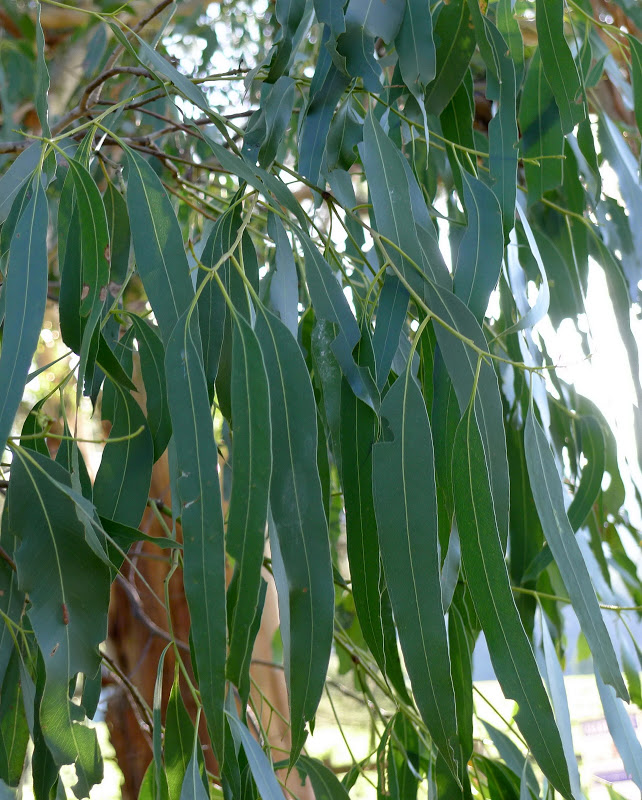
Eucalyptus viminalis (Manna Gum) - leaf, adultI’ve just written an article for the Australian River Restoration Centre‘s RipRap magazine, and they have given me permission to reproduce it here.

The brave, new green world of the carbon economy hasn’t exactly taken off as desired. Perhaps it’s because it wasn’t really planned from the outset, or maybe it is still too abstract for most people to accept, digest and incorporate into their daily lives. An emergent property of society’s generally slow awakening to the challenge of climate disruption, is that it will be a long time before we accept its full suite of incarnations.

The infant carbon economy is, however, well and truly alive and kicking, so it is important to try and plan for its growing influence on our decision making. Bumps in the road aside, the carbon economy has mostly been a blessing (actual and potential) for biodiversity conservation projects the world over.

In principle, the aim of the carbon economy is rather straight-forward: charge people a certain amount for each unit of carbon dioxide equivalents they release, and then use that money to develop approaches that further increase carbon sequestration or limit emissions. It’s a ‘build-it-and-they-will-come’ framework, where increasing financial impetus to restrict emissions is enhanced by society’s evolution towards better approaches and technology.

The operational side of the carbon economy is unfortunately much more muddled, with vested interests and political gaming weakening its implementation. Nonetheless, we persevere. Read the rest of this entry »


Australian League of Environmental Organisations

6 05 2014
Shades of Green

Shades of Green

ALEO – the acronym has a nice ring to it. Although I must confess that said organisation doesn’t yet exist, but it bloody well should.

Australia is in dire need of a united front to tackle the massive anti-environment sentiment gripping this country’s band of irresponsible and short-sighted libertarian politicians. Only yesterday I was chatting to a student in the tea room about my ‘State of South Australia’s Environment‘ talk when he asked “So, what can we do about it?”. Isn’t that the 1 per cent1 question?

Apart from the obvious: (1) keep up the pressure on bad government plans (petitions, letters, blogs, reports, e-mails), (2) don’t vote for the Coalition and (3) if you’re a scientist, place some economic or well-being value on environmental processes so that even politicians can understand that maintaining ecosystems makes good economic sense, I almost casually mentioned that we need a united front in Australia against this latest right-wing wave of anti-environmentalism.

I’ve thought about this before, but my latest conversation got me reflecting on the problem a little more – why don’t we have a united league of environmental organisations in Australia? Read the rest of this entry »


South Australia’s tattered environmental remains

16 04 2014
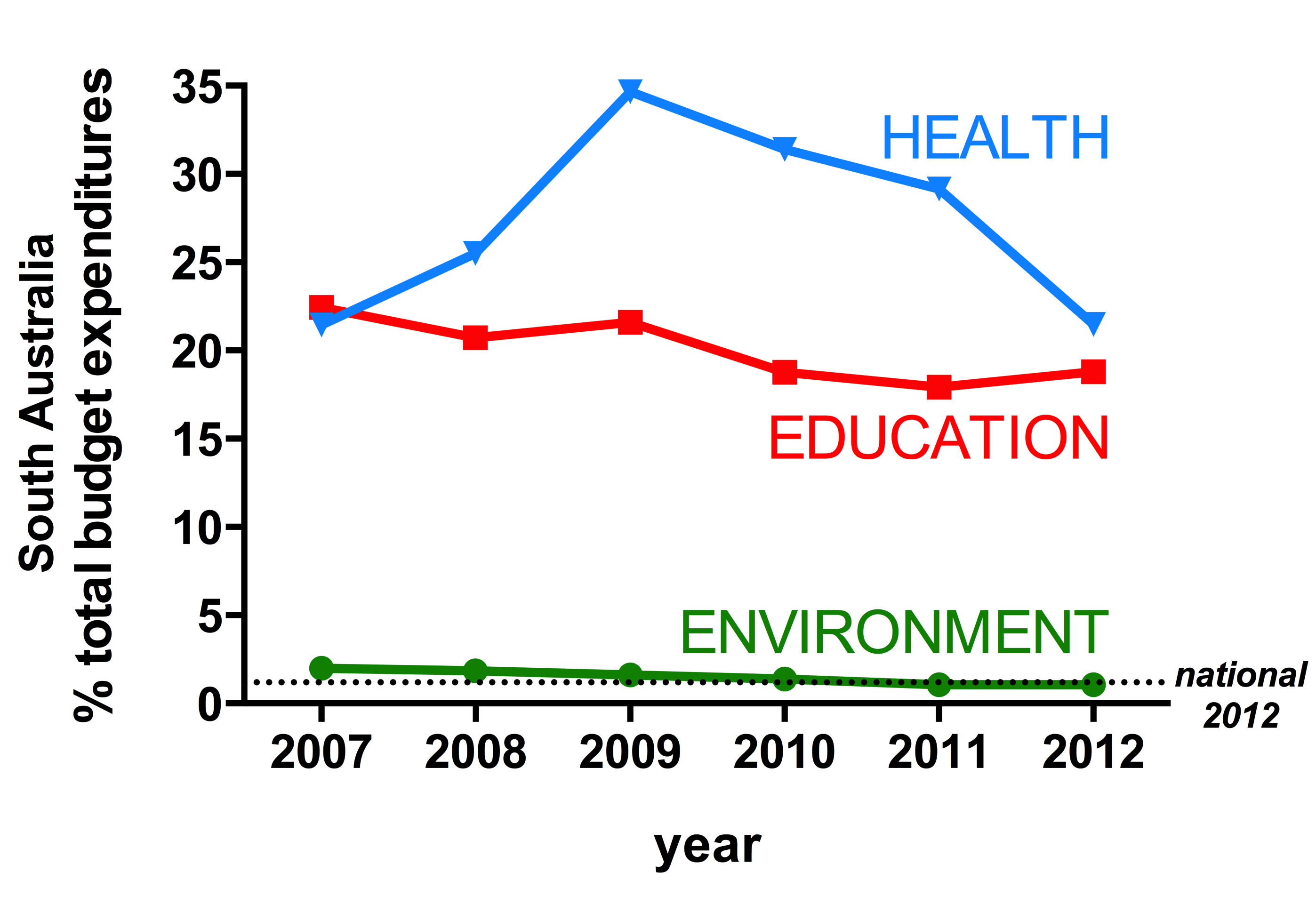
State budget percentage expenditures for health, education and environment

South Australia State budget percentage expenditures for health, education and environment

Yesterday I gave the second keynote address at the South Australia Natural Resource Management (NRM) Science Conference at the University of Adelaide (see also a brief synopsis of Day 1 here). Unfortunately, I’m missing today’s talks because of an acute case of man cold, but at least I can stay at home and work while sipping cups of hot tea.

Many people came up afterwards and congratulated me for “being brave enough to tell the truth”, which both encouraged and distressed me – I am encouraged by the positive feedback, but distressed by the lack of action on the part of our natural resource management leaders.

The simple truth is that South Australia’s biodiversity and ecosystems are in shambles, yet few seem to appreciate this.

So for the benefit of those who couldn’t attend, I’ve uploaded the podcast of my slideshow for general viewing here. I’ve also highlighted some key points from the talk below: Read the rest of this entry »


Eye on the taiga

24 03 2014

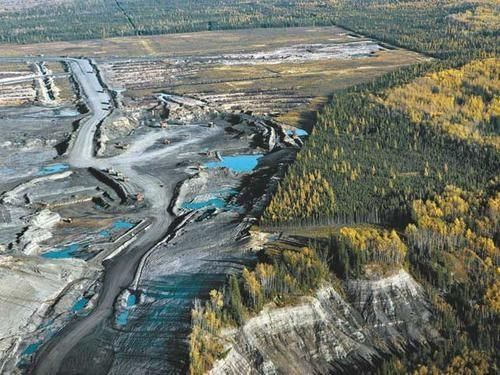
boreal damageDun! Dun, dun, dun! Dun, dun, dun! Dun, dun, daaaaah!

I’ve waited nearly two years to do that, with possibly our best title yet for a peer-reviewed paper: Eye on the taiga: removing global policy impediments to safeguard the boreal forest (recently published online in Conservation Letters).

Of course, the paper has nothing to do with cheesy Eighties music, underdog boxers or even tigers, but it does highlight an important oversight in world carbon politics. The boreal forest (also known as taiga from the Russian) spans much of the land mass of the Northern Hemisphere and represents approximately one quarter of the entire planet’s forests. As a result, this massive forest contains more than 35% of all terrestrially bound carbon (below and above ground). One doesn’t require much more information to come to the conclusion that this massive second lung of the planet (considering the Amazon the first lung) is a vital component of the world’s carbon cycle, and temperate biodiversity.

The boreal forest has been largely expanding since the retreat of the glaciers following the Last Glacial Maximum about 20,000 years ago, which means that its slow progression northward has produced a net carbon sink (i.e., it takes up more atmospheric carbon that it releases from decomposition). However, recent evidence suggests that due to a combination of increased deforestation, fire from both human encroachment and climate change, mass outbreaks of tree-killing insects and permafrost melting, the boreal forest is tipping towards becoming a net carbon source (i.e., emitting more carbon into the atmosphere than it takes up from photosynthesis). This is not a good thing for the world’s carbon cycle, because it means yet another positive feedback that will exacerbate the rapid warming of the planet. Read the rest of this entry »


If biodiversity is so important, why is Europe not languishing?

17 03 2014

collapseI don’t often respond to many comments on this blog unless they are really, really good questions (and if I think I have the answers). Even rarer is devoting an entire post to answering a question. The other day, I received a real cracker, and so I think it deserves a highlighted response.

Two days ago, a certain ‘P. Basu’ asked this in response to my last blog post (Lose biodiversity and you’ll get sick):

I am an Indian who lived in Germany for quite a long period. Now, if I am not grossly mistaken, once upon a time Germany and other west european countries had large tracts of “real” forests with bears, wolves, foxes and other animals (both carnivore and herbivore). Bear has completely disappeared from these countries with the advent of industrialization. A few wolves have been kept in more or less artificially created forests. Foxes, deer and hares, fortunately, do still exist. My question is, how come these countries are still so well off – not only from the point of view of economy but also from the angle of public health despite the loss of large tracts of natural forests? Or is it that modern science and a health conscious society can compensate the loss of biodiversity.

“Well”, I thought to myself, “Bloody good question”.

I have come across this genre of question before, but usually under more hostile circumstances when an overtly right-wing respondent (hell, let’s call a spade a spade – a ‘completely selfish arsehole’) has challenged me on the ‘value of nature’ logic (I’m not for a moment suggesting that P. Basu is this sort of person; on the contrary, he politely asked an extremely important question that requires an answer). The comeback generally goes something like this: “If biodiversity is so important, why aren’t super-developed countries wallowing in economic and social ruin because they’ve degraded their own life-support systems? Clearly you must be wrong, Sir.”

There have been discussions in the ecological and sustainability literature that have attempted to answer this, but I’ll give it a shot here for the benefit of CB.com readers. Read the rest of this entry »


Lose biodiversity and you’ll get sick

14 03 2014

dengueHere’s a (paraphrased) recommendation I did recently for F1000 about a cool avenue of research I’ve been following for a few years now. Very interesting, but much, much more to do.

The core concepts of conservation ecology are well-established: we know that habitat lossfragmentation, invasive species, over-exploitation and of course, climate change, are bad for biodiversity. This well-quantified scientific baseline has led the discipline recently to embark on questions pertaining more to the (a) implications of biodiversity loss for humanity and (b) what we can do to offset these. A recent paper by Morand and colleagues addresses perhaps one of the most compelling reasons that human society should appreciate biodiversity beyond its intrinsic value; as biodiversity degrades, so too does human health.

Some argue that the only way to convince society in general that biodiversity is worth protecting is that we link its loss directly to degrading human health, wealth and well-being. Confirmation of such relationships at a variety of spatial and temporal scales is therefore essential. Morand and colleagues used data from a variety of sources to test two predictions: (1) that the number of infectious disease should increase as overall biodiversity increases and (2) that biodiversity loss, inferred from species threat and deforestation data, should increase the number of infectious disease outbreaks in humans. Using data from 28 countries in the Asia-Pacific region, they confirmed both predictions. Read the rest of this entry »


Alliance of Leading Environmental Researchers and Thinkers

11 03 2014

ALERTIf you’ve been following this blog or my Twitter feed over the last few weeks, you’ve surely noticed a few references to A.L.E.R.T. – the Alliance of Leading Environmental Researchers and Thinkers. You might also have asked yourself, what exactly is ALERT, and is it something I should pay attention to?

Today’s post attempts to explain this new organisation, and hopefully convince you that the answer to the second question is ‘yes’.

Several months ago, a slightly cryptic e-mail from eminent conservation biologist, Bill Laurance, arrived in my inbox. It asked – what do you think of this logo (see associated image)? A few e-mails later and a couple of minor tweaks, and we ended up with what I thought was a pretty cool logo for this new ‘ALERT’ thing. It wasn’t until quite some time later that I finally understood what Bill was attempting to create.

Is ALERT a news aggregator, a blog, an advocacy group, a science-communication resource or a science-policy interface? Why, yes it is!

Read the rest of this entry »