Dealing with rejection

8 02 2017

6360351663382153201743264721_ls_crying-menWe scientists can unfortunately be real bastards to each other, and no other interaction brings out that tendency more than peer review. Of course no one, no matter how experienced, likes to have a manuscript rejected. People hate to be on the receiving end of any criticism, and scientists are certainly no different. Many reviews can be harsh and unfair; many reviewers ‘miss the point’ or are just plain nasty.

It is inevitable that you will be rejected outright many times after the first attempt. Sometimes you can counter this negative decision via an appeal, but more often than not the rejection is final no matter what you could argue or modify. So your only recourse is move on to a lower-ranked journal. If you consistently submit to low-ranked journals, you would obviously receive far fewer rejections during the course of your scientific career, but you would also probably minimise the number of citations arising from your work as a consequence.

So your manuscript has been REJECTED. What now? The first thing to remember is that you and your colleagues have not been rejected, only your manuscript has. This might seem obvious as you read these words, but nearly everyone — save the chronically narcissistic — goes through some feelings of self-doubt and inadequacy following a rejection letter. At this point it is essential to remind yourself that your capacity to do science is not being judged here; rather, the most likely explanation is that given your strategy to maximise your paper’s citation potential, you have probably just overshot the target journal. What this really means is that the editor (and/or reviewers) are of the opinion that your paper is not likely to gain as many citations as they think papers in their journal should. Look closely at the rejection letter — does it say anything about “… lacking novelty …”? Read the rest of this entry »


To feed or to perish in an iceless world

1 02 2017
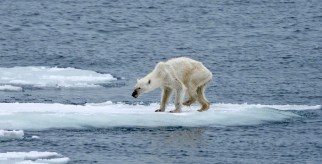
cb_climatechange2_polarbears_photo2

Emaciated female polar bear on drift ice in Hinlopen Strait (Svalbard, Norway), in July 2015 – courtesy of Kerstin Langenberger (www.arctic-dreams.com)

Evolution has designed polar bears to move, hunt and reproduce on a frozen and dynamic habitat that wanes and grows in thickness seasonally. But the modification of the annual cycle of Arctic ice due to global warming is triggering a trophic cascade, which already links polar bears to marine birds.

Popular and epicurean gastronomy claims that the best recipes should use seasonal veggies and fruits. Once upon a time, when there were no greenhouses, international trade routes, or as much frozen and canned food, our grandparents enjoyed what was available at the time. So in some years we had plenty of cherries, while during others we might have feasted on plums. Read the rest of this entry »


Venting your author frustrations

27 01 2017

frustrationEvery scientist worth her salt has had her share of annoying interactions with journal editors — both verbally and via e-mail. My friend and colleague Bill Laurance, Distinguished Research Professor at James Cook University, is no exception, and penned this hypothetical exchange between an author and editor as a way of venting his frustrations. Enjoy!

Author to Journal Editor, at a conference

Author: “You know, if I could sniff my own butt like you do, I would.”

Editor: Wags butt like he’s wagging his tail

Author: “Then again, maybe I wouldn’t …”

Editor: “You’re taking this kind of personally.”

Author:  “You think howling after getting kicked in the nuts by three referees is ‘taking it personally’? How about if I kick you in the nuts and we see how you go?”

Editor: “Sorry, I have to maintain editorial impartiality.”

Author: “I wonder if you’ll stay impartial after I stick this in your ear?” Read the rest of this entry »


Fertilisers can make plants sicker

25 01 2017

sick-plantLast year we reported experimental evidence that the dilution effect was the phenomenon by which greater biodiversity imparts disease resistance in plant communities. Our latest paper shows the mechanism underlying this.

In my ongoing collaboration with the crack team of plant community ecologists led by Shurong Zhou at Fudan University in Shanghai, we have now shown that nitrogen-based fertilisers — in addition to causing soil damage and environmental problems from run-off — reduce a plant community’s resistance to fungal diseases.

This means that prolonged use of artificial fertilisers can lead to the extinction of the most resistant plant species in a community, meaning that the remaining species are in fact more susceptible to diseases.

Continuing the experimental field trials in alpine meadows of the Tibetan Plateau, we tested the biodiversity resilience of an isolated  plant community to increasing concentrations of nitrogenous fertilisers. In this diverse and pristine ecosystem, we have finally established that extended fertilisation of soils not only alters the structure of natural plant communities, it also exacerbates pathogen emergence and transmission. Read the rest of this entry »


The Evidence Strikes Back — What Works 2017

16 01 2017
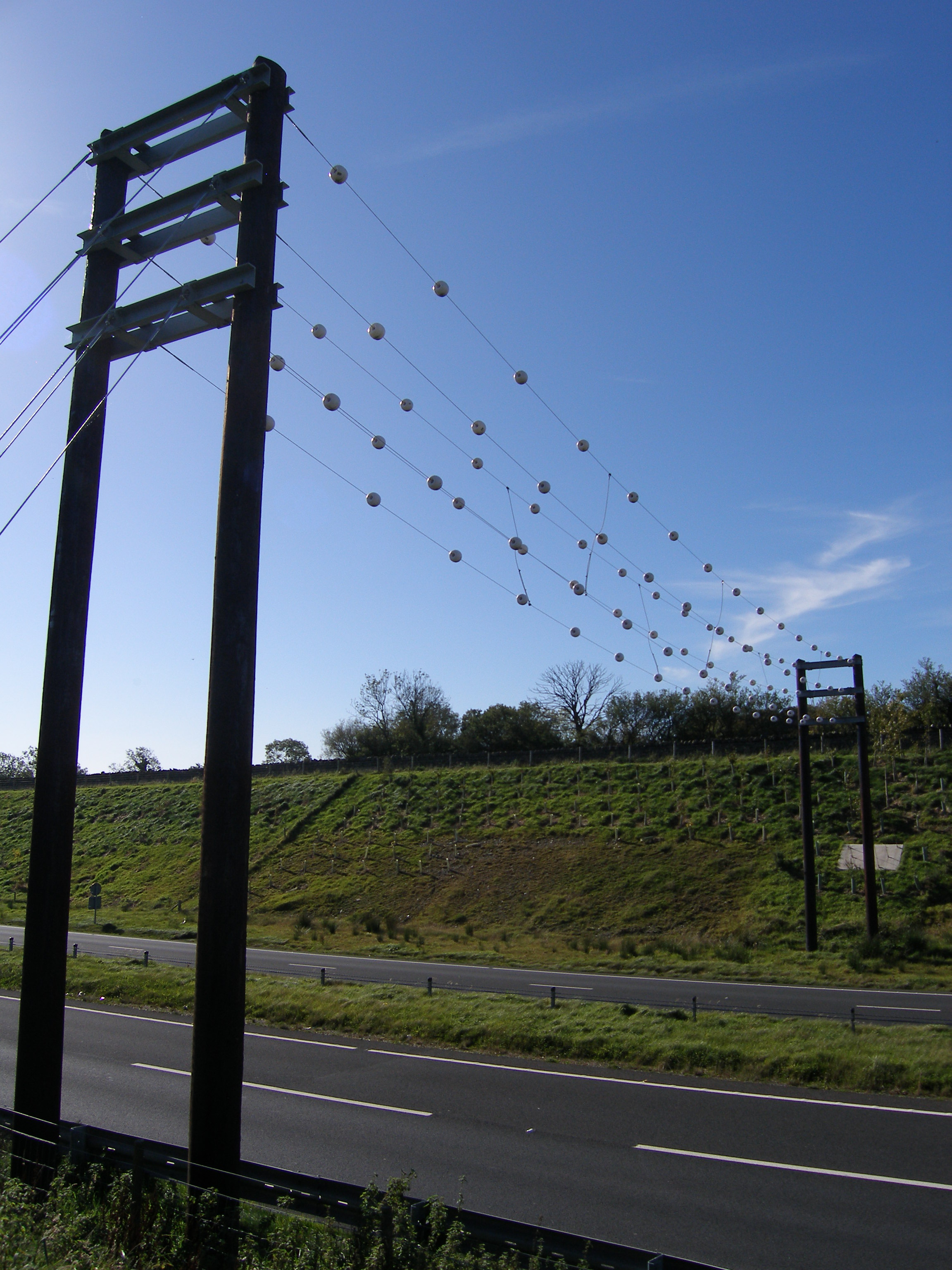
Bat gantry on the A590, Cumbria, UK. Photo credit: Anna Berthinussen

Bat gantry on the A590, Cumbria, UK. Photo credit: Anna Berthinussen

Tired of living in a world where you’re constrained by inconvenient truths, irritating evidence and incommodious facts? 2016 must have been great for you. But in conservation, the fight against the ‘post-truth’ world is getting a little extra ammunition this year, as the Conservation Evidence project launches its updated book ‘What Works in Conservation 2017’.

Conservation Evidence, as many readers of this blog will know, is the brainchild of conservation heavyweight Professor Bill Sutherland, based at Cambridge University in the UK. Like all the best ideas, the Conservation Evidence project is at once staggeringly simple and breathtakingly ambitious — to list every conservation intervention ever cooked up around the world, and see how well, in the cold light of evidence, they actually worked. The project is ongoing, with new chapters of evidence added every year grouped by taxa, habitat or topic — all available for free on www.conservationevidence.com.

What Works in Conservation’ is a book that summarises the key findings from the Conservation Evidence website, and presents them in a simple, clear format, with links to where more information can be found on each topic. Experts (some of us still listen to them, Michael) review the evidence and score every intervention for its effectiveness, the certainty of the evidence and any harmful side effects, placing each intervention into a colour coded category from ‘beneficial’ to ‘likely to be ineffective or harmful.’ The last ‘What Works’ book included chapters on birds, bats, amphibians, soil fertility, natural pest control, some aspects of freshwater invasives and farmland conservation in Europe; new for 2017 is a chapter on forests and more species added to freshwater invasives. Read the rest of this entry »


Inaugural Environmental Arsehat of the Year

9 01 2017

2016-environmental-arsehat-of-the-yearAs you recall, I asked both for your nominations and your votes for the inaugural Environmental Arsehat of the Year. Nominees could be a person or an entity who stood out in 2016 for his/her/their egregious attacks on environmental integrity. There were many fine nominations, and so now I’m elated to announce the results of the voting. Drumroll …

In 4th place with 13.7% of the votes, Matt Ridley. He is Conservative hereditary peer in the British House of Lords, and a flack for the coal industry who has championed global-warming denialism.

In 3rd place with 14.9% of the votes, Gautam Adani. The multibillionaire is a major coal baron in India and elswhere who has made a lot of splash recently in Australia for trying to build the biggest coal mine in the world that will likely finish off the Great Barrier Reef once and for all. Nice one, Gautam.

In 2nd place with 17.7% of the votes, The Liberal-National Party of Queensland. The (former) State Government ushered Queensland into 2016 by making the state one of the world’s deforestation hotspots, yet again!

And now, for the winner with a whopping 30.3% of the popular vote; please put your virtual hands together for the 2016 Environmental Arsehat of the YearRead the rest of this entry »


Where do citizens stand on climate change?

2 01 2017
Talk to the hand

Talk to the hand

Climate change caused by industrialisation is modifying the structure and function of the Biosphere. As we uncork 2017, our team launches a monthly section on plant and animal responses to modern climate change in the Spanish magazine Quercus – with an English version in Conservation Bytes. The initiative is the outreach component of a research project on the expression and evolution of heat-shock proteins at the thermal limits of Iberian lizards (papers in progress), supported by the British Ecological Society and the Spanish Ministry of Economy, Industry and Competitiveness. The series will feature key papers (linking climate change and biodiversity) that have been published in the primary literature throughout the last decade. To set the scene, we start off putting the emphasis on how people perceive climate change.

Salvador Herrando-Pérez, David R. Vieites & Miguel B. Araújo

“I would like to mention a cousin of mine, who is a Professor in Physics at the University of Seville – and asked about this matter [climate change], he stated: listen, I have gathered ten of the top scientists worldwide, and none has guaranteed what the weather will be like tomorrow in Seville, so how could anyone predict what is going to occur in the world 300 years ahead?”

Mariano Rajoy (Spanish President from 2011 to date) in a public speech on 22 October 2007

Weather (studied by meteorology) behaves like a chaotic system, so a little variation in the atmosphere can trigger large meteorological changes in the short term that are hard to predict. On the contrary, climate (studied by climatology) is a measure of average conditions in the long term and thus far more predictable than weather. There is less uncertainty in a climate prediction for the next century than in a weather prediction for the next month. The incorrect statement made by the Spanish President reflects harsh misinformation and/or lack of environment-related knowledge among our politicians.

Climate has changed consistently from the onset of the Industrial Revolution. The IPCC’s latest report stablishes with 95 to 100% certainty (solid evidence and high consensus given published research) that greenhouse gases from human activities are the main drivers of global warming since the second half of the 20th Century (1,2). The IPCC also flags that current concentrations of those gases have no parallel in the last 800,000 years, and that climate predictions for the 21st Century vary mostly according to how we manage our greenhouse emissions (1,3). Read the rest of this entry »


Vote for the 2016 Environmental Arsehat of the Year

20 12 2016

arsehat_greenIn March 2016 I requested nominations for the Environmental Arsehat of the Year, and you happily complied by providing many excellent suggestions.

I now request that you vote on these nominations using the polling widget that follows a brief description of each nominee and why they’ve been suggested by the CB.com community. Once the votes are tallied, I’ll post the ‘winner’ (loser) in a new post in early 2017. Happy voting!

The nominations (in no particular order)

Read the rest of this entry »


Influential conservation ecology papers of 2016

16 12 2016

cheetah_shutterstock_37268149As I have done for the last three years (2015, 2014, 2013), here’s another retrospective list of the top 20 influential conservation papers of 2016 as assessed by experts in F1000 Prime.

Read the rest of this entry »


ConservationBytes.com Leaving the University of Adelaide

12 12 2016

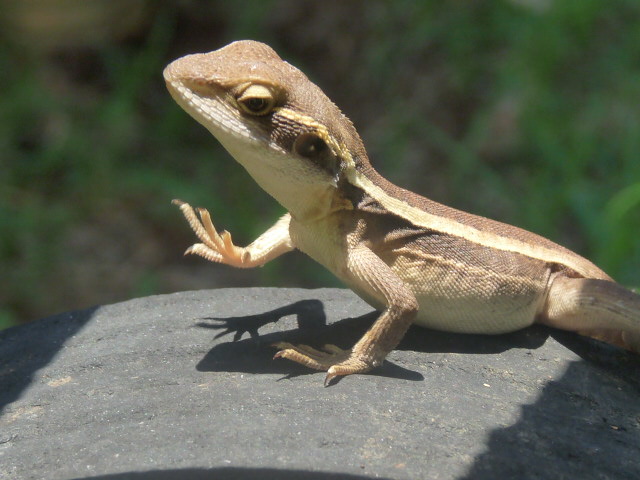
waving-lizard-024In reality, ConservationBytes.com isn’t going anywhere. But Corey Bradshaw is.

You’ll still be able to read the regular posts on ConservationBytes.com without having to change a thing; I’ll just be writing them from a different office across the city.

Yes, I’m staying in beautiful Adelaide in South Australia, but my time at the University of Adelaide has come to an end. I’m excited to report that as of 16 January 2017 I’ll be occupying the new position of Matthew Flinders Fellow in Global Ecology at Flinders University in the School of Biological Sciences.

I thank my colleagues at the University of Adelaide for the productive time I’ve had here.

On to bigger and better things.

CJA Bradshaw


Genetic Management of Fragmented Animal and Plant Populations

10 12 2016

logoThat is the title of a new textbook that will be available mid-2017.

After almost 6 years work, authors Dick Frankham, Jonathan Ballou, Katherine Ralls, Mark Eldridge, Michele Dudash, Charles Fenster, Bob Lacy & Paul Sunnucks have produced an advanced textbook/research monograph that aims to provoke a paradigm shift in the management of small, isolated population fragments of animals and plants.

One of the greatest unmet challenges in conservation biology is the genetic management of fragmented populations of threatened animal and plant species. More than a million small, isolated, population fragments of threatened species are likely suffering inbreeding depression, loss of evolutionary potential, and elevated extinction risks (genetic erosion). Re-establishing gene flow between populations is required to reverse these effects, but managers very rarely do this. On the contrary, molecular genetic methods are mainly being used to document genetic differentiation among populations, with most studies concluding that genetically differentiated populations should be managed separately (i.e., kept isolated), thereby dooming many populations to eventual extinction.

The need for a paradigm shift in genetic management of fragmented populations has been highlighted as a major issue in conservation. The rapidly advancing field of molecular genetics is continually providing new tools to measure the extent of population fragmentation and its genetic consequences. However, adequate guidance on how to use these data for effective conservation is still lacking, and many populations are going extinct principally for genetic reasons. Consequently, there is now urgent need for an authoritative textbook on the subject.

Read the rest of this entry »


Cartoon guide to biodiversity loss XL

7 12 2016

That’s ’40’, of course. Six more biodiversity cartoons, and the last for 2016. See full stock of previous ‘Cartoon guide to biodiversity loss’ compendia here.

Read the rest of this entry »


In conversation with Current Conservation

30 11 2016

bradshaw-tinkering-with-warIn August I had the pleasure of visiting the National Centre for Biological Sciences in Bengaluru, India, and while there I was interviewed by Hari Sridhar of Current Conservation. I admit that I haven’t always fully appreciated the excellent conservation reporting done by Current Conservation, and now after having been interviewed by them, I’m becoming more aware of their value (and not just because I appear in their latest issue). I really encourage CB.com readers to check it out.

In a paper published in the Proceedings of the National Academy of Sciences USA in 2014, Corey Bradshaw and Barry Brook argued that, given the current momentum of human population growth, no demographic “quick fixes” will be enough to change its trajectory in the near future. Therefore, environmental policy will be served better by prioritising measures such as technological and social innovation and reductions in consumption, while treating population reduction as a long-term goal. On his recent visit to Bengaluru, I spoke to Corey Bradshaw about the genesis of this study and its implications.

Hari Sridhar: You say “our models clearly demonstrate that the current momentum of the global human population precludes any demographic “quick fixes.” If that is the case, what do you suggest should be done instead?

Corey Bradshaw: I’ll back up a little bit and give you some of the context for writing the paper, which will sort of explain the title and that particular conclusion. Often when I gave public seminars, where I would talk about some environmental problem and future predictions of its worsening, some member of the audience would stand up at the end and say: “Well, the problem is humans. There are just too many of us. So all we need to do is focus on reducing the human population and we will fix all of these other problems.” That came up so often that I began to think: “Well, how quickly could we fix the overpopulation problem?”

Being, among other things, a population dynamics modeller, I decided I could model the human population just as well to look at that question. What would it take and how long for human population to start to decline, either from interventions or catastrophes? Human demographers don’t typically consider catastrophe scenarios when they project human populations. It’s instead done under very strict policy criteria, typically under the expected status quo, with some slight variation in things like family planning and structural change, you know, things like age structure. But we decided to try out more extreme scenarios as well to address that question. So first we said “let’s just see what happens when we only adjust fertility”. We did that and the population trajectory was more or less insensitive.

Then we said “let’s see what happens if we impose mass mortality events of various types — a third world war, pandemics, nuclear warfare” — and still the population was fairly resistant, even to these big changes. What we took away from these results was this: yes, population size must be addressed and we should have started looking into this seriously, probably post World War 2 when we were just under two billion people. We need to address overpopulation, but it’s not going to be something that can be fixed suddenly or be reduced anytime in the next few decades. It’s a century-scale issue. Should we be aiming to reduce the total human population? Yes. Should we be encouraging fertility reduction and family planning? Yes. It’s just that these will have positive outcomes at the century scale. Now most of our environmental problems are not things that we can ignore for a century. They have to be dealt with now. So our argument basically was that if we can’t address the human population problem, in the sense of reducing its size quickly, then we need to turn our attention to more immediate fixes, such as addressing consumption and various environmental mitigation policies. That was our main message. But in so doing we managed to anger both sides of the ideological position on the human population debate. In saying that something must be done but it can’t be done quickly, we upset the low-growth proponents. And by saying that we should nevertheless aim for long-term population reduction, we upset the people who are utterly opposed to any sort of fertility reduction or any action on human population growth.

HS: That’s something I want to ask you about — tell us about the attention this paper got within academia and in the media.

CB: Yeah, in the academic setting it was interesting. There were only a few critiques written about the paper and they were fairly weak. As the saying goes “All models are wrong but some are useful”, but what our model said was defensible. I suppose some of the terminology and the interpretation were points of contention with some people, but by and large the scientific community was satisfied with the result. But in the media it was completely different. Almost every single journalist I talked to put a particular slant on the results. Because of those two diametrically opposite opinions, people appeared to read anything they wanted to into it. Most people in the media didn’t of course read the paper. They read the title and maybe the abstract and the odd sentence here and there, and took from that whatever their ideological position dictated. There was right-wing media, there was left-wing media, and each had its own bias. I think only a handful of interviewers seemed to grasp the concept, which I didn’t think was that difficult. It also got a lot of responses on these comment streams. I don’t read those most of the time, but there are a lot of crazy people on the internet now. I got all sorts of hate mail, and even indirect death threats. Not serious ones. Just some random person telling me I should be removed from the face of the planet, and things like that. That happens from time to time when you deal with controversial topics.

HS: In the paper, you come up with some figures for what the population will be in 2100, under different scenarios. Could you tell us how much uncertainty there was around these figures?

CB: There was probably much less uncertainty than for most other species that are modelled. Humans tend to census themselves fairly well and we have a reasonable understanding of how many of us there are right now. While demographic data like age-specific survival rates are missing from some parts of the world, generally speaking at the scale of regions it’s well-known. So in terms of measurement error, the current and even the trends in those demographic rates are robust. Some of the assumptions, such as how much longer we’ll live given future medical innovations, are somewhat uncertain. But as it turns out, we are living so long now that even slight adjustments to longevity don’t make much difference in the long-term to total population size. And even large assumptions about, say, juvenile mortality, don’t make a huge difference because for a long-lived mammal the most important parameter that modifies population growth generally is the survival of breeding females. And breeding-age woman around the world tend to have the highest survival rates, so all the other parameters have smaller effects on population size. So while environmental variability has a large effect on small populations, it has a comparatively small effect on large populations. And we are a very large population. Incorporating a lot of uncertainty didn’t really make much of a difference. But the future scenarios were uncertain – will there be a war, will there be climate change reductions in food availability that will lead to higher juvenile mortality, etc.? We know little about the probability these things will occur and how important they’ll be. Read the rest of this entry »



Tips for scientists to deal with the media

21 11 2016

rita-skeeter2

I regularly give science communication workshops that include tips for dealing with reporters and journalists in the mass media. Most of these tips come from my own experience, or from stories I’ve heard from close colleagues. Instead of just teaching these important lessons to a select few who get to hear about them in person, I’ve decided to write a little post listing the most important points. Most of the following has little to do with maximising the likelihood of getting an interview, but these tips should help you avoid problems should a reporter notice your important work.

Welcome to the jungle.

1. The best way to get noticed by the media is to write a press release, although this is no guarantee in itself that anyone will pay attention. A good rule of thumb is to write a release for nearly every peer-reviewed article you publish, even if you think no one will be that interested. You’d be surprised how seemingly innocuous and run-of-the-mill papers can go viral if the press release is well-written. On that latter point, engage closely with your institution’s media office, and help them write the release by, for example, sending them a link to the lucid blog post you wrote about your own paper.

2. You can maximise the probability of uptake of your press release if you foster good working relationships with journalists. If you’ve ever had positive interactions with some before, keep the names on record and send a pre-release version of the article and the press release itself before the main event. Every journalist loves a scoop.

3. Register on expert media sites so that journalists can find you (e.g., like Scimex, Expert Guide, Ocean Expert, etc.). Most countries have such things.

4. If a journalist contacts you, make sure you respond immediately. Often even 30 minutes is too long before they seek opinions from some other scientist. If you are travelling, make sure you have an emergency contact auto-responder designed specifically for deadline-enslaved journalists.

Remember, you're smarter than they are (© Monty Python)

Remember, you’re smarter than they are (© Monty Python)

5. Once you do manage to gain an interview, whether it is live radio, recorded television or just as a chat for a newspaper article, avoid jargon like the plague. And make sure you test your language on a non-expert — what’s jargon to a non-specialist might not appear to be jargon at all to you. This often comes with experience, but at the very least try to avoid big, technical-sounding words (they do not make you sound more intelligent; rather, they make you sound boring and up-yourself).

6. Still on the issue of language, use short, punchy answers, analogies and a little humour. Try to relax (again, this comes with experience) by remembering that you know your shit more than 99.99% of the people that will be listening to you.

Read the rest of this entry »


Boreal forest on the edge of a climate-change tipping point

15 11 2016

As some know, I dabble a bit in the carbon affairs of the boreal zone, and so when writer Christine Ottery interviewed me about the topic, I felt compelled to reproduce her article here (originally published on EnergyDesk).

A view of the Waswanipi-Broadback Forest in the Abitibi region of Northern Quebec, one of the last remaining intact Boreal Forests in the province (source: EnergyDesk).

A view of the Waswanipi-Broadback forest in the Abitibi region of northern Quebec, one of the last remaining intact boreal forests in the Canadian province (source: EnergyDesk).

The boreal forest encircles the Earth around and just below the Arctic Circle like a big carbon-storing hug. It can mostly be found covering large swathes of Russia, Canada and Alaska, and some Scandinavian countries.

In fact, the boreal – sometimes called by its Russian name ‘taiga’ or ‘Great Northern Forest’ – is perhaps the biggest terrestrial carbon store in the world.

So it’s important to protect in a world where we’re aiming for 1.5 or – at worst – under two degrees celsius of global warming.

“Our capacity to limit average global warming to less than 2 degrees is already highly improbable, so every possible mechanism to reduce emissions must be employed as early as possible. Maintaining and recovering our forests is part of that solution,” Professor Corey Bradshaw, a leading researcher into boreal forests based at the University of Adelaide, told Energydesk.

It’s not that tropical rainforests aren’t important, but recent research led by Bradshaw published in Global and Planetary Change shows that that there is more carbon held in the boreal forests than previously realised.

But there’s a problem. Read the rest of this entry »


Battling the seven-headed hydra: Crassula control in Europe

8 11 2016
Hydra. Seba Albertus (1734-1765). Image from Wellsome Trust

Hydra. Seba Albertus (1734-1765). Image from Wellsome Trust

A contribution by Claire Wordley of Conservation Evidence.

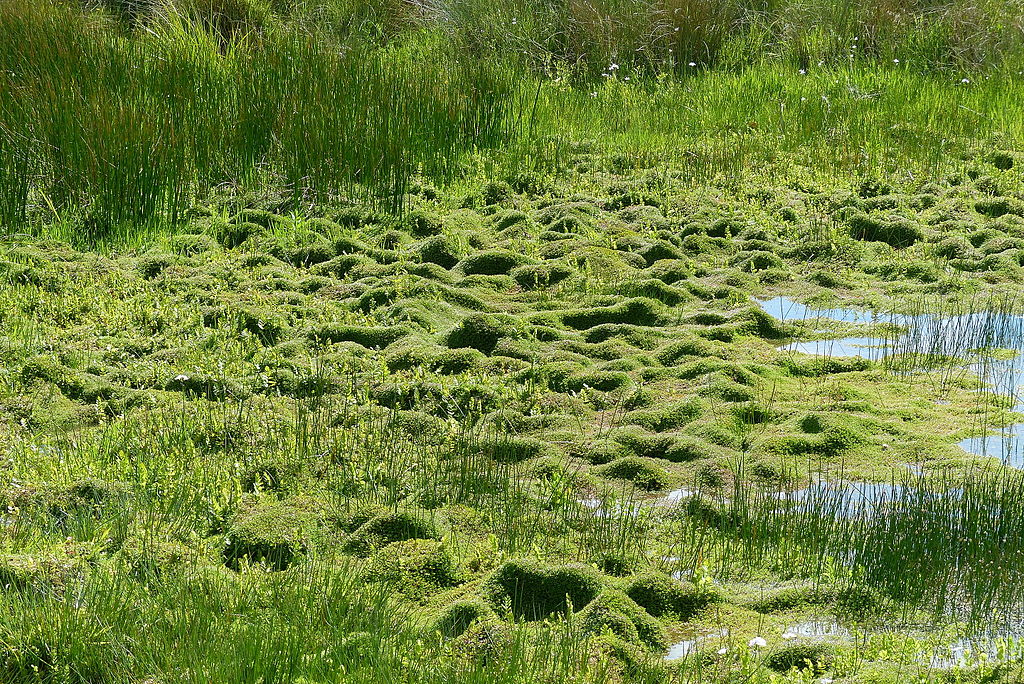
The Australian swamp stonecrop (Crassula helmsii) is a small, unassuming looking plant with incredible resilience. It can survive both baking heat and freezing cold; it can live underwater, on the water’s surface and on land; it can survive being dried out, bleached and sprayed with hot foam; and it can regenerate from tiny fragments. Unfortunately, in the UK and elsewhere in Europe it is an invasive species, choking the oxygen from ponds and shading out other plants with knock-on effects for entire freshwater ecosystems.

Swamp stonecrop, also known as New Zealand pigmyweed, was first introduced to the UK from Tasmania in 1911 and sold in garden centres from 1927 as an ornamental pond oxygenator. Shockingly, despite being documented as an invasive plant in New Forest ponds as early as 1976, its sale in the UK was only banned in 2014. Crassula appears to be spread mostly by people, whether deliberately or accidentally; it appears to be concentrated around car parks, residential areas and areas where equipment such as fishing gear is likely to have come from an infected site. Nearly 20% of 700 UK waterbodies surveyed contained the weed. Since every 10% increase in Crassula corresponds to a 5% decrease in native vegetation, and negative effects of Crassula invasion have been documented for zooplankton, macro-invertebrates and fish, with possible negative impacts on amphibians as well, control and ideally eradication is clearly needed. But what works to destroy this superweed?

Killing the hydra

Crassula helmsii (photo by Benjamin Blondel)

Crassula helmsii (photo by Benjamin Blondel)

Like the seven-headed hydra of legend, Crassula helmsii seems able to regenerate after even harsh treatment and being shattered into tiny pieces. Documenting clearly what works to control this beast – and what does not – is critical. This work has recently been completed by Conservation Evidence at the University of Cambridge, as part of an ongoing series on controlling freshwater invasives. The team has worked to collect all the evidence on different ways of killing Crassula, and experts have scored these for their effectiveness (or otherwise).

One of the most effective ways to knock back Crassula appears to be applying herbicides, particularly glyphosate and diquat or diquat alginate. While each of these performed well to reduce Crassula in many trials – and the use of glyphosate and diquat together led to a 98% reduction in one trial – there are concerns that while the medicine could cure the disease, it could kill the patient. One study in the New Forest noted that native plant cover fell in the treatment sites at a greater rate than in the control sites, and glyphosate appears to be toxic to amphibians. There might also be adverse effects on some bird species, although this could be due more to habitat-level changes than direct toxicity, because other birds appeared to benefit from wetlands being sprayed with glyphosate. Read the rest of this entry »


Potential conservation nightmare unfolding in South Africa

31 10 2016

fees-must-fallLike most local tragedies, it seems to take some time before the news really grabs the overseas audience by the proverbial goolies. That said, I’m gobsmacked that the education tragedy unfolding in South Africa since late 2015 is only now starting to be appreciated by the rest of the academic world.

You might have seen the recent Nature post on the issue, and I do invite you to read that if all this comes as news to you. I suppose I had the ‘advantage’ of getting to know a little bit more about what is happening after talking to many South African academics in the Kruger in September. In a word, the situation is dire.

We’re probably witnessing a second Zimbabwe in action, with the near-complete meltdown of science capacity in South Africa as a now very real possibility. Whatever your take on the causes, justification, politics, racism, or other motivation underlying it all, the world’s conservation biologists should be very, very worried indeed.

Read the rest of this entry »


Cartoon guide to biodiversity loss XXXIX

20 10 2016

Six more biodiversity cartoons coming to you all the way from Sweden (where I’ve been all week). See full stock of previous ‘Cartoon guide to biodiversity loss’ compendia here.

Read the rest of this entry »


World’s greatest conservation tragedy you’ve probably never heard of

13 10 2016

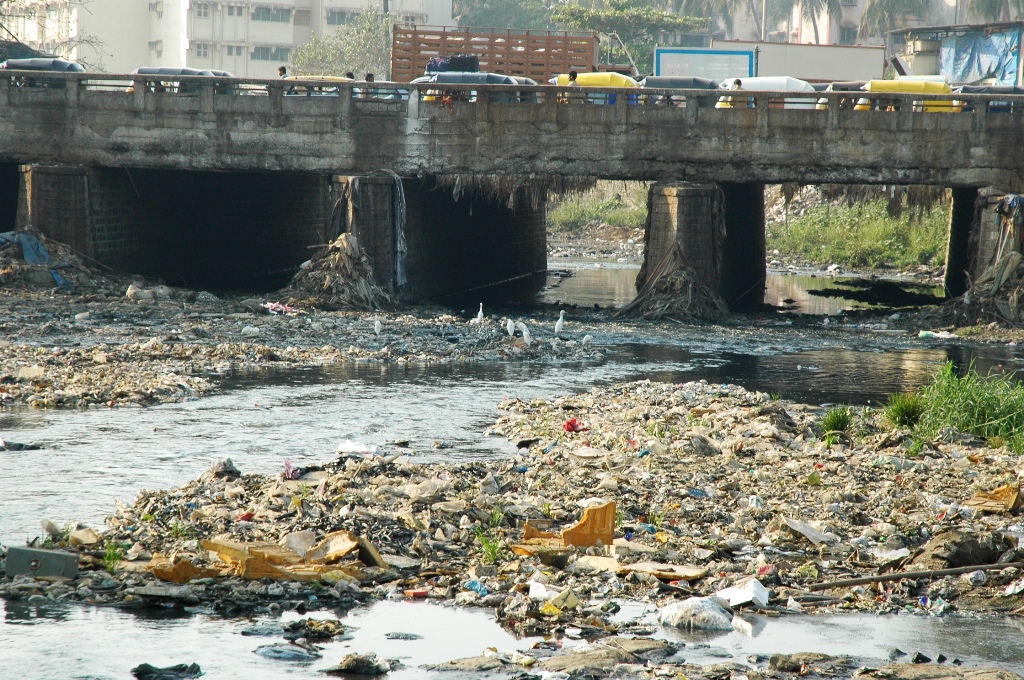
oshiwara_riverI admit that I might be stepping out on a bit of a dodgy limb by claiming ‘greatest’ in the title. That’s a big call, and possibly a rather subjective one at that. Regardless, I think it is one of the great conservation tragedies of the Anthropocene, and few people outside of a very specific discipline of conservation ecology seem to be talking about it.

I’m referring to freshwater biodiversity.

I’m no freshwater biodiversity specialist, but I have dabbled from time to time, and my recent readings all suggest that a major crisis is unfolding just beneath our noses. Unfortunately, most people don’t seem to give a rat’s shit about it.

Sure, we can get people riled by rhino and elephant poaching, trophy hunting, coral reefs dying and tropical deforestation, but few really seem to appreciate that the stakes are arguably higher in most freshwater systems. Read the rest of this entry »


Massive yet grossly underestimated global costs of invasive insects

4 10 2016
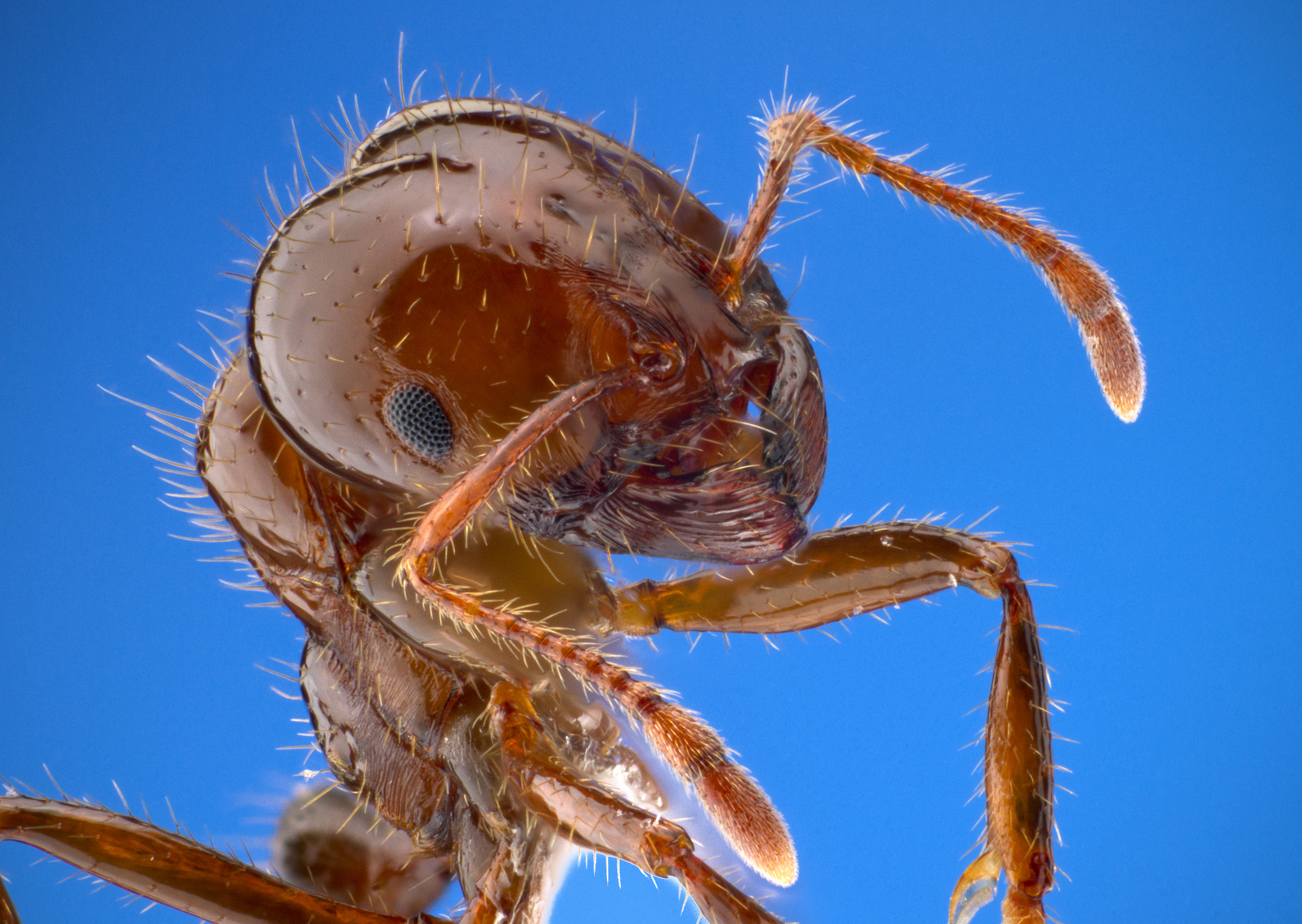
Portrait of a red imported fire ant, Solenopsis invicta. This species arrived to the southeastern United States from South America in the 1930s. Specimen from Brackenridge Field Laboratory, Austin, Texas, USA. Public domain image by Alex Wild, produced by the University of Texas "Insects Unlocked" program.
Portrait of a red imported fire ant Solenopsis invicta. This species arrived to the southeastern USA from South America in the 1930s. Specimen from Brackenridge Field Laboratory, Austin, Texas, USA. Public domain image by Alex Wild, produced by the University of Texas “Insects Unlocked” program.
As many of you already know, I spent a good deal of time in France last year basking in the hospitality of Franck Courchamp and his vibrant Systematic Ecology & Evolution lab at Université Paris-Sud. Of course, I had a wonderful time and was sad to leave in the end, but now I have some hard evidence that I wasn’t just eating cheese and visiting castles. I was actually doing some pretty cool science too.

Financed by BNP-Paribas and Agence Nationale de Recherche, the project InvaCost was designed to look at the global impact of invasive insects, including projections of range dynamics under climate change and shifting trade patterns. The first of hopefully many papers is now out.

Just published in Nature Communications, I am proud that many months of hard work by a brilliant team of ecologists, epidemiologists and economists has culminated in this article entitled Massive yet grossly underestimated costs of invasive insects, which in my opinion is  the first robust analysis of its kind. Despite some previous attempts at estimating the global costs of invasive species1-4 (which have been largely exposed as guesswork and fantasy5-10), our paper rigorously treats the economic cost estimates and categorises them into ‘reproducible’ and ‘irreproducible’ categories.

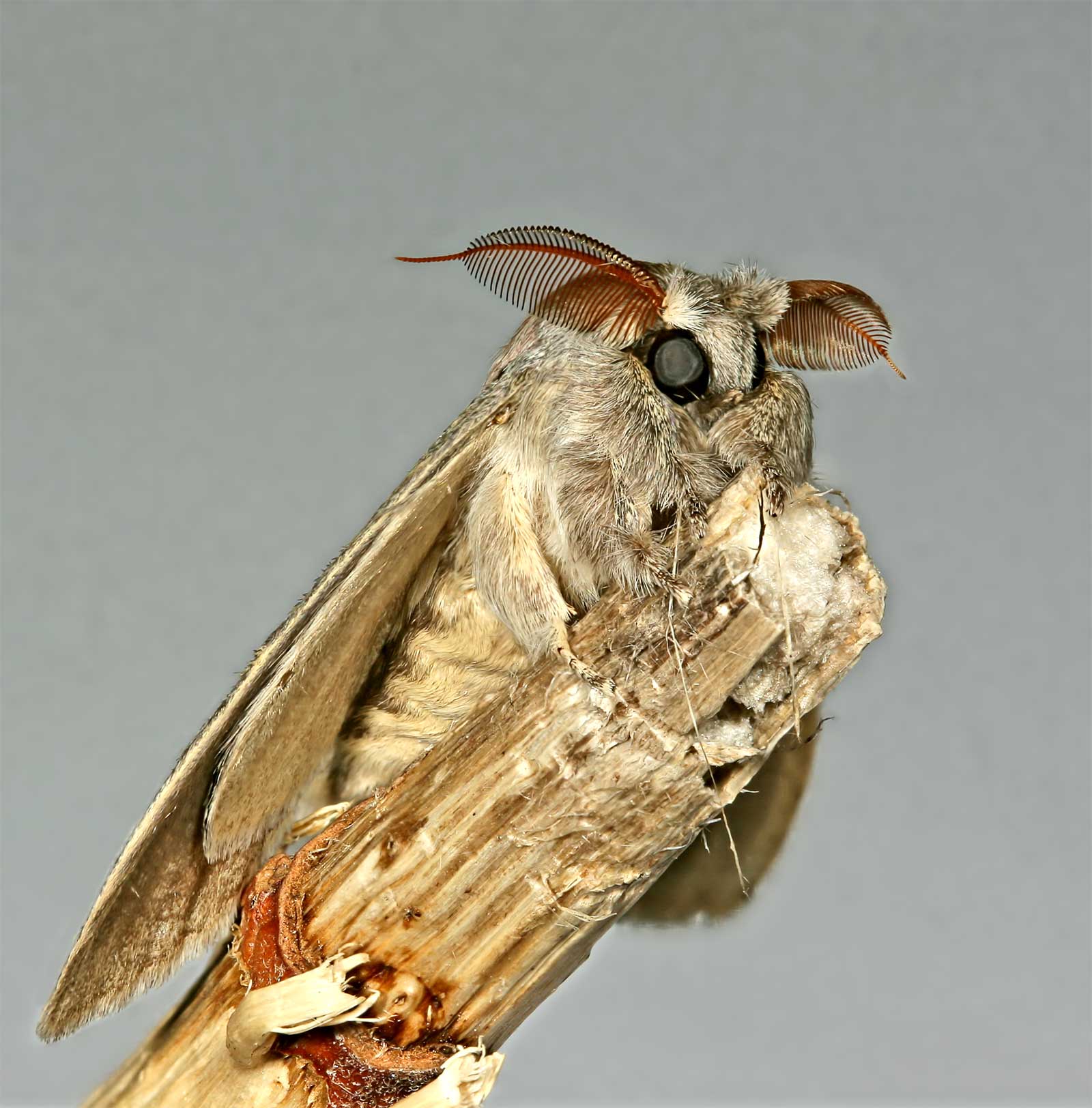
Lymantria

Gypsy moth (Lymantria dispar) adult. Dimitri Geystor (France)

What we found was sobering. If we look at just ‘goods and services’ affected by invasive insects, the annual global costs run at about US$70 billion. These include agricultural, forestry and infrastructure damages, as well as many of the direct costs of clean-up and eradication, and the indirect costs of prevention. When you examine that number a little more closely and only include the ‘reproducible’ studies, the total annual costs dip to about US$25 billion, meaning that almost 65% of the costs recorded are without any real empirical support. Scary, especially considering how much credence people put on previously published global ‘estimates’ (for example, see some citation statistics here).

Coptotermes_formosanus

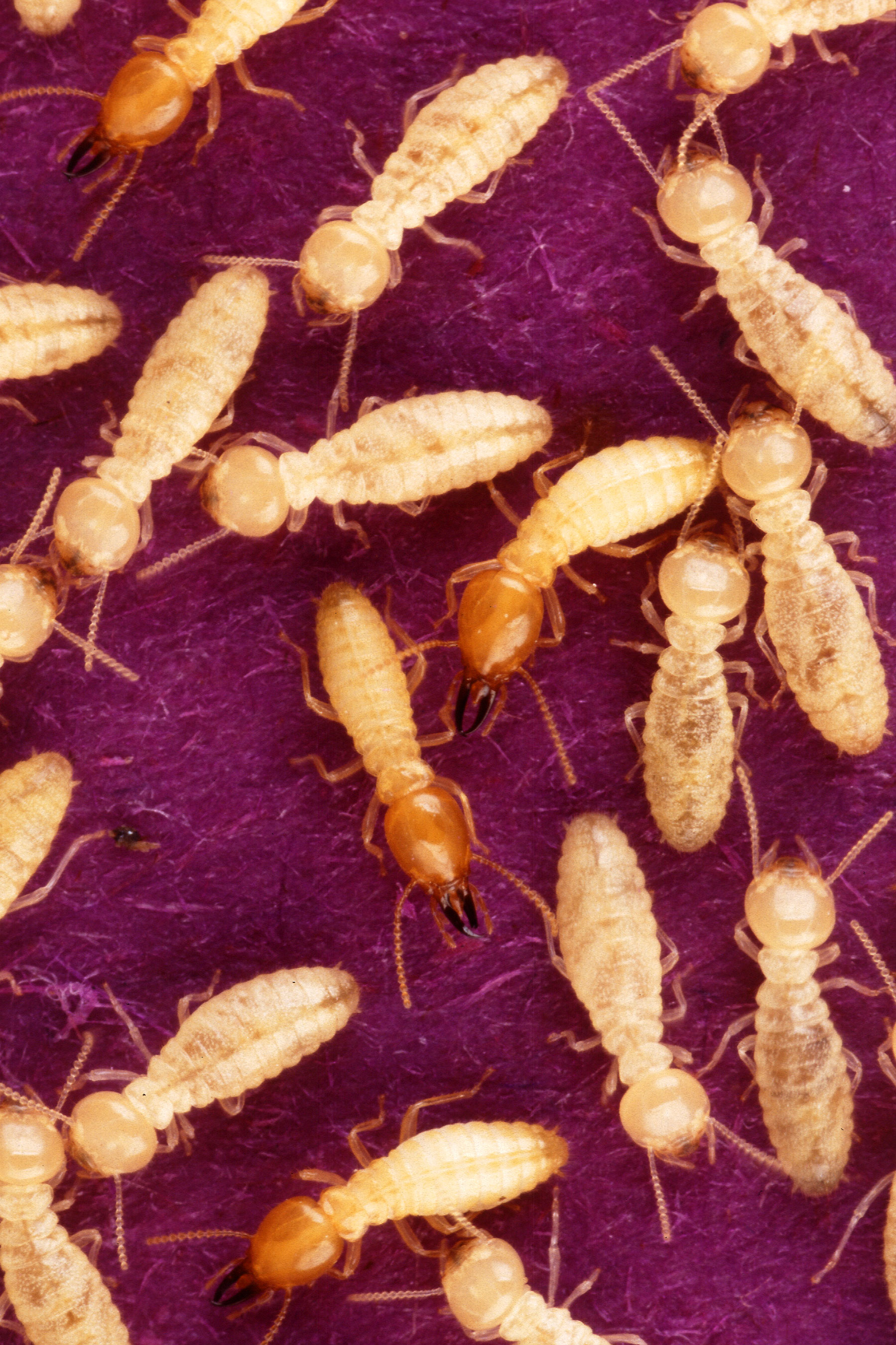
Formosan subterranean termite Coptotermes formosanus by Scott Bauer, US Department of Agriculture, Agricultural Research Service

There’s a great example to illustrate this. If you take it at face value, the most expensive invasive insect in the world is the Formosan subterranean termite Coptotermes formosanus estimated at US$30.2 billion/yr globally. However, that irreproducible estimate is based on a single non-sourced value of US$2.2 billion per year for the USA, a personal communication supporting a ratio of 1:4 of control:repair costs in a single US city (New Orleans), and an unvalidated assumption that the US costs represent 50% of the global total.

Read the rest of this entry »