The seeds of tropical forest destruction

22 01 2012

Bill Laurance asked me to reproduce his latest piece originally published at Yale University‘s Environment 360 website.

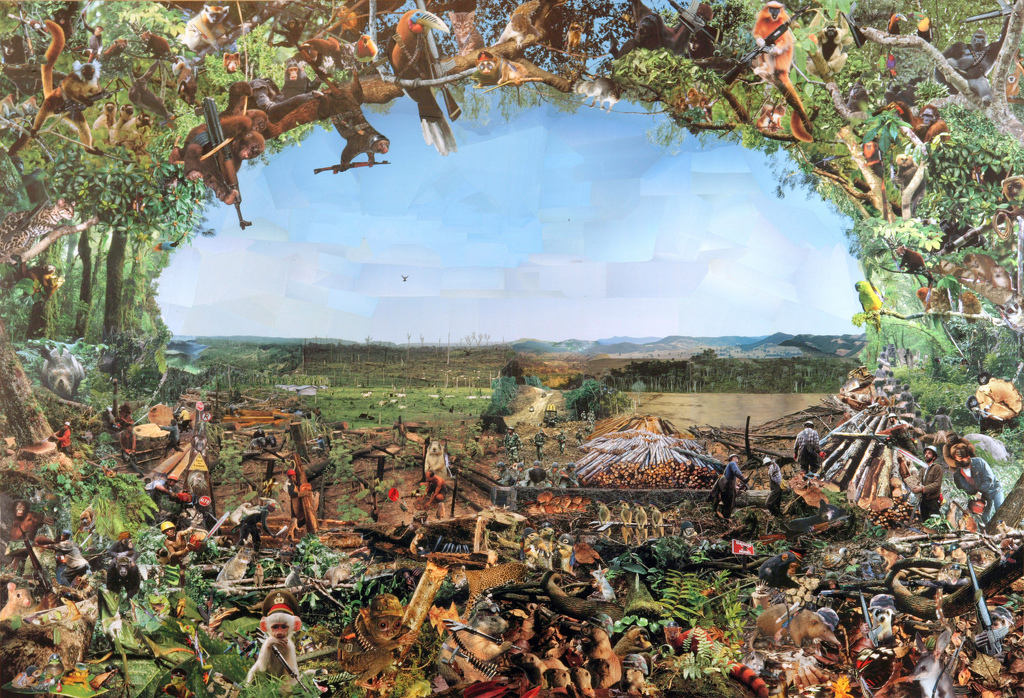
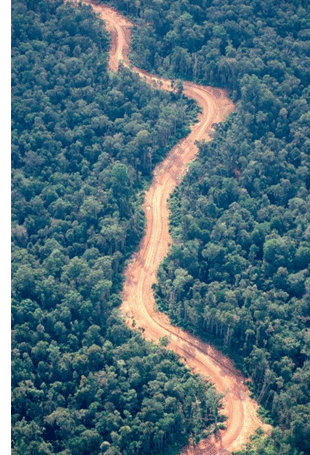
We live in an era of unprecedented road and highway expansion — an era in which many of the world’s last tropical wildernesses, from the Amazon to Borneo to the Congo Basin, have been penetrated by roads. This surge in road building is being driven not only by national plans for infrastructure expansion, but by industrial timber, oil, gas, and mineral projects in the tropics.

Few areas are unaffected. Brazil is currently building 7,500 km of new paved highways that crisscross the Amazon basin. Three major new highways are cutting across the towering Andes mountains, providing a direct link for timber and agricultural exports from the Amazon to resource-hungry Pacific Rim nations, such as China. And in the Congo basin, a recent satellite study found a burgeoning network of more than 50,000 km of new logging roads. These are but a small sample of the vast number of new tropical roads, which inevitably open up previously intact tropical forests to a host of extractive and economic activities.

“Roads,” said the eminent ecologist Thomas Lovejoy, “are the seeds of tropical forest destruction.”

Despite their environmental costs, the economic incentives to drive roads into tropical wilderness are strong. Governments view roads as a cost-effective means to promote economic development and access natural No other region can match the tropics for the sheer scale and pace of road expansion. resources. Local communities in remote areas often demand new roads to improve access to markets and medical services. And geopolitically, new roads can be used to help secure resource-rich frontier regions. India, for instance, is currently constructing and upgrading roads to tighten its hold on Arunachal Pradesh state, over which it and China formerly fought a war.
Read the rest of this entry »


When did it go extinct?

11 01 2012

It was bound to happen. After years of successful avoidance I have finally succumbed to the dark side: palaeo-ecology.

I suppose the delve from historical/modern ecology into prehistory was inevitable given (a) my long-term association with brain-the-size-of-a-planet Barry Brook (who, incidentally, has reinvented his research career many times) and (b) there is no logic to contend that palaeo extinction patterns differ in any meaningful way from modern biodiversity extinctions (except, of course, that the latter are caused mainly by human endeavour).

So while the last, fleeting days of my holiday break accelerate worringly toward office-incarceration next week, I take this moment to present a brand-new paper of ours that has just come out online in (wait for it) Quaternary Science Reviews entitled Robust estimates of extinction time in the geological record.

Let me explain my reasons for this strange departure.

It all started after a few drinks (doesn’t it always) discussing the uncertainties associated with the timing of megafauna extinctions – you might be aware that traditionally there have been two schools of thought on late-Pleistocene extinction pulses: (1) those who think there were mainly caused by massive climate shifts not to dissimilar to what we are experiencing now and (2) those who believe that the arrival of humans into naïve regions lead to a ‘blitzkrieg‘ of hunting and overkill. Rarely do adherents of each stance agree (and sometimes, the ‘debate’ can get ugly given the political incorrectness of inferring that prehistoric peoples were as destructive as we are today – cf. the concept of the ‘noble savage‘). Read the rest of this entry »


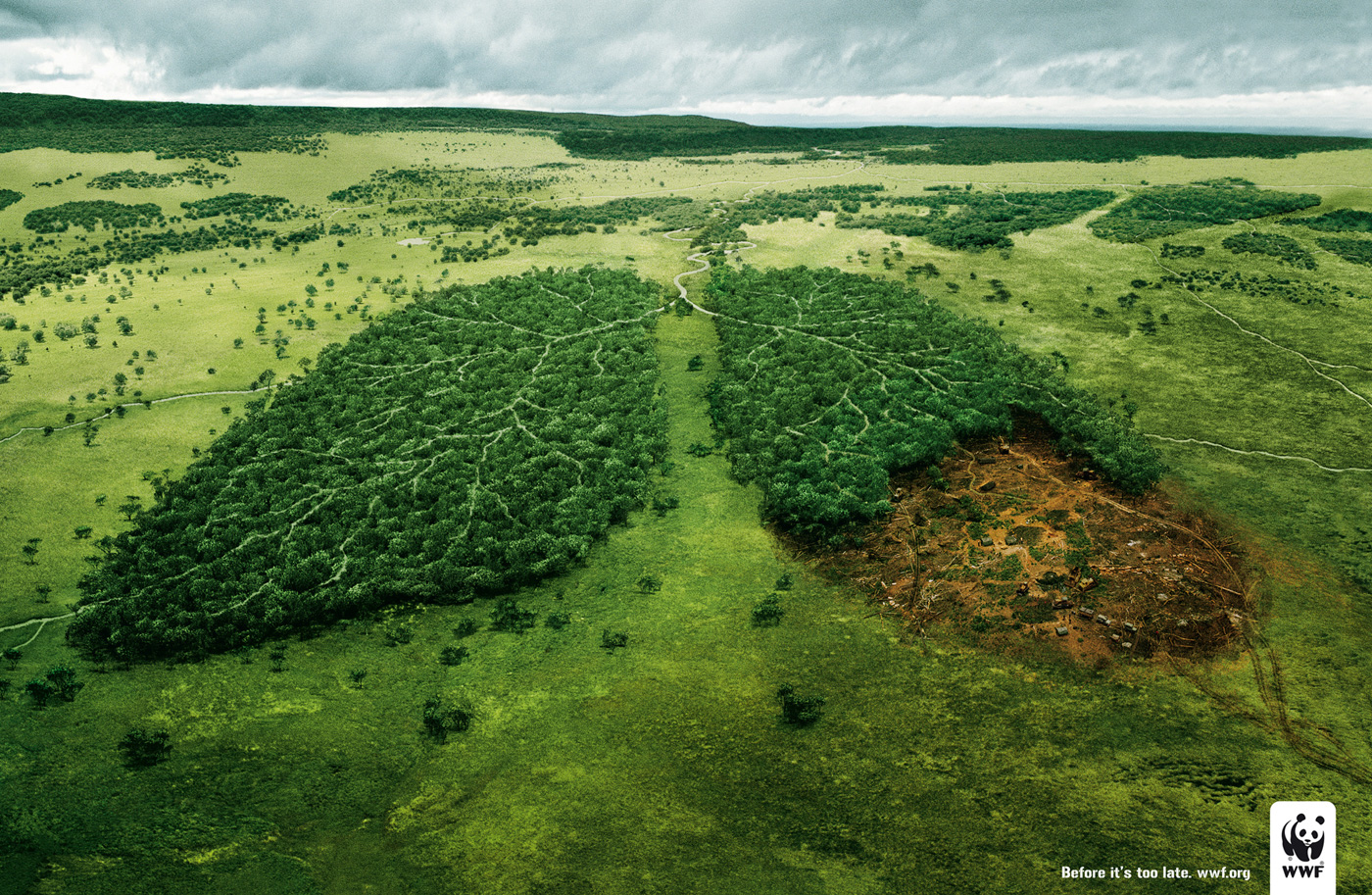
Slicing the second ‘lung of the planet’

12 12 2011

© WWF

Apologies for the slow-down in postings this past week – as many of you know, I was attending the International Congress for Conservation Biology in Auckland. I’ll blog about the conference later (and the stoush that didn’t really occur), but suffice it to say it was very much worthwhile.

This post doesn’t have a lot to do per se with the conference, but it was stimulated by a talk I attended by Conservation Scholar Stuart Pimm. Now, Stuart is known mainly as a tropical conservation biologist, but as it turns out, he also is a champion of temperate forests – he even sits on the science panel of the International Boreal Conservation Campaign.

I too have dabbled in boreal issues over my career, and most recently with a review published in Trends in Ecology and Evolution on the knife-edge plight of boreal biodiversity and carbon stores. That paper was in fact the result of a brain-storming session Navjot Sodhi and I had one day during my visit to Singapore sometime in 2007. We thought, “It doesn’t really seem that people are focussing their conservation attention on the boreal forest; how bad is it really?”.

Well, it turns out that the boreal forest is still a vast expanse and that there aren’t too many species in imminent danger of extinction; however, that’s where the good news ends. The forest itself is becoming more and more fragmented from industrial development (namely, forestry, mining, petroleum surveying and road-building) and the fire regime has changed irrevocably from a combination of climate change and intensified human presence. You can read all these salient features here.

So, back to my original thread – Stuart gave a great talk on the patterns of deforestation worldwide, with particular emphasis on how satellite imagery hides much of the fine-scale damage that we humans do to the world’s great forests. It was when he said (paraphrased) that “50,000 km2 of boreal forest is lost each year, but even that statistic hides a major checkerboard effect” that my interest was peaked. Read the rest of this entry »


Where are they? Finding (and conserving) the biggest fish in the sea

16 11 2011

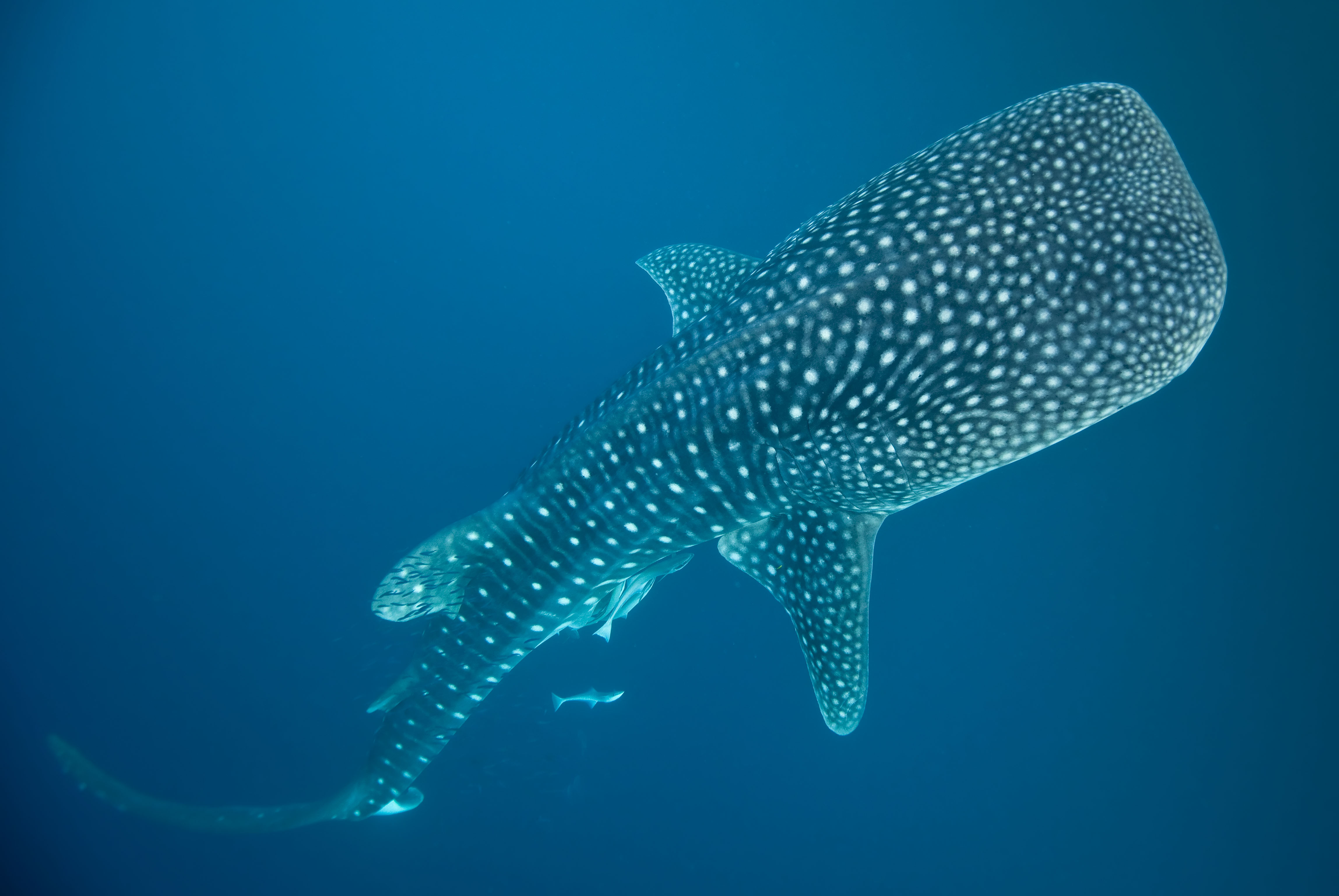
A post from my PhD student, Ana Sequeira, on her latest paper just out in Diversity and DistributionsOcean-scale prediction of whale shark distribution.

© W Osborn (AIMS)

The ocean is our major source of water, it stabilises our breathable atmosphere and provides many supplies such as medicines (e.g., anti-cancer therapy drugs1) and food. Despite its the importance for human life, many marine species are now at a high risk of extinction owing to human changes to the oceans.

The whale shark (Rhincodon typus, Smith 1828) – an icon of the oceans of a spectacularly huge size and docile character – is just one of those species.

Despite being a fish that many people (mainly in Southeast Asia) are happy to have on their plate, whale sharks are worth millions of dollars every year in the ecotourism industry worldwide. One would then expect that being such a profitable species, their ecology would be well known and thoroughly studied.

The reality is quite different.

Basic information on whale sharks such as the whereabouts of their breeding areas, the average number of offspring per female, or even how many individuals still exist, is not currently known. Moreover, despite the genetic evidence that whale sharks worldwide are connected among different oceans, it is unclear if they move from places where they are protected to places where they are still illegally fished.

Information on distribution and patterns of occurrence in space and time is essential for conservation, and can help to save entire ecosystems if used correctly, for example: to isolate important mating and breeding areas.

To identify the whale shark’s seasonal distribution patterns in the Indian Ocean, to test if records follow a decreasing trend over time, and if occurrence is related to variation in climatic signals, we used multivariate distribution models of seasonal and inter-annual whale shark sightings opportunistically collected over 17 years by the tuna purse-seine fishery. Read the rest of this entry »


Sustainable kangaroo harvests

10 11 2011

When I first started this blog back in 2008, I extolled the conservation virtues of eating kangaroos over cattle and sheep. Now I want to put my academic money where my mouth is, and do some kangaroo harvest research.

Thanks to the South Australia Department of Environment and Natural Resources  (DENR) and the commercial kangaroo harvest industry, in conjunction with the University of Adelaide, I’m pleased to announce a new scholarship for a PhD candidate to work on a project entitled Optimal survey and harvest models for South Australian macropods based at the University of Adelaide’s School of Earth and Environmental Sciences.

DENR is custodian of a long-term macropod database derived from the State’s management of the commercial kangaroo harvest industry. The dataset entails aerial survey data for most of the State from 1978 to present, annual population estimates, quotas and harvests for three species: red kangaroo (Macropus rufus), western grey kangaroo (Macropus fuliginosus), and the euro (Macropus robustus erubescens). Read the rest of this entry »


Oceans need their giants

2 11 2011

Another great post from Salvador Herrando Pérez.

from adsown.blogspot.com

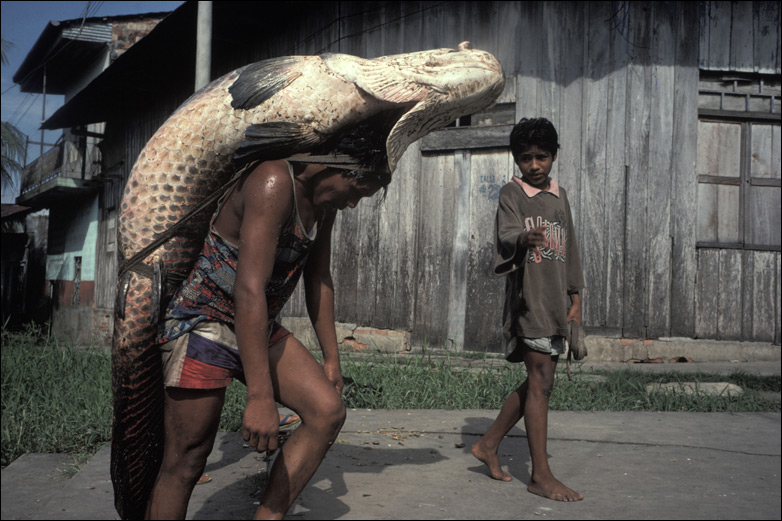
Commercial and sport fishing establish minimum body sizes for catches of many species to preserve fish stocks. Recent work reveals that sustainable fisheries also depend on the regulation of the harvest of the biggest fish, at least in long-lived species.

Growing up in Spain in the 1980s, I was taken by a Spanish television spot featuring a shoal of little fish sucking colourful dummies, and at the same time (how they managed, I never questioned) singing the motto Little fish? No, thanks. The then Ministry of Agriculture, Fishery and Food created this media campaign to create awareness among consumers not to buy immature fish at local markets – “…a 60-gram hake will only weigh 2 kg after two years” the add stated.

Indeed, the regulation of fish harvest by age classes is substantial to any fishery. In particular, the protection of younger fish has been a beacon of fishery policy and management that dates back to the 19th century when, among others, the British ichthyologist Ernst Holt concluded that: “…it is desirable that fish should have a chance of reproducing their species at least once before they are destroyed” 1. Very much in line with such principles, conventional fish stock management has in practice neglected the mature age classes2, other than for the fact that they are the end point of extraction and what we consumers eat on the table. Read the rest of this entry »


Where the sick buffalo roam

28 10 2011

It’s been some time coming, but today I’m proud to announce a new paper of ours that has just come out in Journal of Applied Ecology. While not strictly a conservation paper, it does provide some novel tools for modelling populations of threatened species in ways not available before.

The Genesis

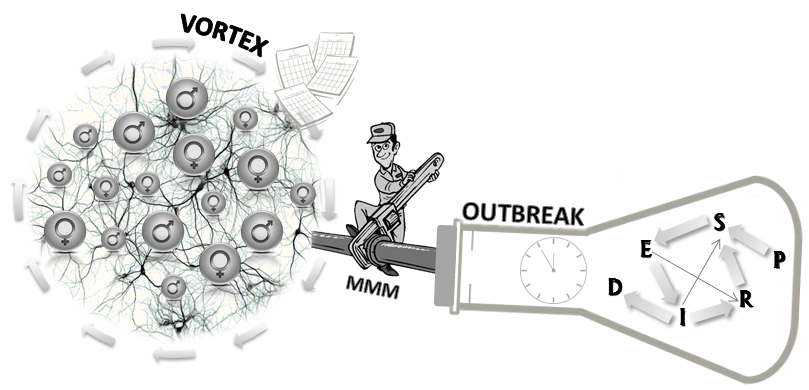
A few years ago, a few of us (Bob LacyPhil Miller and JP Pollak of Vortex fame, Barry Brook, and a few others) got together in a little room at the Brookfield Zoo in the suburban sprawl of Chicago to have a crack at some new modelling approaches the Vortex crew had recently designed. The original results were pleasing, so we had a follow-up meeting last year (thanks to a few generous Zoo benefactors) and added a few post-docs and students to the mix (Damien FordhamClive McMahon, Tom Prowse, Mike Watts, Michelle Verant). The great population modeller Resit Akçakaya also came along to assist and talk about linkages with RAMAS.

Out of that particular meeting a series of projects was spawned, and one of those has now been published online: Novel coupling of individual-based epidemiological and demographic models predicts realistic dynamics of tuberculosis in alien buffalo.

The Coupling

So what’s so novel about modelling disease in buffalo, and why would one care? Well, here’s the interesting part. The buffalo-tuberculosis example was a great way to examine just how well a new suite of models – and their command-centre module – predicted disease dynamics in a wild population. The individual-based population modelling software Vortex has been around for some time, and is now particularly powerful for predicting the extinction risk of small populations; the newest addition to the Vortex family, called Outbreak, is also an individual-based epidemiological model that allows a population of individuals exposed to a pathogen to progress over time (e.g., from susceptible, exposed, infectious, recovered/dead). Read the rest of this entry »


1 million hectares annually – the forest destruction of Indonesia

30 09 2011

© A. Kenyon http://goo.gl/UpG3m

Bill Laurance wrote a compelling and very dour piece in The Conversation this week. He asked for some ‘link love’, so I decided to reproduce the article here for ConservationBytes.com readers. Full credit to Bill and The Conversation, of course.

What comes to mind when you think of Indonesia?

For biologists like myself, Australia’s northern neighbour provokes visions of ancient rainforests being razed by slash-and-burn farmers, and endangered tigers and orangutans fleeing from growling bulldozers.

This reality is true, but there is also hope on the horizon.

Indonesia is a vast, sprawling nation, spanning some 17,000 islands. Among these are Java, Sumatra, half of New Guinea and much of Borneo.

Some of the planet’s most biologically rich and most endangered real estate is found on this archipelago.

Today, Indonesia is losing around 1.1 million hectares of forest annually. That’s an area a third the size of Belgium, bigger than Australia’s Wet Tropics World Heritage Area.

With forest loss now slowing in Brazil, Indonesia has the dubious distinction of being the world’s deforestation “leader”. No nation is destroying its forests faster.

In Sumatra, where I visited recently, the world’s biggest paper-pulp corporations are chopping down hundreds of thousands of hectares of native rainforest to make paper and cardboard.

Some of these corporations also fund aggressive lobbyists, such as World Growth in Washington DC [CJA Bradshaw’s note: see our piece on one particular patron of WG – Alan Oxley], to combat their critics and dissuade major retail chains from dropping their products. Read the rest of this entry »


Rise of the phycologists

22 09 2011

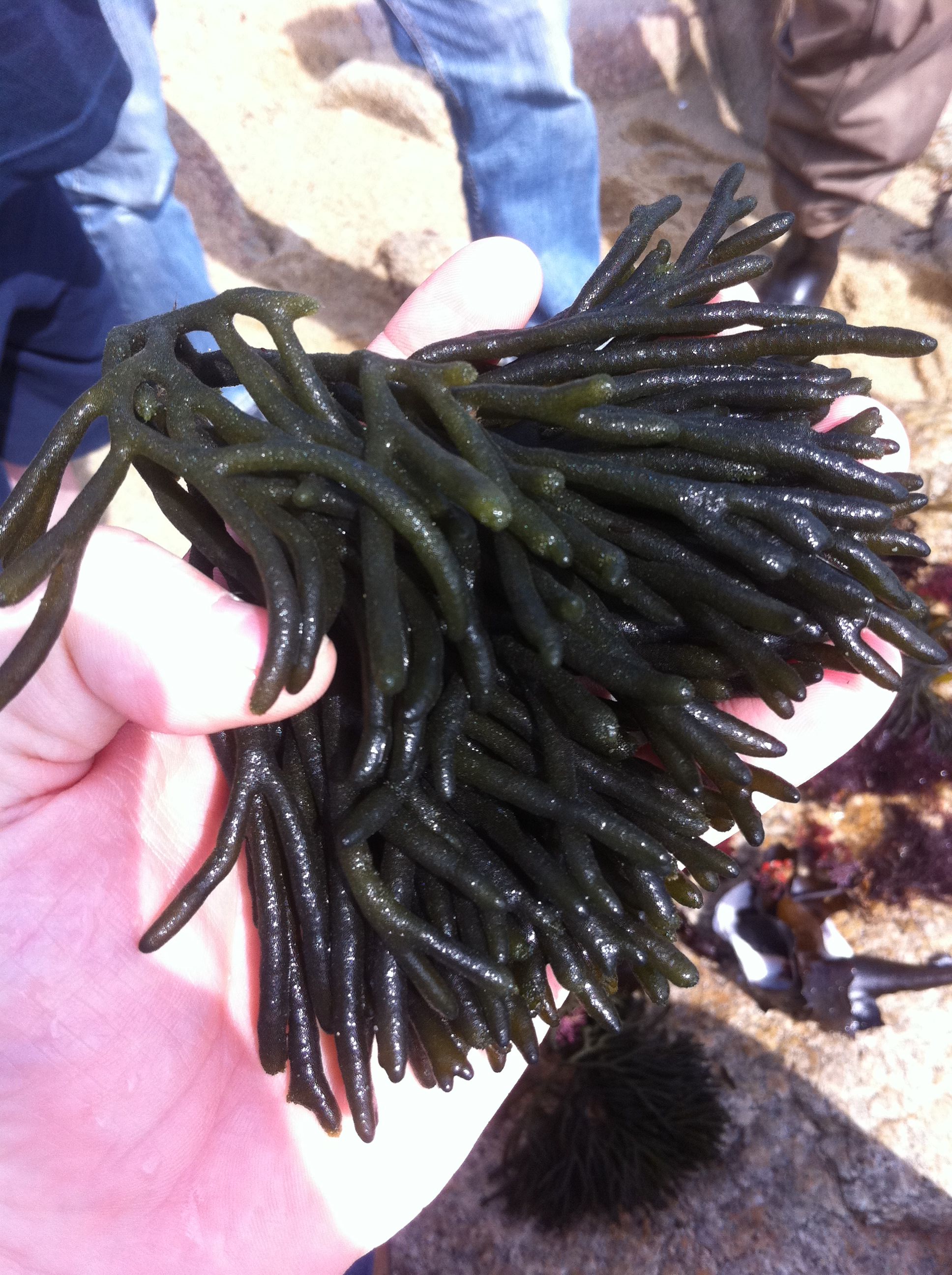
Dead man's fingers (Codium fragile) - © CJA Bradshaw

I’ve had an interesting week. First, it’s been about 6 years since I was last in Japan, and I love coming here; the food is exquisite, the people are fantastic (polite, happy, accommodating), everything works (trains, buses, etc.) and most importantly, it has an almost incredible proportion of its native forests intact.

But it wasn’t for forests that I travelled to Japan (nor the sumo currently showing on the guest-room telly where I’m staying – love the sumo): I was here for a calcareous macroalgae workshop.

What?

First, what are ‘macroalgae’, and why are some ‘calcareous’? And why should anyone in their right mind care?

Good questions. Answers: 1. Seaweeds; 2. Many incorporate calcium carbonate into their structures as added structural support; 3. Read on.

Now, I’m no phycologist (seaweed scientist), but I’m fascinated by this particular taxon. I’ve written a few posts about their vital ecological roles (see here and here), but let me regale you with some other important facts about these amazing species.

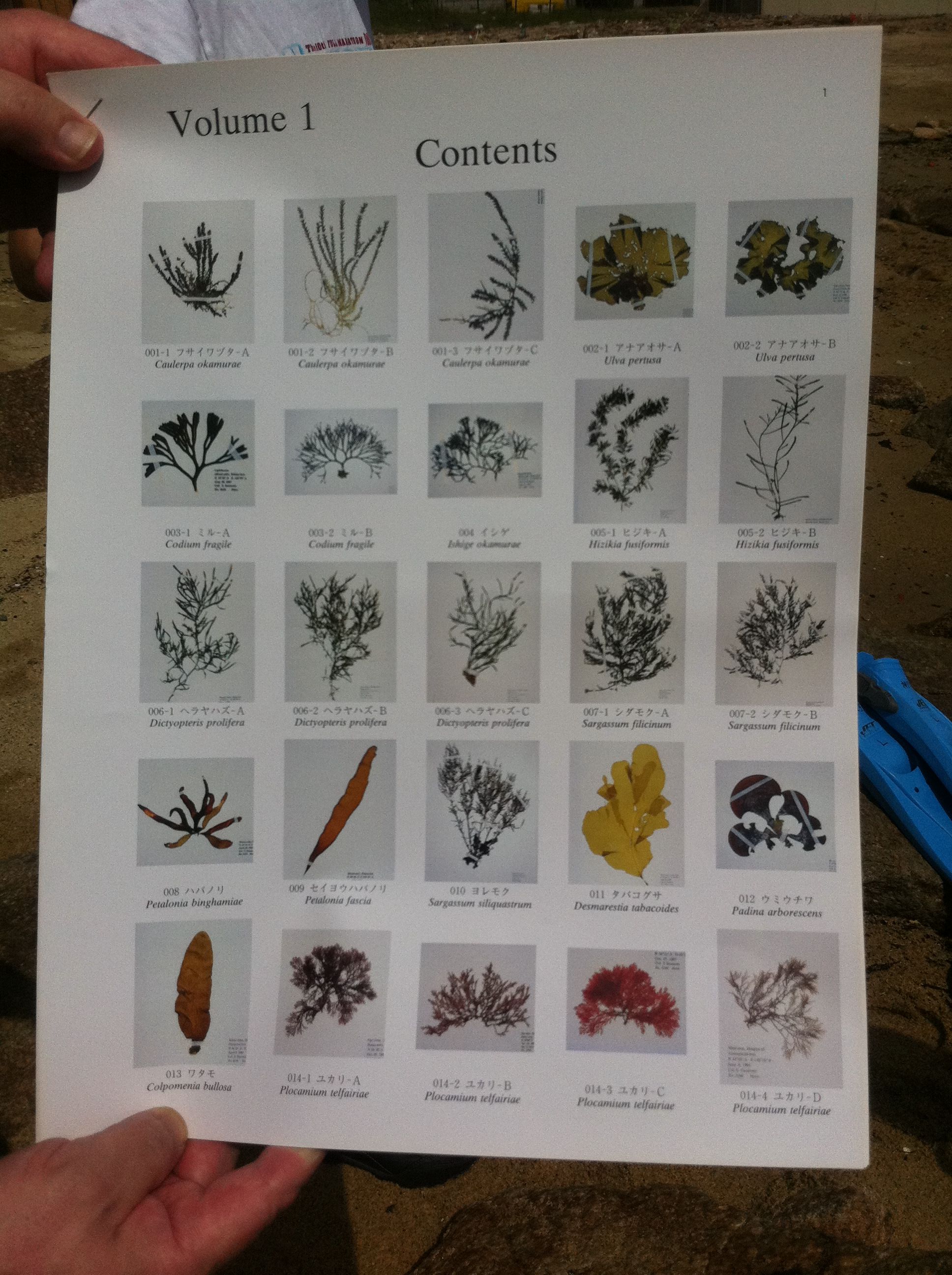
Some Japanese macroalgae - © CJA Bradshaw

There are about 12,000 known species of macroalgae described by phycologists, but as I’ve learnt this week, this is obviously a vast underestimate. For most taxa that people are investigating now using molecular techniques, the genetic diversity is so high and so geographically structured that there are obviously a huge number of ‘cryptic’ species within our current taxonomic divisions. This could mean that we’re out by up to a factor of 2 in the number of species in the world.

Another amazing fact – about 50 % of all known seaweed species are found in just two countries – Japan and Australia (hence the workshop between Japanese and Australian phycologists). Southern Australia in particular is an endemism hotspot.

Ok. Cool. So far so good. But so what? Read the rest of this entry »


Deforesting and reforesting Australia

13 07 2011

A couple of weeks ago we (Andy Lowe and I) did a small interview on ABC television about the current status of Australia forests, followed by a discussion regarding our recently funded Australian Research Council Linkage Project Developing best-practice approaches for restoring forest ecosystems that are resilient to climate change. Just in case you didn’t see it, I’ve managed to upload a copy of the piece to Youtube.com and reproduce it here:

I’m actually in the process of writing a paper on all this for a special issue of Journal of Plant Ecology (that is nearly already overdue!), but here are a few facts for you in the interim:

  • Australian eucalypt forests are globally unique, with one of the longest evolutionary histories among the world’s forests
  • Australia has about 147 million ha of native forest remaining, and about 2 million ha of plantations Read the rest of this entry »


Know thy threat

9 06 2011

Here’s another great guest post by Megan Evans of UQ – her previous post on resolving the environmentalist’s paradox was a real hit, so I hope you enjoy this one too.

The reasons for the decline of Australia’s unique biodiversity are many, and most are well known. Clearing of vegetation for urban and agricultural land uses, introduced species and changed fire patterns are regularly cited in State of the Environment reports, recovery plans and published studies as major threats to biodiversity. But, while these threats are widely acknowledged, little has been done to quantify them in terms of the proportion of species affected, or their spatial extent at a national, state or local scale. To understand why such information on threats may be useful, consider for instance how resources are allocated in public health care1.

Threat knowledge

Conditions such as cancer, heart disease and mental health are regarded as National Health Priority Areas in Australia, and have been given special attention when prioritising funds since the late 1980s. The burden of disease in these priority areas are quantified according to the incidence or prevalence of disease or condition, and its social and economic costs. Estimates of burden of disease and their geographic distribution (often according to local government areas) can assist in communicating broad trends in disease burden, but also in prioritising efforts to achieve the best outcomes for public health. An approach similar to that used in healthcare could help to identify priorities for biodiversity conservation – using information on the species which are impacted by key threats, the spatial distributions of species and threats, and the costs of implementing specific management actions to address these threats. Read the rest of this entry »


The evil sextet

18 05 2011

This post doubles as a Conservation Classic and a new take on an old concept. It’s new in the sense that it updates what we believe is an advance on a major milestone in conservation biology, even though some of the add-on concepts themselves have been around for a while.

First, the classic.

The ‘evil quartet’, or ‘four horsemen of the ecological apocalypse’, was probably the first treatment of extinction dynamics as a biological discipline in its own right. Jarod Diamond (1984) took a sweeping historical and contemporary view of extinction, then simplified the problem to four principal mechanisms:

  1. overhunting (or overexploitation),
  2. introduced species,
  3. habitat destruction and
  4. chains of linked extinctions (trophic cascades, or co-extinctions).

Far from a mere review or list of unrelated mechanisms, Diamond’s evil quartet crystallized conservation biologists’ thinking about key mechanisms and, more importantly, directed attention towards those factors likely to drive extinctions in the future. The unique combination of prehistorical through to modern examples gave conservation biologists a holistic view of extinction dynamics and helped spawn many of the papers described hereafter. Read the rest of this entry »


Crocodiles, spiders and leeches

11 04 2011

I just wrote a fun little piece for a new section in the journal Frontiers in Ecology and the Environment that they’re calling Trails and Tribulations. The basic idea is that the author recounts a particularly interesting field-related experience through which an ecological concept is woven.

Editor-in-Chief Sue Silver said that I could reproduce my article here as long as I acknowledged Frontiers and the Ecological Society of America. It was fun to write, and I hope you enjoy it too [the PDF of the article is available free of charge here].

“So does each team get a hand gun?”

“No, you get an oar”

“What good is an oar?”

“Listen, mate. When a 3-metre croc jumps out of the swamp at you, there is nothing more natural in the world than to thump him with a big stick. It’s an autonomous response. With a gun, IF you manage to keep it dry, and IF you manage to get it out in time before the croc bites off your head, chances are you’ll just shoot the bloke in front of you anyway. So you get an oar.”

“Fair enough”.

That is an approximate, paraphrased reproduction of the initial conversation I had with renowned Australian crocodile biologist, Grahame Webb, just prior to my first (and as it turns out, only) trip to collect crocodile eggs for his Darwin wildlife park and crocodile farm. I volunteered to take part in the collection because I had recently begun working with Grahame and his team tracking the world’s largest crocodile species – the saltwater or estuarine crocodile Crocodylus porosus – and modelling aspects of its populations (Bradshaw et al. 2006). Having already been out on several occasions to harpoon and satellite-tag animals (some measuring > 4 m) on the Mary River, and cage-trap others in Kakadu National Park, I thought a little egg collection would be a proverbial walk in the park. Little did I know that it would end up being one of my more memorable experiences.

Let me walk you through the process. First, you wait until the height of the wet season and drive out as far as you can toward the breeding swamp of interest (in this case, Melacca Swamp in the Adelaide River flood plain, about one hour’s drive from Darwin). Then you and two other loonies pile into a small helicopter equipped with landing pontoons which ferries you to one of many previously identified crocodile nests. Because there is usually too much vegetation around the nest itself, the helicopter must land about 100-300 m away. Clothed only in long pants, a long-sleeved shirt and cotton gloves to protect your skin from the slicing blade grass, you jump off the helicopter’s pontoons into impenetrably murky, chest-deep water. One of the team drags an esky (chiller box into which eggs will be placed) and another carries an oar. As the noise of the departing helicopter becomes a faint buzz, you suddenly realise via the rapid expansion of your terminal sphincter that you are in the middle of a crocodile-filled swamp – and you are holding an oar. Read the rest of this entry »


Big sharks. Big mystery.

9 03 2011

My PhD student, Ana Sequeira, has just written a great little guest blog post for the Environment Institute‘s blog. Given I’m en route to Tasmania for a quick consultancy meeting, I thought I’d let myself off the hook and reproduce the post here. Well done, Ana (and hint to my other students – your time on ConservationBytes.com is coming…).

This week is Seaweek and guest blogger Ana Sequeira describes how whale shark distribution might be shifting according to seasonal environmental predictors.

Ana Sequeira is a PhD student at the University of Adelaide (Global Ecology Group). Her main research interests are to develop models applied to the marine environment to describe key environmental processes, species distribution patterns and ecological interactions.

The main objective of her PhD thesis is to investigate behavioural ecology of whale sharks. She is now trying to understand which environmental variables may affect whale shark distribution.

The whale shark (Rhincodon typus, Smith 1828) is the largest fish in the ocean and can reach more than 12 m in total length. Although little is known about their habitat selection or migration patterns, the whale shark appears to be a highly mobile species. They predictably form near shore aggregations in some coastal locations (e.g. off Ningaloo reef in Western Australia) what makes them the subject of highly lucrative marine ecotourism industries. Also, artisanal and small-scale fisheries for the species still exist in many parts of the tropics.

Since the whale sharks is classified a Vulnerable species (IUCN Red List), understanding their migratory behaviour became of chief importance as they can be travelling from regions where they are protected to regions where they are still harvested. Read the rest of this entry »


Classics: Tragedy of the Commons

28 02 2011

Although not a conservation biology paper per se, Hardin’s classic essay (Hardin, 1968) changed the way we think about managing natural resources that lack definitive ownership.

The thesis of the “tragedy of the commons” is that individuals are inherently selfish and usually place their own interests first in using commonly owned resources, thereby resulting in their depletion. Hardin used a hypothetical and simplified situation based on medieval land tenure in Europe (herders sharing a common parcel of land) on which each herder was entitled to graze his cattle. Each herder maximized his gains by putting additional cattle onto the land, even if the carrying capacity of the common was exceeded and overgrazing ensued. The herder, by making an “individually rational decision,” received all the benefits from his cattle, but could in the process deplete the common resource for the entire group. If all herders make such selfish decisions then the common will be depleted, jeopardizing the livelihoods of all.

Read the rest of this entry »


What the hell is a banteng?

21 02 2011

A few years ago (ok, 6 years), ABC‘s Catalyst did a piece on our banteng research programme in Garig Gunak Barlu National Park in the Northern Territory. The show basically talks about the conservation and management conundrum of having a successful feral species in Australia that is also highly endangered in its native range (South East Asia). Do we shoot them all, or legislate them as an endangered species? It’s for Australians to decide.

I finally got around to uploading it on Youtube. I hope I haven’t contravened some copyright law, but I figure after such a lag, no one will care. I await the imminent contradiction from the ABC’s lawyers…

I hope you enjoy.

For the scientific papers arising from the work, see: Read the rest of this entry »


Humans 1, Environment 0

27 09 2010

© flickr.com/photos/singapore2010

While travelling to our Supercharge Your Science workshop in Cairns and Townsville last week (which, by the way, went off really well and the punters gave us the thumbs up – stay tuned for more Supercharge activities at a university near you…), I stumbled across an article in the Sydney Morning Herald about the state of Australia.

That Commonwealth purveyor of numbers, the Australian Bureau of Statistics (ABS), put together a nice little summary of various measures of wealth, health, politics and environment and their trends over the last decade. The resulting Measures of Australia’s Progress is an interesting read indeed. I felt the simple newspaper article didn’t do the environmental components justice, so I summarise the salient points below and give you my tuppence as well. Read the rest of this entry »


Global erosion of ecosystem services

14 09 2010

A few months ago I was asked to give a lecture about erosion of ecosystem services to students in the University of Adelaide‘s Issues in Sustainable Environments unit. I gave that lecture last week and just uploaded a slidecast of the presentation (with audio) today.

I’ve reproduced the lecture here for your viewing pleasure. I hope you find the 45-minute presentation useful. Note that the first few minutes cover me referring to the Biodiversity film short that I posted not too long ago.

CJA Bradshaw


100 actions to slow biodiversity loss

19 08 2010

I received an email a few days ago from Guillaume Chapron of the Swedish University of Agricultural Sciences (Sveriges lantbruksuniversitet) asking me to promote his ‘Biodiversity 100‘ campaign on ConservationBytes.com. I think it’s an interesting initiative, and so I’ll gladly spread the word.

Teaming up with George Monbiot of The Guardian, the Biodiversity 100 campaign seeks to encourage scientists and others to compile a list of 100 tasks that G20 governments should undertake to prove their commitment to tackling the biodiversity crisis.

Dr. Chapron writes: Read the rest of this entry »


Marine protected areas: do they work?

13 08 2010

One measure that often meets great resistance from fishermen, but is beloved by conservationists, is the establishment of marine protected or ‘no take’ areas.” Stephen J. Hall (1998)

I’m going to qualify this particular post with a few disclaimers; first, I am not involved in the planning of any marine protected areas (henceforth referred to as ‘marine parks’) in Australia or elsewhere; and second, despite blogging on the issue, I have never published in the discipline of protected area design (i.e, ‘conservation planning’ is not my area of expertise).

That said, it seems to becoming more imperative that I enter the fray and assess not only how marine parks should be designed, but how effective they really are (or can be). I’ve been asked by several conservation NGOs to provide some insight into this, so I thought I should ‘think aloud’ and blog a little mini-review about marine park effectiveness.

Clearly there is a trend to establish more marine parks around the world, and this is mainly because marine conservation lags so far behind terrestrial conservation. Indeed, Spalding et al. (2008) showed that only 4.1 % of continental shelf areas are incorporated within marine parks, and ~ 50 % of all marine ecoregions have less than 1 % marine park coverage across the shelf. Furthermore, marine protection is greatest in the tropical realms, while temperate realms are still poorly represented.

The question of whether marine parks ‘work’ is, however, more complicated than it might first appear. When one asks this question, it is essential to define how the criteria for success are to be measured. Whether it’s biodiversity protection, fisheries production, recreational revenue, community acceptance/involvement or some combination of the above, your conclusion is likely to vary from place to place.

Other complications are, of course, that if you cannot ensure a marine park is adequately enforced (i.e., people don’t respect the rules) or if you don’t actually place the park anywhere near things that need protecting, there will be no real net benefit (for any of the above-mentioned interest groups). Furthermore, most marine parks these days have many different types of uses allowed in different zones (e.g., no fishing, some fishing, recreational diving only, no boat transport, some shipping, etc., etc., etc.), so it gets difficult to test for specific effects (it’s a bit like a cap-and-trade legislation for carbon – too many rules and often no real net reduction in carbon emissions – but that’s another story).

All these conditions aside, I think it’s a good idea to present what the real experts have been telling us about marine park effectiveness from a biodiversity and fishing perspective over the last decade or so. I’ll summarise some of the major papers here and give an overall assessment at the end. I do not contend that this list is even remotely comprehensive, but it does give a good cross-section of the available evidence. Read the rest of this entry »