More than just baby sharks

23 04 2009

Sharks worldwide are in trouble (well, so are many taxa, for that matter), with ignorance, fear, and direct and indirect exploitation (both legal and illegal) accounting for most of the observed population declines.
Despite this worrisome state (sharks have extremely important ‘regulatory’ roles in marine ecosystems), many people have been slowly taking notice of the problem, largely due to the efforts of shark biologists. An almost religious-like pillar of shark conservation that has emerged in the last decade or so is that if we save nursery habitats, all shark conservation concerns will be addressed.

Why? Many shark species appear to have fairly discrete coastal areas where they either give birth or lay eggs, and in which the young sharks develop presumably in relative safety from predators (including their parents). Meanwhile, breeding parents will often skip off as soon as possible and spend a good proportion of their non-breeding lives well away from coasts. Sexual segregation appears to be another common feature of many sharks species (the boys and girls don’t really play together that well).

The upshot is that if you conserve these more vulnerable ‘nursery’ areas in coastal regions, then you’ve protected the next generation of sharks and all will be fine. The underlying reason for this assumption is that it’s next-to-impossible to conserve entire ocean basins where the larger adults may be frolicking, but you can focus your efforts on restricted coastal zones that may be undergoing a lot of human-generated modification (e.g., pollutant run-off, development, etc.).

However, a new paper published recently in Conservation Letters entitled Reassessing the value of nursery areas to shark conservation and management disputes this assumption. Michael Kinney and Colin Simpfendorfer explain that even if coastal nurseries can be properly identified and adequately conserved, there is mounting evidence that failing to safeguard the adult stages could ultimately sustain declines or arrest recovery efforts. The authors support continuing efforts to identify and conserve nurseries, but they say this isn’t enough by itself to solve any real problems. If we want sharks around (and believe me, even though the odd swimmer may get a nip or two, it’s better than the alternative of no sharks), then we’re going to have to restrict fishing effort on the high seas as well.

I think this one qualifies for the ‘Potential‘ list.

CJA Bradshaw

Add to FacebookAdd to NewsvineAdd to DiggAdd to Del.icio.usAdd to StumbleuponAdd to RedditAdd to BlinklistAdd to Ma.gnoliaAdd to TechnoratiAdd to Furl


No end in sight for tropical deforestation

20 04 2009

Just a quick one while I wade through the swamp of overdue deadlines.

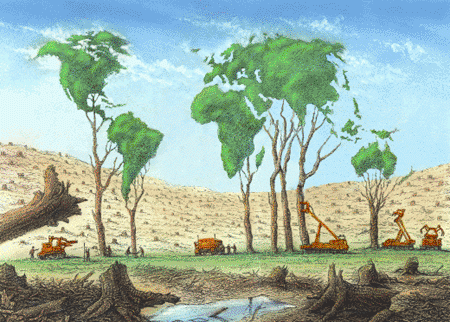
Despite years of conservation biologists telling the world about the woeful state of the world’s forests, the loss of essential ecosystem services and the biodiversity extinction crisis, it seems the message doesn’t really get out. I’m in a state of semi-shock about the following Reuters release on the potential deal to deforest 10 million hectares for agricultural expansion in the Republic of Congo. There isn’t a single mention of the deforestation aspects or what it will mean for the Congolese. Sure, turn your country (the last remaining large tracts of rainforest in Africa) into a paddock, and see how long your ‘food security’ lasts under climate change. From poor to destitute in a matter of decades.

South African farmers have been offered 10 million hectares of farm land to grow maize, soya beans as well as poultry and dairy farming in the Republic of Congo, South Africa’s main farmers union said on Wednesday.

The deal, which covers an area more than twice the size of Switzerland, could be one of the biggest such land agreements on the continent agreed by Congo’s government in an effort to improve food security, Theo de Jager, deputy president of Agriculture South Africa (AgriSA), told Reuters.

South Africa has one of the most developed agriculture sectors on the continent, and is Africa’s top maize producer and No.3 wheat grower.

“They’ve given us 10 million hectares, and that’s quite big when you consider that in South Africa we have about 6 million hectares of land that is arable,” De Jager told Reuters on the sidelines of an agriculture conference in Durban.

De Jager said the agreement — to be finalised in South Africa next month — would operate as a 99-year lease at no cost, with additional tax benefits.

“The offer which we got and we’ve agreed on paper, is a 99-year lease, of which the value would be zero and it’s not allowed to escalate over the 99 years. So it is free use for 99 years,” he said.

The Republic of the Congo’s population of around 4 million people is concentrated in the southwest, leaving the vast areas of tropical jungle in the north virtually uninhabited.

De Jager said some 1,300 South African farmers were keen to farm in the Congo Republic.

“We have two groups of farmers who are interested, one of farmers who want to leave South Africa and relocate entirely to farm over there and another of farmers who want to diversify their farming operations to the Congo,” he said.

“We’ve got guys wanting to get into poultry and dairy farming, as well as maize and soya bean production.”

TAX HOLIDAYS

“It is a tax holiday for the first five years and you’re also exempted from import tax on all your agricultural inputs and equipment,” he said.

“So you can import directly from the source and take all your profits out for the duration of this lease,” he said.

He said there was a government-to-government bilateral agreement on the promotion and protection of investments.

“There are also rules for disengagement, for example if they find oil or minerals on your farm they can move you off, but compensate you for the loss of income and they must give you land to the same value or more in a different area,” he said.

De Jager said food in Congo was expensive because the country lacks an established agriculture sector and most of its foodstuff is imported.

“On their side, (the Congo government) is promising the Congolese that they will be self-sufficient in food production in five years, and the way they want to do it is by importing, according to them, high technology farmers,” De Jager said.

South African farmers had also been invited to farm in Mozambique, Angola, Nigeria, Libya, Kenya, Democratic Republic of Congo, Malawi and Zambia, he said.


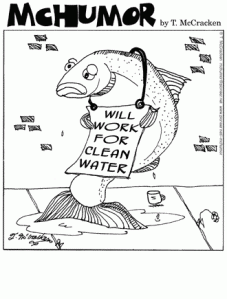
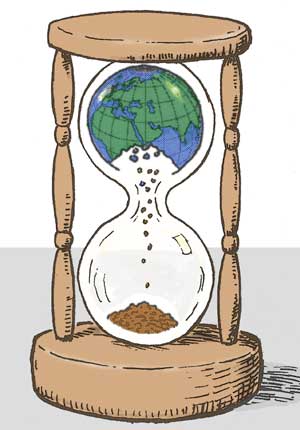
Cartoon guide to biodiversity loss IV

15 04 2009

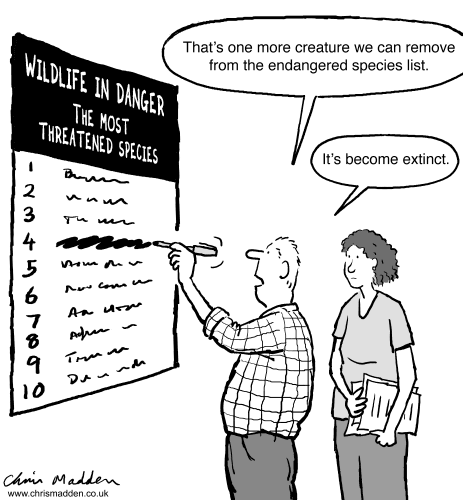
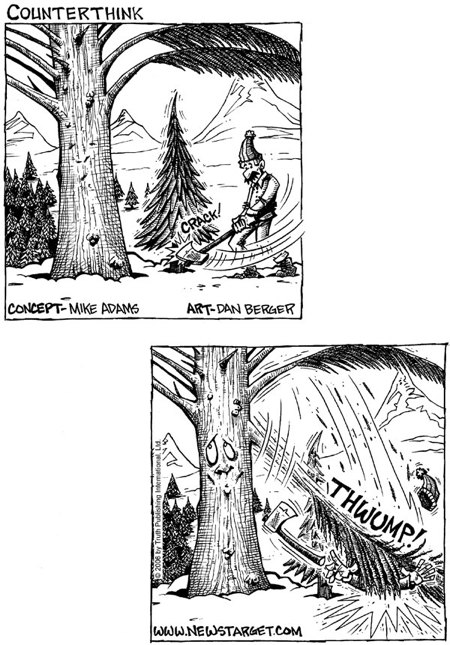
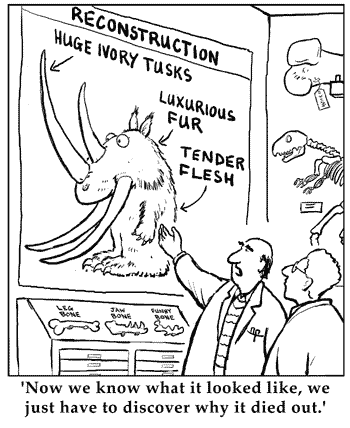
And the most degraded and self-flagellating humour on Earth continues (see also previous instalments here, here and here) …

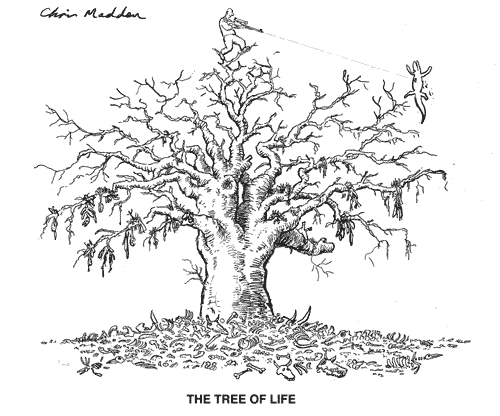
cartoonenvironment_cartoon_7030

hourglass-earth

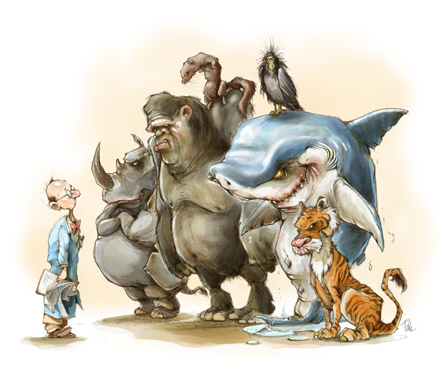
5765_shark_cartoon

CJA Bradshaw

Add to FacebookAdd to NewsvineAdd to DiggAdd to Del.icio.usAdd to StumbleuponAdd to RedditAdd to BlinklistAdd to Ma.gnoliaAdd to TechnoratiAdd to Furl


Band-aid approach to fix ecological and economic ruin

10 04 2009

An excellent article by Andrew Simms (policy director of the New Economics Foundation) posted by the BBC:

It is like having a Commission on Household Renovation agonise over which expensive designer wallpaper to use for papering over plaster cracks whilst ignoring the fact that the walls themselves are collapsing on subsiding foundations.

While most governments’ eyes are on the banking crisis, a much bigger issue – the environmental crisis – is passing them by, says Andrew Simms. In the Green Room this week, he argues that failure to organise a bailout for ecological debt will have dire consequences for humanity.

“Nature Doesn’t Do Bailouts!” said the banner strung across Bishopsgate in the City of London.

Civilisation’s biggest problem was outlined in five words over the entrance to the small, parallel reality of the peaceful climate camp. Their tents bloomed on the morning of 1 April faster than daisies in spring, and faster than the police could stop them.

Across the city, where the world’s most powerful people met simultaneously at the G20 summit, the same problem was almost completely ignored, meriting only a single, afterthought mention in a long communiqué.

World leaders dropped everything to tackle the financial debt crisis that spilled from collapsing banks.

Gripped by a panic so complete, there was no policy dogma too deeply engrained to be dug out and instantly discarded. We went from triumphant, finance-driven free market capitalism, to bank nationalisation and moving the decimal point on industry bailouts quicker than you can say sub-prime mortgage.

But the ecological debt crisis, which threatens much more than pension funds and car manufacturers, is left to languish.

It is like having a Commission on Household Renovation agonise over which expensive designer wallpaper to use for papering over plaster cracks whilst ignoring the fact that the walls themselves are collapsing on subsiding foundations.

Read the rest of this entry »


Fishing for conservation

3 04 2009

Here’s a guest post from one of my newest PhD students, Jarod Lyon of the Arthur Rylah Institute in Victoria. He’s introducing some of his ongoing work and how he incorporates anglers into conservation research.

As most conservationists know, snags (fallen trees and branches in rivers) are the riverine equivalent of marine reefs, providing critical habitat for many plants and animals, from microscopic bacteria, fungi and algae through to large native fish. They are the places where the greatest numbers and diversity of organisms occur in lowland sections of rivers. Their presence has an important influence on the overall health of these rivers.

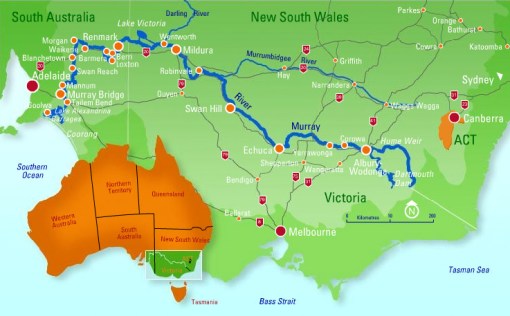
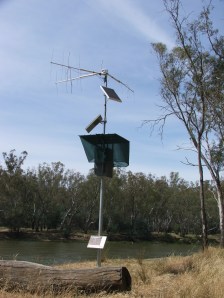
Murray River, Australia
Figure 1

Ins southern Australia, Murray cod, trout cod and golden perch are three iconic fish species that occur in the Murray River (Figure 1). Recent investigations into the ecology of these species have demonstrated a strong dependence on the presence of snags – a relationship well-known to recreational anglers who target both Murray cod and golden perch. Unfortunately, the abundance of these species has declined over the past 100 years and they are now considered threatened. Excessive removal of snags has been identified as a primary cause for this decline. For example, in the Lake Hume to Lake Mulwala reach of the Murray River, over 25000 snags were removed in the 1970s and 1980s to improve the passage of water between Lake Hume and the large irrigation channels at Yarrawonga.

Figure 2
Figure 2

The largest resnagging project ever undertaken in Australia is now in full swing. It aims to reverse the legacy of clearing snags that has occurred along the Murray reaches since European settlement. The resnagging is occurring in the Hume-Mulwala reach of the Murray using trees that were cleared for the Hume Highway extension between Albury and Tarcutta, and will create substantially more physical habitat for native fish in this reach of the river. By creating this habitat, the size of the native fish population in this reach is expected to increase thereby improving the conservation status of the native species present, and improving the quality of the recreational fishery for native species (particularly Murray cod and golden perch). It is the largest project of its kind ever undertaken in Australia, and is a great step towards recovering fish populations. The project is funded under the Murray Darling Basin Commission‘s Living Murray Program, and is being undertaken by a variety of state and national organisations, in particular NSW Department of Primary Industries and Victorian Department of Sustainability and Environment (DSE).

To ensure that the resnagging is having a beneficial effect on the numbers of native fish in the reach, a comprehensive monitoring and evaluation program is being implemented by scientists from the DSE’s Arthur Rylah Institute. This program is determining whether an increase in the size of the native fish populations is the result of:

  • Increased recruitment in the reach
  • Increased survival of adults in the reach
  • Increased immigration of adults and juveniles form Lake Mulwala and the Ovens River
  • Decreased emigration form the reach

To measure these changes, the fish populations between Hume Dam and Lake Mulwala are being surveyed once a year to determine the population size and level of recruitment. For the purpose of comparison, surveying between Yarrawonga and Tocumwal, in the lower Ovens River, and in Lake Mulwala, is also being undertaken.

Figure 2
Figure 3

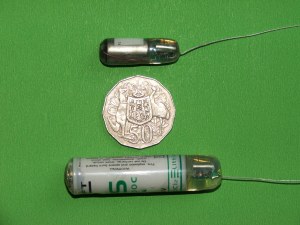
Some of the fish caught (Figure 2) will be tagged with an external tag, internal tag or radio transmitter (Figures 3 & 4). All tags have a unique number that identifies the individual. The recapture of these individuals, both by researchers and by anglers, allows survival and movement patterns to be measured.

The external tags are plastic polymer tags and are easily visible, protruding from the dorsal fin area. These tags are used to allow information from anglers to be directly used in the monitoring. A phone number is printed on each tag and when anglers call this number to report that they have caught a tagged fish, this provides valuable information on the not only fish survival and growth, but also the performance of the recreational fishery. These tags have a lifespan of 2-5 years. Anglers who call in tag information are also eligible for a reward (usually a stubby holder or lure) and get sent a certificate which gives details of the history of the fish which they have captured and reported.

The internal tags are implanted into the area to the front of the pectoral fin, are not visible, and unlike the external tags, are permanent. The tags are passive integrated transponder (PIT) tags (Figure 4), similar to those used in the pet and livestock industry. The tags are important as they allow a long-term record of fish survival, growth and movement to be measured. Fishways across the Murray Darling Basin are increasingly being installed with readers that can detect these tags. This can give researchers valuable information on long-range movements. For example, one fish (a 20-kg Murray cod) that was tagged in the Murray river near Corowa, was picked up on a PIT tag reader at the bottom of the Torrumbarry Weir fishway – a fair feat when you consider that this fish has had to get through both Mulwala and Torrumbarry Weirs, as well as travel a distance of over 200 river km downstream!

Figure 3
Figure 4

Radio transmitters are surgically inserted into the body cavity of the fish (Figure 3). These tags emit a radio signal that can be tracked continuously (Figure 5), and allow a rapid assessment of the movements (i.e., emigration and immigration rates) of a population to be determined. The tags are also detected by an array of 18 logging stations located along the river between Lake Hume and Barmah (Figure 1). Approximately 1000 radio tags will be implanted over the life of the project – making it possibly the largest radio-tagging program in the country.

If you catch a tagged fish, please record the type of fish, its number, its length (and its weight if possible) and the location of its capture and report this information on the phone number printed on the tag. These angler records improve the quality of the data collected and reporting of angler captures is encouraged through the rewards program.

As well as the general tag return program, a more targeted “Research Angler Program” is being undertaken. The angler program commenced operations in July 2007. The project was developed to assist with the scientific monitoring and communication requirements of the native fish habitat restoration project.

This section of the monitoring recognises that local anglers can contribute information about the state of native fish in the River Murray by recording their fishing effort and the amount of fish captured. Such information, in addition to greatly increasing the community awareness of the monitoring program, also adds another ‘string to the monitoring bow’ in that it will form a long-term dataset of fish captures, which can eventually be linked to the resnagging effort. The information gathered will be entered into a database and analysed to help assess changes in fish population size in relation to the habitat rehabilitation project.

Figure 5

Figure 5

Instream woody habitat is a vital component to the lifecycle of Murray Cod and the endangered trout cod. The resnagging of the River Murray – Hume Dam to Yarrawonga, will conserve and enhance native fish communities. Continual monitoring and interactions with the local angling fraternity is a crucial part of the success of this project.

The anglers have logbooks and have been trained in removing the otoliths, which are the earbones, from fish that they are taking for the table. We can then use the otoliths to determine the age and growth of the fish in response to the resnagging work.

Since December 2007 the fishers with the resnagging Angler Monitoring Program have captured over 65 Murray Cod, with over 95% of these fish released. Anglers have caught and released other native species such as golden perch and the endangered trout cod.

Add to FacebookAdd to NewsvineAdd to DiggAdd to Del.icio.usAdd to StumbleuponAdd to RedditAdd to BlinklistAdd to Ma.gnoliaAdd to TechnoratiAdd to Furl


Protein mining the world’s oceans

31 03 2009

Last month David Agnew and colleagues published a paper in PLoS One examining the global extent of illegal, unreported and unregulated (IUU) fishing (Estimating the worldwide extent of illegal fishing), estimating its value from US$10-23.5 billion and representing between 11 and 26 million tonnes of fish annually. The value is roughly the same as that lost from illegal logging each year. Wow.
Of perhaps most interest is that Agnew and colleagues found evidence for a negative relationship between IUU fishing as a proportion of total catch and an international (World Bank) governance quality index. This suggests that improving governance and eradicating corruption may be the best way to curtail the extent of the illegal harvest.

We have just published a paper online in Fish and Fisheries about the extent and impact of IUU fishing in northern Australia. Entitled Protein mining the world’s oceans: Australasia as an example of illegal expansion-and-displacement fishing, the paper by Iain Field and colleagues advocates a multi-lateral response to a problem that has grown out of control in recent decades.

IUU fishing is devastating delicate ecosystems and fish breeding grounds in waters to Australia’s north, and can no longer be managed effectively by individual nations. The problem now requires an urgent regional solution if food security into the future is to be maintained.

The paper is the first big-picture account of the problem from Australia’s perspective. Although there had been a decline in IUU fishing in Australian waters over the past two years, possibly linked to large Australian government expenditure on enforcement and rising fuel prices, the forces driving illegal fishing have not gone away and are likely to resurface in our waters.

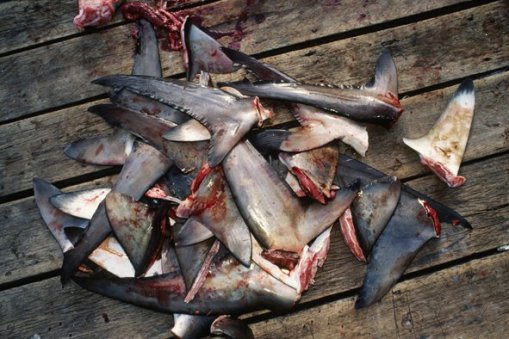
We expect that the small-scale illegal fishers will be back to prey on other species such as snapper, trochus and trepang as soon as it is economically viable for them to do so. To date, these IUU fishers have focused mostly on high-value sharks mainly for the fin trade, to the extent that the abundance of some shark species has dropped precipitously. IUU fishing, which has devastated fish resources and their associated ecosystems throughout Southeast Asian waters, is driven by deep economic and societal forces. For example, the Asian economic crisis in the late 1990s drove a large number of people out of cities and into illegal fishing.

It is not enough to maintain just a national response as the problem crosses national maritime zones, and it poses one of the biggest threats known to marine ecosystems throughout the region. These IUU fishers are mining protein, and there is no suggestion of sustainability or factoring in fish breeding or ecosystem protection into the equation. They just come into a fishing area and strip-mine it, leaving it bare.

Illegal fishing in Australian waters started increasing steeply about 10 years ago, largely because of over-exploitation of waters farther north, peaking in 2005-06 then falling away just as steeply. There are three factors behind the recent downturn: Australian government enforcement measures estimated to have cost at least AU$240 million since 2006; the high price of fuel for the fishing boats; and, most importantly, the fact that the high-value species may have been fished out and are now economically and ecologically extinct.

The $240 million has funded surveillance, apprehension, transportation, processing and accommodation of the several thousand illegal foreign fishermen detained each year since 2006. These activities have been successful, but it is doubtful whether they can hold back the IUU tide indefinitely – the benefits to the illegal fishers of their activities far outweigh the penalties if caught.

With increasing human populations in the region, the pressure to fish illegally is likely to increase. Regional responses are required to deter and monitor the illegal over-exploitation of fisheries resources, which is critical to secure ecosystem stability as climate change and other destructive human activities threaten food security.

CJA Bradshaw (with IC Field, MG Meekan and RC Buckworth)

Add to FacebookAdd to NewsvineAdd to DiggAdd to Del.icio.usAdd to StumbleuponAdd to RedditAdd to BlinklistAdd to Ma.gnoliaAdd to TechnoratiAdd to Furl


Classics: Ecological Triage

27 03 2009

It is a truism that when times are tough, only the strongest pull through. This isn’t a happy concept, but in our age of burgeoning biodiversity loss (and economic belt-tightening), we have to make some difficult decisions.In this regard, I suggest Brian Walker’s1992 paper Biodiveristy and ecological redundancy makes the Classics list.

Ecological triage is, of course, taken from the medical term triage used in emergency or wartime situations. Ecological triage refers to the the conservation prioritisation of species that provide unique or necessary functions to ecosystems, and the abandonment of those that do not have unique ecosystem roles or that face almost certain extinction given they fall well below their minimum viable population size (Walker 1992). Financial resources such as investment in recovery programmes, purchase of remaining habitats for preservation, habitat restoration, etc. are allocated accordingly; the species that contribute the most to ecosystem function and have the highest probability of persisting are earmarked for conservation and others are left to their own devices (Hobbs & Kristjanson 2003).

This emotionally empty and accounting-type conservation can be controversial because public favourites like pandas, kakapo and some dolphin species just don’t make the list in many circumstances. As I’ve stated before, it makes no long-term conservation or economic sense to waste money on the doomed and ecologically redundant. Many in the conservation business apply ecological triage without being fully aware of it. Finite pools of money (generally the paltry left-overs from some green-guilty corporation or under-funded government initiative) for conservation mean that we have to set priorities – this is an entire discipline in its own right in conservation biology. Reserve design is just one example of this sacrifice-the-doomed-for-the good-of-the-ecosystem approach.

Walker (1992) advocated that we should endeavour to maintain ecosystem function first, and recommended that we abandon programmes to restore functionally ‘redundant’ species (i.e., some species are more ecologically important than others, e.g., pollinators, prey). But how do you make the choice? The wrong selection might mean an extinction cascade (Noss 1990; Walker 1992) whereby tightly linked species (e.g., parasites-hosts, pollinators-plants, predators-prey) will necessarily go extinct if one partner in the mutualism disappears (see Koh et al. 2004 on co-extinctions). Ecological redundancy is a terribly difficult thing to determine, especially given that we still understand relatively little about how complex ecological systems really work (Marris 2007).

The more common (and easier, if not theoretically weaker) approach is to prioritise areas and not species (e.g., biodiversity hotspots), but even the criteria used for area prioritisation can be somewhat arbitrary and may not necessarily guarantee the most important functional groups are maintained (Orme et al. 2005; Brooks et al. 2006). There are many different ways of establishing ‘priority’, and it depends partially on your predilections.

More recent mathematical approaches such as cost-benefit analyses (Possingham et al. 2002; Murdoch et al. 2007) advocate conservation like a CEO would run a profitable business. In this case the ‘currency’ is biodiversity, and so a fixed financial investment must maximise long-term biodiversity gains (Possingham et al. 2002). This essentially estimates the potential biodiversity saved per dollar invested, and allocates funds accordingly (Wilson et al. 2007). Where the costs outweigh the benefits, conservationists move on to more beneficial goals. Perhaps the biggest drawback with this approach is that it’s particularly data-hungry. When ecosystems are poorly measured, then the investment curve is unlikely to be very realistic.

CJA Bradshaw

Add to FacebookAdd to NewsvineAdd to DiggAdd to Del.icio.usAdd to StumbleuponAdd to RedditAdd to BlinklistAdd to Ma.gnoliaAdd to TechnoratiAdd to Furl

(Many thanks to Lochran Traill and Barry Brook for co-developing these ideas with me)


Destroyed or Destroyer?

23 03 2009

Last year our group published a paper in Journal of Ecology that examined, for the first time, the life history correlates of a species’ likelihood to become invasive or threatened.

The paper is entitled Threat or invasive status in legumes is related to opposite extremes of the same ecological and life-history attributes and was highlighted by the Editor of the journal.

The urgency and scale of the global biodiversity crisis requires being able to predict a species’ likelihood of going extinct or becoming invasive. Why? Well, without good predictive tools about a species’ fate, we can’t really prepare for conservation actions (in the case of species more likely to go extinct) or eradication (in the case of vigorous invasive species).

We considered the problem of threat and invasiveness in unison based on analysis of one of the largest-ever databases (8906 species) compiled for a single plant family (Fabaceae = Leguminosae). We chose this family because it is one of the most speciose (i.e., third highest number of species) in the Plant kingdom, its found throughout all continents and terrestrial biomes except Antarctica, its species range in size from dwarf herbs to large tropical trees, and its life history, form and functional diversity makes it one of the most important plant groups for humans in terms of food production, fodder, medicines, timber and other commercial products. Choosing only one family within which to examine cross-species trends also makes the problem of shared evolutionary histories less problematic from the perspective of confounded correlations.

We found that tall, annual, range-restricted species with tree-like growth forms, inhabiting closed-forest and lowland sites are more likely to be threatened. Conversely, climbing and herbaceous species that naturally span multiple floristic kingdoms and habitat types are more likely to become invasive.

Our results support the idea that species’ life history and ecological traits correlate with a fate response to anthropogenic global change. In other words, species do demonstrate particular susceptibility to either fate based on their evolved traits, and that traits generally correlated with invasiveness are also those that correlate with a reduced probability of becoming threatened.

Conservation managers can therefore benefit from these insights by being able to rank certain plant species according to their risk of becoming threatened. When land-use changes are imminent, poorly documented species can essentially be ranked according to those traits that predispose them to respond negatively to habitat modification. Here, species inventories combined with known or expected life history information (e.g., from related species) can identify which species may require particular conservation attention. The same approach can be used to rank introduced plant species for their probability of spreading beyond the point of introduction and threatening native ecosystems, and to prioritise management interventions.

I hope more taxa are examined with such scrutiny so that we can have ready-to-go formulae for predicting a wider array of potential fates.

CJA Bradshaw

Add to FacebookAdd to NewsvineAdd to DiggAdd to Del.icio.usAdd to StumbleuponAdd to RedditAdd to BlinklistAdd to Ma.gnoliaAdd to TechnoratiAdd to Furl


Too many mouths to feed

19 03 2009

The venerable Professor John Beddington has some stern warnings about over-population in the next few decades. In essence, we cannot ignore the human over-population problem any longer. There are simply too many people for the finite resources available and the consumption rates that do not appear to be declining (not surprising given our voracious appetite for economic growth – more like long-term economic suicide, really). Australia is certainly no exception – with most of our country essentially uninhabitable, we’ve already exceeded our carrying capacity (but try telling this to the pollies).

In my opinion, human over-population is THE principal driver of biodiversity loss in the modern context. Without some serious global efforts for population planning, expect a lot more conflict in your lifetime, and a lot worse effects of climate change. See also Global Population Speak Out.

This one from the BBC:

Growing world population will cause a “perfect storm” of food, energy and water shortages by 2030, the UK government chief scientist has warned. By 2030 the demand for resources will create a crisis with dire consequences, Prof John Beddington said. Demand for food and energy will jump 50% by 2030 and for fresh water by 30%, as the population tops 8.3 billion, he told a conference in London.

Climate change will exacerbate matters in unpredictable ways, he added. “It’s a perfect storm,” Prof Beddington told the Sustainable Development UK 09 conference.’Perfect storm’ poses global threat, says Professor Beddington. “There’s not going to be a complete collapse, but things will start getting really worrying if we don’t tackle these problems.”

Prof Beddington said the looming crisis would match the current one in the banking sector. “My main concern is what will happen internationally, there will be food and water shortages,” he said.

“We’re relatively fortunate in the UK; there may not be shortages here, but we can expect prices of food and energy to rise.” The United Nations Environment Programme predicts widespread water shortages across Africa, Europe and Asia by 2025. The amount of fresh water available per head of the population is expected to decline sharply in that time. The issue of food and energy security rose high on the political agenda last year during a spike in oil and commodity prices.

Prof Beddington said the concern now – when prices have dropped once again – was that the issues would slip back down the domestic and international agenda. “We can’t afford to be complacent. Just because the high prices have dropped doesn’t mean we can relax,” he said. Improving agricultural productivity globally was one way to tackle the problem, he added. At present, 30-40% of all crops are lost due to pest and disease before they are harvested. Professor Beddington said: “We have to address that. We need more disease-resistant and pest-resistant plants and better practices, better harvesting procedures. “Genetically-modified food could also be part of the solution. We need plants that are resistant to drought and salinity – a mixture of genetic modification and conventional plant breeding. Better water storage and cleaner energy supplies are also essential, he added.

Prof Beddington is chairing a subgroup of a new Cabinet Office task force set up to tackle food security. But he said the problem could not be tackled in isolation. He wants policy-makers in the European Commission to receive the same high level of scientific advice as the new US president, Barack Obama. One solution would be to create a new post of chief science adviser to the European Commission, he suggested.

CJA Bradshaw


Perceptions on poverty: the rising Middle Class

16 03 2009

I’m being somewhat ‘lazy’ this week in that I have unfortunately less time to spend on pertinent blog posts than I’d like (lecturing, looming deadlines, that sort of thing). So, I start out this week’s posts with one of my favourite TED talks – Hans Rosling debunks myths about the developing world.

What’s the relevance to biodiversity conservation? I’ll admit, it may appear somewhat tangential, but there are a few important messages (both potentially good and bad):

1. POSSIBLE BENEFIT #1: The rising wealth in the developing world and associated reduction in family size may inevitably curb our human population growth rates;

2. POSSIBLE DISADVANTAGE #1: Rising wealth will necessarily mean more and more consumption, and as we know at least for tropical developing nations, resource consumption is killing biodiversity faster than anywhere else on the planet;

3. POSSIBLE DISADVANTAGE #2: As family wealth rises, so too do opportunities do opportunities for the Anthropogenic Allee effect (consuming rare species just because you can afford to do so);

4. POSSIBLE BENEFIT #2: Better health care associated with rising wealth and lower infant mortality might make education a higher priority, teaching more people about the necessity of safeguarding ecosystem services.

I’m not convinced the advantages will necessarily outweigh the disadvantages; regardless, Prof. Rosling’s amazing 20-minute presentation will both entertain and enlighten. I recommend it for a lunchtime sitting or that late-afternoon attention wain.

CJA Bradshaw

Vodpod videos no longer available.

more about “Hans Rosling shows the best stats you…“, posted with vodpod


Woodland Recovery Initiative

12 03 2009

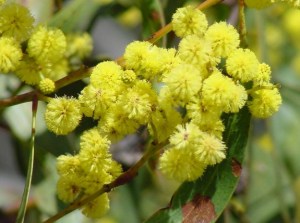
golden wattle (Acacia pycnantha)I’m recommending you view a video presentation (can be accessed by clicking the link below) by A/Prof. David Paton which demonstrates the urgency of reforesting the region around Adelaide. Glenthorne is a 208-ha property 17 km south of the Adelaide’s central business district owned and operated by the University of Adelaide. A major revegetation project called the Woodland Recovery Initative is being organised to achieve the following:

  • reclaim approximately 100 ha of farmland and reconstruct a suitable habitat that encourages the return of native species
  • establish a world-class research centre
  • employ scientists, technicians, teachers and managers to deliver research, educational, community engagement, monitoring and on-ground works
  • develop educational programs that involve local schools in the environmental works, so that young South Australians are engaged in the project and see it as important to the future of their community

In my view, this is a really exciting opportunity to test experimentally the best ways to restore woodlands to maximise biodiversity retention. Once revegetated, the Glenthorne property will link existing reserves to maximise forested area (and as we know, increasing habitat area is one of most effective ways to prevent extinction). The next step is to apply the knowledge gained from the long-term experimentation at Glenthorne to revegetate the regions surrounding Adelaide that have suffered 200 years of heavy deforestation.

I strongly encourage local support of this initiative – it’s not only biodiversity that will benefit – ecosystem services on which the human residents of the greater Adelaide region depend (including extremely important things such as water retention and carbon sequestration) will also be efficiently enhanced by evidence-based ecological restoration of the region. We could certainly use better natural water retention and more carbon sequestration in addition to the re-establishment of many extirpated native species!

VIEW VIDEO BY CLICKING HERE

CJA Bradshaw


Tropical Turmoil II

8 03 2009

In August last year I covered a paper my colleagues (Navjot Sodhi and Barry Brook) and I had in press in Frontiers in Ecology and the Environment entitled Tropical turmoil – a biodiversity tragedy in progress. The paper is now available in the March 2009 issue of the journal (click here to access). We were also fortunate enough to grab the front cover (shown here) and have a dedicated podcast that you can listen to by clicking here about the paper and its findings. I encourage ConservationBytes.com readers to have a listen if they’re interested in learning more about the woeful state of tropical biotas worldwide, and maybe some ways to rectify the problems. The intro to the podcast can be viewed by clicking here.

CJA Bradshaw


Get serious about understanding biodiversity

3 03 2009

Sometimes I realise I live inside something of a bubble where most of my immediate human contacts have a higher-than-average comprehension of basic life science (after all, I work at a university). I often find myself surprised when I overhear so-called ‘lay’ people discussing whether or not penguins are fish, or that environmental awareness is just a pre-occupation of deluded greenies with nothing better to do.

If only it were so innocuous.

I found a great little article in the Canberra Times that laments the populace’s general ignorance of natural and environmental sciences. In my view, we must be as ecologically literate as we are in economics, maths and literature (and as the rapidly changing climate stresses even our most resilient resources and systems, I argue it will become THE most important thing to teach the young).

I’ve reproduced the Canberra Times article by Rossyln Beeby below:

“You don’t have to look, you don’t have to see, you can feel it in your olfactory,” sang Loudon Wainwright in a chirpy song about skunk roadkill back in the 1970s.

Likewise, it could be argued that if, as claimed, 5000 eastern grey kangaroos have died of starvation “in one season” at a Federal department of defence training site in Canberra, our noses would know about it. Do the maths. Even if 5000 kangaroos had died in one year, that’s roughly 14 animals a day, building to 98 carcasses a week. There would be, as one kangaroo ecologist dryly observed, “a murder of crows” descending on the site. If we interpret “one season” as three months, the carcass count would be over 1600 a month – which would amount to a serious health hazard for any troops using the training site as well as a unique waste disposal problem. Let’s be blunt here, as well as a murder of crows, the decaying corpses would also attract a buzz of blowflies and a heave of maggots.

Can this estimate be accurate? Or does it simply reveal the usual flaw in using walked ground surveys, or line transects, to estimate kangaroo numbers? This accuracy of this method, and the correction factors required, have been debated since the mid-1980s. These issues were the subject of a paper published in the “Australian Zoologist” almost a decade ago, which argues a case for aerial surveys to gain a better estimate of kangaroo numbers.

And are kangaroos starving at the site? If such large numbers are dying over such a short period, then are we in fact looking at a fatal virus – similar to outbreaks recently reported in northern NSW – which attacks the brain and eyes of kangaroos. Or a macropod alphaherpes virus – similar to that now attacking the immune system of koalas – which was identified in nasal swabs taken from eastern grey kangaroos that died in captivity in Queensland. Has someone done the necessary pathology?

Research in universities across Australia is revealing that macropod biology – that’s the biology of more than 50 species of creatures that are usually lumped, by the unobservant, into the generic category of “kangaroo” – is far more complex than previously thought. Recent developments include the revelation that climate change is affecting the breeding patterns of red kangaroos. Heat stress is killing young animals, because they need to work harder – an increased rate of shallow panting and bigger breaths – to cool their bodies. The late Alan Newsome, a senior CSIRO researcher, also did pioneering research that found high temperatures reduced the fertility of male red kangaroos. Has anyone looked at the impact of temperature extremes on mortality rates in eastern greys? Is there a link between drought and increased gut parasite burdens?

Wildlife ecology should not be the domain of popular myth, casual speculation or media manipulation. It is a serious science, requiring mathematically based field work, an understanding of environmental complexities and a formidable intellect. At its best, it’s an enthralling, exhilarating science that’s right up there with the best of astronomy and quantum physics. It’s not about patting critters and taking a stroll through the bush.

As a nation, our politicians are mostly woefully uninformed about our biodiversity, and as a recent Australian Audit office report pointed out, our policy makers often are not fully across the complexities of environmental issues. Does anyone remember that episode of “The West Wing” (it’s in the second series) where the White House deputy chief of staff (Josh Lyman) and the communications director (the usually erudite Toby Ziegler) are describing one of America’s 12 subspecies of lynx as “a kind of possum'” when briefing the president on an emerging environmental issue? There’s also an episode where Josh (a character with a formidable knowledge of political systems) is struggling to establish the difference between a panda and a koala.

Given Australia’s vulnerability to climate change, we can’t afford this kind of muddle-headed confusion among our environmental policy makers.


One more (excellent) reason to conserve tropical forests

26 02 2009

© K. Sloan Brown

© K. Sloan Brown

Another nail in the deforesters’ justification coffin – tropical forests are worth more intact than cut down. This one from Mongabay.com and one for the Potential section:

Undisturbed tropical forests are absorbing nearly a fifth of carbon dioxide released annually by the burning of fossil fuels, according to an analysis of 40 years of data from rainforests in the Central African country of Gabon.

Writing in the journal Nature, Simon Lewis and colleagues report that natural forests are an immense carbon sink, helping slow the rise in atmospheric CO2 levels.

“We are receiving a free subsidy from nature,” said Simon Lewis, a Royal Society research fellow at the University of Leeds. “Tropical forest trees are absorbing about 18% of the CO2 added to the atmosphere each year from burning fossil fuels, substantially buffering the rate of climate change.”

But the good news may not last for long. Other research suggests that as tropical forests fall to loggers, dry out due to rising temperatures, and burn, their capacity to absorb carbon is reduced.

The research, which combined the new data from African rainforests with previously published data from the Americas and Asia, lends support to the idea that old-growth forests are critical to addressing climate change. Recent climate negotiations have included debates on compensating tropical countries for reducing emissions from deforestation and forest degradation (“REDD” or “avoided deforestation”).

“To get an idea of the value of the sink, the removal of nearly 5 billion tonnes of carbon dioxide from the atmosphere by intact tropical forests, based on realistic prices for a tonne of carbon, should be valued at around £13 billion per year,” said study co-author Lee White, Gabon’s Chief Climate Change Scientist. “This is a compelling argument for conserving tropical forests.”

“Predominantly rich polluting countries should be transferring substantial resources to countries with tropical forests to reduce deforestation rates and promote alternative development pathways,” added Lewis.

The new findings show that tropical forests account for roughly half of the 8.5 billion tons of carbon that is sequestered in terrestrial sources each year, the balance is absorbed by soils and other types of vegetation. Another 8.5 billion tons dissolved in oceans, leaving 15 billion of the 32 billion tons emitted by humans each year in the atmosphere. Deforestation accounts for roughly 6 billion tons of greenhouse gas emissions – greater than the emissions from all the world’s planes, ships, trucks, and cars.

Note – the contention by Muller-Landau that the Lewis and colleagues’ findings are not realistic due to ‘regeneration’ demonstrates her ignorance of recent work demonstrating the sequestration aspect of mature forests. But more importantly, this cherry-picked gripe, even if it were plausible, is almost of no consequence. With much of the world’s tropical forests already badly degraded or destroyed, there will inevitably be large areas of regenerating forests for centuries to come (i.e., time periods relevant to climate change projections). We haven’t even managed to reduce the RATE of tropical deforestation, so the opportunities for regeneration will persist, making the Lewis result all the more important. Muller-Landau is known for her unrealistic and anti-conservationist views, so her comments are hardly surprising. My advice – take her opinions with a very large shaker of salt (or better yet, ignore entirely).

CJA Bradshaw


Cartoon guide to biodiversity loss III

24 02 2009

Some more (see previous ‘Cartoon Guide’ instalments I and II) comedic reminders of humanity’s environmental short-sightedness.

The Call of The Wild

CJA Bradshaw

Add to FacebookAdd to NewsvineAdd to DiggAdd to Del.icio.usAdd to StumbleuponAdd to RedditAdd to BlinklistAdd to Ma.gnoliaAdd to TechnoratiAdd to Furl


Don’t torture your readers II

22 02 2009

The second instalment of “Don’t torture your readers” (an attempt to stimulate better writing in conservation science) follows with some more mistakes, bad grammar and personal pet peeves.

  • DECIMATE (as in ‘… the population was decimated following…’) – I’ve seen this one used way too often. It is usually invoked by the author to imply some devastating reduction in population size (somehow it sounds bad); for this reason alone, the emotive language should be avoided. However, ‘decimate’ has a specific meaning: to reduce by every ‘one in 10’ (hence the ‘deci’ prefix). If you really mean the population was reduced by 10 %, use ‘decimate’. If you are just stating the population was reduced, state by how much and avoid emotive and incorrect terms.
  • DRAMATIC(ALLY) (as in ‘… we observed a dramatic decline in…’) – another meaningless, emotive word that belongs in the theatre, not in scientific writing. Quantify your meaning instead of relying on subjective terms.
  • CRITICAL(LY) (as in ‘… highlights the critical importance of…’ – This term is generally meant to communicate some urgent need or absolute necessity. While most authors would like to think their chosen topic is ‘critical’, many neither define to whom or what the results are ‘critical’, or even what the lack thereof would entail. In some circumstances it is used to infer some sort of threshold beyond which another state dominates, so I question the need for ‘critical’ at all in conservation writing. If you are trying to inflate the importance of your work, ‘critical’ is the word to use; if you mean a threshold, then simply state so.
  • FEW versus LESS – I’m amazed this still stumps so many people. ‘Few’ should be used to define a small number of countable (discrete) items (e.g., individuals, quadrats, plots). ‘Less’ should be applied to a measurable, continuous variable (covariate) that cannot be easily discretised (e.g., water, biomass, carbon). If you ever see someone write ‘less individuals’, get out the big red pen.
  • DATA – While on the subject of quantification, the word ‘data’ should always be followed by plural forms of the verbs (e.g., ‘… the data are…’; ‘… the data were…’). A singular ‘datum’ is one measurement and requires the singular form. A ‘dataset’ is a single group of data, so it too can use the singular form. If you want to communicate that your sample size was too small (for your intended purposes), you need to write ‘too few data’.
  • MIGHT/CAN versus MAY – I’ve often got this one wrong too. ‘May’ implies doubt or permission, so it is most often better to use ‘can’ or ‘might’ (where appropriate) when you expressly mean ‘under certain circumstances’.
  • THAT versus WHICH – This is not an easy one, and for a full discussion, visit this link. In the most basic description of the difference, ‘that’ usually introduces essential information in a restrictive clause, whereas ‘which’ introduces additional information in a non-restrictive clause. Quoting from the link given above provides some more clarity:

“What is FASCINATING to me is that . . . one way to determine . . . the correct word . . . is to ask the question, ‘Does the clause clarify which of several possibilities is being referred to?’ If the answer is yes, then the correct word to use is that. If the answer is no, the correct word to use is which.”

Seems somewhat counter-intuitive, but it’s correct (hence the confusion).

CJA Bradshaw

Add to FacebookAdd to NewsvineAdd to DiggAdd to Del.icio.usAdd to StumbleuponAdd to RedditAdd to BlinklistAdd to Ma.gnoliaAdd to TechnoratiAdd to Furl


Shifting baselines

19 02 2009

jellyburger

A term first coined by Daniel Pauly (who we’ve previously covered as a Conservation Scholar), and one I could easily classify as a conservation Classic, it essentially describes the way changes to a system are measured against previous baselines, which themselves may represent changes from the original state of the system (definition modified from Wikipedia). Pauly originally meant it in a fisheries context, where “… fisheries scientists sometimes fail to identify the correct “baseline” population size (e.g., how abundant a fish species population was before human exploitation) and thus work with a shifted baseline“.

It’s easily considered a mantra in fisheries (there’s even a dedicated Scienceblog on the topic, and several other fisheries-related websites [e.g., here & here]), but it has been extended to all sorts of other conservation issues.

As it turns out, however, quantifying ‘shifting baselines’ in conservation is rather difficult, and there’s little good evidence in most systems (despite the logic and general acceptance of its ubiquity by conservation scientists). Now Papworth and colleagues have addressed this empirical hole in their new paper entitled Evidence for shifting baseline syndrome in conservation published online recently in Conservation Letters.

Papworth et al. discuss two kinds of shifting baselines: (1) general amnesia (“… individuals setting their perceptions from their own experience, and failing to pass their experience on to future generations”) and (2) personal amnesia (“… individuals updating their own perception of normality; so that even those who experienced different previous conditions believe that current conditions are the same as past conditions”), and they provide three well-quantified examples: (a) perceptions of bushmeat hunters in Gabon, (b) perceptions of bushmeat hunters in Equatorial Guinea and (c) perceptions of bird population trends in the UK.

Although the data have issues, all three cases demonstrate convincing evidence of the shifting baselines syndrome (with the UK example providing an example of both general and personal amnesia). Now, this may all seem rather logical, but I don’t want the reader to underestimate the importance of the Papworth paper – this is really one of the first demonstrations that it is a real problem in vastly different systems (i.e., not just fisheries). I think it’s hard evidence that the issue is a big one and cannot be ignored when presenting historical data for conservation purposes.

Humans inevitably have short memories when it comes to environmental degradation – this essentially means that in most demonstrations of biodiversity decline, it’s probably a lot worse even than the data might suggest. Policy makers take note.

CJA Bradshaw

Add to FacebookAdd to NewsvineAdd to DiggAdd to Del.icio.usAdd to StumbleuponAdd to RedditAdd to BlinklistAdd to Ma.gnoliaAdd to TechnoratiAdd to Furl


One year later: Conservation Letters

17 02 2009

Conservation Letters

I have been very proud to be a part of Conservation Letters‘ success since its inaugural issue in April 2008. I thought I’d share our Chief Editors’ retrospective editorial after the first year. Thanks to all who have made CL such a success!

In the editorial that launched Conservation Letters, we promised a journal that would publish novel and innovative papers drawing on a diversity of disciplines, and including perspectives and case studies from across the globe. We anticipated first class research that would help deliver effective policy and management solutions. Furthermore, we pledged rapid publication: a review time of six weeks and submission-to-publication time of 20 weeks. So let’s see how we have done in the first volume.

The five issues of the first volume comprise 37 papers drawn from 146 submissions. Of these submissions, 40% were rejected without review. We did better than our target for processing manuscripts: average review time was five weeks and submission-to-publication time was 17.5 weeks.

Coverage of topics has been diverse. Several papers dealt with mainstream conservation science: habitat and population decline, climate change impacts and assessments for conservation planning. Many dealt with “hot” topics, namely natural capital and ecosystem services, conservation economics, and monitoring and evaluation. Few papers had a strictly biological focus – most also considered social dynamics and focused on production land and waterscapes. Most straddled disciplines. Although all papers articulated implications for policy and practice, two documented research that was engaged with the stakeholders responsible for developing policy or implementing practice.

We are disappointed that the geographic spread of the submissions was strongly biased in favor of developed, English-speaking nations: 36% of first authors hailed from the USA, 19% from UK, 16% from Australia and 6% from Canada. Only 11% of submissions originated from mainland Europe, 5% from Asia, 3% from Africa, 2% from Latin America. More encouraging was that almost half the papers published dealt with topics that transcended biome boundaries; the remainder was equally shared between land and water ecosystems.

At this early stage, it is difficult to assess whether any of the papers have had an impact on conservation policy and practice. However, the editorial team is pursuing ways of monitoring the extent to which papers are influential in catalyzing actions that safeguard nature and its services in a secure, just, and sustainable way. What we can report is that research published in Conservation Letters aroused considerable interest from major television networks (BBC, ABC, National Geographic), magazines (Economist, American Scientist), newspapers (New York Times, Christian Science Monitor, Sydney Morning Herald) and conservation organizations (BirdLife International, The Nature Conservancy). Two papers attracted most of the media interest: Wilson and Edwards’ paper on low emission kangaroo meat (issue 3, 119-128) and Reed and Merenlender’s contribution that assessed the impact on carnivore populations of non-consumptive recreation in protected areas (issue 3, 146-154). Along with Kapos et al’s paper on measuring conservation success (issue 4, 155-164) and Koh and Wilcove’s article on the impacts of oil palm agriculture on tropical biodiversity (issue 2, 60-64), as of November these contributions also had the highest impact as measured by downloads. Conservation Letters will apply for ISI listing in early 2009 so it will soon be possible to track impact via citation analysis.

Overall, we are very pleased with the first volume of the journal. The papers are scientifically rigorous, innovative and – importantly – likely to have a real impact on policy and practice. Moreover, we believe that the quality and speed of the review process has been good. However, the journal does face certain challenges in maintaining this high quality of content and process. We need to attract more contributions with social science perspectives, that involve scientists from developing countries, and that are socially engaged in processes leading to implementation of conservation actions. As Conservation Letters grows and becomes even more diverse, we will also need to recruit to our editorial board more rare individuals like the ones we already have: leading scientists who are willing to allocate time to editorial chores that advance conservation science and policy.

Our success is attributed to the conservation science community who has so enthusiastically supported the journal by submitting their top-notch papers to a fledgling journal. Of key importance has been our outstanding editorial board. Its members have ensured a rigorous, fair and speedy review process. We wish to thank in particular those who dealt with four or more submissions for the first volume, namely Bill Adams, James Blignaut, Justin Brashares, Nicholas Dulvy, Richard Krannich, David Lindenmayer, Atte Moilanen, Mathieu Rouget, Javier Simonetti and Kerrie Wilson. At the helm is Corey Bradshaw, our Senior Editor whose dedication and commitment have underpinned our achievement thus far. Corey shouldered the lion’s share of editorial responsibilities for the early issues, personally handling 18 submissions. Thanks too for the sterling work by the team at Wiley-Blackwell: Managing Editor Jen Mahar and Associate Publisher Marjorie Spencer. Finally the entire team is hugely appreciative of the guidance of our Editorial Advisor, Michael Hochberg, whose experience as editor of our sister journal Ecology Letters, provided important direction for the editorial team.

By any measure conservation research is booming – both in terms of its scientific and real world impact. The remarkable early enthusiasm for Conservation Letters is testimony to the excitement that surrounds our discipline. We, the Chief Editors, are very grateful for your support.

Richard M. Cowling
Michael B. Mascia
Hugh Possingham
William J. Sutherland


Toilet Torrens II: The Plot Sickens

14 02 2009
© CJA Bradshaw

© CJA Bradshaw

A few days into the Torrens ‘River’ disaster, and we see very little in the way of a truly dedicated, organised clean-up. With some token efforts to clean up the more obvious rubbish in the lake section itself (i.e., cars, fridges, etc.), there is nothing suggesting the true problems are going to be addressed. Indeed, the authorities are desperately trying to ‘find’ water to cover the problem up rather than deal with it.

Instead of a catchment-wide mass clean-up, the removal of the water-sucking invasive plants that line the river’s edge (see photos below), the implementation of a water neutrality scheme, and the removal of hundreds of untreated drainage pipes, they are willing to spend over $1 million to pipe in water from elsewhere.

I can’t believe it.

This is the best opportunity Adelaide has ever had to rectify the problem and clean the mess up once and for all; instead, the investment is going toward a cosmetic cover-up that will effectively fix nothing. Toothless. Some images I took today while cycling along the Torrens path follow:

© CJA Bradshaw

© CJA Bradshaw

© CJA Bradshaw

© CJA Bradshaw

© CJA Bradshaw

© CJA Bradshaw

CJA Bradshaw

Add to FacebookAdd to NewsvineAdd to DiggAdd to Del.icio.usAdd to StumbleuponAdd to RedditAdd to BlinklistAdd to Ma.gnoliaAdd to TechnoratiAdd to Furl


Adelaide’s shame – the ‘River’ (toilet) Torrens

12 02 2009

I’ve put this post off for too long as it is, but after today’s ridiculous dereliction of dutymalfunction‘, I can no longer hold my tongue (as it were).

I’ve been living in Adelaide for about a year now, and it’s been slowly dawning on me just how badly managed, for decades, the Torrens River has been. I cycle or run to work along the Torrens cycle path and see and smell the amazing neglect that has accumulated over the years.

The river literally stinks of rot and filth. What am I saying? The Torrens is about as much a river as a trickle in public urinal. Actually, most urinals are a hell of a lot cleaner.

It’s not just the rubbish, the unregulated and ubiquitous pipes of untreated run-off entering every 100 m or so, the almost complete lack of flows during the summer, the terribly regulated flows during the infrequent winter rains, the toxic build-up of blue-green algae, or the choking invasive alien plants lining its entire course, it’s the unbelievable neglect, cover-up and blind ignorance that has lead to one of the most polluted, unnatural and degraded streams in Australia.

And it’s in the middle of Adelaide.

This is how some would rather you think of the Torrens:

But scratch just a little under the surface and you find this:

and this:

Yes, today’s mishap exposed decades of bad management to the press and the public in general; the authorities can’t wait for a little rain to cover up the ’embarrassment’, but they’ll have to wait a long time. This isn’t “embarrasing“, it’s shameful, disgusting, neglectful, irresponsible and naïve.

Of course, a few people have some partially right approaches to address the problem – indeed, Tourism Minister Jane Lomax-Smith suggests we take advantage of the low water levels and clean up the mess. I couldn’t agree more. However, apart from a few derelict cars pulled out, I’ve not seen a single attempt to get out there and do the job properly. We need to remove every last scrap of rubbish from the Adelaide Hills to Henley beach – this means the trolleys, oil drums, bicycles, wheelie bins and other assorted crap (I think I even saw a fridge today). I’m willing to help.

We need a major overhaul, clean-up and rethink about this so-called ‘river’.

The ‘drought’ that Australia seems convinced will some day end will not go away – climate change will ensure that, along with the persistence of some very bad urban water policies. We need to get used to the idea that we’ll have less and less water, not suddenly more when the ‘drought’ ends. Sorry, the drought won’t end.

So, what can we do? There are some very obvious improvements that can be made:

1. Undeniably, a massive, catchment-wide, get-your-hands-dirty clean-up is required to remove the astounding array of rubbish.

2. Yes, we have reduced flows and will continue to have in this state for a long time to come. So, we need to minimise waste. A paper I recently covered in ConservationBytes.com detailed how a water neutrality programme would benefit water supply AND biodiversity. The idea is relatively simple – the water allocated to industry, residents, etc. is taxed according to total use. The monies received are then invested in removing all those invasive reeds, rushes, palms, bamboo, etc. that line the water course (all of these are water-hungry pests that have no business being there in the first place). In one fell swoop you have an employment program, an incentive to use less water, a ‘water-neutrality’ scheme that makes water-intensive products (e.g., fruits and vegetables) more attractive to environmentally conscious consumers, removal of alien species that consume too much water and prevent native species from proliferating, and importantly, a functioning ecosystem that provides water more regularly.

3. Get rid or divert all those untreated storm pipes from all and sundry lining the Torrens along its path. I’ve seen campground drainages with all sorts of filth flow into the river, car park drainages and inappropriate garden waste ooze into the river right along its course.

4. Let’s get rid of the horses grazing on the denuded banks of the river near Henley Beach. What the hell is livestock doing grazing in the middle of a city?

5. Remove golf courses lining the river.

6. Debunk the myth that bore water used to keep artificially lush gardens in the wealthier neighbourhoods lining the Torrens is somehow not subject to the same problems as rainfall-sourced water. 72 % of the Torrens’ water use is residential. We waste far too much of the underground water on these ridiculous gardens in our desert city – I’m sorry, the prominent display of ‘Bore Water in Use’ in so many gardens around Adelaide is contemptuous and ignorant.

Can we mend the Torrens? Yes, yes we can. A lot of rivers is much worse shape have been brought back to life over the years (see examples here, here and here), so we can do it too. It just takes a little political will, some intelligent policy, a bit of money and public commitment.

CJA Bradshaw

P.S. I recommend you avoid swimming anywhere near Henley Beach for the next few weeks.

Add to FacebookAdd to NewsvineAdd to DiggAdd to Del.icio.usAdd to StumbleuponAdd to RedditAdd to BlinklistAdd to Ma.gnoliaAdd to TechnoratiAdd to Furl