An Open Letter to Environmentalists on Nuclear Energy

15 12 2014

nuclear biodiversityProfessor Barry W. Brook, Chair of Environmental Sustainability, University of Tasmania, Australia. barry.brook@utas.edu.au

Professor Corey J.A. Bradshaw, Sir Hubert Wilkins Chair of Climate Change, The Environment Institute, The University of Adelaide, Australia. corey.bradshaw@adelaide.edu.au

An Open Letter to Environmentalists:

As conservation scientists concerned with global depletion of biodiversity and the degradation of the human life-support system this entails, we, the co-signed, support the broad conclusions drawn in the article Key role for nuclear energy in global biodiversity conservation published in Conservation Biology (Brook & Bradshaw 2014).

Brook and Bradshaw argue that the full gamut of electricity-generation sources—including nuclear power—must be deployed to replace the burning of fossil fuels, if we are to have any chance of mitigating severe climate change. They provide strong evidence for the need to accept a substantial role for advanced nuclear power systems with complete fuel recycling—as part of a range of sustainable energy technologies that also includes appropriate use of renewables, energy storage and energy efficiency. This multi-pronged strategy for sustainable energy could also be more cost-effective and spare more land for biodiversity, as well as reduce non-carbon pollution (aerosols, heavy metals).

Given the historical antagonism towards nuclear energy amongst the environmental community, we accept that this stands as a controversial position. However, much as leading climate scientists have recently advocated the development of safe, next-generation nuclear energy systems to combat global climate change (Caldeira et al. 2013), we entreat the conservation and environmental community to weigh up the pros and cons of different energy sources using objective evidence and pragmatic trade-offs, rather than simply relying on idealistic perceptions of what is ‘green’.

Although renewable energy sources like wind and solar will likely make increasing contributions to future energy production, these technology options face real-world problems of scalability, cost, material and land use, meaning that it is too risky to rely on them as the only alternatives to fossil fuels. Nuclear power—being by far the most compact and energy-dense of sources—could also make a major, and perhaps leading, contribution. As scientists, we declare that an evidence-based approach to future energy production is an essential component of securing biodiversity’s future and cannot be ignored. It is time that conservationists make their voices heard in this policy arena.

Signatories (in alphabetical order)

  1. Professor Andrew Balmford, Professor of Conservation Science, Department of Zoology, University of Cambridge, United Kingdom. apb12@cam.ac.uk
  2. Professor Andrew J. Beattie, Emeritus, Department of Biological Sciences, Macquarie University, Australia. abeattie@bio.mq.edu.au
  3. Assistant Professor David P. Bickford, Department of Biological Sciences, National University of Singapore, Singapore. dbsbdp@nus.edu.sg
  4. Professor Tim M. Blackburn, Professor of Invasion Biology, Department of Genetics, Evolution and Environment, Centre for Biodiversity and Environment Research, University College London, United Kingdom. t.blackburn@ucl.ac.uk
  5. Professor Daniel T. Blumstein, Chair, Department of Ecology and Evolutionary Biology, University of California Los Angeles, USA. marmots@ucla.edu
  6. Professor Luigi Boitani, Dipartimento di Biologia, e Biotecnologie Charles Darwin, Sapienza Università di Roma, Italy. luigi.boitani@uniroma1.it
  7. Professor Mark S. Boyce, Professor and Alberta Conservation Association Chair in Fisheries and Wildlife, Department of Biological Sciences, University of Alberta, Canada. boyce@ualberta.ca
  8. Professor David M.J.S. Bowman, Professor of Environmental Change Biology, School of Biological Sciences, University of Tasmania, Australia. david.bowman@utas.edu.au
  9. Professor Scott P. Carroll, Institute for Contemporary Evolution and Department of Entomology and Nematology, University of California Davis, USA. spcarroll@ucdavis.edu
  10. Associate Professor Phillip Cassey, School of Earth and Environmental Sciences, The University of Adelaide, Australia.
  11. Professor F. Stuart Chapin III, Professor Emeritus of Ecology, Department of Biology and Wildlife, Institute of Arctic Biology, University of Alaska Fairbanks, USA. terry.chapin@alaska.edu
  12. Professor David Choquenot, Director, Institute for Applied Ecology, University of Canberra, Australia. david.choquenot@canberra.edu.au
  13. Dr Ben Collen, Centre for Biodiversity and Environment Research, University College London, United Kingdom. b.collen@ucl.ac.uk
  14. Professor Richard T. Corlett, Director, Centre for Integrative Conservation, Xishuangbanna Tropical Botanical Garden, Chinese Academy of Sciences, China. corlett@xtbg.org.cn
  15. Dr Franck Courchamp, Director of Research, Laboratoire Ecologie, Systématique et Evolution – UMR CNRS, Member of the European Academy of Sciences, Université Paris-Sud, France. franck.courchamp@u-psud.fr
  16. Professor Chris B. Daniels, Director, Barbara Hardy Institute, University of South Australia, Australia. chris.daniels@unisa.edu.au
  17. Professor Chris Dickman, Professor of Ecology, School of Biological Sciences, The University of Sydney, Australia. chris.dickman@sydney.edu.au
  18. Associate Professor Don Driscoll, College of Medicine, Biology and Environment, The Australian National University, Australia. don.driscoll@anu.edu.au
  19. Professor David Dudgeon, Chair Professor of Ecology and Biodiversity, School of Biological Sciences, The University of Hong Kong, Hong Kong SAR, China. ddudgeon@hku.hk
  20. Associate Professor Erle C. Ellis, Geography and Environmental Systems, University of Maryland, USA. ece@umbc.edu
  21. Dr Damien A. Fordham, School of Earth and Environmental Sciences, The University of Adelaide, Australia. damien.fordham@adelaide.edu.au
  22. Dr Eddie Game, Senior Scientist, The Nature Conservancy Worldwide Office, Australia. egame@tnc.org
  23. Professor Kevin J. Gaston, Professor of Biodiversity and Conservation, Director, Environment and Sustainability Institute, University of Exeter, United Kingdom. k.j.gaston@exeter.ac.uk
  24. Professor Dr Jaboury Ghazoul, Professor of Ecosystem Management, ETH Zürich, Institute for Terrestrial Ecosystems, Switzerland. jaboury.ghazoul@env.ethz.ch
  25. Professor Robert G. Harcourt, Department of Biological Sciences, Macquarie University, Australia. robert.harcourt@mq.edu.au
  26. Professor Susan P. Harrison, Department of Environmental Science and Policy, University of California Davis, USA. spharrison@ucdavis.edu
  27. Professor Fangliang He, Canada Research Chair in Biodiversity and Landscape Modelling, Department of Renewable Resources, University of Alberta, Canada and State Key Laboratory of Biocontrol and School of Life Sciences, Sun-yat Sen University, Guangzhou, China. fhe@ualberta.ca
  28. Professor Mark A. Hindell, Institute for Marine and Antarctic Studies, University of Tasmania, Australia. mark.hindell@utas.edu.au
  29. Professor Richard J. Hobbs, School of Plant Biology, The University of Western Australia, Australia. richard.hobbs@uwa.edu.au
  30. Professor Ove Hoegh-Guldberg, Professor and Director, Global Change Institute, The University of Queensland, Australia. oveh@uq.edu.au
  31. Professor Marcel Holyoak, Department of Environmental Science and Policy, University of California, Davis, USA. maholyoak@ucdavis.edu
  32. Professor Lesley Hughes, Distinguished Professor, Department of Biological Sciences, Macquarie University, Australia. lesley.hughes@mq.edu.au
  33. Professor Christopher N. Johnson, Department of Zoology, University of Tasmania, Australia. c.n.johnson@utas.edu.au
  34. Dr Julia P.G. Jones, Senior Lecturer in Conservation Biology, School of Environment, Natural Resources and Geography, Bangor University, United Kingdom. julia.jones@bangor.ac.uk
  35. Professor Kate E. Jones, Biodiversity Modelling Research Group, University College London, United Kingdom. kate.e.jones@ucl.ac.uk
  36. Dr Menna E. Jones, Department of Zoology, University of Tasmania, Australia. menna.jones@utas.edu.au
  37. Dr Lucas Joppa, Conservation Biologist, United Kingdom. lujoppa@microsoft.com
  38. Associate Professor Lian Pin Koh, School of Earth and Environmental Sciences, The University of Adelaide, Australia. lianpin.koh@adelaide.edu.au
  39. Professor Charles J. Krebs, Emeritus, Department of Zoology, University of British Columbia, Canada. krebs@zoology.ubc.ca
  40. Dr Robert C. Lacy, Conservation Biologist, USA. rlacy@ix.netcom.com
  41. Associate Professor Susan Laurance, Centre for Tropical Biodiversity and Climate Change, Centre for Tropical Environmental and Sustainability Studies, James Cook University, Australia. susan.laurance@jcu.edu.au
  42. Professor William F. Laurance, Distinguished Research Professor and Australian Laureate, Prince Bernhard Chair in International Nature Conservation, Centre for Tropical Environmental and Sustainability Science and School of Marine and Tropical Biology, James Cook University, Australia. bill.laurance@jcu.edu.au
  43. Professor Peter Ng Kee Lin, Department of Biological Sciences, National University of Singapore, Singapore. dbsngkl@nus.edu.sg
  44. Professor Thomas E. Lovejoy, Senior Fellow at the United Nations Foundation and University Professor in the Environmental Science and Policy department, George Mason University, USA. tlovejoy@unfoundation.org
  45. Dr Antony J Lynam, Global Conservation Programs, Wildlife Conservation Society, USA. tlynam@wcs.org
  46. Professor Anson W. Mackay, Department of Geography, University College London, United Kingdom. ans.mackay@ucl.ac.uk
  47. Professor Helene D. Marsh, College of Marine and Environmental Sciences, Centre for Tropical Water and Aquatic Ecosystem Research, James Cook University, Australia. helene.marsh@jcu.edu.au
  48. Professor Michelle Marvier, Department of Environmental Studies and Sciences, Santa Clara University, USA. mmarvier@scu.edu
  49. Professor Lord Robert M. May of Oxford OM AC Kt FRS, Department of Zoology, University of Oxford, United Kingdom. robert.may@zoo.ox.ac.uk
  50. Dr Margaret M. Mayfield, Director, The Ecology Centre, School of Biological Sciences, The University of Queensland, Australia. m.mayfield@uq.edu.au
  51. Dr Clive R. McMahon, Sydney Institute of Marine Science and Institute for Marine and Antarctic Studies, University of Tasmania, Australia. clive.mcmahon@utas.edu.au
  52. Dr Mark Meekan, Marine Biologist, Australia. m.meekan@aims.gov.au
  53. Dr Erik Meijaard, Borneo Futures Project, People and Nature Consulting, Denpasar, Bali, Indonesia. emeijaard@gmail.com
  54. Professor L. Scott Mills, Chancellor’s Faculty Excellence Program in Global Environmental Change, North Carolina State University, USA. lsmills@ncsu.edu
  55. Professor Atte Moilanen, Research Director, Conservation Decision Analysis, University of Helsinki, Finland. atte.moilanen@helsinki.fi
  56. Professor Craig Moritz, Research School of Biology, The Australian National University, Australia. craig.moritz@anu.edu.au
  57. Dr Robin Naidoo, Adjunct Professor, Institute for Resources, Environment, and Sustainability University of British Columbia, Canada. robin.naidoo@wwfus.org
  58. Professor Reed F. Noss, Provost’s Distinguished Research Professor, University of Central Florida, USA. reed.noss@ucf.edu
  59. Associate Professor Julian D. Olden, Freshwater Ecology and Conservation Lab, School of Aquatic and Fishery Sciences, University of Washington, USA. olden@uw.edu
  60. Professor Maharaj Pandit, Professor and Head, Department of Environmental Studies, University of Delhi, India. mkpandit@cismhe.org
  61. Professor Kenneth H. Pollock, Professor of Applied Ecology, Biomathematics and Statistics, Department of Applied Ecology, North Carolina State University, USA. pollock@ncsu.edu
  62. Professor Hugh P. Possingham, School of Biological Science and School of Maths and Physics, The University of Queensland, Australia. h.possingham@uq.edu.au
  63. Professor Peter H. Raven, George Engelmann Professor of Botany Emeritus, President Emeritus, Missouri Botanical Garden, Washington University in St. Louis, USA. peter.raven@mobot.org
  64. Professor David M. Richardson, Distinguished Professor and Director of the Centre for Invasion Biology, Department of Botany and Zoology, Stellenbosch University, South Africa. rich@sun.ac.za
  65. Dr Euan G. Ritchie, Senior Lecturer, Centre for Integrative Ecology, School of Life and Environmental Sciences, Deakin University, Australia. e.ritchie@deakin.edu.au
  66. Professor Terry L. Root, Senior Fellow, Stanford Woods Institute for the Environment, Stanford University, USA. troot@stanford.edu
  67. Dr Çağan H. Şekercioğlu, Assistant Professor, Biology, University of Utah, USA and Doçent 2010, Biology/Ecology, Inter-university Council (UAK) of Turkey. c.s@utah.edu
  68. Associate Professor Douglas Sheil, Department of Ecology and Natural Resource Management, Norwegian University of Life Sciences, Norway. douglas.sheil@nmbu.no
  69. Professor Richard Shine AM FAA, Professor in Evolutionary Biology, School of Biological Sciences, The University of Sydney, Australia. rick.shine@sydney.edu.au
  70. Professor William J. Sutherland, Miriam Rothschild Professor of Conservation Biology, Department of Zoology, University of Cambridge, United Kingdom. w.sutherland@zoo.cam.ac.uk
  71. Professor Chris D. Thomas, FRS, Department of Biology, University of York, United Kingdom. chris.thomas@york.ac.uk
  72. Professor Ross M. Thompson, Chair of Water Science, Institute of Applied Ecology, University of Canberra, Australia. ross.thompson@canberra.edu.au
  73. Professor Ian G. Warkentin, Environmental Science, Memorial University of Newfoundland, Canada. ian.warkentin@grenfell.mun.ca
  74. Professor Stephen E. Williams, Centre for Tropical Biodiversity and Climate Change, School of Marine and Tropical Biology, James Cook University, Australia. stephen.williams@jcu.edu.au
  75. Professor Kirk O. Winemiller, Department of Wildlife and Fisheries Sciences and Interdisciplinary Program in Ecology and Evolutionary Biology, Texas A&M University, USA. k-winemiller@tamu.edu

Note: Affiliations of signatories are for identification purposes, and do not imply that their organizations have necessarily endorsed this letter.

References

Brook, B. W., and C. J. A. Bradshaw. 2014. Key role for nuclear energy in global biodiversity conservation. Conservation Biology doi:10.1111/cobi.12433.

Caldeira, K., K., Emmanuel, J. Hansen, and T. Wigley. 2013. An Open Letter to those influencing environmental policy but opposed to nuclear power. CNN. http://edition.cnn.com/2013/11/03/world/nuclear-energy-climate-change-scientists-letter/index.html. (Accessed 14 March 2014).




Psychological toll of being a sustainability scientist

8 12 2014

depressed scientistLike many academics, I’m more or less convinced that I am somewhere on the mild end of the autism spectrum. No, I haven’t been diagnosed and I doubt very much that my slight ‘autistic’ tendencies have altered my social capacity, despite my wife claiming that I have only two emotions – angry or happy. Nor have they engendered any sort of idiot savant mathematical capability.

But I’m reasonably comfortable with mathematics, I can do a single task for hours once it consumes my attention, and I’m excited about discovering how things work. And I love to code. Rather than academics having a higher innate likelihood of being ‘autistic’, I just think the job attracts such personalities.

In the past few years though, my psychological state is probably less dictated by the hard-wiring of my ‘autidemic’ mind and more and more influenced by the constant battery of negative information my brain receives.

Read the rest of this entry »


Give some flair to your scientific presentation

18 11 2014

Smoko3

As the desert spring came to the great Centre Red,
Scores of sandalled folk from tin birds descend-ed.
Alice Town had been invaded,
Bearded alike and unshorn-legged.
 
They sat and stared at words and the odd trend.
Billies boiled to get them through to day’s end
They swapped bush stories that made good sense,
Trying to understand Aussie environments.
 
One bloke‘s tales caught the punters’ attention,
So this bush poet deserves special mention.
To standard rules he would not kowtow,
So his special science verse I present to you now.

If none of that made any sense, then let me help you out. At the last Ecological Society of Australia meeting in Alice Springs, I witnessed a rather unique way to give a scientific presentation – via bush poetry. Dr. Dale Nimmo of Deakin University was particularly engaging, and he agreed to have his presentation poem reproduced here. Who said scientists were boring? Honourable mention too to Simon Watson for another audience-engaging, bush-poetry seminar (but I don’t have that to reproduce here). There also might be a slidecast of Dale’s presentation coming soon. For now, please enjoy the poetic delivery of science in text.

The Old Grey Box of Heathcote Town

Dale Nimmo

Down around old Heathcote town, just east of Bendigo,
A big old grey box tree casts an eye.
The sallee fills the understory bright as sunlights glow,
As the silvereyes and thornbills flitter by.
 
This landscape, bruised and battered from 200 years of change,
Holds the secrets of a time lost somehow.
One of Jaara land, where lowan dug and dingoes howled,
The latter two, here, just distant memories now.
 
The gold rush came like bushfire, ring barked trees fell like boughs
Of the red gums scattered on the old flood plains,
That made way for sheep and cattle, while, fighting a losing battle,
rufous bettongs were never seen again.
 
When a man of English gentry, Professor Bennett was his name,
Found the woodlands to his aristocratic tastes.
Many days he’d venture in, binoculars under his chin,
He never let a single bird call go to waste.
 
While at the old St Arnaud Inn, over a couple pints of gin,
Bennet and a bloke called Radford got to talking.
Stealing horses was his game, but he’d give it all away,
To join Bennett in woodlands, bird walking

Read the rest of this entry »


It’s not all about cats

20 10 2014

Snake+OilIf you follow any of the environment news in Australia, you will most certainly have seen a lot about feral cats in the last few weeks. I’ve come across dozens of articles in the last week alone talking about the horrendous toll feral cats have had on Australian wildlife since European arrival. In principle, this is a good thing because finally Australians are groggily waking to the fact that our house moggies and their descendants have royally buggered our biodiversity. As a result, we have the highest mammal extinction rate of any country.

But I argue that the newfound enthusiasm for killing anything feline is being peddled mainly as a distraction from bigger environmental issues and to camouflage the complete incompetence of the current government and their all-out war on the environment.

Call me cynical, but when I read headlines like “Australia aims to end extinction of native wildlife by 2020” and Environment Minister Hunt’s recent speech that he has “… set a goal of ending the loss of mammal species by 2020“, I get more than just a little sick to the stomach.

What a preposterous load of shite. Moreover, what a blatant wool-pulling-over-the-eyes public stunt. Read the rest of this entry »


We treat our wildlife like vermin

24 09 2014
Just a little of the dog fence's carnage and cruelty at work.

Just a little of the dog fence’s carnage and cruelty at work.

I’ve pointed out in several posts on ConservationBytes.com just how badly Australia is doing in the environmental stakes, with massive deforestation continuing since colonial times, feral predators and herbivores blanketing the continent, inadequate protected areas, piss-weak policies and a government at war with its own environment. Despite a few recent wins in marine conservation, Australia has a dreadful track record.

Now in another monumental demonstration of stupidity, corruption and colonial-era attitudes toward native wildlife, Western Australia has outdone itself by sneaking through legislation to extend its so-called ‘Barrier Fence’ in an effort to isolate its marginal farmland from dingoes, emus and other ‘nuisance’ species.

As I and several others have pointed out before, the mere existence of the record-breaking dingo fence is not only counter-productive, it is expensive and utterly archaic. It should be torn down entirely.

Instead, the Western Australian government wants to extend the national fence, and they’ve approved the plan it without going through any of the appropriate checks in the system. Its environmental impacts have not been adequately assessed, nor has the public been given the opportunity to oppose the plans. In my view, the people responsible for this act should go to gaol.

In a recent paper led by Keith Bradby entitled Ecological connectivity or Barrier Fence? Critical choices on the agricultural margins of Western Australia, we show how the Western Australia state government has not followed any of its own environmental legislation and rushed through these idiotic proposals. If you do not subscribe to Ecological Management and Restoration, you can obtain a copy of the paper by e-mailing Keith or me. Read the rest of this entry »


Tropical forest resilience depends on past disturbance frequency

16 07 2014

I’ve recently come across an interesting study that perfectly marries palaeo-ecological data with modern conservation philosophy. It’s not often that such a prehistorical perspective dating at least to the Last Glacial Maximum has been used so effectively to inform future conservation outlooks. I’m particularly interested in this sort of approach considering my own palaeo dabblings of late.

Published in Nature Communications this May, Lydia Cole and colleagues’ paper Recovery and resilience of tropical forests after disturbance is a meta-analysis of 71 studies covering nearly 300 disturbance events in tropical forests over the last 20,000 years or so. Using fossil pollen records as an index of vegetation change, they demonstrated the (somewhat intuitive) main result that the time to recovery following a disturbance generally decreases as the past disturbance frequency increased.

This appears to be a vindication of the idea that a system’s adaptive strategies evolve as a product of the local disturbance regime. More importantly, they found that recovery was faster following ‘large infrequent events’, which are natural perturbations such as cyclones and major fires. While most past disturbances were caused by humans clearing forest, the fact that tropical forest systems were most resilient to ‘natural’ events means that if we can’t stop human disturbances, at least we can attempt to emulate natural processes to maximise the rebound potential. Much like many modern forestry operations try to emulate natural disturbances to limit their damage, we should at least manage our impacts by understanding so-called ‘natural’ regimes as much as possible. Read the rest of this entry »


Biodiversity Hotspots have nearly burnt out

10 07 2014

dying embersI recently came across a really important paper that might have flown under the radar for many people. For this reason, I’m highlighting it here and will soon write up a F1000 Recommendation. This is news that needs to be heard, understood and appreciated by conservation scientists and environmental policy makers everywhere.

Sean Sloan and colleagues (including conservation guru, Bill Laurance) have just published a paper entitled Remaining natural vegetation in the global biodiversity hotspots in Biological Conservation, and it we are presented with some rather depressing and utterly sobering data.

Unless you’ve been living under a rock for the past 20 years, you’ll have at least heard of the global Biodiversity Hotspots (you can even download GIS layers for them here). From an initial 10, to 25, they increased penultimately to 34; most recently with the addition of the Forests of East Australia, we now have 35 Biodiversity Hotspots across the globe. The idea behind these is to focus conservation attention, investment and intervention in the areas with the most unique species assemblages that are simultaneously experiencing the most human-caused disturbances.

Indeed, today’s 35 Biodiversity Hotspots include 77 % of all mammal, bird, reptile and amphibian species (holy shit!). They also harbour about half of all plant species, and 42 % of endemic (not found anywhere else) terrestrial vertebrates. They also have the dubious honour of hosting 75 % of all endangered terrestrial vertebrates (holy, holy shit!). Interestingly, it’s not just amazing biological diversity that typifies the Hotspots – human cultural diversity is also high within them, with about half of the world’s indigenous languages found therein.

Of course, to qualify as a Biodiversity Hotspot, an area needs to be under threat – and under threat they area. There are now over 2 billion people living within Biodiversity Hotspots, so it comes as no surprise that about 85 % of their area is modified by humans in some way.

A key component of the original delimitation of the Hotspots was the amount of ‘natural intact vegetation’ (mainly undisturbed by humans) within an area. While revolutionary 30 years ago, these estimates were based to a large extent on expert opinions, undocumented assessments and poor satellite data. Other independent estimates have been applied to the Hotspots to estimate their natural intact vegetation, but these have rarely been made specifically for Hotspots, and they have tended to discount non-forest or open-forest vegetation formations (e.g., savannas & shrublands).

So with horribly out-of-date vegetation assessments fraught with error and uncertainty, Sloan and colleagues set out to estimate what’s really going on vegetation-wise in the world’s 35 Biodiversity Hotspots. What they found is frightening, to say the least.

Read the rest of this entry »


New Threatened Species Commissioner lacks teeth

2 07 2014

This is not Gregory Andrews

Published today on ABC Environment.

Greg Hunt, the Coalition Government’s Minister for the Environment, today announced what appears to be one of the only environmental promises kept from their election campaign in 2013: to appoint a Threatened Species Commissioner.

The appointment is unprecedented for Australia – we have never had anything remotely like it in the past. However, I am also confident that this novelty will turn out to be one of the position’s only positives.

My scepticism is not based on my personal political or philosophical perspectives; rather, it arises from Coalition Government’s other unprecedented policies to destroy Australia’s environment. No other government in the last 50 years has mounted such a breath-taking War on the Environment. In the nine month’s since the Abbott Government took control, there has been a litany of backward and dangerous policies, from the well-known axing of the Climate Commission and their push to dump of 3 million tonnes of dredge on the World Heritage Great Barrier Reef, to their lesser-publicised proposals to remove the non-profit tax status of green organisations and kill the Environmental Defenders Office. The Government’s list of destructive, right-wing, anti-environmental policies is growing weekly, with no signs of abatement.

With this background, it should come as no surprise that considerable cynicism is emerging following the Minister’s announcement. Fears that another powerless pawn of the current government appear to have been realised with the appointment of Gregory Andrews as the Commissioner. Mr Andrews is a public servant (ironically from the now-defunct Department of Department of Climate Change and Energy Efficiency) and former diplomat who has some minor infamy regarding contentious comments he made in 2006 when acting as a senior bureaucrat in Mal Brough’s Department of Indigenous Affairs. Apart from Mr Gregory’s general lack of specific expertise in species recovery, the choice appears to be neutral at best.

More importantly, the major limitation of the Commissioner to realise real benefits for Australian biodiversity is the position’s total lack of political power. Greg Hunt himself confirmed that Mr Andrews will not be able to affect government policy other than ‘encourage’ cooperation between states and environmental groups. The position also comes with a (undisclosed) funding guarantee of only one year, which makes it sound more like an experiment in public relations than effective environmental policy. Read the rest of this entry »


A convenient truth: global push for carbon-based conservation

19 05 2014

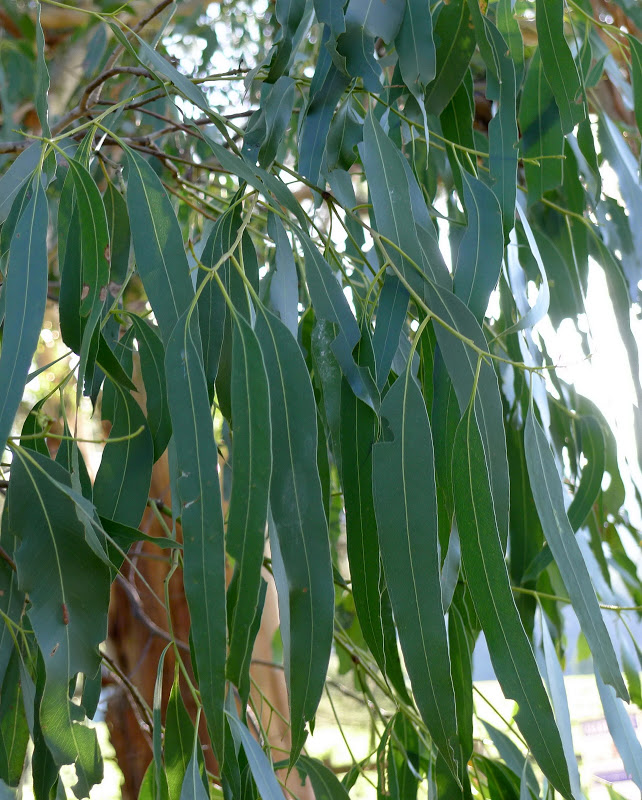
Eucalyptus viminalis (Manna Gum) - leaf, adultI’ve just written an article for the Australian River Restoration Centre‘s RipRap magazine, and they have given me permission to reproduce it here.

The brave, new green world of the carbon economy hasn’t exactly taken off as desired. Perhaps it’s because it wasn’t really planned from the outset, or maybe it is still too abstract for most people to accept, digest and incorporate into their daily lives. An emergent property of society’s generally slow awakening to the challenge of climate disruption, is that it will be a long time before we accept its full suite of incarnations.

The infant carbon economy is, however, well and truly alive and kicking, so it is important to try and plan for its growing influence on our decision making. Bumps in the road aside, the carbon economy has mostly been a blessing (actual and potential) for biodiversity conservation projects the world over.

In principle, the aim of the carbon economy is rather straight-forward: charge people a certain amount for each unit of carbon dioxide equivalents they release, and then use that money to develop approaches that further increase carbon sequestration or limit emissions. It’s a ‘build-it-and-they-will-come’ framework, where increasing financial impetus to restrict emissions is enhanced by society’s evolution towards better approaches and technology.

The operational side of the carbon economy is unfortunately much more muddled, with vested interests and political gaming weakening its implementation. Nonetheless, we persevere. Read the rest of this entry »


Ecological processes depend on …

14 05 2014
© Cagan Sekercioglu

© Cagan Sekercioglu

I have been known to say (ok – I say it all the time) that ecologists should never equivocate when speaking to the public. Whether it’s in a media release, blog post, television presentation or newspaper article, just stick to ‘yes’ or ‘no’. In other words, don’t qualify your answer with some horrid statistical statement (i.e., in 95% of cases …) or say something like “… but it really depends on …”. People don’t understand uncertainty – to most people, ‘uncertainty’ means “I don’t know” or worse, “I made it all up”.

But that’s only in the movies.

In real ‘ecological’ life, things are vastly different. It’s never as straightforward as ‘yes’ or ‘no’, because ecology is complex. There are times that I forget this important aspect when testing a new hypothesis with what seem like unequivocal data, but then reality always hits.

Our latest paper is the epitome of this emergent complexity from what started out as a fairly simple question using some amazing data. What makes birds change their range1? We looked at this question from a slightly different angle than had been done before because we had access to climate data, life-history data and most importantly, actual range change data. It’s that latter titbit that is typically missing from studies aiming to understand what drives species toward a particular fate; whether it’s a species distribution model predicting the future habitat suitability of some species as a function of climate change, or the past dynamics of some species related to its life history pace, most often the combined dynamics are missing. Read the rest of this entry »


Look at the whale (while we wipe out everything else)

24 04 2014
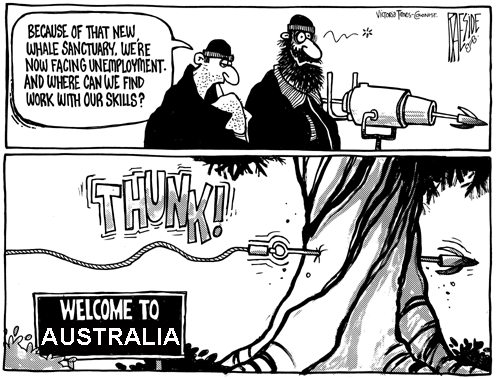
harpoon trees

Modified from Raeside (Victoria Times Colonist)

I’ve tended to stay out of the ‘cetacean wars’ over the years because of the politics, emotions and vested interests involved, but I find it hard to ignore any longer. I’ve been wanting to write this little essay for some time, and given that we are doing a great job of buggering up the greater biodiversity future of this country, I think the time is right.

For years, Australia has been a champion of the anti-whaling movement, both in terms of its self-righteous, loud-mouth condemnation of whaling nations in its role as global ocean policeman at the International Whaling Commission, and its multi-million dollar financial investment in cetacean research. While this considered in isolation is without doubt a laudable objective (i.e., we certainly shouldn’t be hunting these magnificent marine megafauna), it is one of the greatest environmental wool-pulling-over-the-eyes, look-at-the-silly-monkey political sideshows ever devised.

“Why, Corey, that is a particularly Philistine view of the issues, don’t you think?”, I can metaphysically hear you state. However, do not confound the morality with the politics; I’m certainly focussing on the latter.

The simple fact is that being so vocally anti-whaling, Australian politicians can win easy green votes while doing nothing much at all about the other, real environmental crises unfolding right beneath the noses of their constituents. And easy it is – even the most hard-core, right-wing plutocrat would probably not (publicly) denigrate a government for standing up for the whales. In other words, it’s not a controversial environmental issue. So a little emboldened brinkmanship on the international stage, bolstered by some over-the-top, sensationalist media coverage, and you have a guaranteed recipe to garner faux environmental kudos.

It is a case of brilliant politicking, and absolute deviousness. Read the rest of this entry »


South Australia’s tattered environmental remains

16 04 2014
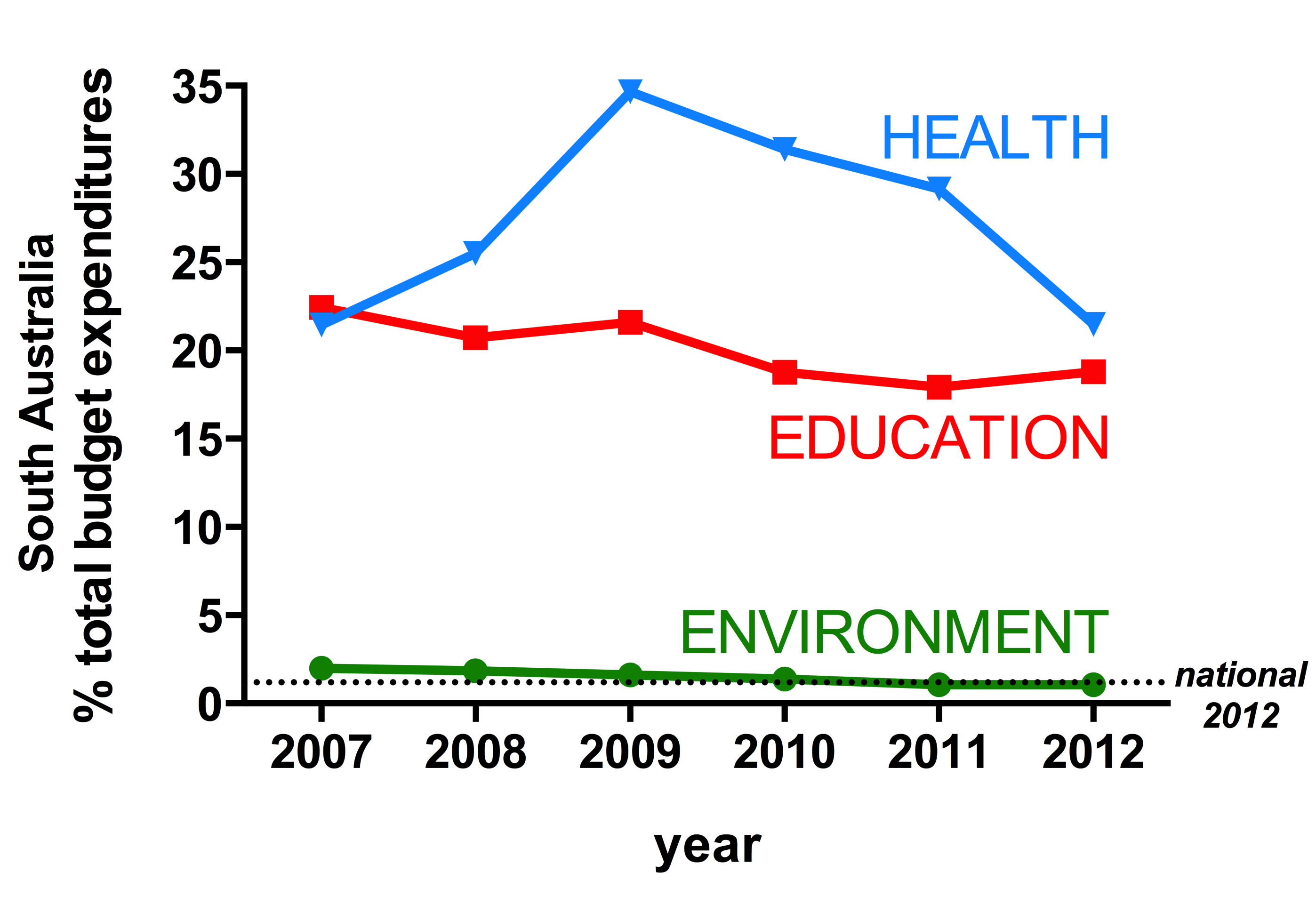
State budget percentage expenditures for health, education and environment

South Australia State budget percentage expenditures for health, education and environment

Yesterday I gave the second keynote address at the South Australia Natural Resource Management (NRM) Science Conference at the University of Adelaide (see also a brief synopsis of Day 1 here). Unfortunately, I’m missing today’s talks because of an acute case of man cold, but at least I can stay at home and work while sipping cups of hot tea.

Many people came up afterwards and congratulated me for “being brave enough to tell the truth”, which both encouraged and distressed me – I am encouraged by the positive feedback, but distressed by the lack of action on the part of our natural resource management leaders.

The simple truth is that South Australia’s biodiversity and ecosystems are in shambles, yet few seem to appreciate this.

So for the benefit of those who couldn’t attend, I’ve uploaded the podcast of my slideshow for general viewing here. I’ve also highlighted some key points from the talk below: Read the rest of this entry »


Eye on the taiga

24 03 2014

boreal damageDun! Dun, dun, dun! Dun, dun, dun! Dun, dun, daaaaah!

I’ve waited nearly two years to do that, with possibly our best title yet for a peer-reviewed paper: Eye on the taiga: removing global policy impediments to safeguard the boreal forest (recently published online in Conservation Letters).

Of course, the paper has nothing to do with cheesy Eighties music, underdog boxers or even tigers, but it does highlight an important oversight in world carbon politics. The boreal forest (also known as taiga from the Russian) spans much of the land mass of the Northern Hemisphere and represents approximately one quarter of the entire planet’s forests. As a result, this massive forest contains more than 35% of all terrestrially bound carbon (below and above ground). One doesn’t require much more information to come to the conclusion that this massive second lung of the planet (considering the Amazon the first lung) is a vital component of the world’s carbon cycle, and temperate biodiversity.

The boreal forest has been largely expanding since the retreat of the glaciers following the Last Glacial Maximum about 20,000 years ago, which means that its slow progression northward has produced a net carbon sink (i.e., it takes up more atmospheric carbon that it releases from decomposition). However, recent evidence suggests that due to a combination of increased deforestation, fire from both human encroachment and climate change, mass outbreaks of tree-killing insects and permafrost melting, the boreal forest is tipping towards becoming a net carbon source (i.e., emitting more carbon into the atmosphere than it takes up from photosynthesis). This is not a good thing for the world’s carbon cycle, because it means yet another positive feedback that will exacerbate the rapid warming of the planet. Read the rest of this entry »


If biodiversity is so important, why is Europe not languishing?

17 03 2014

collapseI don’t often respond to many comments on this blog unless they are really, really good questions (and if I think I have the answers). Even rarer is devoting an entire post to answering a question. The other day, I received a real cracker, and so I think it deserves a highlighted response.

Two days ago, a certain ‘P. Basu’ asked this in response to my last blog post (Lose biodiversity and you’ll get sick):

I am an Indian who lived in Germany for quite a long period. Now, if I am not grossly mistaken, once upon a time Germany and other west european countries had large tracts of “real” forests with bears, wolves, foxes and other animals (both carnivore and herbivore). Bear has completely disappeared from these countries with the advent of industrialization. A few wolves have been kept in more or less artificially created forests. Foxes, deer and hares, fortunately, do still exist. My question is, how come these countries are still so well off – not only from the point of view of economy but also from the angle of public health despite the loss of large tracts of natural forests? Or is it that modern science and a health conscious society can compensate the loss of biodiversity.

“Well”, I thought to myself, “Bloody good question”.

I have come across this genre of question before, but usually under more hostile circumstances when an overtly right-wing respondent (hell, let’s call a spade a spade – a ‘completely selfish arsehole’) has challenged me on the ‘value of nature’ logic (I’m not for a moment suggesting that P. Basu is this sort of person; on the contrary, he politely asked an extremely important question that requires an answer). The comeback generally goes something like this: “If biodiversity is so important, why aren’t super-developed countries wallowing in economic and social ruin because they’ve degraded their own life-support systems? Clearly you must be wrong, Sir.”

There have been discussions in the ecological and sustainability literature that have attempted to answer this, but I’ll give it a shot here for the benefit of CB.com readers. Read the rest of this entry »


Lose biodiversity and you’ll get sick

14 03 2014

dengueHere’s a (paraphrased) recommendation I did recently for F1000 about a cool avenue of research I’ve been following for a few years now. Very interesting, but much, much more to do.

The core concepts of conservation ecology are well-established: we know that habitat lossfragmentation, invasive species, over-exploitation and of course, climate change, are bad for biodiversity. This well-quantified scientific baseline has led the discipline recently to embark on questions pertaining more to the (a) implications of biodiversity loss for humanity and (b) what we can do to offset these. A recent paper by Morand and colleagues addresses perhaps one of the most compelling reasons that human society should appreciate biodiversity beyond its intrinsic value; as biodiversity degrades, so too does human health.

Some argue that the only way to convince society in general that biodiversity is worth protecting is that we link its loss directly to degrading human health, wealth and well-being. Confirmation of such relationships at a variety of spatial and temporal scales is therefore essential. Morand and colleagues used data from a variety of sources to test two predictions: (1) that the number of infectious disease should increase as overall biodiversity increases and (2) that biodiversity loss, inferred from species threat and deforestation data, should increase the number of infectious disease outbreaks in humans. Using data from 28 countries in the Asia-Pacific region, they confirmed both predictions. Read the rest of this entry »


Abbott’s ‘No more parks’ vow a bad move

6 03 2014

environmentPublished simultaneously on ALERT:

An international scientific group has decried Australian Prime Minister Tony Abbott’s recent ‘no more parks’ pledge, saying it is badly out of step with environmental reality.

“Tony Abbott has blown it with that call,” said William Laurance, a professor at James Cook University and director of ALERT, the Alliance of Leading Environmental Researchers and Thinkers.

“Australia has some of the world’s most desperately endangered ecosystems and species, which direly need better protection,” said Laurance. “Just 7.7 percent of the continent is in national parks—that’s low by international standards.”

“It really is worrying,” said Thomas Lovejoy, a renowned ecologist and former environmental advisor to three U.S. presidents. “I hope the Prime Minister gets better advice in the future because the world really needs Australia’s leadership on the environment.”

As an example, the scientists cite the mountain ash forests of Victoria, which have been devastated by over-logging and fires, with just 1.2% of the old-growth forest remaining.

“The Leadbeater’s possum relies entirely on these old-growth forests and is endangered,” said Corey Bradshaw, a professor at the University of Adelaide. “There’s a dire need to create a new national park for this iconic species and ecosystem.” Read the rest of this entry »


Australia’s (latest) war on the environment

3 03 2014

monkYes, the signs were there, but they weren’t clandestine messages written in the stars or in the chaos of tea-leaf dregs. We saw this one coming, but Australians chose to ignore the warning signs and opt for the American political model of extremism, religiosity, plutocracy and science denial.

Enter the ‘Tea Party’ of Australia – the ‘new’ Coalition where reigning Rex perditor Prime Minister Tony The Monk Abbott1 has, in just a few short months, turned back the clock on Australian environmental protection some 40 years.

Yes, we saw it coming, but it wasn’t a tautological fait accompli just because it concerned a ‘conservative’ government. It’s difficult to remember, I know, that conservative governments of yesteryear implemented some strikingly powerful and effective environmental legislation. Indeed, it was the former incarnation of the Coalition government that implemented the once-formidable Environmental Protection and Biodiversity Conservation (EPBC) Act under the direction of then Environment Minister, Robert Hill. A colossus of sorts, the EPBC suffers from many ailments. While it’s the only really bitey environmental legislation we’ve got, that colossus is a lumbering, limping giant missing more than a few teeth – it needs a complete overhaul.

As most Australians are unfortunately aware, The Monk repeatedly and defiantly promised to repeal the Labor-government carbon price implemented in July 2012, despite the absolute necessity to tax the heaviest pollutersWhile somewhat sheepish about his recent climate disruption denialism following his election in 2013, a denialist he remains:

Let us re-familiarise ourselves with some of his historical pearlers: Read the rest of this entry »


Incentivise to keep primary forests intact

7 02 2014

The Amazon rainforest. Photo by Rhett A. Butler

I know – ‘incentivise’ is one of those terrible wank words of business speak. But to be heard by the economically driven, one must learn their guttural and insensitive language. I digress …

Today’s post is merely a repost of an interview I did for the new Mongabay.com series ‘Next Big Idea in Forest Conservation‘. I’m honoured to have been selected for an interview along with the likes of Bill Laurance and Stuart Pimm.

Consider this my conservation selfie.

An Interview with Corey Bradshaw

Mongabay.com: What is your background?

Corey Bradshaw: I have a rather eclectic background in conservation ecology. I grew up in the wilds of western Canada, the son of a trapper. My childhood experiences initially gave me a primarily consumptive view of the environment from trapping, fishing and hunting, but I learned that without intact environmental functions, these precious resources quickly degrade or disappear. This ironic appreciation of natural processes would later lead me into academia and the pursuit of reducing the rate of the extinction crisis.

I completed my first degrees in ecology in Montréal and the University of Alberta, followed by a PhD in New Zealand at the University of Otago. After deciding to pursue the rest of my career in the Southern Hemisphere, I completed my postdoctoral fellowship at the University of Tasmania. Multiple field seasons in the subantarctic and Antarctica probably assisted in a giving me a burgeoning desire to change gears, so I left for the tropics of northern Australia to begin a position at Charles Darwin University. Being introduced there to conservation greats like Navjot Sodhi (sadly, now deceased), Barry Brook and David Bowman turned my research interests on their ear. I quickly became enamoured with quantitative conservation ecology, applying my skills in mathematics to the plight of the world’s ecosystems. Nowhere did the problems seem more intractable than in the tropics.

I am now based at the University of Adelaide (since 2008) and have a vibrant research lab where we apply our quantitative skills to everything from conservation ecology, climate change, energy provision, human population trends, ecosystem services, sustainable agriculture, human health, palaeoecology, carbon-based conservation initiatives and restoration techniques.

Mongabay.com: How long have you worked in tropical forest conservation and in what geographies? What is the focus of your work? Read the rest of this entry »


Terrestrial biodiversity’s only chance is avoided deforestation

24 01 2014

farming forestsToday I was shocked, stunned and pleasantly (for a change) surprised. Australia has its first ‘avoided deforestation’ carbon farming project.

It is understandable that this sort of news doesn’t make the Jane & Joe Bloggs of the world stand up and cheer, but it should make conservation biologists jump for bloody joy.

So why exactly am I so excited about the setting aside of a mere 9000 ha (90 km2, or 10 × 9 km) of semi-arid scrub in western New South Wales? It’s simple – nothing can replace the biodiversity or carbon value of primary forest. In other words, forest restoration – while laudable and needed – can never achieve what existing forest already does. We know now from various parts of the world that biodiversity is nearly always much higher in primary forest, and that the carbon structure of the forest (especially below-ground carbon) can take centuries to recover.

Another problem with restoration – and if you’ve ever been involved in any tree planting yourself, you’ll know what I mean – is that it’s incredibly expensive, time-consuming and slow. Wouldn’t it make more financial sense just to save forests instead of trying to rebuild them?

Of course it is, so the logical conclusion from a conservation perspective is to save primary forest first, then worry about restoration next. The problem is, there are few, if any, financial incentives for keeping forests standing in the private sector. The stumbling rise of the carbon economy is a potential resolution to this problem, although neither the Kyoto Protocol nor most national carbon-trading schemes adequately account for the carbon value of existing forests.

Up until today, even Australia didn’t have any examples.

Read the rest of this entry »


Essential role of carnivores on the wane

10 01 2014
© Luca Galuzzi www.galuzzi.it

© Luca Galuzzi http://www.galuzzi.it

This interesting review has just come out in Science, and because I was given a heads-up about it, I decided to do a F1000 recommendation. That’s more or less what follows, with some additional thoughts.

Ripple and colleagues can perhaps be excused for stating what might appear to many ‘in the biz’ to be blatantly obvious, but their in-depth review of the status of the world’s carnivores is a comprehensive overview of this essential guild’s worldwide plight. It not only represents an excellent teaching tool, the review elegantly summarises the current status of these essential ecosystem engineers.

The world’s 245 terrestrial carnivores might seem to be ecologically redundant to the informed given their natural rarity, low densities and cryptic behaviour, but nothing could be farther from the truth. Ecologists have only within the last decade or so revealed the essential ecosystem functions of these species (see former posts on CB.com here, here and here). The review focuses on the largest and most well-studied species, but the trends likely apply across most of the order. Read the rest of this entry »