Social and economic value of protected areas

2 03 2015
© P. Crowley/"mokolabs" via Flickr

© P. Crowley/”mokolabs” via Flickr

I’ve just come across an exceptionally important paper published recently in PLoS Biology by a team of venerable conservation biologists led by the eminent Andy Balmford of the University of Cambridge. My first response was ‘Holy shit’, and now that I contemplate the results further, I can now update that sentiment to ‘Holy shit!’.

Most people reading this blog wouldn’t bother questioning the importance of protected areas for the preservation of biodiversity – for them, it’s a given. While the effectiveness of protected areas globally is highly variable in that regard, there’s little contention among conservationists that we do not yet have enough of them to conserve biodiversity effectively, especially in the oceans that cover some 70% of the planet’s surface.

But that justification isn’t good enough for some people – perhaps even the majority. Even our own myopic, anti-environment political bungler Prime Minister has stated publicly that national parks just ‘lock up‘ areas to the exclusion of much more important things like jobs and income generation. He’s even stated that Australia has ‘too many‘ national parks already, and that timber workers are “the ultimate conservationists“. As I type those words, I can feel the bile accumulating in my throat. Read the rest of this entry »


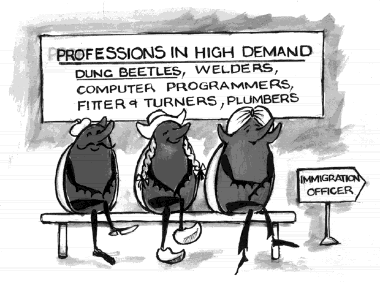
Cartoon guide to biodiversity loss XXVIII

4 02 2015

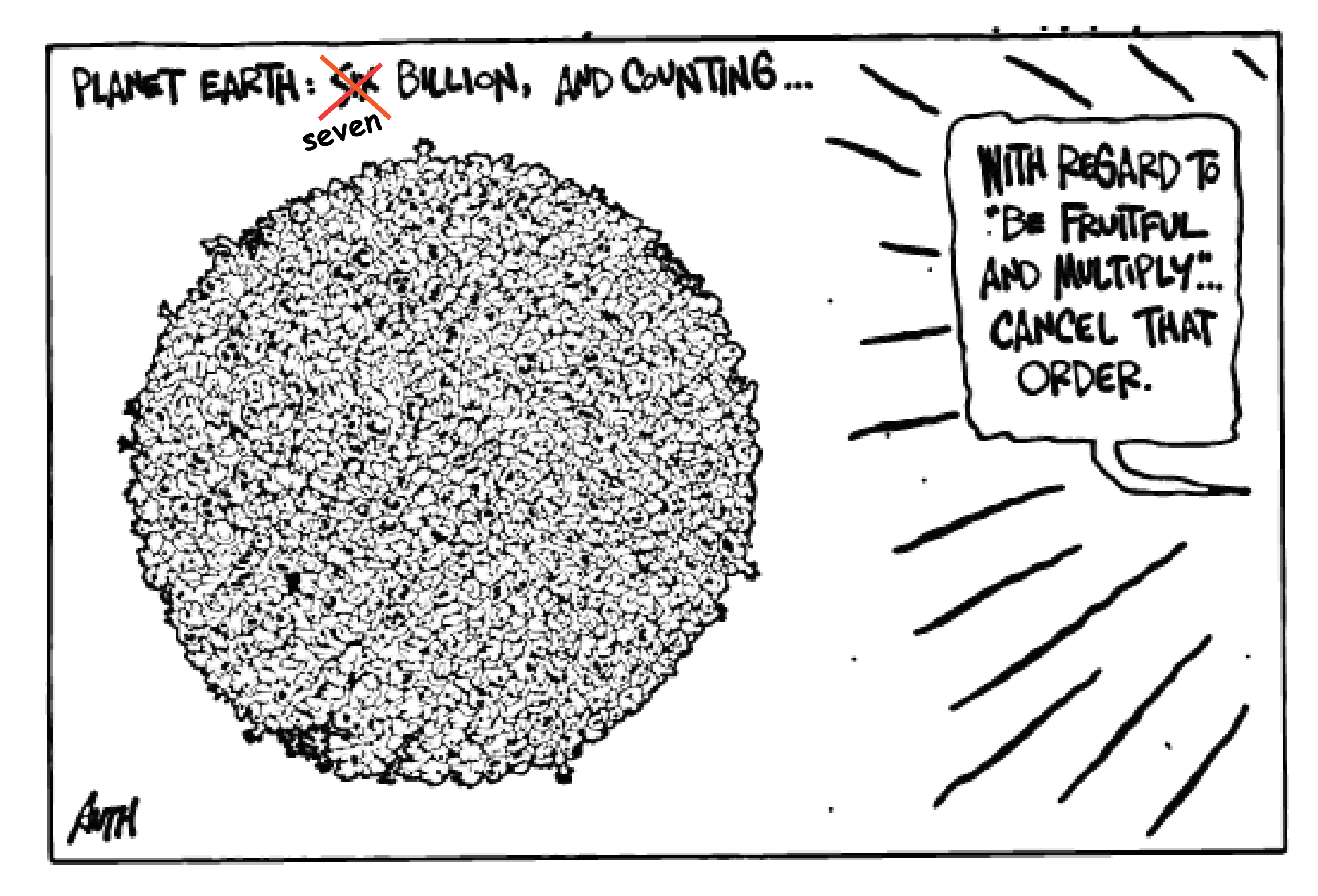
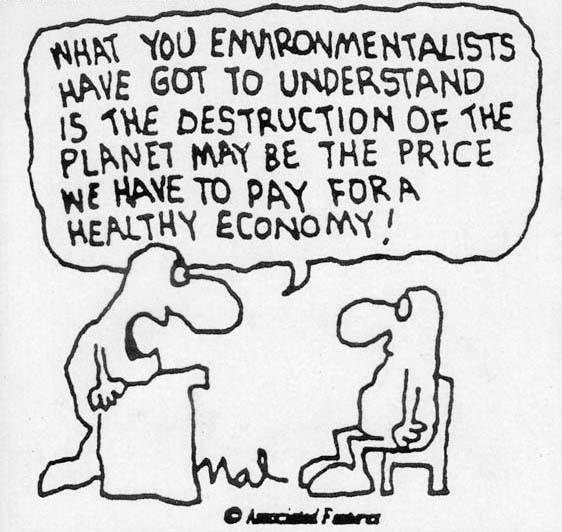
First batch of six biodiversity cartoons for 2015 (see full stock of previous ‘Cartoon guide to biodiversity loss’ compendia here).

Read the rest of this entry »


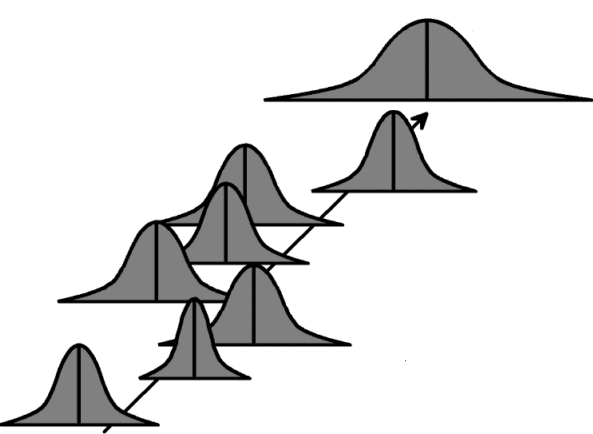
It’s all about the variation, stupid

12 01 2015

val-1-3It is one of my long-suffering ecological quests to demonstrate to the buffoons in government and industry that you can’t simply offset deforestation by planting another forest elsewhere. While it sounds attractive, like carbon offsetting or even water neutrality, you can’t recreate a perfectly functioning, resilient native forest no matter how hard you try.

I’m not for a moment suggesting that we shouldn’t reforest much of what we’ve already cut down over the last few centuries; reforestation is an essential element of any semblance of meaningful terrestrial ecological restoration. Indeed, without a major commitment to reforestation worldwide, the extinction crisis will continue to spiral out of control.

What I am concerned about, however, is that administrators continue to push for so-called ‘biodiversity offsets’ – clearing a forest patch here for some such development, while reforesting or even afforesting another degraded patch there. However, I’ve blogged before about studies, including some of my own, showing that one simply cannot replace primary forests in terms of biodiversity and long-term carbon storage. Now we can add resilience to that list.

While I came across this paper a while ago, I’ve only found the time to blog about it now. Published in PLoS One in early December, the paper Does forest continuity enhance the resilience of trees to environmental change?1 by von Oheimb and colleagues shows clearly that German oak forests that had been untouched for over 100 years were more resilient to climate variation than forests planted since that time. I’ll let that little fact sink in for a moment … Read the rest of this entry »


Cartoon guide to biodiversity loss XXVII

31 12 2014

Here are the last 6 biodiversity cartoons for 2014 because, well, why not? (see full stock of previous ‘Cartoon guide to biodiversity loss’ compendia here).

Read the rest of this entry »


Influential conservation papers of 2014

22 12 2014

splash2Another year, another arbitrary retrospective list – but I’m still going to do it. Based on the popularity of last year’s retrospective list of influential conservation papers as assessed through F1000 Prime, here are 20 conservation papers published in 2014 that impressed the Faculty members.

Once again for copyright reasons, I can’t give the whole text but I’ve given the links to the F1000 assessments (if you’re a subscriber) and of course, to the papers themselves. I did not order these based on any particular criterion.

Read the rest of this entry »


Innate cruelty and exploitation: does biodiversity stand a chance?

11 11 2014

mean childEarlier this year I took my daughter to the South Australian Museum, as I often do on weekends. We usually have lunch at the Art Gallery, and then wander the various levels of the Museum at a pace suitable for a 7-year old. The South Australia biodiversity floor is her favourite.

Of course I’m a little biased in my opinion because I live in Adelaide, but in my attempt to be as objective as possible, I think we’re particularly fortunate to have this excellent museum at our doorstep. Not only are the exhibitions and displays top-notch, it is one of the most research-active museums in the country. In my opinion, it’s one of the best museums in Australia. To top it all off, admission is free.

However, this post isn’t about spruiking the museum – it’s about something deeply disturbing I experienced there during that visit earlier this year. In addition to the normal free displays, the Museum often has a special exhibition that one must pay to view. I often don’t bother with this, but on this particular occasion, the temporary exhibition called Ngintaka was free of charge.

Ngintaka was an eclectic mix of song, story, dance, painting and carving from the Anangu Pitjantjatjara Yankunytjatjara (APY Lands) as told by Anangu Traditional Owners. While most of the displays were great, there was one that stood out in particular. Read the rest of this entry »


Cartoon guide to biodiversity loss XXVI

4 11 2014

Here are 8 more biodiversity cartoons (with a human population focus, given recent events) for your conservation-humour fix (see full stock of previous ‘Cartoon guide to biodiversity loss’ compendia here).

Read the rest of this entry »


Cartoon guide to biodiversity loss XXV

8 09 2014

Here are 6 more biodiversity cartoons for your conservation-humour fix (see full stock of previous ‘Cartoon guide to biodiversity loss’ compendia here).

Read the rest of this entry »


High-altitude ecology

28 08 2014
A constant hazard in the Tibetan Plateau - yakjam

A constant hazard in the Tibetan Plateau – yakjam

I’ve been out of the social-media loop for a few weeks, hence the abnormally long interval since my last post. As you might recall, I’ve been travelling overseas and most recently blogged from Monterey, California where I was attending a symposium on invasion genetics.

The next phase of my travels couldn’t have been more different.

The reason I couldn’t access the blog was because I was well behind the Great Firewall of China. I was, in fact, in the Tibetan region of Gansu and Sichuan Provinces in western China for most of the last 10 days. While I’ve travelled to China many times before, this was by far the most evocative, interesting and unique experience I’ve ever had in this country. Reflecting on the past 10 days while waiting in Hong Kong for my flight back to Australia, I am still reeling a little from what I saw.

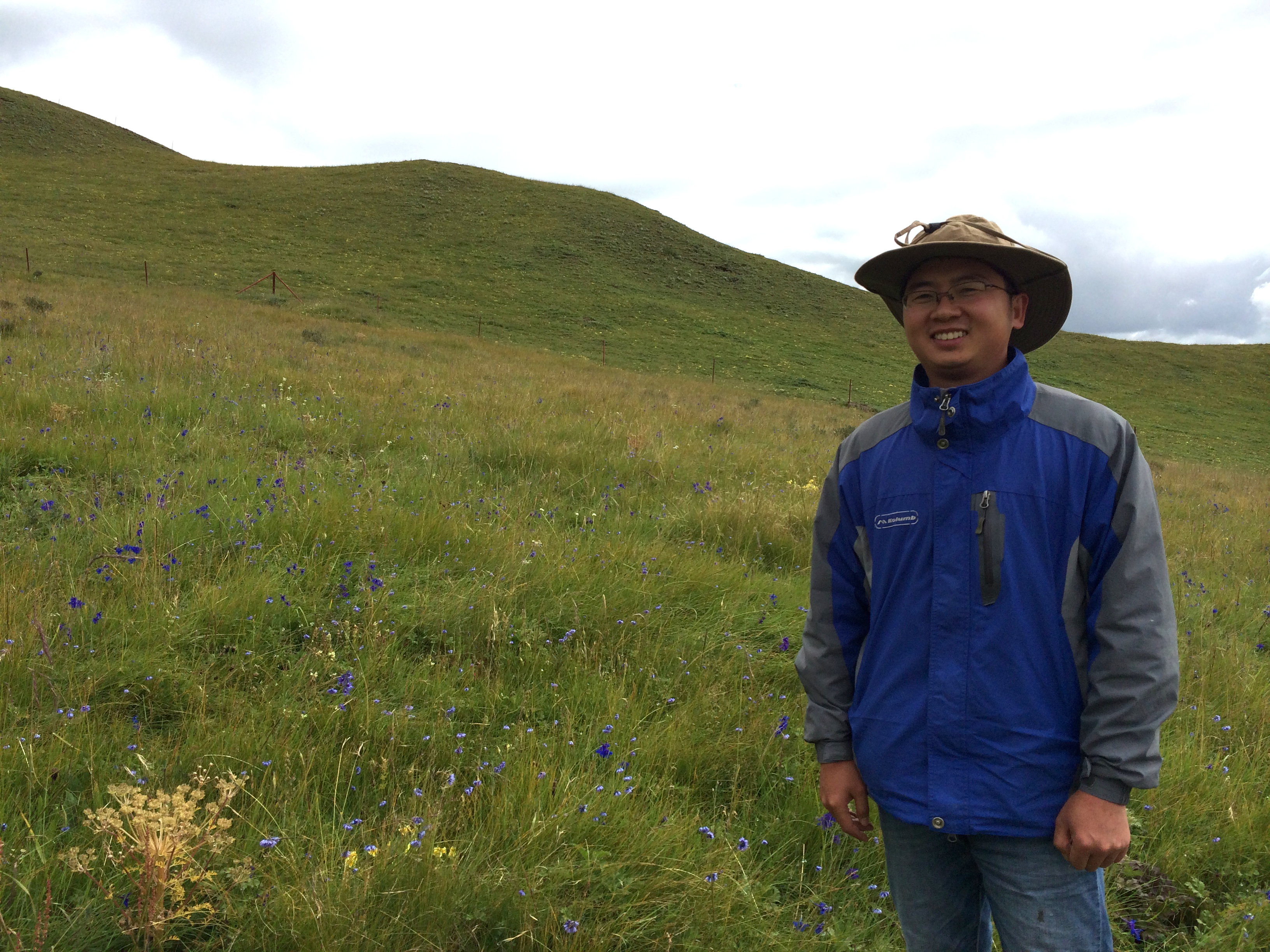
Top bloke: Jiajia Liu of Fudan University

Top bloke: Jiajia Liu of Fudan University

What the hell was I doing at 3500-4000 m elevation on the Tibetan Plateau? Good question. I have been most fortunate to be included in a crack team of Chinese ecologists who have designed and implemented a most impressive set of experiments in plant community ecology. The team, led by Professor Shurong Zhou and Dr. Jiajia Lui of Fudan University, has been working relentlessly to put together some of the sexiest plant ecology experiments going in China.

Having now so far published two papers from the some of the experiments (see here and here), my Chinese colleagues thought it was high time I visited the famous site. Situated at 3500 m in the Tibetan region of Gansu Province in western China, the Lanzhou University research station Azi Shi Yan Zhan is about a 20-hectare area of meadow fenced off from the grazing of the ubiquitous domestic yaks herded by the local Tibetans. If that sounds pretty exotic, let me assure you that it is. Read the rest of this entry »


A fairer way to rank conservation and ecology journals in 2014

1 08 2014

Normally I just report the Thomson-Reuters ISI Web of Knowledge Impact Factors for conservation-orientated journals each year, with some commentary on the rankings of other journals that also publish conservation-related material from time to time (see my lists of the 2008200920102011 and 2012 Impact Factor rankings).

This year, however, I’m doing something different given the growing negativity towards Thomson-Reuters’ secretive behaviour (which they’ve promised this year to rectify by being more transparent) and the generally poor indication of quality that the Impact Factor represents. Although the 2013 Impact Factors have just been released (very late this year, for some reason), I’m going to compare them to the increasingly reputable Google Scholar Journal Metrics, which intuitively make more sense to me, are transparent and turn a little of the rankings dogma on its ear.

In addition to providing both the Google metric as well as the Impact Factor rankings, I’ve come up with a composite (average) rank from the two systems. I think ranks are potentially more useful than raw corrected citation metrics because you must first explicitly set your set of journals to compare. I also go one step further and modify the average ranking with a penalty term that is essentially the addition of the coefficient of variation of rank disparity between the two systems.

Read on for the results.

Read the rest of this entry »


Another 589 scientists speak out against Abbott’s war on the environment

22 07 2014

ATBC_logo_largeI’m currently in Cairns at the Association for Tropical Biology and Conservation‘s Annual Conference where scientists from all over the world have amassed for get the latest on tropical ecology and conservation. Unfortunately, all of them have arrived in an Australia different to the one they knew or admired from afar. The environmental devastation unleashed by the stupid policies of the Abbottoir government has attracted the attention and ire of some of the world’s top scientists. This is what they have to say about it (with a little help from me):

ASSOCIATION FOR TROPICAL BIOLOGY AND CONSERVATION

RESOLUTION IN SUPPORT OF STRONGER LAWS FOR CLIMATE-CHANGE MITIGATION AND ENVIRONMENTAL PROTECTION IN AUSTRALIA

Australia has many trees, amphibians, and reptiles that are unique, being found nowhere else on Earth. Northern Australia contains a disproportionate amount of this biodiversity which occurs in little developed areas, parks and reserves, indigenous titled lands, and community-managed lands.

Whilst Australia’s achievements in protecting some of its remaining native forests, wildlife and wilderness are applauded, some 6 million hectares of forest have been lost since 2000. Existing forest protection will be undermined by weak climate change legislation, and poorly regulated agricultural and urban development.

The Association for Tropical Biology and Conservation (ATBC), the world’s largest organisation dedicated to the study and conservation of tropical ecosystems, is concerned about recent changes in Australia’s environmental regulations, reduced funding for scientific and environmental research, and support for governmental and civil society organisations concerned with the environment. Read the rest of this entry »


Biodiversity Hotspots have nearly burnt out

10 07 2014

dying embersI recently came across a really important paper that might have flown under the radar for many people. For this reason, I’m highlighting it here and will soon write up a F1000 Recommendation. This is news that needs to be heard, understood and appreciated by conservation scientists and environmental policy makers everywhere.

Sean Sloan and colleagues (including conservation guru, Bill Laurance) have just published a paper entitled Remaining natural vegetation in the global biodiversity hotspots in Biological Conservation, and it we are presented with some rather depressing and utterly sobering data.

Unless you’ve been living under a rock for the past 20 years, you’ll have at least heard of the global Biodiversity Hotspots (you can even download GIS layers for them here). From an initial 10, to 25, they increased penultimately to 34; most recently with the addition of the Forests of East Australia, we now have 35 Biodiversity Hotspots across the globe. The idea behind these is to focus conservation attention, investment and intervention in the areas with the most unique species assemblages that are simultaneously experiencing the most human-caused disturbances.

Indeed, today’s 35 Biodiversity Hotspots include 77 % of all mammal, bird, reptile and amphibian species (holy shit!). They also harbour about half of all plant species, and 42 % of endemic (not found anywhere else) terrestrial vertebrates. They also have the dubious honour of hosting 75 % of all endangered terrestrial vertebrates (holy, holy shit!). Interestingly, it’s not just amazing biological diversity that typifies the Hotspots – human cultural diversity is also high within them, with about half of the world’s indigenous languages found therein.

Of course, to qualify as a Biodiversity Hotspot, an area needs to be under threat – and under threat they area. There are now over 2 billion people living within Biodiversity Hotspots, so it comes as no surprise that about 85 % of their area is modified by humans in some way.

A key component of the original delimitation of the Hotspots was the amount of ‘natural intact vegetation’ (mainly undisturbed by humans) within an area. While revolutionary 30 years ago, these estimates were based to a large extent on expert opinions, undocumented assessments and poor satellite data. Other independent estimates have been applied to the Hotspots to estimate their natural intact vegetation, but these have rarely been made specifically for Hotspots, and they have tended to discount non-forest or open-forest vegetation formations (e.g., savannas & shrublands).

So with horribly out-of-date vegetation assessments fraught with error and uncertainty, Sloan and colleagues set out to estimate what’s really going on vegetation-wise in the world’s 35 Biodiversity Hotspots. What they found is frightening, to say the least.

Read the rest of this entry »


New Threatened Species Commissioner lacks teeth

2 07 2014

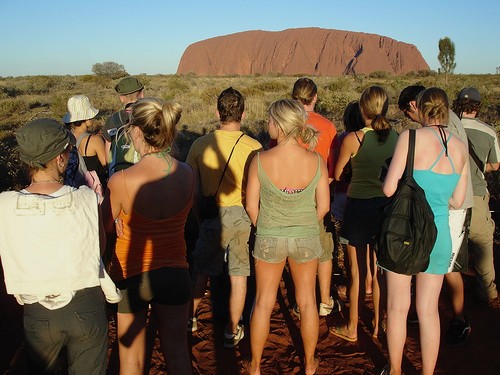
This is not Gregory Andrews

Published today on ABC Environment.

Greg Hunt, the Coalition Government’s Minister for the Environment, today announced what appears to be one of the only environmental promises kept from their election campaign in 2013: to appoint a Threatened Species Commissioner.

The appointment is unprecedented for Australia – we have never had anything remotely like it in the past. However, I am also confident that this novelty will turn out to be one of the position’s only positives.

My scepticism is not based on my personal political or philosophical perspectives; rather, it arises from Coalition Government’s other unprecedented policies to destroy Australia’s environment. No other government in the last 50 years has mounted such a breath-taking War on the Environment. In the nine month’s since the Abbott Government took control, there has been a litany of backward and dangerous policies, from the well-known axing of the Climate Commission and their push to dump of 3 million tonnes of dredge on the World Heritage Great Barrier Reef, to their lesser-publicised proposals to remove the non-profit tax status of green organisations and kill the Environmental Defenders Office. The Government’s list of destructive, right-wing, anti-environmental policies is growing weekly, with no signs of abatement.

With this background, it should come as no surprise that considerable cynicism is emerging following the Minister’s announcement. Fears that another powerless pawn of the current government appear to have been realised with the appointment of Gregory Andrews as the Commissioner. Mr Andrews is a public servant (ironically from the now-defunct Department of Department of Climate Change and Energy Efficiency) and former diplomat who has some minor infamy regarding contentious comments he made in 2006 when acting as a senior bureaucrat in Mal Brough’s Department of Indigenous Affairs. Apart from Mr Gregory’s general lack of specific expertise in species recovery, the choice appears to be neutral at best.

More importantly, the major limitation of the Commissioner to realise real benefits for Australian biodiversity is the position’s total lack of political power. Greg Hunt himself confirmed that Mr Andrews will not be able to affect government policy other than ‘encourage’ cooperation between states and environmental groups. The position also comes with a (undisclosed) funding guarantee of only one year, which makes it sound more like an experiment in public relations than effective environmental policy. Read the rest of this entry »


Great biodiversity cartoonists

1 07 2014

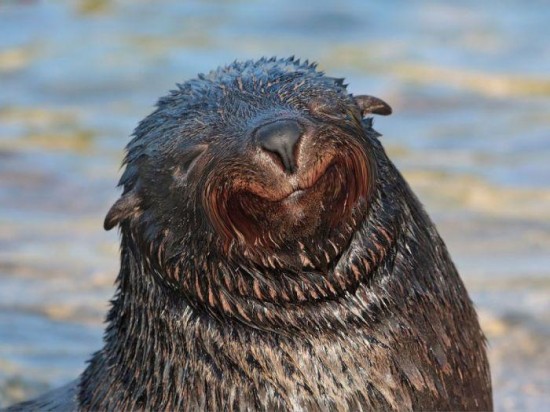
smiling fur sealAnyone who reads CB.com knows that I like to inject a bit of humour into my (often gloomy) messages. Sniggering, chortling, groaning and outright guffawing are useful ways to deal with the depressing topics conservation scientists examine every day. This is why I started the ‘Cartoon of the Week’ series, and now I have a compendium of quite a few biodiversity-related cartoons. Cartoons can also serve as wonderfully effective political tools if they manage to encapsulate the preposterousness of bad policies, navel-gazing politicians or Earth-buggering corporate tycoons. A good cartoon can be far more effective at transmitting a deep and complex message to a wide audience than most scientific articles.

Who are these gifted artists that bring together wit, humour and hard environmental truths into something that practically every scientist wants to include in conference presentations? I am inspired by some of these people, as I’m sure are many of you, so I decided to put together a little list of some of today’s better biodiversity cartoonists.

In no particular order of fame, relevance, focus on biodiversity, productivity or otherwise, I present to you my list of 10 great biodiversity cartoonists:

  • I suspect not many living outside of Australia would be familiar with the silly, yet extremely witty cartoons by First Dog on the Moon (also known as Andrew Marlton). I first came across this Melbournian when he was working for the newspaper Crikey, although he recently joined The Guardian Australia. He’s by no means what one would call an ‘environmental’ cartoonist, but there is a fair dose of (mainly Australian) biodiversity content in his cartoons. He is a self-entitled ‘marsupialist’, whatever that means (marsupial fetish, I think). I’ve even had the immense honour of having my own work immortalised in cartoon by this wonderful cartoonist.

© First Dog on the Moon

Read the rest of this entry »


Cartoon guide to biodiversity loss XXIV

17 06 2014

Another 6 biodiversity cartoons for your conservation giggle & groan (see full stock of previous ‘Cartoon guide to biodiversity loss’ compendia here).

Read the rest of this entry »


I still fucking love biodiversity

2 06 2014
ifuckinglovebiodiversity © Bastien Laurent

© Bastien Laurent

One year ago, I launched the Facebook page “I fucking love biodiversity” (IFLB) with a post here on ConservationBytes. My goal was to get people talking about biodiversity in a positive and light-hearted way (absolutely no ‘doom and gloom’). Today, IFLB now has about 17500 fans/followers across three social media platforms. It has been an amazing experience.

I will start by admitting that I created IFLB under the assumption that “if you build it, they will come”. I thought a catchy name, goodwill and a few bells and whistles would land me a huge audience. I was wrong. It took some very serious work. And IFLB is still pretty small in the global social-media landscape.

Gladly, I don’t have to manage IFLB by myself. I have a crack team of admins that share the load. Kudos go to Laure Cugnière, Phoebe Maund, Lydia Tiller and Romina Henriques and our own in-house designer, Hannah Conduit, all of whom work on a totally volunteer basis. Thanks everyone – IFLB wouldn’t be possible without you.

During this last year, I estimate we have invested in IFLB the equivalent of nine working weeks to put out 2-3 posts every single day (yes, xmas and New Years included). That was the first lesson I learned: being part of an effort like this requires serious dedication. Not only because you need to find the most interesting content and the best photos to go with it, but because you also need to ensure all photos have copyright information, that what you are posting is not the result of Photoshop wizardry and of course, that your fans’ comments and messages don’t go unanswered. Read the rest of this entry »



A convenient truth: global push for carbon-based conservation

19 05 2014

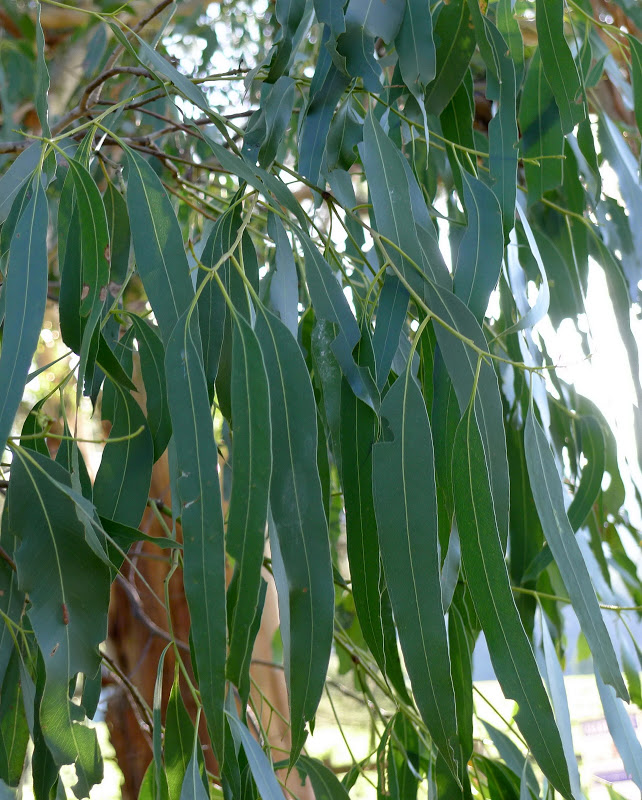
Eucalyptus viminalis (Manna Gum) - leaf, adultI’ve just written an article for the Australian River Restoration Centre‘s RipRap magazine, and they have given me permission to reproduce it here.

The brave, new green world of the carbon economy hasn’t exactly taken off as desired. Perhaps it’s because it wasn’t really planned from the outset, or maybe it is still too abstract for most people to accept, digest and incorporate into their daily lives. An emergent property of society’s generally slow awakening to the challenge of climate disruption, is that it will be a long time before we accept its full suite of incarnations.

The infant carbon economy is, however, well and truly alive and kicking, so it is important to try and plan for its growing influence on our decision making. Bumps in the road aside, the carbon economy has mostly been a blessing (actual and potential) for biodiversity conservation projects the world over.

In principle, the aim of the carbon economy is rather straight-forward: charge people a certain amount for each unit of carbon dioxide equivalents they release, and then use that money to develop approaches that further increase carbon sequestration or limit emissions. It’s a ‘build-it-and-they-will-come’ framework, where increasing financial impetus to restrict emissions is enhanced by society’s evolution towards better approaches and technology.

The operational side of the carbon economy is unfortunately much more muddled, with vested interests and political gaming weakening its implementation. Nonetheless, we persevere. Read the rest of this entry »


South Australia’s tattered environmental remains

16 04 2014
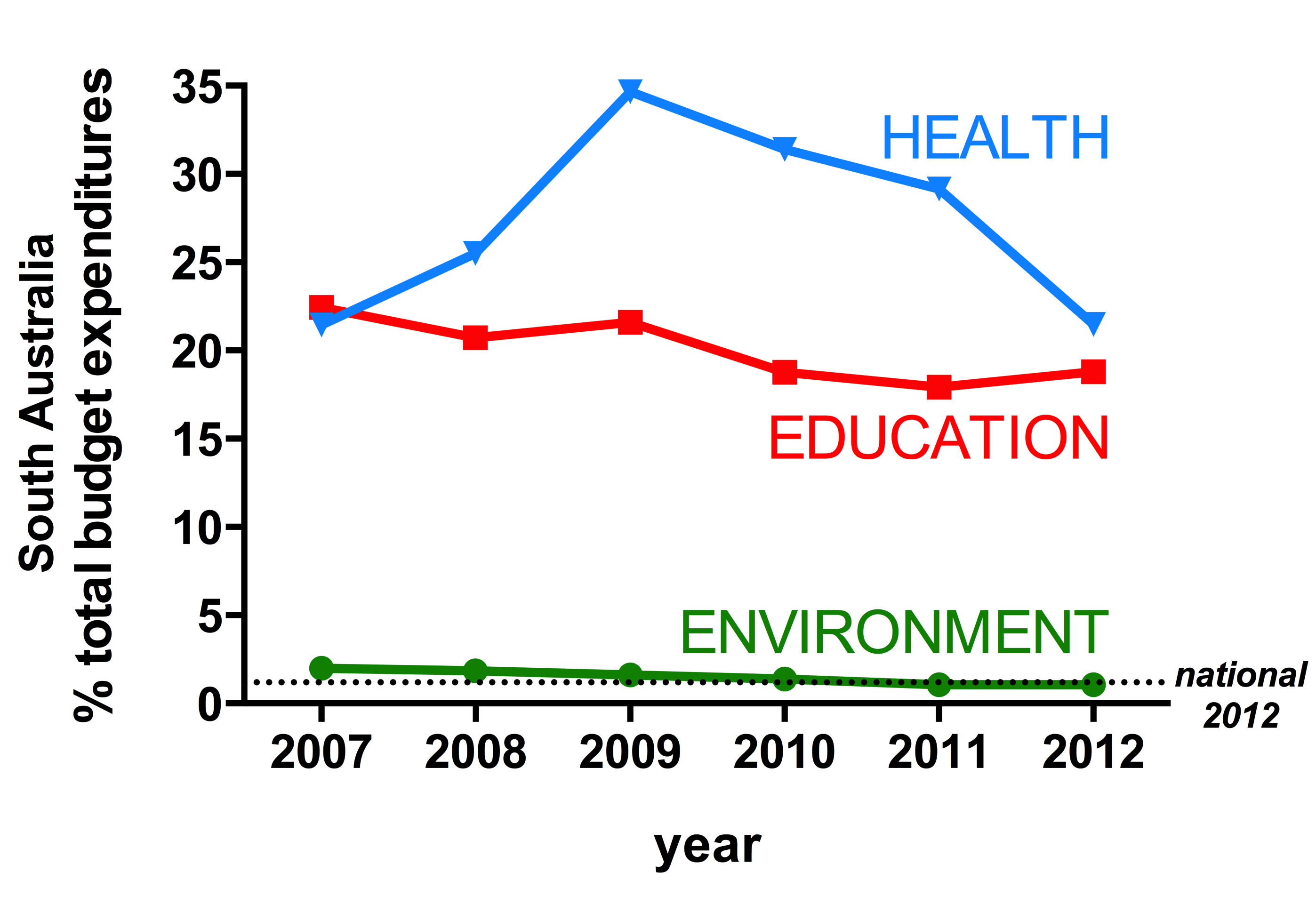
State budget percentage expenditures for health, education and environment

South Australia State budget percentage expenditures for health, education and environment

Yesterday I gave the second keynote address at the South Australia Natural Resource Management (NRM) Science Conference at the University of Adelaide (see also a brief synopsis of Day 1 here). Unfortunately, I’m missing today’s talks because of an acute case of man cold, but at least I can stay at home and work while sipping cups of hot tea.

Many people came up afterwards and congratulated me for “being brave enough to tell the truth”, which both encouraged and distressed me – I am encouraged by the positive feedback, but distressed by the lack of action on the part of our natural resource management leaders.

The simple truth is that South Australia’s biodiversity and ecosystems are in shambles, yet few seem to appreciate this.

So for the benefit of those who couldn’t attend, I’ve uploaded the podcast of my slideshow for general viewing here. I’ve also highlighted some key points from the talk below: Read the rest of this entry »


Cartoon guide to biodiversity loss XXIII

4 04 2014

Here are another 6 biodiversity cartoons for your conservation pleasure/pain (see full stock of previous ‘Cartoon guide to biodiversity loss’ compendia here).

Read the rest of this entry »


Eye on the taiga

24 03 2014

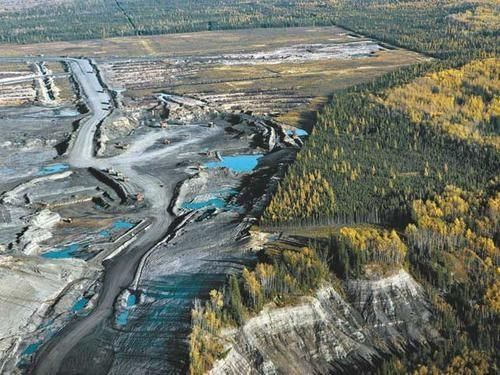
boreal damageDun! Dun, dun, dun! Dun, dun, dun! Dun, dun, daaaaah!

I’ve waited nearly two years to do that, with possibly our best title yet for a peer-reviewed paper: Eye on the taiga: removing global policy impediments to safeguard the boreal forest (recently published online in Conservation Letters).

Of course, the paper has nothing to do with cheesy Eighties music, underdog boxers or even tigers, but it does highlight an important oversight in world carbon politics. The boreal forest (also known as taiga from the Russian) spans much of the land mass of the Northern Hemisphere and represents approximately one quarter of the entire planet’s forests. As a result, this massive forest contains more than 35% of all terrestrially bound carbon (below and above ground). One doesn’t require much more information to come to the conclusion that this massive second lung of the planet (considering the Amazon the first lung) is a vital component of the world’s carbon cycle, and temperate biodiversity.

The boreal forest has been largely expanding since the retreat of the glaciers following the Last Glacial Maximum about 20,000 years ago, which means that its slow progression northward has produced a net carbon sink (i.e., it takes up more atmospheric carbon that it releases from decomposition). However, recent evidence suggests that due to a combination of increased deforestation, fire from both human encroachment and climate change, mass outbreaks of tree-killing insects and permafrost melting, the boreal forest is tipping towards becoming a net carbon source (i.e., emitting more carbon into the atmosphere than it takes up from photosynthesis). This is not a good thing for the world’s carbon cycle, because it means yet another positive feedback that will exacerbate the rapid warming of the planet. Read the rest of this entry »