I used to think it was merely a post-COVID19 hiccough, but the extensive delays in receiving reviews for submitted manuscripts that I am seeing near constantly now are the symptoms of a much larger problem. That problem is, in a nutshell, how awfully journals are treating both authors and reviewers these days.
I regularly hear stories from editors handling my papers, as well as accounts from colleagues, about the ridiculous number of review requests they send with no response. It isn’t uncommon to hear that editors ask more than 50 people for a review (yes, you read that correctly), to no avail. Even when the submitting authors provide a list of potential reviewers, it doesn’t seem to help.
The ensuing delays in time to publication are really starting to hurt people, and the most common victims are early career researchers needing to build up their publication track records to secure grants and jobs. And the underhanded, dickhead tactic to reset the submission clock by calling a ‘major review’ a ‘rejection with opportunity to resubmit’ doesn’t fucking fool anyone. The ‘average time from submission to publication’ claimed by most journals is a boldface lie because of their surreptitious manipulation of handling statistics.
The most obese pachyderm in the room is, of course, the extortionary prices (and it is nothing short of extortion) charged for publishing in most academic journals these days. For example, I had to spend more than AU$17,000.00 to publish a single open-access paper in Nature Geoscience last year. That was just for one paper. Never again.
Anyone with even a vestigial understanding of economics feels utterly exploited when asked to review a paper for nothing. As far as I am aware, there isn’t a reputable journal out there that pays for peer reviews. As a whole, academics are up-to-fucking-here with this arrangement, so it should come as no surprise that editors are struggling to find reviewers.
Yes, it’s bad, especially for US-based scientists. It also affects scientists in Australia and the rest of the world. But there are ways to get around the problem. There might even be a silver lining to this dark cloud.
Trump cannot stop global climate action, although he might slow it. Nor can he hide the truth by restricting access to data. Climate research will continue despite Trump’s best efforts to hamstring scientists and research institutions.
No strength in ignorance
Last year was the warmest on record, a fact that yet again confirms our worst-case predictions. The world has already surpassed the (arbitrary) 1.5°C threshold increase relative to pre-industrial temperatures — a threshold that only a few years ago we didn’t think we would cross until 2030 at the earliest.
We’re now on track to be living in a world that’s 3°C hotter or more by the end of the century.
But ignoring climate change won’t make it go away. Like the Ministry of Truth in George Orwell’s classic dystopian novel, 1984, Trump seems to believe “ignorance is strength”. He’s trying to erase facts about the climate crisis, perhaps to keep people ignorant and subdued.
What this means for Australian climate science
Many Australian scientists (including me) collaborate regularly with US colleagues, share funding, and publish results together. Knowledge sharing and open-access data are the foundation of advances in science, so Trump’s assault will inevitably slow progress here.
For example, Australian and US scientists regularly collaborate in big-ticket research and policy development related to climate change, such as the Intergovernmental Panel on Climate Change’s Physical Science Basis reports. But even with fewer US scientists in the mix, the research and reporting will continue.
Other reputable climate-data repositories around the world include the European Union’s Climate Data Store, the University of East Anglia’s Climate Research Unit, the Netherlands Meteorological Institute’s Climate Explorer, and the independent WorldClim, to name a few.
While restricting access to US-based websites is inconvenient, we can readily get around the problem. Many of my colleagues have also been downloading data prior to the purge mandate to maintain access.
Consequences for the US
Over the past month I have been inundated with horror stories from many US-based colleagues in academia and the public service, who have lost their jobs and/or research funding. In addition to these very real personal tragedies, the bigger picture is even bleaker.
The loss of scientific and technical expertise these mass sackings entail weakens the capability of the US workforce to discover and develop solutions to climate change. Just when we need good scientific and engineering innovations more than ever, a massive capacity is being erased before our eyes.
More emissions mean more climate change, especially when you’re already one of the biggest contributors to the global problem. The US is the second-highest greenhouse emitter in the world, behind only China.
On his first day as president, Trump withdrew the US from the Paris climate agreement. This effectively removes his country from all binding limits on actions that contribute to climate change.
Weakening international treaties is a two-edged sword, because it not only lets the US off the leash, it also potentially discourages other nations from acting responsibly. Analogous to the “unresponsive bystander effect”, many nations may now be more hesitant to commit to reductions because one of the biggest emitters refuses to do anything about it.
Trump has also slashed US international aid, which will slow climate action in countries that need the most assistance.
Overall, faster rates of warming will inevitably put more strain on natural resources and agricultural production. This could increase the probability of international warfare over water, food and other essential natural resources. Because autocratic countries cope worse with food shortages than democratic ones, climate emergencies will penalise nations led by despots more heavily.
Trump’s foolhardy anti-climate campaign is enough to make many people despair. But there are a few faint glimmers of hope on the horizon.
As the US shirks its domestic and international responsibilities, other countries might resolve to do more. Not relying on the US could force capacity-building elsewhere. Some even suggest without the US at the table slowing progress, stronger climate action might result.
Americans have their own daunting fight on their hands. But the rest of the world will have to take up the slack if we have any chance of limiting the health, wealth, equality, human rights and biodiversity calamities now unfolding because of climate change.
Corey J. A. Bradshaw, Matthew Flinders Professor of Global Ecology and Node Leader in the ARC Centre of Excellence for Indigenous and Environmental Histories and Futures, Flinders University
We are currently seeking a Research Fellow in Eco-epidemiology/Human Ecology to join our team at Flinders University.
The successful candidate will develop spatial eco-epidemiological models for the populations of Indigenous Australians exposed to novel diseases upon contact with the first European settlers in the 18th Century. The candidate will focus on:
developing code to model how various diseases spread through and modified the demography of the Indigenous population after first contact with Europeans;
contributing to the research project by working collaboratively with the research team to deliver key project milestones;
independently contributing to ethical, high-quality, and innovative research and evaluation through activities such as scholarship, publishing in recognised, high-quality journals and assisting the preparation and submission of bids for external research funding; and
supervising of Honours and postgraduate research projects.
The ideal candidate will have advanced capacity to develop eco-epidemiological models that expand on the extensive human demographic models already developed under the auspices of the Australian Research Council Centre of Excellence for Australian Biodiversity and Heritage, of which Flinders is the Modelling Node. To be successful in this role, the candidate will demonstrate experience in coding advanced spatial models including demography, epidemiology, and ecology. The successful candidate will also demonstrate:
The conservation, environment, and sustainability literature is rife with the term ‘collapse’, applied to concepts as diverse as species extinction to the complete breakdown of civilisation. I have also struggled with its various meanings and implications, so I’m going to attempt to provide some clarity on collapse for my own and hopefully some others’ benefit.
From a strictly ecological perspective, ‘collapse’ could be described in the following (paraphrased) ways:
abrupt transition of one ecosystem state to another, usually invoking the idea that something has declined in the process (species richness, beta diversity, functional diversity, trophic network connectance, trait volume, production, etc.);
But there is still nor formal definition of ‘collapse’ in ecology, as identified by several researchers (Keith et al. 2013; Boitani et al. 2015; Keith et al. 2015; Sato and Lindenmayer 2017; Bland et al. 2018). While this oversight has been discussed extensively with respect to quantifying changes, I can find nothing in the literature that attempts a generalisable definition of what collapse should mean. Perhaps this is because it is not possible to identify a definition that is sufficiently generalisable, something that Boitani et al. (2015) described with this statement:
“The definition of collapse is so vague that in practice it will be possible (and often necessary) to define collapse separately for each ecosystem, using a variety of attributes and threshold values
Despite all the work that has occurred since then, I fear we haven’t moved much beyond that conclusion.
Hell, cutting down the trees in the bush block next to my property constitutes a wholesale ‘collapse’ of the microcommunity of species using that patch of bush. An asteroid hitting the Earth and causing a mass extinction is also collapse. And everything in-between.
But at least ecologists have made some attempts to define and quantify collapse, even if an acceptable definition has not been forthcoming. The sustainability and broader environment literature has not even done that.
As is my tendency, I like to wade carefully into other disciplines from time to time to examine what components they can bring to the conservation table. I do not profess any sort of expertise when I do so, but if I require a true expert for research purposes, then I will collaborate with said experts.
I often say to my students that in many ways, the science of sustainability and conservation is more or less resolved — what we need now is ways to manage the human side of the problems we face. The disciplines that deal with human management, such as psychology, economics, political science, and sociology, are mainly pursuits of the humanities (have I just argued myself out of a job?).
On the topic of human psychology, I think most people involved in some way with biodiversity conservation often contemplate why human societies are so self-destructive. Even in the face of logic and evidence, people deny what’s going on in front of their eyes (think anti-vaxxers, climate-change denialists, etc.), so it should be no wonder why many (most?) people deny their own existential threats. Yet, it still doesn’t seem to make much sense to us until we put the phenomenon into a psychological framework.
My apologies here to actual psychologists if I oversimplify or otherwise make mistakes, but the following explanation has done a lot for me personally in my own journey to understand this conundrum. It is also a good way to teach others about why there is so much reticence to fixing our environmental problems.
The idea is a rather simple one, but it requires a little journey to appreciate. Let’s pop back to the 1970s with the publication of Ernest Becker’s The Denial of Death, for which he won the Pulitzer Prize in 1974 (ironically, two months after his own death). In this book, Becker examined the awareness of death on human behaviour and the strategies that we have developed to mitigate our fear of it. This particular quote sums it up nicely:
This is the terror: to have emerged from nothing, to have a name, consciousness of self, deep inner feelings, and excruciating inner yearning for life and self expression — and with all this yet to die
Ernest Becker in The Denial of Death (1973)
The upshot is that we have evolved a whole raft of coping mechanisms to this personal existential dread. Some engage in overly hedonic pursuits to numb the anxiety; others try to “tranquillise themselves with the trivial”, essentially ignoring the terror, while others still manage the dread through religion and the hope of an existence beyond the mortal.
This is not a rhetorical question. I really do want to solicit responses to the aspects I will raise in this post, because I have to admit that I’m a little unclear on the subject.
Preamble — While I do not intend to deflate the value of any particular academic society, I’m sure some might take offence to the mere notion that someone would dare challenge the existence of academic societies. I confess to have belonged to several academic societies in my career, but haven’t bothered for some time given the uncertainties I describe below.
A Subjective History
In my view, the academic society represented an important evolutionary step in the organisation of thematic collegiality. As disciplines became ever more specialised, it was an opportunity to unite like-minded colleagues and support new generations of academics in the field.
In the pre-internet days, academic societies provided the necessary fora to interact directly with one’s peers and advance. They also published thematic journals, organised field trips, garnered funds for scholarships, recognised prowess via awards, and crafted and promulgated constitutions on issues as varied as academic behaviour, societal warnings, governance, and politics.
Face-to-face meetings were indeed the primary vehicle for these interactions, and are a mainstay even in today’s pandemic world (but more discussion on the modern implications of these below).
Peer-reviewed disciplinary journals were arguably one of the most important products of the academic society. Back before academic publishing became the massive, profit-churning, mega-machine rort that it is today, such journals were integral to the development of different academic fields.
After the rather astounding response to our Ghastly Future paper published in January this year (> 443,000 views and counting; 61 citations and counting), we received a Commentary that was rather critical of our article.
A Malthusian slur
We have finally published a Response to the Commentary, which is now available online (accepted version) in Frontiers in Conservation Science. Given that it is published under a Creative Commons Attribution License (CC BY), I can repost the Response here:
In their comment on our paper Underestimating the challenges of avoiding a ghastly future, Bluwstein et al.2 attempt to contravene our exposé of the enormous challenges facing the entire human population from a rapidly degrading global environment. While we broadly agree with the need for multi-disciplinary solutions, and we worry deeply about the inequality of those who pay the costs of biodiversity loss and ecological collapse, we feel obligated to correct misconceptions and incorrect statements that Bluwstein et al.2 made about our original article.
After incorrectly assuming that our message implied the existence of “one science” and a “united scientific community”, the final paragraph of their comment contradicts their own charge by calling for the scientific community to “… stand in solidarity”. Of course, there is no “one science” — we never made such a claim. Science is by its nature necessarily untidy because it is a bottom-up process driven by different individuals, cultures, perspectives, and goals. But it is solid at the core. Scientific confluence is reached by curiosity, rigorous testing of assumptions, and search for contradictions, leading to many — sometimes counter-intuitive or even conflicting — insights about how the world works. There is no one body of scientific knowledge, even though there is good chance that disagreements are eventually resolved by updated, better evidence, although perhaps too slowly. That was, in fact, a main message of our original article — that obligatory specialisation of disparate scientific fields, embedded within a highly unequal and complex socio-cultural-economic framework, reduces the capacity of society to appreciate, measure, and potentially counter the complexity of its interacting existential challenges. We agree that scientists play a role in political struggles, but we never claimed, as Bluwstein et al.2 contended, that such struggles can be “… reduced to science-led processes of positive change”. Indeed, this is exactly the reason our paper emphasized the political impotence surrounding the required responses. We obviously recognize the essential role social scientists play in creating solutions to avoid a ghastly future. Science can only provide the best available evidence that individuals and policymakers can elect to use to inform their decisions.
We certainly recognise that there is no single policy or polity capable of addressing compounding and mounting problems, and we agree that that there is no “universal understanding of the intertwined socio-ecological challenges we face”. Bluwstein et al.2 claimed that we had suggested scientific messaging alone can “… adequately communicate to the public how socio-ecological crises should be addressed”. We did not state or imply such ideas of unilateral scientific power anywhere in our article. Indeed, the point of framing our message as pertaining to a complex adaptive system means that we cannot, and should not, work towards a single goal. Instead, humanity will be more successful tackling challenges simultaneously and from multiple perspectives, by exploiting manifold institutions, technologies, approaches, and governances to match the complexity of the predicament we are attempting to resolve.
Most people are at least vaguely aware that climate change isn’t good for us.
Let’s consider the obvious direct health effects, like heat exhaustion and stroke, dehydration, increased inhalation of particulate matter from bushfires and other pollutant sources, greater expression of allergies, higher incidence of cardiovascular and respiratory diseases, greater injury rates, and higher probability of disease transmission from flooding events (see review here).
Let’s not forget the rising incidence of mental illness either.
Then there are the climatic events that increase the probability of dying violently like in a bushfire or a flood, getting caned in a major storm by debris, personal injury from storm surges exacerbated by rising sea levels, or dying slowly due to undernutrition from crop failures.
Some of the more indirect, yet just-as-insidious repercussions are those climate-driven events that worsen all of the above, such as increasing poverty, rising violent interactions (both individual-level and full-on warfare), loss of healthcare capability (less infrastructure, fewer doctors), and increased likelihood of becoming a refugee.
So, when someone says increased warming at the pace we’re witnessing now isn’t a problem, tell them they’re full of shit.
But wait! There’s more!
Yes, climate change will also make us more stupid. Perhaps one of the lesser-appreciated byproducts of an increasingly warmer world driven by rising greenhouse-gas concentrations is the direct effects of carbon dioxide on a variety of physiological functions.
How much climate variability have humans dealt with since we evolved and since we started settling (Neolithic times)? How important was migration to human survival during these periods?
The climate always fluctuates as variation in the Sun’s heat reaching Earth drives glacial-interglacial cycles. Over the past 420,000 years there have been at least four major transitions between ice ages and relatively warmer interglacial periods.
Modern humans emigrated from Africa to populate the rest of the globe between 120,000 and 80,000 years ago, which means our species has had to adapt to many massive climate transitions.
Warming and cooling
The Last Interglacial 129,000–116,000 years ago was a period of intense global warming (from around 2 ℃ higher than today to as much as 11 ℃ higher in the Arctic), leading to a large reduction of the Arctic, Greenland and Antarctic ice sheets, and a 6–9 m rise in sea level.
These aspects of child health aren’t very controversial, but when we talk about the larger suite of indicators of environmental ‘damage’, such as deforestation rates, species extinctions, and the overall reduction of ecosystem services, the empirical links to human health, and to children in particular, are far rarer.
In addition to the more pedestrian ranking itself, we also tested which of three main socio-economic indicators best explained variation in the environmental rank — a country’s gross ‘wealth’ indicator (gross national income) turned out to explain the most, and there was no evidence to support a non-linear relationship between environmental performance and per capita wealth (the so-called environmental Kuznets curve).
Well, that was then, and this is now. Something that always bothered me about that bit of research was that in some respects, it probably unfairly disadvantaged certain countries that were in more recent phases of the ‘development’ pathway, such that environmental damage long since done in major development pulses many decades or even centuries prior to today (e.g., in much of Europe) probably meant that certain countries got a bit of an unfair advantage. In fact, the more recently developed nations probably copped a lower ranking simply because their damage was fresher.
While I defend the overall conclusions of that paper, my intentions have always been since then to improve on the approach. That desire finally got the better of me, and so I (some might say unwisely) decided to focus on a particular region of the planet where some of the biggest biodiversity crunches will happen over the next few decades — Africa.
Africa is an important region to re-examine these national-scale relationships for many reasons. The first is that it’s really the only place left on the planet where there’s a semi-intact megafauna assemblage. Yes, the great Late Pleistocene megafauna extinction event did hit Africa too, but compared to all other continents, it got through that period relatively unscathed. So now we (still) have elephants, rhinos, giraffes, hippos, etc. It’s a pretty bloody special place from that perspective alone.
Elephants in the Kruger National Park, South Africa (photo: CJA Bradshaw)
Then there’s the sheer size of the continent. Unfortunately, most mercator projections of the Earth show a rather quaint continent nuzzled comfortably in the middle of the map, when in reality, it’s a real whopper. If you don’t believe me, go to truesize.com and drag any country of interest over the African continent (it turns out that its can more or less fit all of China, Australia, USA, and India within its greater borders).
Third, most countries in Africa (barring a few rare exceptions), are still in the so-called ‘development’ phase, although some are much farther along the economic road than others. For this reason, an African nation-to-nation comparison is probably a lot fairer than comparing, say, Bolivia to Germany, or Mongolia to Canada.
One of the most ancient peopling events of the great diaspora of anatomically modern humans out of Africa more than 50,000 years ago — human arrival in the great continent of Sahul (New Guinea, mainland Australia & Tasmania joined during periods of low sea level) — remains mysterious. The entry routes taken, whether migration was directed or accidental, and just how many people were needed to ensure population viability are shrouded by the mists of time. This prompted us to build stochastic, age-structured human population-dynamics models incorporating hunter-gatherer demographic rates and palaeoecological reconstructions of environmental carrying capacity to predict the founding population necessary to survive the initial peopling of late-Pleistocene Sahul.
—
As ecological modellers, we are often asked by other scientists to attempt to render the highly complex mechanisms of entire ecosystems tractable for virtual manipulation and hypothesis testing through the inevitable simplification that is ‘a model’. When we work with scientists studying long-since-disappeared ecosystems, the challenges multiply.
Add some multidisciplinary data and concepts into the mix, and the complexity can quickly escalate.
This is how we tackled one of these big questions: just how did the first anatomically modern Homo sapiens make it to the continent and survive?
At that time, Australia was part of the giant continent of Sahul that connected New Guinea, mainland Australia, and Tasmania at times of lower sea level. In fact, throughout most of last ~ 126,000 years (late Pleistocene and much of the Holocene), Sahul was the dominant landmass in the region (see this handy online tool for how the coastline of Sahul changed over this period).
The South Australian State Budget was released yesterday, and as has been the trend for the last ten years or so, the numbers are not good for the State’s environment.
While it has been reported that the budget includes the loss of 115 full-time staff from the Department of Environment and Water, the overall cuts run much deeper. They also herald a new era of not giving a tinker’s cuss for the sorry state of our environment.
I took the liberty of amassing the budget data with respect to environmental spending in this State since 2002-2003 (the earliest year I could find budget papers), and now I’ve just added the 2018-2019 data.
If I’ve selected the appropriate amounts, — side note: someone desperately needs to teach these budget bean-counters how to standardise, report, itemise, and organise data much, much better than they do (my first-year students could do a better job drunk and blindfolded) — then this is what environmental spending (including environment, biodiversity, water, and the Environment Protection Authority) has looked like since 2002: Read the rest of this entry »
It’s something I’ve noticed over the years going to scientific conferences and seminars — the number of questions, and more importantly their quality, have declined.
Sure, it’s anecdotal and it might just be that my perspective has changed, but I’d bet my left testicle that it’s true.
But why? There are possibly many contributing factors, such as increasingly jam-packed conferences with multiple concurrent sessions, a massive and increasing number of participants and less time for each of us to present our work. However, I think the main reason is that we’re now all glued to our electronic devices.
Yes, I’m talking about the Twitteratti, but also the tablet-tossers, laptop-layabouts and the iPhone-idiots. We have a saying in our family when we spot a smartphone zombie oblivious to oncoming traffic that she/he looks like a “… spastic fingering a sandwich” (not my quote, but I am particularly fond of using it).
Just a few weeks back, more than 2000 conservationists got together in Montpellier, France, for the 27th International Congress on Conservation Biology (ICCB). I have been attending these conferences since 2008, and once again had a blast. Yet as I went through the usual talks, posters, work meetings, and this and that social, I could not help but feel that the traditional conference model was hindering, not helping me, maximise my benefits.
In my experience of conservation conferences, the content is largely delivered via a one-way channel, and attendees listen passively until the chance for a question or two comes up at the end. If time allows, that is, and it rarely does. Given the huge costs (and the footprint) of these events, how can we maximise the outcomes of these meetings?
Let’s look first at what is currently the backbone of most conferences anywhere: the oral presentation. Currently, the gold standard for the vast majority of ICCB presenters is the 15-min presentation, and those who are denied that chance often say they have been “downgraded”. I find this unfortunate.
My biggest criticisms of our current approach to content management during a conference is that it leaves the discussion to happen informally and without the benefit of the collective knowledge that comes together at these meetings. Many conservationists are keen to avoid long-winded lectures in their classrooms, but when we come together, those concerns seem to go out the window. The Q&A after a talk should be the most important part of a session for either the presenter (expert feedback can save a lot of time and resources) and the audience (who otherwise cannot focus on what they think is important).
Giving sessions enough Q&A time, which I argue would have to be as long as the time given to presentations, would imply having fewer presentations — unless we have shorter presentations. The ICCB already has the speed presentation, a format that lasts just 5 minutes. Why not make that the default? Yes, presenting your content effectively in 5 minutes is an acquired skill, but not much different in kind from writing an abstract to a paper. Having presented in both traditional and speed format, I am convinced presentations strongly suffer from the law of diminishing returns, meaning the difference from the audience point of view ends up being small. This is particularly true if fewer talks means more time for the audience to interact and ask about the things in which they are interested, rather than what the presenter thinks they should learn. Read the rest of this entry »
Those of us living with cats share our homes with an ancestral predator, one adapted for hunting and the frequent, exclusive consumption of meat. These instincts become fully activated outside the domestic environment, where cats pose a global threat to wildlife. Pets are family. We celebrate their arrival with the same joy as a grand…
Many animals avoid contact with people. In protected areas of the African savanna, mammals flee more intensely upon hearing human conversations than when they hear lions or sounds associated with hunting. This fear of humans affects how species use and move in their habitat. Throughout our lives, we interact with hundreds of wildlife species without…
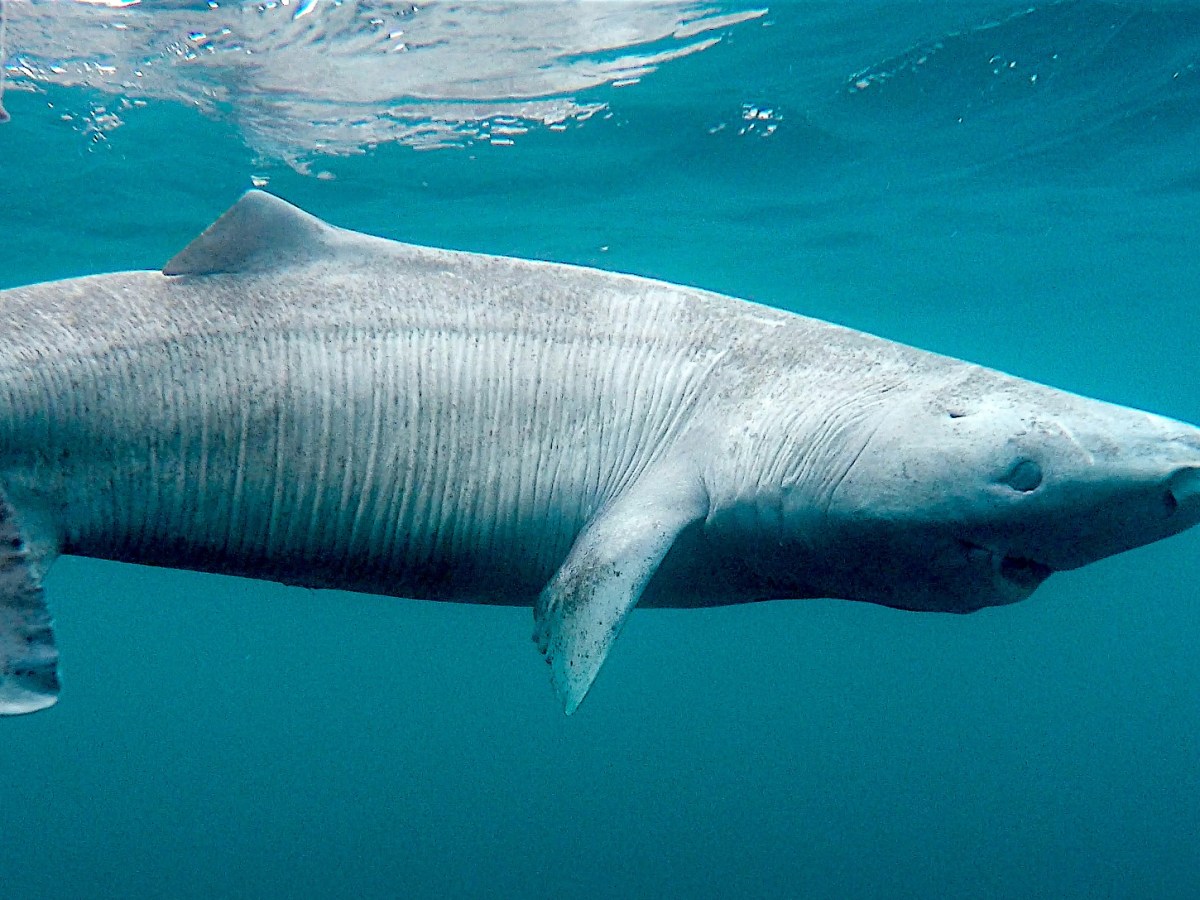
Deep-sea sharks include some of the longest-lived vertebrates known. The record holder is the Greenland shark, with a recently estimated maximum age of nearly 400 years. Their slow life cycle makes them vulnerable to fisheries. Humans rarely live longer than 100 years. But many other animals and plants can live for several centuries or even millennia, particularly…








 it’s a provocative title, I agree. But then again, it’s true.

 The
The 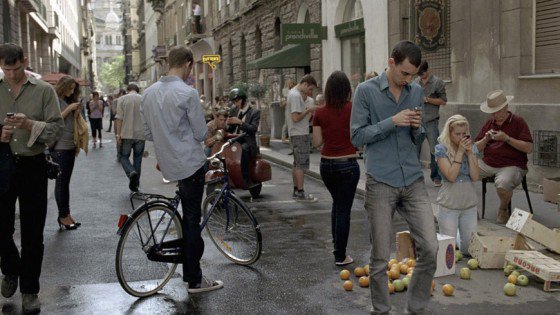





 ConservationBytes.com
The very worn slur of “neo-Malthusian”
7 09 2021After the rather astounding response to our Ghastly Future paper published in January this year (> 443,000 views and counting; 61 citations and counting), we received a Commentary that was rather critical of our article.
We have finally published a Response to the Commentary, which is now available online (accepted version) in Frontiers in Conservation Science. Given that it is published under a Creative Commons Attribution License (CC BY), I can repost the Response here:
In their comment on our paper Underestimating the challenges of avoiding a ghastly future, Bluwstein et al.2 attempt to contravene our exposé of the enormous challenges facing the entire human population from a rapidly degrading global environment. While we broadly agree with the need for multi-disciplinary solutions, and we worry deeply about the inequality of those who pay the costs of biodiversity loss and ecological collapse, we feel obligated to correct misconceptions and incorrect statements that Bluwstein et al.2 made about our original article.
After incorrectly assuming that our message implied the existence of “one science” and a “united scientific community”, the final paragraph of their comment contradicts their own charge by calling for the scientific community to “… stand in solidarity”. Of course, there is no “one science” — we never made such a claim. Science is by its nature necessarily untidy because it is a bottom-up process driven by different individuals, cultures, perspectives, and goals. But it is solid at the core. Scientific confluence is reached by curiosity, rigorous testing of assumptions, and search for contradictions, leading to many — sometimes counter-intuitive or even conflicting — insights about how the world works. There is no one body of scientific knowledge, even though there is good chance that disagreements are eventually resolved by updated, better evidence, although perhaps too slowly. That was, in fact, a main message of our original article — that obligatory specialisation of disparate scientific fields, embedded within a highly unequal and complex socio-cultural-economic framework, reduces the capacity of society to appreciate, measure, and potentially counter the complexity of its interacting existential challenges. We agree that scientists play a role in political struggles, but we never claimed, as Bluwstein et al.2 contended, that such struggles can be “… reduced to science-led processes of positive change”. Indeed, this is exactly the reason our paper emphasized the political impotence surrounding the required responses. We obviously recognize the essential role social scientists play in creating solutions to avoid a ghastly future. Science can only provide the best available evidence that individuals and policymakers can elect to use to inform their decisions.
We certainly recognise that there is no single policy or polity capable of addressing compounding and mounting problems, and we agree that that there is no “universal understanding of the intertwined socio-ecological challenges we face”. Bluwstein et al.2 claimed that we had suggested scientific messaging alone can “… adequately communicate to the public how socio-ecological crises should be addressed”. We did not state or imply such ideas of unilateral scientific power anywhere in our article. Indeed, the point of framing our message as pertaining to a complex adaptive system means that we cannot, and should not, work towards a single goal. Instead, humanity will be more successful tackling challenges simultaneously and from multiple perspectives, by exploiting manifold institutions, technologies, approaches, and governances to match the complexity of the predicament we are attempting to resolve.
Read the rest of this entry »Share:
Comments : Leave a Comment »
Tags: commentary, complex adaptive system, consumption, critique, human population, Malthusian, neo-Malthusian, over-population, overshoot, Population
Categories : agriculture, anthropocene, biodiversity, climate change, demography, economics, education, Endarkenment, environmental economics, environmental policy, extinction, food, governance, human overpopulation, poverty, science, societies, sustainability