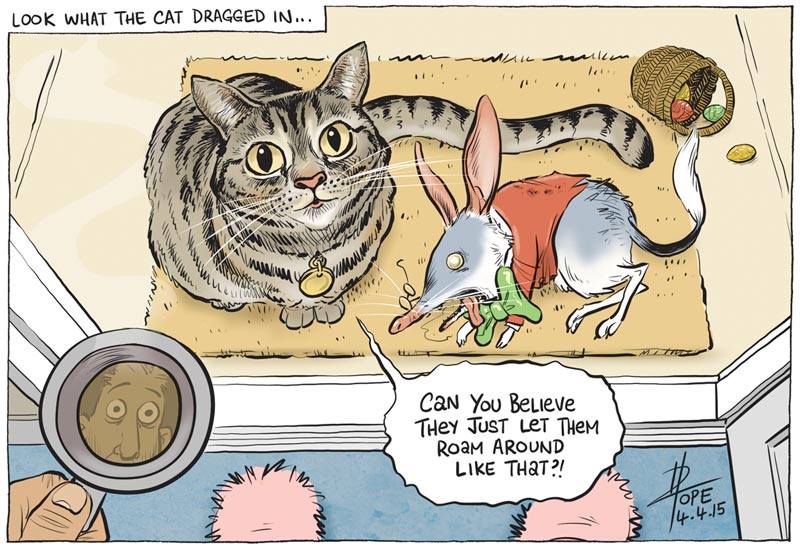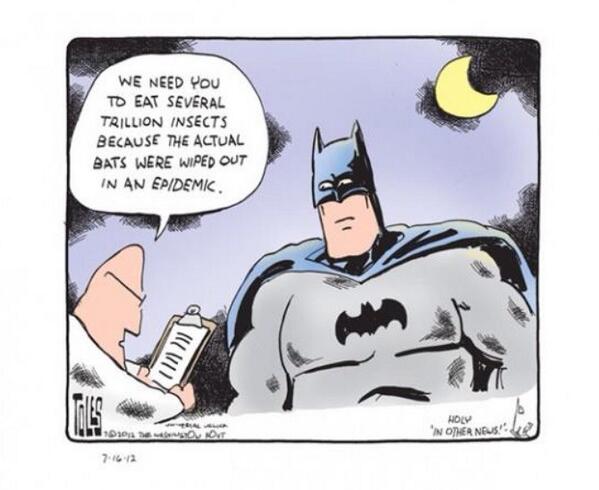
That’s ’40’, of course. Six more biodiversity cartoons, and the last for 2016. See full stock of previous ‘Cartoon guide to biodiversity loss’ compendia here.
—
That’s ’40’, of course. Six more biodiversity cartoons, and the last for 2016. See full stock of previous ‘Cartoon guide to biodiversity loss’ compendia here.
—
Like most local tragedies, it seems to take some time before the news really grabs the overseas audience by the proverbial goolies. That said, I’m gobsmacked that the education tragedy unfolding in South Africa since late 2015 is only now starting to be appreciated by the rest of the academic world.
You might have seen the recent Nature post on the issue, and I do invite you to read that if all this comes as news to you. I suppose I had the ‘advantage’ of getting to know a little bit more about what is happening after talking to many South African academics in the Kruger in September. In a word, the situation is dire.
We’re probably witnessing a second Zimbabwe in action, with the near-complete meltdown of science capacity in South Africa as a now very real possibility. Whatever your take on the causes, justification, politics, racism, or other motivation underlying it all, the world’s conservation biologists should be very, very worried indeed.
Six more biodiversity cartoons coming to you all the way from Sweden (where I’ve been all week). See full stock of previous ‘Cartoon guide to biodiversity loss’ compendia here.
—

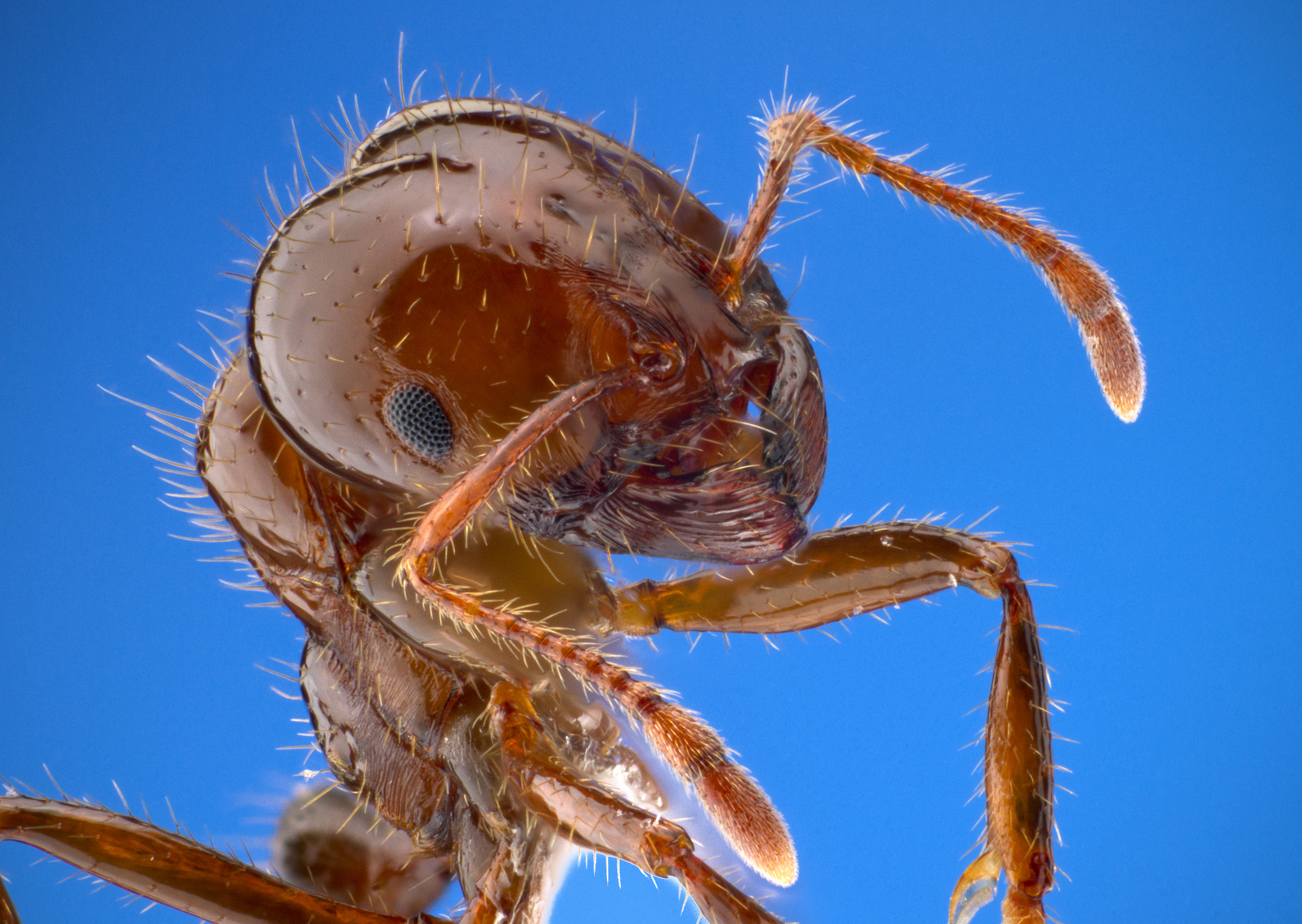
Portrait of a red imported fire ant Solenopsis invicta. This species arrived to the southeastern USA from South America in the 1930s. Specimen from Brackenridge Field Laboratory, Austin, Texas, USA. Public domain image by Alex Wild, produced by the University of Texas “Insects Unlocked” program.
As many of you already know, I spent a good deal of time in France last year basking in the hospitality of Franck Courchamp and his vibrant Systematic Ecology & Evolution lab at Université Paris-Sud. Of course, I had a wonderful time and was sad to leave in the end, but now I have some hard evidence that I wasn’t just eating cheese and visiting castles. I was actually doing some pretty cool science too.
Financed by BNP-Paribas and Agence Nationale de Recherche, the project InvaCost was designed to look at the global impact of invasive insects, including projections of range dynamics under climate change and shifting trade patterns. The first of hopefully many papers is now out.
Just published in Nature Communications, I am proud that many months of hard work by a brilliant team of ecologists, epidemiologists and economists has culminated in this article entitled Massive yet grossly underestimated costs of invasive insects, which in my opinion is the first robust analysis of its kind. Despite some previous attempts at estimating the global costs of invasive species1-4 (which have been largely exposed as guesswork and fantasy5-10), our paper rigorously treats the economic cost estimates and categorises them into ‘reproducible’ and ‘irreproducible’ categories.
What we found was sobering. If we look at just ‘goods and services’ affected by invasive insects, the annual global costs run at about US$70 billion. These include agricultural, forestry and infrastructure damages, as well as many of the direct costs of clean-up and eradication, and the indirect costs of prevention. When you examine that number a little more closely and only include the ‘reproducible’ studies, the total annual costs dip to about US$25 billion, meaning that almost 65% of the costs recorded are without any real empirical support. Scary, especially considering how much credence people put on previously published global ‘estimates’ (for example, see some citation statistics here).

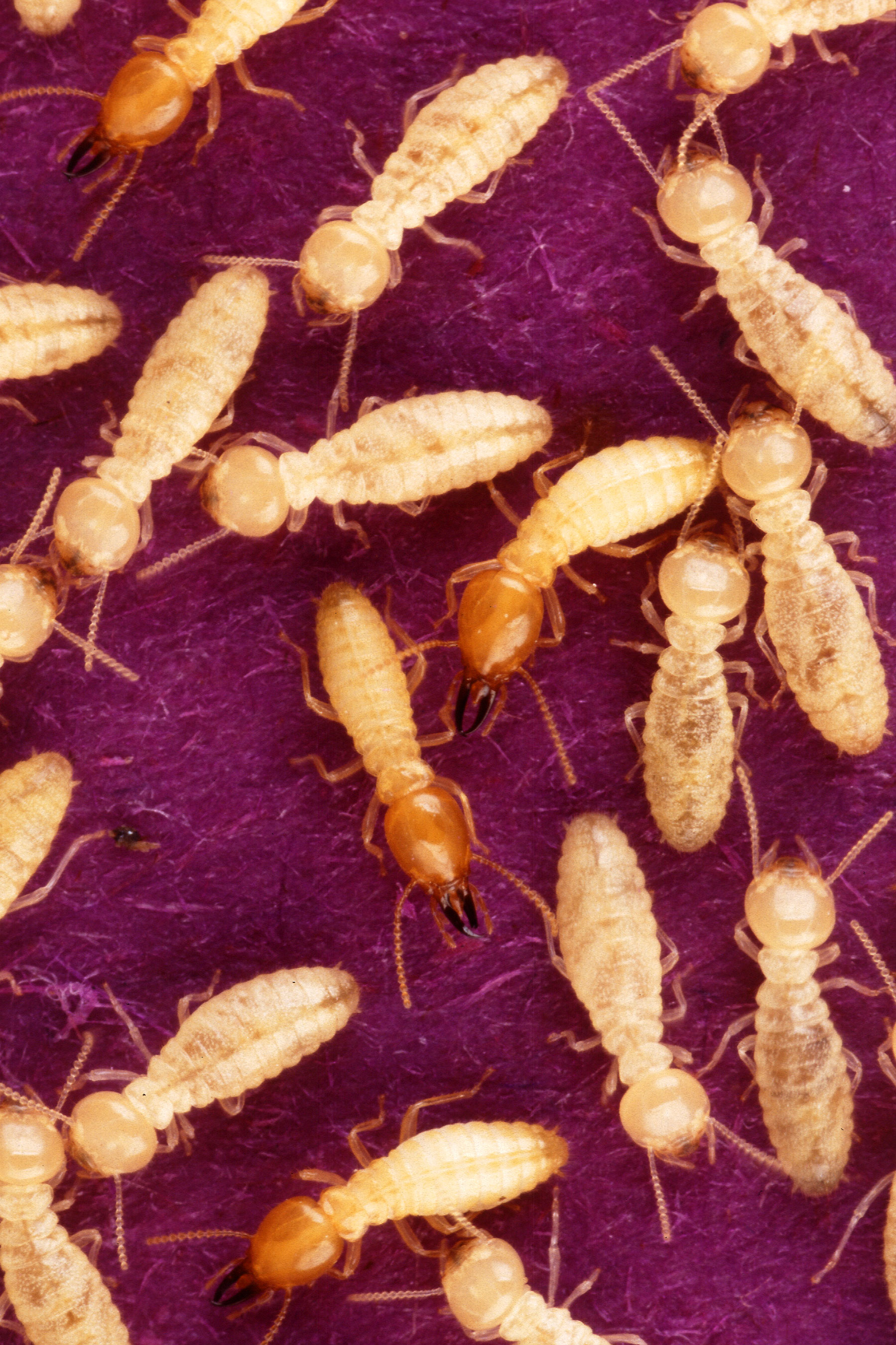
Formosan subterranean termite Coptotermes formosanus by Scott Bauer, US Department of Agriculture, Agricultural Research Service
There’s a great example to illustrate this. If you take it at face value, the most expensive invasive insect in the world is the Formosan subterranean termite Coptotermes formosanus estimated at US$30.2 billion/yr globally. However, that irreproducible estimate is based on a single non-sourced value of US$2.2 billion per year for the USA, a personal communication supporting a ratio of 1:4 of control:repair costs in a single US city (New Orleans), and an unvalidated assumption that the US costs represent 50% of the global total.
Another six biodiversity cartoons for your midday chuckle & groan. There’s even one in there that takes the mickey out of some of my own research (see if you can figure out which one). See full stock of previous ‘Cartoon guide to biodiversity loss’ compendia here.
—
I’ve just returned from a short trip to the National Centre for Biological Sciences (NCBS) in Bangalore, Karnataka, one of India’s elite biological research institutes.

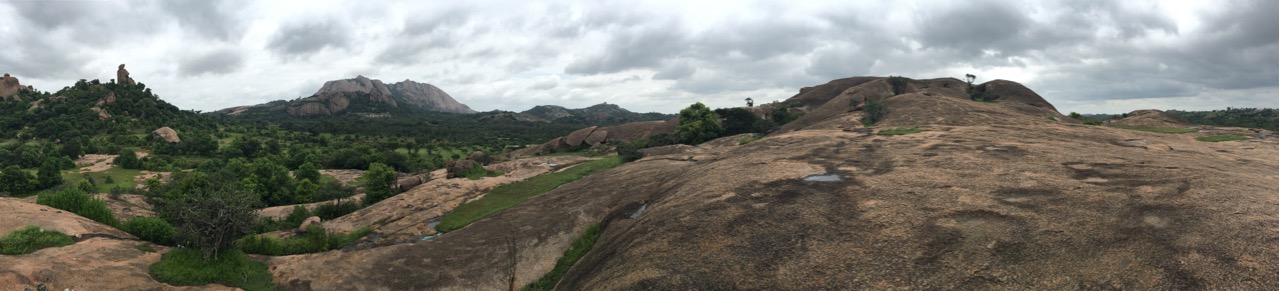
Panorama of a forested landscape (Savandurga monolith in the background) just south of Bangalore, Karnataka (photo: CJA Bradshaw)
I was invited to give a series of seminars (you can see the titles here), and hopefully establish some new collaborations. My wonderful hosts, Deepa Agashe & Jayashree Ratnam, made sure I was busy meeting nearly everyone I could in ecology and evolution, and I’m happy to say that collaborations have begun. I also think NCBS will be a wonderful conduit for future students coming to Australia.
It was my first time visiting India1, and I admit that I had many preconceptions about the country that were probably unfounded. Don’t get me wrong — many of them were spot on, such as the glorious food (I particularly liked the southern India cuisine of dhosa, iddly & the various fruit-flavoured semolina concoctions), the insanity of urban traffic, the juxtaposition of extreme wealth and extreme poverty, and the politeness of Indian society (Indians have to be some of the politest people on the planet).
But where I probably was most at fault of making incorrect assumptions was regarding the state of India’s natural ecosystems, and in particular its native forests and grasslands. Read the rest of this entry »
Within six months of Abbott and the Coalition seizing power in the 2013 Australian election, decades—if not centuries—of environmental damage and retrograde policies unfolded. But this was no run-of-the-mill incompetence and neglect by government—this was an all-out attack on anything with the merest whiff of environmental protection. The travesty is well-documented, from infamously axing both the carbon-pricing scheme and climate commission, eradicating Labor’s 80% emissions-reduction target by 2050, diluting the Renewable Energy Target, refusing to commit to enforcing the Illegal Logging Prohibition Act (fortunately, this is now law), defunding the only independent legal entity available to limit environmentally destructive development (Environmental Defenders Office), to even attempting to remove the rights of environmental groups to challenge development proposals (thankfully, that failed).
The Coalition’s backward and ineffectual climate change-mitigation policies alone are evidence enough for long-term damage, but their war on the environment in general means that even the future election of a more environmentally responsible government will not undo the damage quickly, if at all. As a result of these and other nearsighted policies, Australia remains one of the highest per-capita greenhouse-gas emitters on the planet, has one of the highest per-capita water uses of any nation, leads the world in mammal extinctions, continues to deforest its already forest-poor landscape, and is a society utterly unprepared to deal with the future challenges of a degraded planet.
Read the rest of this entry »
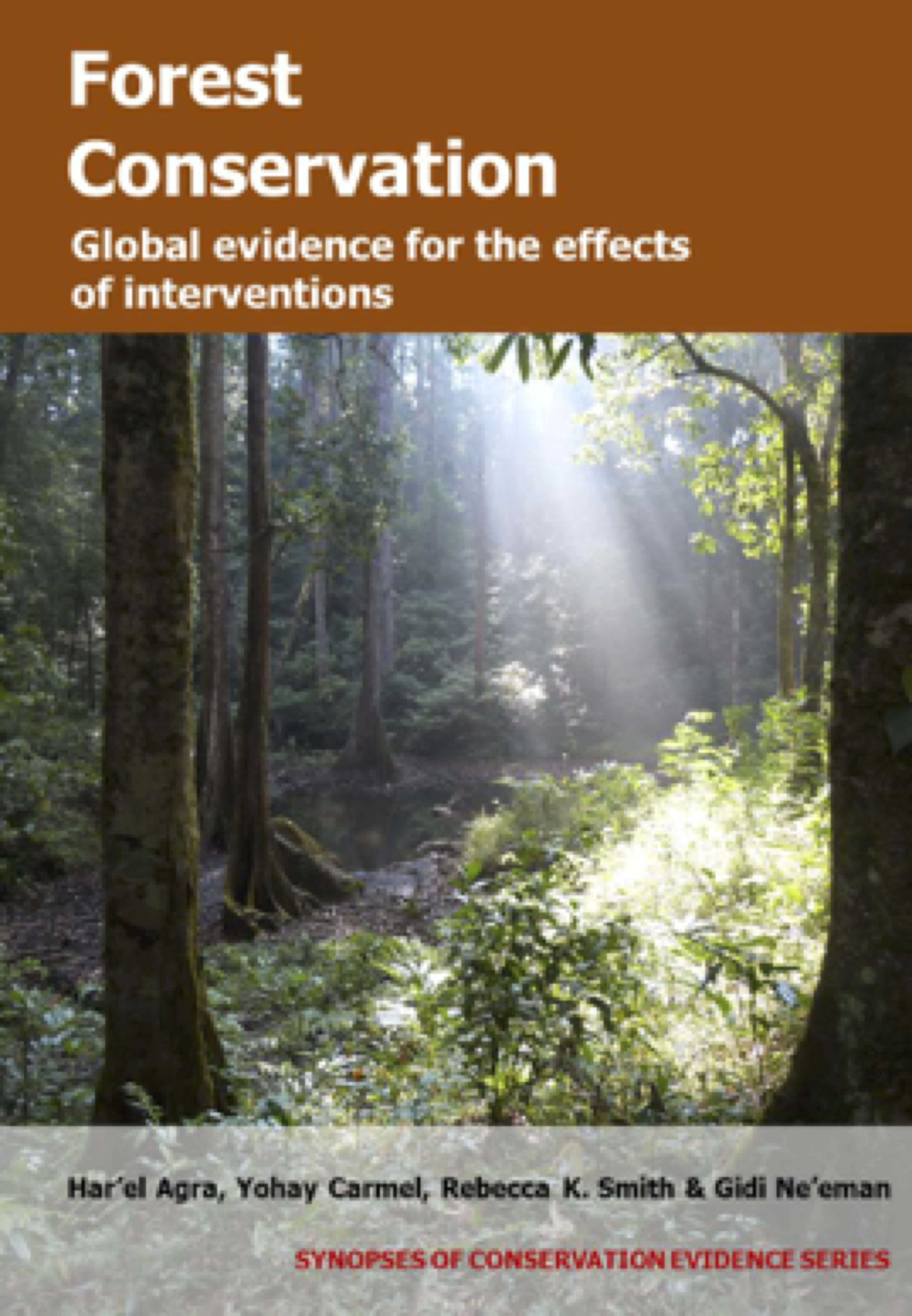
From the towering kapoks of South America to the sprawling banyans of South Asia, from misty cloud forests to ice-covered pines, forests are some of the most diverse and important ecosystems on Earth. However, as conservationists and foresters try to manage, conserve and restore forests across the world, they often rely on scanty and scattered information to inform their decisions, or indeed, no information at all. This could all change.
This week sees the launch of the Forest Synopsis from Conservation Evidence, a free resource collating global scientific evidence on a wide range of conservation-related actions. These aim to include all interventions that conservationists and foresters are likely to use, such as changing fire regimes, legally protecting forests or encouraging seed-dispersing birds into degraded forests.
Making conservation work
“We hear a lot about how important it is to do evidence-based conservation”, says Professor Bill Sutherland at the University of Cambridge, UK, “but in reality getting a handle on what works is not easy. That’s why we set up Conservation Evidence, to break down the barriers between conservationists and the scientific evidence that they need to do their jobs.” Read the rest of this entry »
Originally published in the Otago Daily Times by Tom McKinlay
—
If we don’t act soon, the world we leave our children will be in a sorry state indeed, leading Australian scientist Prof Corey Bradshaw tells Tom McKinlay.
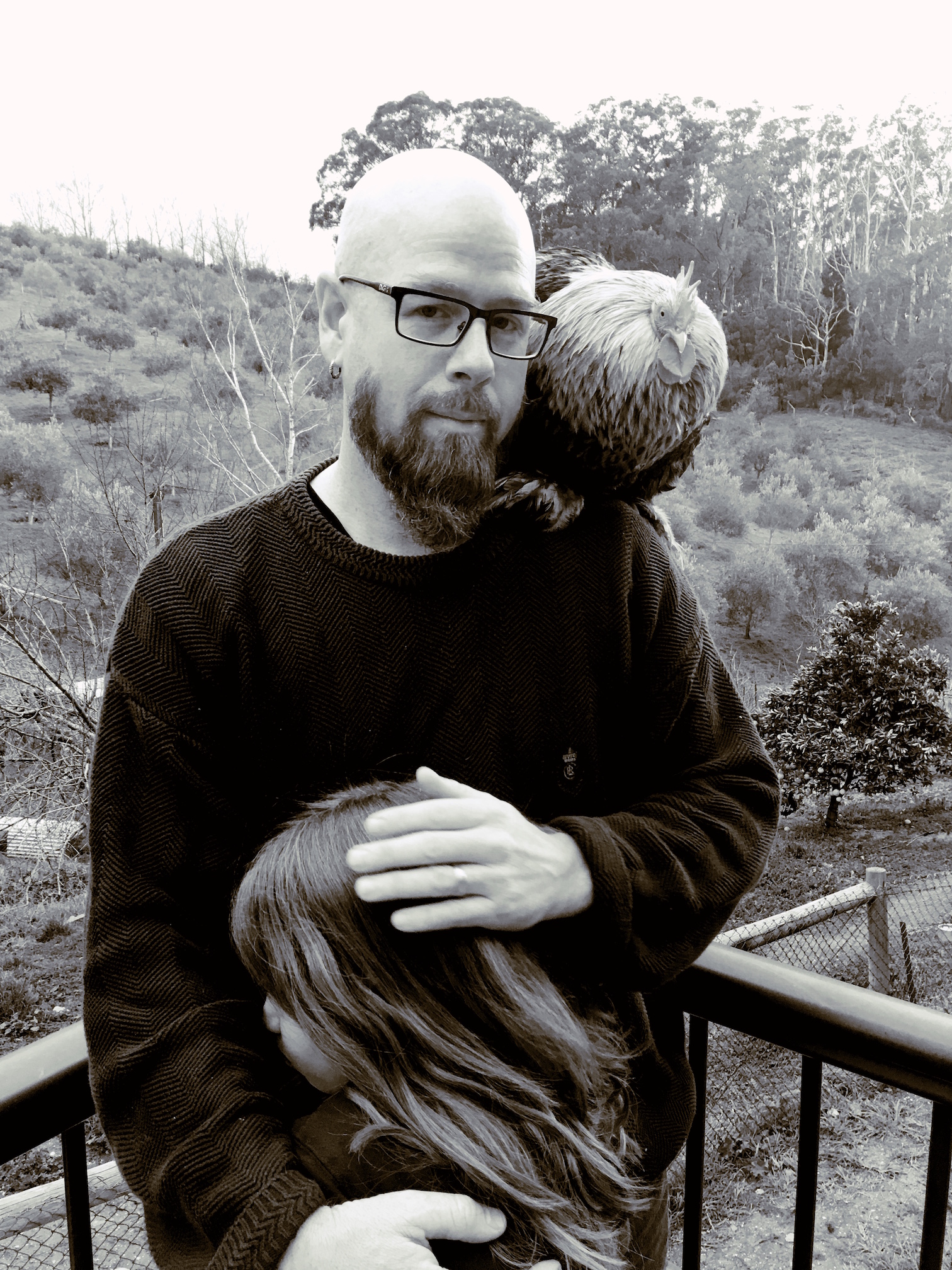
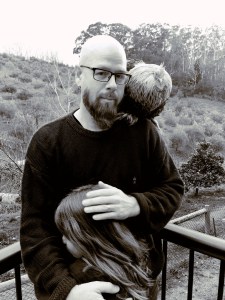
Prof Corey Bradshaw’s 9-year-old daughter lives what sounds an idyllic existence. On their small farm outside Adelaide in South Australia, she has her chickens and her dogs and her cats, her goats and her sheep.
She’s an only child, but is not short of attention from adults and reads voraciously.
She has big plans; there are at least 25 careers she likes the look of, that she’ll undertake simultaneously: farmer, wildlife rescuer, self-sufficient bush dweller – feeding herself by shooting arrows at fish – scientist and more.
She is optimistic about the future. As she should be. A 9-year-old girl living in Australia in 2016 should regard the sky as no limit at all.
All this I learn from her father, ecologist Prof Bradshaw, who talks of his daughter with an enthusiasm unbounded.
It is fair to assume she has picked up some of her interest in the natural world from him.
He holds the Sir Hubert Wilkins Chair of Climate Change in the School of Biological Sciences at the University of Adelaide.
And the ecologist, conservation biologist and systems modeller – with a University of Otago degree – has shared a great deal of his work with his daughter.
“She’s very much a farm kid, but because of who I am she gets to hear a lot about animal and plant systems around the world, and she’s travelled a lot with me and she’s a complete fanatic of David Attenborough,” the professor says.
So far, still so idyllic. But Prof Bradshaw’s work means he is at the forefront of alerting the world to what is not right with it.
Pollution, climate change, habitat loss, extinction.
His daughter has travelled with him to see species that might not be with us by the time she grows up.
“She’s hyper-aware of extinctions, in particular, and how climate change is contributing to that,” Prof Bradshaw says.
“I don’t pull any punches with her.”
In fact, he made her cry when she was 5 explaining climate change. She hasn’t needed to travel to know the pot is on the boil. Fires have forced the family to flee its South Australian property several times, not just at the height of summer.
One of the worst fires in the region struck in May a couple of years back.
“We were on the doorstep of winter and we had one of our worst fires in 20 years.”
So even without a scientist in the family, there are certain unavoidable truths for a child growing up in 21st-century Australia.
Prof Bradshaw is coming to Dunedin next month as part of the New Zealand International Science Festival to talk on climate change, looking at it from his daughter’s perspective. Read the rest of this entry »
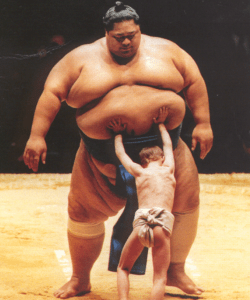
Another six biodiversity cartoons because I have a full-on month of lecturing. I’ll call this one the ‘over-population’ issue. See full stock of previous ‘Cartoon guide to biodiversity loss’ compendia here.
—
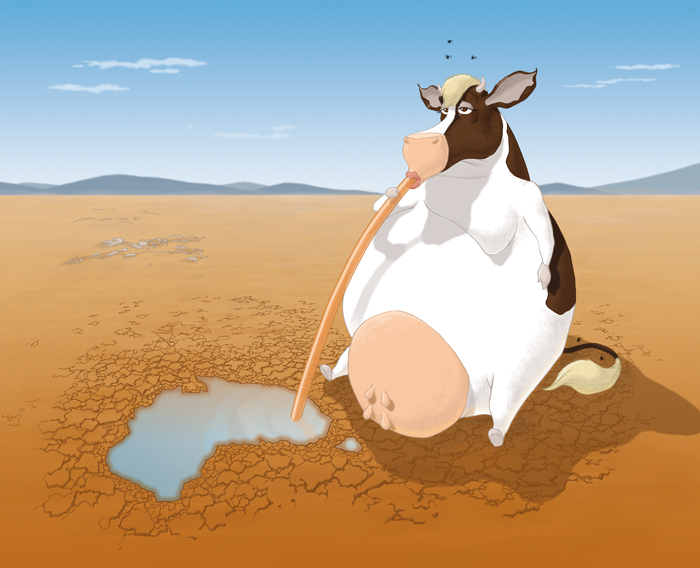
Water, water nowhere, with little left to drink.
—
Australians are superlative natural resource wasters, but living in the driest inhabited continent on the planet, you’d think we’d be precious about our water use.
You’d be wrong.
On the contrary, Australia has a huge water footprint (defined as “the total volume of freshwater that is used to produce the goods and services consumed by the people of the nation”). For internal domestic use (i.e., not including agricultural and industrial uses, or water imported directly or within other goods), Australians use about 341000 litres per person per year (data from 1997–2001), which is six times the global average of 57000 litres per person per year (1).
Agricultural production is one of the chief consumers of freshwater around the world. For example, the global average virtual water content of rice (paddy) is 2.29 million litres/tonne produced, and for wheat it is 1.33 litres/tonne. Growing crops for biofuel in particular has a huge water footprint — depending on the crop in question, it takes an average of 1400–20000 litres of water to produce just one litre of biofuel (2). If an agricultural product comes from livestock — say, meat, leather, or wool — the water content is typically much higher because of the feed required to keep the animal alive. For example, it takes about three years to raise beef cattle to slaughtering age, with an average of 200 kg of boneless beef produced per animal. This requires about 1,300 kg of grains, 7200 kg of pasture or hay, and 31000 litres of water for drinking and cleaning. This means that the total amount of water required to produce 1 kg of beef is about 15340 litres (1). For Australia, which has over 20 million or so cattle at any one moment, the water footprint alone should at least be cause for concern the next time you tuck into a steak dinner. Read the rest of this entry »
I’ve been thinking about this post for a while, but it wasn’t until having some long, deep chats today with staff and students at Simon Fraser University‘s Department of Biological Sciences (with a particular hat-tip to the lovely Nick Dulvy, Isabelle Côté & John Reynolds) that the full idea began to take shape in my brain. It seems my presentation was a two-way street: I think I taught a few people some things, and they taught me something back. Nice.
There’s no question at all that science communication has never before been so widespread and of such high quality. More and more scientists and science students are now blogging, tweeting and generally engaging the world about their science findings. There is also an increasing number of professional science communication associations out there, and a growing population of professional science communicators. It is possibly the best time in history to be involved in the generation and/or communication of scientific results.
Why then is the public appreciation, acceptance and understanding of science declining? It really doesn’t make much sense if you merely consider that there has never been more good science ‘out there’ in the media — both social and traditional. For the source literature itself, there has never before been as many scientific journals, articles and even scientists writing. Read the rest of this entry »
Another six biodiversity cartoons because it’s shaping up to be a crazy week. See full stock of previous ‘Cartoon guide to biodiversity loss’ compendia here.
—
Another six biodiversity cartoons for you this week (see here for why I provide six each time). See full stock of previous ‘Cartoon guide to biodiversity loss’ compendia here.
—
I’m starting a new series on ConservationBytes.com — one that exposes the worst environmental offenders on the planet.
I’ve taken the idea from an independent media organisation based in Australia — Crikey — who has been running the Golden Arsehat of the Year awards since 2008. It’s a hilarious, but simultaneously maddening, way of shaming the worst kinds of people.
So in the spirit of a little good fun and environmental naming-and-shaming, I’d like to put together a good list of candidates for the inaugural Environmental Arsehat of the Year awards.
So I’m keen to receive your nominations, either privately via e-mail, the ConservationBytes.com message service, or even in the comments stream of this post. Once I receive a good list of candidates, I’ll do separate posts on particularly deserving individuals, followed by an online poll where you can vote for your (least) favourite Arsehat.
There are a few nomination rules, however. Read the rest of this entry »
While I’ve blogged about this before in general terms (here and here), I thought it wise to reproduce the (open-access) chapter of the same name published in late 2013 in the unfortunately rather obscure book The Curious Country produced by the Office of the Chief Scientist of Australia. I think it deserves a little more limelight.
—
As I stepped off the helicopter’s pontoon and into the swamp’s chest-deep, tepid and opaque water, I experienced for the first time what it must feel like to be some other life form’s dinner. As the helicopter flittered away, the last vestiges of that protective blanket of human technological innovation flew away with it.
Two other similarly susceptible, hairless, clawless and fangless Homo sapiens and I were now in the middle of one of the Northern Territory’s largest swamps at the height of the crocodile-nesting season. We were there to collect crocodile eggs for a local crocodile farm that, ironically, has assisted the amazing recovery of the species since its near-extinction in the 1960s. Removing the commercial incentive to hunt wild crocodiles by flooding the international market with scar-free, farmed skins gave the dwindling population a chance to recover.
Conservation scientists like me rejoice at these rare recoveries, while many of our fellow humans ponder why we want to encourage the proliferation of animals that can easily kill and eat us. The problem is, once people put a value on a species, it is usually consigned to one of two states. It either flourishes as do domestic crops, dogs, cats and livestock, or dwindles towards or to extinction. Consider bison, passenger pigeons, crocodiles and caviar sturgeon.
As a conservation scientist, it’s my job not only to document these declines, but to find ways to prevent them. Through careful measurement and experiments, we provide evidence to support smart policy decisions on land and in the sea. We advise on the best way to protect species in reserves, inform hunters and fishers on how to avoid over-harvesting, and demonstrate the ways in which humans benefit from maintaining healthy ecosystems. Read the rest of this entry »
Another six biodiversity cartoons for you this week. You might have asked yourself ‘Why six?’ — the number 6 is, of course, the smallest perfect number (i.e., the sum of its aliquot divisors is equal to the number itself: 1 + 2 + 3 = 6), and as a result, my favourite (geek). See full stock of previous ‘Cartoon guide to biodiversity loss’ compendia here.
—