Predicting sustainable shark harvests when stock assessments are lacking

26 03 2018
srb 1

© Andrew Fox

I love it when a good collaboration bears fruit, and our latest paper is a good demonstration of that principle.

It all started a few years ago with an ARC Linkage Project grant we received to examine how the whaler shark fishing industry in Australia might manage its stocks better.

As I’m sure many are aware, sharks around the world aren’t doing terribly well (surprise, surprise — yet another taxon suffering at the hands of humankind). And while some populations (‘stocks’, in the dissociative parlance of the fishing industry) are doing better than others, and some countries have a better track record in managing these stocks than others, the overall outlook is grim.

One of the main reasons sharks tend to fair worse than bony fishes (teleosts) for the same fishing effort is their ‘slow’ life histories. It doesn’t take an advanced quantitative ecology degree to understand that growing slowly, breeding late, and producing few offspring is a good indication that a species can’t handle too much killing before populations start to dwindle. As is the case for most large shark species, I tend to think of them in a life-history sense as similar to large terrestrial mammals.

Now, you’d figure that a taxon with intrinsic susceptibility to fishing would have heaps of good data with which managers could monitor catches and quotas so that declines could be avoided. However, the reality is generally the inverse, with many populations having poor information regarding vital rates (e.g., survival, fertility), age structure, density feedback characteristics, and even simple estimates of abundance. Without such key information, management tends to be ad hoc and often not very effective. Read the rest of this entry »


Influential conservation ecology papers of 2017

27 12 2017

Gannet Shallow Diving 03
As I have done for the last four years (20162015, 2014, 2013), here’s another retrospective list of the top 20 influential conservation papers of 2017 as assessed by experts in F1000 Prime.

Read the rest of this entry »



Tiny, symbiotic organisms protect corals from predation and disease

20 12 2017
hydrozoan polyp

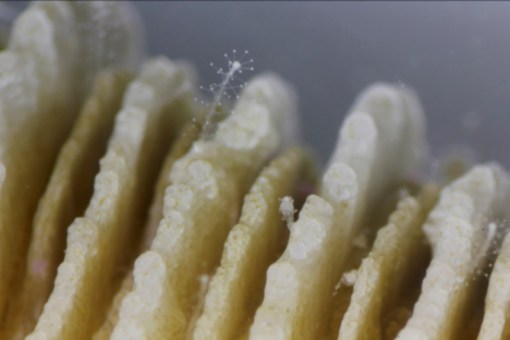
Hydrozoan polyps living on the surface of a coral (photo credit: S. Montano)

Corals could have some unexpected allies to cope with the multi-faceted threats posed by climate change.

In a new study published today in Proceedings of the Royal Society B, Montano and colleagues show how tiny hydrozoans smaller than 1 mm and commonly found in dense colonies on the surface of hard corals (see above photo) play an important ecological role.

Visually examining ~ 2500 coral colonies in both Maldivian and Saudi Arabian reefs, the scientists searched for signs of predation, temperature-induced stress, and disease. For each colony, they also recorded the presence of symbiotic hydrozoans. They demonstrated that corals living in association with hydrozoans are much less prone to be eaten by corallivorous (i.e., ‘coral-eating’) fish and gastropods than hydrozoan-free corals.

A likely explanation for this pattern could be the deterring action of hydrozoan nematocysts (cells capable of ejecting a venomous organelle, which are the same kinds found in jellyfish tentacles). An individual hydrozoan polyp of less than 1 mm clearly cannot cope with a corallivorous fish that is a billions of times larger, yet hydrozoans can grow at high densities on the surface of corals (sometimes > 50 individuals per cm2). This creates a sort of a continuous, ‘urticating‘ carpet that can discourage fish from foraging. Read the rest of this entry »


Cartoon guide to biodiversity loss XLIII

12 08 2017

I’m travelling again, so here’s another set of fishy cartoons to appeal to your sense of morbid fascination with biodiversity loss in the sea. See full stock of previous ‘Cartoon guide to biodiversity loss’ compendia here.

Read the rest of this entry »



Protecting one of the world’s marine wonders

17 06 2017
IMG_6789

© CJA Bradshaw

While I’m in transit (yet a-bloody-gain) to Helsinki, I wanted to take this opportunity to reflect on one of the most inspiring eco-tourism experiences I recently had in South Australia.

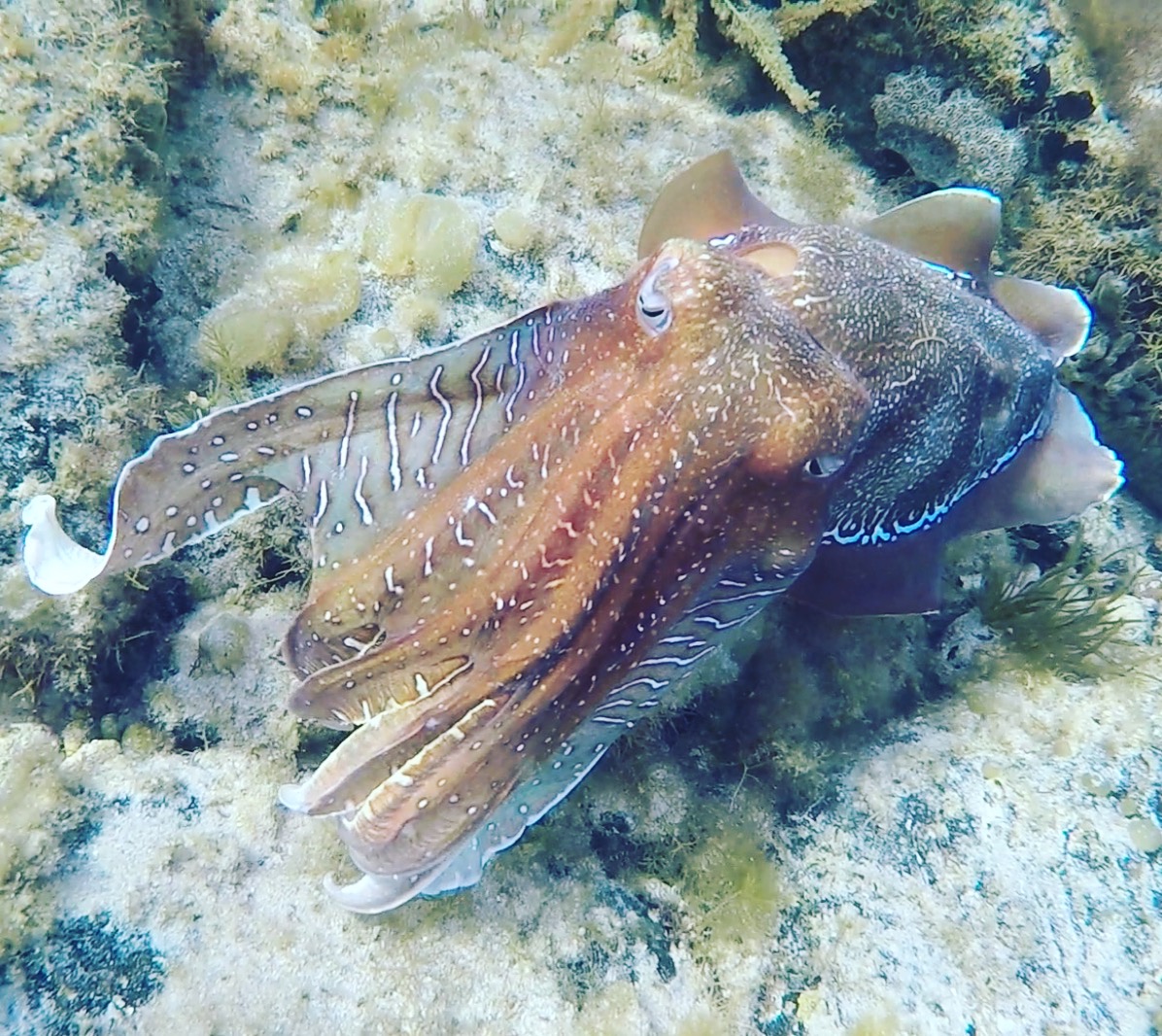
If you are South Australian and have even the slightest interest in wildlife, you will have of course at least heard of the awe-inspiring mass breeding aggregation of giant cuttlefish (Sepia apama) that occur in May-July every year in upper Spencer Gulf near the small town of Whyalla. If you have been lucky enough to go there and see these amazing creatures themselves, then you know exactly what I’m talking about. And if you haven’t yet been there, take it from me that it is so very much worth it to attempt the voyage.

DCIM100GOPROGOPR0121.

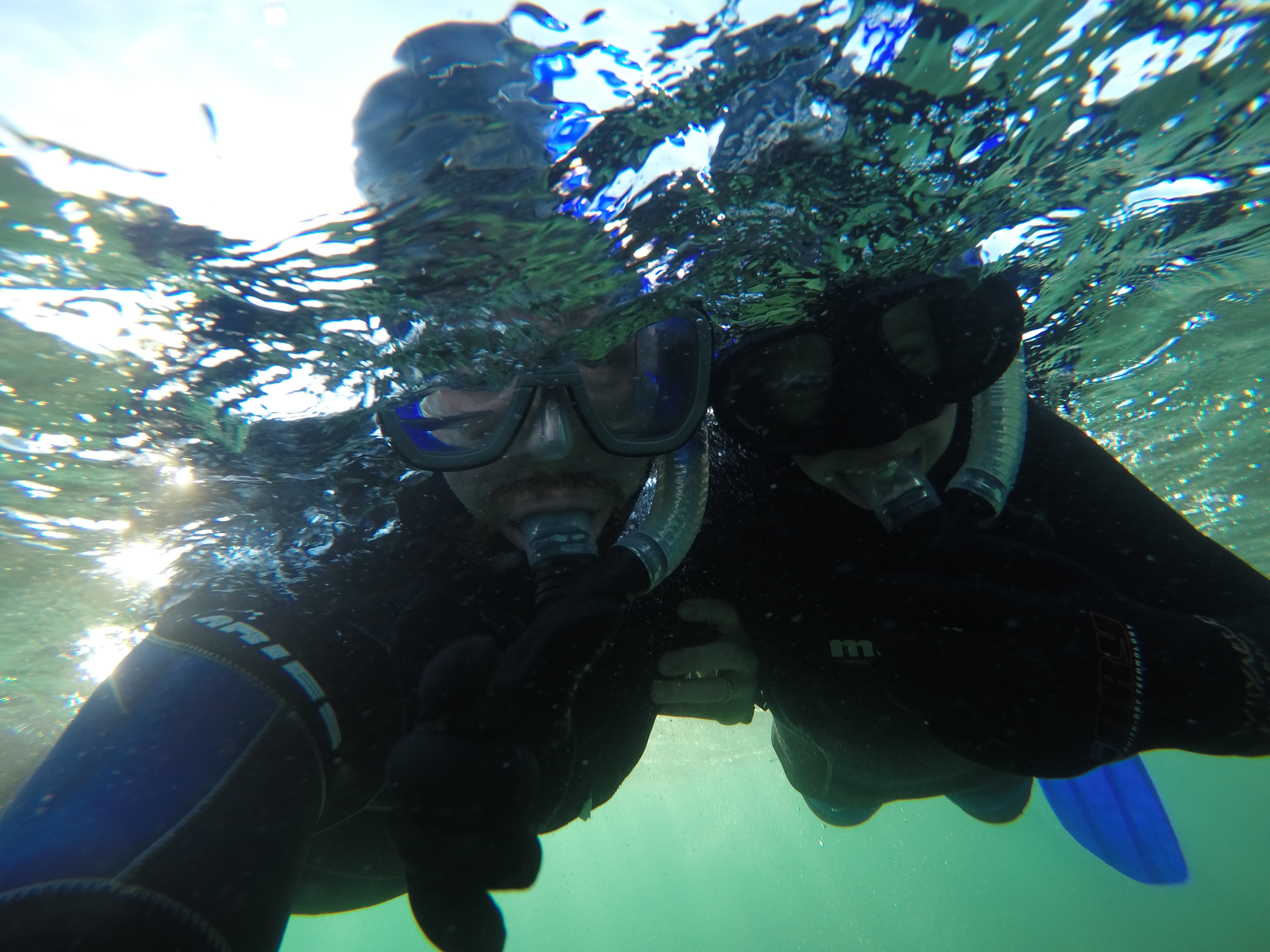
Father-daughter giant-cuttlefish-snorkelling selfie. © CJA Bradshaw

Despite having lived in South Australia for nearly a decade now, I only got my chance to see these wonderful creatures when a father at my daughter’s school organised a school trip. After driving for five hours from Adelaide to Whyalla, we hired our snorkelling gear and got into the water the very next morning. Read the rest of this entry »


Noses baffled by ocean acidification

18 04 2017

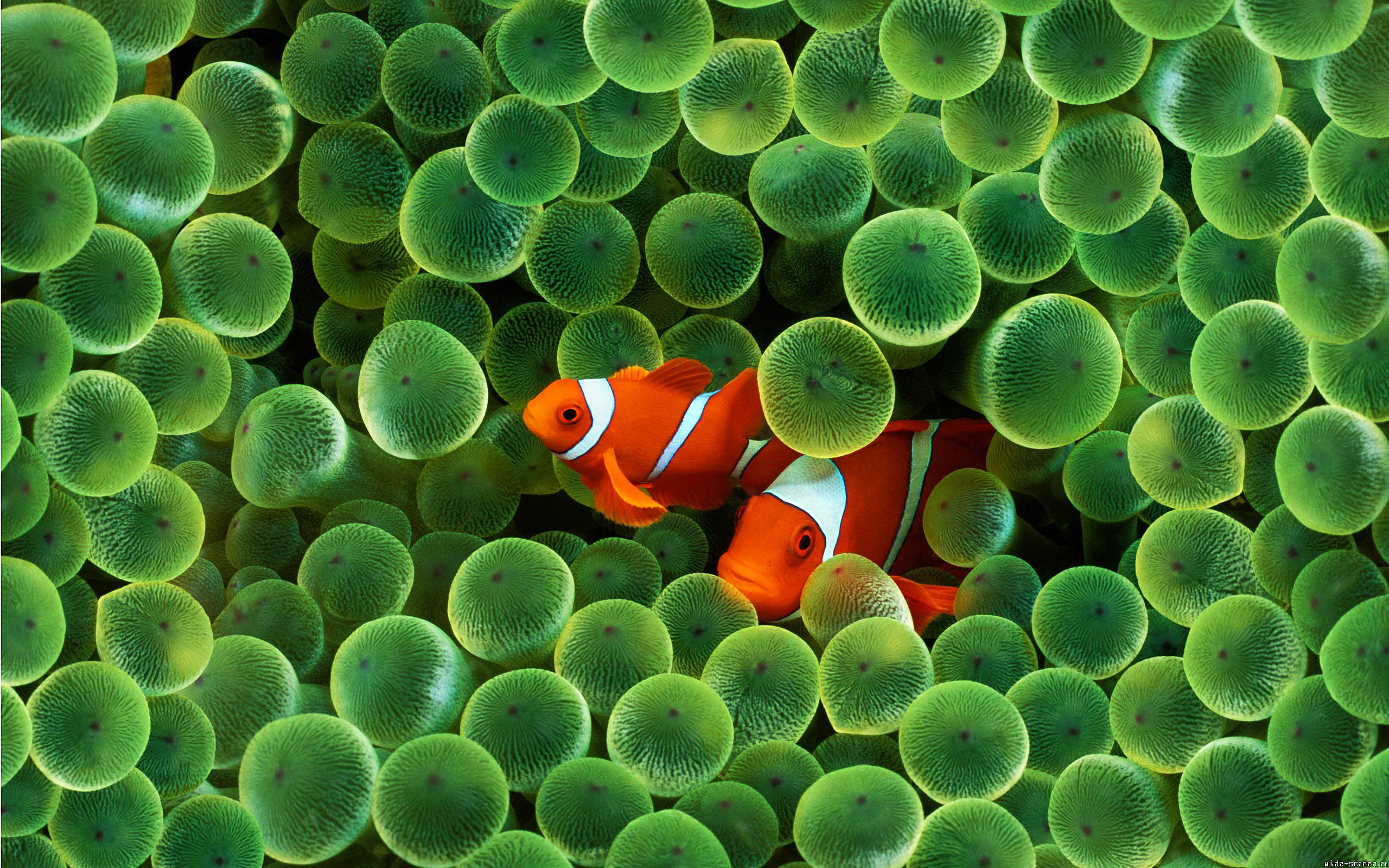
Clown fish couple (Amphiprion percula) among the tentacles of anemone Heteractis magnifica in Kimbe Bay (Papua New Guinea) – courtesy of Mark McCormick. Clownfish protect anemones from predators and parasites in exchange of shelter and food. The fish tolerates the host’s venom because its skin is protected by a mucus layer some 2-3× thicker than phylogenetically related species (12); clownfish fabricate the mucus themselves and seem to obtain anemone antigens through a period of acclimation (13), but whether protection is acquired or innate is still debated. Clownfish are highly social bony fish, forming groups with one reproductive pair (up to 11 cm in length each) and several smaller, non-reproductive males. Reproduction is protandrous (also known as sequential hermaphroditism), so larvae are born male and, as soon as the reproductive female dies, her widower becomes female and the largest of the subsidiary males becomes the alpha male. The IUCN lists clownfish, generically named ‘anemone fish’, as threatened by the pet-trade industry and habitat degradation, although surprisingly, only 1 species has been assessed (A. sandaracinos). The clown anemone fish A. ocellaris is the species that inspired Nemo in the 2003 Academy-Award fiction movie – contrary to the logical expectation that the Oscars Red Carpet would generate support for conservation on behalf of Hollywood, of the 1568 species represented in the movie, only 16 % of those evaluated are threatened (14).

Smell is like noise, the more scents we breathe in one sniff, the more difficult it is to distinguish them to the point of olfactory saturation. Experimental work with clownfish reveals that the increase in dissolved carbon dioxide in seawater, mimicking ocean acidification, alters olfactory physiology, with potential cascading effects on the demography of species.

Places such as a restaurant, a hospital or a library have a characteristic bouquet, and we can guess the emotional state of other people by their scents. Smell is critical between predators and prey of many species because both have evolved to detect each other without the aid of vision. At sea, the smell of predators dissolves in water during detection, attack, capture, and ingestion of prey, and many fishes use this information to assess the risk of ending up crunched by enemy teeth (1, 2). But predator-prey interactions can be modified by changes in the chemical composition of seawater and are therefore highly sensitive to ongoing ocean acidification (see global measuring network here). Experts regard ocean acidification as the ‘other CO2 problem’ of climate change (3) — just to emphasize that anthropogenic climate-change impacts terrestrial and aquatic ecosystems alike. Acidification occurs because the ocean absorbs CO2 at a rate proportional with the concentration of this gas in the atmosphere and, once dissolved, CO2 becomes carbonic acid (H2CO3), which in turn releases protons (H+) — in simple terms, pH is the concentration of protons (see video about ocean acidification): Read the rest of this entry »


Limited nursery replenishment in coral reefs

27 03 2017
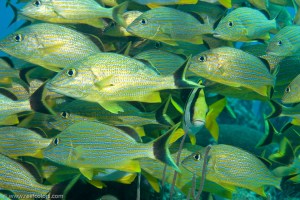
Haemulon sciurus

blue-striped grunt (Haemulon sciurus)

Coral reef fishes are wonderfully diverse in size, form, and function, as well as their need for different habitats throughout the life cycle. Some species spend all of their life in the same kind of coral habitat, while others need different places to breed and feed.

Fishes requiring different habitats as they progress through life often have what we call ‘nurseries’ in which adults lay eggs and the subsequent juveniles remain, and these places are often dominated by mangroves or seagrasses (i.e., they are not part of the coral reef).

While we’ve known for quite some time that when these nursery habitats are not around, adjacent coral reefs have few, if any, of these nursery-dependent species. What we haven’t known until now is just how far the influence of nurseries extends along a coral reef.

In other words, if a nursery is present, just how many new recruits do different areas of a reef receive from it? Read the rest of this entry »


Disadvantages of marine protected areas

29 02 2016


Stop wasting time

Stop wasting time


Grim tale of global shark declines

25 06 2015
Please don't eat me

Please don’t eat me

How do you prevent declines of species you cannot even see? This is (and has always been) the dilemma for fisheries because, well, humans don’t live underwater. Even when we strap on a metal tank full of air and a pair of fins, we’re still more or less like wounded astronauts peering through a narrow window of glass at the huge, largely empty, ocean space. It’s little wonder then that we have a fairly crap system of estimating fish abundance, and an even worse track record of managing them sustainably.

But humans love to eat fish – the total world estimate of legal fisheries landings is something in the vicinity of 190 million tonnes in 2013, up from 18 million tonnes in 1950 (according to FAO). We’re probably familiar with some of the losers of that massive harvest, with species like tunas, bill fishes and orange roughy making the news for catastrophic declines in abundance over the last 30-40 years. And we’re not even talking about the estimated tragedy that is illegal, unreported and unregulated (IUU) fishing.

Back in 1999, the FAO started to report that sharks – the new-ish target of many world fisheries resulting from the commercial extinction of many other fin fish fisheries – we’re starting to take the hit. Once generally ignored by fishing industries, sharks soon became popular target species. Then in 2003, Julia Baum and colleagues famously (and somewhat controversially) sounded the alarm for sharks in the Gulf of Mexico by some claims of major and catastrophic declines of large, predatory sharks. While some of the subsequent to-ing and fro-ing in the literature challenged these claims, Baum’s excellent work was ultimately vindicated.

Since then, more and more evidence that sharks are in trouble has surfaced, including the assessment of the reported (again, only legal) catch indicated heavy depletion of coastal sharks even by 1975, and the estimate that 25% of all shark and ray species have an elevated extinction risk, mainly resulting from overfishing. Now even the direct fisheries landings statistics are confirming this grim tale. Read the rest of this entry »


Evidence-based conservation advocacy can work

15 09 2014
Colin 'Captain Hook' Barnett

Colin ‘Captain Hook’ Barnett

Just before knock-off time last Friday, I received some inspiring news. It’s not often in conservation science that the news is good, so even small wins are deliciously welcome.

Unless you’ve been out bush for the last few days or completely ignored the news services, you would have heard that Western Australia has decided not to go ahead with its moronic shark-culling programme. It all came down to the Western Australia Environmental Protection Authority‘s recommendation to the state government that it should not proceed with the cull because of ‘uncertainties’ in its effectiveness and impacts. While the government could conceivably ignore this recommendation and go ahead with the cull anyway, the right-wing Premier of Western Australia, Colin ‘Captain Hook’ Barnett, stated that while he was “disappointed”, the government was unlikely to appeal the decision, at least this year.

Putting the obvious commentary on his response aside for the moment, this is a rare example where overwhelming evidence actually persuaded a semi-autonomous government agency from going ahead with clearly stupid environmental policies. I can claim a small part in this endeavour, having co-written the synopsis of the scientific consensus statement and co-signed the submission to the Environmental Protection Authority. However, it was mainly down to the hard work and dedication of Professor Jessica Meeuwig of the University of Western Australia that the Western Australia government had little choice to but to heed our condemnation. Without her, I can pretty much guarantee that the shark slaughter would be continuing this year.

As they say in France, “chapeau” to Jessica. Read the rest of this entry »


Western Australia’s moronic shark cull

4 07 2014

another stupid politicianA major media release today coordinated by Jessica Meeuwig in Western Australia makes the (obvious) point that there’s no biological justification to cull sharks.

301 Australian and International Scientists experts have today provided their submission to the Western Australia Environmental Protection Authority (EPA), rejecting the scientific grounds for the proposed three-year drum-line programme.

Coordinating scientist, Professor Jessica Meeuwig from the University of Western Australia said:

“To have over 300 researchers, including some of the world’s top shark specialists and marine ecologists, all strongly agreeing that there is no scientific basis for the lethal drum-line programme, tells you how unjustified the government’s proposal is. If the EPA and the Federal Minister for the Environment are using science for decisions, the drum-line proposal should not be approved.”

The experts agree that the proposal presents no evidence that the lethal drum-line programme, as implemented, will improve ocean safety. It ignores evidence from other hook-based programs in Hawaii and Queensland that have been shown to be ineffective in reducing shark attacks on humans.

Dr. Christopher Neff from the University of Sydney stated:

“There is no evidence that drum lines reduce shark bites. The Western Australia EPA now faces a question of science versus politics with global implications because it is considering establishing a new international norm that would allow for the killing of protected white sharks.”

The drum lines are ineffective and indiscriminate, with 78% of the sharks captured not considered ‘threatening’ to humans. Yet, scientifically supported, non-lethal alternatives such as the South African ‘Shark Spotter’ and Brazil’s ‘Tag and Remove’ programmes are not adequately assessed as viable options for Western Australia. Read the rest of this entry »


South Australia’s tattered environmental remains

16 04 2014
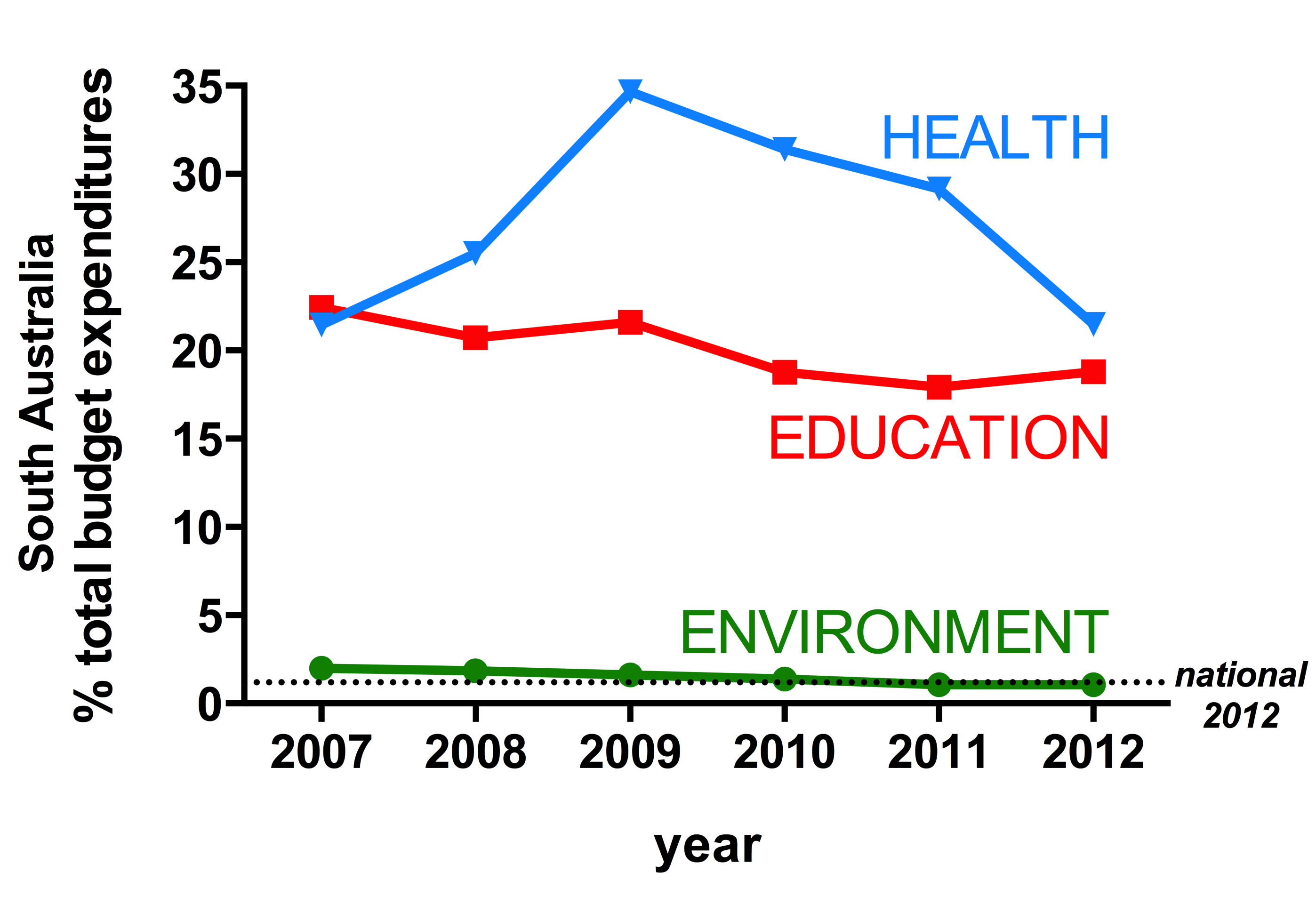
State budget percentage expenditures for health, education and environment

South Australia State budget percentage expenditures for health, education and environment

Yesterday I gave the second keynote address at the South Australia Natural Resource Management (NRM) Science Conference at the University of Adelaide (see also a brief synopsis of Day 1 here). Unfortunately, I’m missing today’s talks because of an acute case of man cold, but at least I can stay at home and work while sipping cups of hot tea.

Many people came up afterwards and congratulated me for “being brave enough to tell the truth”, which both encouraged and distressed me – I am encouraged by the positive feedback, but distressed by the lack of action on the part of our natural resource management leaders.

The simple truth is that South Australia’s biodiversity and ecosystems are in shambles, yet few seem to appreciate this.

So for the benefit of those who couldn’t attend, I’ve uploaded the podcast of my slideshow for general viewing here. I’ve also highlighted some key points from the talk below: Read the rest of this entry »


Biodiversity needs more than just unwanted leftovers

28 02 2014

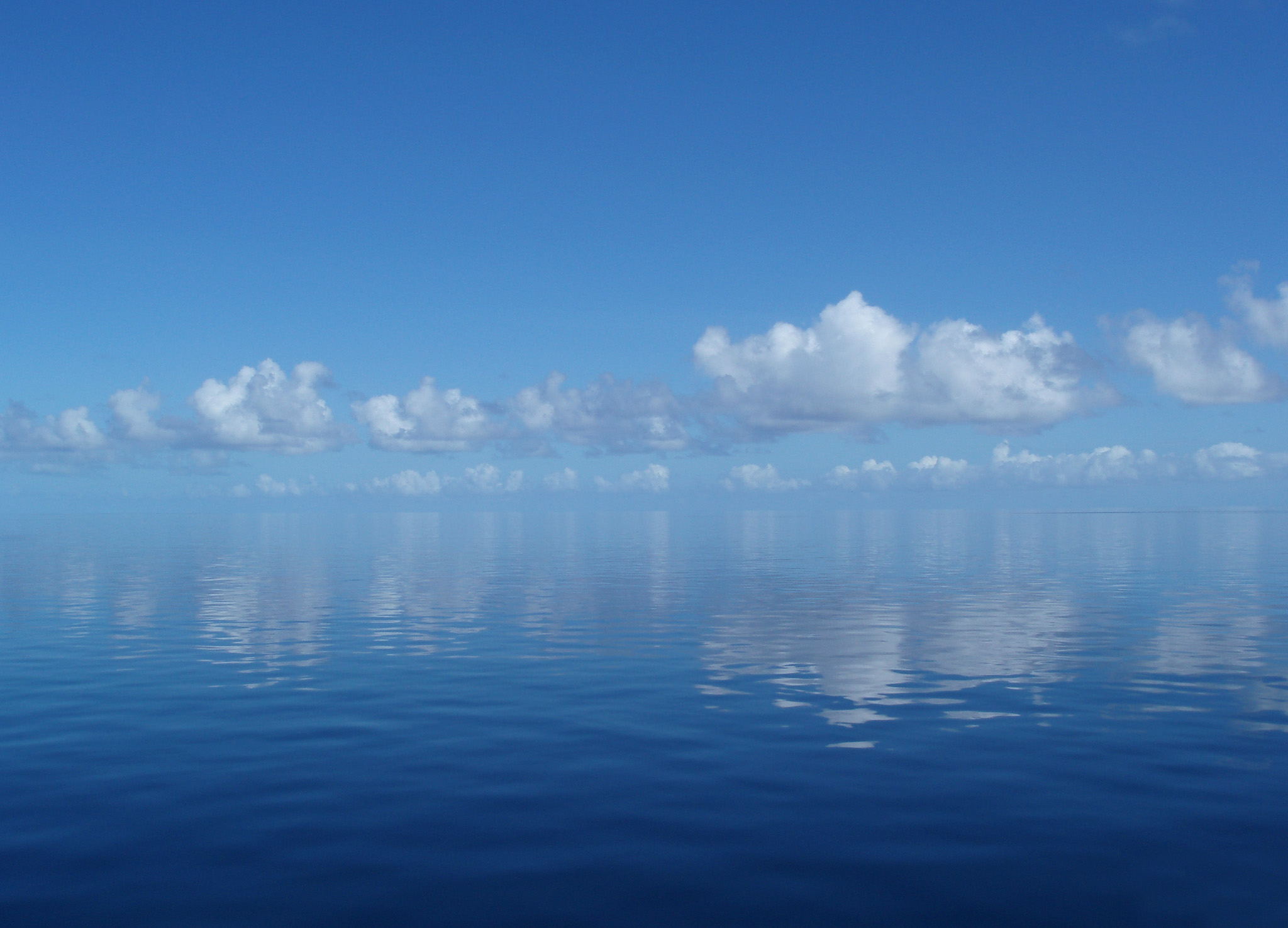
calm oceanThe real measure of conservation progress, on land or in the sea, is how much biodiversity we save from threatening processes.

A new paper co-authored by Memorial University’s Dr Rodolphe Devillers and an international group of researchers argues that established global marine protected areas are too often a case of all show with no substance and do not adequately protect the most vulnerable areas of the world’s oceans.

“There is a big pressure internationally to expand global MPA coverage from around 3 % of the oceans to 10 %, resulting in a race from countries to protect large and often unused portions of their territorial waters for a minimal political cost,” said Mr. Devillers. “Marine protected areas are the cornerstone of marine conservation, but we are asking whether picking low-hanging fruit really makes a difference in the long-term, or if smaller areas currently under threat should be protected before, or at the same time as, those larger areas that are relatively inaccessible and therefore less used by people.

“We need to stop measuring conservation success in terms of square kilometres,” he added. “The real measure of conservation progress, on land or in the sea, is how much biodiversity we save from threatening processes. Metrics such as square kilometres or percentages of jurisdictions are notoriously unreliable in telling us about the true purpose of protected areas.” Read the rest of this entry »



Noisy oceans

20 01 2014
killers & boats
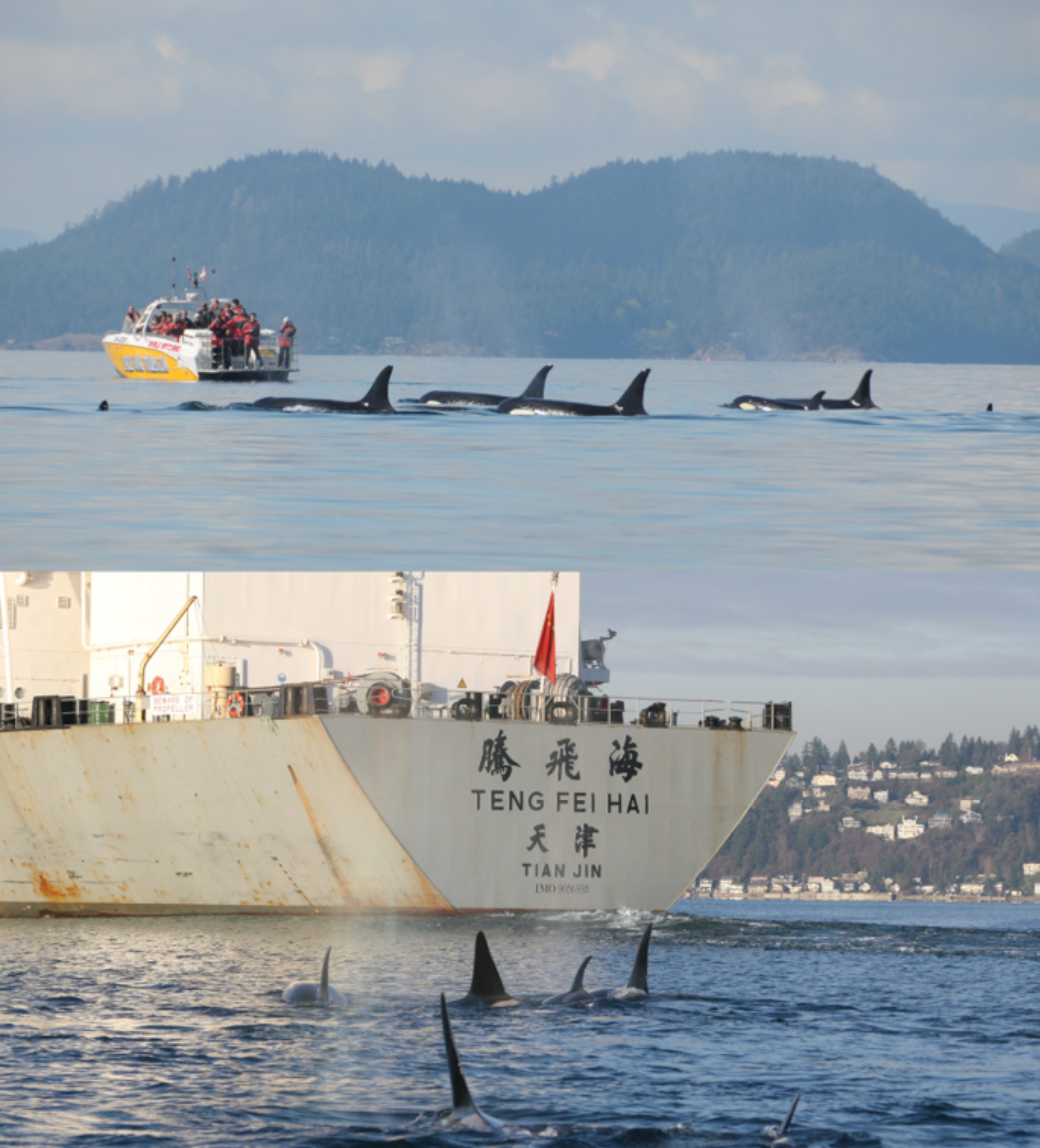
Killer whales are social animals that navigate all oceans and seas between the Arctic and Antarctica – they can be regarded eusocial since reproduction ceases around 40 years of age and menopausal females help care for offspring: like humans [13, 14]. Group cohesion in killer whales relies on a complex repertoire of vocalisations including clicks, whistles and calls. Sounds are instrumental for prey searching, orientation and communication. Foote [5] focused on calls, which are made up of series of discrete sounds that resemble squeaks, screams, and squawks to the human ear. It has been postulated that individuals learn to vocalise by imitation of peers of the same pod, and that only the base structure has a genetic, hence heritable, component [15]. Regardless, pods develop regional dialects. Those dialects, along with aspects of diet, genetics, morphology and behaviour, differentiate the three main lineages of killer whales (resident, transient and open sea) that might have been genetically isolated for ~ 150 to 700 thousand years and, potentially represent different taxa [16, 17]. The species might abandon the IUCN conservation category of ‘Data Deficient’ as soon its taxonomic uncertainty is resolved.Resident killer whales form matrilineal groups of 2 to 15 individuals  (the matriarch and her offspring) – known as pods, in turn subdivided into subpods centred around grandmothers and great-grandmothers. The Southern Resident population is regarded as an acoustic clan comprising 3 pods currently numbering 81 individuals = 26 (J pod) + 19 (K pod) + 36 (L pod) (2013 survey), among whom the matriarch Granny is the oldest at 103 years! This clan feeds mainly on fish, and dwells in the coastal waters between British Columbia (Canada) and Washington State (USA), particularly south of Vancouver Island – nothing is known about where they spend the winter. The clan lost 20 % of its members between 1995 & 2001, and 13 more by 2013, and now faces the decline of its main prey: Chinook salmon (Oncorhynchus tshawytscha) [18]. The two pics show two sub pods of this clan swimming close to a whale-watching boat near Friday Harbour (San Juan Island) and a Chinese ship at Puget Sound (Seatle, USA). Photo credits: Marla Holt, NOAA/NMFS Northwest Fisheries Sciences Center.

Acoustic pollution has become a transnational issue, particularly in marine ecosystems [1] by virtue of the physical fact that sounds travel in water farther and faster than in air. In our noisy, modern world, many species are now forced to modify their vocal repertoire in response to noise. The pivotal social role that vocalisations play in all cetacean species makes these predators and filter feeders particularly vulnerable to this environmental problem.

Last night, an ambulance siren woke me, only seconds before the neighbour’s washing machine started spinning, and a good friend of mine rang from overseas. Gradually more and more people are living in societies plugged in to noisy mechanical and electronic devices 24 hours a day, 356 days a year.

Engine-powered vehicles are the main source of anthropogenic noise, and their numbers can grow even at a higher rate than the human population – so spreading not only diseases [2] but also decibels over a global network of travelling routes. In an ecological context, we refer to noise as a kind of sound (= energy wave detected by an auditory system) that is not considered a biologically meaningful cue by wildlife (including us) and might also cause physiological stress. Experts refer to ‘masking’ as those situations in which noise interferes the perception or emission of sounds that matter to the life history of species – a global concern in both terrestrial [3] and aquatic [4] ecosystems.

Andy Foote [5] has assessed the effect of vessel traffic on the vocal behaviour of the three pods forming the Southern Resident population of killer whales (Orcinus orca¸ see video). He recorded calls from these cetaceans from a ship, and through an array of submarine microphones in Haro Straight, between San Juan Island (Washington State, USA) and Vancouver Island (British Columbia, Canada). Between the 1990s and the 2000s, local traffic density had multiplied by a factor of 5 and currently, > 20 whale-watching vessels follow these killer whales daily among an active fleet of > 70 commercial vessels. Foote compared call length through 35 hours of underwater killer whale recordings over three periods (1977-1981, 1989-1992, 2001-2003), each comprising situations in which the pods were exposed to both noisy and quiet environments. Over the study, call length varied between 0.3 and 2.0 seconds; while on average, L-pod calls were the shortest (0.6-0.8 seconds), and J-pod calls the longest (0.9-1.0 seconds). Read the rest of this entry »


More species = more resilience

8 01 2014

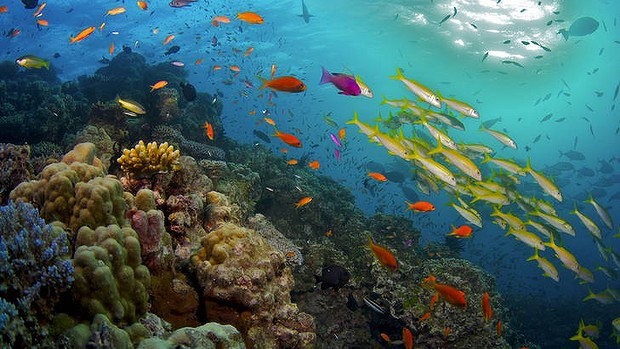
reef fishWhile still ostensibly ‘on leave’ (side note: Does any scientist really ever take a proper holiday? Perhaps a subject for a future blog post), I cannot resist the temptation to blog about our lab’s latest paper that just came online today. In particular, I am particularly proud of Dr Camille Mellin, lead author of the study and all-round kick-arse quantitative ecologist, who has outdone herself on this one.

Today’s subject is one I’ve touched on before, but to my knowledge, the relationship between ‘diversity’ (simply put, ‘more species’) and ecosystem resilience (i.e., resisting extinction) has never been demonstrated so elegantly. Not only is the study elegant (admission: I am a co-author and therefore my opinion is likely to be biased toward the positive), it demonstrates the biodiversity-stability hypothesis in a natural setting (not experimental) over a range of thousands of kilometres. Finally, there’s an interesting little twist at the end demonstrating yet again that ecology is more complex than rocket science.

Despite a legacy of debate, the so-called diversity-stability hypothesis is now a widely used rule of thumb, and its even implicit in most conservation planning tools (i.e., set aside areas with more species because we assume more is better). Why should ‘more’ be ‘better’? Well, when a lot of species are interacting and competing in an ecosystem, the ‘average’ interactions that any one species experiences are likely to be weaker than in a simpler, less diverse system. When there are a lot of different niches occupied by different species, we also expect different responses to environmental fluctuations among the community, meaning that some species inherently do better than others depending on the specific disturbance. Species-rich systems also tend to have more of what we call ‘functional redundancy‘, meaning that if one species providing an essential ecosystem function (e.g., like predation) goes extinct, there’s another, similar species ready to take its place. Read the rest of this entry »


Shrinking global range projected for the world’s largest fish

7 08 2013
© W. Osborn (AIMS)

© W. Osborn (AIMS)

My recently finished PhD student, Ana Sequeira, has not only just had a superb paper just accepted in Global Change Biology, she’s recently been offered (and accepted) a postdoctoral position based at the University of Western Australia‘s Oceans Institute (in partnership with AIMS and CSIRO). As any supervisor, I’m certainly pleased when a student completes her PhD, but my pride as an academic papa truly soars when she gets her first job. Well done, Ana. This post by Ana is about her latest paper.

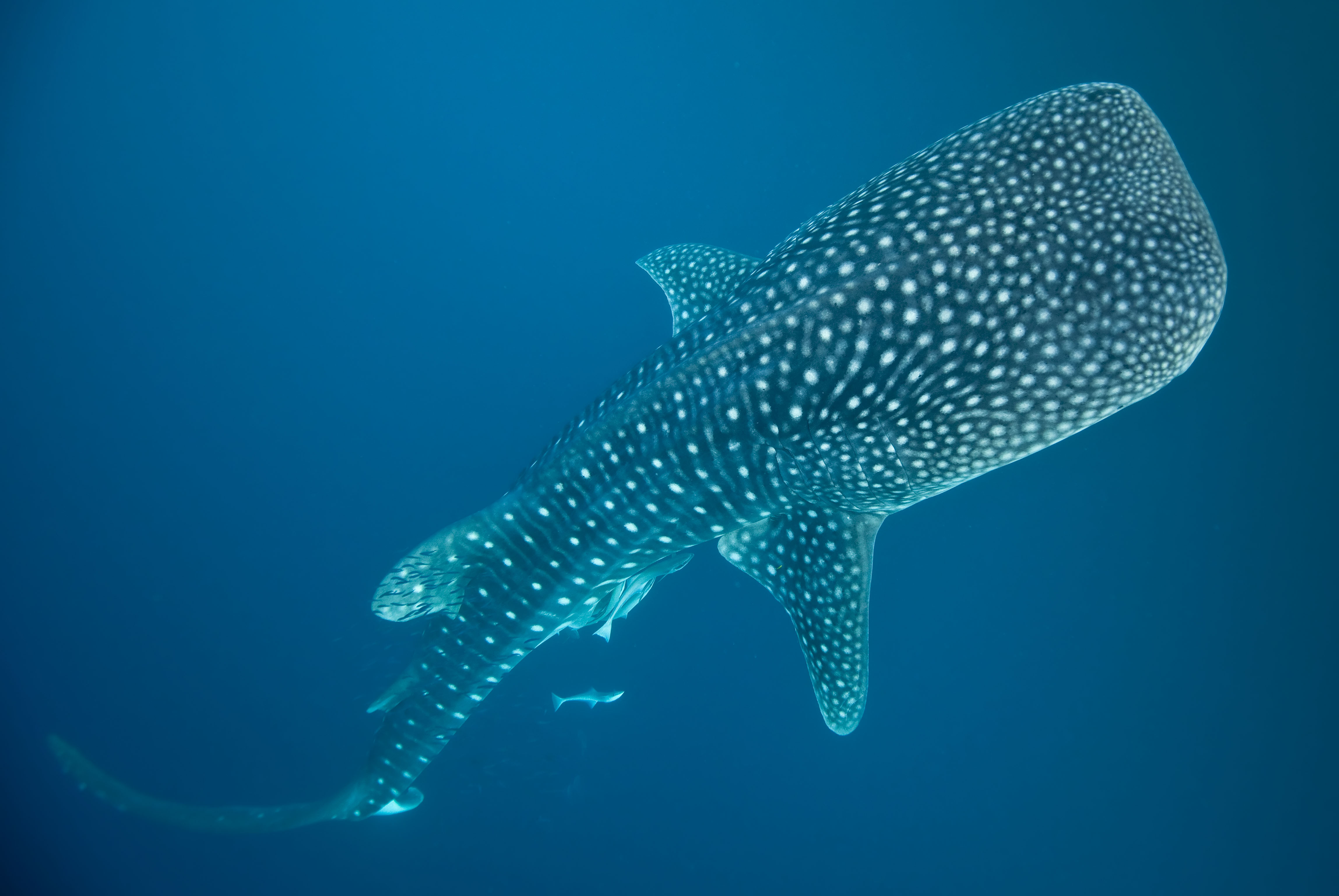
Following our previous whale shark work (see herehereherehere, here, here and here), especially the recent review where we inferred global connectivity and suggest possible pathways for their migration, we have now gone a step further and modelled the habitat suitability for the species at at global scale. This paper sets a nice scene regarding current habitat suitability, which also demonstrates the potential connectivity pathways we hypothesised previously. But the paper goes much further; we extend our predictions to a future scenario for 2070 when water temperatures are expected to increase on average by 2 °C.

Sequeira et al_GCB_Figure 3

Global predictions of current seasonal habitat suitability for whale sharks. Black triangles indicate known aggregation locations. Solid line delineates areas where habitat suitability > 0.1 was predicted.

Regarding the current range of whale sharks (i.e., its currently suitable habitat), we already know that whale sharks span latitudes between about 35 º North to South. We also know that this geographical range has been exceeded on several occasions. What we did not know was whether conditions were suitable enough for whale sharks to cross from the Indian Ocean to the Atlantic Ocean – in other words, whether they could travel between ocean basins south of South Africa. Our global model results demonstrate that suitable habitat in this region does exist at least during the summer, thus supporting our hypotheses regarding global connectivity!

It’s true that the extensive dataset we used (30 years’ worth of whale shark sightings collected by tuna purse seiners in the three major oceans – data provided by the IRD, IOTC and SPC) has many caveats (as do all opportunistically collected data), but we went to great trouble to deal with them in this paper (you can request a copy here or access it directly here). And the overall result: the current global habitat suitability for whale sharks does agree well with current locations of whale shark occurrence, with the exception of the Eastern Pacific for where we did not have enough data to validate. Read the rest of this entry »



Our national parks must be more than playgrounds or paddocks

24 05 2013

Convo TweetsIt’s interesting when a semi-random tweet by a colleague ends up mobilising a small army of scientists to get pissed off enough to co-write an article. Euan Ritchie of Deakin University started it off, and quickly recruited me, Mick McCarthy, David Watson, Ian Lunt, Hugh Possingham, Bill Laurance and Emma Johnston to put together the article. It’s a hugely important topic, so I hope it generates a lot of discussion and finally, some bloody action to stop the rapid destruction of this country’s national parks system.

Note: Published simultaneously on The Conversation.

It’s make or break time for Australia’s national parks.

National parks on land and in the ocean are dying a death of a thousand cuts, in the form of bullets, hooks, hotels, logging concessions and grazing licences. It’s been an extraordinary last few months, with various governments in eastern states proposing new uses for these critically important areas.

Australia’s first “National Park”, established in 1879, was akin to a glorified country club. Now called the “Royal National Park” on the outskirts of Sydney, it was created as a recreational escape for Sydney-siders, with ornamental plantations, a zoo, race courses, artillery ranges, livestock paddocks, deer farms, logging leases and mines.

Australians since realised that national parks should focus on protecting the species and natural landscapes they contain. However, we are now in danger of regressing to the misguided ideals of the 19th Century.

Parks under attack

In Victoria, new rules will allow developers to build hotels and other ventures in national parks. In New South Wales, legislation has been introduced to allow recreational shooting in national parks, and there is pressure to log these areas too. Read the rest of this entry »


Whither goest the biggest fish?

7 02 2013
© W Osborn (AIMS)

© W Osborn (AIMS)

Well, since my own institute beat me to the punch on announcing our latest whale shark paper (really, far too keen, ladies & gents), I thought I’d better follow up with a post of my own.

We’ve mentioned our previous whale shark research before (see here and here for previous posts, and see the end of this post for a full list of our whale shark publications), but this is a lovely extension of that work by my recently completed PhD student, Ana Sequeira.

Her latest contribution, Inferred global connectivity of whale shark Rhincodon typus populations just published online in Journal of Fish Biology, describes what a lot of whale shark punters & researchers alike have suspected for a long time – global connectivity of all the oceans’ whale shark populations. The problem hasn’t been a lack of ‘evidence’ for this per se; there is now sufficient evidence from genetic studies that at least on the generational scale (a single generation could be up to 37 years long), populations among the major ocean basins are connected via migration (Castro et al. 2007Schmidt et al. 2009). The problem instead is that no one has ever observed a shark voyage between ocean basins, nor has anyone really suggested how and over what time scales this (must) happen.

Until now, that is. Read the rest of this entry »


Essential predators

21 11 2012

© C. Hilton

Here at ConservationBytes.com, My contributors and I have highlighted the important regulating role of predators in myriad systems. We have written extensively on the mesopredator release concept applied to dingos, sharks and coyotes, but we haven’t really expanded on the broader role of predators in more complex systems.

This week comes an elegant experimental study (and how I love good experimental evidence of complex ecological processes and how they affect population persistence and ecosystem stability, resilience and productivity) demonstrating, once again, just how important predators are for healthy ecosystems. Long story short – if your predators are not doing well, chances are the rest of the ecosystem is performing poorly.

Today’s latest evidence comes from on an inshore marine system in Ireland involving crabs (Carcinus maenas), whelks (Nucella lapillus), gastropd grazers (Patella vulgata, Littorina littorea and Gibbula umbilicalis), mussels (Mytilus edulis) and macroalgae. Published in Journal of Animal Ecology, O’Connor and colleagues’ paper (Distinguishing between direct and indirect effects of predators in complex ecosystems) explains how their controlled experimental removals of different combinations of predators (crabs & whelks) and their herbivore prey (mussels & gastropods) affected primary producer (macroalgae) diversity and cover (see Figure below and caption from O’Connor et al.). Read the rest of this entry »


The climate of climate change

4 09 2012

The primary scientific literature on climate change spawns hundreds of debates on an array of topics. When the technical debate among experts, and the obvious uncertainties, are taken up by the media, they are typically treated as any other topic, which ends up in some people not trusting science and others exploiting the ‘debate’ for their own interests.

Many media debates consist of one moderator and several speakers with two confronting views. When the topic under discussion affects our daily life (e.g., unemployment), the average spectator will often agree with one of the views. When the topic affects people (apparently) in a general fashion (e.g., climate change), the spectator might distrust or simply ignore both views. Thus, the media shapes public opinion such that people’s perception of the news becomes black, white, “I don’t believe it” or “it doesn’t exist”. Public debates on climate change are like a ‘contact sport’ (1), a team has to win in a contest where both parties alternate attack and defence. The participation of speakers without specialised expertise on climate change, especially if they represent short-term political and economic interests, instigates public mistrust and inhibition (2). This situation erodes the informative role that science and scientists must play in the creation of novel environmental policies aiming to improve the present and future wellbeing of our society (3, a Science paper unsurprisingly challenged by US administration’ bastion Fred Singer: 4). Read the rest of this entry »