When the cure becomes the disease

6 02 2012

I’ve always barracked for Peter Kareiva‘s views and work; I particularly enjoy his no-bullshit, take-no-prisoners approach to conservation. Sure, he’s said some fairly radical things over the years, and has pissed off more than one conservationist in the process. But I think this is a good thing.

His main point (as is mine, and that of a growing number of conservation scientists) is that we’ve already failed biodiversity, so it’s time to move into the next phase of disaster mitigation. By ‘failing’ I mean that, love it or loathe it, extinction rates are higher now than they have been for millennia, and we have very little to blame but ourselves. Apart from killing 9 out of 10 people on the planet (something no war or disease will ever be able to do), we’re stuck with the rude realism that it’s going to get a lot worse before it gets better.

This post acts mostly an introduction to Peter Kareiva & collaborators’ latest essay on the future of conservation science published in the Breakthrough Institute‘s new journal. While I cannot say I agree with all components (especially the cherry-picked resilience examples), I fundamentally support the central tenet that we have to move on with a new state of play.

In other words, humans aren’t going to go away, ‘pristine’ is as unattainable as ‘infinity’, and reserves alone just aren’t going to cut it. Read the rest of this entry »



Knowledge slavery

29 01 2012

manaclesAnother workshop; another productive week.

As many readers will know, I’ve spent the last week in the mountains north of Madrid working on a series of conservation ecology papers with host Miguel Araújo (of the Integrative Biology and Global Change Group at the Spanish National Museum of Natural Sciences), my lab colleagues, Barry Brook, Damien Fordham and Salvador Herrando-Pérez, and Miguel’s post-doc, Regan Early.

Let me tell you, staying in the craggy granite Sierra de Guadarrama mountains at a well-known health spa eating explosively flavourful Spanish food and drinking an immodest selection of the region’s delicious wines, is particularly conducive to scientific productivity (yes, I AM a jammy tart). Although unlikely to be followed by many (even if they have the means), I highly recommend the experience for those suffering from writer’s block.

But this post isn’t about the scenery, food, wine, hydrothermal treatment or even the content of the workshop at all (I just prefaced it as such to gloat); it’s about a particularly sore point for me and hundreds of thousands of other scientists the world over – our slavery to the scientific publishing industry.

And ‘slavery’ is definitely the most appropriate term here, for how else would you describe a business where the product is produced by others for free1 (scientific results), is assessed for quality by others for free (reviewing), is commissioned, overviewed and selected by yet others for free (editing), and then sold back to the very same scientists and the rest of the world’s consumers at exorbitant prices.

This isn’t just a whinge about a specialised and economically irrelevant sector of the economy, we’re talking about an industry worth hundreds of billions of dollars annually. In fact, Elsevier (agreed by many to be the leader in the greed-pack – see how some scientists are staging their protest; also here) made US$1.1 billion in 2010! Read the rest of this entry »


Give way to the invader

25 01 2012

By weird coincidence, Salvador Herrando-Pérez (student blogger extra-ordinaire – see his previous posts on evolution, pollination, bird losses, taxonomic inflation, niche conservatism, historical biogeography, ecological traps and ocean giants) has produced a post this week expanding on the problem of roads. Also weirdly coincidental is that both Salva and I are in his home country of Spain this week.

Australia’s > 800,000-km road network would go 60 times around the equator of our planet. Confined to the boundaries of any one country, roads are a conspicuous component of the landscape, and shape the dispersion, survival and reproduction of many plants and animals in urban and remote areas.

Those who drive (or are driven by) will be familiar with the image of a crushed kangaroo on the roadside (a hedgehog in Europe), or the sticky mosaic of insects smashed against the windscreen after a high-speed run. Mortality by collision is one of the many effects that roads can have on the demography of organisms – including humans. Those effects encompass

  • physical alteration of terrestrial and aquatic habitats,
  • chemical pollution leakage during road construction and maintenance, and from asphalt compounds during storms,
  • alteration of animal behaviour (e.g., change in home range, or in patterns of flight or vocalisation),
  • access to remote areas by hunters, fishermen and gatherers in general, and
  • intense habitat fragmentation1-3.

However, some species get around those negative impacts by using the roads as pathways to new territories, thereby eluding barriers like seas, mountains, rivers, dense vegetation, or competition for vital resources with other species. Read the rest of this entry »


The seeds of tropical forest destruction

22 01 2012

Bill Laurance asked me to reproduce his latest piece originally published at Yale University‘s Environment 360 website.

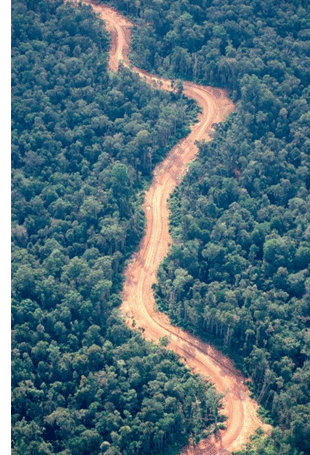
We live in an era of unprecedented road and highway expansion — an era in which many of the world’s last tropical wildernesses, from the Amazon to Borneo to the Congo Basin, have been penetrated by roads. This surge in road building is being driven not only by national plans for infrastructure expansion, but by industrial timber, oil, gas, and mineral projects in the tropics.

Few areas are unaffected. Brazil is currently building 7,500 km of new paved highways that crisscross the Amazon basin. Three major new highways are cutting across the towering Andes mountains, providing a direct link for timber and agricultural exports from the Amazon to resource-hungry Pacific Rim nations, such as China. And in the Congo basin, a recent satellite study found a burgeoning network of more than 50,000 km of new logging roads. These are but a small sample of the vast number of new tropical roads, which inevitably open up previously intact tropical forests to a host of extractive and economic activities.

“Roads,” said the eminent ecologist Thomas Lovejoy, “are the seeds of tropical forest destruction.”

Despite their environmental costs, the economic incentives to drive roads into tropical wilderness are strong. Governments view roads as a cost-effective means to promote economic development and access natural No other region can match the tropics for the sheer scale and pace of road expansion. resources. Local communities in remote areas often demand new roads to improve access to markets and medical services. And geopolitically, new roads can be used to help secure resource-rich frontier regions. India, for instance, is currently constructing and upgrading roads to tighten its hold on Arunachal Pradesh state, over which it and China formerly fought a war.

Read the rest of this entry »


More is better

18 01 2012

In one of those rare moments of perusing the latest ecological literature, I stumbled across an absolute gem, and one that has huge conservation implications. Now, I’m really no expert in this particular area of ecology, but I dare say the paper I’m about to introduce should have been published in Nature or Science (I suspect it was submitted to at least one of these journals first). It was still published in an extremely high-impact journal in ecology though – the Journal of Ecology produced by the British Ecological Society (and one in which I too have had the honour of publishing an article).

Before I get into specifics, I have to say that one thing we conservation biologists tend to bang on about is that MORE SPECIES = BETTER, regardless of the ecosystem in question. We tend to value species richness as the gold standard of ecosystem ‘health’ and ‘resilience’, whether or not there is strong empirical evidence in support. It’s as if the more-is-better mantra strikes an intuitive chord and must, by all that’s ecologically right in the world, be true.

Of course, measuring what is ‘better’ is a difficult task, especially when we are talking about complex ecosystems comprising thousands, if not millions, of species. Does ‘better’ refer to the most temporally stable, the most genetically diverse, the most resilient to perturbation, or the provider of the greatest number of functions and hence, ecosystem services?

It’s up to you, but all these things tend to be difficult to measure for a large number of species and over time scales of sufficient duration to measure change. So the default for plants (i.e., the structural framework of almost all ecosystems) I guess has come down to a simpler measure of success – ‘productivity’. This essentially means how much biomass is produced per unit area/volume per time step. It’s not a great metric, but it’s probably one of the more readily quantifiable indices.

Enter the so-called ‘diversity-productivity relationship’, or ‘DPR’, which predicts that higher plant species diversity should engender higher net productivity (otherwise known as the ‘net biodiversity effect’). Read the rest of this entry »


When did it go extinct?

11 01 2012

It was bound to happen. After years of successful avoidance I have finally succumbed to the dark side: palaeo-ecology.

I suppose the delve from historical/modern ecology into prehistory was inevitable given (a) my long-term association with brain-the-size-of-a-planet Barry Brook (who, incidentally, has reinvented his research career many times) and (b) there is no logic to contend that palaeo extinction patterns differ in any meaningful way from modern biodiversity extinctions (except, of course, that the latter are caused mainly by human endeavour).

So while the last, fleeting days of my holiday break accelerate worringly toward office-incarceration next week, I take this moment to present a brand-new paper of ours that has just come out online in (wait for it) Quaternary Science Reviews entitled Robust estimates of extinction time in the geological record.

Let me explain my reasons for this strange departure.

It all started after a few drinks (doesn’t it always) discussing the uncertainties associated with the timing of megafauna extinctions – you might be aware that traditionally there have been two schools of thought on late-Pleistocene extinction pulses: (1) those who think there were mainly caused by massive climate shifts not to dissimilar to what we are experiencing now and (2) those who believe that the arrival of humans into naïve regions lead to a ‘blitzkrieg‘ of hunting and overkill. Rarely do adherents of each stance agree (and sometimes, the ‘debate’ can get ugly given the political incorrectness of inferring that prehistoric peoples were as destructive as we are today – cf. the concept of the ‘noble savage‘). Read the rest of this entry »


Does conservation biology need DNA barcoding?

5 01 2012

In November last year I was invited to participate in a panel discussion onthe role of DNA barcoding in conservation science. The discussion took place during the 4th International Barcode of Life Conference (which I didn’t actually attend) in Adelaide, and was hosted by that media-tart-and-now-director-of-the-Royal-Institution, Dr. Paul Willis.

Paul has recently blogged about the ‘species’ concept as it relates to DNA barcoding, which I highly recommend. It also prompted me to write this post because now the video of the discussion is available online (see below).

Now, the panel was a bit of a funny set-up in a way – I was really one of the only ‘conservation biologists’ represented (Patrick O’Connor and Andy Lowe perhaps excepted), with the rest mainly made up of molecular people (Pete Hollingsworth, Bob Hanner, Karen James) – and I was told prior to the ‘debate’ that I was meant to be the contrarian (i.e., that there is no role for DNA barcoding in conservation).

Fundamentally, I don’t actually embrace the contrarian view on this one given that I see no reason why DNA barcoding can’t enhance or refine our conservation knowledge and skills. But the ‘debate’ did raise some important issues about technological advancements in the application of conservation science to real conservation.

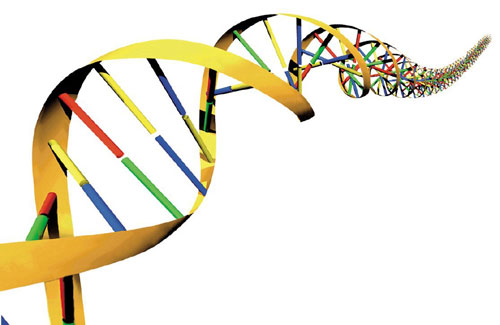
I suppose that prior to getting stuck into the polemic I should define DNA barcoding for the uninitiated; it’s a basic technique that analyses short sequences of DNA with the sole purposes of identifying from which species they come. Imagine walking through the bush with a barcode scanner and pointing at random species you see and getting an instant identification read-out without actually knowing the species beforehand. You can see why it’s called ‘barcoding’ because it is like running products through the check-out to get instant price details. Read the rest of this entry »


Cartoon guide to biodiversity loss XIV

30 12 2011

The last post of 2011, I thought I’d focus on the lighter side (that is to say, my brain is muddled by the lovely break from academia, so I don’t really feel like investing too much cerebral energy). Here, therefore, are the latest six cartoons… (see full stock of previous ‘Cartoon guide to biodiversity loss’ compendia here). May fewer species go extinct in 2012 than 2011…

Read the rest of this entry »


Surgical conservation: gain requires some pain

21 12 2011

© 2008-2011 ~Hiuki http://fav.me/d1j3ns9

I apologise to CB readers for the unusually low frequency of posts this month. With the International Congress for Conservation Biology taking up a lot of my time earlier this month, and the standard palaver of xmas preparations (i.e., getting shit done before the end of the year), I’m afraid the blog has taken a back seat. Now officially ‘on leave’ (whatever that means for an academic), I have found a brief window during which I can put a few thoughts together.

For this post I must take you back to October 2011 when, if you were in Australia, you might have heard about the so-called ‘debacle‘ of the Macquarie Island rabbit/rate/mouse-eradication programme in which it was identified that a few thousand seabirds had become the collateral damage.

To recap, an intense poisoning programme was initiated on subantarctic Macquarie Island to eradicate these pests after years of massive environmental degradation had finally forced the government’s (of Tasmania and the Commonwealth) hand to do something. What caught my eye in all this was the sheer stupidity and politicking associated with the programme, in which hyper-conservative Eric Abetz (Liberal Senator for Tasmania) managed to turn this amazing success into a Labor-bashing political sledge-hammer.

Abetz is no stranger to anti-environmentalism and fights vehemently for Tasmania’s forest-raping industry; he considers political parties such as the Greens, environmental groups such as The Wilderness Society and pro-democracy groups such as Get Up! his mortal enemies. He’s even had a go at esteemed author Richard Flanagan for supporting the anti-deforestation movement in Tasmania! Read the rest of this entry »


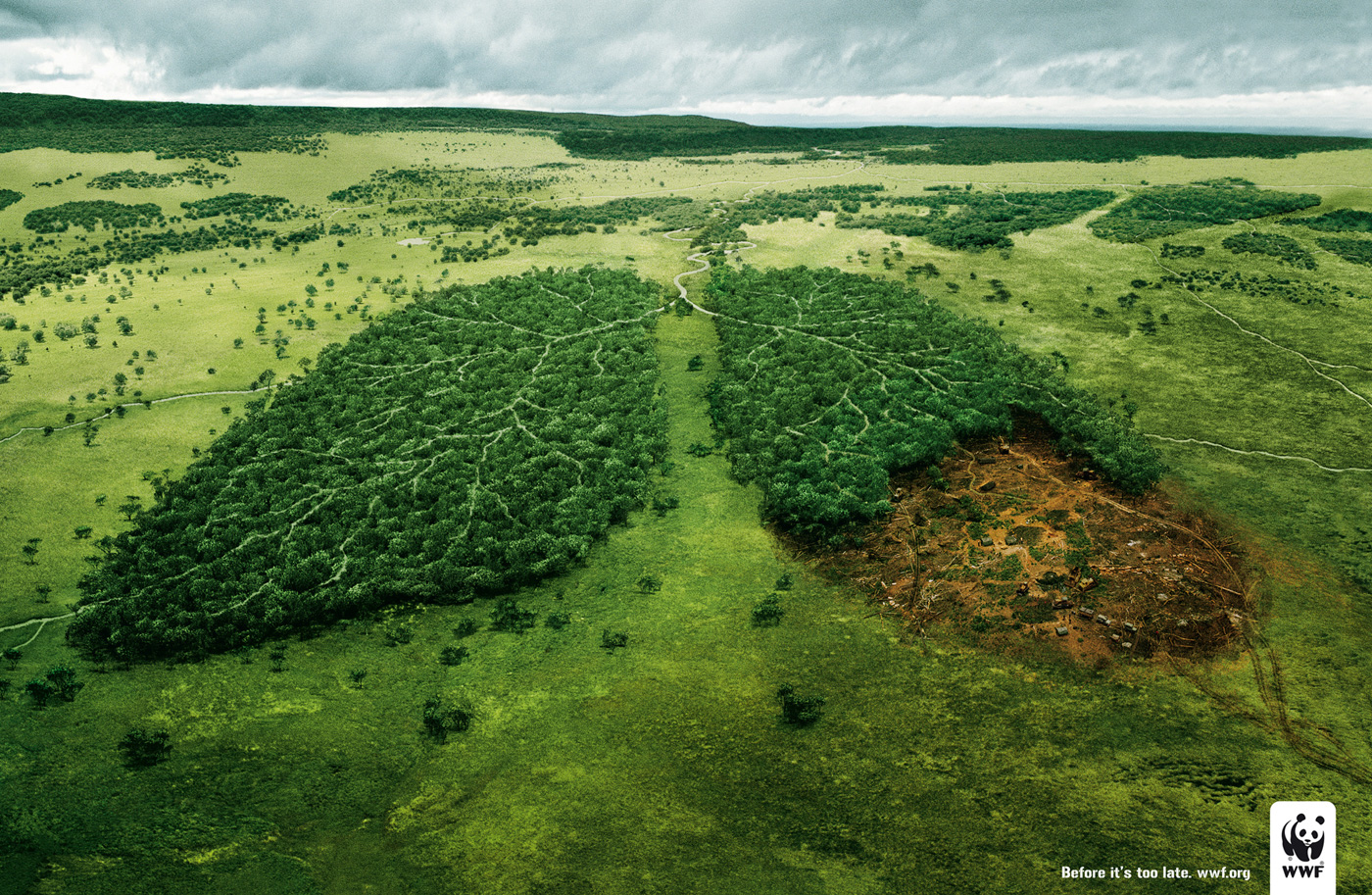
Slicing the second ‘lung of the planet’

12 12 2011

© WWF

Apologies for the slow-down in postings this past week – as many of you know, I was attending the International Congress for Conservation Biology in Auckland. I’ll blog about the conference later (and the stoush that didn’t really occur), but suffice it to say it was very much worthwhile.

This post doesn’t have a lot to do per se with the conference, but it was stimulated by a talk I attended by Conservation Scholar Stuart Pimm. Now, Stuart is known mainly as a tropical conservation biologist, but as it turns out, he also is a champion of temperate forests – he even sits on the science panel of the International Boreal Conservation Campaign.

I too have dabbled in boreal issues over my career, and most recently with a review published in Trends in Ecology and Evolution on the knife-edge plight of boreal biodiversity and carbon stores. That paper was in fact the result of a brain-storming session Navjot Sodhi and I had one day during my visit to Singapore sometime in 2007. We thought, “It doesn’t really seem that people are focussing their conservation attention on the boreal forest; how bad is it really?”.

Well, it turns out that the boreal forest is still a vast expanse and that there aren’t too many species in imminent danger of extinction; however, that’s where the good news ends. The forest itself is becoming more and more fragmented from industrial development (namely, forestry, mining, petroleum surveying and road-building) and the fire regime has changed irrevocably from a combination of climate change and intensified human presence. You can read all these salient features here.

So, back to my original thread – Stuart gave a great talk on the patterns of deforestation worldwide, with particular emphasis on how satellite imagery hides much of the fine-scale damage that we humans do to the world’s great forests. It was when he said (paraphrased) that “50,000 km2 of boreal forest is lost each year, but even that statistic hides a major checkerboard effect” that my interest was peaked. Read the rest of this entry »


Better SAFE than sorry

30 11 2011

Last day of November already – I am now convinced that my suspicions are correct: time is not constant and in fact accelerates as you age (in mathematical terms, a unit of time becomes a progressively smaller proportion of the time elapsed since your birth, so this makes sense). But, I digress…

This short post will act mostly as a spruik for my upcoming talk at the International Congress for Conservation Biology next week in Auckland (10.30 in New Zealand Room 2 on Friday, 9 December) entitled: Species Ability to Forestall Extinction (SAFE) index for IUCN Red Listed species. The post also sets a bit of the backdrop to this paper and why I think people might be interested in attending.

As regular readers of CB will know, we published a paper this year in Frontiers in Ecology and the Environment describing a relatively simple metric we called SAFE (Species Ability to Forestall Extinction) that could enhance the information provided by the IUCN Red List of Threatened Species for assessing relative extinction threat. I won’t go into all the detail here (you can read more about it in this previous post), but I do want to point out that it ended up being rather controversial.

The journal ended up delaying final publication because there were 3 groups who opposed the metric rather vehemently, including people who are very much in the conservation decision-making space and/or involved directly with the IUCN Red List. The journal ended up publishing our original paper, the 3 critiques, and our collective response in the same issue (you can read these here if you’re subscribed, or email me for a PDF reprint). Again, I won’t go into an detail here because our arguments are clearly outlined in the response.

What I do want to highlight is that even beyond the normal in-print tête-à-tête the original paper elicited, we were emailed by several people behind the critiques who were apparently unsatisfied with our response. We found this slightly odd, because many of the objections just kept getting re-raised. Of particular note were the accusations that: Read the rest of this entry »


Supercharge Your Science V.2

24 11 2011

I suspect a lot of ConservationBytes.com readers will be attending the imminent 25th International Congress for Conservation Biology to be held in Auckland from 5-9 December 2011 (it was to be held in Christchurch, but the venue was changed after that city fell down). I’ve now been to 3 previous ICCBs myself, and it should prove to be a good, informative (and fun) meeting.

I’ll be giving a talk or two, as will some of my students and postdocs, but I’m not spruiking those here (but you’re all invited, of course).

The main reason for this short post today is to advertise for Version 2 of our (i.e., Bill Laurance and me) popular ‘Supercharge Your Science‘ workshop. Yes, the organising committee of the ICCB decided it was a good idea to accept our application to repeat our previously successful series of presentations extolling the virtues of positive and controlled media interactions, social media and good writing techniques for ‘supercharging’ the impact of one’s science. You can read more about the content of this workshop here and here.

The description of the workshop (to be held from 19.00 – 21.00 on 6 December in the SkyCity venue) on the ICCB website is: Read the rest of this entry »


Marine forests dropping off the edge

21 11 2011

This is probably a little late in terms of breaking news, but it’s good fodder for a blog post nonetheless.

I’ve done several posts now on the value (and threats) of marine macroalgae (seaweeds) – the last one hinted that a major paper was imminent regarding the fate of one of the world’s most important centres of macroalgae diversity in response to our rapidly changing climate: southern Australia.

Well, that paper has now come out in the eminent journal Current Biology headed by that crazy Aussie-Viking phycologist, Dr. Thomas Wernberg (byline here: Thomas was just awarded an Australian Research Council Future Fellowship and deserves many congratulations – not least for which the audacity to wear yellow budgie smugglers in public).

Entitled simply “Seaweed communities in retreat from ocean warming“, the short paper belies a hell of a lot of work examining over 60 years of herbarium records indicating MASSIVE shifts in the macroalgae community southwards on both the east and west coasts of Australia (see some media spots here). What do I mean by ‘massive’? Well, about 300 species on average (52 examined in most detail) shifted about 200 km south on the east coast (where warming has been most pronounced), and about 50 km south on the west coast. Read the rest of this entry »


Where are they? Finding (and conserving) the biggest fish in the sea

16 11 2011

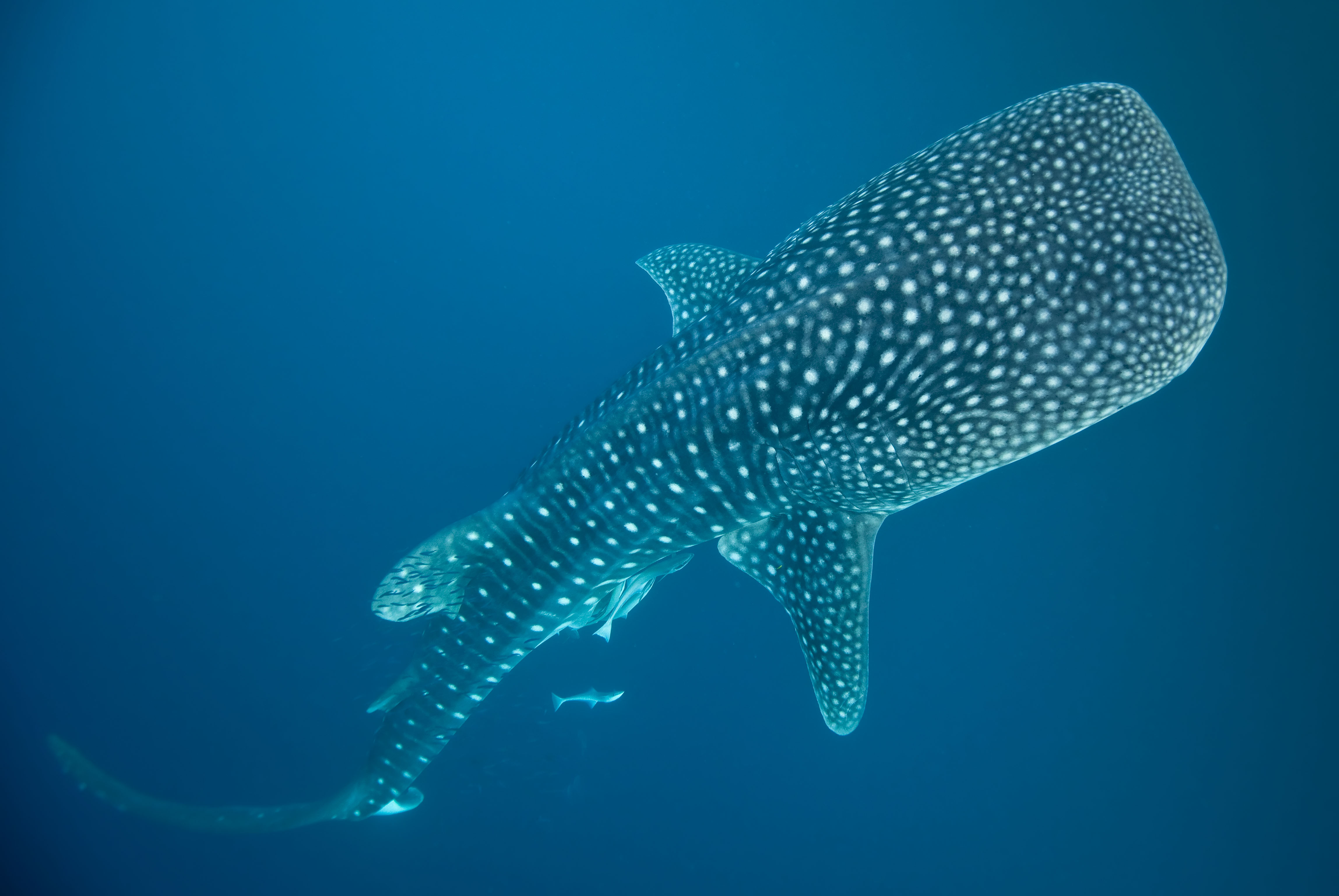
A post from my PhD student, Ana Sequeira, on her latest paper just out in Diversity and DistributionsOcean-scale prediction of whale shark distribution.

© W Osborn (AIMS)

The ocean is our major source of water, it stabilises our breathable atmosphere and provides many supplies such as medicines (e.g., anti-cancer therapy drugs1) and food. Despite its the importance for human life, many marine species are now at a high risk of extinction owing to human changes to the oceans.

The whale shark (Rhincodon typus, Smith 1828) – an icon of the oceans of a spectacularly huge size and docile character – is just one of those species.

Despite being a fish that many people (mainly in Southeast Asia) are happy to have on their plate, whale sharks are worth millions of dollars every year in the ecotourism industry worldwide. One would then expect that being such a profitable species, their ecology would be well known and thoroughly studied.

The reality is quite different.

Basic information on whale sharks such as the whereabouts of their breeding areas, the average number of offspring per female, or even how many individuals still exist, is not currently known. Moreover, despite the genetic evidence that whale sharks worldwide are connected among different oceans, it is unclear if they move from places where they are protected to places where they are still illegally fished.

Information on distribution and patterns of occurrence in space and time is essential for conservation, and can help to save entire ecosystems if used correctly, for example: to isolate important mating and breeding areas.

To identify the whale shark’s seasonal distribution patterns in the Indian Ocean, to test if records follow a decreasing trend over time, and if occurrence is related to variation in climatic signals, we used multivariate distribution models of seasonal and inter-annual whale shark sightings opportunistically collected over 17 years by the tuna purse-seine fishery. Read the rest of this entry »


Sustainable kangaroo harvests

10 11 2011

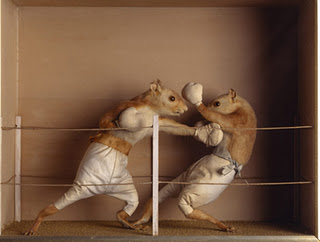
When I first started this blog back in 2008, I extolled the conservation virtues of eating kangaroos over cattle and sheep. Now I want to put my academic money where my mouth is, and do some kangaroo harvest research.

Thanks to the South Australia Department of Environment and Natural Resources  (DENR) and the commercial kangaroo harvest industry, in conjunction with the University of Adelaide, I’m pleased to announce a new scholarship for a PhD candidate to work on a project entitled Optimal survey and harvest models for South Australian macropods based at the University of Adelaide’s School of Earth and Environmental Sciences.

DENR is custodian of a long-term macropod database derived from the State’s management of the commercial kangaroo harvest industry. The dataset entails aerial survey data for most of the State from 1978 to present, annual population estimates, quotas and harvests for three species: red kangaroo (Macropus rufus), western grey kangaroo (Macropus fuliginosus), and the euro (Macropus robustus erubescens). Read the rest of this entry »


Mucking around the edges

8 11 2011

Barry Brook over at BraveNewClimate.com beat me to the punch regarding our latest paper, so I better get off my arse and write my take on things.

This post is about a paper we’ve just had accepted and has come out online in Biological Conservation called Strange bedfellows? Techno-fixes to solve the big conservation issues in southern Asia – and it’s likely to piss off a few people, and hopefully motivate others.

We wrote the paper for a special issue of essays dedicated to the memory of our mate and colleague, Navjot Sodhi, who died earlier this year. The issue hasn’t been released yet, but we have managed to get our paper out well before.

Like Navjot, the paper is controversial. Also like Navjot, we hope it challenges a few minds and pushes a few boundaries. We, as conservation biologists, must accept the fact that we have largely failed – biodiversity is still being lost at an alarming rate despite decades and decades of good science, sound evidence-based policy recommendations and even some rescues of species on the ‘brink’. Huge consumption rates, a population of 7 billion humans and counting, carbon emissions exceeding all worst-case scenarios, and greater disparity of wealth distribution have all contributed to this poor performance.

So what else can we do? Read the rest of this entry »


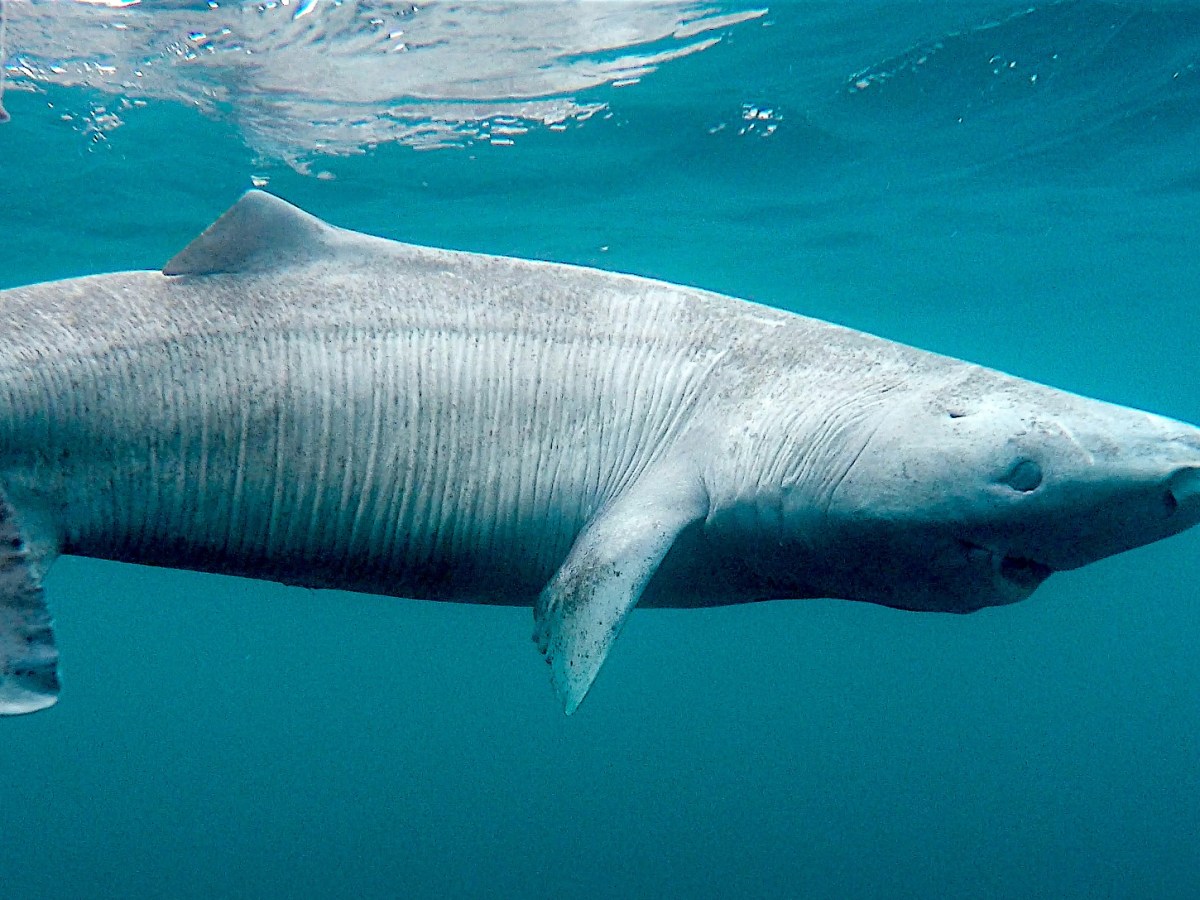
Oceans need their giants

2 11 2011

Another great post from Salvador Herrando Pérez.

from adsown.blogspot.com

Commercial and sport fishing establish minimum body sizes for catches of many species to preserve fish stocks. Recent work reveals that sustainable fisheries also depend on the regulation of the harvest of the biggest fish, at least in long-lived species.

Growing up in Spain in the 1980s, I was taken by a Spanish television spot featuring a shoal of little fish sucking colourful dummies, and at the same time (how they managed, I never questioned) singing the motto Little fish? No, thanks. The then Ministry of Agriculture, Fishery and Food created this media campaign to create awareness among consumers not to buy immature fish at local markets – “…a 60-gram hake will only weigh 2 kg after two years” the add stated.

Indeed, the regulation of fish harvest by age classes is substantial to any fishery. In particular, the protection of younger fish has been a beacon of fishery policy and management that dates back to the 19th century when, among others, the British ichthyologist Ernst Holt concluded that: “…it is desirable that fish should have a chance of reproducing their species at least once before they are destroyed” 1. Very much in line with such principles, conventional fish stock management has in practice neglected the mature age classes2, other than for the fact that they are the end point of extraction and what we consumers eat on the table. Read the rest of this entry »


Where the sick buffalo roam

28 10 2011

It’s been some time coming, but today I’m proud to announce a new paper of ours that has just come out in Journal of Applied Ecology. While not strictly a conservation paper, it does provide some novel tools for modelling populations of threatened species in ways not available before.

The Genesis

A few years ago, a few of us (Bob LacyPhil Miller and JP Pollak of Vortex fame, Barry Brook, and a few others) got together in a little room at the Brookfield Zoo in the suburban sprawl of Chicago to have a crack at some new modelling approaches the Vortex crew had recently designed. The original results were pleasing, so we had a follow-up meeting last year (thanks to a few generous Zoo benefactors) and added a few post-docs and students to the mix (Damien FordhamClive McMahon, Tom Prowse, Mike Watts, Michelle Verant). The great population modeller Resit Akçakaya also came along to assist and talk about linkages with RAMAS.

Out of that particular meeting a series of projects was spawned, and one of those has now been published online: Novel coupling of individual-based epidemiological and demographic models predicts realistic dynamics of tuberculosis in alien buffalo.

The Coupling

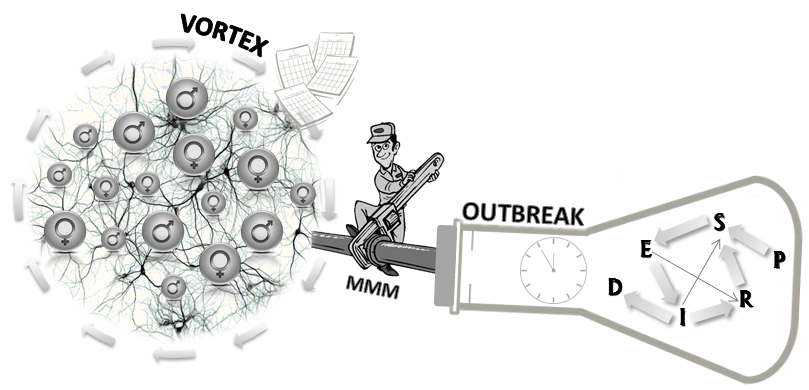
So what’s so novel about modelling disease in buffalo, and why would one care? Well, here’s the interesting part. The buffalo-tuberculosis example was a great way to examine just how well a new suite of models – and their command-centre module – predicted disease dynamics in a wild population. The individual-based population modelling software Vortex has been around for some time, and is now particularly powerful for predicting the extinction risk of small populations; the newest addition to the Vortex family, called Outbreak, is also an individual-based epidemiological model that allows a population of individuals exposed to a pathogen to progress over time (e.g., from susceptible, exposed, infectious, recovered/dead). Read the rest of this entry »


Follow the TREND

24 10 2011

A little clichéd, I know, but that’s what it says on the T-shirt.

It’s been an interesting week. Not only did I return to some much-needed field work (even if it was diving in the muck of Adelaide’s Outer Harbour with 40-cm visability), but it was also the week when the TREND project became ‘official’ with the launching of its website and its public début at the Earth Station festival in Belair National Park over the weekend.

I can see the thought bubbles already – what the hell is ‘TREND‘ (apart from the obvious)?

Admittedly a somewhat contrived acronym, TREND stands for TRends in ENvironmental monitoring and Decision making – a multi-million dollar project financed mainly by the state government of South Australia and the Terrestrial Ecosystem Research Network (TERN – I know, another bloody acronym that is weirdly similar to TREND; oh how we Aussies love our acronyms and initialisms!). Here’s the official summary:

“TREND provides a system of data collection across native ecosystems, primary production regions and marine environments. By assessing the impacts of various potential climatic and environmental shifts, TREND will provide an early warning system for changes in South Australia’s diverse environments and a lasting legacy of long-term monitoring, informed policy and proactive response to environmental change. Read the rest of this entry »



Not magic, but necessary

18 10 2011

In April this year, some American colleagues of ours wrote a rather detailed, 10-page article in Trends in Ecology and Evolution that attacked our concept of generalizing minimum viable population (MVP) size estimates among species. Steve Beissinger of the University of California at Berkeley, one of the paper’s co-authors, has been a particularly vocal adversary of some of the applications of population viability analysis and its child, MVP size, for many years. While there was some interesting points raised in their review, their arguments largely lacked any real punch, and they essentially ended up agreeing with us.

Let me explain. Today, our response to that critique was published online in the same journal: Minimum viable population size: not magic, but necessary. I want to take some time here to summarise the main points of contention and our rebuttal.

But first, let’s recap what we have been arguing all along in several papers over the last few years (i.e., Brook et al. 2006; Traill et al. 2007, 2010; Clements et al. 2011) – a minimum viable population size is the point at which a declining population becomes a small population (sensu Caughley 1994). In other words, it’s the point at which a population becomes susceptible to random (stochastic) events that wouldn’t otherwise matter for a small population.

Consider the great auk (Pinguinus impennis), a formerly widespread and abundant North Atlantic species that was reduced by intensive hunting throughout its range. How did it eventually go extinct? The last remaining population blew up in a volcanic explosion off the coast of Iceland (Halliday 1978). Had the population been large, the small dent in the population due to the loss of those individuals would have been irrelevant.

But what is ‘large’? The empirical evidence, as we’ve pointed out time and time again, is that large = thousands, not hundreds, of individuals.

So this is why we advocate that conservation targets should aim to keep at or recover to the thousands mark. Less than that, and you’re playing Russian roulette with a species’ existence. Read the rest of this entry »