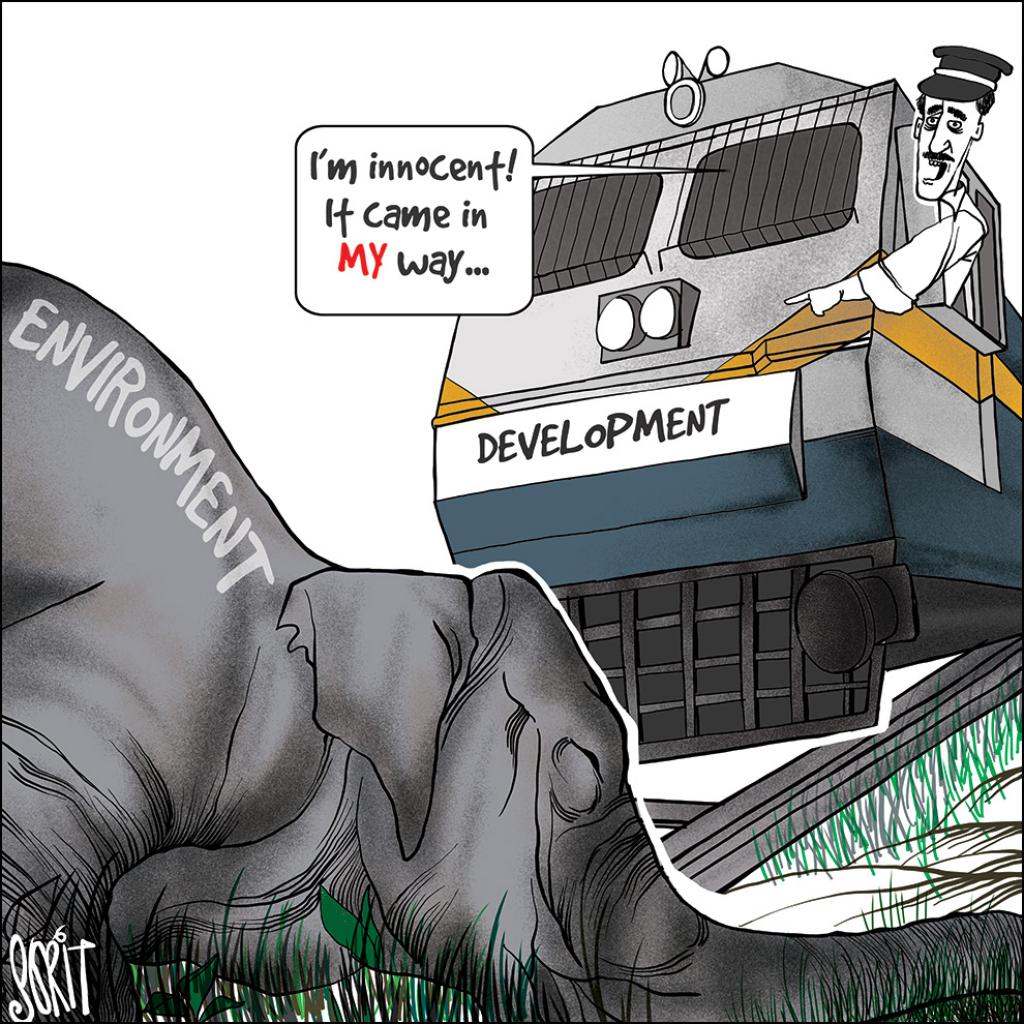
The third set of six biodiversity cartoons for 2019. See full stock of previous ‘Cartoon guide to biodiversity loss’ compendia here.
—
The third set of six biodiversity cartoons for 2019. See full stock of previous ‘Cartoon guide to biodiversity loss’ compendia here.
—

Rain forest gives way to pastures in the Brazilian Amazon in Mato Grosso. Photo by Thiago Foresti.
More than 600 scientists from every country in the EU and 300 Brazilian Indigenous groups have come together for the first time. This is because we see a window of opportunity in the ongoing trade negotiations between the EU and Brazil. In a Letter published in Science today, we are asking the EU to stand up for Brazilian Indigenous rights and the natural world. Strong action from the EU is particularly important given Brazil’s recent attempts to dismantle environmental legislation and ‘develop the unproductive Amazon’.
It’s worth clarifying — this isn’t about the EU trying to control Brazil — it’s about making sure our imports aren’t driving violence and deforestation. Foreign white people trying to ‘protect nature’ abroad have a dark and shameful past, where actions done in the name of conservation have led to the eviction of millions of Indigenous people. This has predominantly been to create (what we in the world of conservation would call) ‘protected areas’. The harsh reality is that most protected areas either are or have been ancestral lands of Indigenous people who are closely linked to their land and depend on it for their survival. Clearly, conservationists need to support Indigenous people. This new partnership between European scientists and Brazilian Indigenous groups is doing just that.

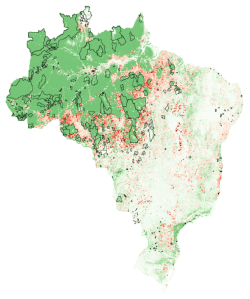
Brazil’s forest loss 2001-2013 shown in red. Indigenous lands outlined. By Mike Clark; data from GlobalForestWatch.org
In Brazil, many Indigenous groups still have a right to their land. This land is predominantly found in the Amazon rainforest, where close to a million Indigenous people live and depend on a healthy forest. Indigenous people are some of the best protectors of this vast forest, and are crucial to a future of long-term successful conservation. But Brazilian Indigenous groups and local communities are increasingly under attack. Violence on deforestation frontiers in Brazil has spiked this month, with at least 9 people found dead. The future is particularly scary for Indigenous people when there are quotes such as this from the man who is currently the President “It’s a shame that the Brazilian cavalry hasn’t been as efficient as the Americans, who exterminated the Indians.”
On top of human rights and environmental concerns, there is a strong profit driven case for halting deforestation. For example, ongoing deforestation in the Amazon risks flipping large parts of the rainforest to savanna – posing a serious risk to agricultural productivity, food security, local livelihoods, and the Brazilian economy. Zero-deforestation doesn’t harm agri-business, it allows for its longevity. Read the rest of this entry »
We are most fortunate that Dr Giovanni Strona of the EU Joint Research Centrein Ispra, Italy, will be visiting Flinders University for most of April. As a recipient of the prestigious International Visitor Fellowship, Dr Strona has kindly agreed to give a day-long (and hands-on) workshop in network modelling.
What is network analysis? Well, anything that is connected to other things is ostensibly a ‘network’ — think social-media users, neurones, electric elements in a circuit, or species in an ecological community. It doesn’t really matter what the ‘nodes’ of a network actually represent, because all networks more or less share the same properties. The analysis of network structure and behaviour is what Dr Strona will focus on for the workshop.
Being ecologists, we will of course be primarily interested in ecological networks, but maths and coding is essentially the same for all types of networks. Interested in attending this free and rare opportunity? If so, please register your interest here.
The workshop will be held at the Bedford Park Campus of Flinders University from 09:00-17:00 on 29 April 2019. The outline of the workshop is described in more detail below. Read the rest of this entry »

It seems that most of what I do these days is measure, model, or otherwise quantify environmental damage. While I dabble in restoration, occasionally I’m involved in a project that really can make a positive difference.
If you’re an Australian, you’ll know a thing or two about just how much of a clusterfuck our biggest river system has turned into. From mismanagement, to outright theft, to lobbyist-driven over-exploitation, to climate change itself, the Murray-Darling system is now in a right mess.
So, I’ll pretext this post with a caveat — no amount of ecological restoration can ‘fix’ a compromised river if there’s no water in it. Goes without saying, really.
But, if you do have water, then there are things one can do to promote populations of various creatures living in it, like fish.
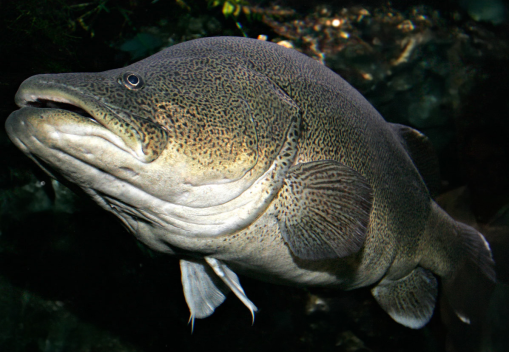
Dubbed the ‘honeypot effect’ — we have just shown that providing woody habitat, or ‘snags’, for native fish in the Murray River increases population size. Read the rest of this entry »

Uncertainty is to science what the score is to music. Everything scientists measure is subject to various types of ‘error’ — from measurements to models. And climate change is no exception. The Intergovernmental Panel on Climate Change (IPCC) is the United Nation’s scientific body informing the political response to the human disruption of our planet’s climate. In a recent paper, we reveal that the IPCC’s language to address climatic uncertainty is overly conservative in its assessment reports.
—
Uncertainty dominates our lives. We might grumble, but we generally accept the bus arriving late, the risotto being a little colder than we might want, or a blood test unexpectedly announcing higher cholesterol than usual. We even treat uncertainty as an inevitable outcome of many professions: meteorologists might fail to predict rain for our camping weekend, an investor might make back the money today that was lost yesterday, or Messi might fail to score in the last minute of a Champions League final.
So, we shouldn’t be surprised that scientific research is suffused with uncertainty. In fact, scientists indulge themselves with uncertainty. For them, acknowledging an uncertain outcome is not enough; instead, a critical component of their work is to quantify the amount of that uncertainty by, say, measuring the degree of variance (uncertainty) in the average height of a tree in a forest, or in the exact number of bees in a hive.
The treatment of uncertainty even gains added value when we deal with themes that directly affect our society — like climate change. But whoever communicates the uncertainty of climate science faces two formidable challenges. First, people often have a flawed understanding of science as a source of statements of fact. Instead, science is, in essence, about asking questions (1) and gradually refining the accuracy of our answers to those questions. Second, people perceive climate change through the lens of their ideology, education, and personal interests (2, 3, 4).
Therefore, what scientists say about the climate is not necessarily what some people will hear, even to the point that what scientists collectively recommend as ‘useful’ for addressing climate change might instead be deemed ‘useless’ by policymakers (5).
The IPCC evaluates the technical literature about climate change, and publishes such comprehensive evaluations in the form of periodical ‘assessment reports’ (AR). Those reports — which receive vast, global attention — provide policy-relevant, but not policy-prescriptive, advice to national governments and international organizations. The reports also catch the eye of a variety of audiences such as business people, educators, scientists, and the public as a whole.
To date, the IPCC has published five assessment reports in 1990 (AR1), 1995 (AR2), 2001 (AR3), 2007 (A4) and 2014 (AR5), and the next one (see progress updates here) is scheduled for 2022 (AR6) (6). With a focus on climate change, each report comprises three components: (i) the physical basis of climate, (ii) its socio-economic consequences, and (iii) adaptation and mitigation options. Every component is elaborated by a different ‘working group’ in charge of editing, integrating, and synthesizing the inputs of multiple experts. Read the rest of this entry »
The second set of six biodiversity cartoons for 2019. See full stock of previous ‘Cartoon guide to biodiversity loss’ compendia here.
—
(reproduced from The Conversation)
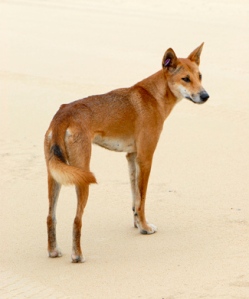
Of all Australia’s wildlife, one stands out as having an identity crisis: the dingo. But our recent article in the journal Zootaxa argues that dingoes should be regarded as a bona fidespecies on multiple fronts.
This isn’t just an issue of semantics. How someone refers to dingoes may reflect their values and interests, as much as the science.
How scientists refer to dingoes in print reflects their background and place of employment, and the Western Australian government recently made a controversial attempt to classify the dingo as “non-native fauna”.
How we define species – called taxonomy – affects our attitudes, and long-term goals for their conservation.
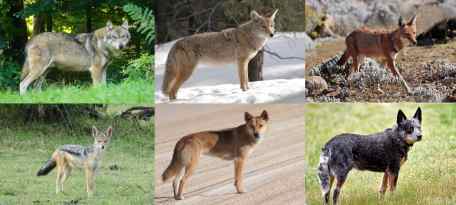
Over many years, dingoes have been called many scientific names: Canis lupus dingo (a subspecies of the wolf), Canis familiaris (a domestic dog), and Canis dingo (its own species within the genus Canis). But these names have been applied inconsistently in both academic literature and government policy.
This inconsistency partially reflects the global arguments regarding the naming of canids. For those who adhere to the traditional “biological” species concept (in which a “species” is a group of organisms that can interbreed), one might consider the dingo (and all other canids that can interbreed, like wolves, coyotes, and black-backed jackals) to be part of a single, highly variable and widely distributed species.

It has taken me a long time to decide to do this, but with role models like Claire Wordley, Alejandro Frid, and James Hansen out there, I couldn’t really find any more excuses.
Yes, I’ve been a strong advocate for action on biodiversity, environment and climate-change issues for a long time, and I’ve even had a few political wins in that regard with my writing and representation. I’ve even called out more than once for universities to embrace divestment from fossil fuels (to my knowledge, even my own university still has not).
While I still think these avenues are important, my ongoing observation is that things are getting worse politically, not better. That means that the normal armchair advocacy embraced by even the most outspoken academics is probably not going to be enough to elicit real political change that we — no, the planet — desperately needs.
It is for this reason that I’ve joined the Extinction Rebellion (South Australia Chapter), especially after my friend and colleague, Dr Claire Wordley of the University of Cambridge, joined the UK Rebellion and wrote about her experiences on this very blog. That, coupled with my ongoing and mounting concern for the future Earth my daughter will inherit, requires me to take to the streets. Read the rest of this entry »
Climate change is one ingredient of a cocktail of factors driving the ongoing destruction of pristine forests on Earth. We here highlight the main physiological challenges trees must face to deal with increasing drought and heat.

A common scene when we return from a long trip overseas is to find our indoor plants wilting if no one has watered them in our absence. But … what does a thirsty plant experience internally?
Like animals, plants have their own circulatory system and a kind of plant blood known as sap. Unlike the phloem (peripheral tissue underneath the bark of trunks and branches, and made up of arteries layered by live cells that transport sap laden with the products of photosynthesis, along with hormones and minerals — see videos here and here), the xylem is a network of conduits flanked by dead cells that transport water from the roots to the leaves through the core of the trunk of a tree (see animation here). They are like the pipes of a building within which small pressure differences make water move from a collective reservoir to every neighbours’ kitchen tap.
Water relations in tree physiology have been subject to a wealth of research in the last half a decade due to the ongoing die-off of trees in all continents in response to episodes of drought associated with temperature extremes, which are gradually becoming more frequent and lasting longer at a planetary scale (1).
During a hot drought, trees must cope with a sequence of two major physiological challenges (2, 3, 4). More heat and less internal water increase sap tension within the xylem and force trees to close their stomata (5). Stomata are small holes scattered over the green parts of a plant through which gas and water exchanges take place. Closing stomata means that a tree is able to reduce water losses by transpiration by two to three orders of magnitude. However, this happens at the expense of halting photosynthesis, because the main photosynthetic substrate, carbon dioxide (CO2), uses the same path as water vapour to enter and leave the tissues of a tree.
If drought and heat persist, sap tension reaches a threshold leading to cavitation or formation of air bubbles (6). Those bubbles block the conduits of the xylem such that a severe cavitation will ultimately cause overall hydraulic failure. Under those conditions, the sap does not flow, many parts of the tree dry out gradually, structural tissues loose turgor and functionality, and their cells end up dying. Thus, the aerial photographs showing a leafy blanket of forest canopies profusely coloured with greys and yellows are in fact capturing a Dantesque situation: trees in photosynthetic arrest suffering from embolism (the plant counterpart of a blood clot leading to brain, heart or pulmonary infarction), which affects the peripheral parts of the trees in the first place (forest dieback).
Read the rest of this entry »
Back in 2013, an interesting paper by a group of mainly Swedish ecologists (including one of my former collaborators, Professor Jon Moen of Umeå University) showed how increasing tree species diversity in boreal forests generally increased biomass production. While this is really not news to ecologists in general — for we now have an abundance of data showing that more species diversity leads to higher ecosystem productivity — it certainly didn’t please many foresters whose job it is generally to make trees grow faster so that companies can harvest more timber or pulp.
Well, Jon kindly just emailed me the group’s latest contribution to the puzzle, but this time they looked at several different ‘ecosystem services’ that (mainly boreal) forests provide — things like berry production, topsoil carbon storage, game (hunted mammals) production, the species richness of understory species, and the amount of dead wood — and found that not only does diversity matter, but also the relative abundance of each tree species in the forest mix.
Read the rest of this entry »
As I have discussed before, the greatest threatening process to biodiversity in South Australia today is past and ongoing clearing of native vegetation. So, arresting further vegetation clearing, and restoring previously cleared land to functional native-vegetation communities are easily the highest priorities across the entire State.
Despite some valiant attempts across South Australia to revegetate previously cleared areas1, the haphazard approach to reforestation in South Australia means that we are unlikely to be maximising ecological function and providing the best habitats for native biodiversity. Several improvements in this regard can be made:
(i) Establish a State Register of past, ongoing, and planned revegetation projects, including data on the proponents, area revegetated, species planted, number of individuals planted for each species, monitoring in place (e.g., plant survival, other species using the restored habitat, etc.), and costs (actual or projected). Such a State Register would allow for a more regional coordination of future revegetation projects to suggest potentially more ecologically useful approaches. This could include identifying the most locally suitable species to plant, maximising the area of existing native habitat or restored fragments by planting adjacent to these, joining isolated islands of habitat to increase connectivity, or even to create more efficient projects by combining otherwise independent proponents (e.g., adjacent landholders).
(ii) Establish a State Revegetation Council that uses data from the Register to prioritise projects, enhance collaboration, and suggest improvements in design and placement according to the principles mentioned above. The Council could also help to coordinate monitoring of progress and ecological outcomes at the landscape scale. A similar State Register for Wetland Restoration and a relevant Council could be established in a similar manner, emphasising the conservation and restoration of smaller wetlands with more unique, endemic plant species. Likewise, both Councils could ideally assist in coordinating non-profit and private organisations in terms of their revegetation priorities, as well as coordinate with conservation covenants(see below) for private landholders.
Read the rest of this entry »The first set of six biodiversity cartoons for 2019 to usher in the New Year. See full stock of previous ‘Cartoon guide to biodiversity loss’ compendia here.
—

My entry badge today to the South Australian Parliament (sorry for the shitty reproduction, but it’s a shitty photo of a shitty photo)
I’ve often commented on it over the years, as well as written about it both in my latest book, as well as featured it here on CB.com, that little of the conservation science we do appears to reach the people making all the decisions. This is, of course, a massive problem because so much policy that affects biodiversity is not evidence-based, nor do we seem to be getting any better at telling them how buggered our natural world is.
Even the Extinction Rebellion, or school kids screaming in the streets about lack of climate-change policies appears unable to budge the entrenched, so what hope do we lonely little scientists have of getting in a Minister’s ear? It’s enough to make one depressed.
So, we go through the motions; we design ideal reserves with the aid of our computers, we tell people how much to fish, we tell them why feral species are bad, etc., etc., and then we publish our findings and walk away. We might do a little more and shout our messages loudly from the media rooftops, or submit comments to proposed policies, or even draft open letters or petitions. Yet no matter how hard we seem to try, our messages of urgency and despair largely fall on deaf ears.
It’s enough to make you reconsider and not bothering at all.
But! Despite my obviously jaded perspective, two things have happened to me recently that attest to how a little perseverance, sticking to your guns, and staying on message can reach the ears of the powerful. My examples are minuscule in the grand scheme of things, nor will they necessarily translate into anything really positive on the ground; yet, they give me a modicum of hope that we can make a positive difference.
The first event happened a few weeks ago after we did a press release about our paper on co-extinction cascades published in Scientific Reports. Yes, it got into a few big newspapers and radio, but I thought it wouldn’t do much more than peak the punters’ interest for the typical 24-hour news cycle. However, after the initial media interest died down, I received an e-mail from one of my university’s media officers saying that the we had been cited in The Senate (one of the two houses in the Australian Parliament)! An excerpt of the transcript is shown below (you can read the whole thing — if you could be bothered — here): Read the rest of this entry »
Adrenaline makes experiences hyper-real. Everything seems to move in slow motion, apart from my heart, which is so loud that I am sure people can hear it even over the traffic.
It’s 11:03 on a sunny November morning in central London. As the green man starts to shine, I walk into the middle of the road and sit down. On either side of me, people do the same. There can only be about 50 of us sitting on this pedestrian crossing, and I murmur ‘are we enough?’
‘Look behind you,’ says a new friend.
I turn. Blackfriar’s Bridge, usually covered in cars and buses, is filling with people. Citizens walking into the road and staying there, unfurling colourful flags with hourglass symbols on them. The police film us, standing close, but make no move to arrest anyone. Later, we discover that at least some of them encourage our disobedience.
Messages start coming in — 6,000 people are here, and we’ve blocked five bridges in central London with Extinction Rebellion, protesting for action to stop climate change and species extinctions. I’m a scientist participating in my first ever civil disobedience, and for me, this changes everything.
What makes a Cambridge academic — and thousands of other people — decide that sitting in a road is their best chance of being heard? In short, nothing else has got us the emissions cuts we need. The declaration that global warming is real and that greenhouse-gas emissions need to be cut came in 1988, when I was a year old. Since then, scientists have continued to be honest brokers, monitoring greenhouse gases, running models, presenting the facts to governments and to the people. And emissions have continued to climb. The 2018 IPCC report that shocked many of us into action told us we have 12 years to almost halve emissions, or face conditions incompatible with civilisation. How did we end up here? Read the rest of this entry »
Just under two weeks ago, Giovanni Strona and I published a paper in Scientific Reports on measuring the co-extinction effect from climate change. What we found even made me — an acknowledged pessimist — stumble in shock and incredulity.
But a bit of back story is necessary before I launch into describing what we discovered.
Last year, some Oxbridge astrophysicists (David Sloan and colleagues) published a rather sensational paper in Scientific Reports claiming that life on Earth would likely survive in the face of cataclysmic astrophysical events, such as asteroid impacts, supernovae, or gamma-ray bursts. This rather extraordinary conclusion was based primarily on the remarkable physiological adaptations and tolerances to extreme conditions displayed by tardigrades1 — those gloriously cute, but tiny (most are around 0.5 mm long as adults) ‘water bears’ or ‘moss piglets’ — could you get any cuter names?

Found almost everywhere and always (the first fossils of them date back to the early Cambrian over half a billion years ago), these wonderful little creatures are some of the toughest metazoans (multicellular animals) on the planet. Only a few types of extremophile bacteria are tougher.
So, boil, fry or freeze the Earth, and you’ll still have tardigrades around, concluded Sloan and colleagues.
When Giovanni first read this, and then passed the paper along to me for comment, our knee-jerk reaction as ecologists was a resounding ‘bullshit!’. Even neophyte ecologists know intuitively that because species are all interconnected in vast networks linked by trophic (who eats whom), competitive, and other ecological functions (known collectively as ‘multiplex networks’), they cannot be singled out using mere thermal tolerances to predict the probability of annihilation. Read the rest of this entry »