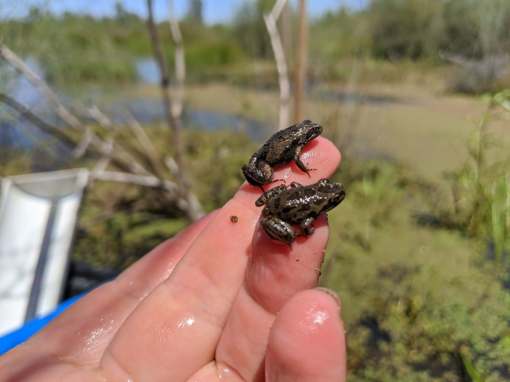
Crinia parinsignifera (top) and Limnodynastes tasmaniensis (bottom). Photo: Kate Mason
The amphibian class is diverse, and ranges from worm-like caecilians to tiny frogs that live their entire lives within bromeliads high in the rainforest canopy. Regardless of form or habit, all share the dubious honour of being cited as the world’s most endangered vertebrate taxon, and 41% of the species assessed are threatened with extinction. Rapidly changing climates will further exacerbate this situation as amphibians are expected to be more strongly affected than other vertebrates like birds or mammals.
This peril stems from a physiological dependence on freshwater.
Amphibians breathe (in part) through their skin, so they maintain moist skin surfaces. This sliminess means that most amphibians quickly dry out in dry conditions. Additionally, most amphibian eggs and larvae are fully aquatic. One of the greatest risks to populations are pools that dry too quickly for larval development, which leads to complete reproductive failure.
This need for freshwater all too often places them in direct competition with humans.
To keep pace with population growth, humans have engineered a landscape where the location, and persistence of water is tightly controlled. In seeking water availability for farming and amenity, we all too often remove essential habitats for amphibians and other freshwater fauna.
To protect amphibians from decline and extinction, land managers may need to apply innovative techniques to support vulnerable species. With amphibians’ strong dependence on freshwater, this support can be delivered by intelligently manipulating where and when freshwater appears in the landscape, with an eye to maintaining habitats for breeding, movement and refuge. A range of innovative approaches have been attempted to date, but they are typically developed in isolation and their existence is known only to a cloistered few. A collation of the approaches and their successes (and failures) has not occurred.
In our latest paper, we used a systematic review to classify water-manipulation techniques and to evaluate the support for these approaches. Read the rest of this entry »


 An excerpt from
  Around a fortnight ago I wrote a hastily penned post about the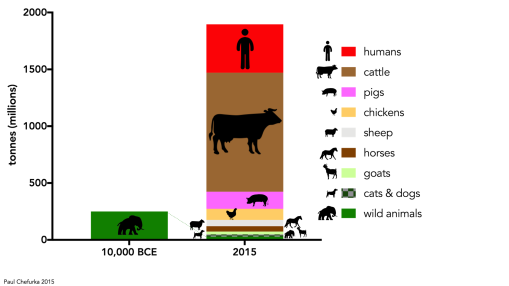

 One of the things that I’ve often wondered about is whether making the effort to spread your scientific article’s message as far and wide as possible on social media actually brings you more citations.
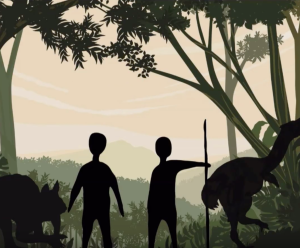 Over the last 60,000 years, many of the world’s largest species disappeared forever. Some of the largest that we generally call ‘megafauna’ were first lost in Sahul — the super-continent formed by the connection of Australia and New Guinea during periods of low sea level. The causes of these extinctions have been heavily debated for decades within the scientific community.

 it’s a provocative title, I agree. But then again, it’s true.
 I contend that publishing articles in nearly all peer-reviewed journals amounts to a form of