Bring it back

13 02 2018
fynbos

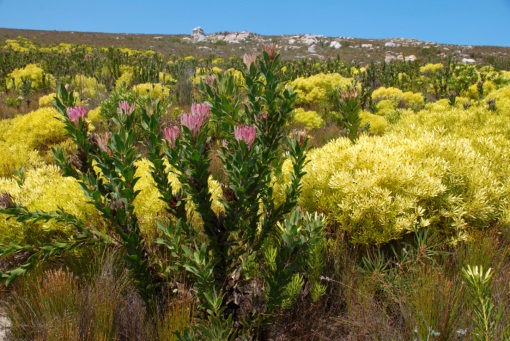
Protea compacta in fynbos, a form of shrubland at Soetanysberg, South Africa. Photo: Brian van Wilgen

Restoration of lost habitats and ecosystems hits all the right notes — conservation optimism, a can-do attitude, and the excitement of seeing biologically impoverished areas teem with life once more.

The Strategic Plan of the Convention on Biological Diversity includes a target to restore at least 15% of degraded ecosystems. This is being enthusiastically taken up in many places, including through initiatives such as the Bonn Challenge, a global aspiration to restore 350 million hectares of deforested and degraded land by 2030. This is in recognition of the importance of healthy ecosystems in not just conserving biodiversity, but also in combating climate change. Peatlands and forests lock away carbon, while grassland diversity stabilises ecosystem productivity during extreme weather events. So how can we make sure that these restoration efforts are as effective as possible? Read the rest of this entry »


Microclimates: thermal shields against global warming for small herps

22 11 2017

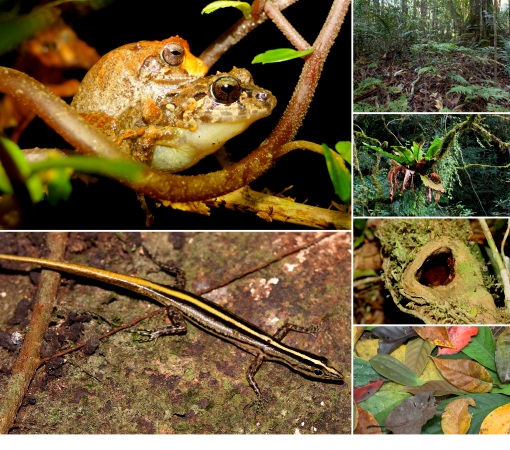
Thermal microhabitats are often uncoupled from above-ground air temperatures. A study focused on small frogs and lizards from the Philippines demonstrates that the structural complexity of tropical forests hosts a diversity of microhabitats that can reduce the exposure of many cold-blooded animals to anthropogenic climate warming.

Luzon forest frogs

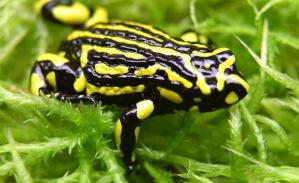
Reproductive pair of the Luzon forest frogs Platymantis luzonensis (upper left), a IUCN near-threatened species restricted to < 5000 km2 of habitat. Lower left: the yellow-stripped slender tree lizard Lipinia pulchella, a IUCN least-concerned species. Both species have body lengths < 6 cm, and are native to the tropical forests of the Philippines. Right panels, top to bottom: four microhabitats monitored by Scheffers et al. (2), namely ground vegetation, bird’s nest ferns, phytotelmata, and fallen leaves above ground level. Photos courtesy of Becca Brunner (Platymantis), Gernot Kunz (Lipinia), Stephen Zozaya (ground vegetation) and Brett Scheffers (remaining habitats).

If you have ever entered a cave or an old church, you will be familiar with its coolness even in the dog days of summer. At much finer scales, from centimetres to millimetres, this ‘cooling effect’ occurs in complex ecosystems such as those embodied by tropical forests. The fact is that the life cycle of many plant and animal species depends on the network of microhabitats (e.g., small crevices, burrows, holes) interwoven by vegetation structures, such as the leaves and roots of an orchid epiphyte hanging from a tree branch or the umbrella of leaves and branches of a thick bush.

Much modern biogeographical research addressing the effects of climate change on biodiversity is based on macroclimatic data of temperature and precipitation. Such approaches mostly ignore that microhabitats can warm up or cool down in a fashion different from that of local or regional climates, and so determine how species, particularly ectotherms, thermoregulate (1). To illustrate this phenomenon, Brett Scheffers et al. (2) measured the upper thermal limits (typically known as ‘critical thermal maxima’ or CTmax) of 15 species of frogs and lizards native to the tropical forest of Mount Banahaw, an active volcano on Luzon (The Philippines). The > 7000 islands of this archipelago harbour > 300 species of amphibians and reptiles (see video here), with > 100 occurring in Luzon (3).

Read the rest of this entry »


Four decades of fragmentation

27 09 2017

fragmented

I’ve recently read perhaps the most comprehensive treatise of forest fragmentation research ever compiled, and I personally view this rather readable and succinct review by Bill Laurance and colleagues as something every ecology and conservation student should read.

The ‘Biological Dynamics of Forest Fragments Project‘ (BDFFP) is unquestionably one of the most important landscape-scale experiments ever conceived and implemented, now having run 38 years since its inception in 1979. Indeed, it was way ahead of its time.

Experimental studies in ecology are comparatively rare, namely because it is difficult, expensive, and challenging in the extreme to manipulate entire ecosystems to test specific hypotheses relating to the response of biodiversity to environmental change. Thus, we ecologists tend to rely more on mensurative designs that use existing variation in the landscape (or over time) to infer mechanisms of community change. Of course, such experiments have to be large to be meaningful, which is one reason why the 1000 km2 BDFFP has been so successful as the gold standard for determining the effects of forest fragmentation on biodiversity.

And successful it has been. A quick search for ‘BDFFP’ in the Web of Knowledge database identifies > 40 peer-reviewed articles and a slew of books and book chapters arising from the project, some of which are highly cited classics in conservation ecology (e.g., doi:10.1046/j.1523-1739.2002.01025.x cited > 900 times; doi:10.1073/pnas.2336195100 cited > 200 times; doi:10.1016/j.biocon.2010.09.021 cited > 400 times; and doi:10.1111/j.1461-0248.2009.01294.x cited nearly 600 times). In fact, if we are to claim any ecological ‘laws’ at all, our understanding of fragmentation on biodiversity could be labelled as one of the few, thanks principally to the BDFFP. Read the rest of this entry »


Noses baffled by ocean acidification

18 04 2017

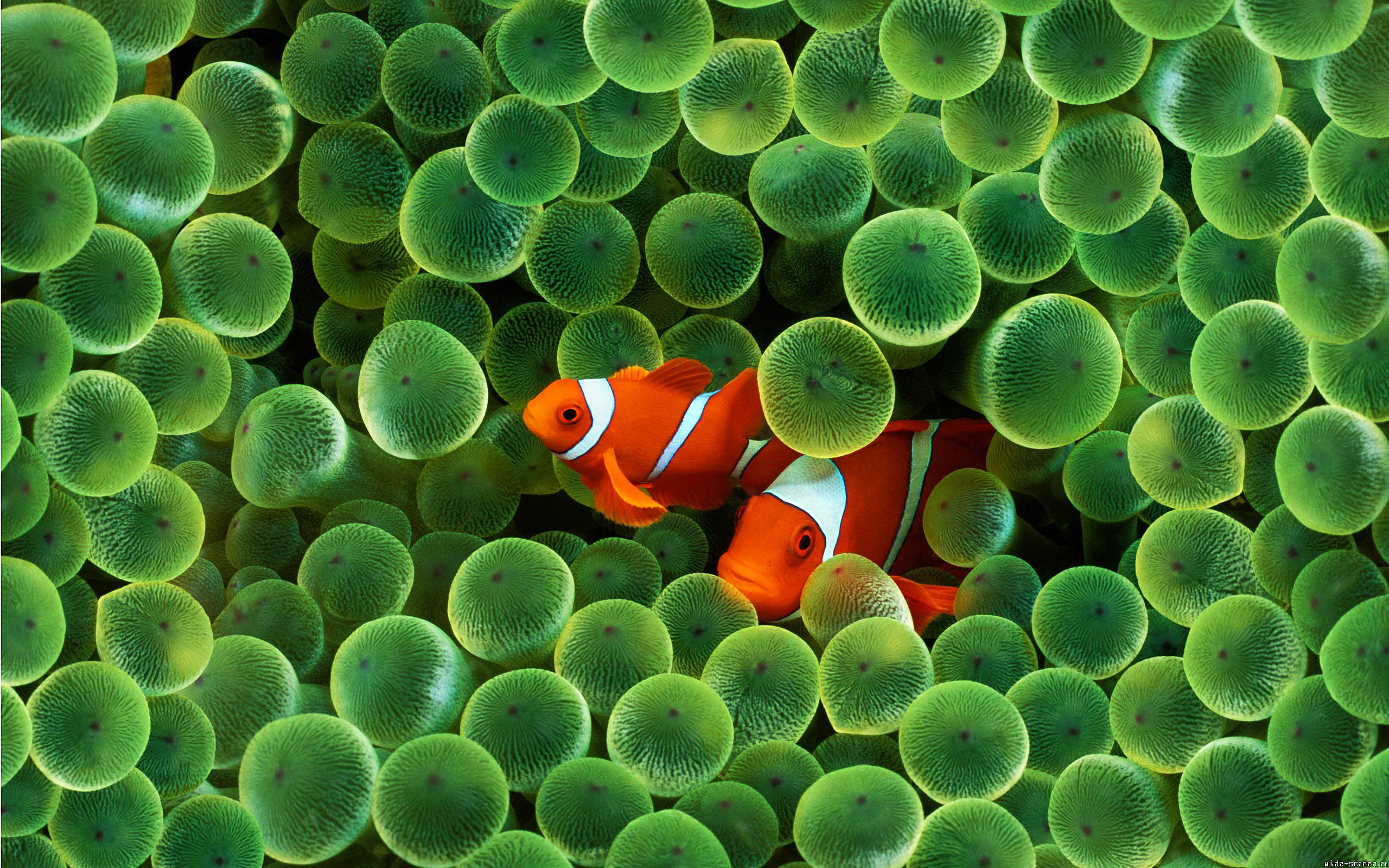
Clown fish couple (Amphiprion percula) among the tentacles of anemone Heteractis magnifica in Kimbe Bay (Papua New Guinea) – courtesy of Mark McCormick. Clownfish protect anemones from predators and parasites in exchange of shelter and food. The fish tolerates the host’s venom because its skin is protected by a mucus layer some 2-3× thicker than phylogenetically related species (12); clownfish fabricate the mucus themselves and seem to obtain anemone antigens through a period of acclimation (13), but whether protection is acquired or innate is still debated. Clownfish are highly social bony fish, forming groups with one reproductive pair (up to 11 cm in length each) and several smaller, non-reproductive males. Reproduction is protandrous (also known as sequential hermaphroditism), so larvae are born male and, as soon as the reproductive female dies, her widower becomes female and the largest of the subsidiary males becomes the alpha male. The IUCN lists clownfish, generically named ‘anemone fish’, as threatened by the pet-trade industry and habitat degradation, although surprisingly, only 1 species has been assessed (A. sandaracinos). The clown anemone fish A. ocellaris is the species that inspired Nemo in the 2003 Academy-Award fiction movie – contrary to the logical expectation that the Oscars Red Carpet would generate support for conservation on behalf of Hollywood, of the 1568 species represented in the movie, only 16 % of those evaluated are threatened (14).

Smell is like noise, the more scents we breathe in one sniff, the more difficult it is to distinguish them to the point of olfactory saturation. Experimental work with clownfish reveals that the increase in dissolved carbon dioxide in seawater, mimicking ocean acidification, alters olfactory physiology, with potential cascading effects on the demography of species.

Places such as a restaurant, a hospital or a library have a characteristic bouquet, and we can guess the emotional state of other people by their scents. Smell is critical between predators and prey of many species because both have evolved to detect each other without the aid of vision. At sea, the smell of predators dissolves in water during detection, attack, capture, and ingestion of prey, and many fishes use this information to assess the risk of ending up crunched by enemy teeth (1, 2). But predator-prey interactions can be modified by changes in the chemical composition of seawater and are therefore highly sensitive to ongoing ocean acidification (see global measuring network here). Experts regard ocean acidification as the ‘other CO2 problem’ of climate change (3) — just to emphasize that anthropogenic climate-change impacts terrestrial and aquatic ecosystems alike. Acidification occurs because the ocean absorbs CO2 at a rate proportional with the concentration of this gas in the atmosphere and, once dissolved, CO2 becomes carbonic acid (H2CO3), which in turn releases protons (H+) — in simple terms, pH is the concentration of protons (see video about ocean acidification): Read the rest of this entry »


Not 100% renewable, but 0% carbon

5 04 2017

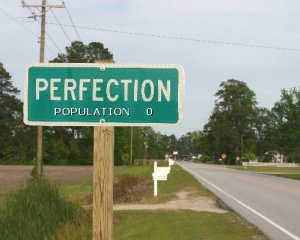
635906686103388841-366754148_perfection1Anyone familiar with this blog and our work on energy issues will not be surprised by my sincere support of nuclear power as the only realistic solution to climate change in the electricity (and possibly transport and industrial heat) arena. I’ve laid my cards on the table in the peer-reviewed literature (e.g., see here, here, here, here, here & here) and the standard media, and I’ve even joined the board of a new environmental NGO that supports nuclear.

And there is hope, despite the ever-increasing human population, rising consumerism, dwindling resources, and the ubiquity of ideologically driven and ethically compromised politicians. I am hopeful for several reasons, including rising safety and reliability standards of modern nuclear technology, the continued momentum of building new fission reactors in many countries, and even the beginnings of real conversations about nuclear power (or at least, the first steps toward this) in countries where nuclear energy is currently banned (e.g., Australia). I’m also heartened by the fact that nearly every conservation scientists with whom I speak is generally supportive, or at least non-resistant, to the idea of nuclear power as part of the climate change solution. An open letter by our colleagues attests to this. In fact, every day that passes brings new evidence that we cannot ignore this solution any longer.

Even despite the evidence in support of implementing a strong nuclear component into climate change-mitigation strategies, one of the most frequent arguments for not doing so is that society can achieve all of its energy needs and simultaneously combat climate change by constructing 100% renewable-energy pathways. While it is an easy mantra to repeat because it feels right intrinsically to nearly everyone with an environmental conscience, as a scientist I also had to ask if such a monumental task is even technically feasible. Read the rest of this entry »


Not all wetlands are created equal

13 02 2017

little-guyLast year I wrote what has become a highly viewed post here at ConservationBytes.com about the plight of the world’s freshwater biodiversity. In a word, it’s ‘buggered’.

But there are steps we can take to avoid losing even more of that precious freshwater biodiversity. The first, of course, is to stop sucking all the water out of our streams and wetlands. With a global population of 7.5 billion people and climbing, the competition for freshwater will usually mean that non-human life forms lose that race. However, the more people (and those making the decisions, in particular) realise that intact wetlands do us more good as wetlands rather than carparks, housing developments, or farmland (via freshwater filtering, species protection, carbon storage, etc.), the more we have a chance to save them.

My former MSc student, the very clever David Deane1, has been working tirelessly to examine different scenarios of wetland plant biodiversity change in South Australia, and is now the proud lead author of a corker of a new paper in Biological Conservation. Having already published one paper about how wetland plant biodiversity patterns are driven by rare terrestrial plants, his latest is a very important contribution about how to manage our precious wetlands. Read the rest of this entry »


Boreal forest on the edge of a climate-change tipping point

15 11 2016

As some know, I dabble a bit in the carbon affairs of the boreal zone, and so when writer Christine Ottery interviewed me about the topic, I felt compelled to reproduce her article here (originally published on EnergyDesk).

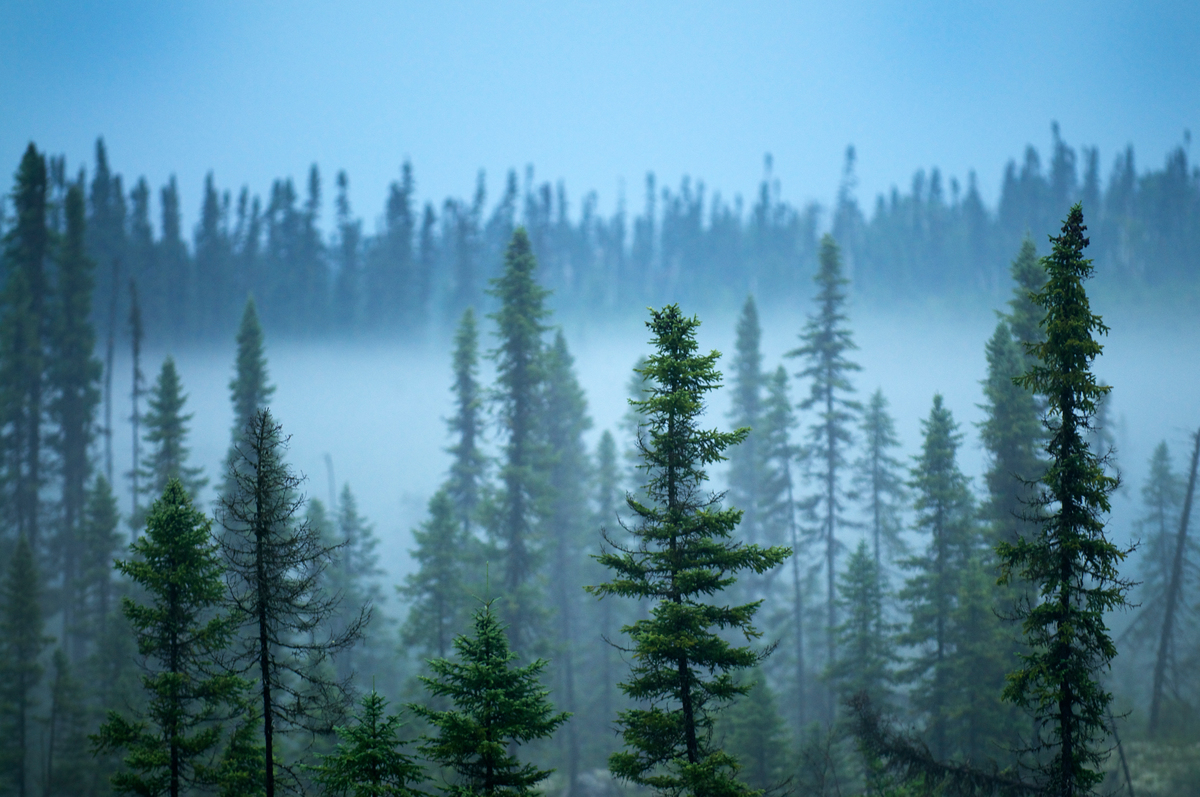
A view of the Waswanipi-Broadback Forest in the Abitibi region of Northern Quebec, one of the last remaining intact Boreal Forests in the province (source: EnergyDesk).

A view of the Waswanipi-Broadback forest in the Abitibi region of northern Quebec, one of the last remaining intact boreal forests in the Canadian province (source: EnergyDesk).

The boreal forest encircles the Earth around and just below the Arctic Circle like a big carbon-storing hug. It can mostly be found covering large swathes of Russia, Canada and Alaska, and some Scandinavian countries.

In fact, the boreal – sometimes called by its Russian name ‘taiga’ or ‘Great Northern Forest’ – is perhaps the biggest terrestrial carbon store in the world.

So it’s important to protect in a world where we’re aiming for 1.5 or – at worst – under two degrees celsius of global warming.

“Our capacity to limit average global warming to less than 2 degrees is already highly improbable, so every possible mechanism to reduce emissions must be employed as early as possible. Maintaining and recovering our forests is part of that solution,” Professor Corey Bradshaw, a leading researcher into boreal forests based at the University of Adelaide, told Energydesk.

It’s not that tropical rainforests aren’t important, but recent research led by Bradshaw published in Global and Planetary Change shows that that there is more carbon held in the boreal forests than previously realised.

But there’s a problem. Read the rest of this entry »


Inexorable rise of human population pressures in Africa

31 08 2016
© Nick Brandt

© Nick Brandt

I’ve been a bit mad preparing for an upcoming conference, so I haven’t had a lot of time lately to blog about interesting developments in the conservation world. However, it struck me today that my preparations provide ideal material for a post about the future of Africa’s biodiversity.

I’ve been lucky enough to be invited to the University of Pretoria Mammal Research Unit‘s 50th Anniversary Celebration conference to be held from 12-16 September this year in Kruger National Park. Not only will this be my first time to Africa (I know — it has taken me far too long), the conference will itself be in one of the world’s best-known protected areas.

While decidedly fortunate to be invited, I am a bit intimidated by the line-up of big brains that will be attending, and of the fact that I know next to bugger all about African mammals (in a conservation science sense, of course). Still, apparently my insight as an outsider and ‘global’ thinker might be useful, so I’ve been hard at it the last few weeks planning my talk and doing some rather interesting analyses. I want to share some of these with you now beforehand, although I won’t likely give away the big prize until after I return to Australia.

I’ve been asked to talk about human population pressures on (southern) African mammal species, which might seem simple enough until you start to delve into the complexities of just how human populations affect wildlife. It’s simply from the perspective that human changes to the environment (e.g., deforestation, agricultural expansion, hunting, climate change, etc.) do cause species to dwindle and become extinct faster than they otherwise would (hence the entire field of conservation science). However, it’s another thing entirely to attempt to predict what might happen decades or centuries down the track. Read the rest of this entry »


More things stay the same, more we retrogress

20 07 2016

obrazek_1idiommmmsmmWithin six months of Abbott and the Coalition seizing power in the 2013 Australian election, decades—if not centuries—of environmental damage and retrograde policies unfolded. But this was no run-of-the-mill incompetence and neglect by government—this was an all-out attack on anything with the merest whiff of environmental protection. The travesty is well-documented, from infamously axing both the carbon-pricing scheme and climate commission, eradicating Labor’s 80% emissions-reduction target by 2050, diluting the Renewable Energy Target, refusing to commit to enforcing the Illegal Logging Prohibition Act (fortunately, this is now law), defunding the only independent legal entity available to limit environmentally destructive development (Environmental Defenders Office), to even attempting to remove the rights of environmental groups to challenge development proposals (thankfully, that failed).

The Coalition’s backward and ineffectual climate change-mitigation policies alone are evidence enough for long-term damage, but their war on the environment in general means that even the future election of a more environmentally responsible government will not undo the damage quickly, if at all. As a result of these and other nearsighted policies, Australia remains one of the highest per-capita greenhouse-gas emitters on the planet, has one of the highest per-capita water uses of any nation, leads the world in mammal extinctions, continues to deforest its already forest-poor landscape, and is a society utterly unprepared to deal with the future challenges of a degraded planet.
Read the rest of this entry »


What immigration means for Australia’s climate-change policies

12 06 2016

After dipping my foot into the murky waters of human population demography a few years ago, I’m a little surprised that I find myself here again. But this time I’m not examining what the future of the global human population might be and what it could mean for our environment; instead, I’m focussing on Australia’s population future and its implications for our greenhouse-gas emissions trajectories.

Just published in Asia and the Pacific Policy Forum1, my paper with long-time co-author Barry Brook is entitled Implications of Australia’s population policy for future greenhouse gas emissions targets. It deals with the sticky question of just how many people Australia can ‘afford’ to house. By ‘afford’ I mean several things, but most specifically in the context of this paper is by how much we need to reduce our per capita emissions to achieve future reduction targets under various immigration-rate scenarios.

In many ways Australia’s population is typical of other developed nations in that its intrinsic fertility (1.78 children/woman) is below replacement (which is itself ~ 2.1 children/female). Yet Australia’s population grew nearly twice (1.88×) as large from 1971 to 2014. It doesn’t take a genius to figure out that most of our population growth is due to net immigration.

In fact, between 2006 and 2014, Australia welcomed a net of 215,000 new people per year (this means that of all the permanent immigrants and emigrants, a ‘net’ of approximately 215,000 stayed each year), which represents about 1% of our total population size (that latter most likely just ticked over 24 million). Read the rest of this entry »


One-two carbon punch of defaunation

30 04 2016

1-2 punchI’ve just read a well-planned and lateral-thinking paper in Nature Communications that I think readers of CB.com ought to appreciate. The study is a simulation of a complex ecosystem service that would be nigh impossible to examine experimentally. Being a self-diagnosed fanatic of simulation studies for just such purposes, I took particular delight in the results.

In many ways, the results of the paper by Osuri and colleagues are intuitive, but that should never be a reason to avoid empirical demonstration of a suspected phenomenon because intuition rarely equals fact. The idea itself is straightforward, but takes more than a few logical steps to describe: Read the rest of this entry »


Most-Bestest Environment Minister in the World, Ever

4 04 2016
Our Most-Bestest Minister Ever

Our Most-Bestest Minister Ever (i.e., the bloke on the left; interestingly, the bloke on the right leads one of the few countries in the world with a higher per capita emissions rate than Australia)

Australia has an appalling environmental record — hell, I have even written an entire book on our sorry state of environmental affairs. Of course, environmental damage is a slow accumulation of bad political decisions, neglect, corruption, greed and society’s general I-couldn’t-give-a-shit attitude, but the record of our recent government demonstrates not just classic political buffoonery and neglect, but an outright attack on the environment.

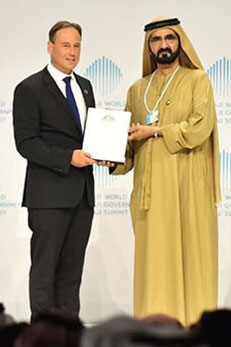
So it was impossible to restrain a disgusted guffaw when, in February this year, our ‘Environment’ Minister won the coveted ‘Best Minister’ in the World award at the World Government Summit in Dubai by Sheikh Mohammed Bin Rashid Al Maktoum, Vice President and Prime Minister of the United Arab Emirates and Ruler of Dubai.

Deserved ridicule aside, I was asked recently by The Conversation to contribute to a special report examining the profile performance of cabinet and shadow cabinet ministers, which is not only a responsibility I take seriously, but an honour to be able to provide a serious and objective appraisal of our Most-Bestest Minister Ever. My contribution dealt specifically with the environmental portfolio, so I appraised both the sitting Minister and the Shadow Minister. Judge for yourself based on their performances. Read the rest of this entry »


Biowealth

24 02 2016

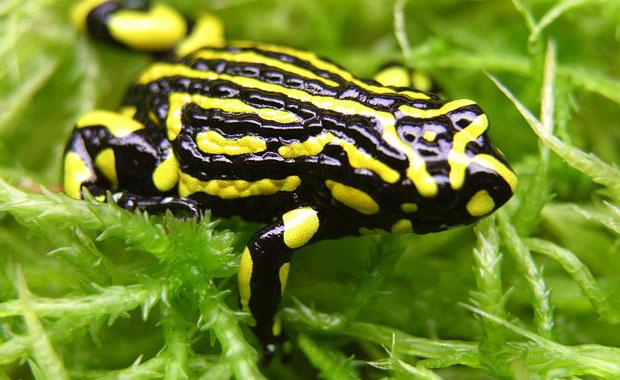
frogWhile I’ve blogged about this before in general terms (here and here), I thought it wise to reproduce the (open-access) chapter of the same name published in late 2013 in the unfortunately rather obscure book The Curious Country produced by the Office of the Chief Scientist of Australia. I think it deserves a little more limelight.

As I stepped off the helicopter’s pontoon and into the swamp’s chest-deep, tepid and opaque water, I experienced for the first time what it must feel like to be some other life form’s dinner. As the helicopter flittered away, the last vestiges of that protective blanket of human technological innovation flew away with it.

Two other similarly susceptible, hairless, clawless and fangless Homo sapiens and I were now in the middle of one of the Northern Territory’s largest swamps at the height of the crocodile-nesting season. We were there to collect crocodile eggs for a local crocodile farm that, ironically, has assisted the amazing recovery of the species since its near-extinction in the 1960s. Removing the commercial incentive to hunt wild crocodiles by flooding the international market with scar-free, farmed skins gave the dwindling population a chance to recover.
redwoodConservation scientists like me rejoice at these rare recoveries, while many of our fellow humans ponder why we want to encourage the proliferation of animals that can easily kill and eat us. The problem is, once people put a value on a species, it is usually consigned to one of two states. It either flourishes as do domestic crops, dogs, cats and livestock, or dwindles towards or to extinction. Consider bison, passenger pigeons, crocodiles and caviar sturgeon.

As a conservation scientist, it’s my job not only to document these declines, but to find ways to prevent them. Through careful measurement and experiments, we provide evidence to support smart policy decisions on land and in the sea. We advise on the best way to protect species in reserves, inform hunters and fishers on how to avoid over-harvesting, and demonstrate the ways in which humans benefit from maintaining healthy ecosystems. Read the rest of this entry »


Getting your conservation science to the right people

22 01 2016

argument-cartoon-yellingA perennial lament of nearly every conservation scientist — at least at some point (often later in one’s career) — is that the years of blood, sweat and tears spent to obtain those precious results count for nought in terms of improving real biodiversity conservation.

Conservation scientists often claim, especially in the first and last paragraphs of their papers and research proposals, that by collecting such-and-such data and doing such-and-such analyses they will transform how we manage landscapes and species to the overall betterment of biodiversity. Unfortunately, most of these claims are hollow (or just plain bullshit) because the results are either: (i) never read by people who actually make conservation decisions, (ii) not understood by them even if they read the work, or (iii) never implemented because they are too vague or too unrealistic to translate into a tangible, positive shift in policy.

A depressing state of being, I know.

This isn’t any sort of novel revelation, for we’ve been discussing the divide between policy makers and scientists for donkey’s years. Regardless, the whinges can be summarised succinctly: Read the rest of this entry »


Australia’s motto: “Screw the environment!”

2 09 2015
Mmmmm! I love coal!

Mmmmm! I love coal!

An article originally posted on ALERT by April Reside (with permission to reproduce).

The Conservative Tony Abbott government in Australia is proposing alarming changes to Australia’s Environmental Protection and Biodiversity Conservation (EPBC) Act 1999 — a remarkable move that would prevent environment groups from challenging many damaging development projects.

This has all come to a head over the Carmichael Coal Mine — a plan to build a massive mine in central Queensland in order to export 60 million of tonnes of coal to India each year.

Coal, of course, is the dirtiest of all fossil fuels, and India’s plan to burn it by the shipload for electricity is bad news for the planet.

The Abbott government is in a tizzy after after a community organization, the Mackay Conservation Group, challenged the approval of the Carmichael Mine in Australia’s Federal Court.

The community group says Environment Minister Greg Hunt didn’t properly consider the impact the mine would have on two threatened species, the yakka skink and ornamental snake.

The mine site also sustains the largest population of the southern subspecies of the black-throated Finch, which is endangered.

The implications of the mega-mine go well beyond a few imperilled species. If the mine goes ahead, it will be one of the biggest in the world — and the emissions from burning its mountains of coal would cancel out all gains made from Australia’s current emissions-reduction strategy.

On top of the frightening precedent it would set, the Abbott government appears to be double-dealing. Read the rest of this entry »


Something rotten from Denmark

22 04 2015

It was just reported in the Guardian that infamous and discredited environmental charlatan, Bjørn Lomborg, who has recently been given the green light to set up shop in Australia after the University of Western Australia‘s Vice-Chancellor, Paul Johnson, extended him an olive branch, and the Abbott-oir government gave him $4 million to do so. Yes, you read that correctly.

It’s telling in today’s political climate that such a man is not only welcomed to a leading (Group of Eight) Australian university by its own Vice-Chancellor, he’s given millions to undermine real science and societal progress by the federal government. It’s an understatement to say that I’m disgusted and ashamed to be Australian today.

I have just received some juicy inside correspondence from the School of Animal Biology at the University of Western Australia sent to the Vice-Chancellor. The School, suffice it to say, is not amused. I copy the letter itself below, as well as an internal e-mail sent to the University’s Heads of School by the Chief Advisor of the University’s Corporate and Government Affairs, Mr David Harrison. Read the rest of this entry »


Australians: out-of-touch, urban squanderers

23 03 2015

There’s a romantic myth surrounding Australia that is pervasive both overseas and within the national psyche: this sun-scorched continent home to stoic bushmen1 that eek out a frugal, yet satisfying existence in this harsh rural land. Unfortunately that ideal is anathema to almost every Australian alive today.

While some elements of that myth do have a basis in reality – it is indeed a hot, dry, mostly inhospitable place if you count the entire land area (all 7.69 million square kilometres of it), and it does have the dubious honour of being the driest inhabited continent on Earth – most Australians live nowhere near the dry interior or the bush.

Despite our remarkably low average population density (a mere 3.09 people per square kilometre), Australia is in fact one of the most urbanised nations on the planet, with nearly 90% of its citizenry living within a major urban centre. As a result, our largely urban/suburban, latte-sipping, supermarket-shopping population has little, if any, connection to the vast landscape that surrounds its comfortable, built-up environs. There should be little wonder then that Australians are so disconnected from their own ecology, and little surprise that our elected officials (who, after all, represent the values of the majority of the citizens they purport to represent), are doing nothing to slow the rapid flushing of our environment down the toilet. Indeed, the current government is in fact actively encouraging the pace of that destruction. Read the rest of this entry »


Australia’s perfect storm of negligence

17 03 2015

If, for the purposes of some sick and twisted thought experiment, you were to design policies that would ensure the long-term failure of a wealthy, developed nation, you wouldn’t have to look farther than Australia’s current recipe for future disaster. I’m not trying to be provocative, but the warning signs are too bold and flashy to ignore. Let’s just run through some of the main ones:

1. As the lambasted and thoroughly flawed 2015 Intergenerational Report clearly demonstrates, our current government has no idea about the future threats of climate change. Dragged kicking and screaming into only a symbolic recognition of some ‘distant and currently irrelevant problem’, the Abbott-oir and his intergenerational criminals are well known for killing the carbon-pricing scheme, dismantling the Department of Climate Change, pulling out of major international talks on climate-change mitigation and installing a half-arsed, ineffective policy that will do nothing to stem our emissions. Combine that with comments like “coal is good for humanity“, and it’s easy to see how our current leaders have little idea about the future mess they’re creating.
2. Not content just to kick the shit out of any meaningful climate action, our government has also turned its back on any renewable energy target, and facilitated the fossil-fuel barons to dig more coal out of the ground. While South Australia’s Royal Commission on the nuclear fuel cycle is a welcome candle in the climate change-mitigation darkness here, it is far from becoming a national priority any time soon.

3. As has been well documented, the Abbott-oir ship of fools has also done whatever it can to turn back decades of environmental protections in less than six months of taking office. Everything from opening up national parks for exploitation, failing to protect marine sanctuaries, limiting environmental checks to promoting logging in World Heritage Areas, there is little room for hope that our crumbling environmental system will improve at all in the near to long term. Read the rest of this entry »


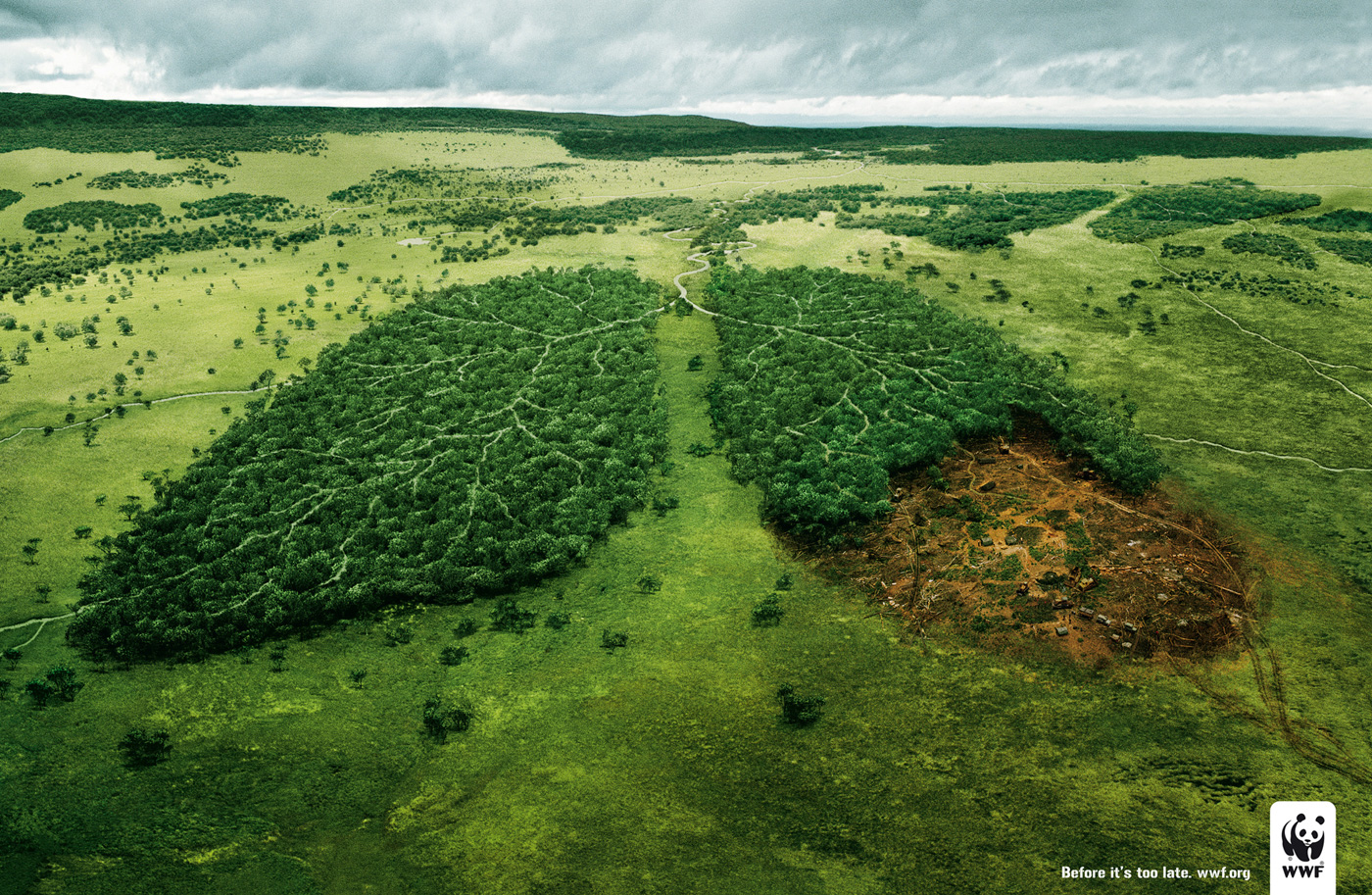
Earth’s second lung has emphysema

19 02 2015
© WWF

© WWF

Many consider forests as the ‘lungs’ of the planet – the idea that trees and other plants take up carbon and produce oxygen (the carbon and oxygen cycles). If we are to be fair though, the oceans store about 93% of the Earth’s carbon pool (excluding the lithosphere and fossil fuels) and oceanic phytoplankton produces between 50 and 80% of the oxygen in the atmosphere. For comparison, the terrestrial biosphere – including forests – stores only about 5% of the Earth’s carbon, and produces most of the remainder of atmospheric oxygen.

So there’s no denying that the biggest player in these cycles is the ocean, but that’s not the topic of today’s post. Instead, I’m going to focus on the terrestrial biosphere, and in particular, the carbon storage and flux of forests.

Now it’s pretty well established that tropical forests are major players in the terrestrial carbon cycle, with the most accepted estimates of about 55% the terrestrial carbon stock stored therein. The extensive boreal forest, covering most of the northern half of North America, most of Scandinavia and a huge chunk of Russia, comes in globally at about 33%, and temperate forests store most of the remainder.

That is, until now. Read the rest of this entry »


The Abbott-oir survives another day to wreak more environmental havoc

9 02 2015

The Great Red UnderpantsTone Abbott-oir, easily the most environmentally destructive Prime Minister this country has seen in the modern era, has survived the party room spill for a leadership change. Although 39% of his own Fiberal Party MPs voted to dump him, he remains standing (limping) – for now.

I’ve seen rather a lot lately in the Australian media about the impending spill vote, and the potential political repercussions of a change (or not), but there’s been nearly no mention of what it all means for the continually degrading Australian environment.

As is typical in Australian politics, the environment takes a very distant back seat to the those oh-so-important societal issues like knighthoods, paid parental leave and where to put the next road in Melbourne, so I certainly wasn’t hopeful that a leadership change (or not) would have any positive environmental outcomes. This particular latte-snorting, quinoa-flavoured-pinot-grigio-in-the-artisanal-underpants-pouring, erect-nipple-paper-rubbing environmental scientist has nothing at all to celebrate, even if the no-confidence in The Great Red Underpants is potentially a positive sign. Read the rest of this entry »