Just a quick post today, my last one for March. Like probably most of you, I’ve been trying to pretend to be as normal as possible despite the COVID-19 surrealism all around me. But even COVID-19 has shifted my research to a small degree.
But I’m not going to talk about the global pandemic right now (I can almost hear the collective sigh of relief). Instead, I’m going to go back to topic and discuss a paper that I’ve just co-authored.
Last year I went to China’s Yunnan Province where I met some fantastic colleagues at the Xishuangbanna Tropical Botanical Garden who were doing some very cool stuff with the variation in plant functional traits across environmental gradients.
Well, those colleagues invited me to participate in one those research projects, and I’m happy to say that the result has just been published in Forests.
Measuring the functional traits of different alpine trees species in the Changbai Mountains of far north-eastern China (no, I didn’t get to go there), the research set out to test how these varied among species and elevation.
Of course, one expects that different trees use different combinations of traits to survive the rigours of mountain life (high variation in temperature, freezing, wind, etc.), but generally speaking, you might expect things like xylem vessel diameter and density to change more or less monotonically (i.e., changing in a consistent manner as elevation rises or falls). This is because trees should adapt their traits to the local conditions as best they can. Read the rest of this entry »
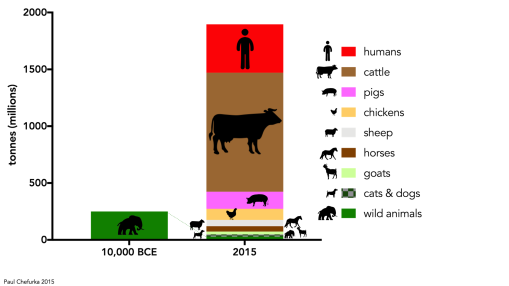
I often find myself in a position explaining to non-professionals just how bad the state of global biodiversity really is. It turns out too that even quite a few ecologists seem to lack an appreciation of the sheer magnitude of damage we’ve done to the planet.
The loss of biodiversity that has occurred over the course of our species’ time on Earth is staggering. This loss is now truly planetary in scale and caused by human actions, albeit the severity of which is unequally distributed across the globe1. While Sandra Díaz and company recently summarised the the extent of the biodiversity crisis unfolding1 well in their recent synopsis of the Intergovernmental Science-Policy Platform on Biodiversity and Ecosystem Services (IPBES)2 report, I’m going to repeat some of the salient summary statements here, and add a few others. Read the rest of this entry »
As I’ve done for the last six years, I am publishing a retrospective list of the ‘top’ 20 influential papers of 2019 as assessed by experts in F1000 Prime (in no particular order). See previous years’ lists here: 2018, 2017, 2016, 2015, 2014, and 2013.
For more than 3.5 billion years, living organisms have thrived, multiplied and diversified to occupy every ecosystem on Earth. The flip side to this explosion of new species is that species extinctions have also always been part of the evolutionary life cycle.
But these two processes are not always in step. When the loss of species rapidly outpaces the formation of new species, this balance can be tipped enough to elicit what are known as “mass extinction” events.
A mass extinction is usually defined as a loss of about three quarters of all species in existence across the entire Earth over a “short” geological period of time. Given the vast amount of time since life first evolved on the planet, “short” is defined as anything less than 2.8 million years.
Since at least the Cambrian periodthat began around 540 million years ago when the diversity of life first exploded into a vast array of forms, only five extinction events have definitively met these mass-extinction criteria.
These so-called “Big Five” have become part of the scientific benchmark to determine whether human beings have today created the conditions for a sixth mass extinction.
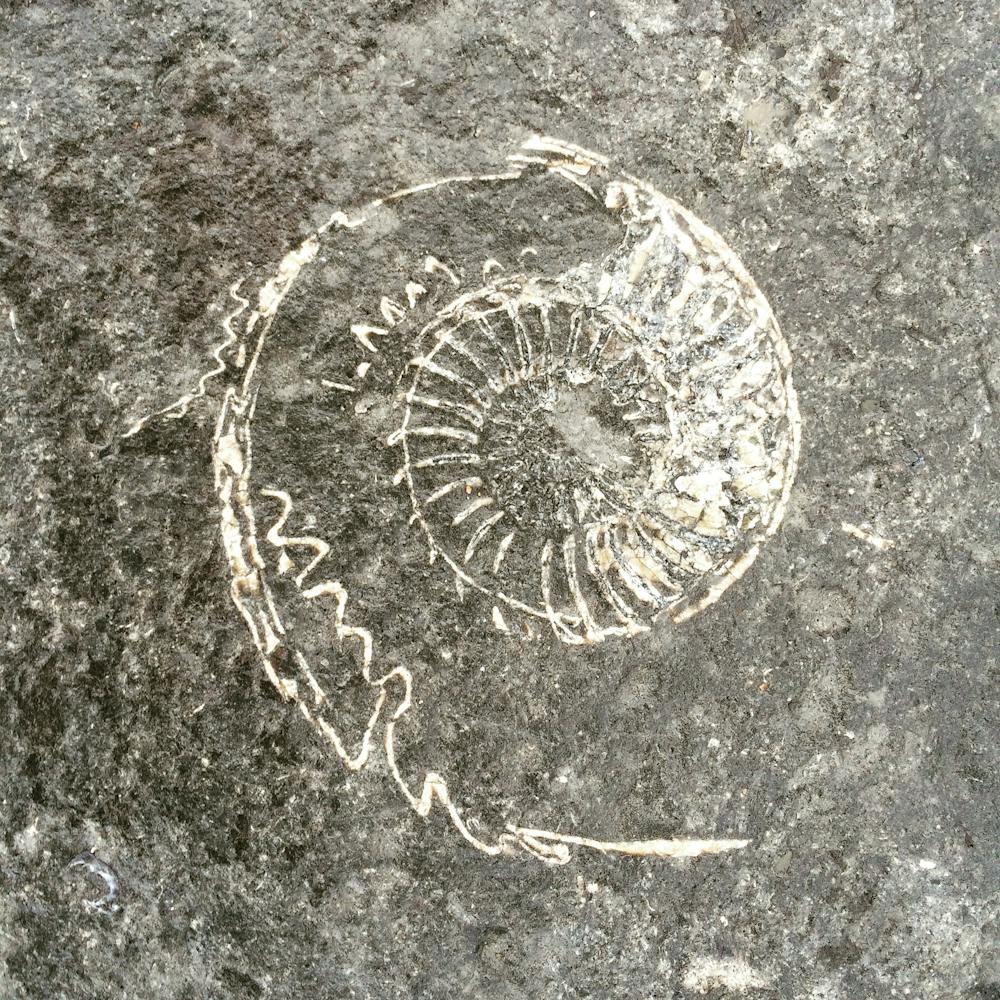
An ammonite fossil found on the Jurassic Coast in Devon. The fossil record can help us estimate prehistoric extinction rates.Corey Bradshaw, Author provided
You’d think I’d get tired of this, wouldn’t you? Alas, the fight does wear me down, but I must persist.
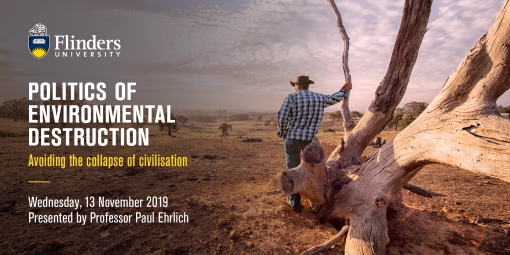
My good friend and colleague, the legendary Professor Paul Ehrlich of Stanford University, as well as his equally legendary wife, Anne, will be joining us in Adelaide for a brief visit during their annual southern migration.
Apart from just catching up over a few good bottles of wine (oh, do those two enjoy fine wines!), we have the immense privilege of having Paul appear at two events while he’s in town.
I’m really only going to be talking about the second of the two events (the first is a Science Meets Parliament gig with me and many others at the South Australia Parliament on 12 November): a grand, public lecture and Q&A session held at Flinders University on Wednesday, 13 November.
Haven’t heard of Paul? Where have you been hiding? If by some miracle you haven’t, here’s a brief bio:
Paul Ehrlich is Bing Professor of Population Studies Emeritus, President of the Center for Conservation Biology, Department of Biology, Stanford University and Adjunct Professor, University of Technology, Sydney. He does research in population biology (includes ecology, evolutionary biology, behavior, and human ecology and cultural evolution). Ehrlich has carried out field, laboratory and theoretical research on a wide array of problems ranging from the dynamics and genetics of insect populations, studies of the ecological and evolutionary interactions of plants and herbivores, and the behavioral ecology of birds and reef fishes, to experimental studies of the effects of crowding on human beings and studies of cultural evolution, especially the evolution of norms. He is President of the Millennium Alliance for Humanity and the Biosphere and is author and coauthor of more than 1100 scientific papers and articles in the popular press and over 40 books. He is best known to his efforts to alert the public to the many intertwined drivers that are pushing humanity toward a collapse of civilization – especially overpopulation, overconsumption by the rich, and lack of economic, racial, and gender equity. Ehrlich is a Fellow of the American Academy of Arts and Sciences, the American Entomological Society and the Beijer Institute of Ecological Economics, and a member of the United States National Academy of Sciences and the American Philosophical Society. He is a Foreign Member of the Royal Society, an Honorary Member of the British Ecological Society and an Honorary Fellow of the Royal Entomological Society. Among his many other honours are the Royal Swedish Academy of Sciences, Crafoord Prize in Population Biology and the Conservation of Biological Diversity (an explicit replacement for the Nobel Prize); a MacArthur Prize Fellowship; the Volvo Environment Prize; UNEP Sasakawa Environment Prize; the Heinz Award for the Environment; the Tyler Prize for Environmental Achievement; the Heineken Prize for Environmental Sciences; the Blue Planet Prize; the Eminent Ecologist award of the Ecological Society of America, the Margalef Prize in Ecology and Environmental Sciences, and the BBVA Frontiers of Knowledge Award in Ecology and Conservation Biology. Prof Ehrlich has appeared as a guest on more than 1000 TV and radio programs; he also was a correspondent for NBC News. He has given many hundreds of public lectures in the past 50 years.
These aspects of child health aren’t very controversial, but when we talk about the larger suite of indicators of environmental ‘damage’, such as deforestation rates, species extinctions, and the overall reduction of ecosystem services, the empirical links to human health, and to children in particular, are far rarer.
Here’s a presentation I gave earlier in the year for the Flinders University BRAVE Research and Innovation series:
There is No Plan(et) B — What you can do about Earth’s extinction emergency
Earth is currently experiencing a mass extinction brought about by, … well, … us. Species are being lost at a rate similar to when the dinosaurs disappeared. But this time, it’s not due to a massive asteroid hitting the Earth; species are being removed from the planet now because of human consumption of natural resources. Is a societal collapse imminent, and do we need to prepare for a post-collapse society rather than attempt to avoid one? Or, can we limit the severity and onset of a collapse by introducing a few changes such as removing political donations, becoming vegetarians, or by reducing the number of children one has?
Koalas are one of the most recognised symbols of Australian wildlife. But the tree-living marsupial koala is not doing well throughout much of its range in eastern Australia. Ranging as far north as Cairns in Queensland, to as far west as Kangaroo Island in South Australia, the koala’s biggest threats today are undeniably deforestation, road kill, dog attacks, disease, and climate change.
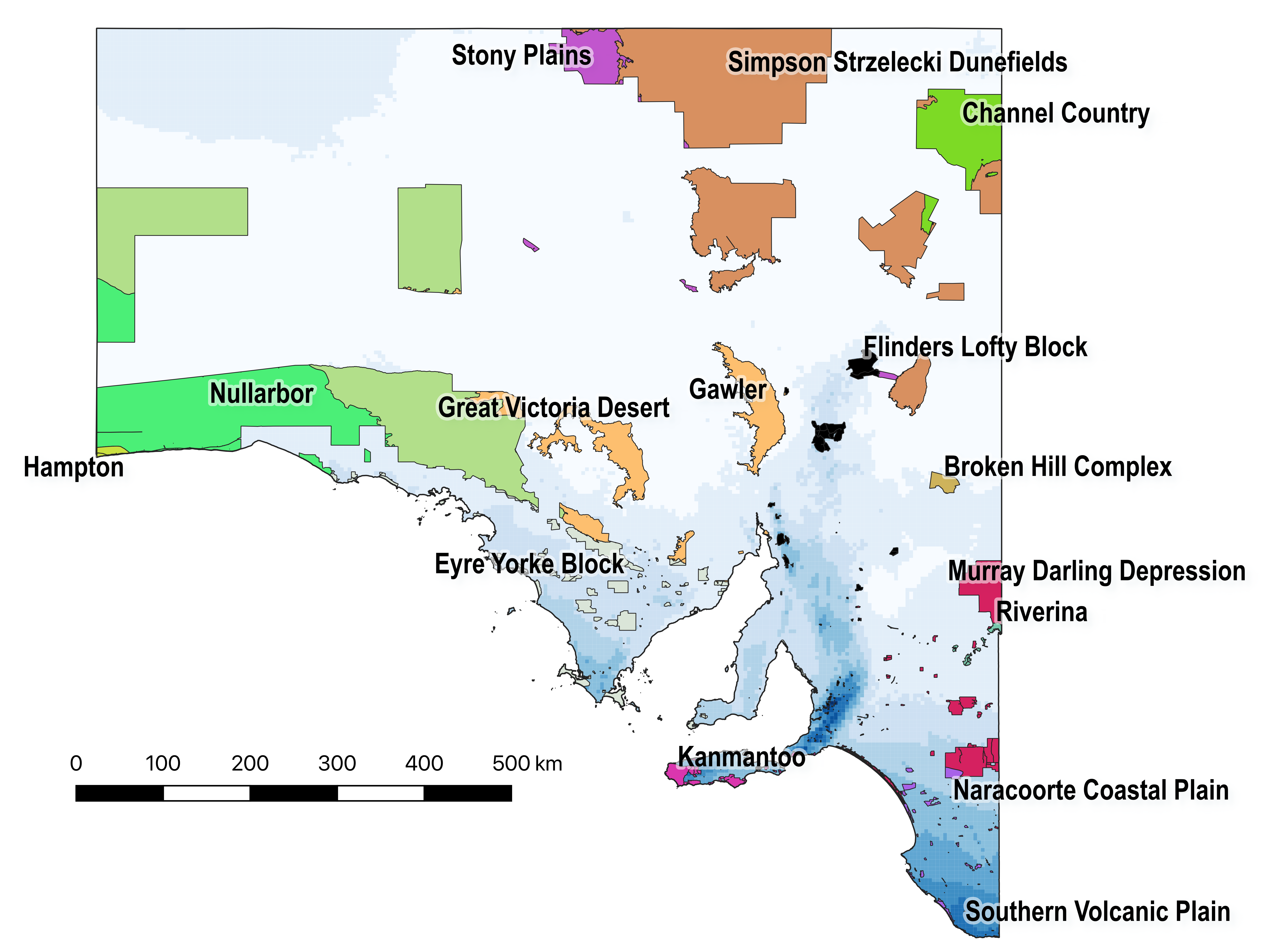
Figure 2 (from the article). Overlaying the South Australia’s Protected Areas boundary data with the Interim Biogeographic Regionalisation for Australia layer indicates that 73.2% of the total protected area (excluding Indigenous Protected Areas) in South Australia lies in the arid biogeographic regions of Great Victoria Desert (21.1%), Channel Country (15.2%), Simpson Strzelecki Dunefields (14.0%), Nullarbor (9.8%), Stony Plains (6.6%), Gawler (6.0%), and Hampton (0.5%). The total biogeographic-region area covered by the remaining Conservation Reserves amounts to 26.2%. Background blue shading indicates relative average annual rainfall.
If you read CB.com regularly, you’ll know that late last year I blogged about the South Australia 2108 State of the Environment Report for which I was commissioned to write an ‘overview‘ of the State’s terrestrial biodiversity.
At the time I whinged that not many people seemed to take notice (something I should be used to by now in the age of extremism and not giving a tinker’s about the future health of the planet — but I digress), but it seems that quietly, quietly, at least people with some policy influence here are starting to listen.
Not satisfied with merely having my report sit on the virtual shelves at the SA Environment Protection Authority, I decided that I should probably flesh out the report and turn it into a full, peer-reviewed article.
The paper is chock-a-block with all the same sorts of points I covered last year, but there’s a lot more, and it’s also a lot better referenced and logically sequenced.
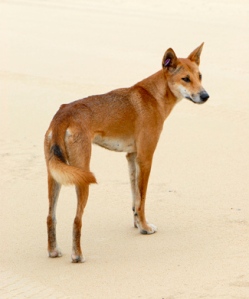
Of all Australia’s wildlife, one stands out as having an identity crisis: the dingo. But our recent article in the journal Zootaxa argues that dingoes should be regarded as a bona fidespecies on multiple fronts.
This isn’t just an issue of semantics. How someone refers to dingoes may reflect their values and interests, as much as the science.
How scientists refer to dingoes in print reflects their background and place of employment, and the Western Australian government recently made a controversial attempt to classify the dingo as “non-native fauna”.
Over many years, dingoes have been called many scientific names: Canis lupus dingo (a subspecies of the wolf), Canis familiaris (a domestic dog), and Canis dingo (its own species within the genus Canis). But these names have been applied inconsistently in both academic literature and government policy.
This inconsistency partially reflects the global arguments regarding the naming of canids. For those who adhere to the traditional “biological” species concept (in which a “species” is a group of organisms that can interbreed), one might consider the dingo (and all other canids that can interbreed, like wolves, coyotes, and black-backed jackals) to be part of a single, highly variable and widely distributed species.
Members of the Canis genus: wolf (Canis lupus), coyote (Canis latrans), Ethiopian wolf (Canis simensis), black-backed jackal (Canis mesomelas), dingo (Canis dingo), and a representative of the domestic dog (Canis familiaris).
Climate change is one ingredient of a cocktail of factors driving the ongoing destruction of pristine forests on Earth. We here highlight the main physiological challenges trees must face to deal with increasing drought and heat.
Forests experiencing embolism after a hot drought. The upper-left pic shows Scots (Pinus sylvestris) and black (P. nigra) pines in Montaña de Salvador (Espuñola, Barcelona, Spain) during a hot Autumn in 2015 favouring a massive infestation by pine processionary caterpillars (Thaumetopoea pityocampa) and tree mortality the following year (Lluís Brotons/CSIC in InForest-CREAF-CTFC). To the right, an individual holm oak (Quercus ilex) bearing necrotic branches in Plasencia (Extremadura, Spain) during extreme climates from 2016 to 2017, impacting more than a third of the local oak forests (Alicia Forner/CSIC). The lower-left pic shows widespread die-off of trembling aspen (Populus tremuloides) from ‘Aspen Parkland’ (Saskatchewan, Canada) in 2004 following extreme climates in western North America from 2001 to 2002 (Mike Michaelian/Canadian Forest Service). To the right, several dead aspens near Mancos (Colorado, USA) where the same events hit forests up to one-century old (William Anderegg).
A common scene when we return from a long trip overseas is to find our indoor plants wilting if no one has watered them in our absence. But … what does a thirsty plant experience internally?
Like animals, plants have their own circulatory system and a kind of plant blood known as sap. Unlike the phloem (peripheral tissue underneath the bark of trunks and branches, and made up of arteries layered by live cells that transport sap laden with the products of photosynthesis, along with hormones and minerals — see videos here and here), the xylem is a network of conduits flanked by dead cells that transport water from the roots to the leaves through the core of the trunk of a tree (see animation here). They are like the pipes of a building within which small pressure differences make water move from a collective reservoir to every neighbours’ kitchen tap.
Water relations in tree physiology have been subject to a wealth of research in the last half a decade due to the ongoing die-off of trees in all continents in response to episodes of drought associated with temperature extremes, which are gradually becoming more frequent and lasting longer at a planetary scale (1).
Embolised trees
During a hot drought, trees must cope with a sequence of two major physiological challenges (2, 3, 4). More heat and less internal water increase sap tension within the xylem and force trees to close their stomata (5). Stomata are small holes scattered over the green parts of a plant through which gas and water exchanges take place. Closing stomata means that a tree is able to reduce water losses by transpiration by two to three orders of magnitude. However, this happens at the expense of halting photosynthesis, because the main photosynthetic substrate, carbon dioxide (CO2), uses the same path as water vapour to enter and leave the tissues of a tree.
If drought and heat persist, sap tension reaches a threshold leading to cavitation or formation of air bubbles (6). Those bubbles block the conduits of the xylem such that a severe cavitation will ultimately cause overall hydraulic failure. Under those conditions, the sap does not flow, many parts of the tree dry out gradually, structural tissues loose turgor and functionality, and their cells end up dying. Thus, the aerial photographs showing a leafy blanket of forest canopies profusely coloured with greys and yellows are in fact capturing a Dantesque situation: trees in photosynthetic arrest suffering from embolism (the plant counterpart of a blood clot leading to brain, heart or pulmonary infarction), which affects the peripheral parts of the trees in the first place (forest dieback).
For the last five years I’ve published a retrospective list of the ‘top’ 20 influential papers of the year as assessed by experts in F1000 Prime — so, I’m doing so again for 2018 (interesting side note: six of the twenty papers highlighted here for 2018 appear in Science magazine). See previous years’ posts here: 2017, 2016, 2015, 2014, and 2013.
Biodiversity offsets are becoming more popular in Australia and elsewhere as a means to raise money for conservation and restoration while simultaneously promoting economic development (1). However, there are many perverse consequences for biodiversity if they are not set up carefully (1-3).
Biodiversity ‘offsets’ are intended to work in a similar way to carbon offsets1, in that the destruction of a part of an ecosystem (e.g., a native forest or grassland, or a wetland) can be offset by paying to fund the restoration of another, similar ecosystem elsewhere. As such, approval to clear native vegetation usually comes with financial and other conditions.
But there are several problems with biodiversity offsetting, including the inconvenient fact that creating an equivalent ecosystem somewhere takes substantially longer than it does to destroy one somewhere else (e.g., 4). While carbon emitted in one place is essentially the same as that sequestered elsewhere, a forest can take hundreds of years to develop the same biodiversity values and ecological functions it had prior to destruction. Read the rest of this entry »
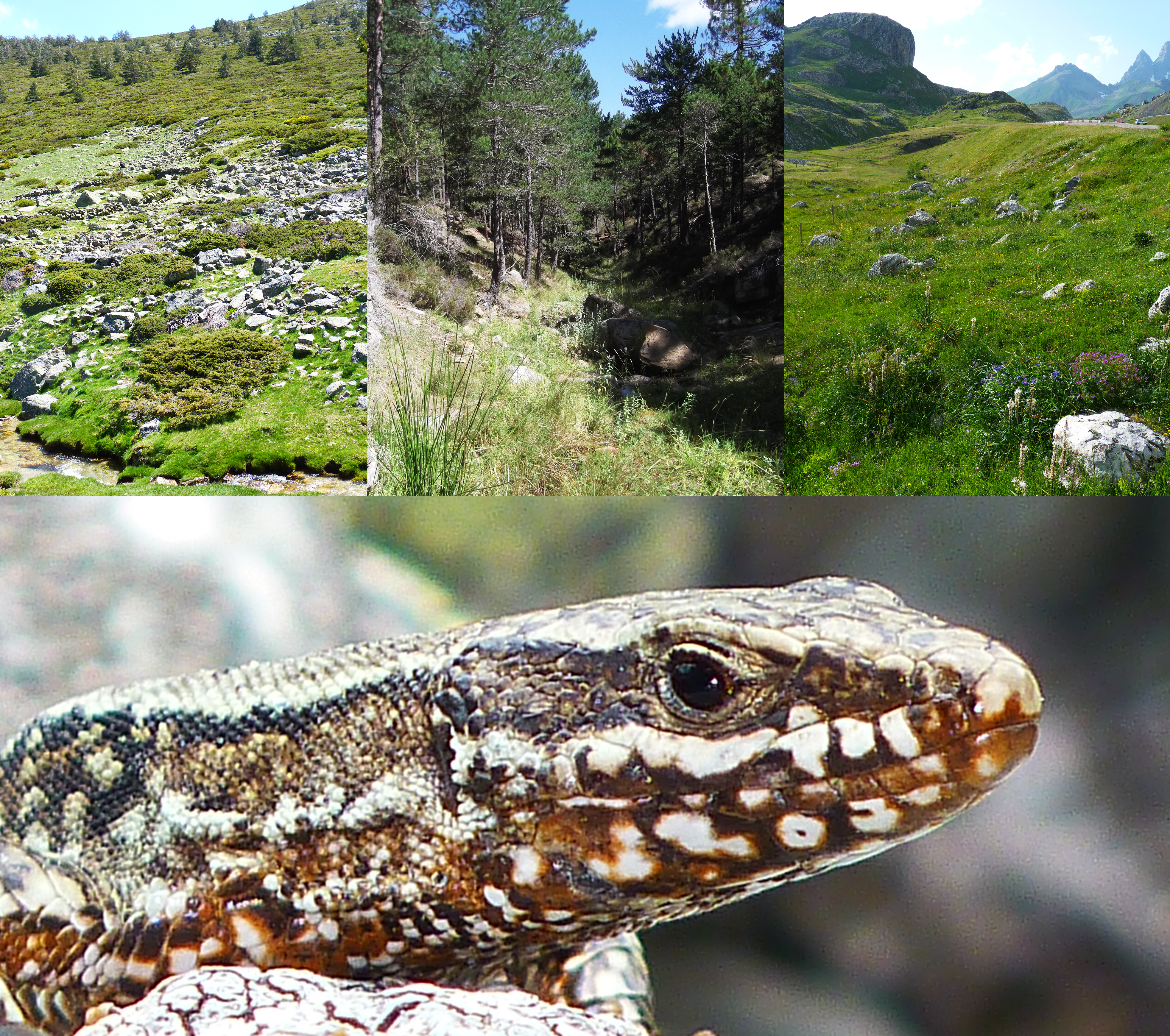
Variability in heat tolerance among populations modifies the climate-driven periods of diurnal activity expected for ectotherm species. We illustrate this phenomenon for Iberian lizards in a paper we have just published in the Journal of Animal Ecology (blog post reproduced with permission by the Journal; see related blog).
Common wall lizard (Podarcis muralis, male) and three localities where the species is abundant in Spain, left to right including Valdesquí/Madrid (Central System), Peñagolosa/Castellón (Iberian System) and El Portalet/Huesca (The Pyrenees).
Iberia is a wonderful natural laboratory, with a complex blend of flat/hilly, open/woody and coastal/continental terrain, swept by climatic gradients of temperature and moisture. In 2013, I launched a BES-supported project about the thermal ecology of Iberian lizards and managed to drive over much of the Iberian Peninsula in fairly little time. Not being a reptile specialist myself, I was confronted by the consistent observation that lizard populations occupied very different habitats across the known distribution of each of the ~ 25 known Iberian species belonging to the family Lacertidae.
For instance, the common wall lizard (Podarcis muralis) likes water, rocks and mountains, but you can find this pencil-long reptile at the top of a summit, along the slopes or riversides of shallow and deep ravines, on little stones barely surfacing above peatland grasslands, or among the bricks of buildings. These animals must experience different local climates conditional on where they live, and adapt their thermal physiology accordingly.
Having then started a postdoc in Miguel Araújo’s lab — a world-class site for global change ecology and ‘big’ biodiversity patterns — I reviewed a sizeable body of literature looking into large-scale gradients of thermal tolerance. Most of those papers had collated (mostly) one estimate of tolerance from each of tens to thousands of species, then mapped them against regional and global metrics of climate change through sophisticated mathematical frameworks. But these studies rarely accounted for population-level thermal tolerance.
The jaguar came towards me on the dirt road, calmly but attentively in the dusky light, her nearly full grown cub behind her. Nervous and with only a torch as defence, I held the light high above my head as she approached, trying to look taller. But she was merely curious; and, after 20 minutes, they left. I walked home in the thickening darkness, amazed at having come so close to South America’s top predator. We later named this mother jaguar ‘Kaayana’, because she lives inside Kaa-Iya National Park in the Bolivian Chaco. My fascination with jaguars has only grown since then, but the chances of encountering this incredible animal in the wild have shrunk even since that night.
A few years after that encounter, I’m back to study jaguars in the same forest, only now at the scale of the whole South American Gran Chaco. Jaguars are the third largest cats in the world and the top predators across Latin America. This means that they are essential for keeping ecosystems healthy. However, they are disappearing rapidly in parts of their range.
Understanding how and where the jaguar’s main threats — habitat destruction and hunting — affect them is fundamental to set appropriate strategies to save them. These threats are not only damaging on their own, but they sometimes act simultaneously in an area, potentially having impacts that are larger than their simple sum. For instance, a new road doesn’t only promote deforestation, it also increases hunters’ ability to get into previously inaccessible forests. Similarly, when the forest is cut for cattle ranching, ranchers often kill jaguars for fears of stock loss.
Kaayana was seen years later by Daniel Alarcón, who took much better photos of her and her new cubs
However, the interactions between these threats are still not fully understood. In our new study, just published in the journal Diversity and Distributions, we developed a new framework to quantify how and where habitat destruction and hunting risk acted together over three decades, at the expense of highly suitable jaguar habitat in the Gran Chaco. We also analyzed how well the different Chaco countries — Bolivia, Paraguay and Argentina — and their protected areas maintained key jaguar habitat. Read the rest of this entry »
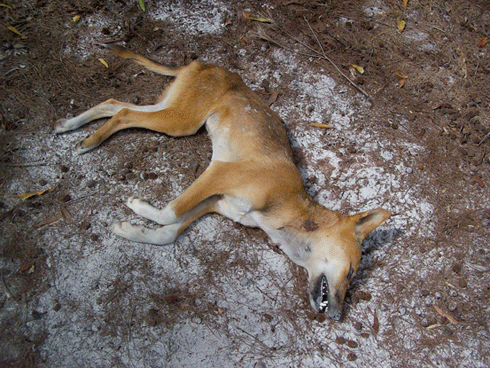
So, a few of us have just submitted a letter contesting the Western Australia Government’s recent decision to delist dingoes as ‘fauna’ (I know — what the hell else could they be?). The letter was organised brilliantly by Dr Kylie Cairns (University of New South Wales), and she and the rest of the signatories have agreed to reproduce the letter in full here on ConservationBytes.com. If you feel so compelled, please voice your distaste of this decision officially by contacting the Minister (details below).
Honourable Stephen Dawson MLC
Minister for Environment; Disability Services
Address: 12th Floor, Dumas House
2 Havelock Street, WEST PERTH WA 6005
(minister.dawson@dpc.wa.gov.au)
The undersigned welcome the opportunity to comment on and recommend alteration of the proposed section (9)(2) order of the Biodiversity Conservation Act 2016 (BC Act) that changes the listing of the dingo from “fauna” to “non-fauna” in Western Australia. Removing the “fauna” status from dingoes has serious consequences for the management and conservation of this species and other native biota it benefits. Currently, dingoes are classed as A7, or fauna that requires a management policy. The proposed section (9)(2) order will move dingoes (as “non-fauna”) to the A5 class, meaning that dingoes must be (lethally) controlled and there will be no obligation for the Department of Biodiversity, Conservation and Attractions to have an appropriate management policy (or approval).
As prominent researchers in top predator ecology, biology, cultural value and genetics, we emphasise the importance of dingoes within Australian, and particularly Western Australia’s ecosystems. Dingoes are indisputably native based on the legislative definition of “any animal present in Australia prior to 1400 AD” from the BC Act. Dingoes have been present in Australia for at least 5000 years. On the Australian mainland they are now the sole non-human land-based top predator. Their importance to the ecological health and resilience of Australian ecosystems cannot be overstated. Read the rest of this entry »
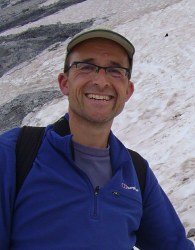
I’m excited to announce the upcoming public lecture by world-renowned sustainability scientist, Professor Andrew Balmford, at Flinders University on 17 July 2018.
Andrew is Professor of Conservation Science and a Royal Society Wolfson Research Merit Award holder at the Department of Zoology, University of Cambridge, and is on sabbatical at University of Tasmania until December 2018. His main research interests are exploring how conservation might best be reconciled with land-demanding activities such as farming, quantifying the costs and benefits of effective conservation, and examining what works in conservation. In his book Wild Hope(Chicago University Press), he argues that cautious optimism is essential in tackling environmental challenges. Andrew helped establish the Student Conference on Conservation Science, and Earth Optimism.
Professor Balmford will be presenting his seminar “How to feed the world without costing the Earth” (hosted by the Ecology & Evolution Research Group) at the Bedford Park Campus of Flinders University in South Lecture Theatre 1, from 12:00-13:00 on 17 July 2018. All are welcome.
Abstract: Globally, agriculture is the greatest threat to biodiversity and a major contributor to anthropogenic greenhouse gas emissions. How we choose to deal with rising human food demand will to a large degree determine the state of biodiversity and the wider environment in the 21st century. Read the rest of this entry »
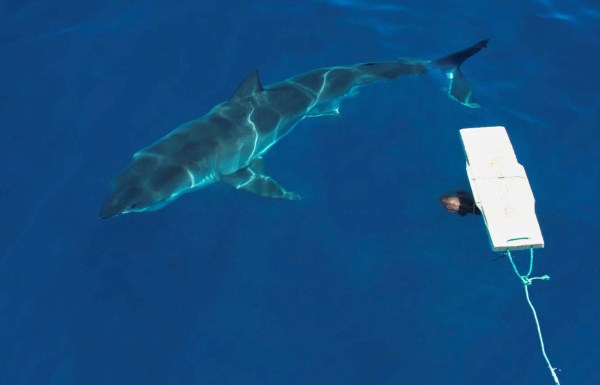
A little over a week ago, shark ecologist, Charlie Huveneers, and I attempted to write an article in The Conversation about a report we co-wrote regarding the effectiveness of personal shark-deterrent devices (see below for more on the report itself). It’s a great little story, with both immediate policy implications for human safety and great, big potential improvements to shark conservation in general (i.e., if sharks kill fewer people, then perhaps governments would be less inclined to invokes stupid laws to kill sharks). Indeed, sharks aren’t doing very well around the world, mainly because of over-harvest and persecution from unfounded fear.
Anyway, all was going swimmingly until our editor at The Conversation suddenly decided that they wouldn’t publish the piece based on the following funding disclaimer that we had submitted with the article:
This project was funded by the New South Wales Department of Primary Industries Shark Management Strategy Competitive Annual Grants Program, the Government of South Australia, Ocean Guardian Pty Ltd, and the Neiser Foundation. We openly and transparently declare that Ocean Guardian contributed financially to the study, but that Ocean Guardian was not involved in the study design or implementation, nor did they have access to the data post-collection. Nor did Ocean Guardian provide input into data analysis, interpretation, writing of the report, or the conclusions drawn. The study design followed a protocol developed for a previous study, which was not funded by Ocean Guardian. In summary, Ocean Guardian had no opportunity to influence any aspect of the study or its conclusions, apart from providing some financial support to realise the field project (e.g., boat hire, equipment purchase, etc.) in the same manner as the other funding agencies. The South Australian cage-diving industry provided logistical support during the testing of the deterrents.
The long and short of The Conversation‘s negative decision was that one of the companies contributed financially to project. However, as we stated above, they had absolutely no influence in the subsequent experimental design, data collection, analysis, interpretation or report writing.
While normally I’m a big fan of The Conversation, I really think they dropped the ball with this one. Their decision was illogical and unsupported for five main reasons:
There were many funding partners involved, and the Ocean Freedom contribution was in no way the major or even majority share of funding.
Other companies with devices tested could have contributed, but only Ocean Freedom offered.
As stated in our disclosure, there was no opportunity for manipulating experimental design, data ownership, or post-collection analysis or writing that could have influenced the results, by any funders or contributors.
The disclosure is open, honest, comprehensive and in every way truthful.
So, I’m more than just a little disappointed — and my opinion of the organisation has dropped considerably. That, with the constant barrage of donation requests they send makes me think twice about their journalistic integrity. I challenge others to think carefully before giving them any money.
Regardless, let’s move on to the article itself (which I can publish freely here without the Draconian oversight of The Conversation):
—
Many things might explain why the number of shark bites appear to be increasing. However, the infrequent occurrence of such events makes it nearly impossible to determine why. Recently, an atypically high rate of shark bites occurred in Western Australia in 2010-2011 and on the north coast of New South Wales in 2015-2016. These highly publicised events — often sensationalised in both traditional and social media — have pressured governments to implement new measures to reduce the risk of shark bites.
The rising pressure to do something to reduce shark bites has prompted the recent development or commercial release of many new personal shark deterrents. Yet, most of these devices lack any rigorous scientific assessment of their effectiveness, meaning that some manufacturers have made unfounded claims about how much their devices dissuade sharks from attacking humans.
However, if a particular type of commercially available shark deterrent happens to be less effective (or completely ineffective) as advertised, it can give users a false sense of security, potentially encouraging some to put themselves at greater risk than is necessary. For example, some surfers and spearfishers probably ignore other mitigation measures, such as beach closures, because they ‘feel safe’ when wearing these products.
When it comes to death rates for invasive European rabbits (Oryctolagus cuniculus) in Australia, it appears that 1 + 1 = 2.1.
Tagged European rabbit kitten infected with myxoma virus, but that died from rabbit haemorrhagic virus disease (RHDV). Photo by David Peacock, Biosecurity South Australia.
“Canberra, we have a problem” — Sure, it’s an old problem and much less of one than it used to be back in the 1950s, but invasive rabbits are nonetheless an ecological, conservation, and financial catastrophe across Australia.
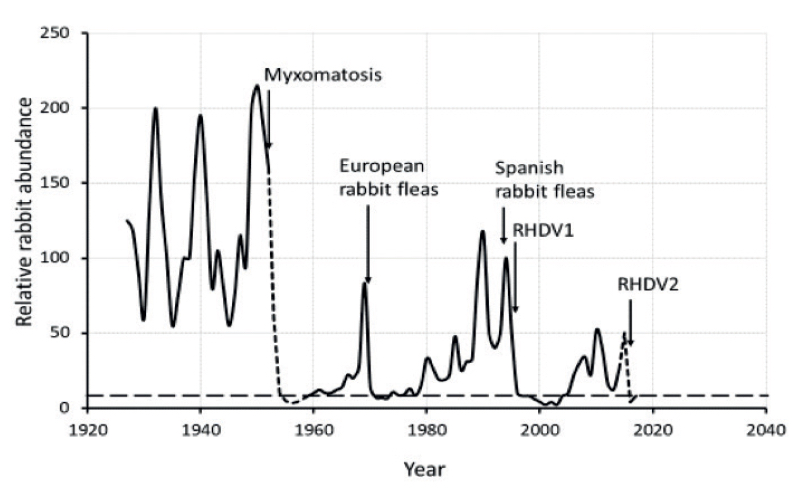
Semi-schematic diagram, redrawn using data from Saunders and others and extended to include the recent spread of RHDV2, showing changes in rabbit abundance in relation to the introduction of biological control agents into north-eastern South Australia. Dotted lines indicate uncertainty due to lack of continuous annual data. The broken line indicates a level of about 0.5 rabbits ha-1, below which rabbits must be held to ensure recovery of native pastures and shrubs (from B. Cooke 2018 Vet Rec doi:10.1136/vr.k2105)
Rabbits used to reach plague numbers in much of agricultural and outback Australia, but the introduction and clever manipulation of two rather effective rabbit-specific viruses and insect vectors — first, myxoma virus in 1950, European rabbit fleas in the 1960s to help spread the virus, then Spanish rabbit fleas in the 1990s to increase spread into arid areas, and then rabbit haemorrhagic disease virus (RHDV) in 1995 — have been effective in dropping rabbit abundances by an estimated 75-80% in South Australia alone since the 1950s.
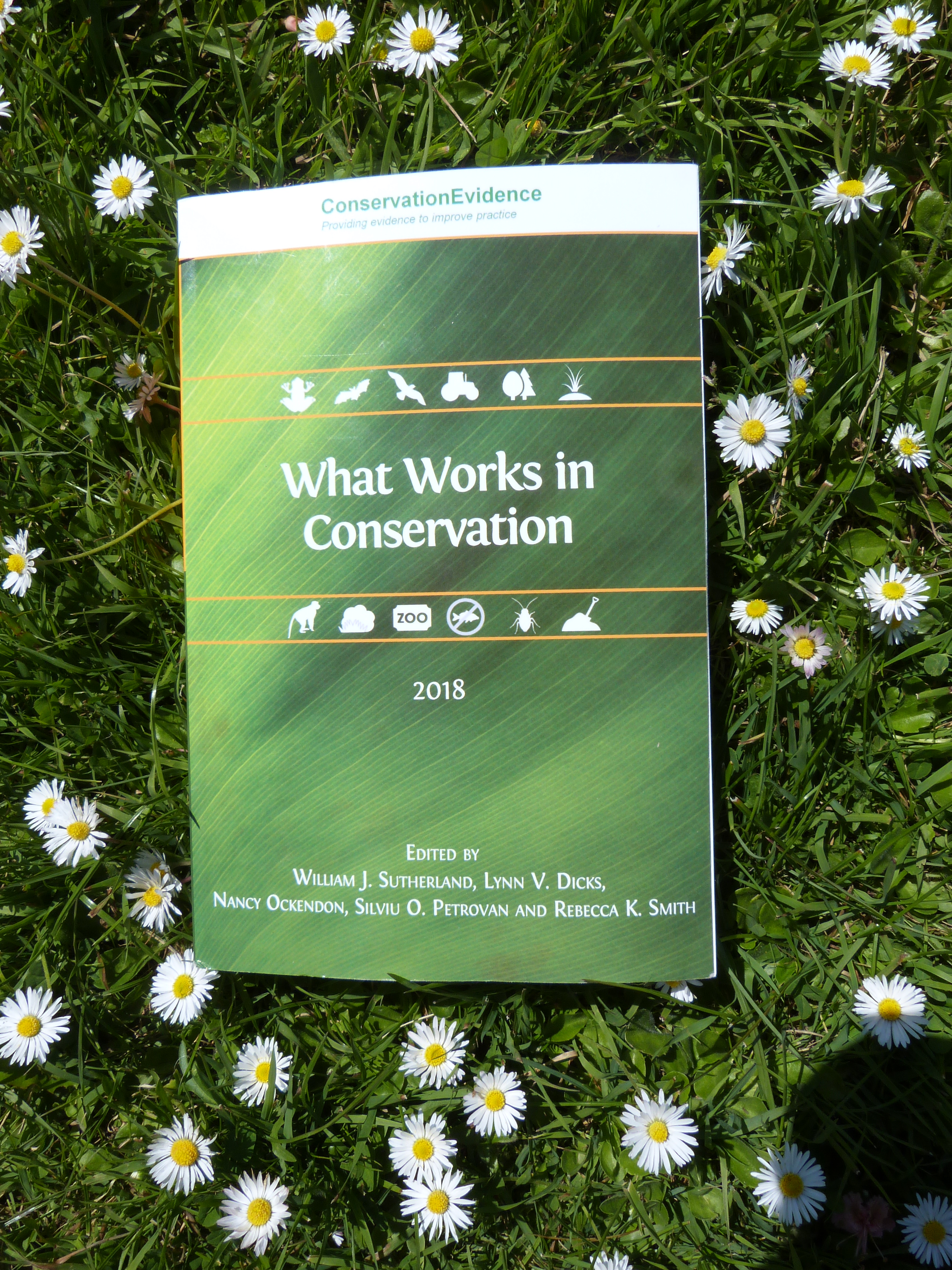
This book is free to download. This book contains the evidence for the effectiveness of over 1200 things you might do for conservation. If you don’t have a copy, go and download yourself a free one here, right now, before you even finish reading this article. Seriously. Go. You’ll laugh, you’ll cry, it’ll change your life.
Why you’ll laugh
OK, I may have exaggerated the laughing part. ‘What Works in Conservation 2018’ is a serious and weighty tome, 660 pages of the evidence for 1277 conservation interventions (anything you might do to conserve a species or habitat), assessed by experts and graded into colour-coded categories of effectiveness. This is pretty nerdy stuff, and probably not something you’ll lay down with on the beach or dip into as you enjoy a large glass of scotch (although I don’t know your life, maybe it is).
But that’s not really what it’s meant for. This is intended as a reference book for conservation managers and policymakers, a way to scan through your possible solutions and get a feel for those that are most likely to be effective. Once you have a few ideas in mind, you can follow the links to see the full evidence base for each study at conservationevidence.com, where over 5000 studies have been summarised into digestible paragraphs.
The book takes the form of discrete chapters on taxa, habitats or topics (such as ‘control of freshwater invasives’). Each chapter is split into IUCN threat categories such as ‘Agriculture’ or ‘Energy production and mining’. For each threat there are a series of interventions that could be used to tackle it, and for each of these interventions the evidence has been collated. Experts have then graded the body of the evidence over three rounds of Delphi scoring, looking at the effectiveness, certainty in the evidence (i.e., the quality and quantity of evidence available), and any harms to the target taxa. These scores combine to place each intervention in a category from ‘Beneficial’ to ‘Likely to be ineffective or harmful’. Read the rest of this entry »
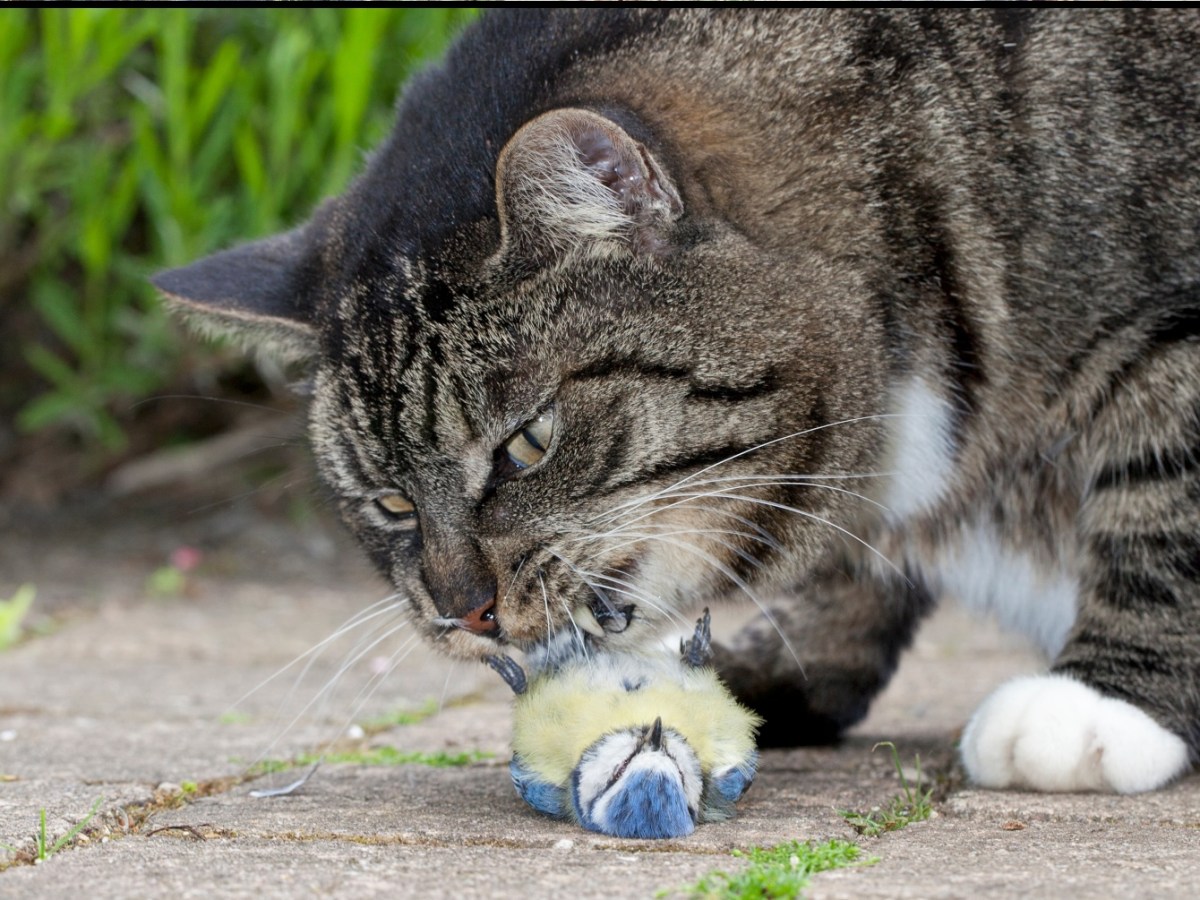
Those of us living with cats share our homes with an ancestral predator, one adapted for hunting and the frequent, exclusive consumption of meat. These instincts become fully activated outside the domestic environment, where cats pose a global threat to wildlife. Pets are family. We celebrate their arrival with the same joy as a grand…
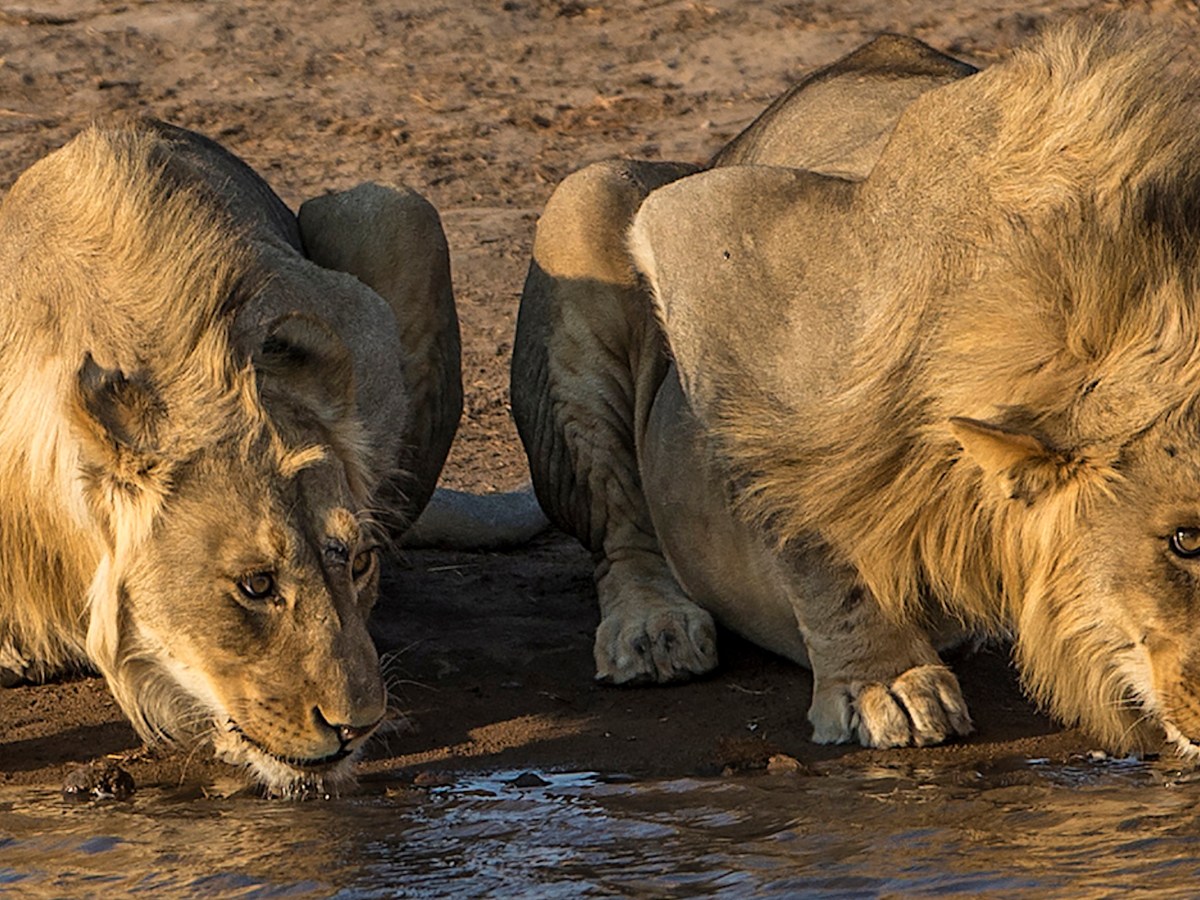
Many animals avoid contact with people. In protected areas of the African savanna, mammals flee more intensely upon hearing human conversations than when they hear lions or sounds associated with hunting. This fear of humans affects how species use and move in their habitat. Throughout our lives, we interact with hundreds of wildlife species without…
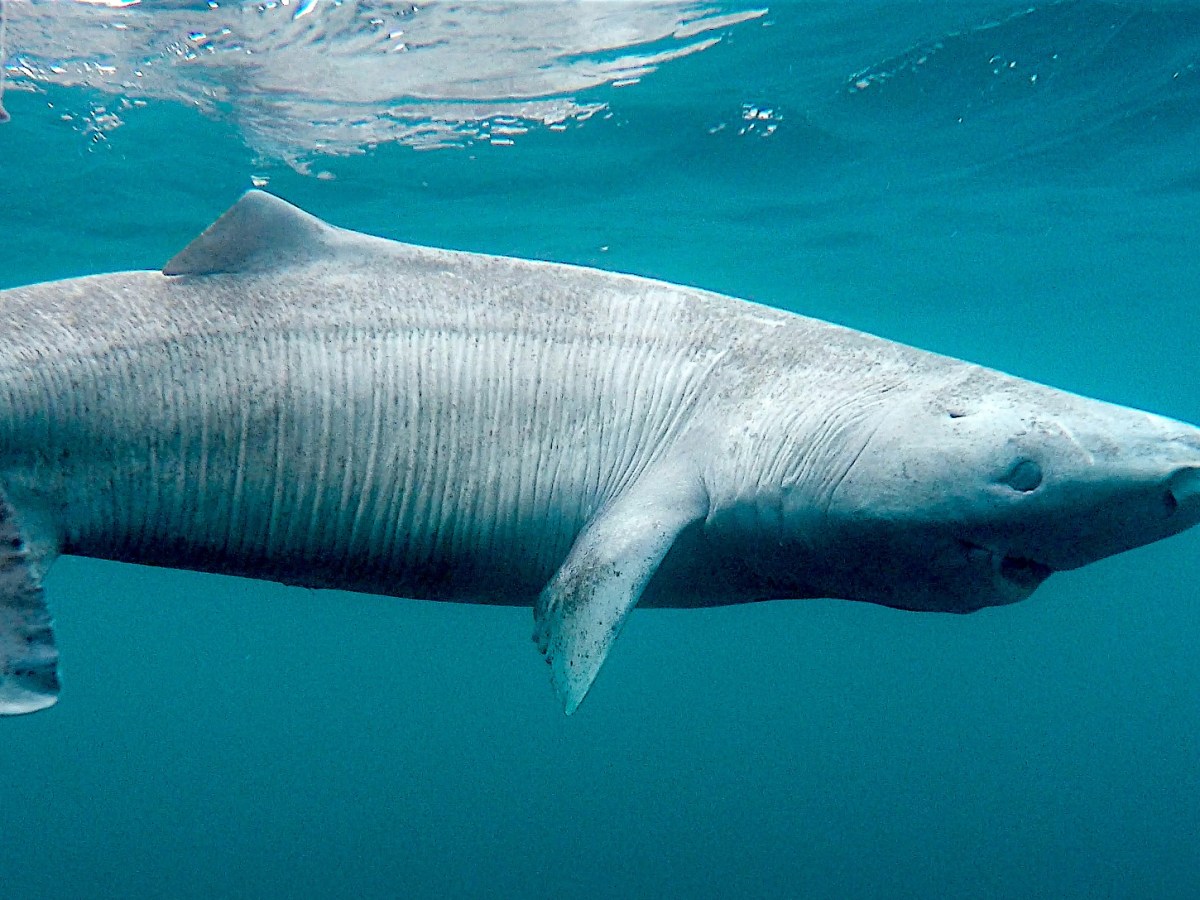
Deep-sea sharks include some of the longest-lived vertebrates known. The record holder is the Greenland shark, with a recently estimated maximum age of nearly 400 years. Their slow life cycle makes them vulnerable to fisheries. Humans rarely live longer than 100 years. But many other animals and plants can live for several centuries or even millennia, particularly…


 it’s a provocative title, I agree. But then again, it’s true.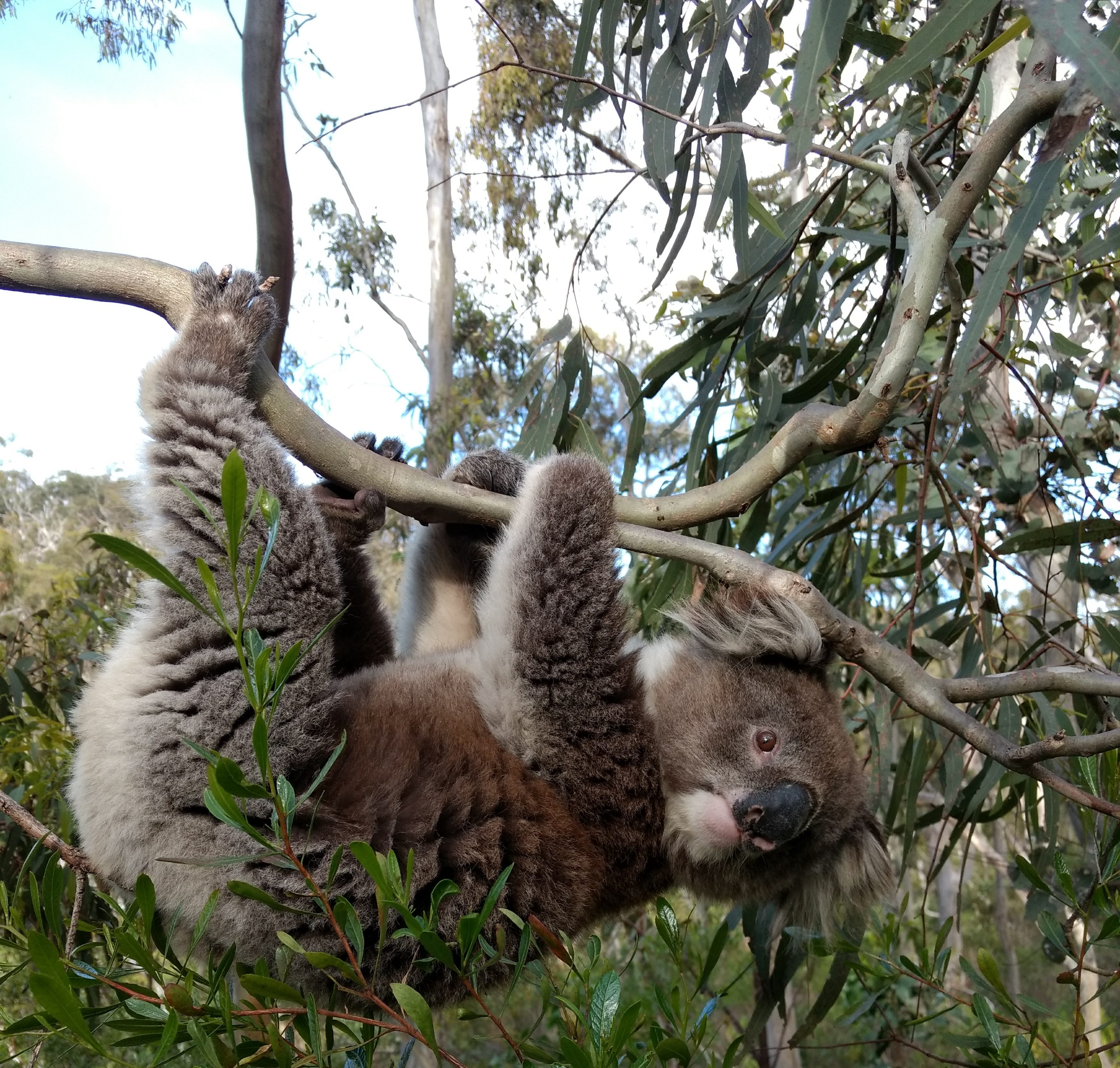
 (reproduced from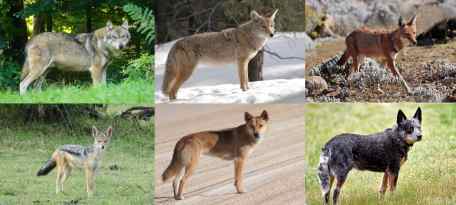



 So, a few of us have just submitted a letter contesting the Western Australia Government’s recent decision to delist dingoes as ‘fauna’ (I know — what the hell else could they be?). The letter was organised brilliantly by Dr
  I’m excited to announce the upcoming public lecture by world-renowned sustainability scientist, Professor





 ConservationBytes.com