Want to work with us?

22 03 2013
© Beboy-Fotolia

© Beboy-Fotolia

Today we announced a HEAP of positions in our Global Ecology Lab for hot-shot, up-and-coming ecologists. If you think you’ve got what it takes, I encourage you to apply. The positions are all financed by the Australian Research Council from grants that Barry Brook, Phill Cassey, Damien Fordham and I have all been awarded in the last few years. We decided to do a bulk advertisement so that we maximise the opportunity for good science talent out there.

We’re looking for bright, mathematically adept people in palaeo-ecology, wildlife population modelling, disease modelling, climate change modelling and species distribution modelling.

The positions are self explanatory, but if you want more information, just follow the links and contacts given below. For my own selfish interests, I provide a little more detail for two of the positions for which I’m directly responsible – but please have a look at the lot.

Good luck!

CJA Bradshaw

Job Reference Number: 17986 & 17987

The world-leading Global Ecology Group within the School of Earth and Environmental Sciences currently has multiple academic opportunities. For these two positions, we are seeking a Postdoctoral Research Associate and a Research Associate to work in palaeo-ecological modelling. Read the rest of this entry »


Food for sex

18 03 2013
Quercus_KakFeed Photo
Kakapo are unique among the ~ 400 parrot species (Psittaciformes) for being flightless, nocturnal and extremely long-lived (up to 100 years!). Additionally, they are herbivorous (seeds, fruits, polen, plants), males can weigh up to 2-4 kg (40% heavier than females), and females lay their eggs on the ground or cavities – i.e., 3 eggs in a single clutch annually, although 2 clutches might occur if the nest fails at the beginning of the reproductive season or if the eggs are taken for artificial incubation.Native to New Zealand, kakapo once inhabited the subalpine fringes of forest and scrub. Polynesians (1000 years ago) and Europeans (mostly in the XIX Century) arrived in the archipelago accompanied by dogs, cats, rats and mustelids that cornered kakapo populations in the Fiordland region (south-west of the South Island) where it was declared extinct in 1989. In 1977, a population of some 200 individuals was found on Stewart Island – this population was already in decline to the claws and jaws of feral cats. By the 1980s, the failure of captive breeding programs prompted the transfer of 60 individuals from Steward to carnivore-free islands. The global (known) population ‘rocketed’ from 50 individuals in 1999 to 126 in the 2012 censuses and, consequently, the kakapo’s IUCN status changed in 2000 from ‘Extinct in the Wild’ to ‘Critically Endangered’. Under the management of the Kakapo Recovery Programme, kakapo are now present on the islands of CodfishAnchor and Little Barrier.

Inbreeding, system shocks caused by fire or cyclones (for example), or demographic stochasticity (by which two or more outcomes are possible) such as how many males and females will be born in a single year, are all factors that threaten the persistence of small and fragmented populations. They can, however, be reverted by conservation actions.

If you have ever taken dancing classes, you will be familiar with the scarcity of male partners and how this can jeopardize group learning. When reproduction, rather than salsa pirouettes, is at stake, a biased sex ratio can compromise the persistence of species. For instance, when females are unable to find males (or vice versa), fertility rates can collapse as a result – a well-known cause of an Allee effect (1). Curiously, natural selection can promote such bias by favouring a species’ investment in litters dominated by one of the two genders. The evolutionary formulation of such scenario is that females can adjust the sex ratio of their offspring depending on the amount of available resources (2) – see contrasting cross-taxa studies on this subject (3-5). Thus, when resources abound (e.g., food), mothers can afford the offspring’s gender requiring more resources to reach adulthood or once adulthood is reached, is less likely to reproduce successfully (6). This predisposition to one gender or another can be key to the conservation of endangered species (7).

The kakapo case

At the end of the 1990s, the New Zealand Department of Conservation placed dispensers of supplementary food in the territories of some kakapo (a rather enormous, flightless parrot Strigops habroptilus) to encourage their reproduction. Back then, only 60 individuals were left of the entire species . Unfortunately, those females with access to the supplemental food conceived 67% of male chicks (so exacerbating the fact that kakapo populations are naturally male-biased), while those females without extra feeding had 71% of female chicks (8). Something wasn’t working. Read the rest of this entry »


Brave new green world: biodiversity’s response to Australia’s carbon economy

12 03 2013

carbon farming 2I’ve had a busy weekend entertaining visiting colleagues and participating in WOMADelaide‘s first-ever ‘The Planet Talks‘. If you haven’t heard of WOMADelaide, you’re truly missing out in one of the best music festivals going (and this is from a decidedly non-festival-going sort). Planet Talks this year was a bit of an experiment after the only partially successful Earth Station festival held last year (it was well-attended, but apparently wasn’t as financially successful as they had hoped). So this year they mixed a bit of science with a bit of music – hence ‘Planet Talks’. Paul Ehrlich was one of the star attractions, and I had the honour of going onstage with him yesterday to discuss a little bit about human population growth and sustainability. It was also great to see Robyn Williams again. All the Talks were packed out – indeed, I was surprised they were so popular, especially in the 39-degree heat. Rob Brookman, WOMADelaide’s founder and principal organiser, told me afterward that they’d definitely be doing it again.

But my post really isn’t about WOMADelaide or The Planet Talks (even though I got the bonus of meeting one of my favourite latin bands, Novalima, creators of one of my favourite songs). It’s instead about a paper I heralded last year that’s finally been accepted.

In early 2012 at the Terrestrial Ecosystem Research Network (TERN) symposium in Adelaide, the Australian Centre for Ecological Analysis and Synthesis (ACEAS) put on what they called the ‘Grand Challenges’ workshop. I really didn’t get the joke at the time, but apparently the ‘grand challenge’ was locking 30 scientists with completely different backgrounds in a room for two days to see if they could do anything other than argue and bullshit. Well, we rose to that challenge and produced something that I think is rather useful.

I therefore proudly introduce the paper entitled Brave new green world: consequences of a carbon economy for the conservation of Australian biodiversity just accepted in Biological Conservation. The online version isn’t quite ready yet (should be in the next few weeks), but you are welcome to request a preprint from me now. If you attended (the surprisingly excellent) TERN symposium in Canberra last month, you might have seen me give a brief synopsis of our results.

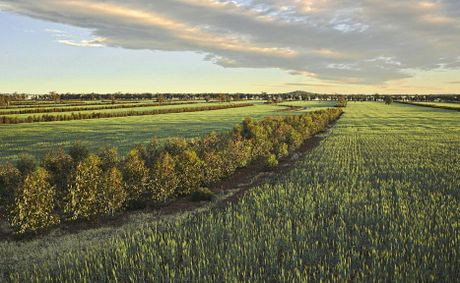
The paper is a rather  in-depth review of how we, 30 fire, animal, plant, soil, landscape, agricultural and freshwater biologists, believe Australia’s new carbon-influenced economy (i.e., carbon price) will impact the country’s biodiversity. Read the rest of this entry »


Hot topics in ecology

5 03 2013

HotTopic copyJust a short one today to highlight a new1 endeavour by the Ecological Society of Australia.

Ecological societies around the world (e.g., Ecological Society of Australia, British Ecological Society, Ecological Society of AmericaCzech Society for Ecology, Société française d’Écologie, etc. – see a fairly comprehensive list of ecological societies around the world here) are certainly worthwhile from an academic standpoint. I’m a member of at least three of them, and over the years I’ve found them to be a great way to meet colleagues to discuss various aspects of our work. The conferences are usually a lot of fun (although I’ve generally found the Ecological Society of America conferences are too huge and unwieldy to be terribly beneficial), the talks are usually pretty good, and the social programmes tend to demonstrate just how human we scientists can be (I’ll let you read into that what you want).

An outsider could easily argue, however, that most ecological societies are archaic bastions of a former time when ecology was more a theoretical endeavour for academic circles, with little of practical use in today’s society. I’d agree that many components of these societies still hold onto elements of this sentiment, but it’s fast becoming clear that ecological societies can play an immensely important role in shaping their countries’ environmental policy. Read the rest of this entry »


Crying ‘wolf’ overlooks the foxes: challenging ‘planetary tipping points’

28 02 2013

tipping pointToday, a paper by my colleague, Barry Brook, appeared online in Trends in Ecology and Evolution. It’s bound to turn a few heads.

Let’s not get distracted by the title of the post, or the potential for a false controversy. It’s important to be clear that the planet is indeed ill, and it’s largely due to us. Species are going extinct faster than the would have otherwise. The planet’s climate system is being severely disrupted, so is the carbon cycle. Ecosystem services are on the decline.

But – and it’s a big ‘but’ – we have to be wary of claiming the end of the world as we know it or people will shut down and continue blindly with their growth and consumption obsession. We as scientists also have to be extremely careful not to pull concepts and numbers out of our bums without empirical support.

Specifically, I’m referring to the latest ‘craze’ in environmental science writing – the idea of ‘planetary tipping points‘ and the related ‘planetary boundaries‘. It’s really the stuff of Hollywood disaster blockbusters – the world suddenly shifts into a new ‘state’ where some major aspect of how the world functions does an immediate about-face. Read the rest of this entry »


Cartoon guide to biodiversity loss XVIII

13 02 2013

Here’s the latest 6 biodiversity cartoons for your simultaneous viewing pleasure and pain (see full stock of previous ‘Cartoon guide to biodiversity loss’ compendia here).

Read the rest of this entry »


Whither goest the biggest fish?

7 02 2013
© W Osborn (AIMS)

© W Osborn (AIMS)

Well, since my own institute beat me to the punch on announcing our latest whale shark paper (really, far too keen, ladies & gents), I thought I’d better follow up with a post of my own.

We’ve mentioned our previous whale shark research before (see here and here for previous posts, and see the end of this post for a full list of our whale shark publications), but this is a lovely extension of that work by my recently completed PhD student, Ana Sequeira.

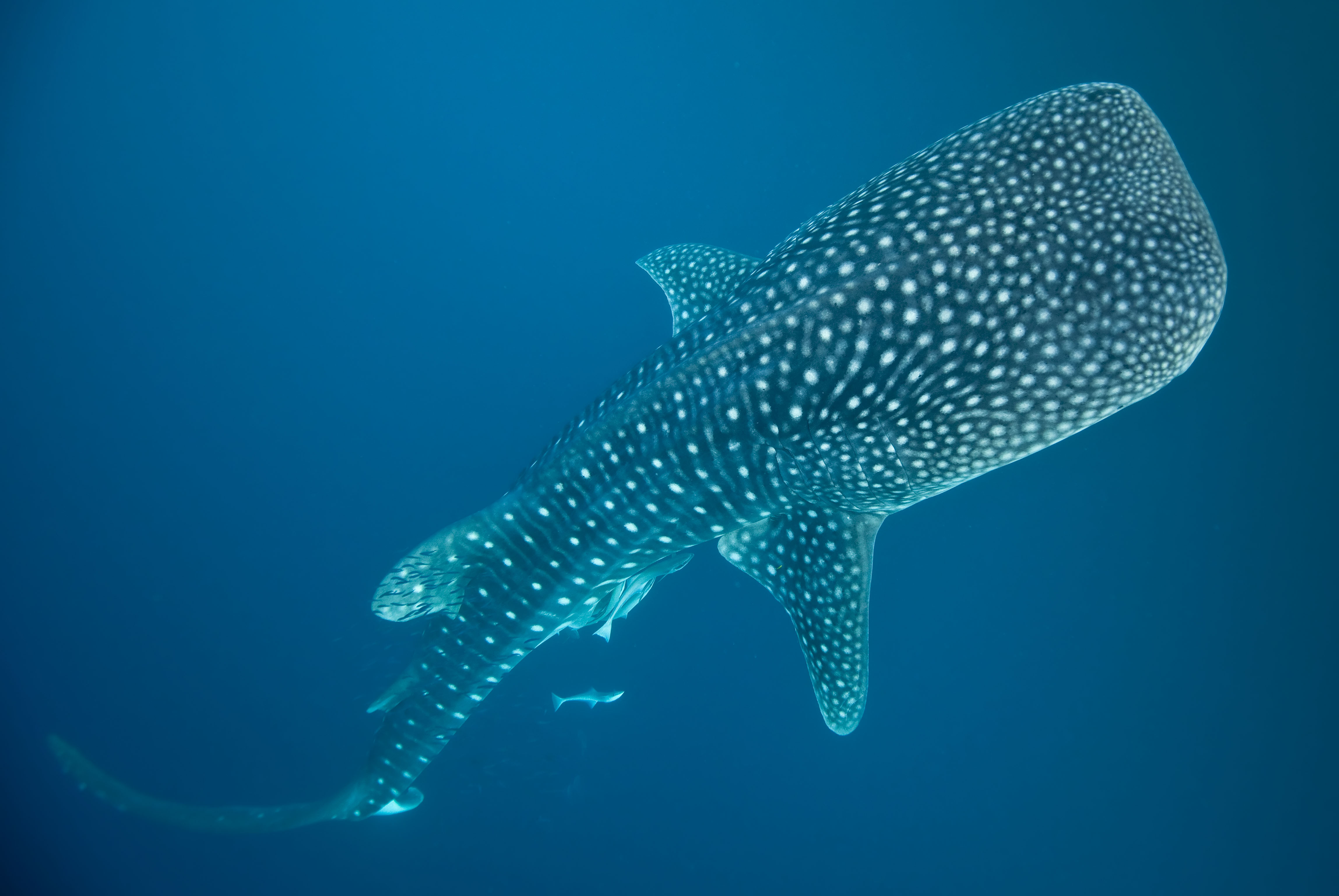
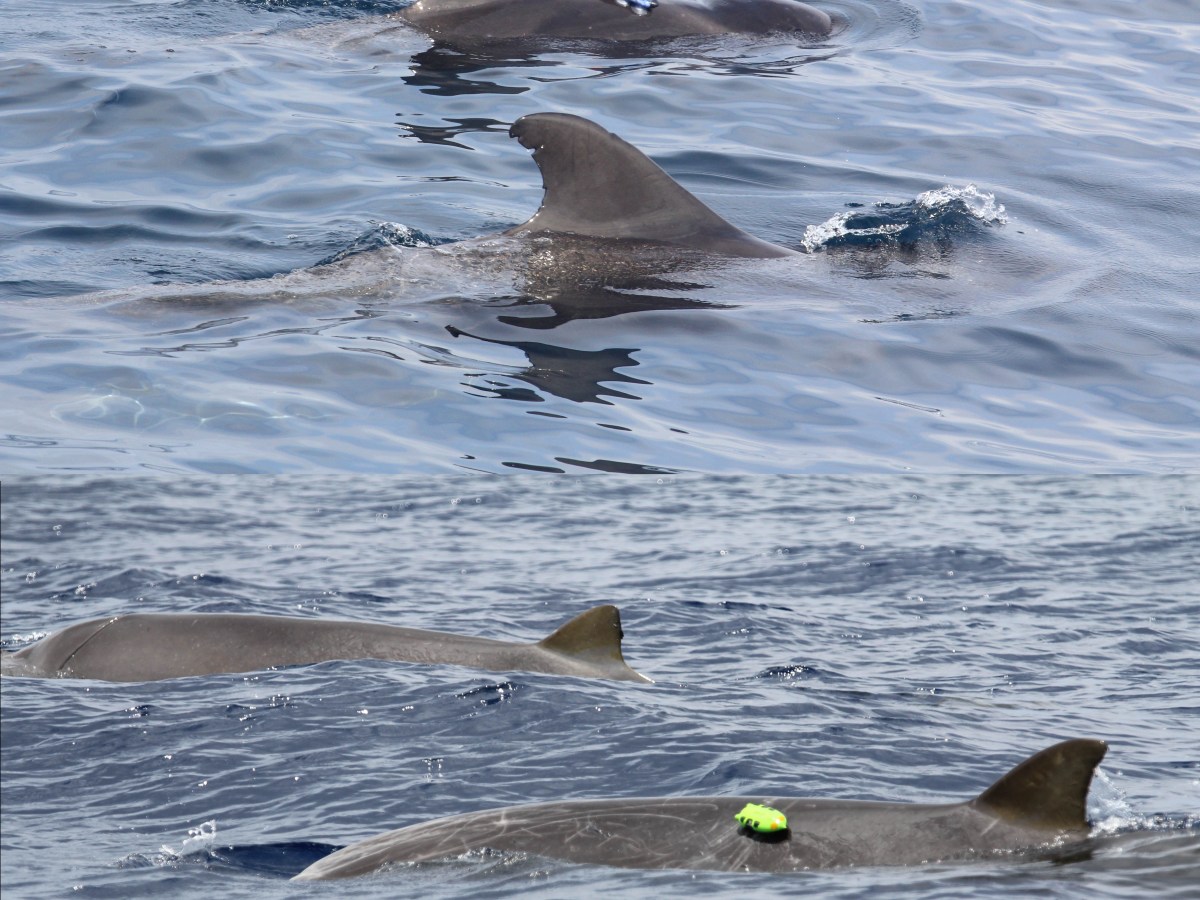
Her latest contribution, Inferred global connectivity of whale shark Rhincodon typus populations just published online in Journal of Fish Biology, describes what a lot of whale shark punters & researchers alike have suspected for a long time – global connectivity of all the oceans’ whale shark populations. The problem hasn’t been a lack of ‘evidence’ for this per se; there is now sufficient evidence from genetic studies that at least on the generational scale (a single generation could be up to 37 years long), populations among the major ocean basins are connected via migration (Castro et al. 2007Schmidt et al. 2009). The problem instead is that no one has ever observed a shark voyage between ocean basins, nor has anyone really suggested how and over what time scales this (must) happen.

Until now, that is. Read the rest of this entry »


Energy policy – substance wins over style

4 02 2013

happy nuclearThere’s a gradual, but rising tide of rational, enviro-progressive scientists out there who are committed to solving some of the world’s biggest problems. Many of these problems involve touchy subjects, including ways to reduce poverty while improving or maintaining high standards of living elsewhere, the means for ‘sustainable’ electricity generation, and how to limit the human population’s over-consumption and over-production.

Inevitably, however, many well-intentioned, but grossly misinformed environmentalists (‘enviro-conservatives’?) object to technical solutions based on emotional or ideological grounds alone. As self-professed enviro-progressives (but also scientists who base decisions on evidence, logic and balancing trade-offs as part of our everyday work), we hope to reduce this backlash by providing the data and analyses needed to make the best and most coherent decisions about our future.

On 14 September 2012, Japan’s government announced a nuclear-free policy to phase out its nuclear power generation by 2040. Of course, electricity demand would have to be supplied by both renewable energy and fossil fuels to respond the public unwillingness for nuclear power.

But is this most environmentally sound, safest and economically rational aim? In a new paper we’ve just had published in the peer-reviewed journal Energy Policy, we set out to test Japan’s intentions the best way we know – using empirical data and robust scenario modelling.

Before the March 2011 earthquake and tsunami, Japan produced 25% of its total electricity consumption from nuclear power, 63% from fossil fuels (mostly coal and liquefied natural gas), and 10% from renewables (including hydro). Originally, the Japanese government had planned to increase nuclear power up to 45% of supply, and include new renewables builds, to combine to make major cuts in greenhouse gas emissions by 2030 and meet or exceed their Kyoto targets. However, the original plan could reduce emissions by the energy sector from 1122 Mt CO2e in 2010 to < 720 Mt CO2e by 2030 (< 70% of 1990 emission levels). Read the rest of this entry »


Science immortalised in cartoon

1 02 2013

Well, this is a first for me (us).

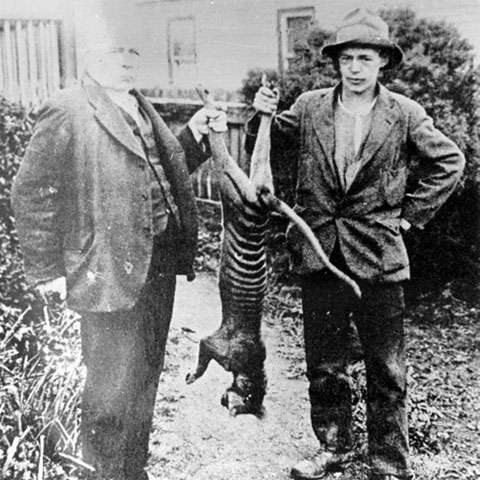
I’ve never had a paper of ours turned into a cartoon. The illustrious and brilliant ‘First Dog on the Moon‘ (a.k.a. Andrew Marlton) who is chief cartoonist for Australia’s irreverent ‘Crikey‘ online news magazine just parodied our Journal of Animal Ecology paper No need for disease: testing extinction hypotheses for the thylacine using multispecies metamodels that I wrote about a last month here on ConservationBytes.com.

Needless to say, I’m chuffed as a chuffed thing.

Enjoy!

Stripey


Why every scientist needs an online profile

31 01 2013
hide

Don’t be guilty of this.

It astounds me every time I hear about a scientist who is reluctant to place her or his track record on the internet. Now, I may be a little over-the-top when it comes to my own web-presence (some have labelled me a ‘media tart’, but I don’t mind), but I am convinced that without a strong, regularly updated web presence, you’re doing yourself a horrible disservice.

Let’s go through the regularly raised objections that some academics make for avoiding the investment in a strong web presence:

  1. My employer will get angry
  2. My track record isn’t good enough (i.e., I’m embarrassed)
  3. What I do is no one else’s business
  4. I couldn’t be bothered; it’s too much work
  5. No one reads it anyway

While there might be some truth to items 1 & 2 (although the justification is weak or often plainly untrue), the last three are pure bullshit.

Let’s start by analysing the bullshit (rolls up sleeves, starts digging…).

Read the rest of this entry »


Having more tree species makes us wealthier

28 01 2013

money treeAs more and more empirical evidence pours in from all corners of the globe, we can only draw one conclusion about the crude measure of species richness (i.e., number of species) – having more species around makes us richer.

And I’m not talking about the esoteric or ‘spiritual’ richness that the hippies dribble about around the campfire after a few dozen cones pulled off the bong (I’ll let the confused among you try to work the meaning of that one out by yourselves), I’m talking about real money (incorporated into my concept of ‘biowealth‘).

The idea that ‘more is better’ in terms of the number of species has traditionally found some (at times, conflicting) empirical support in the plant ecology literature, the latest evidence about which I wrote last year. This, the so-called ‘diversity-productivity’ relationship (DPR), demonstrates that as a forest or grass ecosystem gains more species, its average or total biomass production increases.

Read the rest of this entry »


Scaring our children with the future

21 01 2013

frightened childI’ve written before about how we should all be substantially more concerned about the future than what we as a society appear to be. Climate disruption is society’s enemy number one, especially considering that:

  1. all this unprecedented warming is happening on a template of highly degraded land- and seascapes. Extinction synergies (more extinctions than would otherwise be predicted by the simple sum of the different pressures) mean that climate change exacerbates the extinctions to which we are already committed;
  2. we show no sign of slowing emissions rates, partly because of the world’s ridiculous refusal to embrace the only known energy technology that can safely meet emissions-reduction requirements: nuclear power;
  3. there are 7 billion hungry, greedy humans on planet Earth, and that number is growing;
  4. scientific evidence denial, plutocracy and theocracy are all on the rise, meaning that logical, evidence-based decision making is being progressively tossed out the window.

That’s probably the most succinct way that I know of describing the mess we are in, which is why I tend to be more of a pragmatic pessimist when it comes to the future. I’ve discussed before how this outlook makes getting on with my job even more important – if I can’t reduce the rate of destruction and give my family a slightly better future in spite of this reality, at least I will damn well die trying. Read the rest of this entry »


Translocations: the genetic rescue paradox

14 01 2013

helphindranceHarvesting and habitat alteration reduce many populations to just a few individuals, and then often extinction. A widely recommended conservation action is to supplement those populations with new individuals translocated from other regions. However, crossing local and foreign genes can worsen the prospects of recovery.

We are all hybrids or combinations of other people, experiences and things. Let’s think of teams (e.g., engineers, athletes, mushroom collectors). In team work, isolation from other team members might limit the appearance of innovative ideas, but the arrival of new (conflictive) individuals might in fact destroy group dynamics altogether. Chromosomes work much like this – too little or too much genetic variability among parents can break down the fitness of their descendants. These pernicious effects are known as ‘inbreeding depression‘ when they result from reproduction among related individuals, and ‘outbreeding depression‘ when parents are too genetically distant.

CB_OutbreedingDepression Photo
Location of the two USA sites providing spawners of largemouth bass for the experiments by Goldberg et al. (3): the Kaskaskia River (Mississipi Basin, Illinois) and the Big Cedar Lake (Great Lakes Basin, Wisconsin). Next to the map is shown an array of three of the 72-litre aquaria in an indoor environment under constant ambient temperature (25 ◦C), humidity (60%), and photoperiod (alternate 12 hours of light and darkness). Photo courtesy of T. Goldberg.

Recent studies have revised outbreeding depression in a variety of plants, invertebrates and vertebrates (1, 2). An example is Tony Goldberg’s experiments on largemouth bass (Micropterus salmoides), a freshwater fish native to North America. Since the 1990s, the USA populations have been hit by disease from a Ranavirus. Goldberg et al. (3) sampled healthy individuals from two freshwater bodies: the Mississipi River and the Great Lakes, and created two genetic lineages by having both populations isolated and reproducing in experimental ponds. Then, they inoculated the Ranavirus in a group of parents from each freshwater basin (generation P), and in the first (G1) and second (G2) generations of hybrids crossed from both basins. After 3 weeks in experimental aquaria, the proportion of survivors declined to nearly 30% in G2, and exceeded 80% in G1 and P. Clearly, crossing of different genetic lineages increased the susceptibility of this species to a pathogen, and the impact was most deleterious in G2. This investigation indicates that translocation of foreign individuals into a self-reproducing population can not only import diseases, but also weaken its descendants’ resistance to future epidemics.

A mechanism causing outbreeding depression occurs when hybridisation alters a gene that is only functional in combination with other genes. Immune systems are often regulated by these complexes of co-adapted genes (‘supergenes’) and their disruption is a potential candidate for the outbreeding depression reported by Goldberg et al. (3). Along with accentuating susceptibility to disease, outbreeding depression in animals and plants can cause a variety of deleterious effects such as dwarfism, low fertility, or shortened life span. Dick Frankham (one of our collaborators) has quantified that the probability of outbreeding depression increases when mixing takes place between (i) different species, (ii) conspecifics adapted to different habitats, (iii) conspecifics with fixed chromosomal differences, and (iv) populations free of genetic flow with other populations for more than 500 years (2).

A striking example supporting (some of) those criteria is the pink salmon (Oncorhynchus gorbuscha) from Auke Creek near Juneau (Alaska). The adults migrate from the Pacific to their native river where they spawn two years after birth, with the particularity that there are two strict broodlines that spawn in either even or odd year – that is, the same species in the same river, but with a lack of genetic flow between populations. In vitro mixture of the two broodlines and later release of hybrids in the wild have shown that the second generation of hybrids had nearly 50% higher mortality rates (i.e., failure to return to spawn following release) when born from crossings of parents from different broodlines than when broodlines were not mixed (4).

Read the rest of this entry »


No need for disease

7 01 2013

dead or alive thylacineIt’s human nature to abhor admitting an error, and I’d wager that it’s even harder for the average person (psycho- and sociopaths perhaps excepted) to admit being a bastard responsible for the demise of someone, or something else. Examples abound. Think of much of society’s unwillingness to accept responsibility for global climate disruption (how could my trips to work and occasional holiday flight be killing people on the other side of the planet?). Or, how about fishers refusing to believe that they could be responsible for reductions in fish stocks? After all, killing fish couldn’t possibly …er, kill fish? Another one is that bastion of reverse racism maintaining that ancient or traditionally living peoples (‘noble savages’) could never have wiped out other species.

If you’re a rational person driven by evidence rather than hearsay, vested interest or faith, then the above examples probably sound ridiculous. But rest assured, millions of people adhere to these points of view because of the phenomenon mentioned in the first sentence above. With this background then, I introduce a paper that’s almost available online (i.e., we have the DOI, but the online version is yet to appear). Produced by our extremely clever post-doc, Tom Prowse, the paper is entitled: No need for disease: testing extinction hypotheses for the thylacine using multispecies metamodels, and will soon appear in Journal of Animal Ecology.

Of course, I am biased being a co-author, but I think this paper really demonstrates the amazing power of retrospective multi-species systems modelling to provide insight into phenomena that are impossible to test empirically – i.e., questions of prehistoric (and in some cases, even data-poor historic) ecological change. The megafauna die-off controversy is one we’ve covered before here on ConservationBytes.com, and this is a related issue with respect to a charismatic extinction in Australia’s recent history – the loss of the Tasmanian thylacine (‘tiger’, ‘wolf’ or whatever inappropriate eutherian epithet one unfortunately chooses to apply). Read the rest of this entry »


ConservationBytes.com in review

31 12 2012

The WordPress.com stats helper monkeys prepared a 2012 annual report for ConservationBytes.com.

Here’s an excerpt:

About 55,000 tourists visit Liechtenstein every year [bit random, isn’t it?]. ConservationBytes.com was viewed about 280,000 times in 2012. If it were Liechtenstein, it would take about 5 years for that many people to see it. ConservationBytes.com had more visits than a small country in Europe!

Click here to see the complete report.


Cartoon guide to biodiversity loss XVII

19 12 2012

I’m winding down here for the year (although there might be a few more posts before the New Year), so here’s the latest batch of 6 biodiversity cartoons (see full stock of previous ‘Cartoon guide to biodiversity loss’ compendia here).

Read the rest of this entry »


Rocking the scientific boat

14 12 2012
© C. Simpson

© C. Simpson

One thing that has simultaneously amused, disheartened, angered and outraged me over the past decade or so is how anyone in their right mind could even suggest that scientists band together into some sort of conspiracy to dupe the masses. While this tired accusation is most commonly made about climate scientists, it applies across nearly every facet of the environmental sciences whenever someone doesn’t like what one of us says.

First, it is essential to recognise that we’re just not that organised. While I have yet to forget to wear my trousers to work (I’m inclined to think that it will happen eventually), I’m still far, far away from anything that could be described as ‘efficient’ and ‘organised’. I can barely keep it together as it is. Such is the life of the academic.

More importantly, the idea that a conspiracy could form among scientists ignores one of the most fundamental components of scientific progress – dissension. And hell, can we dissent!

Yes, the scientific approach is one where successive lines of evidence testing hypotheses are eventually amassed into a concept, then perhaps a rule of thumb. If the rule of thumb stands against the scrutiny of countless studies (i.e., ‘challenges’ in the form of poison-tipped, flaming literary arrows), then it might eventually become a ‘theory’. Some theories even make it to become the hallowed ‘law’, but that is very rare indeed. In the environmental sciences (I’m including ecology here), one could argue that there is no such thing as a ‘law’.

Well-informed non-scientists might understand, or at least, appreciate that process. But few people outside the sciences have even the remotest clue about what a real pack of bastards we can be to each other. Use any cliché or descriptor you want – it applies: dog-eat-dog, survival of the fittest, jugular-slicing ninjas, or brain-eating zombies in lab coats.

Read the rest of this entry »


The biggest go first

11 12 2012
© James Cameron

© James Cameron

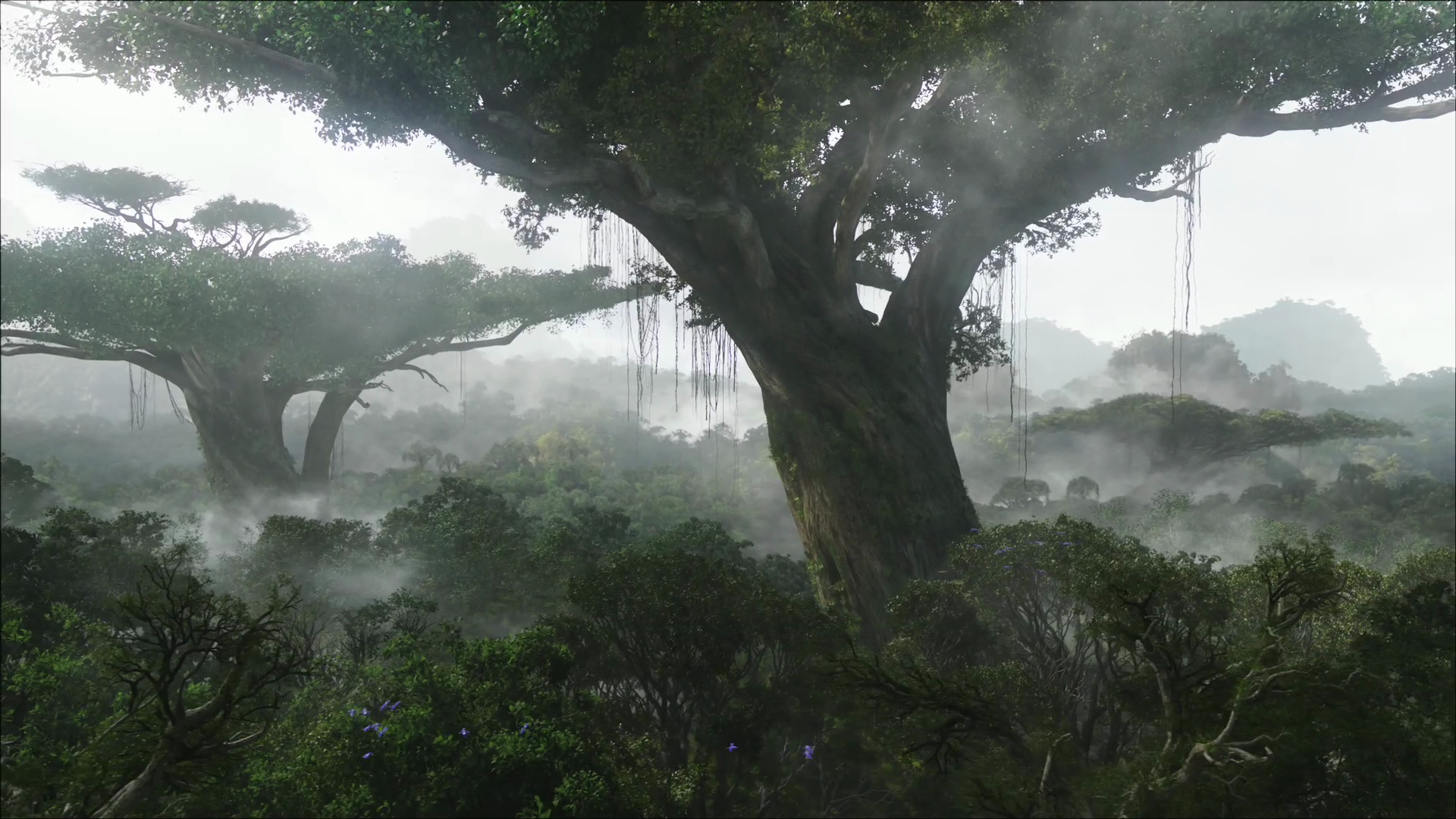
The saying “it isn’t rocket science” is a common cliché in English to state, rather sarcastically, that something isn’t that difficult (with the implication that the person complaining about it, well, shouldn’t). But I really think we should change the saying to “it isn’t ecology”, for ecology is perhaps one of the most complex disciplines in science (whereas rocket science is just ‘complicated’). One of our main goals is to predict how ecosystems will respond to change, yet what we’re trying to simplify when predicting is the interactions of millions of species and individuals, all responding to each other and to their outside environment. It becomes quickly evident that we’re dealing with a system of chaos. Rocket science is following recipes in comparison.

Because of this complexity, ecology is a discipline plagued by a lack of generalities. Few, if any, ecological laws exist. However, we do have an abundance of rules of thumb that mostly apply in most systems. I’ve written about a few of them here on ConservationBytes.com, such as the effect of habitat patch size on species diversity, the importance of predators for maintaining ecosystem stability, and that low genetic diversity doesn’t exactly help your chances of persisting. Another big one is, of course, that in an era of rapid change, big things tend to (but not always – there’s that lovely complexity again) drop off the perch before smaller things do.

The prevailing wisdom is that big species have slower life history rates (reproduction, age at first breeding, growth, etc.), and so cannot replace themselves fast enough when the pace of their environment’s change is too high. Small, rapidly reproducing species, on the other hand, can compensate for higher mortality rates and hold on (better) through the disturbance. Read the rest of this entry »


Advice for getting your dream job in conservation science

4 12 2012

people management

A few weeks ago I heard from an early-career researcher in the U.S. who had some intelligent things to say about getting jobs in conservation science based on a recent Conservation Biology paper she co-wrote. Of course, for all the PhDs universities are pumping out into the workforce, there will never be enough positions in academia for them all. Thus, many find their way into non-academic positions. But – does a PhD in science prepare you well enough for the non-academic world? Apparently not.

Many post-graduate students don’t start looking at job advertisements until we are actually ready to apply for a job. How often do we gleam the list of required skills and say, “If only I had done something to acquire project management skills or fundraising skills, then I could apply for this position…”? Many of us start post-graduate degrees assuming that our disciplinary training for that higher degree will prepare us appropriately for the job market. In conservation science, however, many non-disciplinary skills (i.e., beyond those needed to be a good scientist) are required to compete successfully for non-academic positions. What are these skills?

Our recent paper in Conservation Biology (Graduate student’s guide to necessary skills for nonacademic conservation careers) sifted through U.S. job advertisements and quantified how often different skills are required across three job sectors: nonprofit, government and private. Our analysis revealed that several non-disciplinary skills are particularly critical for job applicants in conservation science. The top five non-disciplinary skills were project management, interpersonal, written communication, program leadership and networking. Approximately 75% of the average job advertisement focused on disciplinary training and these five skills. In addition, the importance of certain skills differed across the different job sectors.

Below, we outline the paper’s major findings with regard to the top five skills, differences among sectors, and advice for how to achieve appropriate training while still in university. Read the rest of this entry »


Individuals a population to conserve make

28 11 2012
Unique in its genus, the saiga antelope inhabits the steppes and semi-desert environments in two sub-species split between Kazakhstan (Saiga tatarica tatarica, ~ 80% of the individuals) and Mongolia (Saiga tatarica mongolica). Locals hunt them for their meat and the (attributed) medicinal properties of male horns. Like many ungulates, the population is sensitive to winter severity and summer drought (which signal seasonal migrations of herds up to 1000 individuals). But illegal poaching has reduced the species from > 1 million in the 1970s to ~ 50000 currently (see RT video). The species has gone extinct in China and Ukraine, and has been IUCN “Critically Endangered” from 2002. The photo shows a male in The Centre for Wild Animals, Kalmykia, Russia (courtesy of Pavel Sorokin).

In a planet approaching 7 billion people, individual identity for most of us goes largely unnoticed by the rest. However, individuals are important because each can promote changes at different scales of social organisation, from families through to associations, suburbs and countries. This is not only true for the human species, but for any species (1).

It is less than two decades since many ecologists started pondering the ways of applying the understanding of how individuals behave to the conservation of species (2-9), which some now refer to as ‘conservation behaviour’ (10, 11). The nexus seems straightforward. The decisions a bear or a shrimp make daily to feed, mate, move or shelter (i.e., their behaviour) affect their fitness (survival + fertility). Therefore, the sum of those decisions across all individuals in a population or species matters to the core themes handled by conservation biology for ensuring long-term population viability (12), i.e., counteracting anthropogenic impacts, and (with the distinction introduced by Cawley, 13) reversing population decline and avoiding population extinction.

To use behaviour in conservation implies that we can modify the behaviour of individuals to their own benefit (and mostly, to the species’ benefit) or define behavioural metrics that can be used as indicators of population threats. A main research area dealing with behavioural modification is that of anti-predator training of captive individuals prior to re-introduction. Laden with nuances, those training programs have yielded contrasting results across species, and have only tested a few instances of ‘success’ after release into the wild (14). For example, captive black-tailed prairie dogs (Cynomys ludovicianus) exposed to stuffed hawks, caged ferrets and rattlesnakes had higher post-release survival than untrained individuals in the grasslands of the North American Great Plains (15). A clear example of a threat metric is aberrant behaviour triggered by hunting. Eleanor Milner-Gulland et al. (16) have reported a 46 % reduction in fertility rates in the saiga antelope (Saiga tatarica) in Russia from 1993-2002. This species forms harems consisting of one alpha male and 12 to 30 females. Local communities have long hunted this species, but illegal poaching for horned males from the early 1990s (17) ultimately led to harems with a female surplus (with an average sex ratio up to 100 females per male!). In them, only a few dominant females seem to reproduce because they engage in aggressive displays that dissuade other females from accessing the males. Read the rest of this entry »