Microclimates: thermal shields against global warming for small herps

22 11 2017

Thermal microhabitats are often uncoupled from above-ground air temperatures. A study focused on small frogs and lizards from the Philippines demonstrates that the structural complexity of tropical forests hosts a diversity of microhabitats that can reduce the exposure of many cold-blooded animals to anthropogenic climate warming.
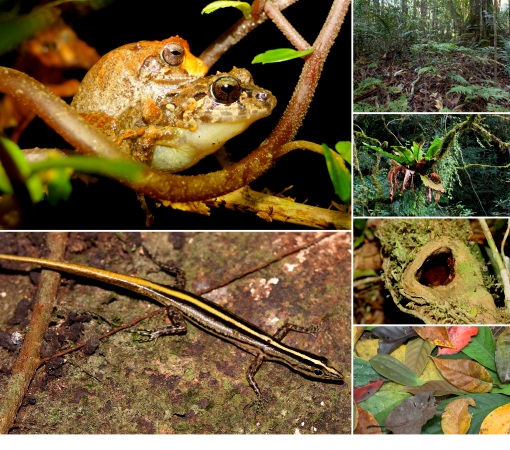
Luzon forest frogs

Reproductive pair of the Luzon forest frogs Platymantis luzonensis (upper left), a IUCN near-threatened species restricted to < 5000 km2 of habitat. Lower left: the yellow-stripped slender tree lizard Lipinia pulchella, a IUCN least-concerned species. Both species have body lengths < 6 cm, and are native to the tropical forests of the Philippines. Right panels, top to bottom: four microhabitats monitored by Scheffers et al. (2), namely ground vegetation, bird’s nest ferns, phytotelmata, and fallen leaves above ground level. Photos courtesy of Becca Brunner (Platymantis), Gernot Kunz (Lipinia), Stephen Zozaya (ground vegetation) and Brett Scheffers (remaining habitats).

If you have ever entered a cave or an old church, you will be familiar with its coolness even in the dog days of summer. At much finer scales, from centimetres to millimetres, this ‘cooling effect’ occurs in complex ecosystems such as those embodied by tropical forests. The fact is that the life cycle of many plant and animal species depends on the network of microhabitats (e.g., small crevices, burrows, holes) interwoven by vegetation structures, such as the leaves and roots of an orchid epiphyte hanging from a tree branch or the umbrella of leaves and branches of a thick bush.

Much modern biogeographical research addressing the effects of climate change on biodiversity is based on macroclimatic data of temperature and precipitation. Such approaches mostly ignore that microhabitats can warm up or cool down in a fashion different from that of local or regional climates, and so determine how species, particularly ectotherms, thermoregulate (1). To illustrate this phenomenon, Brett Scheffers et al. (2) measured the upper thermal limits (typically known as ‘critical thermal maxima’ or CTmax) of 15 species of frogs and lizards native to the tropical forest of Mount Banahaw, an active volcano on Luzon (The Philippines). The > 7000 islands of this archipelago harbour > 300 species of amphibians and reptiles (see video here), with > 100 occurring in Luzon (3).


Read the rest of this entry »


Ecologists are gender-biased

16 11 2017
sexism-image

© xkcd.com

I normally don’t do this, but this is an extra-ordinary circumstance.

As many of you are already aware, Franck Courchamp and I published a paper in Nature Ecology and Evolution on Monday that ranked high-profile ecology papers. I won’t go into any details about the list here, because you can read the paper and the associated blog posts themselves.

The publication caused a bit of a stir among ecologists, evidenced by the rather high and rising Altmetrics score for the paper (driven mainly by a Boaty McBoatface-load of tweets). I haven’t done any social-media analysis, but it appears that most of the tweets were positive, a few were negative, and a non-trivial proportion of them were highly critical of the obvious male-biased nature of the list (in terms of article authors).

On that last point, we couldn’t agree more.

Which is why we have a follow-up analysis specifically addressing this gender bias, but that’s currently in review in Nature Ecology and Evolution.

In the meantime, however, and at the suggestion of possibly one of the coolest, nicest, and most logical editors in the world, Dr Patrick Goymer (Editor-in-Chief of Nature Ecology and Evolution), I’ve just posted a pre-print of our paper entitled “Gender-biased perceptions of important ecology articles” on bioRxiv.

Read the rest of this entry »


Postdoctoral position re-opened in Global Ecology

18 10 2017

women-are-better-codersI believe it is important to clarify a few things about the job advertisement that we are re-opening.

As many of you might recall, we advertised two positions in paleo-ecological modelling back in July — one in ecological networks, and the other in vegetation modelling.

We decided to do something a little unusual with the vegetation modelling position by only accepting applications from women. We did this expressly to increase the probability of attracting excellent women candidates, and to increase the number of women scientists in our lab.

I’m happy to say that we received many great applications for both positions, and whether or not it was related, most of the applicants for both positions were women (83%). As it turned out, we ended up offering the network position to a woman applicant, but we were unable to find an ideal candidate for the vegetation modelling job (i.e., the one that was originally targeting women only).

Our decision not to appoint anyone in the first round of applicants for the vegetation modelling position was clearly not related to the fact that it a woman-only position, mainly because we had so many excellent women candidates for both positions (and ended up hiring a woman for the position that was open to both genders). In other words, it seems to be a just one of those random things.

That said, we are still in need of a great vegetation modeller (or at least, someone who has the capacity to learn this knowledge), and so we have decided to re-open the announcement to both genders. However, it should go without saying that we particularly encourage women to apply.

The full details of the position, essential and desired criteria, and application process are available here (Vacancy Reference Number 17115). Note that the application closing date is 15 November 2017.

Please distribute this widely among your networks.

CJA Bradshaw


Two new postdoctoral positions in ecological network & vegetation modelling announced

21 07 2017

19420366_123493528240028_621031473222812853_n

With the official start of the new ARC Centre of Excellence for Australian Biodiversity and Heritage (CABAH) in July, I am pleased to announce two new CABAH-funded postdoctoral positions (a.k.a. Research Associates) in my global ecology lab at Flinders University in Adelaide (Flinders Modelling Node).

One of these positions is a little different, and represents something of an experiment. The Research Associate in Palaeo-Vegetation Modelling is being restricted to women candidates; in other words, we’re only accepting applications from women for this one. In a quest to improve the gender balance in my lab and in universities in general, this is a step in the right direction.

The project itself is not overly prescribed, but we would like something along the following lines of inquiry: Read the rest of this entry »


It’s not all about temperature for corals

31 05 2017

CB_ClimateChange6_Photo

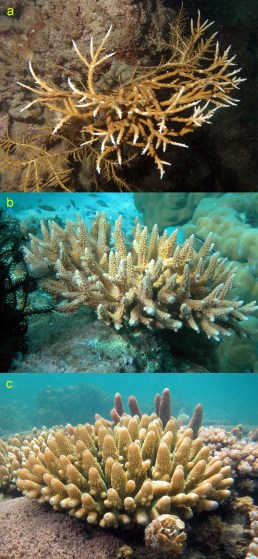
Three of the coral species studied by Muir (2): (a) Acropora pichoni: Pohnpei Island, Pacific Ocean — deep-water species/IUCN ‘Near threatened’; (b) Acropora divaricate: Maldives, Indian ocean — mid-water species/IUCN ‘Near threatened’; and (c) Acropora gemmifera: Orpheus Island, Australia — shallow-water species/IUCN ‘Least Concern’. The IUCN states that the 3 species are vulnerable to climate change (acidification, temperature extremes) and demographic booms of the invading predator, the crown-of-thorns starfish Acanthaster planci. Photos courtesy of Paul Muir.

Global warming of the atmosphere and the oceans is modifying the distribution of many plants and animals. However, marine species are bound to face non-thermal barriers that might preclude their dispersal over wide stretches of the sea. Sunlight is one of those invisible obstacles for corals from the Indian and Pacific Oceans.

If we were offered a sumptuous job overseas, our professional success in an unknown place could be limited by factors like cultural or linguistic differences that have nothing to do with our work experience or expertise. If we translate this situation into biodiversity terms, one of the best-documented effects of global warming is the gradual dispersal of species tracking their native temperatures from the tropics to the poles (1). However, as dispersal progresses, many species encounter environmental barriers that are not physical (e.g., a high mountain or a wide river), and whose magnitude could be unrelated to ambient temperatures. Such invisible obstacles can prevent the establishment of pioneer populations away from the source.

Corals are ideal organisms to study this phenomenon because their life cycle is tightly geared to multiple environmental drivers (see ReefBase: Global Information System for Coral Reefs). Indeed, the growth of a coral’s exoskeleton relies on symbiotic zooxanthellae (see video and presentation), a kind of microscopic algae (Dinoflagellata) whose photosynthetic activity is regulated by sea temperature, photoperiod and dissolved calcium in the form of aragonite, among other factors.

Read the rest of this entry »


Spring asynchrony in migratory birds

15 05 2017
CB_ClimateChange5_BirdLateMigratoryArrival_Photo

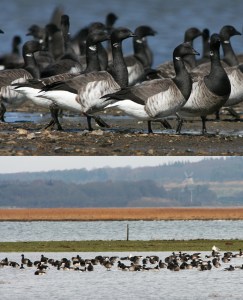
Brent geese flock in the Limfjorden (Denmark)courtesy of Kevin Clausen. The Brent goose (Branta bernicla) is a migratory goose that breeds in Arctic coasts, as well as in northern Eurasia and the Americas, starting from late May to early June. Adults are about 0.5 m long, weigh some 2 kg and live up to 30 years. Their nests are placed in the ground, where reproductive pairs incubate a single clutch (≤ 5 eggs) for a couple of months. They are herbivores, feeding on algae (mainly Zostera marina in Limfjord) and seagrass in estuaries, fjords, intertidal areas and rocky beaches during fall and winter. During summer they feed on tundra herbs, moss, lichens, as well as aquatic plants in rivers and lakes. The species is ‘Least Concern’ for the IUCN, with a global population at some 600,000 individuals.

Migratory birds synchronise their travel from non-breeding to breeding quarters with the seasonal conditions optimal for reproduction. Above all, they decide when to migrate on the basis of the climate of their wintering areas while they are there. As climate change involves earlier springs in the Arctic but not in the wintering areas, there is a lack of synchronisation that leads to a demographic decline of these birds in the polar regions where they breed.

When I think about how species respond to climate change, the song from the ClashShould I stay or should I go” comes to mind. As climate changes, species eventually have to face an ultimate choice: (i) stay and adapt to novel conditions or become locally extinct if adaptation fails, (ii) or move to other regions where climatic conditions should be more suitable. Migratory species have to face this decision every time they have to move back and forth from non-breeding to breeding grounds.

Migration is a behavioural strategy shared by different animal groups like sea turtles, mammals, amphibians, insects or birds. Species move from one area to another usually to feed and reproduce in the best climatic conditions possible. For birds, migration is a common phenomenon that typically entails large movements between breeding and wintering grounds. These vertebrates boast some of the longest migratory distances known in the animal kingdom, particularly seabirds like Artic terns, which can complete up to a round-world trip in a single migratory event between the UK and the Antarctic (1). There are several theories about the mechanisms triggering bird migration, including improving body condition and fitness through unexploited resources (2), reducing parasite load (3), minimizing predation risk (4), maximizing day-light (5), or reducing competition (6, 7). Whatever the cause, birds have to decide when the best moment to migrate is, counting only with the (usually climatic) clues they have at the departure site. Read the rest of this entry »


Noses baffled by ocean acidification

18 04 2017

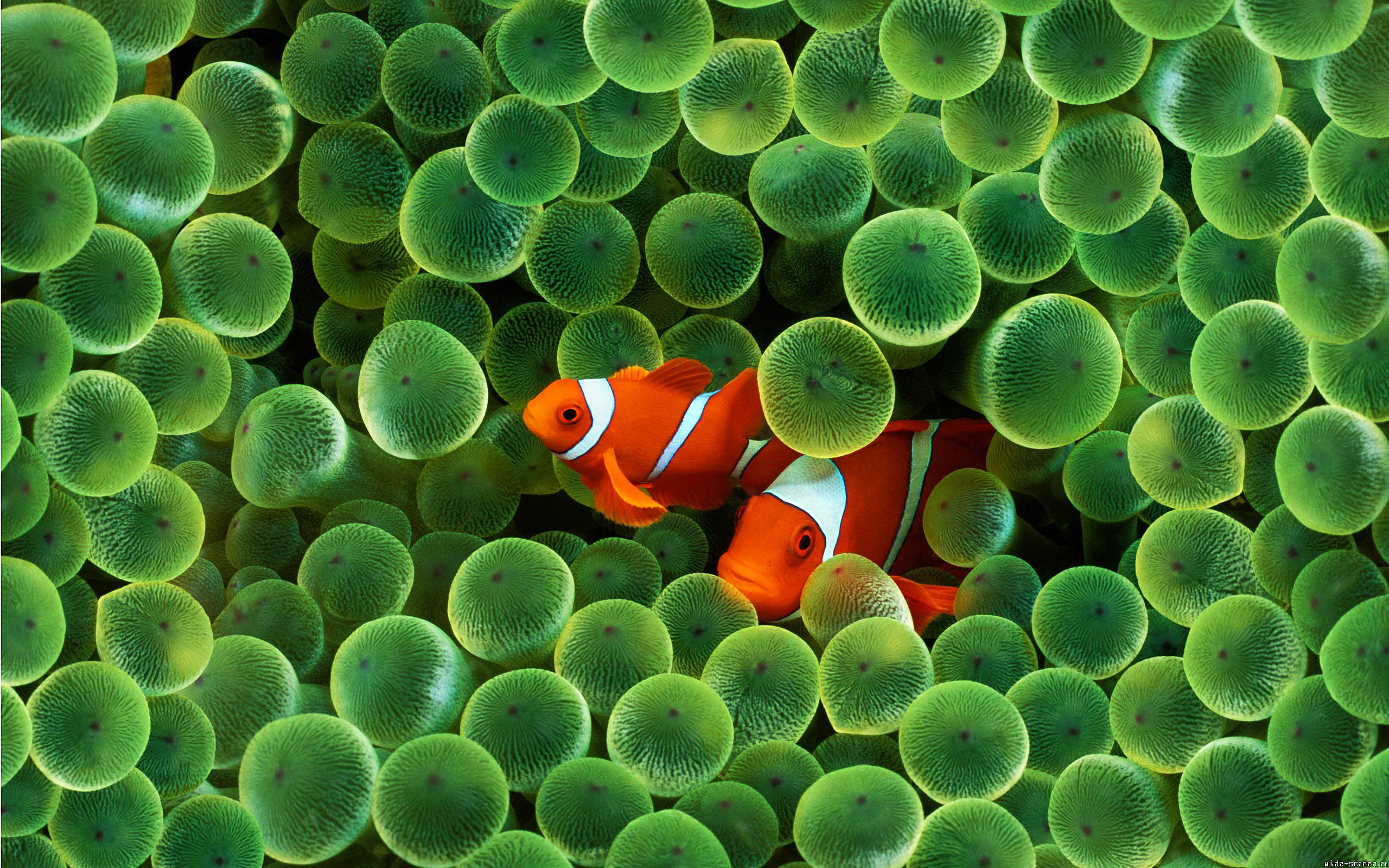
Clown fish couple (Amphiprion percula) among the tentacles of anemone Heteractis magnifica in Kimbe Bay (Papua New Guinea) – courtesy of Mark McCormick. Clownfish protect anemones from predators and parasites in exchange of shelter and food. The fish tolerates the host’s venom because its skin is protected by a mucus layer some 2-3× thicker than phylogenetically related species (12); clownfish fabricate the mucus themselves and seem to obtain anemone antigens through a period of acclimation (13), but whether protection is acquired or innate is still debated. Clownfish are highly social bony fish, forming groups with one reproductive pair (up to 11 cm in length each) and several smaller, non-reproductive males. Reproduction is protandrous (also known as sequential hermaphroditism), so larvae are born male and, as soon as the reproductive female dies, her widower becomes female and the largest of the subsidiary males becomes the alpha male. The IUCN lists clownfish, generically named ‘anemone fish’, as threatened by the pet-trade industry and habitat degradation, although surprisingly, only 1 species has been assessed (A. sandaracinos). The clown anemone fish A. ocellaris is the species that inspired Nemo in the 2003 Academy-Award fiction movie – contrary to the logical expectation that the Oscars Red Carpet would generate support for conservation on behalf of Hollywood, of the 1568 species represented in the movie, only 16 % of those evaluated are threatened (14).

Smell is like noise, the more scents we breathe in one sniff, the more difficult it is to distinguish them to the point of olfactory saturation. Experimental work with clownfish reveals that the increase in dissolved carbon dioxide in seawater, mimicking ocean acidification, alters olfactory physiology, with potential cascading effects on the demography of species.

Places such as a restaurant, a hospital or a library have a characteristic bouquet, and we can guess the emotional state of other people by their scents. Smell is critical between predators and prey of many species because both have evolved to detect each other without the aid of vision. At sea, the smell of predators dissolves in water during detection, attack, capture, and ingestion of prey, and many fishes use this information to assess the risk of ending up crunched by enemy teeth (1, 2). But predator-prey interactions can be modified by changes in the chemical composition of seawater and are therefore highly sensitive to ongoing ocean acidification (see global measuring network here). Experts regard ocean acidification as the ‘other CO2 problem’ of climate change (3) — just to emphasize that anthropogenic climate-change impacts terrestrial and aquatic ecosystems alike. Acidification occurs because the ocean absorbs CO2 at a rate proportional with the concentration of this gas in the atmosphere and, once dissolved, CO2 becomes carbonic acid (H2CO3), which in turn releases protons (H+) — in simple terms, pH is the concentration of protons (see video about ocean acidification): Read the rest of this entry »


Job: Research Fellow in Palaeo-Ecological Modelling

13 04 2017

© seppo.net

I have another postdoctoral fellowship to advertise! All the details you need for applying are below.

KEY PURPOSE 

Scientific data such as fossil and archaeological records used as proxy to reconstruct past environments and biological communities (including humans) are sparse, often ambiguous or contradictory when establishing any consensus on timing or routes of initial human arrival and subsequent spread, the timing or extent of major changes in climate and other environmental perturbations, or the timing or regional pattern of biological extinctions.

The Research Fellow (Palaeo-Ecological Modelling) will assist in addressing these problems by developing state-of-the-art analytical and simulation tools to infer regional pattern of both the timing of human colonisation and megafauna extinction based on incomplete and sparse dataset, and investigating past environmental changes and human responses to identify their underlying causes and consequences on Australia’s landscapes, biodiversity and cultural history.

ORGANISATIONAL ENVIRONMENT 

The position will be based in the School of Biological Sciences in the Faculty of Science & Engineering at Flinders University. Flinders University boasts a world-class Palaeontology Research Group (PRG) and the new Global Ecology Research Laboratory that have close association with the research-intensive South Australian Museum. These research groups contribute to building a dynamic research environment that explores the continuum of environmental and evolutionary research from the ancient to modern molecular ecology and phylogeography. The School of Biological Sciences is an integrated community researching and teaching biology, and has a long history of science innovation. The appointee will join an interdisciplinary school of approximately 45 academic staff. The teaching and research activities of the School are supported by a range of technical and administrative infrastructure services.

KEY RESPONSIBILITIES

The key responsibilities and selection criteria identified for this position should be read in conjunction with the Flinders University Academic Profiles for the relevant academic classification (scroll down to Academic Profiles).

The Research Fellow (Palaeo-Ecological Modelling) will work under the direction of the Project Chief Investigator, and will be required to: Read the rest of this entry »


Limited nursery replenishment in coral reefs

27 03 2017
Haemulon sciurus

blue-striped grunt (Haemulon sciurus)

Coral reef fishes are wonderfully diverse in size, form, and function, as well as their need for different habitats throughout the life cycle. Some species spend all of their life in the same kind of coral habitat, while others need different places to breed and feed.

Fishes requiring different habitats as they progress through life often have what we call ‘nurseries’ in which adults lay eggs and the subsequent juveniles remain, and these places are often dominated by mangroves or seagrasses (i.e., they are not part of the coral reef).

While we’ve known for quite some time that when these nursery habitats are not around, adjacent coral reefs have few, if any, of these nursery-dependent species. What we haven’t known until now is just how far the influence of nurseries extends along a coral reef.

In other words, if a nursery is present, just how many new recruits do different areas of a reef receive from it? Read the rest of this entry »


Palaeo-ecology PhD scholarships

1 03 2017

scholarshipWith my new position as Matthew Flinders Fellow in Global Ecology at Flinders University, I am in the agreeable position to be able to offer two PhD scholarships to the best candidates from around the world. If you feel that you’re up to the challenge, I look forward to hearing from you.

These projects will be in the following palaeo-ecology topics:

PhD Project #1. Ecological networks to examine community cascades of Late Quaternary megafauna extinctions Read the rest of this entry »


Not all wetlands are created equal

13 02 2017

little-guyLast year I wrote what has become a highly viewed post here at ConservationBytes.com about the plight of the world’s freshwater biodiversity. In a word, it’s ‘buggered’.
But there are steps we can take to avoid losing even more of that precious freshwater biodiversity. The first, of course, is to stop sucking all the water out of our streams and wetlands. With a global population of 7.5 billion people and climbing, the competition for freshwater will usually mean that non-human life forms lose that race. However, the more people (and those making the decisions, in particular) realise that intact wetlands do us more good as wetlands rather than carparks, housing developments, or farmland (via freshwater filtering, species protection, carbon storage, etc.), the more we have a chance to save them.

My former MSc student, the very clever David Deane1, has been working tirelessly to examine different scenarios of wetland plant biodiversity change in South Australia, and is now the proud lead author of a corker of a new paper in Biological Conservation. Having already published one paper about how wetland plant biodiversity patterns are driven by rare terrestrial plants, his latest is a very important contribution about how to manage our precious wetlands. Read the rest of this entry »


Fertilisers can make plants sicker

25 01 2017

sick-plantLast year we reported experimental evidence that the dilution effect was the phenomenon by which greater biodiversity imparts disease resistance in plant communities. Our latest paper shows the mechanism underlying this.

In my ongoing collaboration with the crack team of plant community ecologists led by Shurong Zhou at Fudan University in Shanghai, we have now shown that nitrogen-based fertilisers — in addition to causing soil damage and environmental problems from run-off — reduce a plant community’s resistance to fungal diseases.

This means that prolonged use of artificial fertilisers can lead to the extinction of the most resistant plant species in a community, meaning that the remaining species are in fact more susceptible to diseases.

Continuing the experimental field trials in alpine meadows of the Tibetan Plateau, we tested the biodiversity resilience of an isolated  plant community to increasing concentrations of nitrogenous fertilisers. In this diverse and pristine ecosystem, we have finally established that extended fertilisation of soils not only alters the structure of natural plant communities, it also exacerbates pathogen emergence and transmission. Read the rest of this entry »


Transition from the Anthropocene to the Minicene

24 09 2016
Going, going ...

Going, going … © CJA Bradshaw

I’ve just returned from a life-changing trip to South Africa, not just because it was my first time to the continent, but also because it has redefined my perspective on the megafauna extinctions of the late Quaternary. I was there primarily to attend the University of Pretoria’s Mammal Research Institute 50thAnniversary Celebration conference.

As I reported in my last post, the poaching rates in one of the larger, best-funded national parks in southern Africa (the Kruger) are inconceivably high, such that for at least the two species of rhino there (black and white), their future persistence probability is dwindling with each passing week. African elephants are probably not far behind.

As one who has studied the megafauna extinctions in the Holarctic, Australia and South America over the last 50,000 years, the trip to Kruger was like stepping back into the Pleistocene. I’ve always dreamed of walking up to a grazing herd of mammoths, woolly rhinos or Diprotodon, but of course, that’s impossible. What is entirely possible though is driving up to a herd of 6-tonne elephants and watching them behave naturally. In the Kruger anyway, you become almost blasé about seeing yet another group of these impressive beasts as you try to get that rare glimpse of a leopard, wild dogs or sable antelope (missed the two former, but saw the latter). Read the rest of this entry »


Rich and stable communities most vulnerable to change

16 08 2016

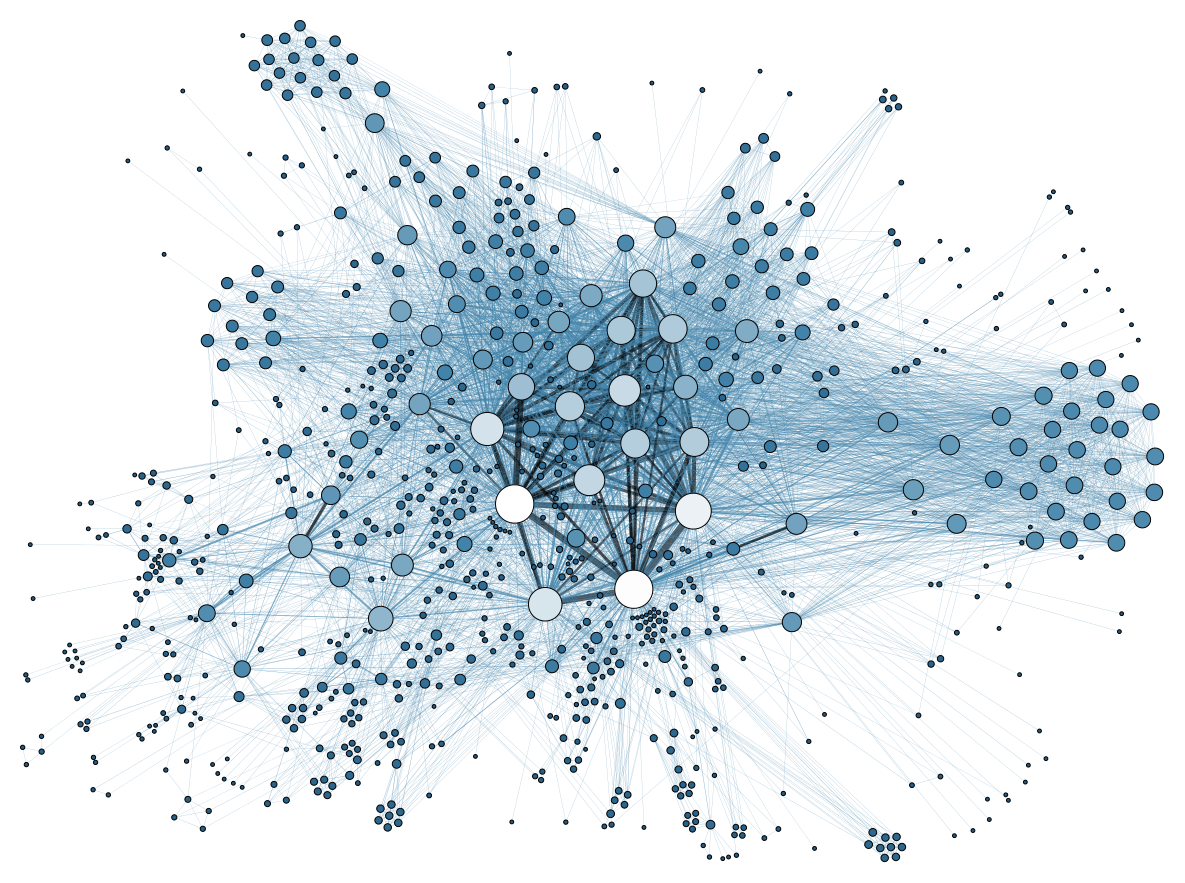
networkI’ve just read an interesting new study that was sent to me by the lead author, Giovanni Strona. Published the other day in Nature Communications, Strona & Lafferty’s article entitled Environmental change makes robust ecological networks fragile describes how ecological communities (≈ networks) become more susceptible to rapid environmental changes depending on how long they’ve had to evolve and develop under stable conditions.

Using the Avida Digital Evolution Platform (a free, open-source scientific software platform for doing virtual experiments with self-replicating and evolving computer programs), they programmed evolving host-parasite pairs in a virtual community to examine how co-extinction rate (i.e., extinctions arising in dependent species — in this case, parasites living off of hosts) varied as a function of the complexity of the interactions between species.

Starting from a single ancestor digital organism, the authors let evolve several artificial life communities for hundred thousands generation under different, stable environmental settings. Such communities included both free-living digital organisms and ‘parasite’ programs capable of stealing their hosts’ memory. Throughout generations, both hosts and parasites diversified, and their interactions became more complex. Read the rest of this entry »


More things stay the same, more we retrogress

20 07 2016

obrazek_1idiommmmsmmWithin six months of Abbott and the Coalition seizing power in the 2013 Australian election, decades—if not centuries—of environmental damage and retrograde policies unfolded. But this was no run-of-the-mill incompetence and neglect by government—this was an all-out attack on anything with the merest whiff of environmental protection. The travesty is well-documented, from infamously axing both the carbon-pricing scheme and climate commission, eradicating Labor’s 80% emissions-reduction target by 2050, diluting the Renewable Energy Target, refusing to commit to enforcing the Illegal Logging Prohibition Act (fortunately, this is now law), defunding the only independent legal entity available to limit environmentally destructive development (Environmental Defenders Office), to even attempting to remove the rights of environmental groups to challenge development proposals (thankfully, that failed).

The Coalition’s backward and ineffectual climate change-mitigation policies alone are evidence enough for long-term damage, but their war on the environment in general means that even the future election of a more environmentally responsible government will not undo the damage quickly, if at all. As a result of these and other nearsighted policies, Australia remains one of the highest per-capita greenhouse-gas emitters on the planet, has one of the highest per-capita water uses of any nation, leads the world in mammal extinctions, continues to deforest its already forest-poor landscape, and is a society utterly unprepared to deal with the future challenges of a degraded planet.
Read the rest of this entry »


Seeing the wood for the trees

11 07 2016
The Forest Synopsis: Photo of the Anamalai Tiger Reserve, India, by Claire Wordley

The Forest Synopsis: Photo of the Anamalai Tiger Reserve, India, by Claire Wordley

From the towering kapoks of South America to the sprawling banyans of South Asia, from misty cloud forests to ice-covered pines, forests are some of the most diverse and important ecosystems on Earth. However, as conservationists and foresters try to manage, conserve and restore forests across the world, they often rely on scanty and scattered information to inform their decisions, or indeed, no information at all. This could all change.

This week sees the launch of the Forest Synopsis from Conservation Evidence, a free resource collating global scientific evidence on a wide range of conservation-related actions. These aim to include all interventions that conservationists and foresters are likely to use, such as changing fire regimes, legally protecting forests or encouraging seed-dispersing birds into degraded forests.

Making conservation work

“We hear a lot about how important it is to do evidence-based conservation”, says Professor Bill Sutherland at the University of Cambridge, UK, “but in reality getting a handle on what works is not easy. That’s why we set up Conservation Evidence, to break down the barriers between conservationists and the scientific evidence that they need to do their jobs.” Read the rest of this entry »


Extinction synergy: deadly combination of human hunting & climate change wrote off Patagonian giants

20 06 2016

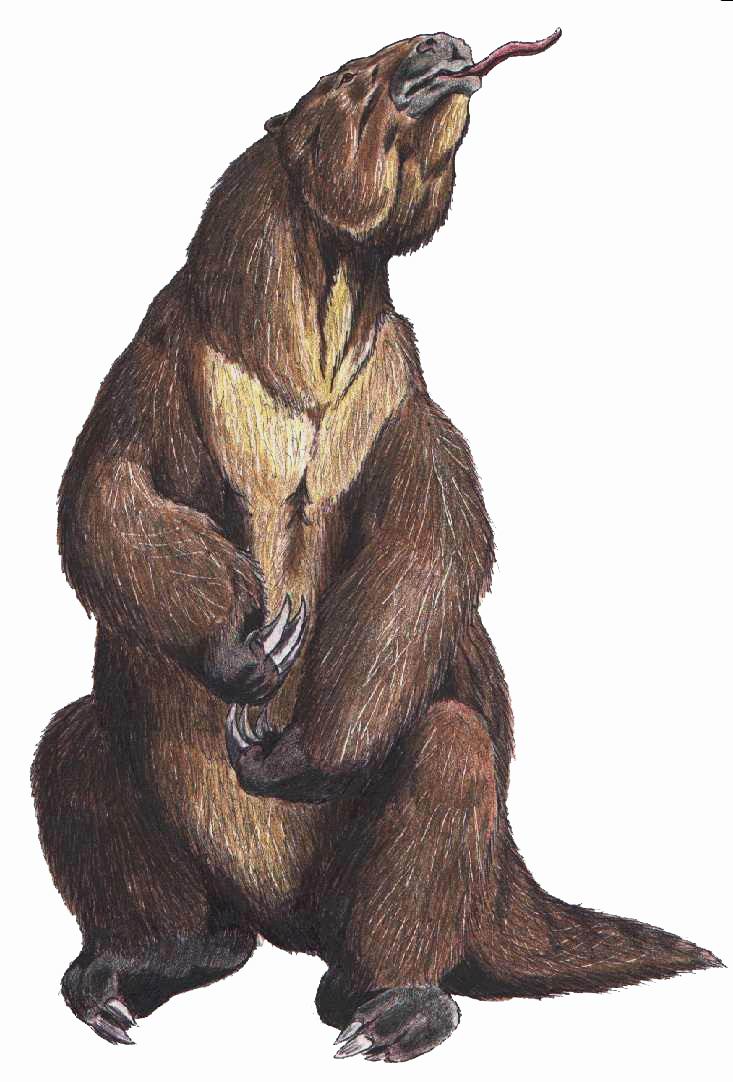
MegatheriumHere’s a paper we’ve just had published in Science Advances (Synergistic roles of climate warming and human occupation in Patagonian megafaunal extinctions during the Last Deglaciation). It’s an excellent demonstration of our concept of extinction synergies that we published back in 2008.

Giant Ice Age species including elephant-sized sloths and powerful sabre-toothed cats that once roamed the windswept plains of Patagonia, southern South America, were finally felled by a perfect storm of a rapidly warming climate and humans, a new study has shown.

Research published on Saturday in Science Advances, has revealed that it was only when the climate warmed, long after humans first arrived in Patagonia, did the megafauna suddenly die off around 12,300 years ago.

The timing and cause of rapid extinctions of the megafauna has remained a mystery for centuries.

“Patagonia turns out to be the Rosetta Stone – it shows that human colonisation didn’t immediately result in extinctions, but only as long as it stayed cold”. “Instead, more than 1000 years of human occupation passed before a rapid warming event occurred, and then the megafauna were extinct within a hundred years.”

The researchers, including from the University of Colorado Boulder, University of New South Wales and University of Magallanes in Patagonia, studied ancient DNA extracted from radiocarbon-dated bones and teeth found in caves across Patagonia, and Tierra del Fuego, to trace the genetic history of the populations. Species such as the South American horse, giant jaguar and sabre-toothed cat, and the enormous one-tonne short-faced bear (the largest land-based mammalian carnivore) were found widely across Patagonia, but seemed to disappear shortly after humans arrived. Read the rest of this entry »


Species-area & species-accumulation curves not the same

30 05 2016

IBI’ve just read an elegant little study that has identified the main determinants of differences in the slope of species-area curves and species-accumulation curves.

That’s a bit of a mouthful for the uninitiated, so if you don’t know much about species-area theory, let me give you a bit of background for why this is an important new discovery.

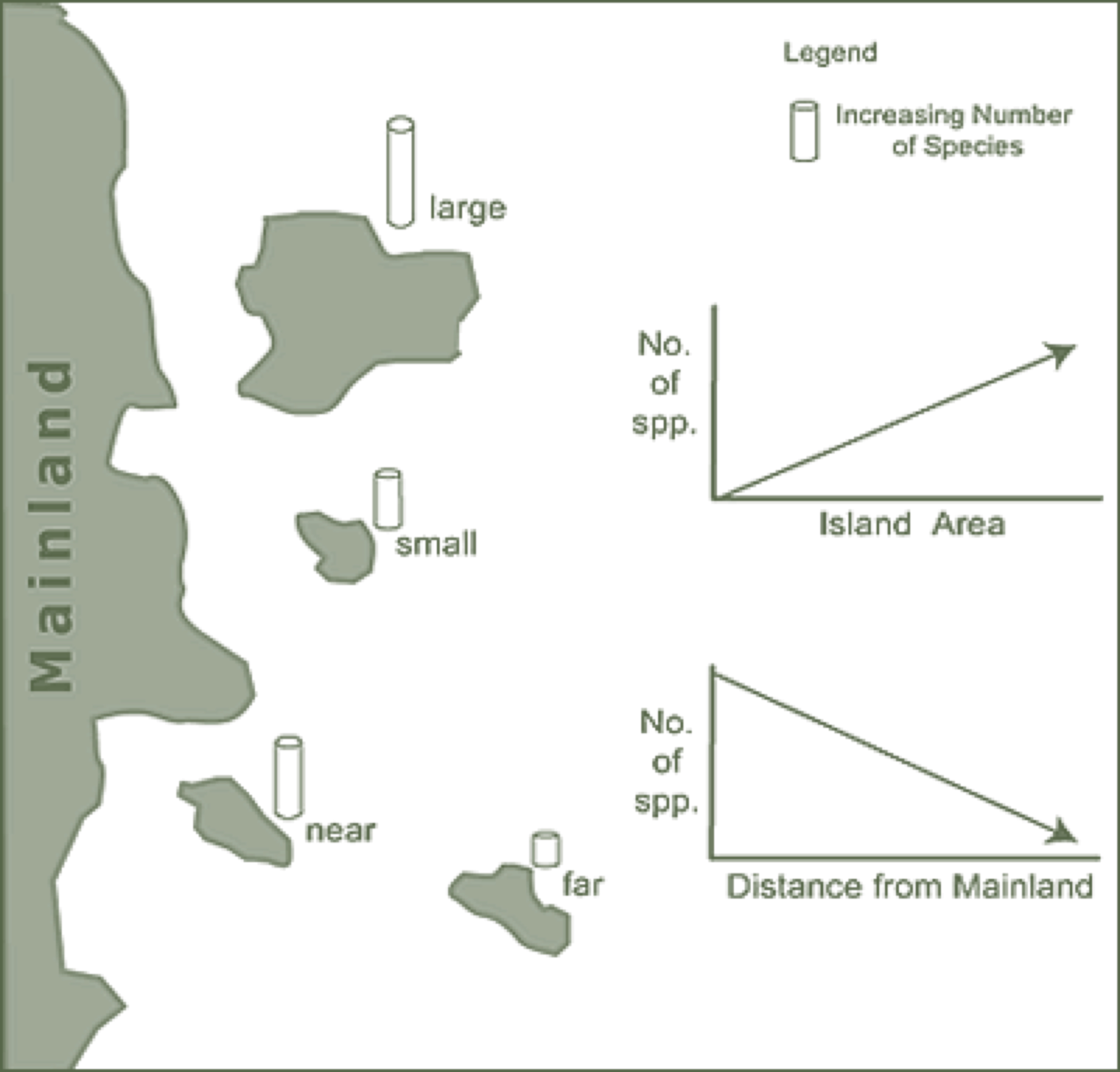
Perhaps one of the only ‘laws’ in ecology comes from the observation that as you sample from larger and larger areas of any habitat type, the number of species tends to increase. This of course originates from MacArthur & Wilson’s classic book, The Theory of Island Biography (1967), and while simple in basic concept, it has since developed into a multi-headed Hydra of methods, analysis, theory and jargon.

One of the most controversial aspects of generic species-area relationships is the effect of different sampling regimes, a problem I’ve blogged about before. Whether you are sampling once-contiguous forest of habitat patches in a ‘matrix’ of degraded landscape, a wetland complex, a coral reef, or an archipelago of true oceanic islands, the ‘ideal’ models and the interpretation thereof will likely differ, and in sometimes rather important ways from a predictive and/or applied perspective. Read the rest of this entry »


Higher biodiversity imparts greater disease resistance

12 03 2016

fungal infection

Is biodiversity good for us? In many ways, this is a stupid question because at some point, losing species that we use directly will obviously impact us negatively — think of food crops, pollination and carbon uptake.

But how much can we afford to lose before we notice anything bad is happening? Is the sort of biodiversity erosion we’re seeing today really such a big deal?

One area of research experiencing a surge in popularity is examining how variation in biodiversity (biowealth1) affects the severity of infectious diseases, and it is particularly controversial with respect to the evidence for a direct effect on human pathogens (e.g., see a recent paper here, a critique of it, and a reply).

Controversy surrounding the biodiversity-disease relationship among non-human species is less intense, but there are still arguments about the main mechanisms involved. The amplification hypothesis asserts that a community with more species has a greater pool of potential hosts for pathogens, so pathogens increase as biodiversity increases. On the contrary, the dilution hypothesis asserts that disease prevalence decreases with increasing host species diversity via several possible mechanisms, such as more host species reducing the chance that a given pathogen will ‘encounter’ a suitable host, and that in highly biodiverse communities, an infected individual is less likely to be surrounded by the same species, so the pathogen cannot easily be transmitted to a new host (the so-called transmission interference hypothesis).

So I’ve joined the ecological bandwagon and teamed up yet again with some very clever Chinese collaborators to test these hypotheses in — if I can be so bold to claim — a rather novel and exciting way.

Our new paper was just published online in EcologyWarming and fertilization alter the dilution effect of host diversity on disease severity2. Read the rest of this entry »


Biowealth

24 02 2016

frogWhile I’ve blogged about this before in general terms (here and here), I thought it wise to reproduce the (open-access) chapter of the same name published in late 2013 in the unfortunately rather obscure book The Curious Country produced by the Office of the Chief Scientist of Australia. I think it deserves a little more limelight.

As I stepped off the helicopter’s pontoon and into the swamp’s chest-deep, tepid and opaque water, I experienced for the first time what it must feel like to be some other life form’s dinner. As the helicopter flittered away, the last vestiges of that protective blanket of human technological innovation flew away with it.

Two other similarly susceptible, hairless, clawless and fangless Homo sapiens and I were now in the middle of one of the Northern Territory’s largest swamps at the height of the crocodile-nesting season. We were there to collect crocodile eggs for a local crocodile farm that, ironically, has assisted the amazing recovery of the species since its near-extinction in the 1960s. Removing the commercial incentive to hunt wild crocodiles by flooding the international market with scar-free, farmed skins gave the dwindling population a chance to recover.

redwoodConservation scientists like me rejoice at these rare recoveries, while many of our fellow humans ponder why we want to encourage the proliferation of animals that can easily kill and eat us. The problem is, once people put a value on a species, it is usually consigned to one of two states. It either flourishes as do domestic crops, dogs, cats and livestock, or dwindles towards or to extinction. Consider bison, passenger pigeons, crocodiles and caviar sturgeon.

As a conservation scientist, it’s my job not only to document these declines, but to find ways to prevent them. Through careful measurement and experiments, we provide evidence to support smart policy decisions on land and in the sea. We advise on the best way to protect species in reserves, inform hunters and fishers on how to avoid over-harvesting, and demonstrate the ways in which humans benefit from maintaining healthy ecosystems. Read the rest of this entry »