Transition from the Anthropocene to the Minicene

24 09 2016
Going, going ...

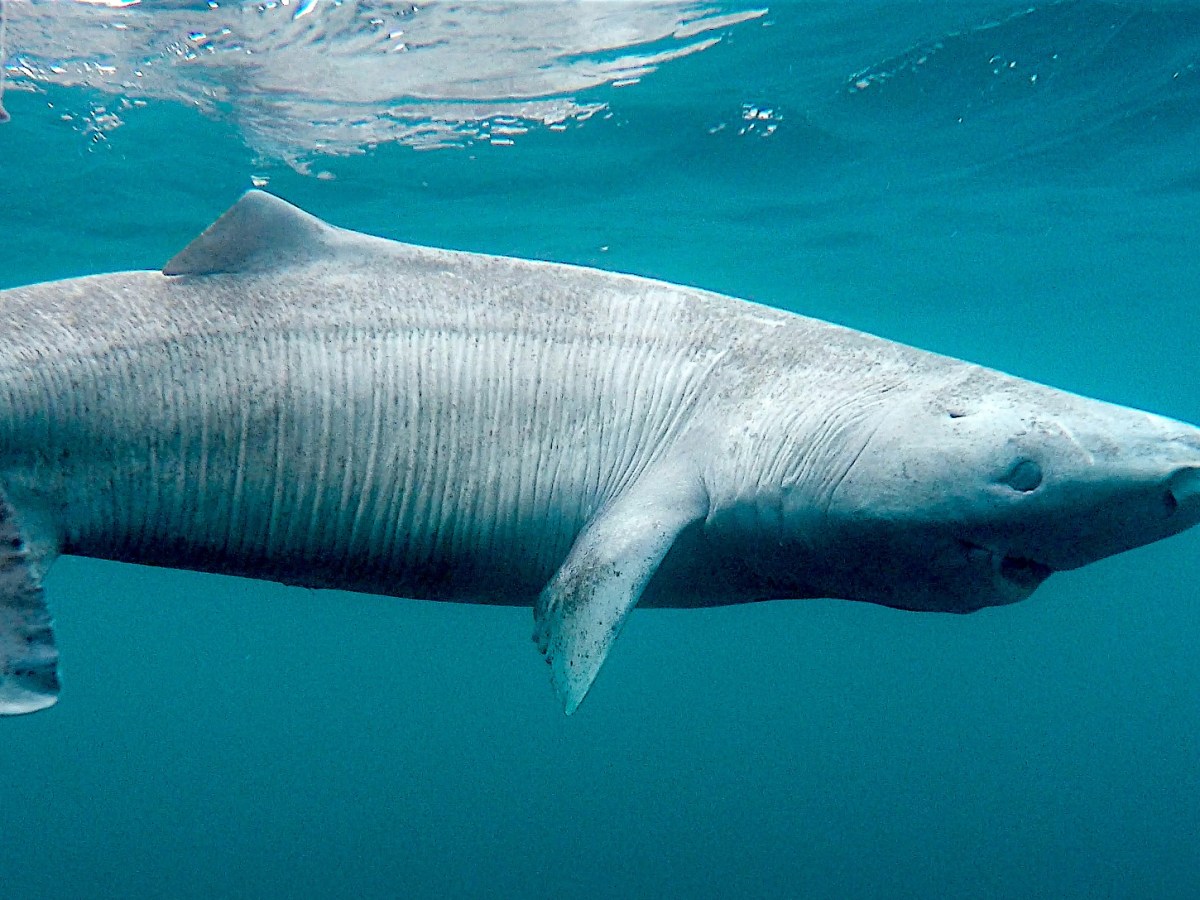
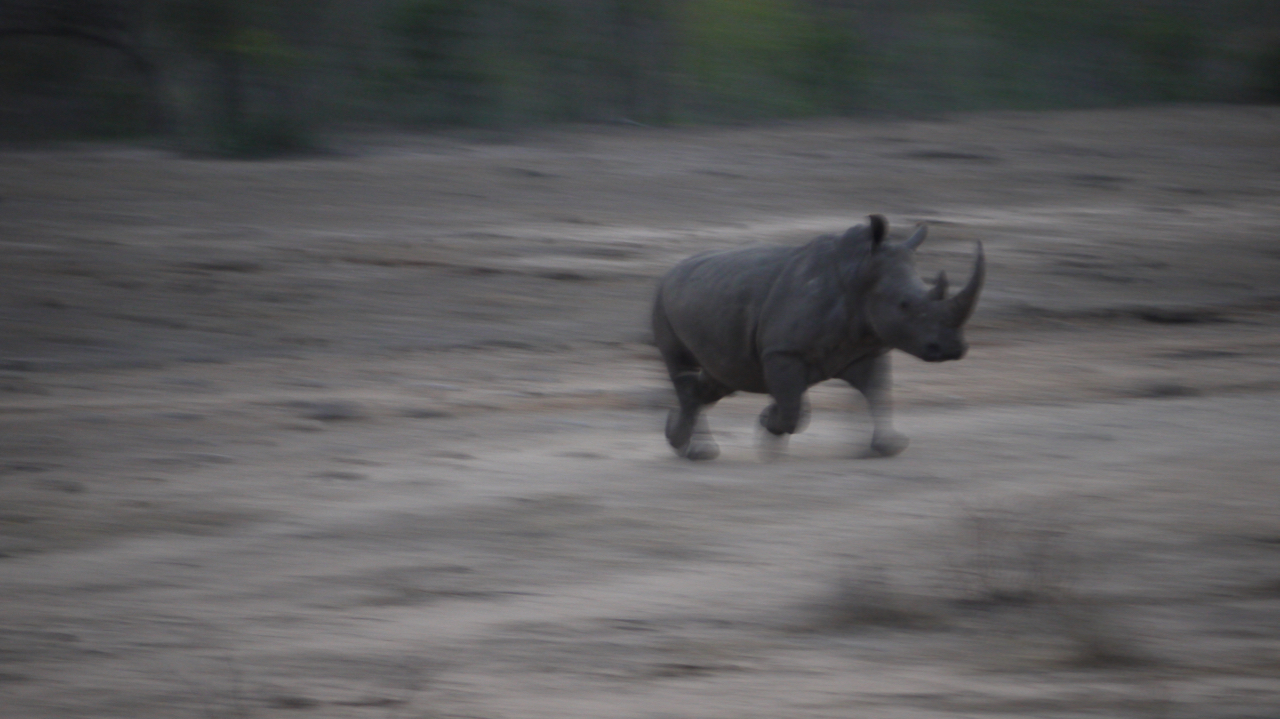
Going, going … © CJA Bradshaw

I’ve just returned from a life-changing trip to South Africa, not just because it was my first time to the continent, but also because it has redefined my perspective on the megafauna extinctions of the late Quaternary. I was there primarily to attend the University of Pretoria’s Mammal Research Institute 50thAnniversary Celebration conference.

As I reported in my last post, the poaching rates in one of the larger, best-funded national parks in southern Africa (the Kruger) are inconceivably high, such that for at least the two species of rhino there (black and white), their future persistence probability is dwindling with each passing week. African elephants are probably not far behind.

As one who has studied the megafauna extinctions in the Holarctic, Australia and South America over the last 50,000 years, the trip to Kruger was like stepping back into the Pleistocene. I’ve always dreamed of walking up to a grazing herd of mammoths, woolly rhinos or Diprotodon, but of course, that’s impossible. What is entirely possible though is driving up to a herd of 6-tonne elephants and watching them behave naturally. In the Kruger anyway, you become almost blasé about seeing yet another group of these impressive beasts as you try to get that rare glimpse of a leopard, wild dogs or sable antelope (missed the two former, but saw the latter). Read the rest of this entry »

Keeping India’s forests

9 08 2016

I’ve just returned from a short trip to the National Centre for Biological Sciences (NCBS) in Bangalore, Karnataka, one of India’s elite biological research institutes.

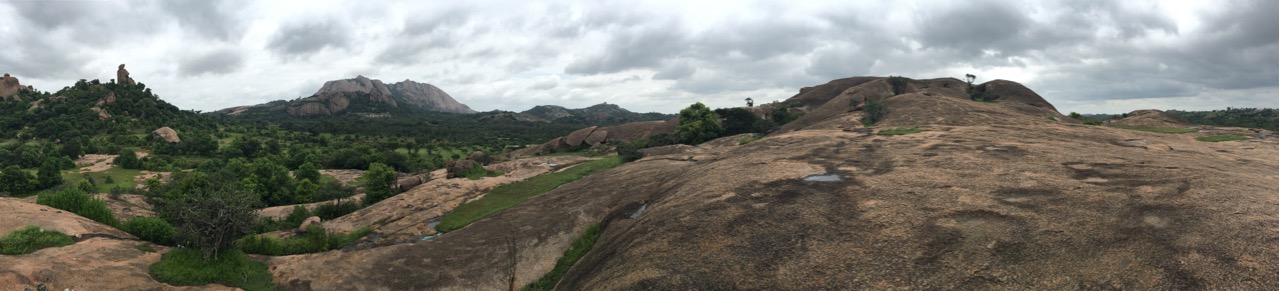
Panorama of a forested landscape (Savandurga monolith in the background) just south of Bangalore, Karnataka (photo: CJA Bradshaw)

Panorama of a forested landscape (Savandurga monolith in the background) just south of Bangalore, Karnataka (photo: CJA Bradshaw)

I was invited to give a series of seminars (you can see the titles here), and hopefully establish some new collaborations. My wonderful hosts, Deepa Agashe & Jayashree Ratnam, made sure I was busy meeting nearly everyone I could in ecology and evolution, and I’m happy to say that collaborations have begun. I also think NCBS will be a wonderful conduit for future students coming to Australia.

It was my first time visiting India1, and I admit that I had many preconceptions about the country that were probably unfounded. Don’t get me wrong — many of them were spot on, such as the glorious food (I particularly liked the southern India cuisine of dhosa, iddly & the various fruit-flavoured semolina concoctions), the insanity of urban traffic, the juxtaposition of extreme wealth and extreme poverty, and the politeness of Indian society (Indians have to be some of the politest people on the planet).

But where I probably was most at fault of making incorrect assumptions was regarding the state of India’s natural ecosystems, and in particular its native forests and grasslands. Read the rest of this entry »


Biowealth

24 02 2016

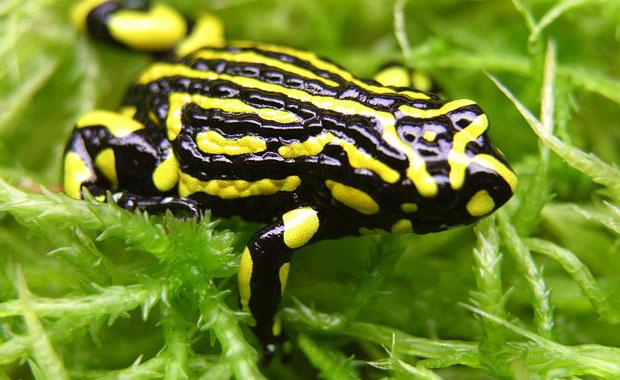
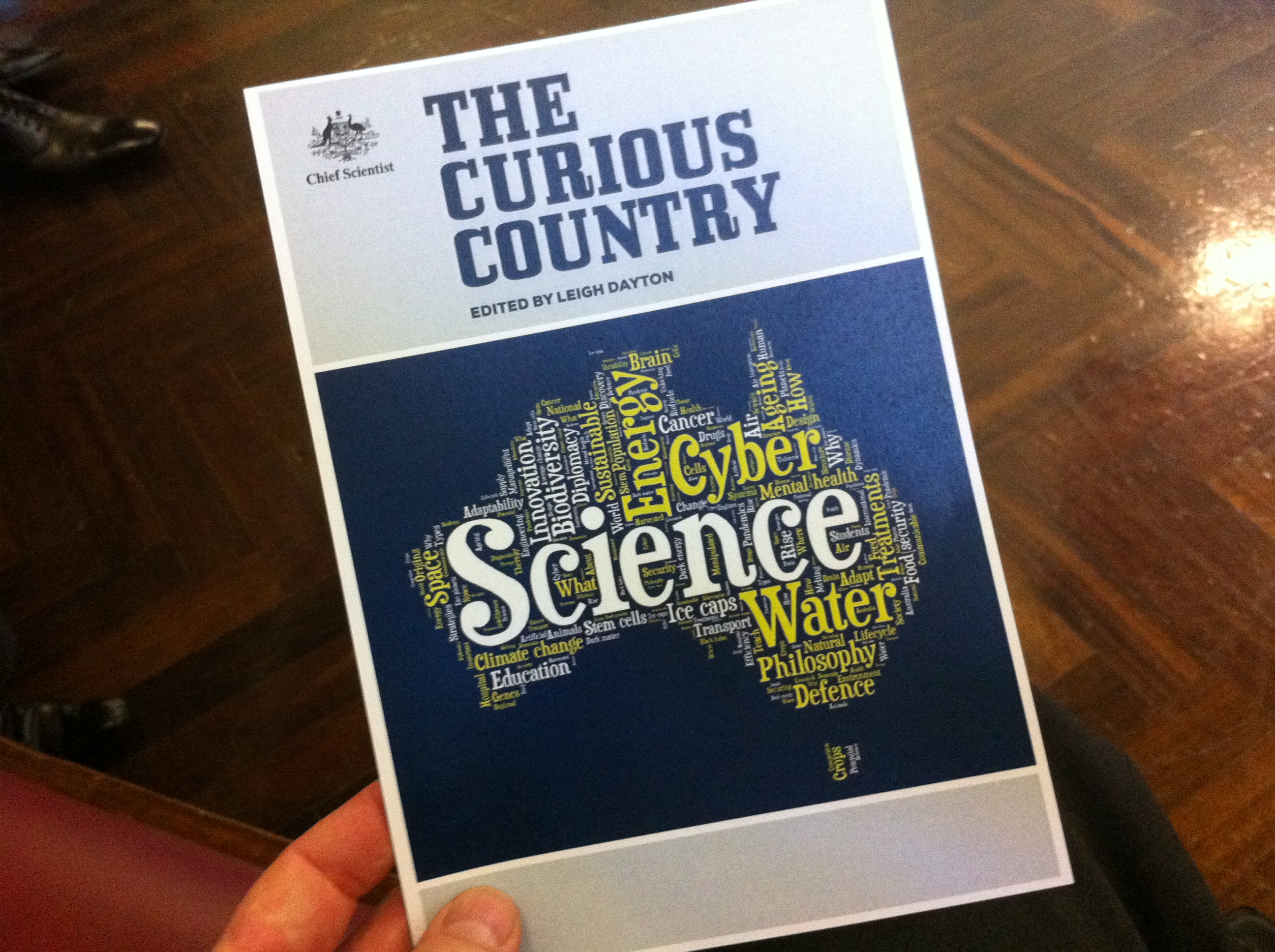
frogWhile I’ve blogged about this before in general terms (here and here), I thought it wise to reproduce the (open-access) chapter of the same name published in late 2013 in the unfortunately rather obscure book The Curious Country produced by the Office of the Chief Scientist of Australia. I think it deserves a little more limelight.

As I stepped off the helicopter’s pontoon and into the swamp’s chest-deep, tepid and opaque water, I experienced for the first time what it must feel like to be some other life form’s dinner. As the helicopter flittered away, the last vestiges of that protective blanket of human technological innovation flew away with it.

Two other similarly susceptible, hairless, clawless and fangless Homo sapiens and I were now in the middle of one of the Northern Territory’s largest swamps at the height of the crocodile-nesting season. We were there to collect crocodile eggs for a local crocodile farm that, ironically, has assisted the amazing recovery of the species since its near-extinction in the 1960s. Removing the commercial incentive to hunt wild crocodiles by flooding the international market with scar-free, farmed skins gave the dwindling population a chance to recover.

redwoodConservation scientists like me rejoice at these rare recoveries, while many of our fellow humans ponder why we want to encourage the proliferation of animals that can easily kill and eat us. The problem is, once people put a value on a species, it is usually consigned to one of two states. It either flourishes as do domestic crops, dogs, cats and livestock, or dwindles towards or to extinction. Consider bison, passenger pigeons, crocodiles and caviar sturgeon.

As a conservation scientist, it’s my job not only to document these declines, but to find ways to prevent them. Through careful measurement and experiments, we provide evidence to support smart policy decisions on land and in the sea. We advise on the best way to protect species in reserves, inform hunters and fishers on how to avoid over-harvesting, and demonstrate the ways in which humans benefit from maintaining healthy ecosystems. Read the rest of this entry »



Ice Age? No. Abrupt warmings and hunting together polished off Holarctic megafauna

24 07 2015
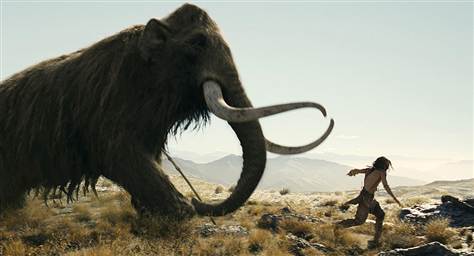
Oh shit oh shit oh shit ...

Oh shit oh shit oh shit …

Did ice ages cause the Pleistocene megafauna to go extinct? Contrary to popular opinion, no, they didn’t. But climate change did have something to do with them, only it was global warming events instead.

Just out today in Science, our long-time-coming (9 years in total if you count the time from the original idea to today) paper ‘Abrupt warmings drove Late Pleistocene Holarctic megafaunal turnover‘ demonstrates for the first time that abrupt warming periods over the last 60,000 years were at least partially responsible for the collapse of the megafauna in Eurasia and North America.

You might recall that I’ve been a bit sceptical of claims that climate changes had much to do with megafauna extinctions during the Late Pleistocene and early Holocene, mainly because of the overwhelming evidence that humans had a big part to play in their demise (surprise, surprise). What I’ve rejected though isn’t so much that climate had nothing to do with the extinctions; rather, I took issue with claims that climate change was the dominant driver. I’ve also had problems with blanket claims that it was ‘always this’ or ‘always that’, when the complexity of biogeography and community dynamics means that it was most assuredly more complicated than most people think.

I’m happy to say that our latest paper indeed demonstrates the complexity of megafauna extinctions, and that it took a heap of fairly complex datasets and analyses to demonstrate. Not only were the data varied – the combination of scientists involved was just as eclectic, with ancient DNA specialists, palaeo-climatologists and ecological modellers (including yours truly) assembled to make sense of the complicated story that the data ultimately revealed. Read the rest of this entry »


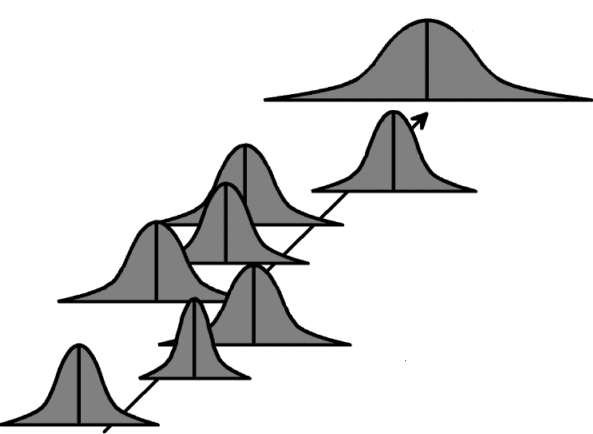
It’s all about the variation, stupid

12 01 2015

val-1-3It is one of my long-suffering ecological quests to demonstrate to the buffoons in government and industry that you can’t simply offset deforestation by planting another forest elsewhere. While it sounds attractive, like carbon offsetting or even water neutrality, you can’t recreate a perfectly functioning, resilient native forest no matter how hard you try.

I’m not for a moment suggesting that we shouldn’t reforest much of what we’ve already cut down over the last few centuries; reforestation is an essential element of any semblance of meaningful terrestrial ecological restoration. Indeed, without a major commitment to reforestation worldwide, the extinction crisis will continue to spiral out of control.

What I am concerned about, however, is that administrators continue to push for so-called ‘biodiversity offsets’ – clearing a forest patch here for some such development, while reforesting or even afforesting another degraded patch there. However, I’ve blogged before about studies, including some of my own, showing that one simply cannot replace primary forests in terms of biodiversity and long-term carbon storage. Now we can add resilience to that list.

While I came across this paper a while ago, I’ve only found the time to blog about it now. Published in PLoS One in early December, the paper Does forest continuity enhance the resilience of trees to environmental change?1 by von Oheimb and colleagues shows clearly that German oak forests that had been untouched for over 100 years were more resilient to climate variation than forests planted since that time. I’ll let that little fact sink in for a moment … Read the rest of this entry »



InvaCost – estimating the economic damage of invasive insects

7 11 2014

insectinvasionThis is a blosh (rehash of someone else’s blog post) of Franck Courchamp‘s posts on an exciting new initiative of which I am excited to be a part. Incidentally, Franck’s spending the week here in Adelaide.

Don’t forgot to vote for the project to receive 50 000 € public-communication grant!

Climate change will make winters milder and habitats climatically more suitable year-round for cold-blooded animals like insects, but there are many questions remaining regarding whether such insects will be able to invade other regions as the climate shifts. There are many nasty bugs out there.

For example, the Asian predatory wasp is an invasive hornet in Europe that butchers pollinating insects, especially bees, thereby affecting the production of many wild and cultivated plants. I hope that we all remember what Einstein said about pollinators:

If bees were to disappear, humans will disappear within a few years.

(we all should remember that because it’s one of the few things he said that most of us understood). The highly invasive red fire ant is feared for its impacts on biodiversity, agriculture and cattle breeding, and the thousands of anaphylactic shocks inflicted to people by painful stings every year (with hundreds of deaths). Between the USA and Australia, over US$10 billion is spent yearly on the control of this insect alone. Tiger mosquitoes are vectors of pathogens that cause dengue fever, chikungunya virus and of about 30 other viruses. We could go on.

Most of these nasty creatures are now unable to colonise northern regions of Europe or America, or southern regions of Australia, for example, because they cannot survive cold temperatures. But how will this change? Where, when and which species will invade with rising temperatures? What will be the costs in terms of species loss? In terms of agricultural or forestry loss? In terms of diseases to cattle, domestic animals and humans? What will be the death toll if insects that are vectors of malaria can establish in new, highly populated areas?

We’ve proposed to study these and others from a list of 20 of the worst invasive insect species worldwide, and we got selected (i.e., financed!) by the Fondation BNP Paribas. In addition, the Fondation BNP Paribas has selected five scientific programmes on climate change and will give 50,000 € (that’s US$62,000) to the one selected by the public, for a communication project on their scientific programme. This is why we need you to vote for our project: InvaCost. Read the rest of this entry »


It’s not all about cats

20 10 2014

Snake+OilIf you follow any of the environment news in Australia, you will most certainly have seen a lot about feral cats in the last few weeks. I’ve come across dozens of articles in the last week alone talking about the horrendous toll feral cats have had on Australian wildlife since European arrival. In principle, this is a good thing because finally Australians are groggily waking to the fact that our house moggies and their descendants have royally buggered our biodiversity. As a result, we have the highest mammal extinction rate of any country.

But I argue that the newfound enthusiasm for killing anything feline is being peddled mainly as a distraction from bigger environmental issues and to camouflage the complete incompetence of the current government and their all-out war on the environment.

Call me cynical, but when I read headlines like “Australia aims to end extinction of native wildlife by 2020” and Environment Minister Hunt’s recent speech that he has “… set a goal of ending the loss of mammal species by 2020“, I get more than just a little sick to the stomach.

What a preposterous load of shite. Moreover, what a blatant wool-pulling-over-the-eyes public stunt. Read the rest of this entry »


We generally ignore the big issues

11 08 2014

I’ve had a good week at Stanford University with Paul Ehrlich where we’ve been putting the final touches1 on our book. It’s been taking a while to put together, but we’re both pretty happy with the result, which should be published by The University of Chicago Press within the first quarter of 2015.

It has indeed been a pleasure and a privilege to work with one of the greatest thinkers of our age, and let me tell you that at 82, he’s still a force with which to be reckoned. While I won’t divulge much of our discussions here given they’ll appear soon-ish in the book, I did want to raise one subject that I think we all need to think about a little more.

The issue is what we, as ecologists (I’m including conservation scientists here), choose to study and contemplate in our professional life.

I’m just as guilty as most of the rest of you, but I argue that our discipline is caught in a rut of irrelevancy on the grander scale. We spend a lot of time refining the basics of what we essentially already know pretty well. While there will be an eternity of processes to understand, species to describe, and relationships to measure, can our discipline really afford to avoid the biggest issues while biodiversity (and our society included) are flushed down the drain?

Read the rest of this entry »


A convenient truth: global push for carbon-based conservation

19 05 2014

Eucalyptus viminalis (Manna Gum) - leaf, adultI’ve just written an article for the Australian River Restoration Centre‘s RipRap magazine, and they have given me permission to reproduce it here.

The brave, new green world of the carbon economy hasn’t exactly taken off as desired. Perhaps it’s because it wasn’t really planned from the outset, or maybe it is still too abstract for most people to accept, digest and incorporate into their daily lives. An emergent property of society’s generally slow awakening to the challenge of climate disruption, is that it will be a long time before we accept its full suite of incarnations.

The infant carbon economy is, however, well and truly alive and kicking, so it is important to try and plan for its growing influence on our decision making. Bumps in the road aside, the carbon economy has mostly been a blessing (actual and potential) for biodiversity conservation projects the world over.

In principle, the aim of the carbon economy is rather straight-forward: charge people a certain amount for each unit of carbon dioxide equivalents they release, and then use that money to develop approaches that further increase carbon sequestration or limit emissions. It’s a ‘build-it-and-they-will-come’ framework, where increasing financial impetus to restrict emissions is enhanced by society’s evolution towards better approaches and technology.

The operational side of the carbon economy is unfortunately much more muddled, with vested interests and political gaming weakening its implementation. Nonetheless, we persevere. Read the rest of this entry »


Australian League of Environmental Organisations

6 05 2014
Shades of Green

Shades of Green

ALEO – the acronym has a nice ring to it. Although I must confess that said organisation doesn’t yet exist, but it bloody well should.

Australia is in dire need of a united front to tackle the massive anti-environment sentiment gripping this country’s band of irresponsible and short-sighted libertarian politicians. Only yesterday I was chatting to a student in the tea room about my ‘State of South Australia’s Environment‘ talk when he asked “So, what can we do about it?”. Isn’t that the 1 per cent1 question?

Apart from the obvious: (1) keep up the pressure on bad government plans (petitions, letters, blogs, reports, e-mails), (2) don’t vote for the Coalition and (3) if you’re a scientist, place some economic or well-being value on environmental processes so that even politicians can understand that maintaining ecosystems makes good economic sense, I almost casually mentioned that we need a united front in Australia against this latest right-wing wave of anti-environmentalism.

I’ve thought about this before, but my latest conversation got me reflecting on the problem a little more – why don’t we have a united league of environmental organisations in Australia? Read the rest of this entry »


South Australia’s tattered environmental remains

16 04 2014
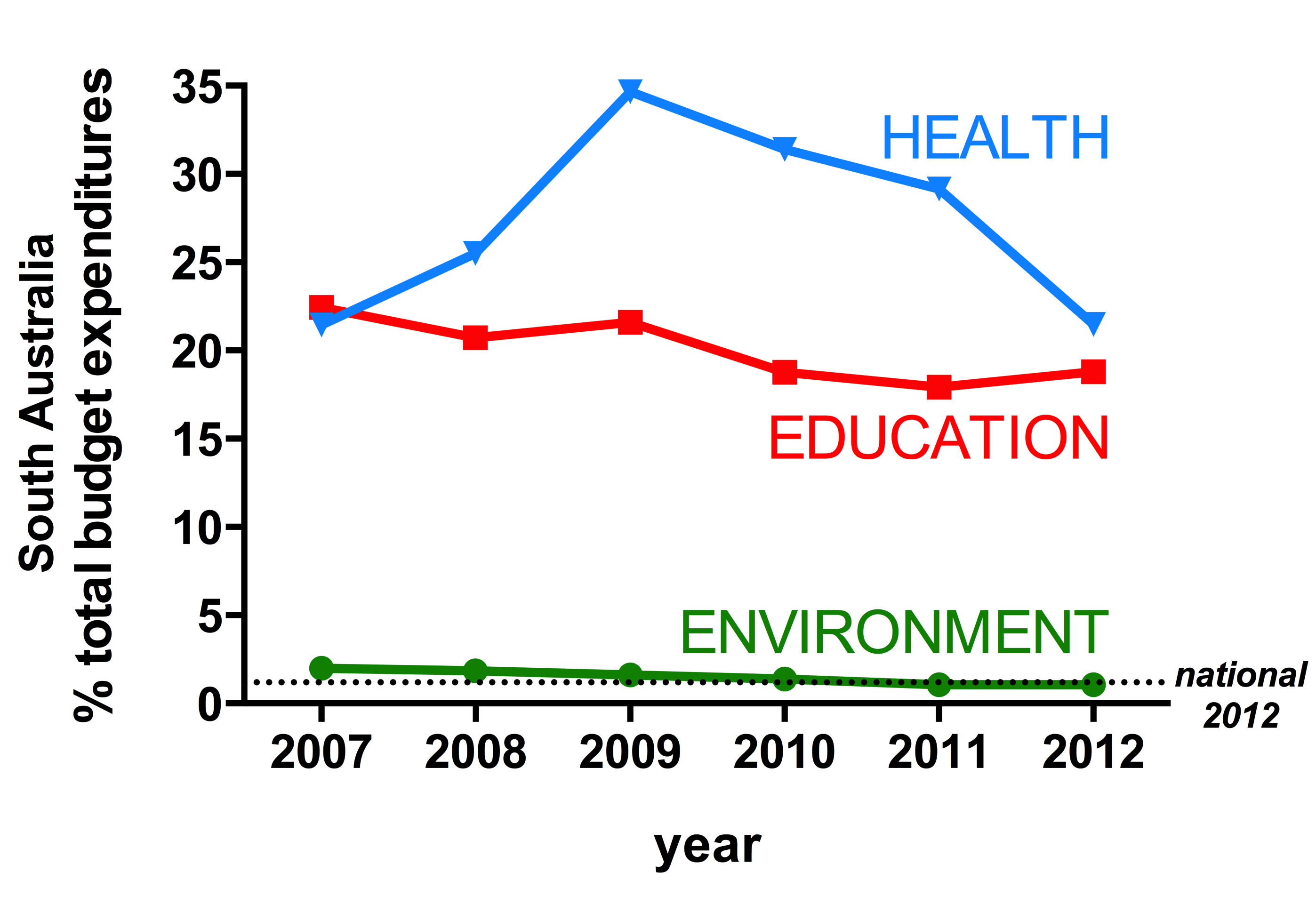
State budget percentage expenditures for health, education and environment

South Australia State budget percentage expenditures for health, education and environment

Yesterday I gave the second keynote address at the South Australia Natural Resource Management (NRM) Science Conference at the University of Adelaide (see also a brief synopsis of Day 1 here). Unfortunately, I’m missing today’s talks because of an acute case of man cold, but at least I can stay at home and work while sipping cups of hot tea.

Many people came up afterwards and congratulated me for “being brave enough to tell the truth”, which both encouraged and distressed me – I am encouraged by the positive feedback, but distressed by the lack of action on the part of our natural resource management leaders.

The simple truth is that South Australia’s biodiversity and ecosystems are in shambles, yet few seem to appreciate this.

So for the benefit of those who couldn’t attend, I’ve uploaded the podcast of my slideshow for general viewing here. I’ve also highlighted some key points from the talk below: Read the rest of this entry »


The lengths Abbott will go to destroy environmentalism

7 04 2014

209678-tony-abbottOver at ALERT (Alliance of Leading Environmental Researchers & Thinkers), Bill Laurance has highlighted yet another major blow to environmentalism in Australia: the Coalition’s latest push is to ban consumer boycotts of environmentally damaging corporations. The following press release went out this morning. You can also find more details on the Abbott proposal here and here.

An international scientific group has decried an Australian government proposal to ban consumer boycotts of corporations that damage the environment.

“It’s clearly a bad idea,” said William Laurance, a professor at James Cook University in Australia and director of ALERT, the Alliance of Leading Environmental Researchers and Thinkers.

“Boycotts have been one of the most important arrows in the quiver of responsible conservationists and consumers,” said Laurance. “They’ve convinced many environmentally predatory firms around the world to clean up their acts.”

Consumer boycotts have improved the behaviour of hundreds of aggressive timber, oil palm, soy, seafood and other corporations around the world, say the scientists.

“Boycotts get the attention of environment-destroying companies because they hit them where it hurts—their reputation and market share,” said Corey Bradshaw, a professor at the University of Adelaide. Read the rest of this entry »


Australia’s (latest) war on the environment

3 03 2014

monkYes, the signs were there, but they weren’t clandestine messages written in the stars or in the chaos of tea-leaf dregs. We saw this one coming, but Australians chose to ignore the warning signs and opt for the American political model of extremism, religiosity, plutocracy and science denial.

Enter the ‘Tea Party’ of Australia – the ‘new’ Coalition where reigning Rex perditor Prime Minister Tony The Monk Abbott1 has, in just a few short months, turned back the clock on Australian environmental protection some 40 years.

Yes, we saw it coming, but it wasn’t a tautological fait accompli just because it concerned a ‘conservative’ government. It’s difficult to remember, I know, that conservative governments of yesteryear implemented some strikingly powerful and effective environmental legislation. Indeed, it was the former incarnation of the Coalition government that implemented the once-formidable Environmental Protection and Biodiversity Conservation (EPBC) Act under the direction of then Environment Minister, Robert Hill. A colossus of sorts, the EPBC suffers from many ailments. While it’s the only really bitey environmental legislation we’ve got, that colossus is a lumbering, limping giant missing more than a few teeth – it needs a complete overhaul.

As most Australians are unfortunately aware, The Monk repeatedly and defiantly promised to repeal the Labor-government carbon price implemented in July 2012, despite the absolute necessity to tax the heaviest pollutersWhile somewhat sheepish about his recent climate disruption denialism following his election in 2013, a denialist he remains:

Let us re-familiarise ourselves with some of his historical pearlers: Read the rest of this entry »



More species = more resilience

8 01 2014

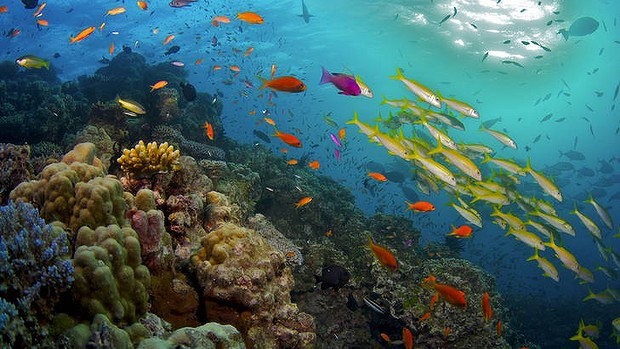
reef fishWhile still ostensibly ‘on leave’ (side note: Does any scientist really ever take a proper holiday? Perhaps a subject for a future blog post), I cannot resist the temptation to blog about our lab’s latest paper that just came online today. In particular, I am particularly proud of Dr Camille Mellin, lead author of the study and all-round kick-arse quantitative ecologist, who has outdone herself on this one.

Today’s subject is one I’ve touched on before, but to my knowledge, the relationship between ‘diversity’ (simply put, ‘more species’) and ecosystem resilience (i.e., resisting extinction) has never been demonstrated so elegantly. Not only is the study elegant (admission: I am a co-author and therefore my opinion is likely to be biased toward the positive), it demonstrates the biodiversity-stability hypothesis in a natural setting (not experimental) over a range of thousands of kilometres. Finally, there’s an interesting little twist at the end demonstrating yet again that ecology is more complex than rocket science.

Despite a legacy of debate, the so-called diversity-stability hypothesis is now a widely used rule of thumb, and its even implicit in most conservation planning tools (i.e., set aside areas with more species because we assume more is better). Why should ‘more’ be ‘better’? Well, when a lot of species are interacting and competing in an ecosystem, the ‘average’ interactions that any one species experiences are likely to be weaker than in a simpler, less diverse system. When there are a lot of different niches occupied by different species, we also expect different responses to environmental fluctuations among the community, meaning that some species inherently do better than others depending on the specific disturbance. Species-rich systems also tend to have more of what we call ‘functional redundancy‘, meaning that if one species providing an essential ecosystem function (e.g., like predation) goes extinct, there’s another, similar species ready to take its place. Read the rest of this entry »


Biowealth: all creatures great and small

4 12 2013

Curious Country flyer“So consider the crocodiles, sharks and snakes, the small and the squirmy, the smelly, slimy and scaly. Consider the fanged and the hairy, the ugly and the cute alike. The more we degrade this astonishing diversity of evolved life and all its interactions on our only home, the more we expose ourselves to the ravages of a universe that is inherently hostile to life.”

excerpt from ‘Biowealth: all creatures great and small’ The Curious Country (C.J.A. Bradshaw 2013).

I’ve spent the last few days on the east coast with my science partner-in-crime, Barry Brook, and one of our newest research associates (Marta Rodrigues-Rey Gomez). We first flew into Sydney at sparrow’s on Monday, then drove a hire car down to The ‘Gong to follow up on some Australian megafauna databasing & writing with Bert Roberts & Zenobia Jacobs. On Tuesday morning we then flitted over to Canberra where we had the opportunity to attend the official launch of a new book that Barry and I had co-authored.

The book, The Curious Country, is an interesting experiment in science communication and teaching dreamed up by Australia’s Chief Scientist, Professor Ian Chubb. Realising that the average Aussie has quite a few questions about ‘how stuff works’, but has little idea how to answer those questions, Ian engaged former Quantum star and science editor, Leigh Dayton, to put together a short, punchy, topical and easily understood book about why science is good for the country.

Yes, intuitive for most of you out there reading this, but science appreciation isn’t always as high as it should be amongst the so-called ‘general public’. Ian thought this might be one way to get more people engaged.

When honoured with the request to write an interesting chapter on biodiversity for the book, I naturally accepted. It turns out Barry was asked to do one on energy provision at the same time (but we didn’t know we had both been asked at the time). Our former lab head, Professor David Bowman, was also asked to write a chapter about fire risk, so it was like a mini-reunion yesterday for the three of us.

Read the rest of this entry »


Quantity, but not quality – slow recovery of disturbed tropical forests

8 11 2013

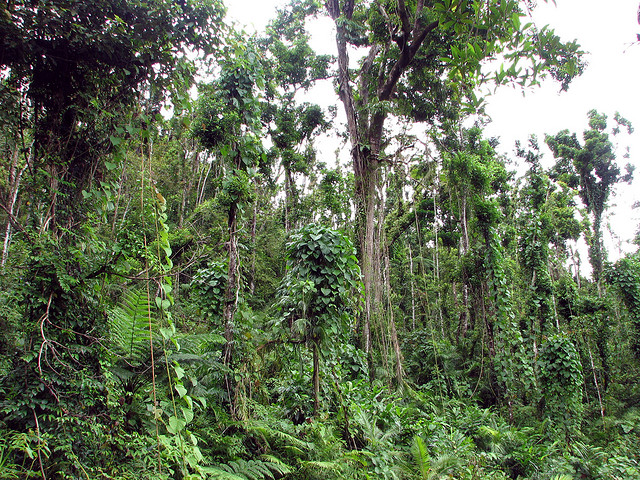
tropical regrowthIt is a sobering statistic that most of the world’s tropical forests are not ‘primary’ – that is, those that have not suffered some alteration or disturbance from humans (previously logged, cleared for agriculture, burned, etc.).

Today I highlight a really cool paper that confirms this, plus adds some juicy (and disturbing – pun intended – detail). The paper by Phil Martin and colleagues just published in Proceedings of the Royal Society B came to my attention through various channels – not least of which was their citation of one of our previous papers ;-), as well as a blog post by Phil himself. I was so impressed with it that I made my first Faculty of 1000 Prime recommendation1 of the paper (which should appear shortly).

As we did in 2011 (to which Phil refers as our “soon-to-be-classic work” – thanks!), Martin and colleagues amassed a stunning number of papers investigating the species composition of disturbed and primary forests from around the tropics. Using meta-analysis, they matched disturbed and undisturbed sites, recording the following statistics: Read the rest of this entry »


Conservation: So easy a child could do it

13 09 2013

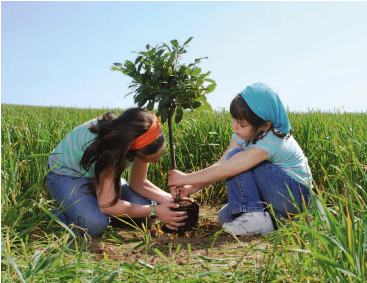
child's playI don’t like to talk about my family online. Call me paranoid, but there are a lot of crazy people out there who don’t like what scientists like me are saying (bugger the evidence). Yes, like many climate scientists, I’ve also been threatened. That’s why my personal life remains anonymous except for a select group of people.

But I’ve mentioned my daughter before on this blog, and despite a few people insinuating that I am a bad parent because of what I said, I am happy that I made the point that climate change is a scary concept of which our children must at least be cognisant.

My daughter’s story today is a little less confronting, but equally enlightening. It’s also a little embarrassing as a scientist who has dedicated my entire research career to the discipline of conservation biology.

As a normal six year-old without the ability to refrain from talking – even for a moment – I hear a lot of stories. Many of them are of course fantastical and ridiculous, but those are just part of a healthy, imaginative childhood (I am proud to say though that she is quite clear about the non-existence of fictitious entities like faeries, easter bunnies and gods).

Every once in a while, however, there are snippets of wisdom that ooze out from the cracks in the dross. In the last few months, my daughter has independently and with no prompting from me come up with two pillars of conservation science: (i) protected areas and (ii) biodiversity corridors. Read the rest of this entry »


The economy worse off since 1978

3 07 2013
eat money

Can’t eat money

I was only a little tacker in 1978, and as any little tacker, I was blissfully unaware that I had just lived through a world-changing event. Just like that blissfully ignorant child, most people have no idea how important that year was.

It was around that year that humanity exceeded the planet’s capacity to sustain itself in perpetuity1. As I’ve just discovered today, it was also the same year that the per-capita Genuine Progress Indicator (GPI) peaked.

Now for a little detour and disclaimer before I explain all that. I’m not an economist, but I have a dabbled with the odd economic concept and bolted-on economic sub-routine in a few models I’ve written. Some would argue that conservation (i.e., the quest and methods needed to conserve biowealth) is almost entirely an economic pursuit, for economics is the discipline that attempts to explain (and modify) human behaviour. I tend to agree insofar as we now know enough on the biological side regarding how species become threatened and go extinct, and what kind of things we need to do to avoid losing more of the life-support system provided by biodiversity. Being completely practical about it, one could even argue that the biology part of conservation biology is complete – we should all now re-train as economists. While that notion probably represents a little hyperbole, it does demonstrate that economics is an essential endeavour in the fight to conserve our home.

Almost everyone has heard of ‘GDP’ – the Gross Domestic Product – as an indicator of economic ‘performance’, although most people have little idea what it actually measures (I’m including businesspeople and politicians here). GDP is merely the sum of marketed economic activity, which is only one small facet of the economy. For example, growing a tomato and preparing a salad for your family with it is not included, yet buying a frozen meal in the supermarket is. Even an oil spill increases GDP via increased expenditures associated with clean-up and remediation, when clearly it is not a ‘good’ thing for the economy on the whole because of the lost opportunities it causes in other sectors. Read the rest of this entry »


Our national parks must be more than playgrounds or paddocks

24 05 2013

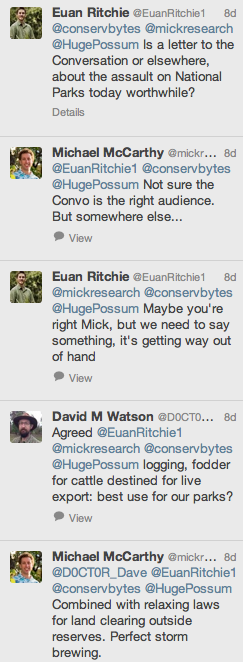
Convo TweetsIt’s interesting when a semi-random tweet by a colleague ends up mobilising a small army of scientists to get pissed off enough to co-write an article. Euan Ritchie of Deakin University started it off, and quickly recruited me, Mick McCarthy, David Watson, Ian Lunt, Hugh Possingham, Bill Laurance and Emma Johnston to put together the article. It’s a hugely important topic, so I hope it generates a lot of discussion and finally, some bloody action to stop the rapid destruction of this country’s national parks system.

Note: Published simultaneously on The Conversation.

It’s make or break time for Australia’s national parks.

National parks on land and in the ocean are dying a death of a thousand cuts, in the form of bullets, hooks, hotels, logging concessions and grazing licences. It’s been an extraordinary last few months, with various governments in eastern states proposing new uses for these critically important areas.

Australia’s first “National Park”, established in 1879, was akin to a glorified country club. Now called the “Royal National Park” on the outskirts of Sydney, it was created as a recreational escape for Sydney-siders, with ornamental plantations, a zoo, race courses, artillery ranges, livestock paddocks, deer farms, logging leases and mines.

Australians since realised that national parks should focus on protecting the species and natural landscapes they contain. However, we are now in danger of regressing to the misguided ideals of the 19th Century.

Parks under attack

In Victoria, new rules will allow developers to build hotels and other ventures in national parks. In New South Wales, legislation has been introduced to allow recreational shooting in national parks, and there is pressure to log these areas too. Read the rest of this entry »


The invisible hand of ecosystem services

4 08 2012

I’ve just spent nearly an entire week trying to get my head around ecosystem services (ES).

You’d think that would have been a given based on my experience, my research, my writings and the fact that I’ve just spent the last week with 400 ES specialists from around the world at the 5th international Ecosystem Services Partnership (ESP) Conference in Portland, Oregon, USA.

Well, prior to this week I thought I knew what ES were, but now I think I’m just a little more confused.

Of course, I’m not talking about the concept of ES or what they are (hell, I’ve written enough about them on this blog and in my papers); my problem is understanding how we as society end up valuing them in a practical, sensible and feasible way.

So I’m going to describe the ESP Conference as I saw it, and not necessarily in chronological order.

First up is the term ‘ecosystem services’ itself – horrible name, and something rammed home again after attending the conference. Most people on the planet that are not scientists (that would be nearly everyone) just might have the most tenuous and ethereal of grasps of ‘ecosystem’ in the first place, and I’d bet that 99 % of most undergraduate students couldn’t provide a comprehensive description. This is because ecosystems are mind-bogglingly, chaotically and awesomely complex. Just ask any ecosystem ecologist.

The second part of the term – services – is particularly offensive in its presumption and arrogance. It’s not like you ring up an ecosystem and get it to clean your carpets, or fill your water tank or gas cylinder. No, the natural world did not evolve to pamper humanity; we are merely part of it (and bloody efficient at modifying it, I might add).

So try to sell this ‘incredibly complex thingy’ that is ‘there to do some (intangible) shit for us’ to the public, policy makers and politicians, and you mostly get a dog’s regurgitated breakfast and some blank, slack-jawed stares. Read the rest of this entry »