 I’ve written before about how sometimes I can feel a little exasperated by what seems to be a constant barrage of bad English from some of my co-authors. No, I’m not focussing solely on students, or even native English speakers for that matter. In fact, one of the best (English) science writers with whom I’ve had the pleasure of working is a Spaniard (he also happens to write particularly well in Castellano). He was also fairly high up on the command-of-English ladder when he started out as my PhD student. So. There.
In other words, just because you grew up speaking the Queen’s doesn’t automatically guarantee that you’ll bust a phrase as easily as Shakespeare, Tolkien, Gould or Flannery; in fact, it might put you at a decided disadvantage compared to your English-as-a-second- (-third-, -fourth-, -fifth- …) language peers because they avoided learning all those terrible habits you picked up as you grunted your way through adolescence. Being forced to learn the grammar of another language often tends to make you grasp that of your mother tongue a little better.
So regardless of your background, if you’ve managed to beat the odds and know in your heart that you are in fact a good writer of science in English (you know who you are), I think you have a moral duty to help out those who still struggle with it. I’m not referring necessarily to the inevitable corrections you’ll make to your co-authors’ prose when drafting manuscripts1. I am instead talking about going out of your way to help someone who really, really needs it. Read the rest of this entry »












 ConservationBytes.com
Rocking the scientific boat
14 12 2012© C. Simpson
One thing that has simultaneously amused, disheartened, angered and outraged me over the past decade or so is how anyone in their right mind could even suggest that scientists band together into some sort of conspiracy to dupe the masses. While this tired accusation is most commonly made about climate scientists, it applies across nearly every facet of the environmental sciences whenever someone doesn’t like what one of us says.
First, it is essential to recognise that we’re just not that organised. While I have yet to forget to wear my trousers to work (I’m inclined to think that it will happen eventually), I’m still far, far away from anything that could be described as ‘efficient’ and ‘organised’. I can barely keep it together as it is. Such is the life of the academic.
More importantly, the idea that a conspiracy could form among scientists ignores one of the most fundamental components of scientific progress – dissension. And hell, can we dissent!
Yes, the scientific approach is one where successive lines of evidence testing hypotheses are eventually amassed into a concept, then perhaps a rule of thumb. If the rule of thumb stands against the scrutiny of countless studies (i.e., ‘challenges’ in the form of poison-tipped, flaming literary arrows), then it might eventually become a ‘theory’. Some theories even make it to become the hallowed ‘law’, but that is very rare indeed. In the environmental sciences (I’m including ecology here), one could argue that there is no such thing as a ‘law’.
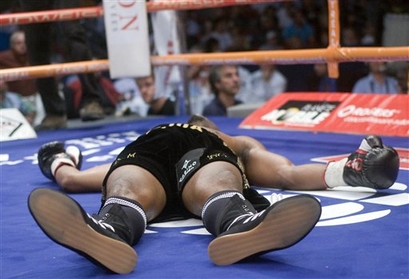
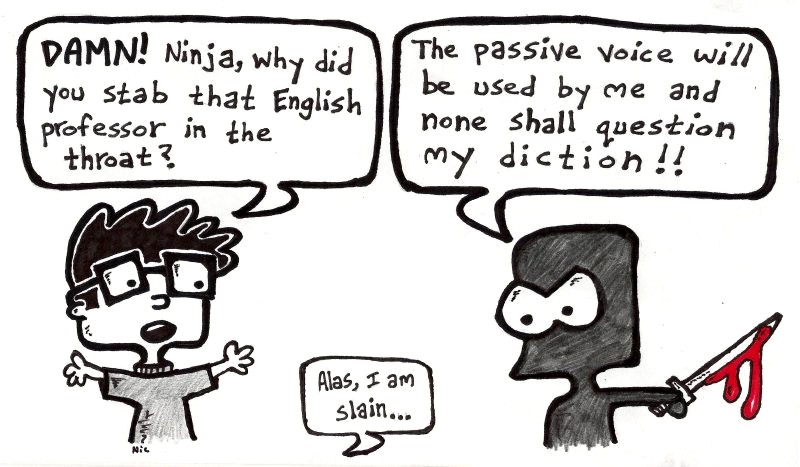
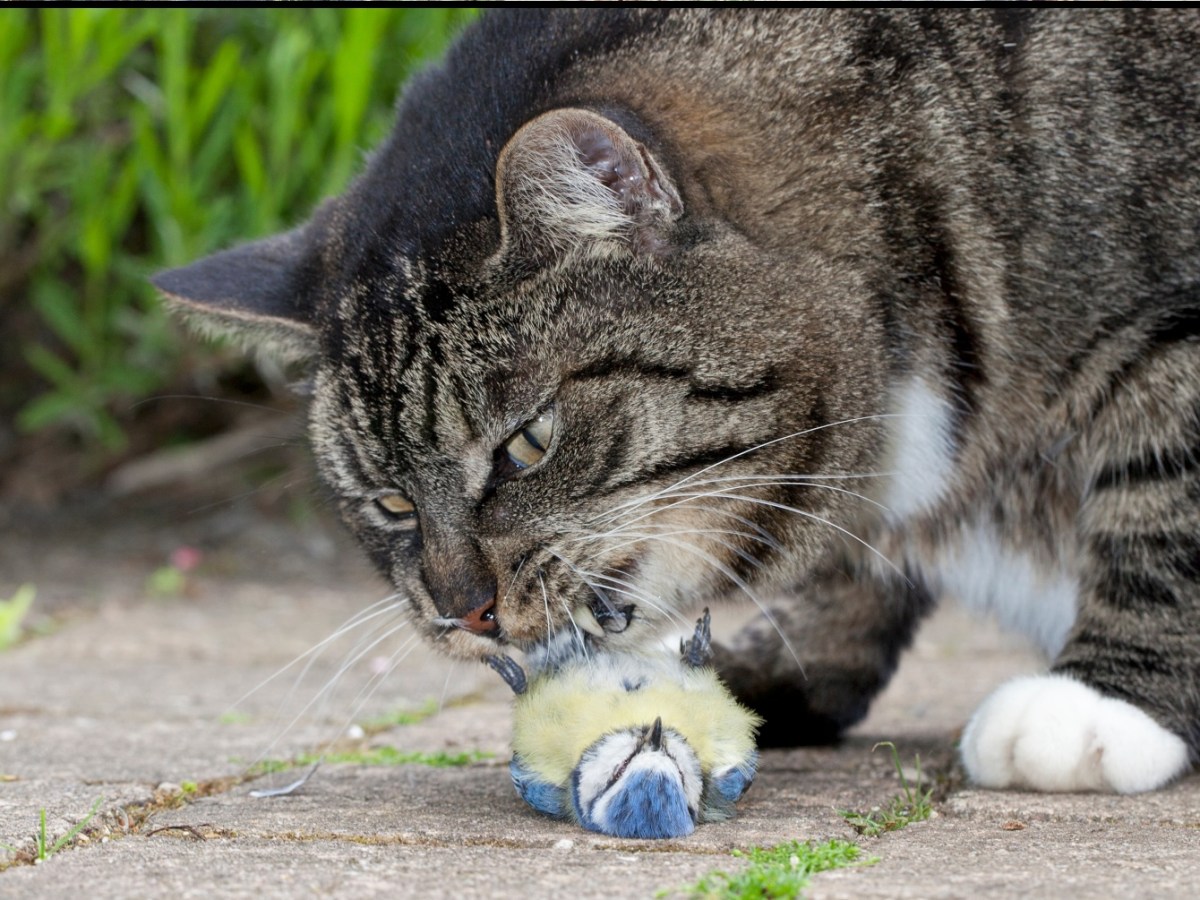
Well-informed non-scientists might understand, or at least, appreciate that process. But few people outside the sciences have even the remotest clue about what a real pack of bastards we can be to each other. Use any cliché or descriptor you want – it applies: dog-eat-dog, survival of the fittest, jugular-slicing ninjas, or brain-eating zombies in lab coats.
Read the rest of this entry »
Share:
Comments : 10 Comments »
Tags: comments, conspiracy, peer review, publishing, referees, responses, scientific process, Scientist
Categories : climate change, conservation, conservation biology, environmental science, fragmentation, habitat loss, minimum viable population, mvp, research, science, scientific publishing, scientific writing