Following my late-December tradition, I present — in no particular order — a retrospective list of the ‘top’ 20 influential papers of 2020 as assessed by experts in Faculty Opinions (formerly known as F1000). See previous years’ lists here: 2019, 2018, 2017, 2016, 2015, 2014, and 2013.

Life in fluctuating environments — “… it tackles a fundamental problem of bio-ecology (how living beings cope with the fluctuations of the environment) with a narrative that does not make use of the cumbersome formulas and complicated graphs that so often decorate articles of this kind. Instead, the narrative and the illustrations are user-friendly and easy to understand, while being highly informative.“
Forest carbon sink neutralized by pervasive growth-lifespan trade-offs — “… deals with a key process in the global carbon cycle: whether climate change (CC) is enhancing the natural sink capacity of ecosystems or not.“
Bending the curve of terrestrial biodiversity needs an integrated strategy — “… explores different scenarios about the consequences of habitat conversion on terrestrial biodiversity.“
Rebuilding marine life — “The logic is: leave nature alone, and it will come back. Not necessarily as it was before, but it will come back.“
Towards a taxonomically unbiased European Union biodiversity strategy for 2030 — “… states that the emperor has no clothes, providing an estimate of the money dedicated to biodiversity conservation (a lot of money) and then stating that the bulk of biodiversity remains unstudied and unprotected, while efforts are biased towards just a few “popular” species.“
Read the rest of this entry »



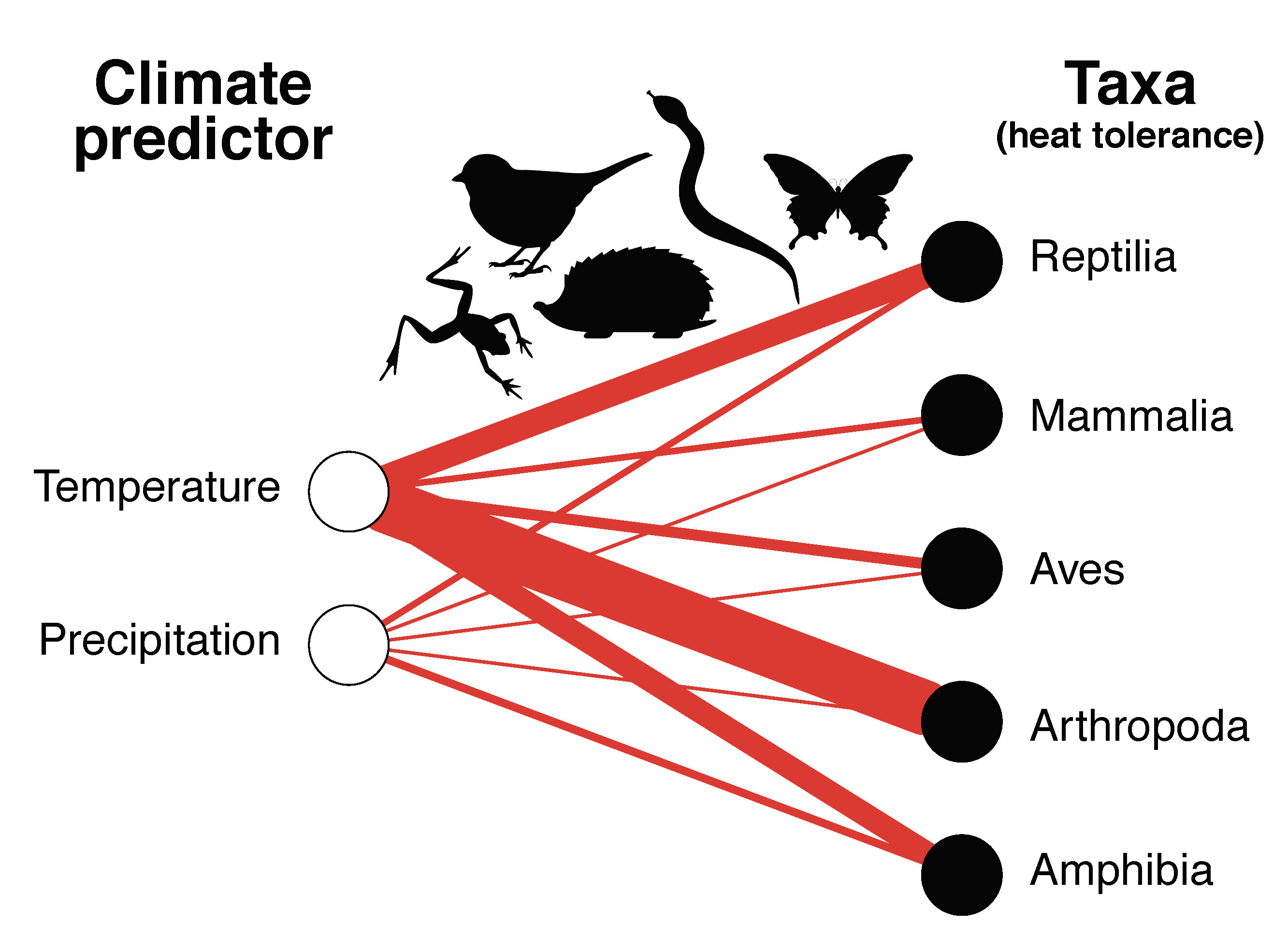

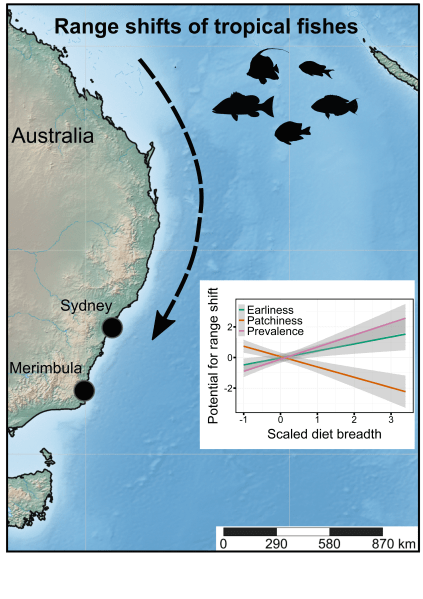 Ecologists often rely on measuring certain elements of a species’ characteristics, behaviour, or morphology to determine if these — what we call ‘traits’ — give them certain capacities to exploit their natural environments. While sometimes a bit arbitrarily defined, the traits that can be measured are many indeed, and sometimes they reveal rather interesting elements of a species’ resilience in the face of environmental change.

 Back in March this year before much of the world morphed into the weirdness that now dictates all facets of life, I wrote

 An excerpt from