Four decades of fragmentation

27 09 2017

fragmented

I’ve recently read perhaps the most comprehensive treatise of forest fragmentation research ever compiled, and I personally view this rather readable and succinct review by Bill Laurance and colleagues as something every ecology and conservation student should read.

The ‘Biological Dynamics of Forest Fragments Project‘ (BDFFP) is unquestionably one of the most important landscape-scale experiments ever conceived and implemented, now having run 38 years since its inception in 1979. Indeed, it was way ahead of its time.

Experimental studies in ecology are comparatively rare, namely because it is difficult, expensive, and challenging in the extreme to manipulate entire ecosystems to test specific hypotheses relating to the response of biodiversity to environmental change. Thus, we ecologists tend to rely more on mensurative designs that use existing variation in the landscape (or over time) to infer mechanisms of community change. Of course, such experiments have to be large to be meaningful, which is one reason why the 1000 km2 BDFFP has been so successful as the gold standard for determining the effects of forest fragmentation on biodiversity.

And successful it has been. A quick search for ‘BDFFP’ in the Web of Knowledge database identifies > 40 peer-reviewed articles and a slew of books and book chapters arising from the project, some of which are highly cited classics in conservation ecology (e.g., doi:10.1046/j.1523-1739.2002.01025.x cited > 900 times; doi:10.1073/pnas.2336195100 cited > 200 times; doi:10.1016/j.biocon.2010.09.021 cited > 400 times; and doi:10.1111/j.1461-0248.2009.01294.x cited nearly 600 times). In fact, if we are to claim any ecological ‘laws’ at all, our understanding of fragmentation on biodiversity could be labelled as one of the few, thanks principally to the BDFFP. Read the rest of this entry »





Less snow from climate change pushes evolution of browner birds

7 09 2017
© Bill Doherty

© Bill Doherty

Climate changes exert selective pressures on the reproduction and survival of species. A study of tawny owls from Finland finds that the proportion of two colour morphs varies in response to the gradual decline of snowfall occurring in the boreal region.

Someone born in the tropics who travels to the Antarctic or the Himalaya can, of course, stand the cold (with a little engineering help from clothing, however). The physiology of our body is flexible enough to tolerate temperatures alien to those of our home. We can acclimate and, if we are healthy, we can virtually reside anywhere in the world.

However, modern climate change is steadily altering the thermal conditions of the native habitats of many species. Like us, some can live up to as much heat or cold as their genetic heritage permits, because each species can express a range of morphological, physiological, and behavioural variation (plasticity). Others can modify their genetic make-up, giving way to novel species-specific features or genotypes (evolution).

When genetic changes are speedy, that is, within a few generations, we are witnessing ‘microevolution’ — in contrast to ‘macroevolution’ across geological time scales as originally reported by Darwin and Wallace (1). To date, the detection of microevolution in response to modern climate change remains elusive, and many studies claiming so seem to lack the appropriate data to differentiate microevolution from phenotypic plasticity (i.e., the capacity of a single genotype to exhibit variable phenotypes in different environments) (2, 3). Read the rest of this entry »


Two new postdoctoral positions in ecological network & vegetation modelling announced

21 07 2017

19420366_123493528240028_621031473222812853_n

With the official start of the new ARC Centre of Excellence for Australian Biodiversity and Heritage (CABAH) in July, I am pleased to announce two new CABAH-funded postdoctoral positions (a.k.a. Research Associates) in my global ecology lab at Flinders University in Adelaide (Flinders Modelling Node).

One of these positions is a little different, and represents something of an experiment. The Research Associate in Palaeo-Vegetation Modelling is being restricted to women candidates; in other words, we’re only accepting applications from women for this one. In a quest to improve the gender balance in my lab and in universities in general, this is a step in the right direction.

The project itself is not overly prescribed, but we would like something along the following lines of inquiry: Read the rest of this entry »


Human population growth, refugees & environmental degradation

7 07 2017

refugeesThe global human population is now over 7.5 billion, and increasing by about 90 million each year. This means that we are predicted to exceed 9 billion people by 2050, with no peak in site this century and a world population of up to 12 billion by 2100. These staggering numbers are the result of being within the exponential phase of population growth since last century, such that some 14% of all human beings that have ever lived on the planet are still alive today. That is taking into account about the past 200,000 years, or 10,000 generations.
Of course just like the Earth’s resources, human beings are not distributed equally around the globe, nor are the population trends consistent among regions or nations. In fact, developing nations are contributing to the bulk of the global annual increase (around 89 million per year), whereas developed nations are contributing a growth of only about 1 million each year. Another demonstration of the disparity in human population distributon is that about half of all human beings live in just seven countries (China, India, USA, Indonesia, Brazil, Pakistan, Nigeria, and Bangladesh), representing just one quarter of the world’s total land area. Read the rest of this entry »


It’s not all about temperature for corals

31 05 2017

CB_ClimateChange6_Photo

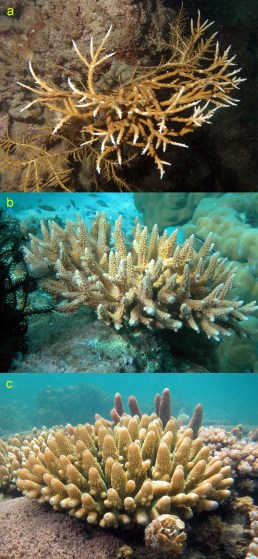
Three of the coral species studied by Muir (2): (a) Acropora pichoni: Pohnpei Island, Pacific Ocean — deep-water species/IUCN ‘Near threatened’; (b) Acropora divaricate: Maldives, Indian ocean — mid-water species/IUCN ‘Near threatened’; and (c) Acropora gemmifera: Orpheus Island, Australia — shallow-water species/IUCN ‘Least Concern’. The IUCN states that the 3 species are vulnerable to climate change (acidification, temperature extremes) and demographic booms of the invading predator, the crown-of-thorns starfish Acanthaster planci. Photos courtesy of Paul Muir.

Global warming of the atmosphere and the oceans is modifying the distribution of many plants and animals. However, marine species are bound to face non-thermal barriers that might preclude their dispersal over wide stretches of the sea. Sunlight is one of those invisible obstacles for corals from the Indian and Pacific Oceans.

If we were offered a sumptuous job overseas, our professional success in an unknown place could be limited by factors like cultural or linguistic differences that have nothing to do with our work experience or expertise. If we translate this situation into biodiversity terms, one of the best-documented effects of global warming is the gradual dispersal of species tracking their native temperatures from the tropics to the poles (1). However, as dispersal progresses, many species encounter environmental barriers that are not physical (e.g., a high mountain or a wide river), and whose magnitude could be unrelated to ambient temperatures. Such invisible obstacles can prevent the establishment of pioneer populations away from the source.

Corals are ideal organisms to study this phenomenon because their life cycle is tightly geared to multiple environmental drivers (see ReefBase: Global Information System for Coral Reefs). Indeed, the growth of a coral’s exoskeleton relies on symbiotic zooxanthellae (see video and presentation), a kind of microscopic algae (Dinoflagellata) whose photosynthetic activity is regulated by sea temperature, photoperiod and dissolved calcium in the form of aragonite, among other factors.

Read the rest of this entry »


Spring asynchrony in migratory birds

15 05 2017
CB_ClimateChange5_BirdLateMigratoryArrival_Photo

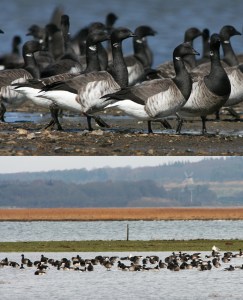
Brent geese flock in the Limfjorden (Denmark)courtesy of Kevin Clausen. The Brent goose (Branta bernicla) is a migratory goose that breeds in Arctic coasts, as well as in northern Eurasia and the Americas, starting from late May to early June. Adults are about 0.5 m long, weigh some 2 kg and live up to 30 years. Their nests are placed in the ground, where reproductive pairs incubate a single clutch (≤ 5 eggs) for a couple of months. They are herbivores, feeding on algae (mainly Zostera marina in Limfjord) and seagrass in estuaries, fjords, intertidal areas and rocky beaches during fall and winter. During summer they feed on tundra herbs, moss, lichens, as well as aquatic plants in rivers and lakes. The species is ‘Least Concern’ for the IUCN, with a global population at some 600,000 individuals.

Migratory birds synchronise their travel from non-breeding to breeding quarters with the seasonal conditions optimal for reproduction. Above all, they decide when to migrate on the basis of the climate of their wintering areas while they are there. As climate change involves earlier springs in the Arctic but not in the wintering areas, there is a lack of synchronisation that leads to a demographic decline of these birds in the polar regions where they breed.

When I think about how species respond to climate change, the song from the ClashShould I stay or should I go” comes to mind. As climate changes, species eventually have to face an ultimate choice: (i) stay and adapt to novel conditions or become locally extinct if adaptation fails, (ii) or move to other regions where climatic conditions should be more suitable. Migratory species have to face this decision every time they have to move back and forth from non-breeding to breeding grounds.

Migration is a behavioural strategy shared by different animal groups like sea turtles, mammals, amphibians, insects or birds. Species move from one area to another usually to feed and reproduce in the best climatic conditions possible. For birds, migration is a common phenomenon that typically entails large movements between breeding and wintering grounds. These vertebrates boast some of the longest migratory distances known in the animal kingdom, particularly seabirds like Artic terns, which can complete up to a round-world trip in a single migratory event between the UK and the Antarctic (1). There are several theories about the mechanisms triggering bird migration, including improving body condition and fitness through unexploited resources (2), reducing parasite load (3), minimizing predation risk (4), maximizing day-light (5), or reducing competition (6, 7). Whatever the cause, birds have to decide when the best moment to migrate is, counting only with the (usually climatic) clues they have at the departure site. Read the rest of this entry »


Noses baffled by ocean acidification

18 04 2017

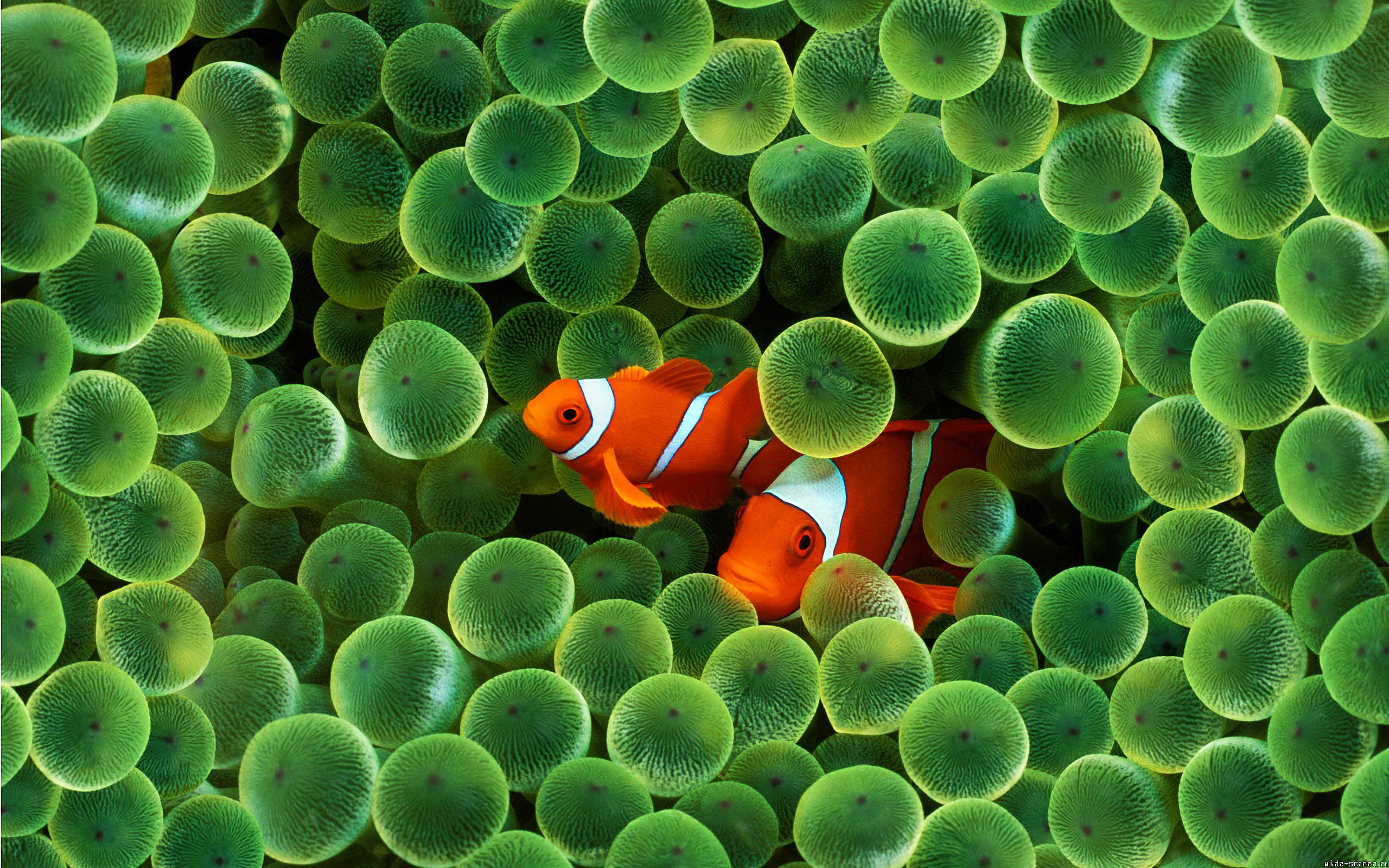
Clown fish couple (Amphiprion percula) among the tentacles of anemone Heteractis magnifica in Kimbe Bay (Papua New Guinea) – courtesy of Mark McCormick. Clownfish protect anemones from predators and parasites in exchange of shelter and food. The fish tolerates the host’s venom because its skin is protected by a mucus layer some 2-3× thicker than phylogenetically related species (12); clownfish fabricate the mucus themselves and seem to obtain anemone antigens through a period of acclimation (13), but whether protection is acquired or innate is still debated. Clownfish are highly social bony fish, forming groups with one reproductive pair (up to 11 cm in length each) and several smaller, non-reproductive males. Reproduction is protandrous (also known as sequential hermaphroditism), so larvae are born male and, as soon as the reproductive female dies, her widower becomes female and the largest of the subsidiary males becomes the alpha male. The IUCN lists clownfish, generically named ‘anemone fish’, as threatened by the pet-trade industry and habitat degradation, although surprisingly, only 1 species has been assessed (A. sandaracinos). The clown anemone fish A. ocellaris is the species that inspired Nemo in the 2003 Academy-Award fiction movie – contrary to the logical expectation that the Oscars Red Carpet would generate support for conservation on behalf of Hollywood, of the 1568 species represented in the movie, only 16 % of those evaluated are threatened (14).

Smell is like noise, the more scents we breathe in one sniff, the more difficult it is to distinguish them to the point of olfactory saturation. Experimental work with clownfish reveals that the increase in dissolved carbon dioxide in seawater, mimicking ocean acidification, alters olfactory physiology, with potential cascading effects on the demography of species.

Places such as a restaurant, a hospital or a library have a characteristic bouquet, and we can guess the emotional state of other people by their scents. Smell is critical between predators and prey of many species because both have evolved to detect each other without the aid of vision. At sea, the smell of predators dissolves in water during detection, attack, capture, and ingestion of prey, and many fishes use this information to assess the risk of ending up crunched by enemy teeth (1, 2). But predator-prey interactions can be modified by changes in the chemical composition of seawater and are therefore highly sensitive to ongoing ocean acidification (see global measuring network here). Experts regard ocean acidification as the ‘other CO2 problem’ of climate change (3) — just to emphasize that anthropogenic climate-change impacts terrestrial and aquatic ecosystems alike. Acidification occurs because the ocean absorbs CO2 at a rate proportional with the concentration of this gas in the atmosphere and, once dissolved, CO2 becomes carbonic acid (H2CO3), which in turn releases protons (H+) — in simple terms, pH is the concentration of protons (see video about ocean acidification): Read the rest of this entry »


Job: Research Fellow in Palaeo-Ecological Modelling

13 04 2017

© seppo.net

I have another postdoctoral fellowship to advertise! All the details you need for applying are below.

KEY PURPOSE 

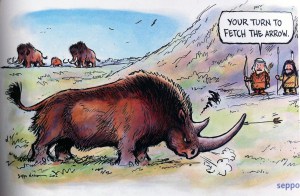
Scientific data such as fossil and archaeological records used as proxy to reconstruct past environments and biological communities (including humans) are sparse, often ambiguous or contradictory when establishing any consensus on timing or routes of initial human arrival and subsequent spread, the timing or extent of major changes in climate and other environmental perturbations, or the timing or regional pattern of biological extinctions.

The Research Fellow (Palaeo-Ecological Modelling) will assist in addressing these problems by developing state-of-the-art analytical and simulation tools to infer regional pattern of both the timing of human colonisation and megafauna extinction based on incomplete and sparse dataset, and investigating past environmental changes and human responses to identify their underlying causes and consequences on Australia’s landscapes, biodiversity and cultural history.

ORGANISATIONAL ENVIRONMENT 

The position will be based in the School of Biological Sciences in the Faculty of Science & Engineering at Flinders University. Flinders University boasts a world-class Palaeontology Research Group (PRG) and the new Global Ecology Research Laboratory that have close association with the research-intensive South Australian Museum. These research groups contribute to building a dynamic research environment that explores the continuum of environmental and evolutionary research from the ancient to modern molecular ecology and phylogeography. The School of Biological Sciences is an integrated community researching and teaching biology, and has a long history of science innovation. The appointee will join an interdisciplinary school of approximately 45 academic staff. The teaching and research activities of the School are supported by a range of technical and administrative infrastructure services.

KEY RESPONSIBILITIES

The key responsibilities and selection criteria identified for this position should be read in conjunction with the Flinders University Academic Profiles for the relevant academic classification (scroll down to Academic Profiles).

The Research Fellow (Palaeo-Ecological Modelling) will work under the direction of the Project Chief Investigator, and will be required to: Read the rest of this entry »


Not 100% renewable, but 0% carbon

5 04 2017

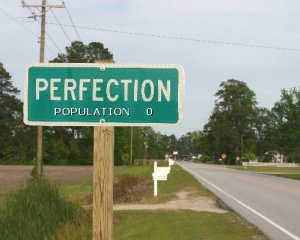
635906686103388841-366754148_perfection1Anyone familiar with this blog and our work on energy issues will not be surprised by my sincere support of nuclear power as the only realistic solution to climate change in the electricity (and possibly transport and industrial heat) arena. I’ve laid my cards on the table in the peer-reviewed literature (e.g., see here, here, here, here, here & here) and the standard media, and I’ve even joined the board of a new environmental NGO that supports nuclear.
And there is hope, despite the ever-increasing human population, rising consumerism, dwindling resources, and the ubiquity of ideologically driven and ethically compromised politicians. I am hopeful for several reasons, including rising safety and reliability standards of modern nuclear technology, the continued momentum of building new fission reactors in many countries, and even the beginnings of real conversations about nuclear power (or at least, the first steps toward this) in countries where nuclear energy is currently banned (e.g., Australia). I’m also heartened by the fact that nearly every conservation scientists with whom I speak is generally supportive, or at least non-resistant, to the idea of nuclear power as part of the climate change solution. An open letter by our colleagues attests to this. In fact, every day that passes brings new evidence that we cannot ignore this solution any longer.

Even despite the evidence in support of implementing a strong nuclear component into climate change-mitigation strategies, one of the most frequent arguments for not doing so is that society can achieve all of its energy needs and simultaneously combat climate change by constructing 100% renewable-energy pathways. While it is an easy mantra to repeat because it feels right intrinsically to nearly everyone with an environmental conscience, as a scientist I also had to ask if such a monumental task is even technically feasible. Read the rest of this entry »


Singin’ in the heat

9 03 2017
coqui & forest

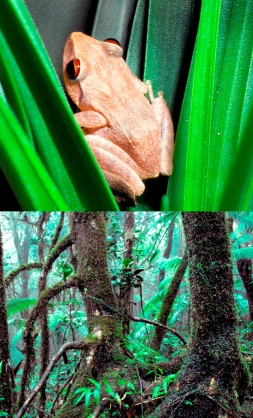
Common coqui frog male (Eleutherodactylus coqui, snout-to vent length average ~ 3 cm) camouflaged in the fronds of an epiphyte in the El Yunque National Forest (Puerto Rico), along with an image of the enchanted forest of the Sierra de Luquillo where Narins & Meenderink did their study (4) – photos courtesy of Thomas Fletcher. This species can be found from sea level to the top of the highest peak in Puerto Rico (Cerro Punta = 1338 m). Native to mesic ecosystems, common coquis are well adapted to a terrestrial life, e.g., they lack interdigital webbing that support swimming propulsion in many amphibians, and youngsters hatch directly from the egg without transiting a tadpole stage. The IUCN catalogues the species as ‘Least Concern’ though alerts recent declines in high-altitude populations caused by chytrid fungus – lethal to amphibians at a planetary scale (9). Remarkably, the species has been introduced to Florida, Hawaii, the Dominican Republic and the Virgin Islands where it can become a pest due to high fertility rates (several >20 egg clutches/female/year).

Frog songs are species-specific and highly useful for the study of tropical communities, which host the highest amphibian diversities globally. The auditory system of females and the vocal system of males have co-evolved to facilitate reproductive encounters, but global warming might be disrupting the frequency of sound-based encounters in some species..

It is a rainy night, and Don (Gene Kelly) has just left his love, Kathy (Debbie Reynolds), at home, starting one of the most famous musical movie scenes ever: Singin’ in the rain 

Amphibians (see Amphibians for kids by National Geographic) also love to sing in rainy nights when males call for a partner, but now they have to do it in hotter conditions as local climates become warmer. Vocal behaviour is a critical trait in the life history of many frog species because it mediates recognition between individuals, including sexual selection by females (1).

With few exceptions, every species has a different and unique call, so scientists can use call features to identify species, and this trait is particularly useful in the inventory of diverse tropical communities (2). Differences in call frequency, duration and pitch, and in note, number, and repetition pattern, occur from one species to another. And even within species, songs can vary from individual to individual (as much as there are not two people with the same voice), and be tuned according to body size and environmental temperature (3). Read the rest of this entry »


Not all wetlands are created equal

13 02 2017

little-guyLast year I wrote what has become a highly viewed post here at ConservationBytes.com about the plight of the world’s freshwater biodiversity. In a word, it’s ‘buggered’.
But there are steps we can take to avoid losing even more of that precious freshwater biodiversity. The first, of course, is to stop sucking all the water out of our streams and wetlands. With a global population of 7.5 billion people and climbing, the competition for freshwater will usually mean that non-human life forms lose that race. However, the more people (and those making the decisions, in particular) realise that intact wetlands do us more good as wetlands rather than carparks, housing developments, or farmland (via freshwater filtering, species protection, carbon storage, etc.), the more we have a chance to save them.

My former MSc student, the very clever David Deane1, has been working tirelessly to examine different scenarios of wetland plant biodiversity change in South Australia, and is now the proud lead author of a corker of a new paper in Biological Conservation. Having already published one paper about how wetland plant biodiversity patterns are driven by rare terrestrial plants, his latest is a very important contribution about how to manage our precious wetlands. Read the rest of this entry »


To feed or to perish in an iceless world

1 02 2017
cb_climatechange2_polarbears_photo2

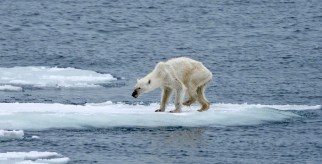
Emaciated female polar bear on drift ice in Hinlopen Strait (Svalbard, Norway), in July 2015 – courtesy of Kerstin Langenberger (www.arctic-dreams.com)

Evolution has designed polar bears to move, hunt and reproduce on a frozen and dynamic habitat that wanes and grows in thickness seasonally. But the modification of the annual cycle of Arctic ice due to global warming is triggering a trophic cascade, which already links polar bears to marine birds.

Popular and epicurean gastronomy claims that the best recipes should use seasonal veggies and fruits. Once upon a time, when there were no greenhouses, international trade routes, or as much frozen and canned food, our grandparents enjoyed what was available at the time. So in some years we had plenty of cherries, while during others we might have feasted on plums. Read the rest of this entry »


The Evidence Strikes Back — What Works 2017

16 01 2017
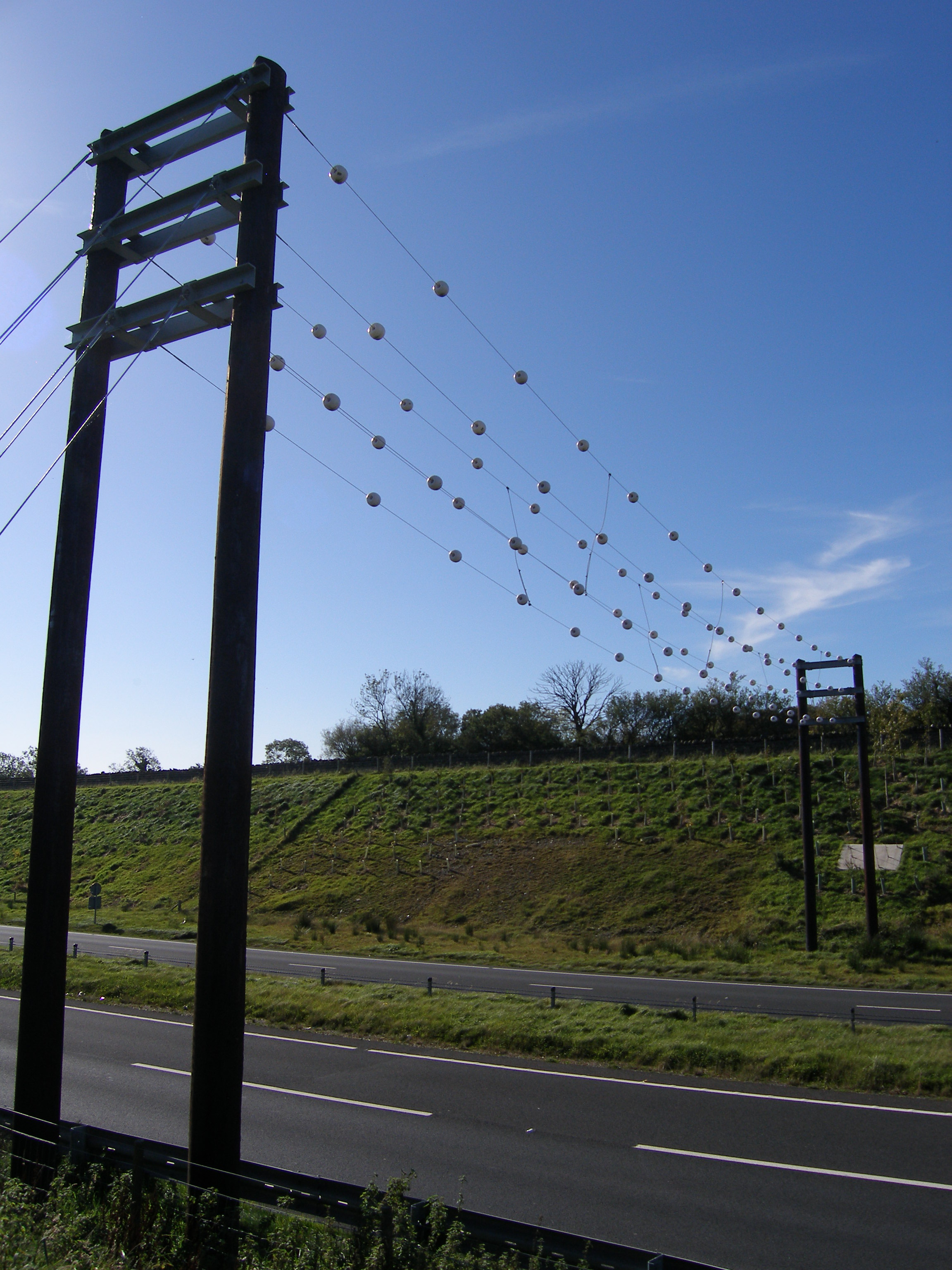
Bat gantry on the A590, Cumbria, UK. Photo credit: Anna Berthinussen

Bat gantry on the A590, Cumbria, UK. Photo credit: Anna Berthinussen

Tired of living in a world where you’re constrained by inconvenient truths, irritating evidence and incommodious facts? 2016 must have been great for you. But in conservation, the fight against the ‘post-truth’ world is getting a little extra ammunition this year, as the Conservation Evidence project launches its updated book ‘What Works in Conservation 2017’.

Conservation Evidence, as many readers of this blog will know, is the brainchild of conservation heavyweight Professor Bill Sutherland, based at Cambridge University in the UK. Like all the best ideas, the Conservation Evidence project is at once staggeringly simple and breathtakingly ambitious — to list every conservation intervention ever cooked up around the world, and see how well, in the cold light of evidence, they actually worked. The project is ongoing, with new chapters of evidence added every year grouped by taxa, habitat or topic — all available for free on www.conservationevidence.com.

What Works in Conservation’ is a book that summarises the key findings from the Conservation Evidence website, and presents them in a simple, clear format, with links to where more information can be found on each topic. Experts (some of us still listen to them, Michael) review the evidence and score every intervention for its effectiveness, the certainty of the evidence and any harmful side effects, placing each intervention into a colour coded category from ‘beneficial’ to ‘likely to be ineffective or harmful.’ The last ‘What Works’ book included chapters on birds, bats, amphibians, soil fertility, natural pest control, some aspects of freshwater invasives and farmland conservation in Europe; new for 2017 is a chapter on forests and more species added to freshwater invasives. Read the rest of this entry »


Where do citizens stand on climate change?

2 01 2017
Talk to the hand

Talk to the hand

Climate change caused by industrialisation is modifying the structure and function of the Biosphere. As we uncork 2017, our team launches a monthly section on plant and animal responses to modern climate change in the Spanish magazine Quercus – with an English version in Conservation Bytes. The initiative is the outreach component of a research project on the expression and evolution of heat-shock proteins at the thermal limits of Iberian lizards (papers in progress), supported by the British Ecological Society and the Spanish Ministry of Economy, Industry and Competitiveness. The series will feature key papers (linking climate change and biodiversity) that have been published in the primary literature throughout the last decade. To set the scene, we start off putting the emphasis on how people perceive climate change.

Salvador Herrando-Pérez, David R. Vieites & Miguel B. Araújo

“I would like to mention a cousin of mine, who is a Professor in Physics at the University of Seville – and asked about this matter [climate change], he stated: listen, I have gathered ten of the top scientists worldwide, and none has guaranteed what the weather will be like tomorrow in Seville, so how could anyone predict what is going to occur in the world 300 years ahead?”

Mariano Rajoy (Spanish President from 2011 to date) in a public speech on 22 October 2007

Weather (studied by meteorology) behaves like a chaotic system, so a little variation in the atmosphere can trigger large meteorological changes in the short term that are hard to predict. On the contrary, climate (studied by climatology) is a measure of average conditions in the long term and thus far more predictable than weather. There is less uncertainty in a climate prediction for the next century than in a weather prediction for the next month. The incorrect statement made by the Spanish President reflects harsh misinformation and/or lack of environment-related knowledge among our politicians.

Climate has changed consistently from the onset of the Industrial Revolution. The IPCC’s latest report stablishes with 95 to 100% certainty (solid evidence and high consensus given published research) that greenhouse gases from human activities are the main drivers of global warming since the second half of the 20th Century (1,2). The IPCC also flags that current concentrations of those gases have no parallel in the last 800,000 years, and that climate predictions for the 21st Century vary mostly according to how we manage our greenhouse emissions (1,3). Read the rest of this entry »


Boreal forest on the edge of a climate-change tipping point

15 11 2016

As some know, I dabble a bit in the carbon affairs of the boreal zone, and so when writer Christine Ottery interviewed me about the topic, I felt compelled to reproduce her article here (originally published on EnergyDesk).

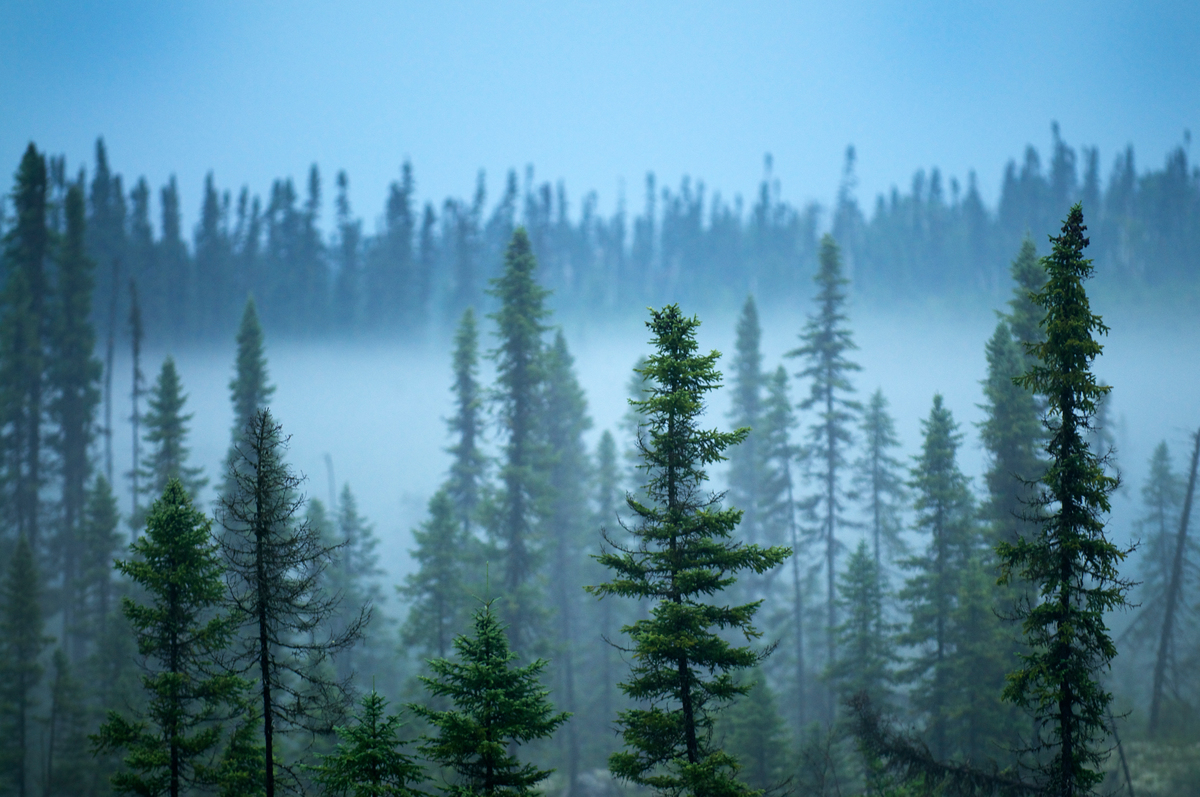
A view of the Waswanipi-Broadback Forest in the Abitibi region of Northern Quebec, one of the last remaining intact Boreal Forests in the province (source: EnergyDesk).

A view of the Waswanipi-Broadback forest in the Abitibi region of northern Quebec, one of the last remaining intact boreal forests in the Canadian province (source: EnergyDesk).

The boreal forest encircles the Earth around and just below the Arctic Circle like a big carbon-storing hug. It can mostly be found covering large swathes of Russia, Canada and Alaska, and some Scandinavian countries.

In fact, the boreal – sometimes called by its Russian name ‘taiga’ or ‘Great Northern Forest’ – is perhaps the biggest terrestrial carbon store in the world.

So it’s important to protect in a world where we’re aiming for 1.5 or – at worst – under two degrees celsius of global warming.

“Our capacity to limit average global warming to less than 2 degrees is already highly improbable, so every possible mechanism to reduce emissions must be employed as early as possible. Maintaining and recovering our forests is part of that solution,” Professor Corey Bradshaw, a leading researcher into boreal forests based at the University of Adelaide, told Energydesk.

It’s not that tropical rainforests aren’t important, but recent research led by Bradshaw published in Global and Planetary Change shows that that there is more carbon held in the boreal forests than previously realised.

But there’s a problem. Read the rest of this entry »


World’s greatest conservation tragedy you’ve probably never heard of

13 10 2016

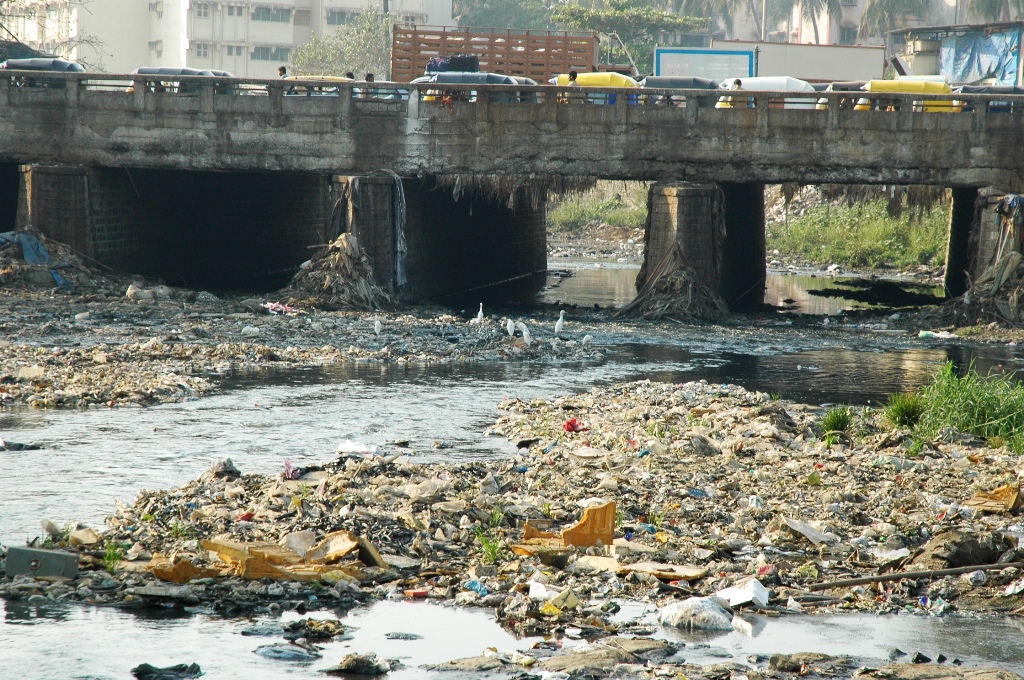
oshiwara_riverI admit that I might be stepping out on a bit of a dodgy limb by claiming ‘greatest’ in the title. That’s a big call, and possibly a rather subjective one at that. Regardless, I think it is one of the great conservation tragedies of the Anthropocene, and few people outside of a very specific discipline of conservation ecology seem to be talking about it.

I’m referring to freshwater biodiversity.

I’m no freshwater biodiversity specialist, but I have dabbled from time to time, and my recent readings all suggest that a major crisis is unfolding just beneath our noses. Unfortunately, most people don’t seem to give a rat’s shit about it.

Sure, we can get people riled by rhino and elephant poaching, trophy hunting, coral reefs dying and tropical deforestation, but few really seem to appreciate that the stakes are arguably higher in most freshwater systems. Read the rest of this entry »


Massive yet grossly underestimated global costs of invasive insects

4 10 2016
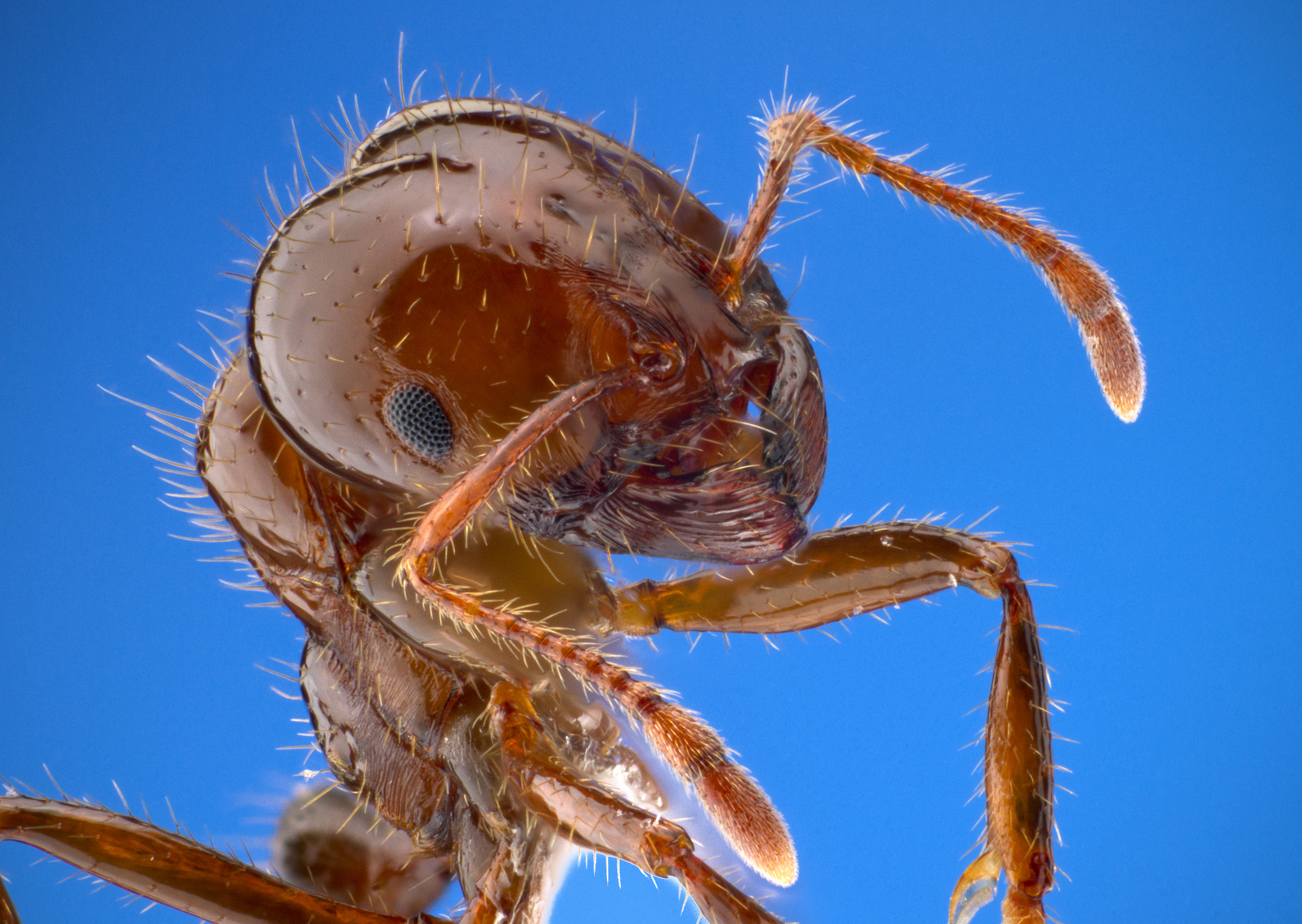
Portrait of a red imported fire ant, Solenopsis invicta. This species arrived to the southeastern United States from South America in the 1930s. Specimen from Brackenridge Field Laboratory, Austin, Texas, USA. Public domain image by Alex Wild, produced by the University of Texas "Insects Unlocked" program.

Portrait of a red imported fire ant Solenopsis invicta. This species arrived to the southeastern USA from South America in the 1930s. Specimen from Brackenridge Field Laboratory, Austin, Texas, USA. Public domain image by Alex Wild, produced by the University of Texas “Insects Unlocked” program.

As many of you already know, I spent a good deal of time in France last year basking in the hospitality of Franck Courchamp and his vibrant Systematic Ecology & Evolution lab at Université Paris-Sud. Of course, I had a wonderful time and was sad to leave in the end, but now I have some hard evidence that I wasn’t just eating cheese and visiting castles. I was actually doing some pretty cool science too.

Financed by BNP-Paribas and Agence Nationale de Recherche, the project InvaCost was designed to look at the global impact of invasive insects, including projections of range dynamics under climate change and shifting trade patterns. The first of hopefully many papers is now out.

Just published in Nature Communications, I am proud that many months of hard work by a brilliant team of ecologists, epidemiologists and economists has culminated in this article entitled Massive yet grossly underestimated costs of invasive insects, which in my opinion is  the first robust analysis of its kind. Despite some previous attempts at estimating the global costs of invasive species1-4 (which have been largely exposed as guesswork and fantasy5-10), our paper rigorously treats the economic cost estimates and categorises them into ‘reproducible’ and ‘irreproducible’ categories.

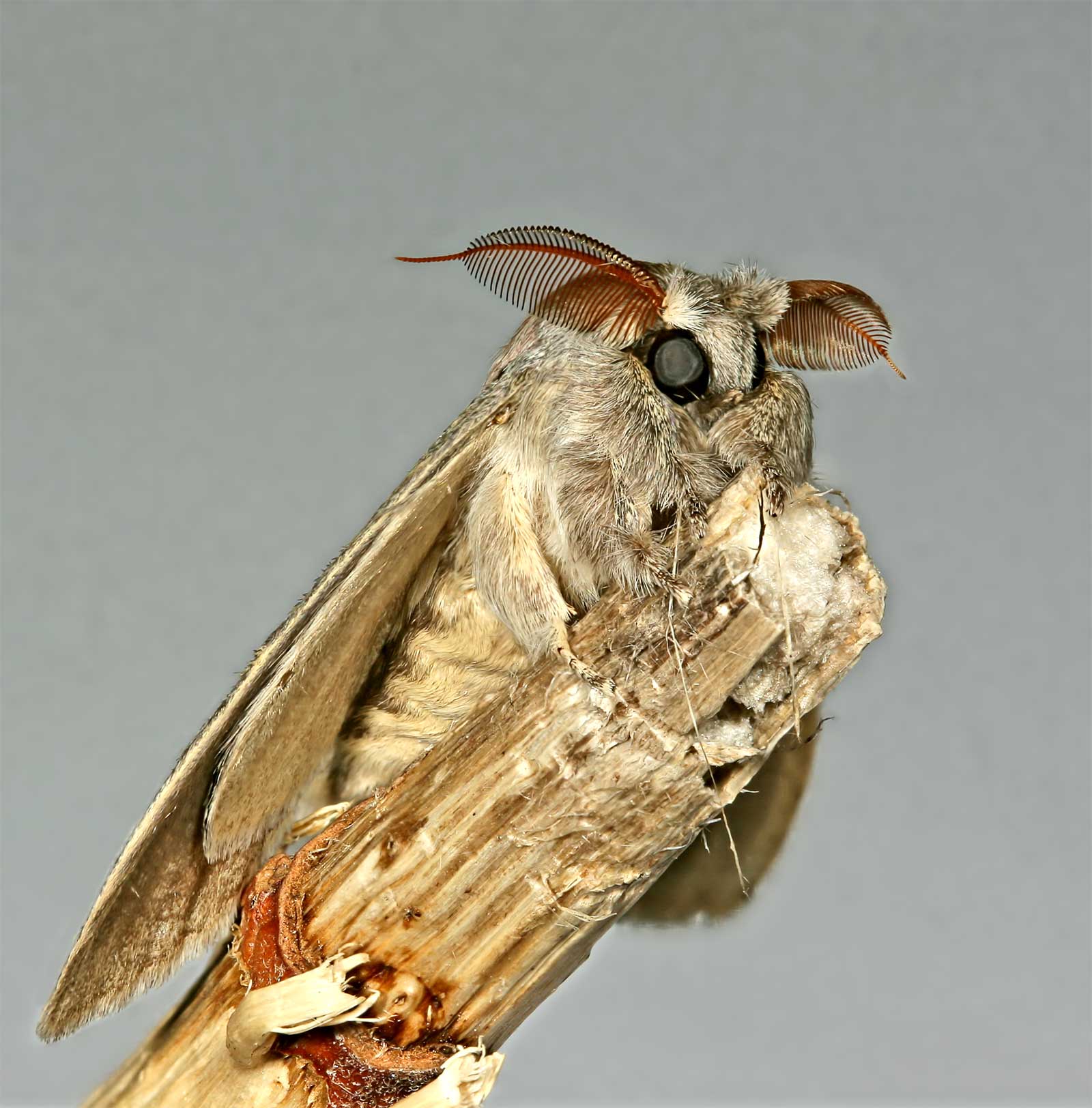
Lymantria

Gypsy moth (Lymantria dispar) adult. Dimitri Geystor (France)

What we found was sobering. If we look at just ‘goods and services’ affected by invasive insects, the annual global costs run at about US$70 billion. These include agricultural, forestry and infrastructure damages, as well as many of the direct costs of clean-up and eradication, and the indirect costs of prevention. When you examine that number a little more closely and only include the ‘reproducible’ studies, the total annual costs dip to about US$25 billion, meaning that almost 65% of the costs recorded are without any real empirical support. Scary, especially considering how much credence people put on previously published global ‘estimates’ (for example, see some citation statistics here).

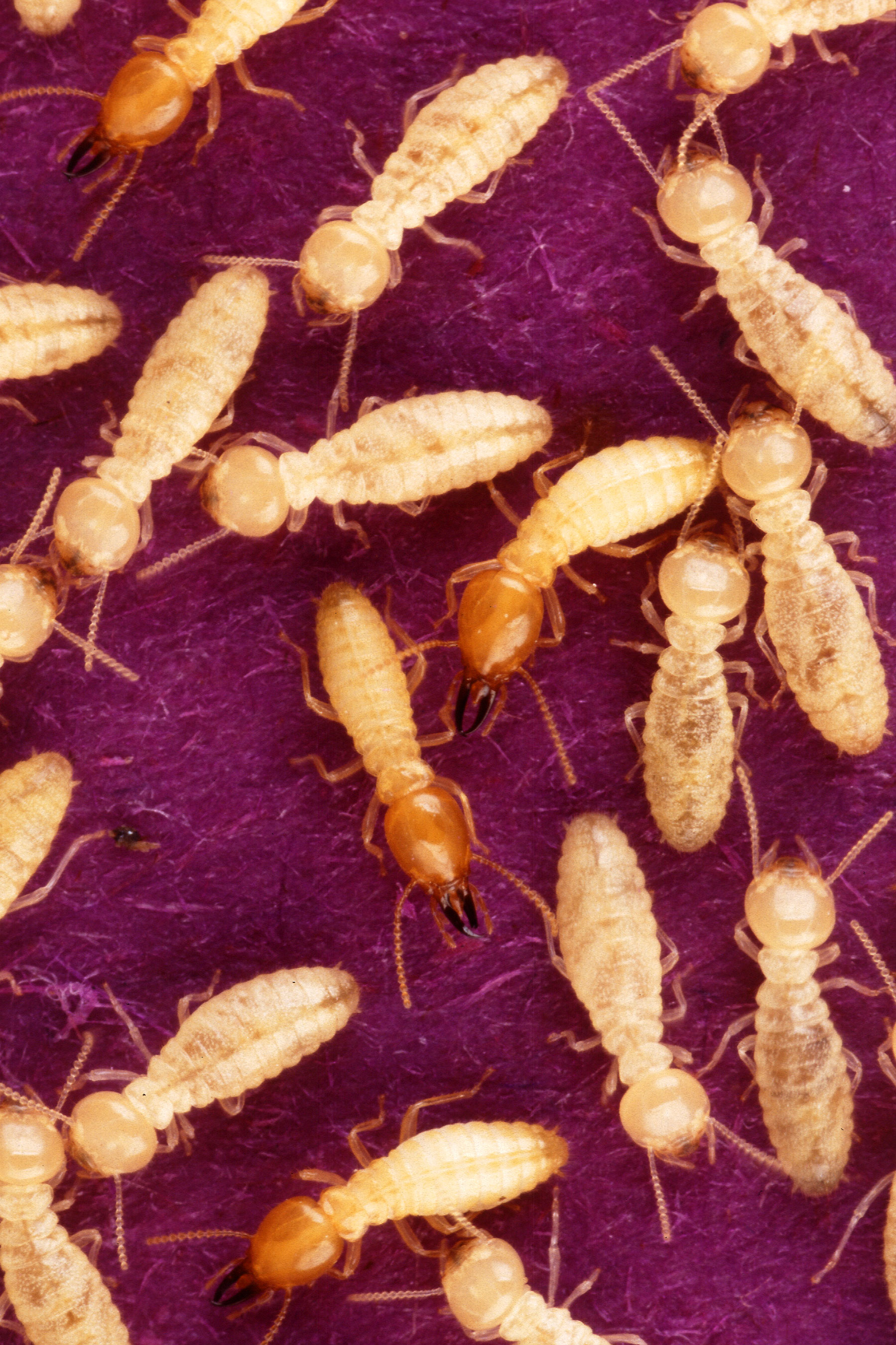
Coptotermes_formosanus

Formosan subterranean termite Coptotermes formosanus by Scott Bauer, US Department of Agriculture, Agricultural Research Service

There’s a great example to illustrate this. If you take it at face value, the most expensive invasive insect in the world is the Formosan subterranean termite Coptotermes formosanus estimated at US$30.2 billion/yr globally. However, that irreproducible estimate is based on a single non-sourced value of US$2.2 billion per year for the USA, a personal communication supporting a ratio of 1:4 of control:repair costs in a single US city (New Orleans), and an unvalidated assumption that the US costs represent 50% of the global total.

Read the rest of this entry »


Inexorable rise of human population pressures in Africa

31 08 2016
© Nick Brandt

© Nick Brandt

I’ve been a bit mad preparing for an upcoming conference, so I haven’t had a lot of time lately to blog about interesting developments in the conservation world. However, it struck me today that my preparations provide ideal material for a post about the future of Africa’s biodiversity.

I’ve been lucky enough to be invited to the University of Pretoria Mammal Research Unit‘s 50th Anniversary Celebration conference to be held from 12-16 September this year in Kruger National Park. Not only will this be my first time to Africa (I know — it has taken me far too long), the conference will itself be in one of the world’s best-known protected areas.

While decidedly fortunate to be invited, I am a bit intimidated by the line-up of big brains that will be attending, and of the fact that I know next to bugger all about African mammals (in a conservation science sense, of course). Still, apparently my insight as an outsider and ‘global’ thinker might be useful, so I’ve been hard at it the last few weeks planning my talk and doing some rather interesting analyses. I want to share some of these with you now beforehand, although I won’t likely give away the big prize until after I return to Australia.

I’ve been asked to talk about human population pressures on (southern) African mammal species, which might seem simple enough until you start to delve into the complexities of just how human populations affect wildlife. It’s simply from the perspective that human changes to the environment (e.g., deforestation, agricultural expansion, hunting, climate change, etc.) do cause species to dwindle and become extinct faster than they otherwise would (hence the entire field of conservation science). However, it’s another thing entirely to attempt to predict what might happen decades or centuries down the track. Read the rest of this entry »


Rich and stable communities most vulnerable to change

16 08 2016

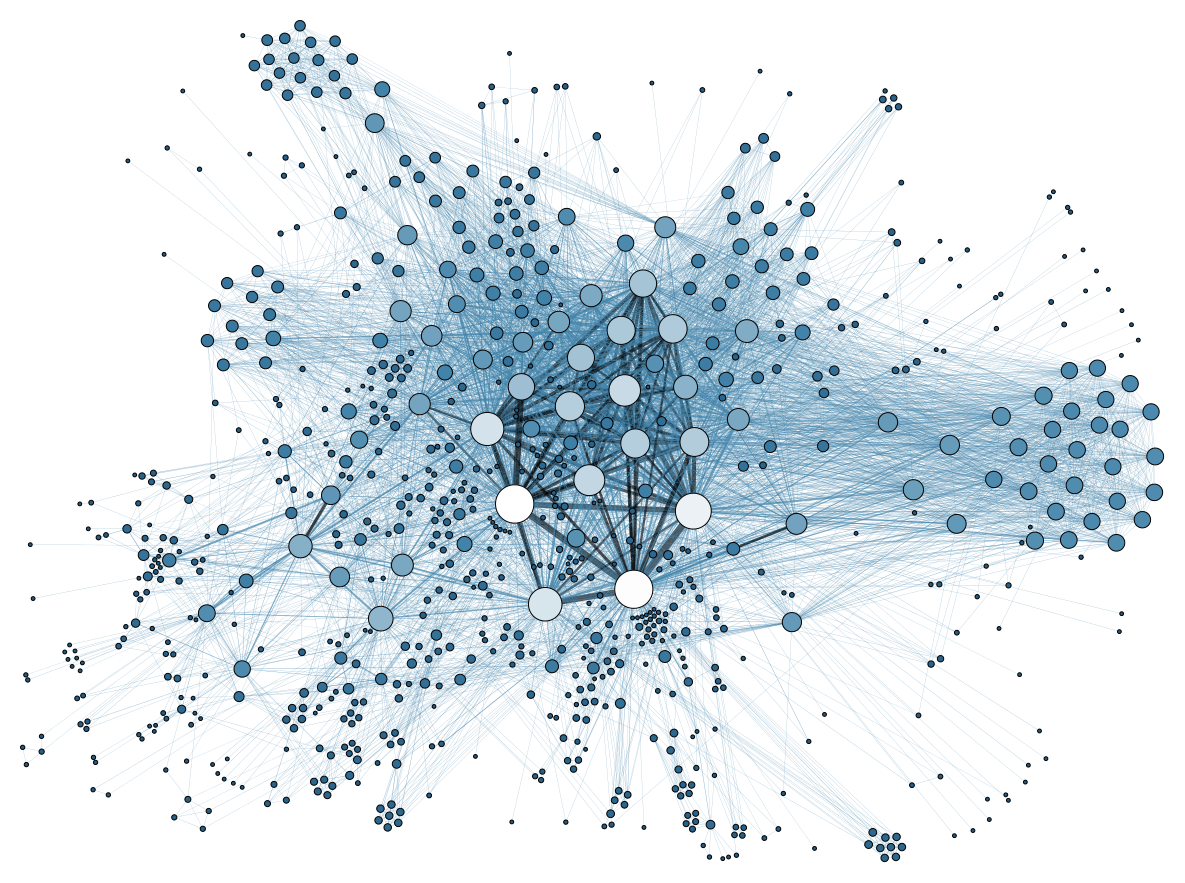
networkI’ve just read an interesting new study that was sent to me by the lead author, Giovanni Strona. Published the other day in Nature Communications, Strona & Lafferty’s article entitled Environmental change makes robust ecological networks fragile describes how ecological communities (≈ networks) become more susceptible to rapid environmental changes depending on how long they’ve had to evolve and develop under stable conditions.

Using the Avida Digital Evolution Platform (a free, open-source scientific software platform for doing virtual experiments with self-replicating and evolving computer programs), they programmed evolving host-parasite pairs in a virtual community to examine how co-extinction rate (i.e., extinctions arising in dependent species — in this case, parasites living off of hosts) varied as a function of the complexity of the interactions between species.

Starting from a single ancestor digital organism, the authors let evolve several artificial life communities for hundred thousands generation under different, stable environmental settings. Such communities included both free-living digital organisms and ‘parasite’ programs capable of stealing their hosts’ memory. Throughout generations, both hosts and parasites diversified, and their interactions became more complex. Read the rest of this entry »


More things stay the same, more we retrogress

20 07 2016

obrazek_1idiommmmsmmWithin six months of Abbott and the Coalition seizing power in the 2013 Australian election, decades—if not centuries—of environmental damage and retrograde policies unfolded. But this was no run-of-the-mill incompetence and neglect by government—this was an all-out attack on anything with the merest whiff of environmental protection. The travesty is well-documented, from infamously axing both the carbon-pricing scheme and climate commission, eradicating Labor’s 80% emissions-reduction target by 2050, diluting the Renewable Energy Target, refusing to commit to enforcing the Illegal Logging Prohibition Act (fortunately, this is now law), defunding the only independent legal entity available to limit environmentally destructive development (Environmental Defenders Office), to even attempting to remove the rights of environmental groups to challenge development proposals (thankfully, that failed).

The Coalition’s backward and ineffectual climate change-mitigation policies alone are evidence enough for long-term damage, but their war on the environment in general means that even the future election of a more environmentally responsible government will not undo the damage quickly, if at all. As a result of these and other nearsighted policies, Australia remains one of the highest per-capita greenhouse-gas emitters on the planet, has one of the highest per-capita water uses of any nation, leads the world in mammal extinctions, continues to deforest its already forest-poor landscape, and is a society utterly unprepared to deal with the future challenges of a degraded planet.
Read the rest of this entry »